
Guides · Soil & feeding · Published November 22, 2026 · By Faizan Ahmad
Banana Peel Water for Plants: Fact Check — How Much Potassium Is Really in the Jar?
Banana peel water delivers only a small fraction of the peel's potassium and none of the nitrogen a growing plant needs most: a fresh peel is roughly 0.1-0.1-2.3 NPK (gardening author Robert Pavlis's analysis), potassium dissolves out of a short soak only partially, and extension services from the University of California to NC State give the same advice — compost the peels instead of soaking or burying them. This guide checks the claims one by one: the viral “0-25-42” fertilizer figure, the soak itself, burying peels beside plants, and the routes that genuinely return a peel's potassium to the soil.
On this page
The verdicts, in one card
- “Peel water fertilizes plants”: mostly myth — a short soak releases a little potassium, and no nitrogen at all
- The viral “0-25-42” peel analysis: impossible — a fresh peel is mostly water; the real figure is near 0.1-0.1-2.3
- “Bury peels beside plants”: poor practice — decomposition ties up nitrogen and can attract pests; extension says compost instead
- What works: compost the peels, or dry and grind them into soil in modest amounts
- The common thread: the peel's potassium is real — the delivery method in the viral recipe is the weak part
First, the real numbers — what a peel actually contains
Start with the figure that launched the trend: social posts credit banana peel with an NPK of 0-25-42, which would make it stronger than most bagged fertilizers. It cannot be true of a fresh peel, because a fresh peel is mostly water. Robert Pavlis, who analyses garden remedies in Garden Myths, puts dried peel at about 0.6-0.4-11.5 and fresh peel at roughly a fifth of that — about 0.1-0.1-2.3. So a peel does hold a meaningful share of potassium for its dry weight, a little phosphorus, and effectively no nitrogen. That last point matters most: nitrogen is the nutrient growing plants consume in the largest quantity, and no peel preparation — soaked, buried or dried — can supply it. Peel anything is, at best, a potassium supplement, never a feed.
Claim 1 — “Peel water is a free potassium fertilizer”
The recipe is simple: soak peels in a jar of water for a day or two and pour the liquid on your plants. Potassium is water-soluble, so the soak is not pure theatre — some potassium does move into the water. But the arithmetic is unforgiving: the peel only held about 2% potassium to begin with, and a short soak extracts only part of it, leaving most of the nutrient still in the peel you throw away. Pavlis's summary is the fair one: the tea adds “some potassium, but not much else.” Reader's Digest, reviewing the trend, reached the same place — there is currently no scientific evidence that banana water contains enough potassium to make a measurable difference to plants. Meanwhile the sugary soaking liquid is a friendly habitat for mould and fungus gnats, which is why the same jar that is supposed to help a houseplant so often ends up breeding flies beside it.
Compare like with like: if a soil test shows your bed is genuinely short of potassium, a measured fertilizer gives you a known dose in one pass — run it through the Fertilizer Calculator. Peel water gives you an unknown dose of one nutrient, none of the nitrogen, and a jar of microbe soup.
Claim 2 — “Bury a peel beside the plant”
Burying skips the jar but keeps the problems. The University of California's Master Gardener programme addresses this myth directly: the peel does contain potassium, but breaking it down consumes nitrogen from the surrounding soil, leaving less for the plant it was buried to feed — and peels in shallow soil can attract unwelcome wildlife. NC State Extension's Beaufort County centre, debunking viral garden hacks, adds that buried peels decompose slowly, can harbour mould, and that their nutrients are not in a form plants can use right away. Both services give the identical prescription: compost the peels, and top-dress with the finished compost, where the nutrients arrive in plant-available form without the nitrogen penalty.
There is also an older, grander claim to retire: that burying peels cures black spot on roses. The University of Washington's plant answer line traced it to Ohio State University Extension folklore — peels were indeed put in rose planting holes in the 18th century and do contain useful nutrients, but nothing in the record says they control the fungal disease. A nutrient is not a fungicide.
What actually works — compost, or dry and grind
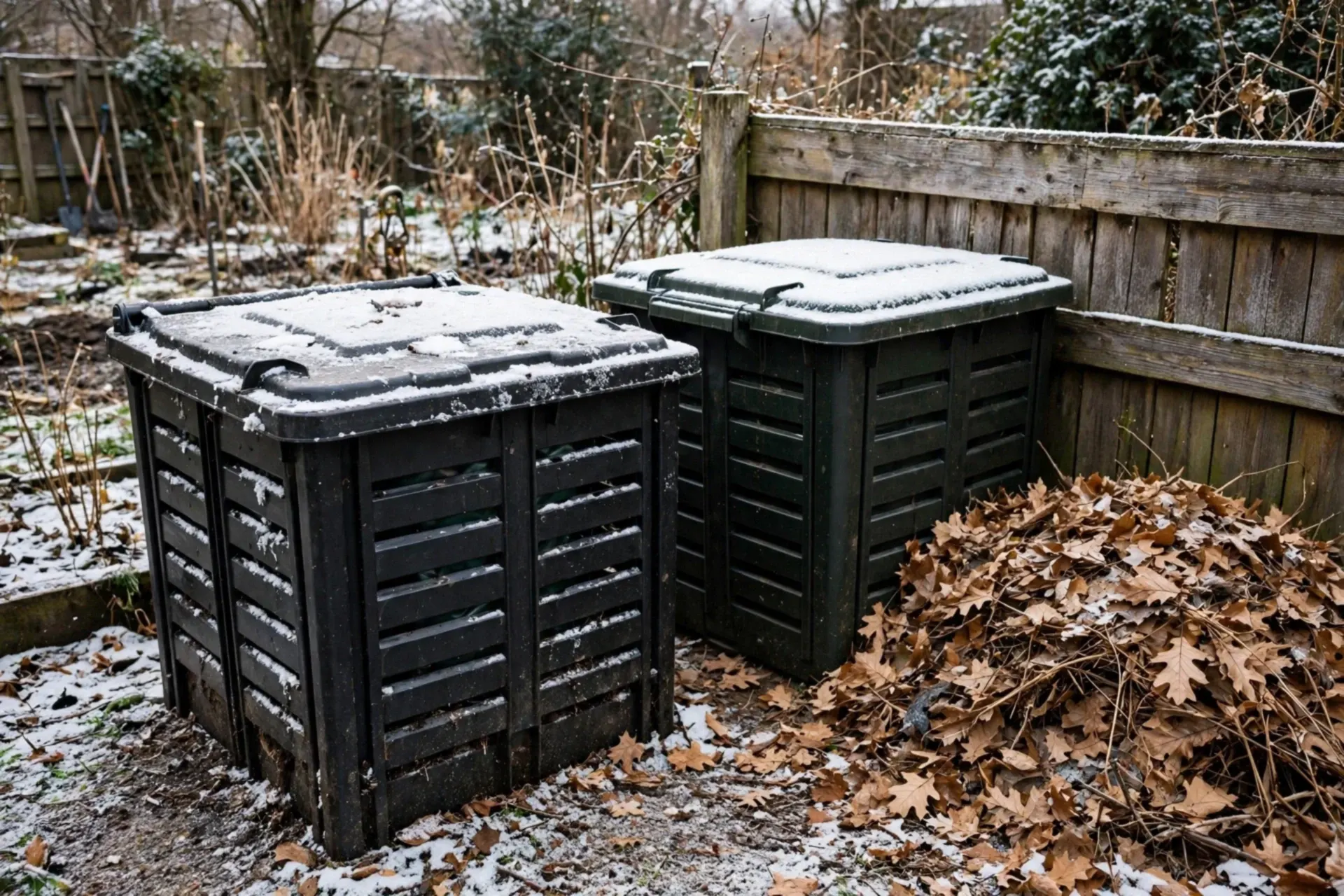
The research that does exist points the same way as the extension advice. A 2024 review in the journal Agriculture (Khanyile and colleagues) summarised peel trials and found peels decomposed in soil outperformed peels decomposed in water for plant growth — decomposition, not soaking, is what unlocks the nutrients. In one pot trial, dried peel powder mixed into soil measurably raised soil potassium, though it also pushed the soil alkaline (pH 8.98 in that trial), which is the caution attached to the dry-and-grind route: use modest amounts, and not beside acid-loving plants. For most gardeners the compost pile remains the best answer — peels break down quickly in an active pile, their potassium joins the general nutrient pool, and the Compost Calculator will keep the mix balanced while they do. The full method is in Compost Greens to Browns Ratio.
File banana peel water where it belongs in this fact-check series — beside the Epsom salt tonic and the eggshell ritual in our Garden Remedies Fact-Check: a real nutrient, an ineffective delivery system, and a better use of the same material one step away.
Questions people ask
Does banana peel water actually fertilize plants?
Only very weakly. A short soak releases a little of the peel's potassium into the water and none of its (already minimal) nitrogen. There is no scientific evidence it delivers enough potassium to make a measurable difference; composting the peels returns far more.
What is the real NPK of a banana peel?
About 0.1-0.1-2.3 fresh, or roughly 0.6-0.4-11.5 dried (Robert Pavlis, Garden Myths). The 0-25-42 figure shared online is impossible for a fresh peel, which is mostly water.
Is it OK to bury banana peels in the garden?
Extension services advise against it: decomposing peels tie up soil nitrogen, can harbour mould and attract pests, and their nutrients are not plant-available until they have broken down. Compost them instead (UC ANR; NC State Extension).
What is the best way to use banana peels for plants?
Compost them, or dry and grind them into soil in modest amounts. Trials reviewed in Agriculture (2024) found peels decomposed in soil outperformed peel water; one pot trial with dried peel powder raised soil potassium but pushed pH up, so keep quantities small.
Can banana peel water prevent blossom end rot in tomatoes?
No. Blossom end rot is a calcium delivery problem driven by uneven watering — peel water supplies neither meaningful calcium nor a fix for watering. See our eggshell and blossom end rot fact-check for the full picture.
Sources
Key claims cross-checked against University of California ANR / Master Gardeners — “Garden Myth Explained” (buried peels tie up nitrogen; compost instead) · NC State Extension, Beaufort County — “Gardening Hacks or Hype?” (buried peels decompose slowly and can harbour mould; composting recommended) · University of Washington, Elisabeth C. Miller Library — Plant Answer Line (the banana-peel-and-black-spot folklore, via Ohio State University Extension). Peel nutrient figures: Robert Pavlis, Garden Myths; trial results: Khanyile et al. (2024), Agriculture.
Related page
Read next: Garden Remedies Fact-Check: Epsom Salt, Soda & Vinegar
Comments & ratings
No comments yet.
Be the first to share your experience.