
Guides · Purslane · Published November 11, 2026 · By Faizan Ahmad
How to Grow Purslane: The Complete Beginner's Guide
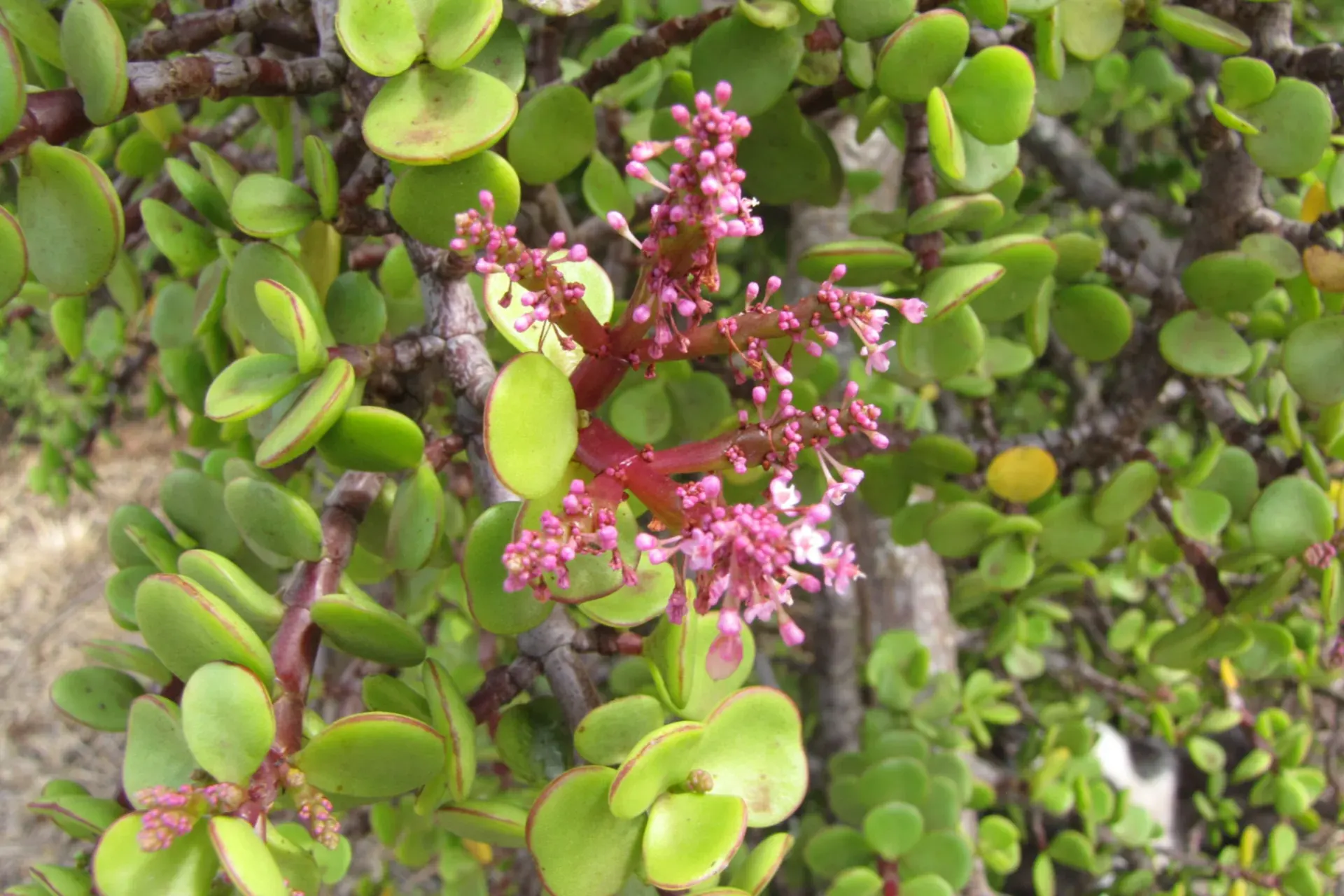
Purslane is a heat-loving succulent green with thick, juicy leaves and a lemony crunch — and it is unusually rich in omega-3 fatty acids for a leafy vegetable. It grows fast in hot, dry weather where lettuce gives up, and it is ready in 30–50 days. One warning: it self-sows aggressively, so grow it in a contained spot and cut it before it seeds. This guide is the whole routine on one page, in order. For the one-screen version — light, water and care at a glance — see the Purslane plant page; this is the deep guide it points to. Your personal dates for every step are in the Planting Calendar.
The purslane season at a glance
- When: Direct sow after last frost, once the soil is warm — 70 °F (21 °C) or more to germinate well.
- Soil: Any well-drained soil, even poor dry soil. Purslane is a weed at heart and hates rich, wet ground.
- Sowing: Scatter seed on the surface — it needs light to germinate — and press in. Thin to 8–12 in apart.
- Water & feed: Low — drought-tolerant; avoid overwatering — Feed nothing. Rich soil makes soft, sprawling plants; lean soil keeps them compact and tasty.
- Harvest: 30–50 days (leaves)
Step 1 — Wait for warm soil
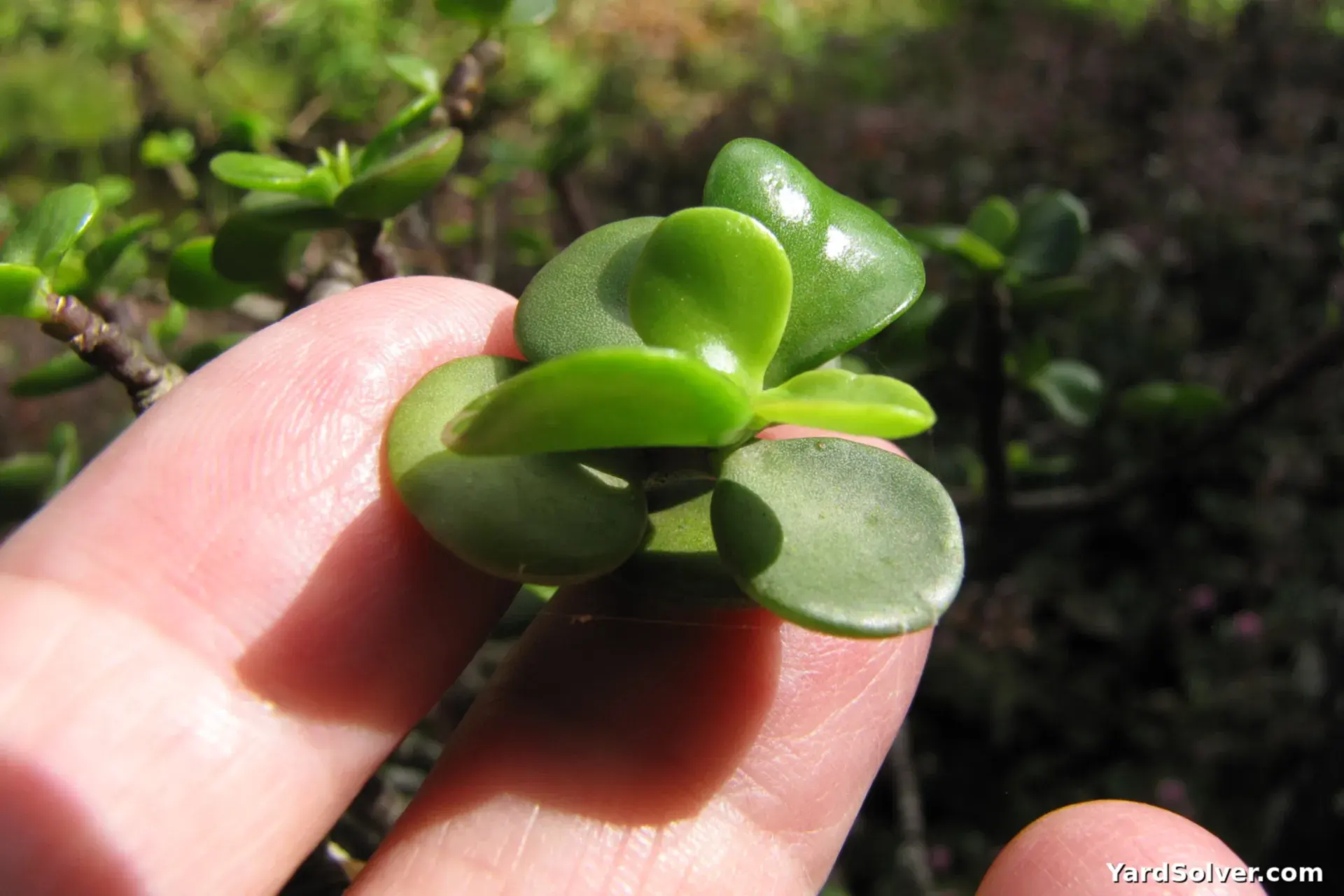
Purslane needs soil of 70 °F or more to germinate. Sow after your last frost, into warm ground. Direct sow after last frost, once the soil is warm — 70 °F (21 °C) or more to germinate well.
Step 2 — Any sunny, drained spot
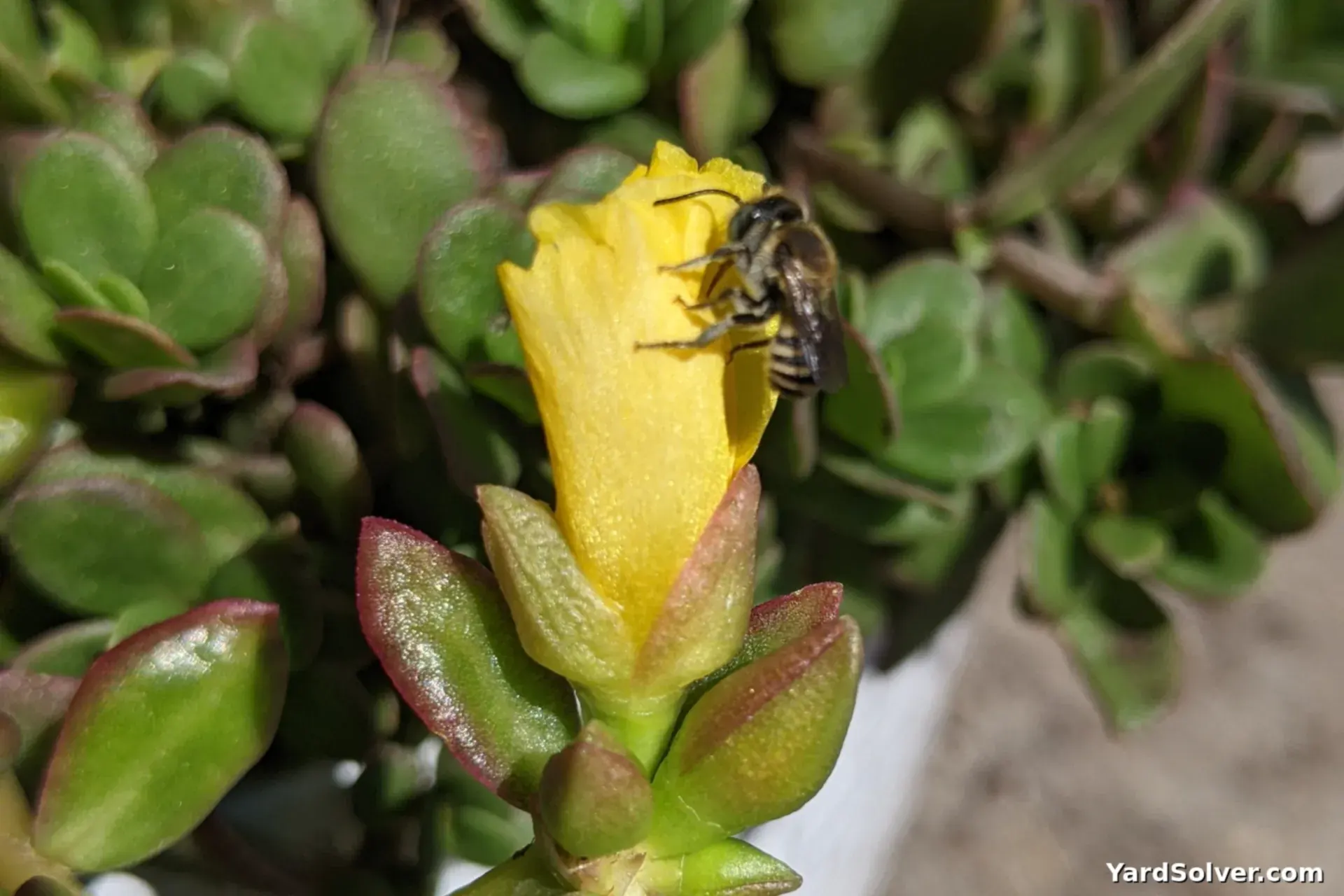
Purslane is a weed at heart — poor, dry, well-drained soil suits it. Rich, wet ground makes soft plants. Any well-drained soil, even poor dry soil. Purslane is a weed at heart and hates rich, wet ground.
Step 3 — Surface sow
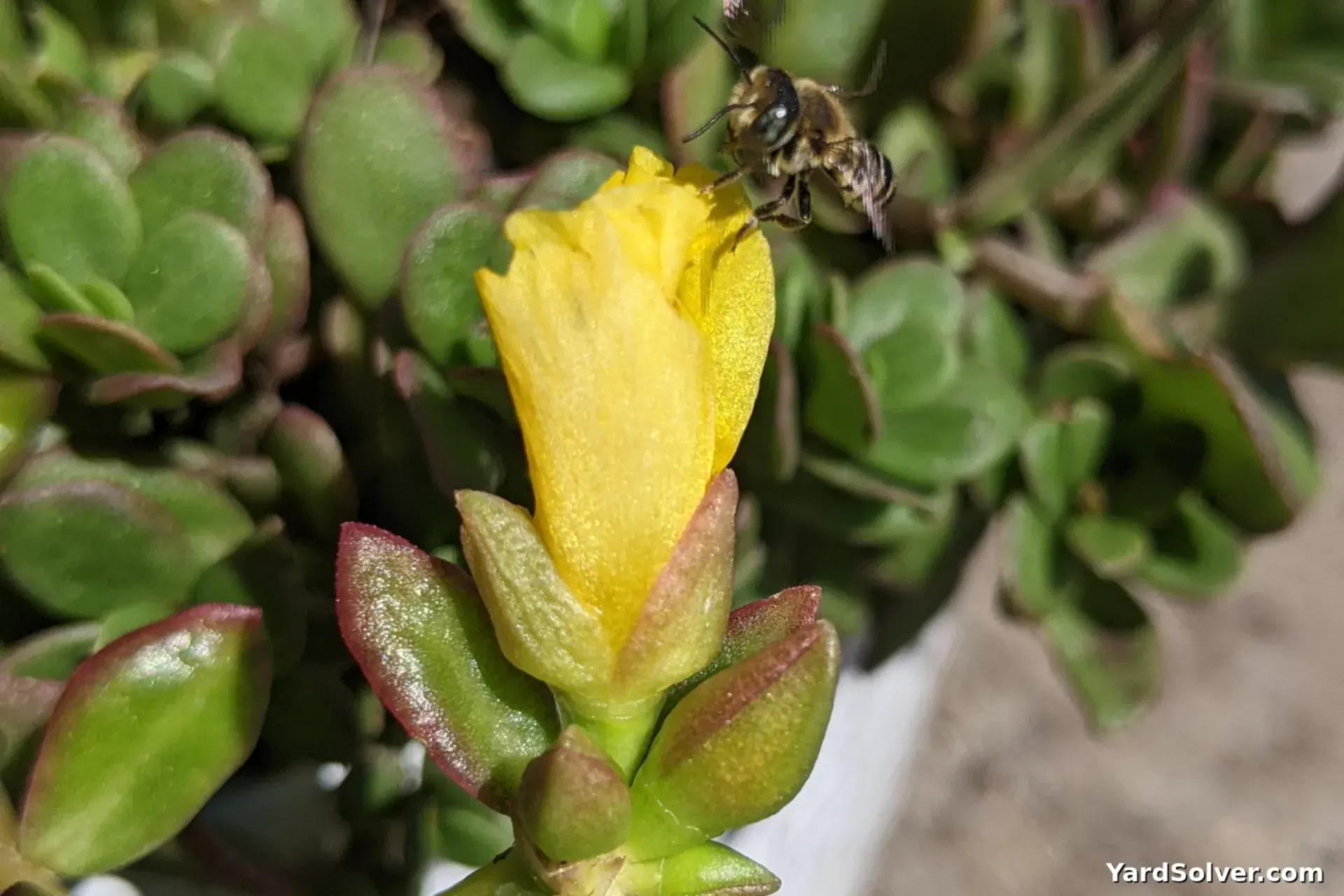
Scatter seed on the surface and press in — it needs light to germinate. Thin to 8–12 in apart. Scatter seed on the surface — it needs light to germinate — and press in. Thin to 8–12 in apart.
Step 4 — Water sparingly
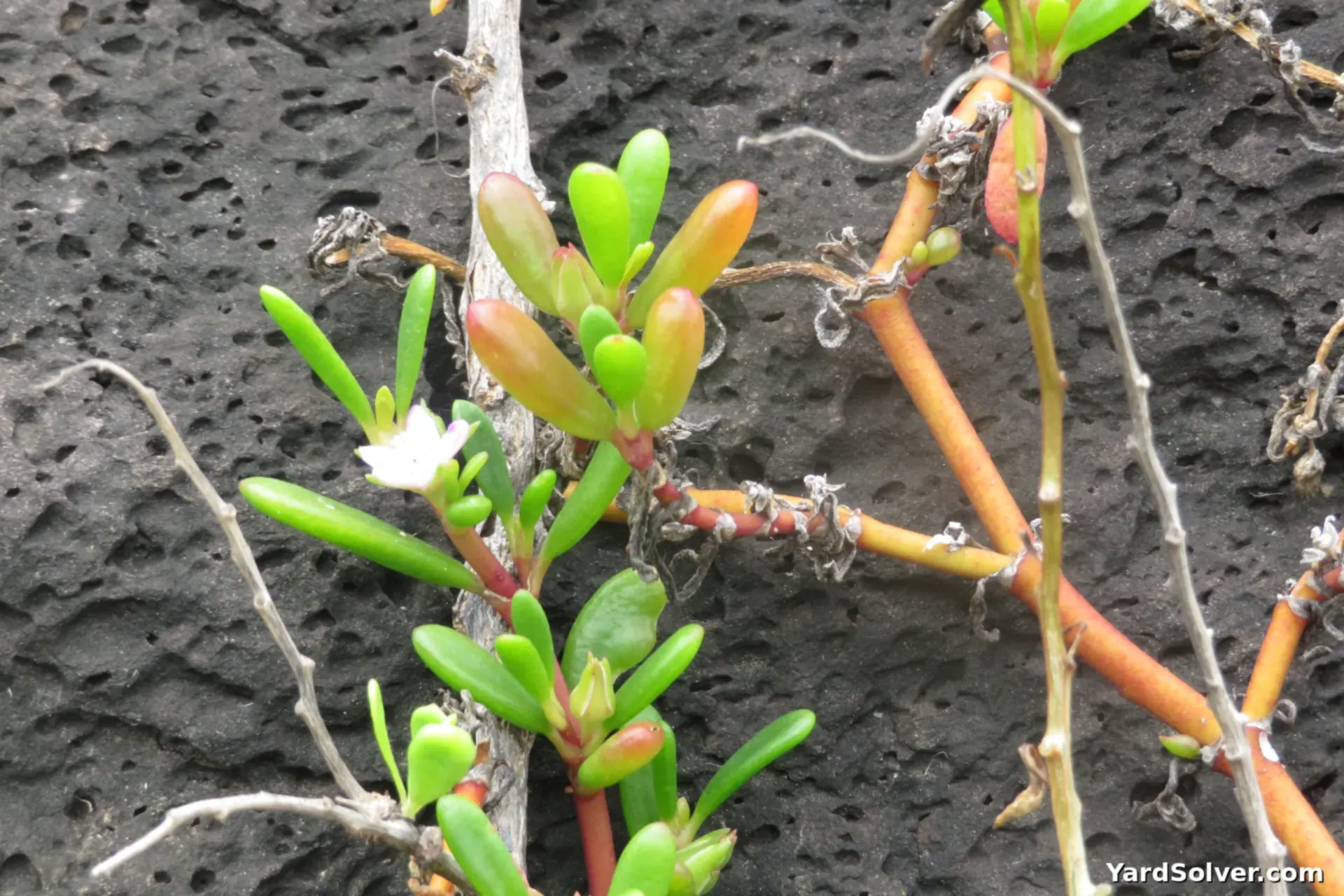
The succulent stems rot in soggy soil. Water little, and let the soil dry between waterings. Feed nothing. Rich soil makes soft, sprawling plants; lean soil keeps them compact and tasty.
Step 5 — Cut — and contain it
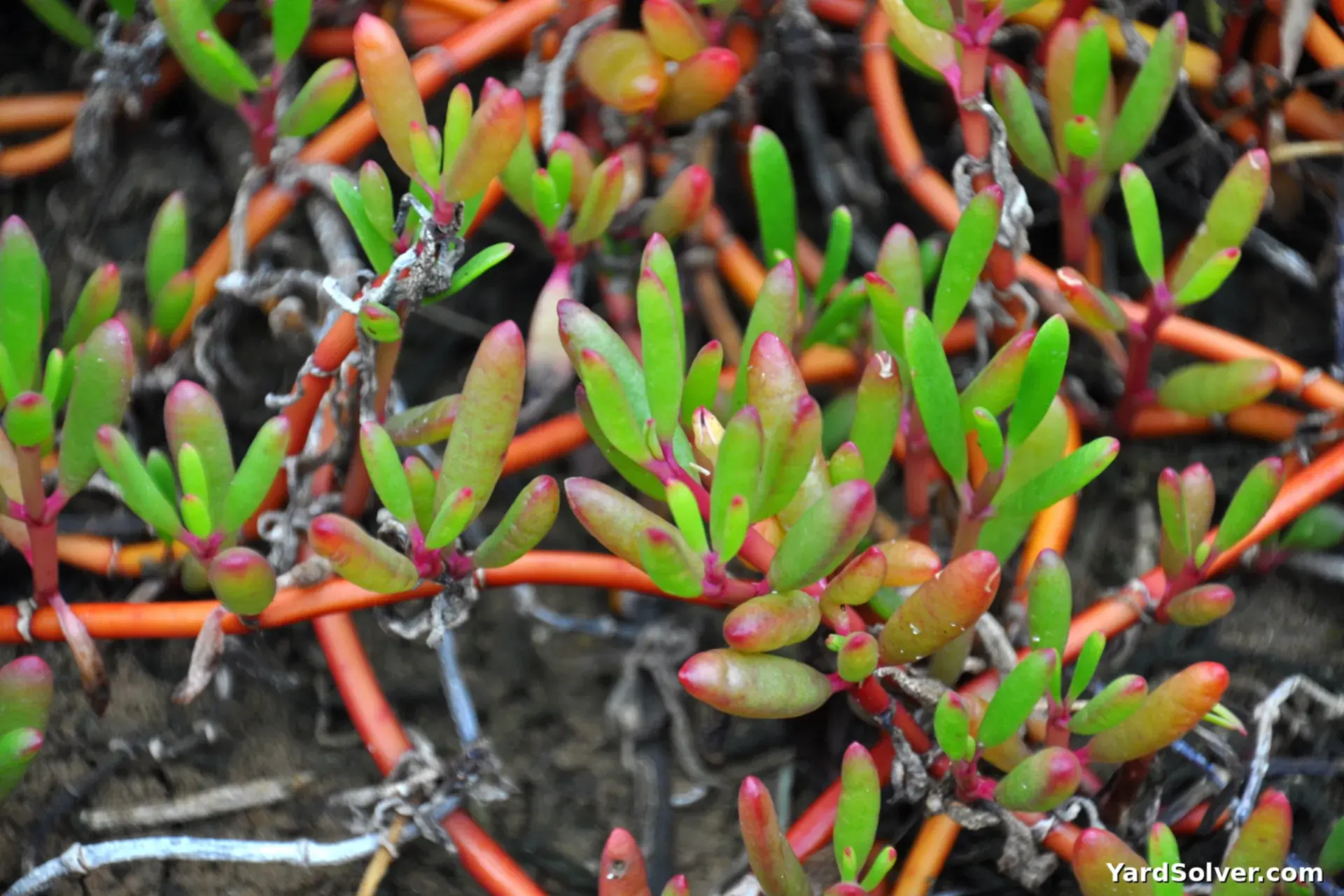
Cut stems with scissors and the plant regrows. But deadhead before it seeds, or purslane will come back everywhere next year. Self-sowing — it will come back everywhere; deadhead before seed sets, and grow it in a pot or bordered bed.
Keep going
The at-a-glance version, with light and water needs: Purslane — Plant Library.
Plan the bed: Garden Planner · Planting Calendar · Companion Planting Chart · Plant Spacing Calculator
Questions people ask
When do I plant purslane?
Direct sow after last frost, once the soil is warm — 70 °F or more to germinate well.
How far apart do I space purslane?
Thin plants to 8–12 in apart, with seed scattered on the surface. Sun: full sun.
When is purslane ready to harvest?
30–50 days after sowing. Cut stems with scissors — the plant regrows, so pick little and often.
Purslane is a weed that out-nourishes most crops — grow it on purpose and it behaves
Common purslane is one of the most nutritious leafy plants in any garden — richer in omega-3 fatty acids than almost any other leaf vegetable — and also one of the toughest: a succulent groundcover that germinates only in genuinely warm soil and then grows through drought that wilts everything around it. Grown deliberately in a contained bed or pot it stops being a weed problem and becomes a cut-and-come-again salad crop; grown carelessly it self-sows everywhere, which is why this guide keeps it contained.
Sow on the surface after all frost danger, because the tiny seed needs light and warmth together, and thin to a hand's width so the prostrate stems can spread into a mat. Harvest by cutting stems before flowering for the mildest, crunchiest leaves, and pick in the morning when the leaves hold their malic-acid tang. One honest warning belongs in every purslane guide: a plant allowed to seed once will appear for years — enjoy it where you planted it, and hoe it everywhere else.
Sources
Key facts on this page cross-checked against Portulaca oleracea — Wikipedia — background on Portulaca oleracea — common purslane — its nutrition and growth habit and Succulent plant — Wikipedia — background on succulent plants and how they store water.
Related page
Read next: How to Grow Sorrel: A Beginner's Step-by-Step Guide.
Comments & ratings
No comments yet.
Be the first to share your experience.