
Guides · Planting & seasons · Published November 22, 2026 · By Faizan Ahmad
When Is the First Frost? Typical Dates by Zone & What to Do Before It
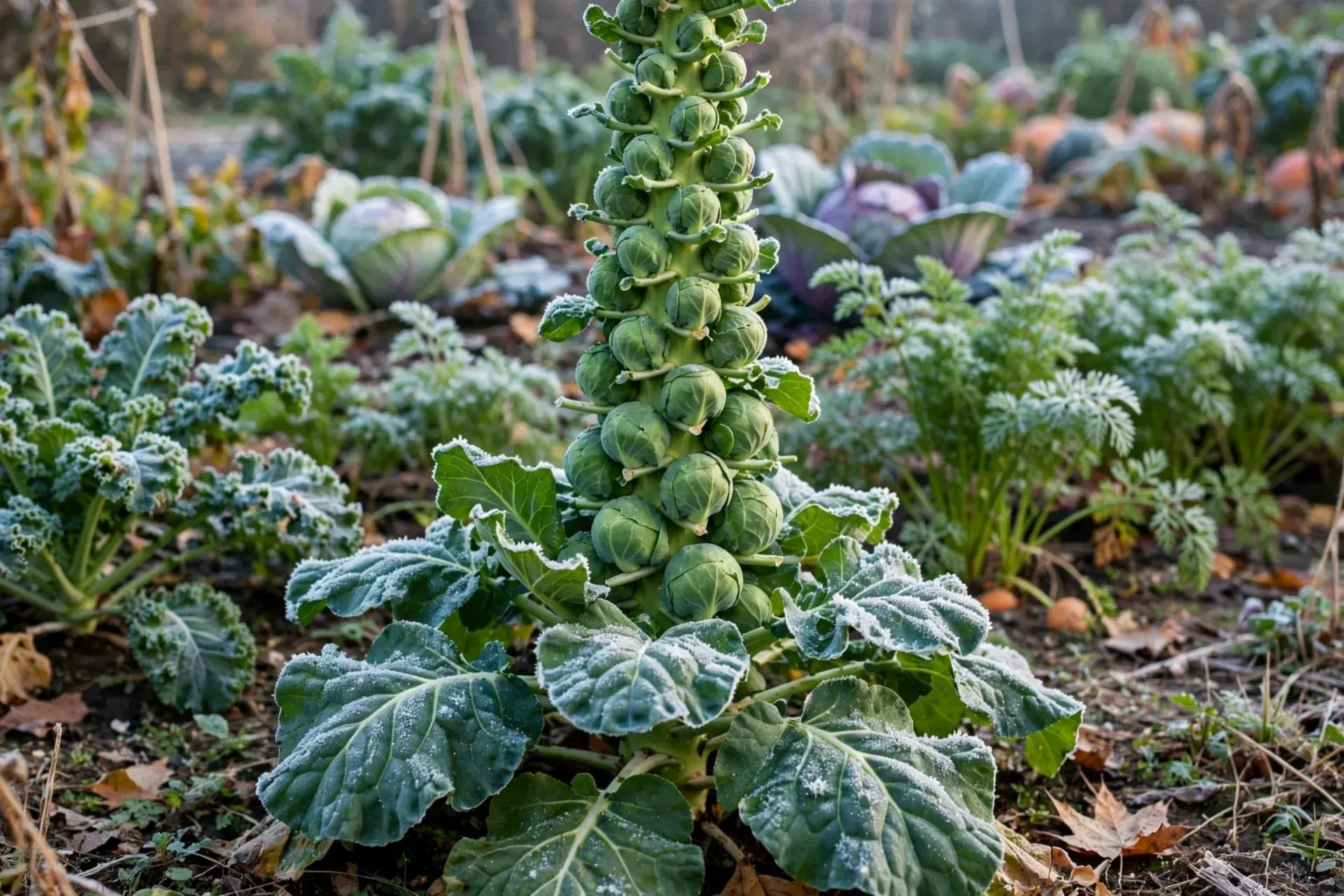
The first frost in your zone falls, in a typical year, on a knowable date: mid-September in USDA Zone 3, late October in Zone 6, mid-November in Zone 8. Nobody can forecast the exact night months ahead — what exists is the long-term average, and it is genuinely useful, because the end-of-season jobs all count backwards from it. Our First Frost Date Calculator reads those averages from the same frost tables as the site’s Planting Calendar. This guide explains what an average promises, and what to do in the weeks before it arrives.
The short answer, on one card
- Typical first frost: Zone 3 ≈ Sep 15 · Zone 5 ≈ Oct 10 · Zone 6 ≈ Oct 24 · Zone 8 ≈ Nov 20
- It is an average, not a forecast — in half of years it lands later, in half earlier
- Tender crops end at 0°C (32°F) — hardy crops like kale and sprouts carry on and sweeten
- Count backwards: cover tender plants a week out, last tender harvest the day before
- Garlic goes in after — about two weeks past the first frost, before the ground freezes
Step 1 — What “first frost” actually means
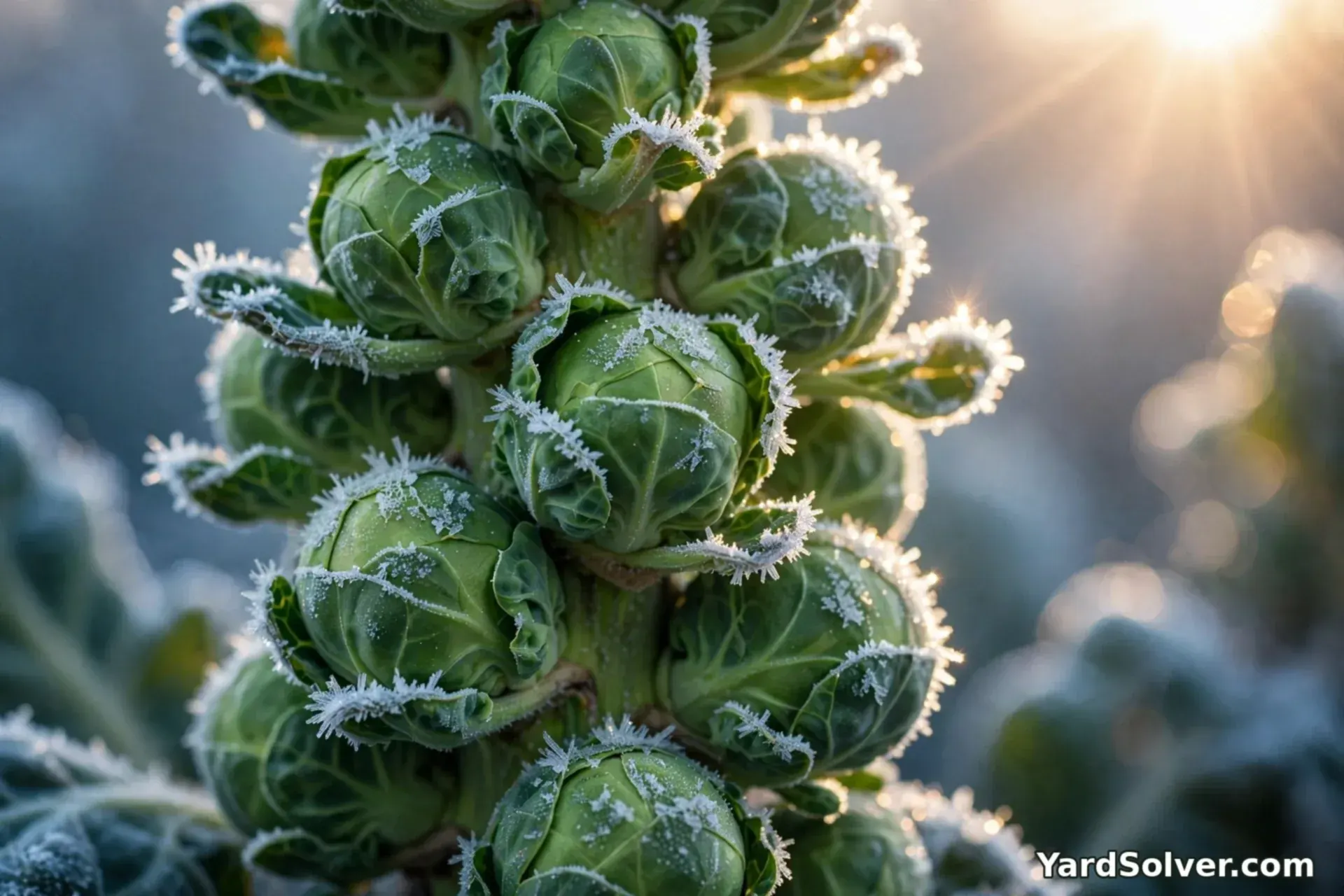
The first frost is the first autumn night at or below freezing — the night basil blackens, tomato leaves collapse and dahlias end. It is a threshold, not a trend: the week after it can be mild, but the tender season is over, because one night was enough. Hardy vegetables — kale, Brussels sprouts, leeks, carrots in the ground — not only survive it, several taste better after it, as the plants convert starch to sugar as antifreeze.
A light frost (around −1 to −2°C) kills tender growth; a hard freeze (below about −4°C) ends almost everything unprotected and can split pipes and barrels. When this guide and the calculator say “first frost”, they mean the first light frost — the date that matters for harvesting and covering.
Step 2 — Typical first frost dates, and the season they close
These are the site’s frost-table averages for USDA zones, each paired with the typical last spring frost — the difference between them is the working length of your growing season, the number that decides which varieties can possibly ripen for you.
| USDA zone | Typical last spring frost | Typical first fall frost | Season length |
|---|---|---|---|
| 3 | May 20 | September 15 | ≈ 118 days |
| 4 | May 8 | September 28 | ≈ 143 days |
| 5 | April 26 | October 10 | ≈ 167 days |
| 6 | April 14 | October 24 | ≈ 193 days |
| 7 | April 2 | November 6 | ≈ 218 days |
| 8 | March 18 | November 20 | ≈ 247 days |
The First Frost Date Calculator — dates by your own zone system carries the Canadian, UK, German and Australian tables as well, each in its own system. Compare your season length against a variety’s days-to-maturity before you buy the seed, not after.
Step 3 — Work backwards from the date
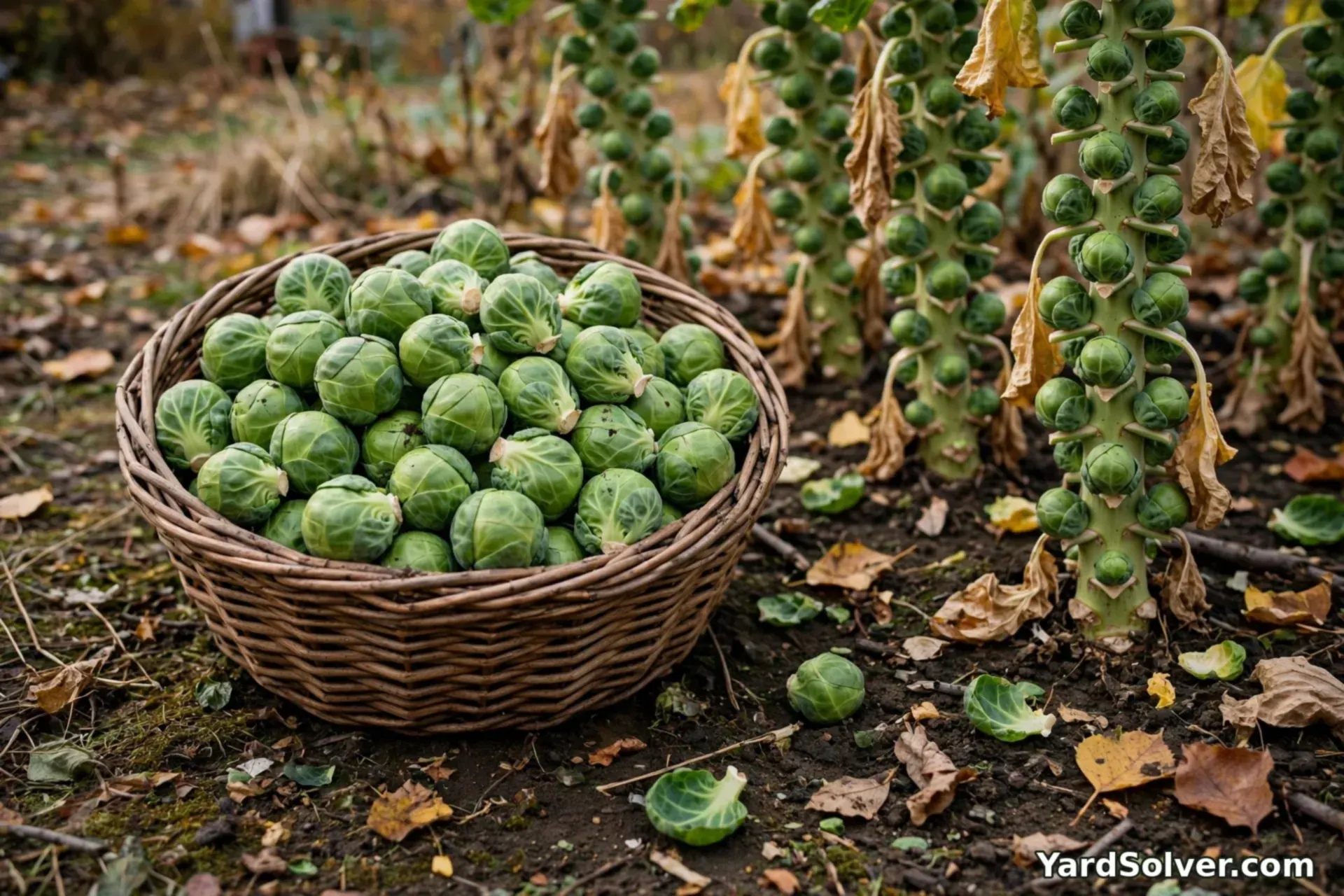
A typical date earns its keep as a planning anchor. One week before it: tender containers move to shelter, fleece comes out of storage, and the last big watering decisions are made (moist soil stores daytime heat and radiates it overnight — a real, if modest, protection). The day before: pick every tender fruit worth picking, ripe or not — green tomatoes ripen indoors; frozen ones do not ripen anywhere.
After it: the fall planting window opens. Garlic and spring bulbs go in about two weeks past the first frost, into soil cooled but not frozen, so roots establish without top growth racing ahead. Hardy fall sowings counted back from this date are the Planting Calendar’s fall set — spinach and broad beans timed to establish before winter, not to crop before it.
Step 4 — Your garden is not the zone average
Cold air flows downhill and pools. A garden at a valley bottom can frost two weeks before the zone date while a sloping city garden, warmed by buildings and pavement, waits two weeks after it. Neither is “wrong” — the table is an average of a whole region, and your plot has its own microclimate layered on top.
Which is why the most valuable frost instrument is a notebook. Record the actual first frost on your ground each year; three years of your own dates will out-predict any zone table, including this site’s. Until then, plan on the average, protect on the forecast — the 10-day forecast, watched from a week out, is what turns the average into action.
Questions people ask
When is the first frost in my zone?
Typical dates: Zone 3 mid-September, Zone 5 around October 10, Zone 6 late October, Zone 7 early November, Zone 8 late November. The calculator gives your zone’s figure from the site tables, in your own country’s system.
Can the exact date be predicted?
Not months ahead. Seasonal outlooks can lean warm or cool, but the specific night depends on weather a week or two out. Plan with the average; act on the short-range forecast.
What temperature is a killing frost for tomatoes?
Freezing itself — 0°C (32°F) — damages tomato tissue; a night at −2°C kills the plant. Peppers, basil, beans and cucumbers are equally tender; potatoes lose their tops but the tubers survive underground.
Should I water before a frost night?
Yes, if the soil is dry. Moist soil stores more daytime heat and releases it overnight, which can keep the air at plant level a degree or two warmer — sometimes the whole margin.
Does frost end the whole garden?
Only the tender half. Kale, sprouts, leeks, parsnips and carrots continue for weeks, many sweetening after frost. The first frost is a changing of the guard, not a full stop.
Sources
Key facts on this page cross-checked against Frost — Wikipedia — background on frost formation, types and plant damage Hardiness zone — Wikipedia — background on zone systems and their limits.
Comments & ratings
No comments yet.
Be the first to share your experience.