
Plant Library · Flowers · By Faizan Ahmad
🌸 How to Grow Lupine
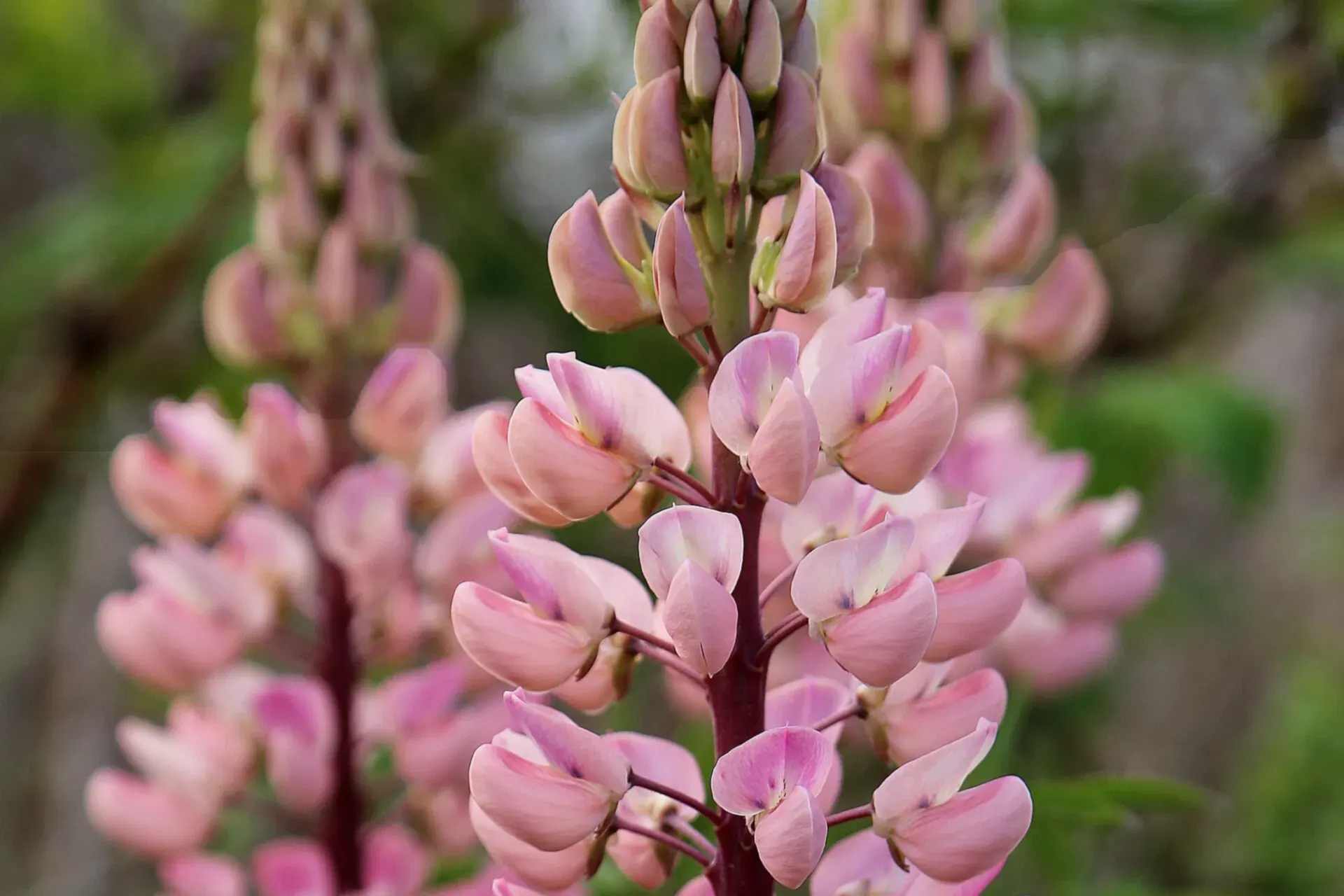
Candles of pea-flowers above fountain leaves — lupines (Lupinus polyphyllus hybrids) are the June border's exclamation marks, and like all legumes they feed the soil as they grow. They hate root disturbance, rich soil, and alkaline ground; given sharp drainage and lean, acid-leaning soil, a plant carries a dozen spikes and seeds a colony. Their seed is poisonous — a gravel-garden beauty to admire, not taste.
Grow Lupine with us — step by step
Everything for this plant is written step by step below — what to do, and exactly when. Read it through first if you like: you can grow it entirely on your own with that guide. Or start with us here — tell us your planting day and we lay out your personal schedule on this page, every next step on its own day, counted from your planting date. No guessing, no forgetting.
Step 1 — today: Nick and soak lupine seed overnight, then sow it in deep pots or straight into its flowering place.
Lupine at a glance
Sow indoors: In deep pots in spring — sow where roots won't be disturbed
Move outside: After last frost, pot and all
Sow outdoors: Spring or autumn, in place
Spacing · Seed depth: 18 in apart · 1/4 in deep (nick and soak the seed)
Sun: Full sun
Water: Moderate
Bloom: May to July; cut spikes for a second, smaller flush
Timing counts from your average last spring frost — get your own dates in the Planting Calendar. Guidance follows standard extension-service practice for Canada and the US.
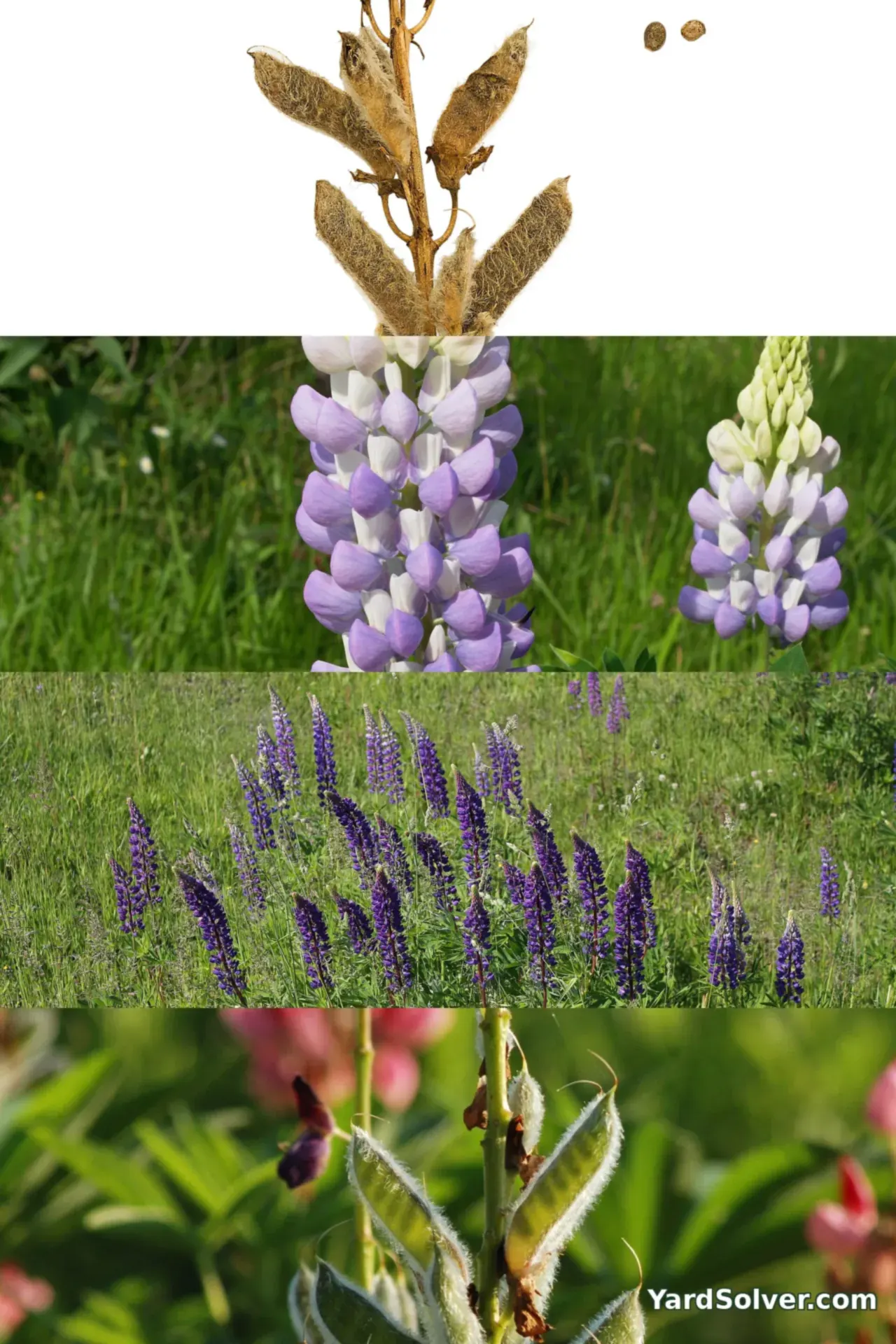
How to plant and grow lupine, step by step
Step 1 — Time it right
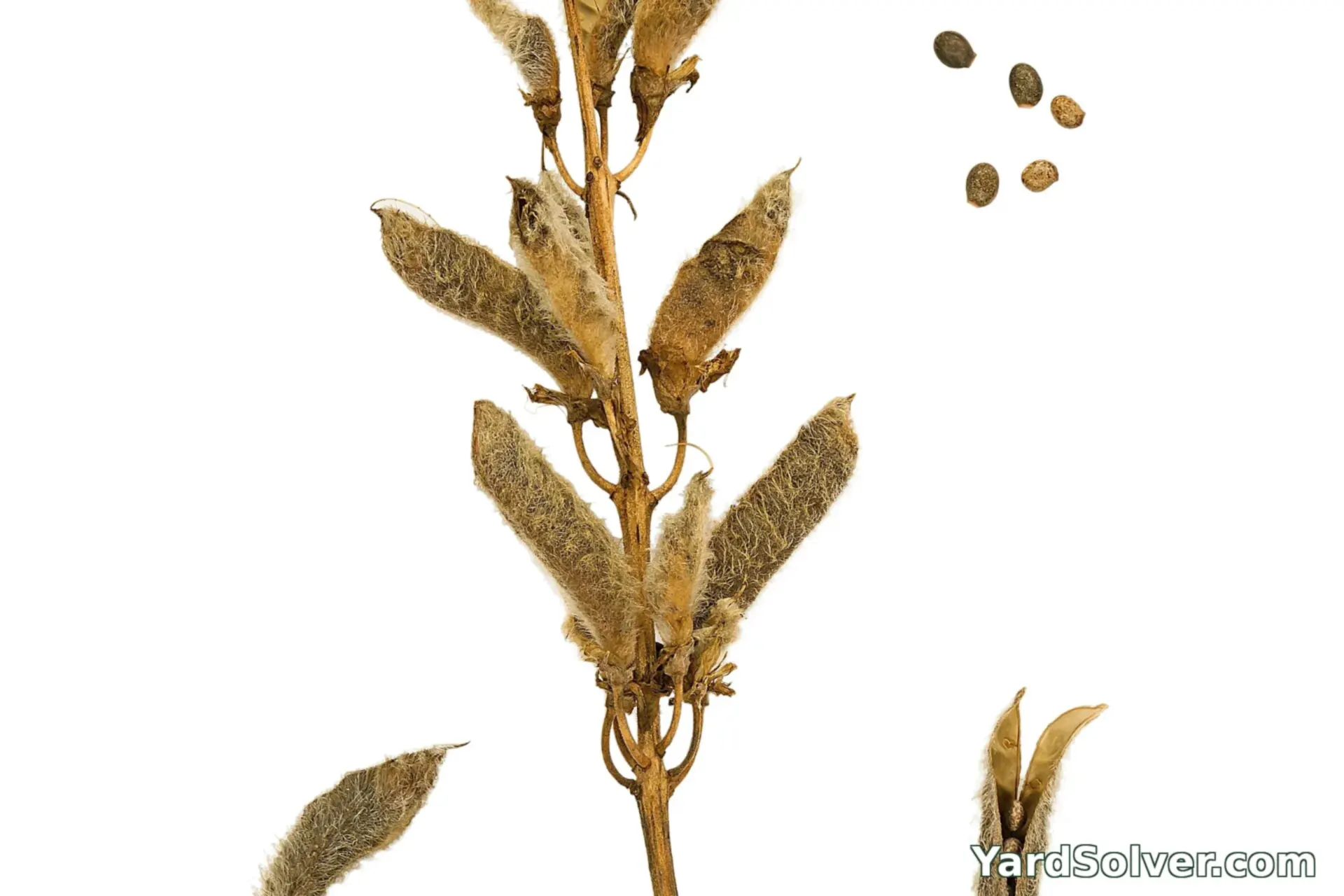
Sow outdoors: in spring or autumn, in place; Sow indoors: in deep pots in spring, planted out whole without root disturbance. All dates count from your average last spring frost — the Planting Calendar turns them into real dates for your garden. Lupine seed has a hard coat: nick it with a file or rub it on sandpaper, soak overnight, and sow what has swollen. Germination then takes about 2–3 weeks. Spring sowing flowers lightly the same year and fully the next; autumn sowing in mild districts gives full June spikes. Sow into deep pots (root trainers) or in place — the taproot starts immediately and hates to be moved.
Step 2 — Prepare the spot
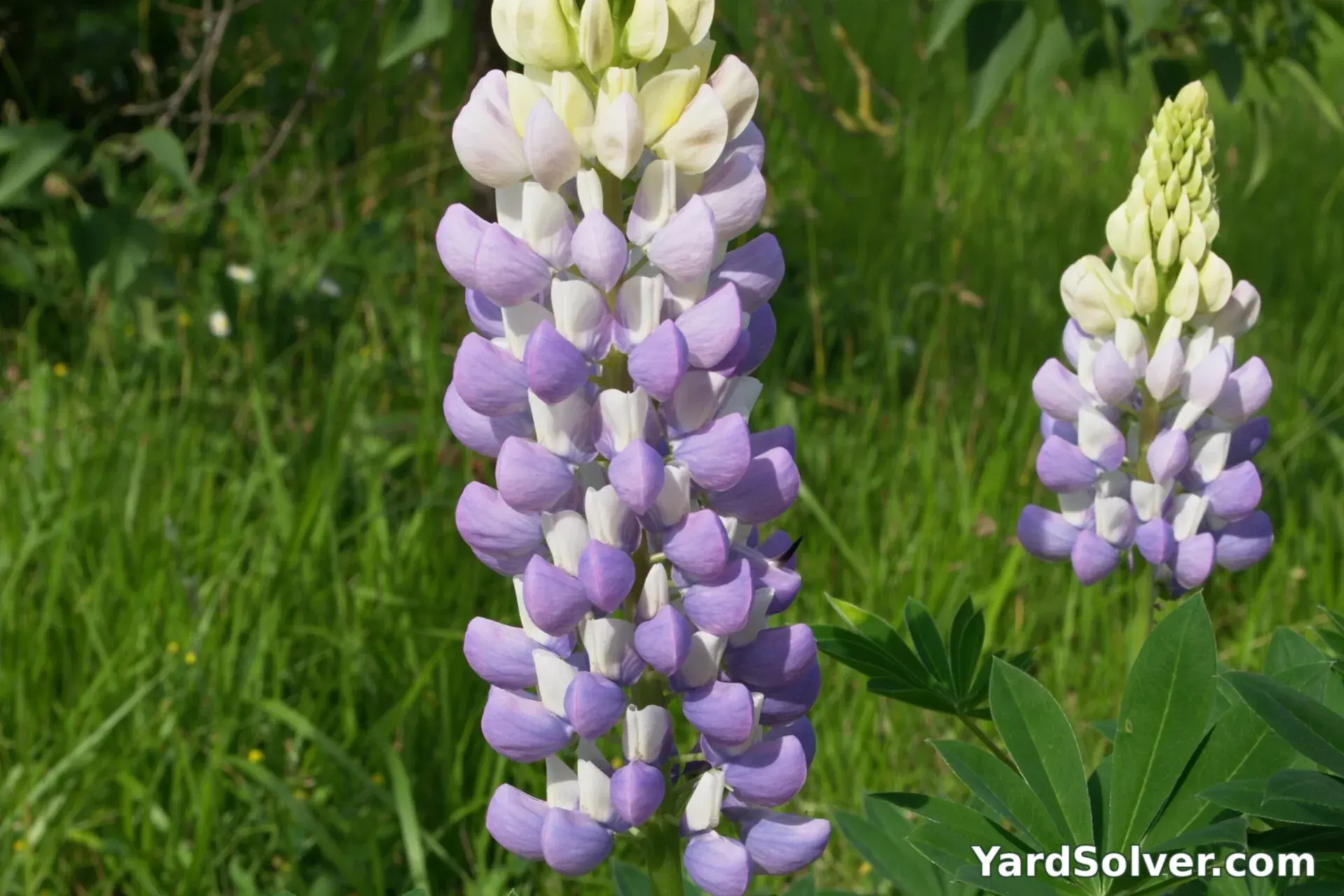
Like its pea cousins, lupine fixes its own nitrogen — so rich soil is a mistake: it grows leaves and flops. Plant in lean, free-draining, neutral-to-acid soil in full sun. On heavy clay, grow it in a raised, gritted spot; on chalk, it will yellow and sulk — feed iron or choose another spire (delphiniums tolerate lime better). For a raised bed, the Raised Bed Soil Calculator counts the bags for you; mixing your own? The Garden Soil Calculator gives the compost-rich split to aim for.
Step 3 — Sow and plant out
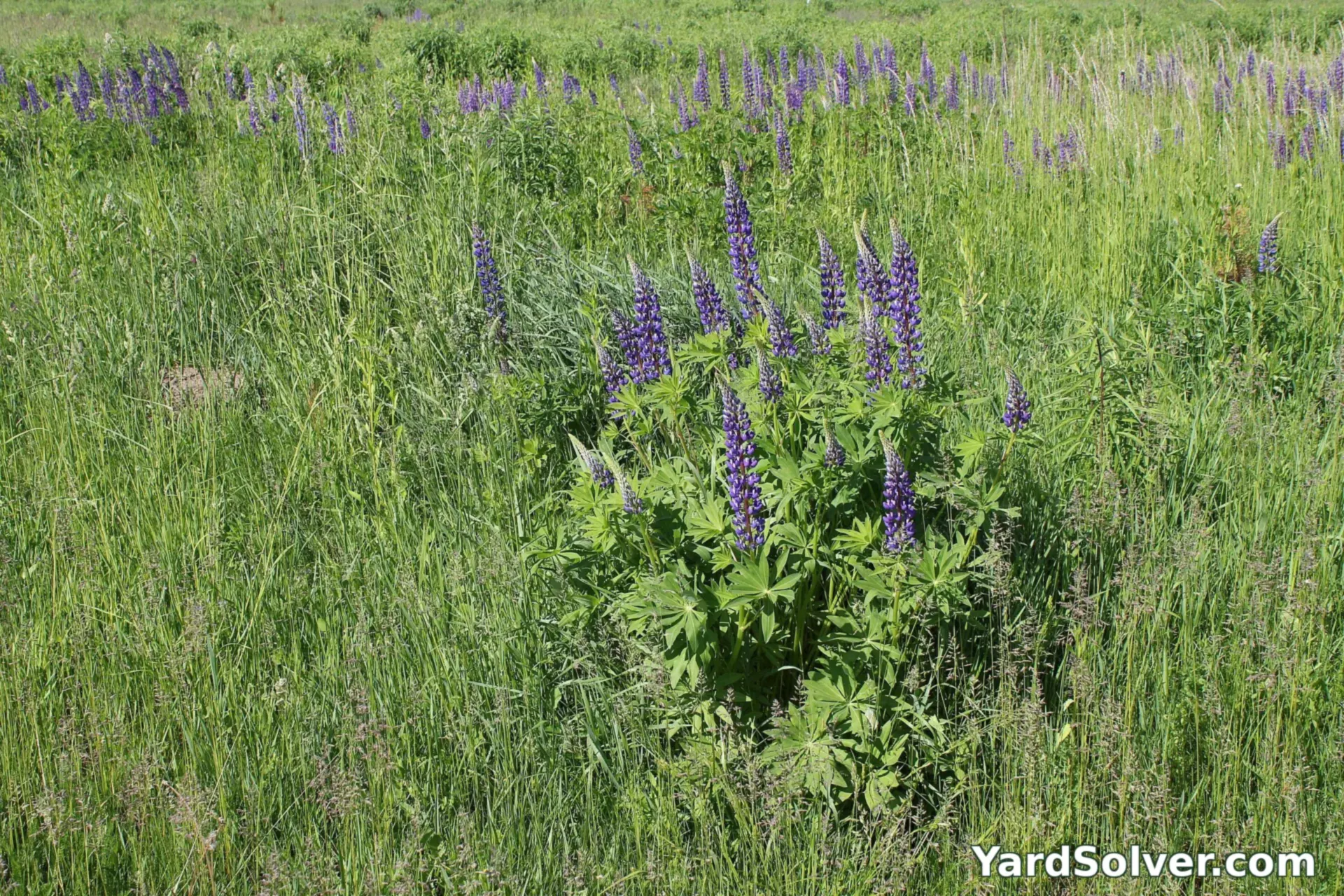
Plant out seedlings at 18 in apart, sliding the whole rootball from its deep pot without squeezing or teasing the roots. The Plant Spacing Calculator turns your bed size into an exact plant count. Good neighbours: lupines stand with irises and hollyhocks in the great early-summer wall — and every other plant nearby quietly benefits from the nitrogen the lupine's roots leave behind.
Step 4 — Water and feed
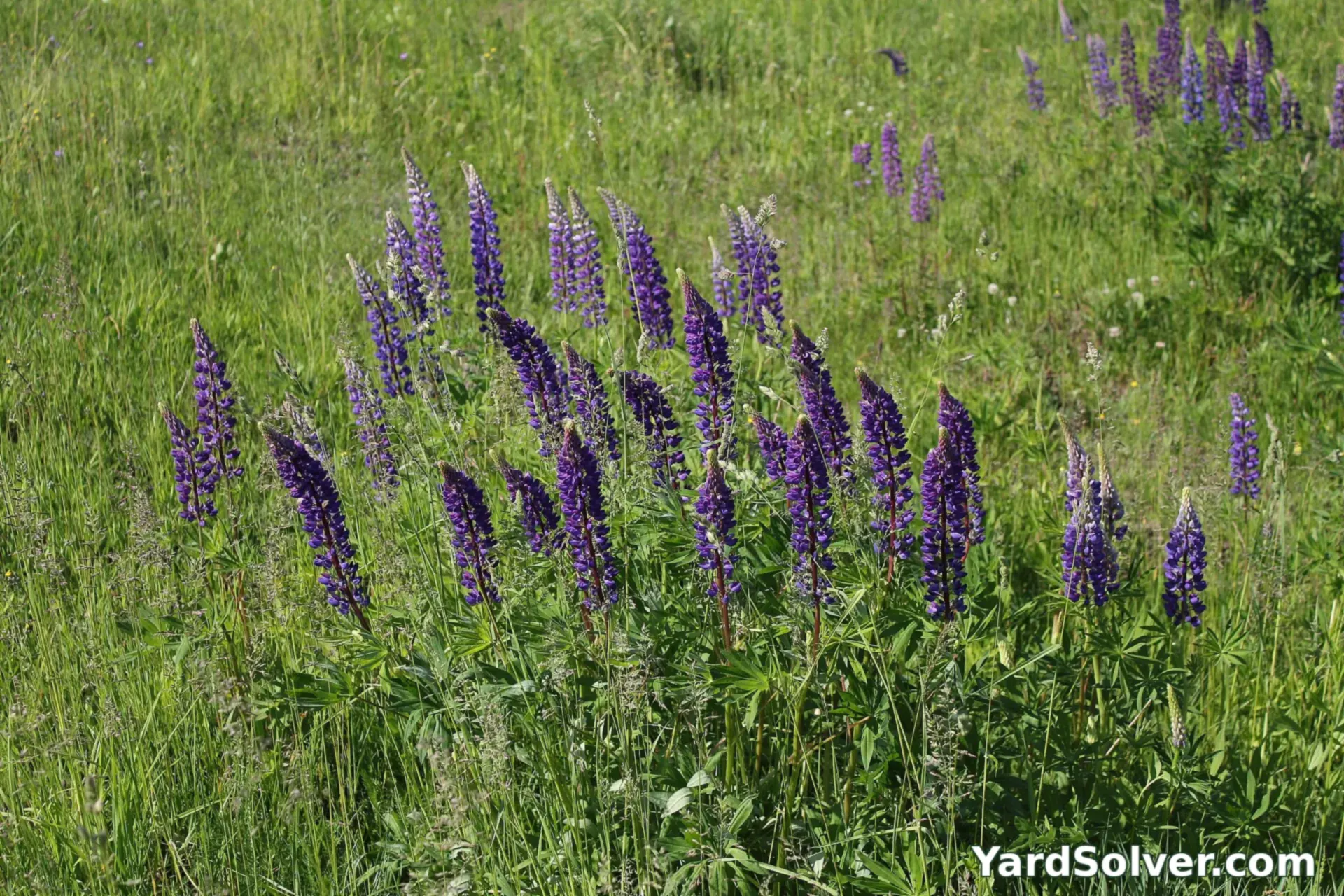
Water to establish and in long droughts. Do not nitrogen-feed a lupine — it makes its own. A light potash feed as spikes form is the only sensible addition — the Fertilizer Calculator turns your bed size into exact amounts. Never manure the bed; the richest thing a lupine wants is drainage.
Step 5 — Care and the problems to watch for
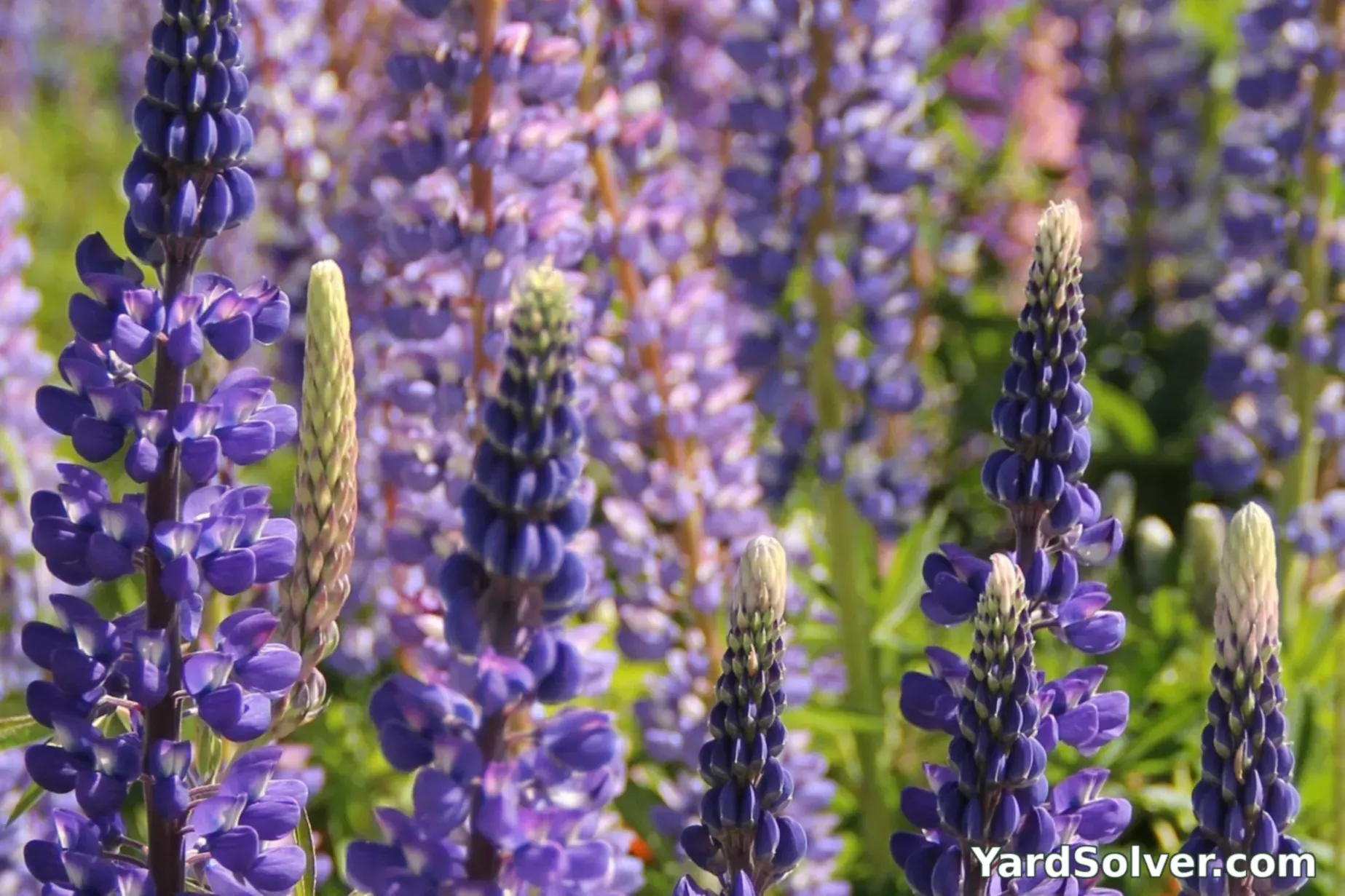
Cut spent spikes down to a side shoot promptly: more spikes follow, and cutting before seed sets extends the plant's life (lupines are short-lived perennials, 3–5 years, partly because seeding exhausts them).
- Giant green aphids — lupin aphid arrives in armies; blast with water or squash colonies early.
- Plants dying in winter wet — the crown rots in heavy soil; drainage is the prevention.
- Yellow leaves on chalk — iron lock-out on alkaline soil; lupines are acid-leaners. Feed chelated iron or move them.
Step 6 — Harvest
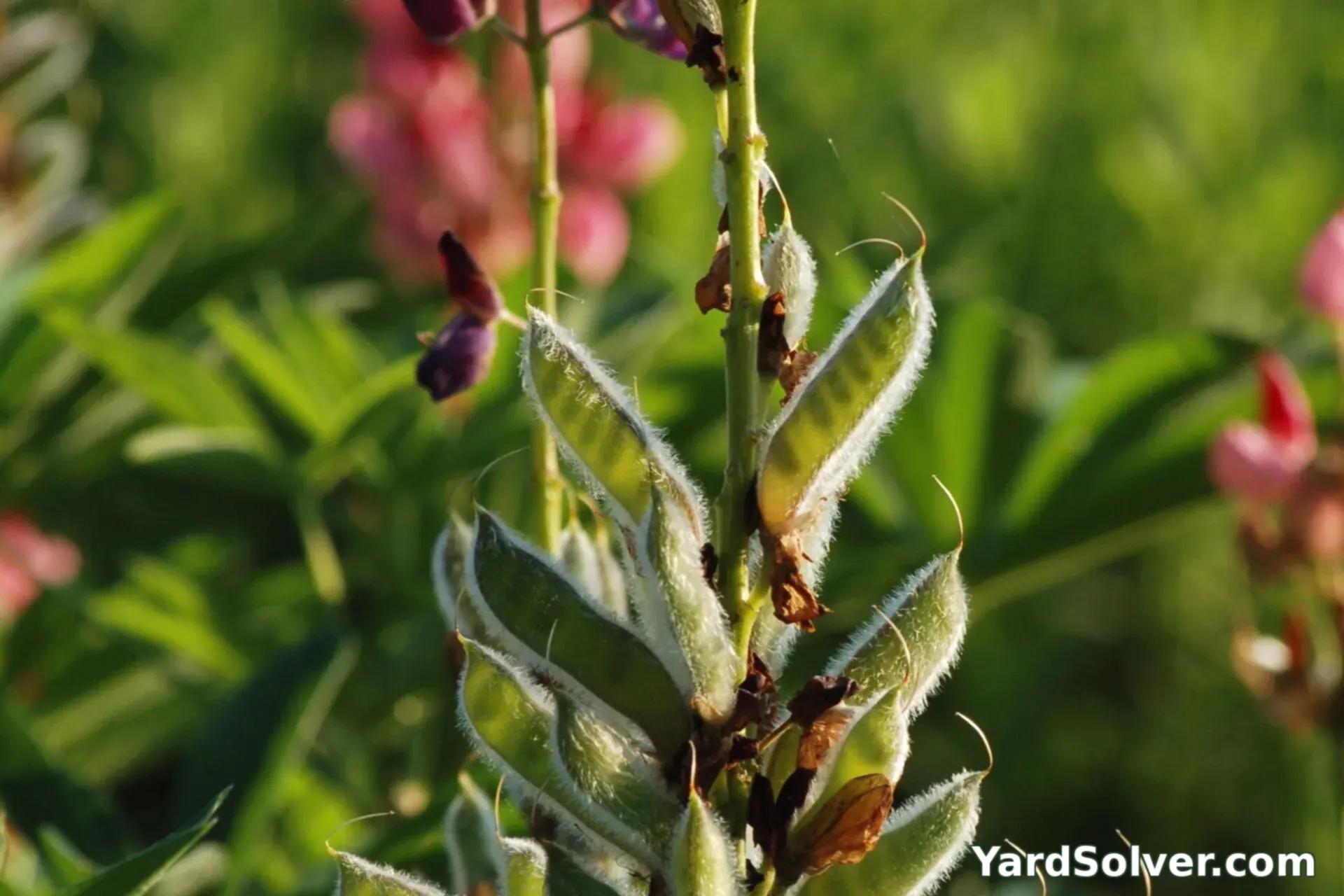
Cut spikes for the vase as the lower half of the flowers open — they last about a week and the upper buds keep opening. Let a single spike ripen pods for seed; collect them as they turn brown and sow fresh or store dry. And plan succession: sow a few seeds every year, and the colony renews itself as the old plants retire.
📅 Your personal Lupine schedule
Counted from your planting day — not a generic calendar. Day 0 is the day the seed went in the ground or the young plant went out.
Varieties worth growing
| Variety | Colour | Why gardeners like it |
|---|---|---|
| Russell Hybrids | The full rainbow, tall spikes | George Russell's famous strain — bicolours and every shade but true blue-black. |
| Gallery series | Dwarf, 20 in | Compact lupines for small gardens and pots, flowering the first year. |
| Manhattan Lights | Purple and yellow bicolour | A striking modern Russell-type with two-tone spikes. |
Good for you — and take care
Benefits
- June candles in every colour — the border's exclamation mark.
- A legume: it fixes nitrogen and leaves the soil richer.
- Bees work the pea-flowers all day; spikes cut beautifully.
Take care
- Seed is poisonous — admire the pods, never taste them.
- Short-lived (3–5 years): sow a few fresh seeds every year.
- Hates rich soil, lime, and root disturbance.
A little history — and one good fact
The big garden lupines descend from Lupinus polyphyllus, brought from western North America to Britain in 1826 — and transformed by George Russell, a Yorkshire gardener who spent 20 years selecting the strain that bears his name, unveiled at Chelsea in 1937. Wild lupines, meanwhile, were (and are) farming tools: bitter alkaloid-rich crops ploughed in as green manure since Roman times.
Fun fact: The leaves fold down at night and shed rain like umbrellas — after a shower, each leaflet fountain holds a single jewel of water in its centre.
Keep going
Guides: Companion planting basics · Crop rotation basics · Pollinator garden guide
Calculators: Plant Spacing Calculator · Garden Mix Calculator · Fertilizer Calculator
More flowers: Iris · Hollyhock · Delphinium · Sweet Peas
← Back to the Plant Library · Get your personal planting dates
Questions people ask
Why did my lupine die after two years?
Lupines are naturally short-lived perennials (3–5 years), and letting them seed heavily shortens life further. The fix is succession: sow a few seeds every spring so new plants are always coming on as old ones retire.
Why are my lupine leaves yellow?
On alkaline or chalky soil, lupines can't take up iron and yellow between the veins. They prefer neutral-to-acid soil. Chelated iron gives temporary relief; the permanent cure is a more acid bed.
Does lupine need feeding?
Almost the opposite — as a legume it fixes its own nitrogen, and rich feeding makes leafy, floppy plants. Lean, well-drained soil and at most a light potash feed at spike time is the whole recipe.
Lupines fix their own nitrogen but demand drainage: sharp soil and a cool root run matter more than feeding
Garden lupines (Lupinus polyphyllus hybrids) are legumes, and like peas and beans they host nitrogen-fixing bacteria in root nodules — which is why rich feeding is wasted on them and why they thrive in the poor, lean ground that starves fussier border plants. What they cannot forgive is wet winter soil: crowns sitting in cold water rot, and a plant that flowered gloriously in June is simply absent in spring.
The second rule is temperature at the roots. Lupines come from cool mountain and meadow country; they flower best where summers are mild and sulk in hot, humid nights. A mulch that keeps the root run cool, open sun above, and good air movement give them their best chance, and deadheading the main spike promptly often buys a smaller second flush from the side shoots.
The worked example: plants set into lean, sharply drained soil, mulched and deadheaded, typically return bigger each year and seed about modestly. The same plants set into rich, wet clay and fed like roses typically rot over winter or blow over soft — lupine success is a drainage decision made on planting day.
Sources
Key facts on this page — timing, spacing and care — cross-checked against NC State Extension Plant Toolbox — Lupinus — culture and care requirements and Lupinus — Wikipedia — background on lupines, nitrogen fixation and cultivation.
Related page
Read next: Companion Planting Basics: Good & Bad Neighbours.
Comments & ratings
No comments yet.
Be the first to share your experience.