
Guides · Amaranth · Published November 11, 2026 · By Faizan Ahmad
How to Grow Amaranth: The Complete Beginner's Guide
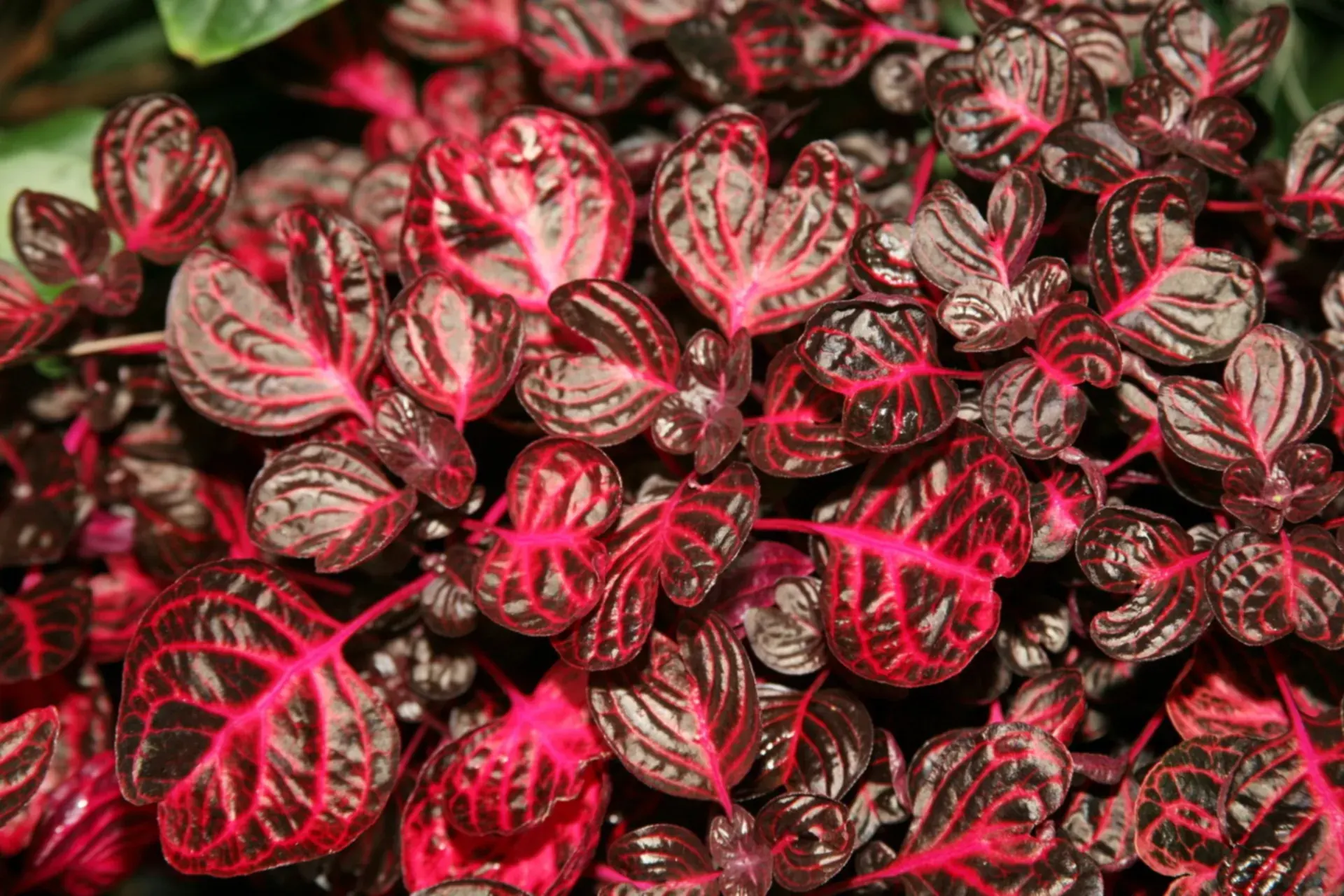
Amaranth is two crops in one plant. The young leaves cook like spinach and are ready in 30–45 days, and if you let the plants grow tall, the feathery seed heads ripen into grain in 90–110 days. It is heat-loving, drought-tolerant once established, and happy in poor soil where fussy vegetables sulk. This guide is the whole routine on one page, in order. For the one-screen version — light, water and care at a glance — see the Amaranth plant page; this is the deep guide it points to. Your personal dates for every step are in the Planting Calendar.
The amaranth season at a glance
- When: Direct sow after last frost, when the soil is warm. The seed is tiny — barely cover it, or it will not sprout.
- Soil: Any well-drained soil, even a poor one — amaranth is famously unfussy. A little compost helps the leaves stay tender.
- Sowing: Sow on the surface and press in, barely covered. Thin leaf types to 6 in apart, grain types to 10–12 in.
- Water & feed: Moderate — drought-tolerant once established — Feed little or not at all — too much nitrogen makes weak, leafy plants that fall over. A lean soil suits it.
- Harvest: 30–45 days (leaves); 90–110 days (grain)
Step 1 — Sow after the frost, on warm soil
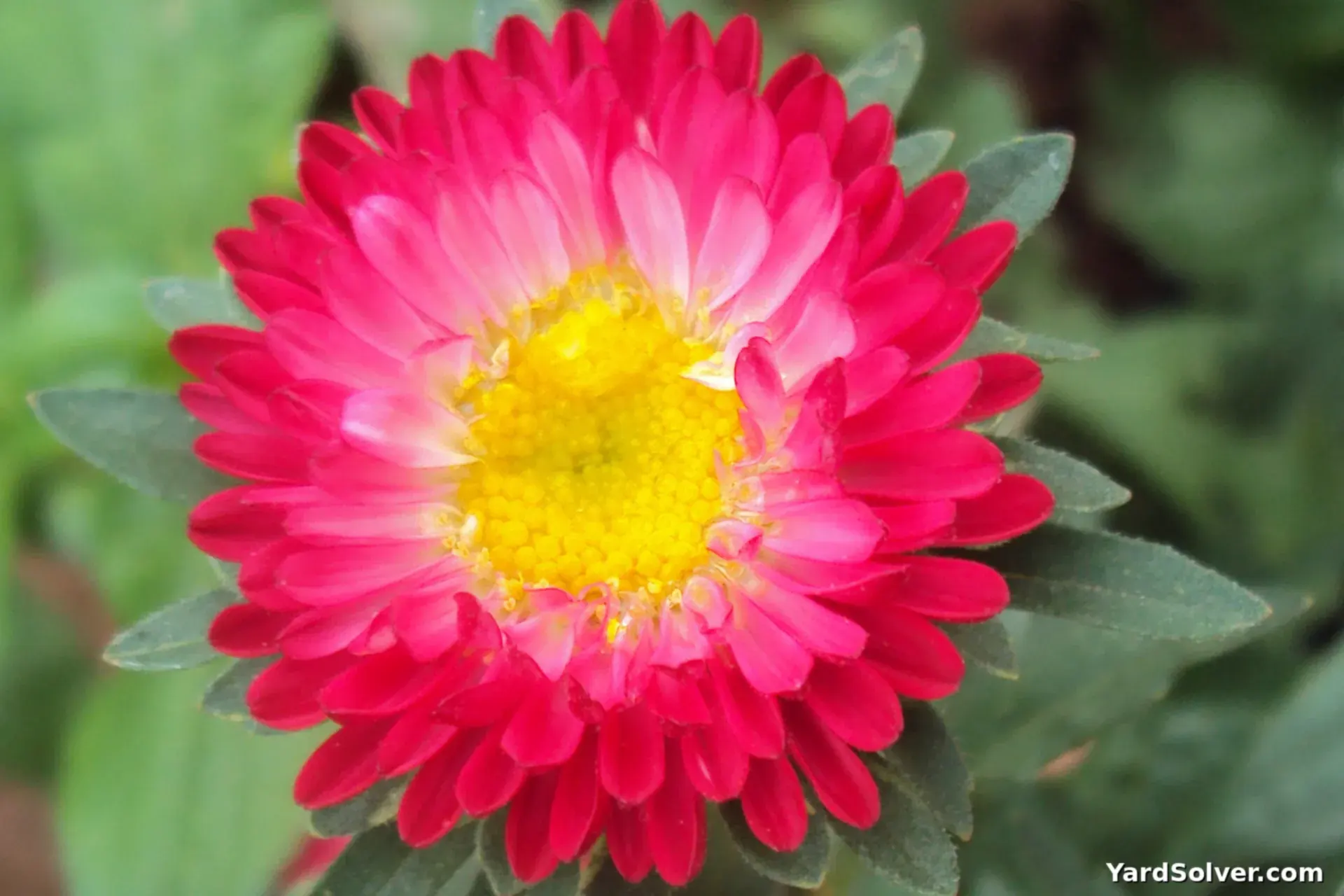
Amaranth is a heat-lover. Sow direct once the frost is gone and the soil is warm — and barely cover the tiny seed. Direct sow after last frost, when the soil is warm. The seed is tiny — barely cover it, or it will not sprout.
Step 2 — Any sunny, drained spot will do
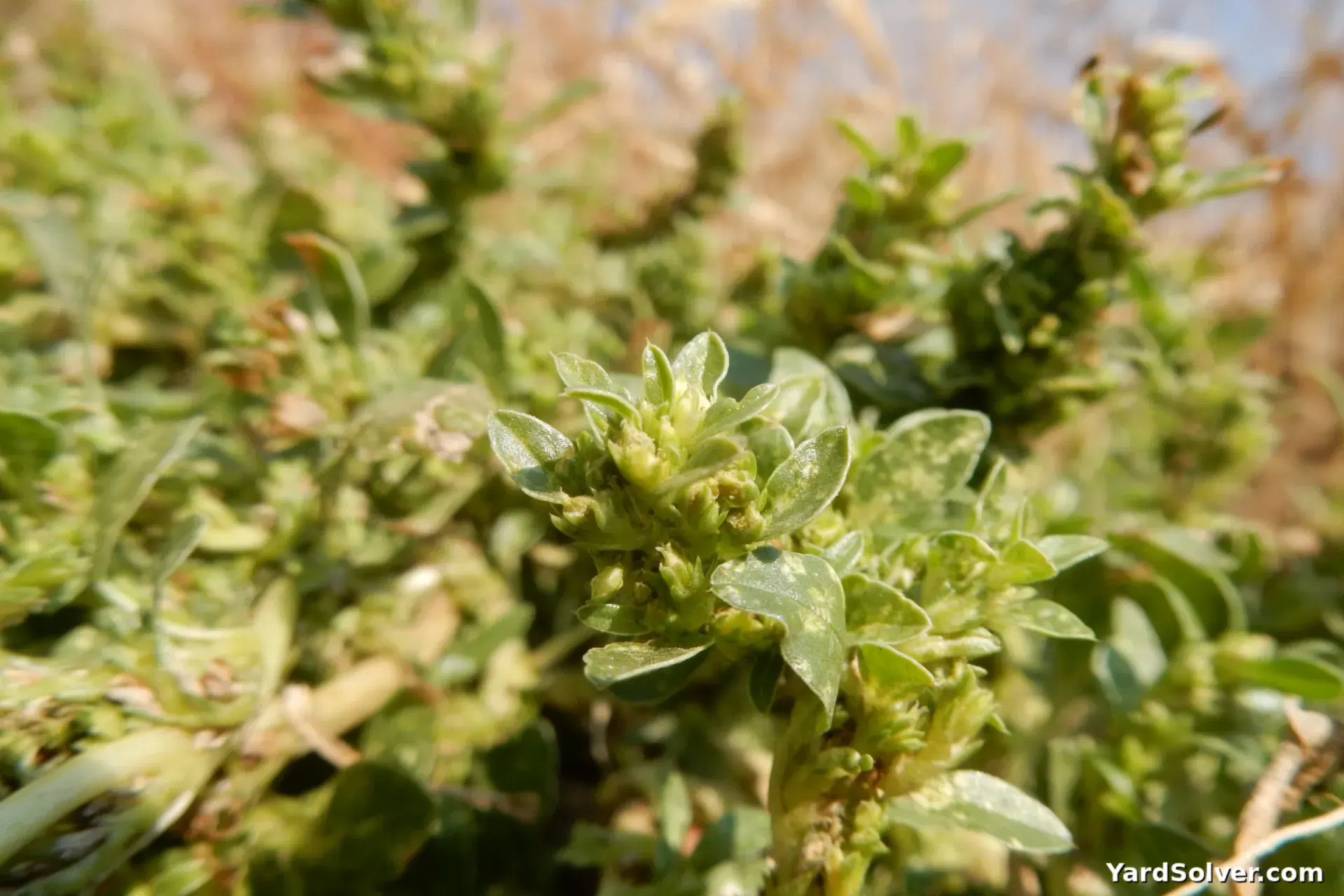
Amaranth is famously unfussy about soil. Full sun and drainage matter; richness does not. Any well-drained soil, even a poor one — amaranth is famously unfussy. A little compost helps the leaves stay tender.
Step 3 — Thin to your purpose
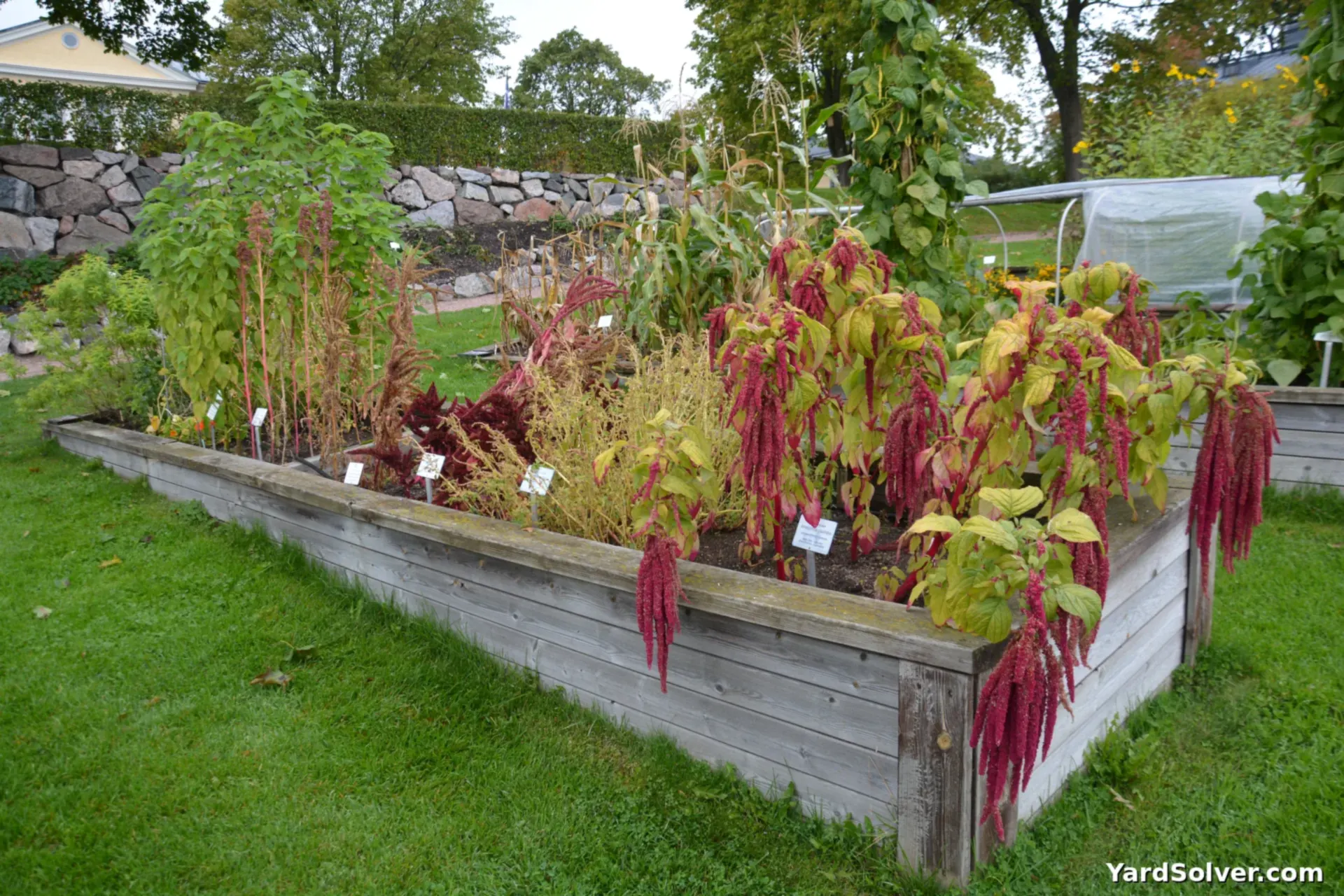
Thin to 6 in apart for leaf harvests, or 10–12 in if you want grain — crowded plants stay small. Sow on the surface and press in, barely covered. Thin leaf types to 6 in apart, grain types to 10–12 in.
Step 4 — Pick leaves, leave the plant
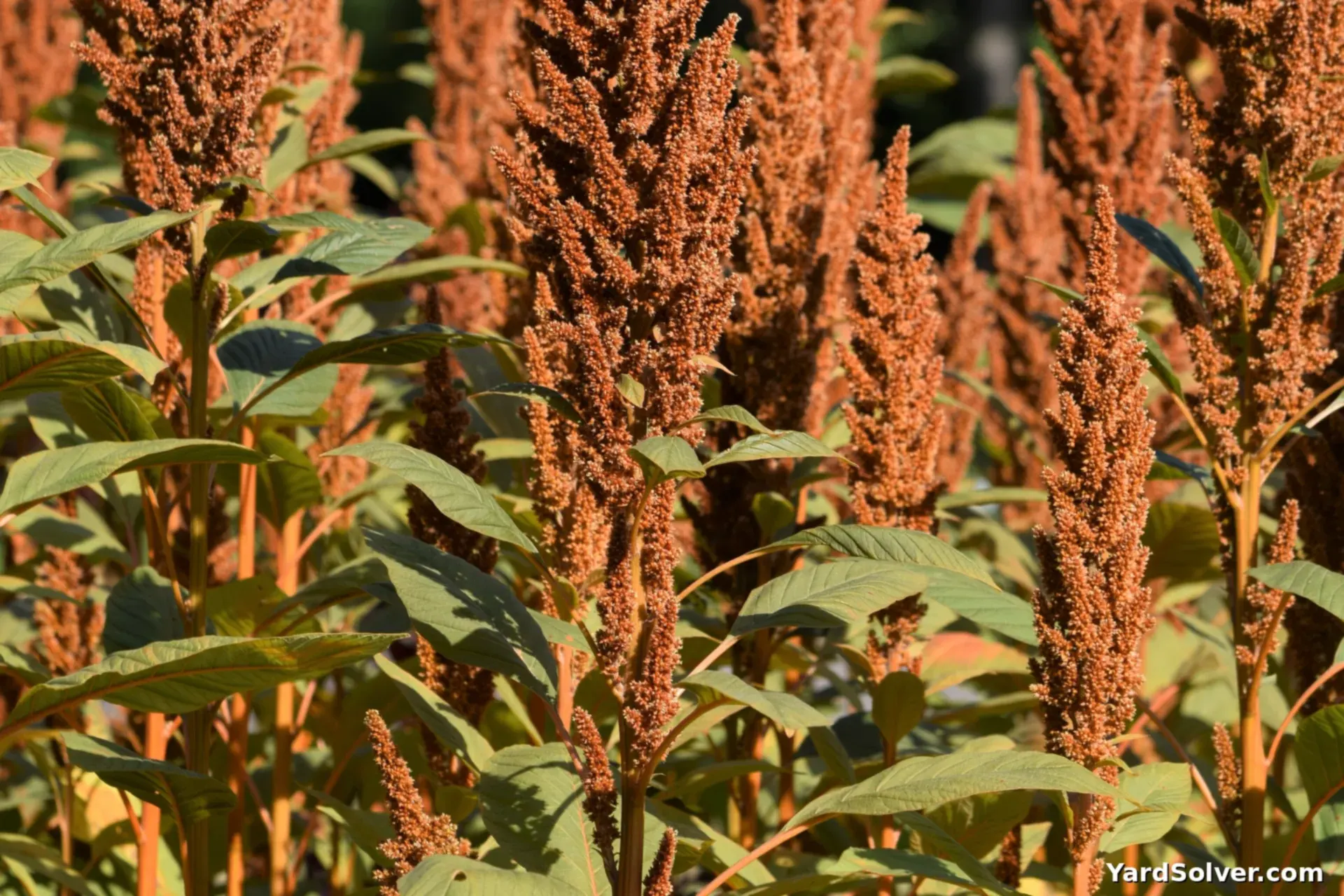
From about day 35, pick young leaves like spinach. The plant keeps growing while you harvest. Feed little or not at all — too much nitrogen makes weak, leafy plants that fall over. A lean soil suits it.
Step 5 — Let seed heads dry for grain
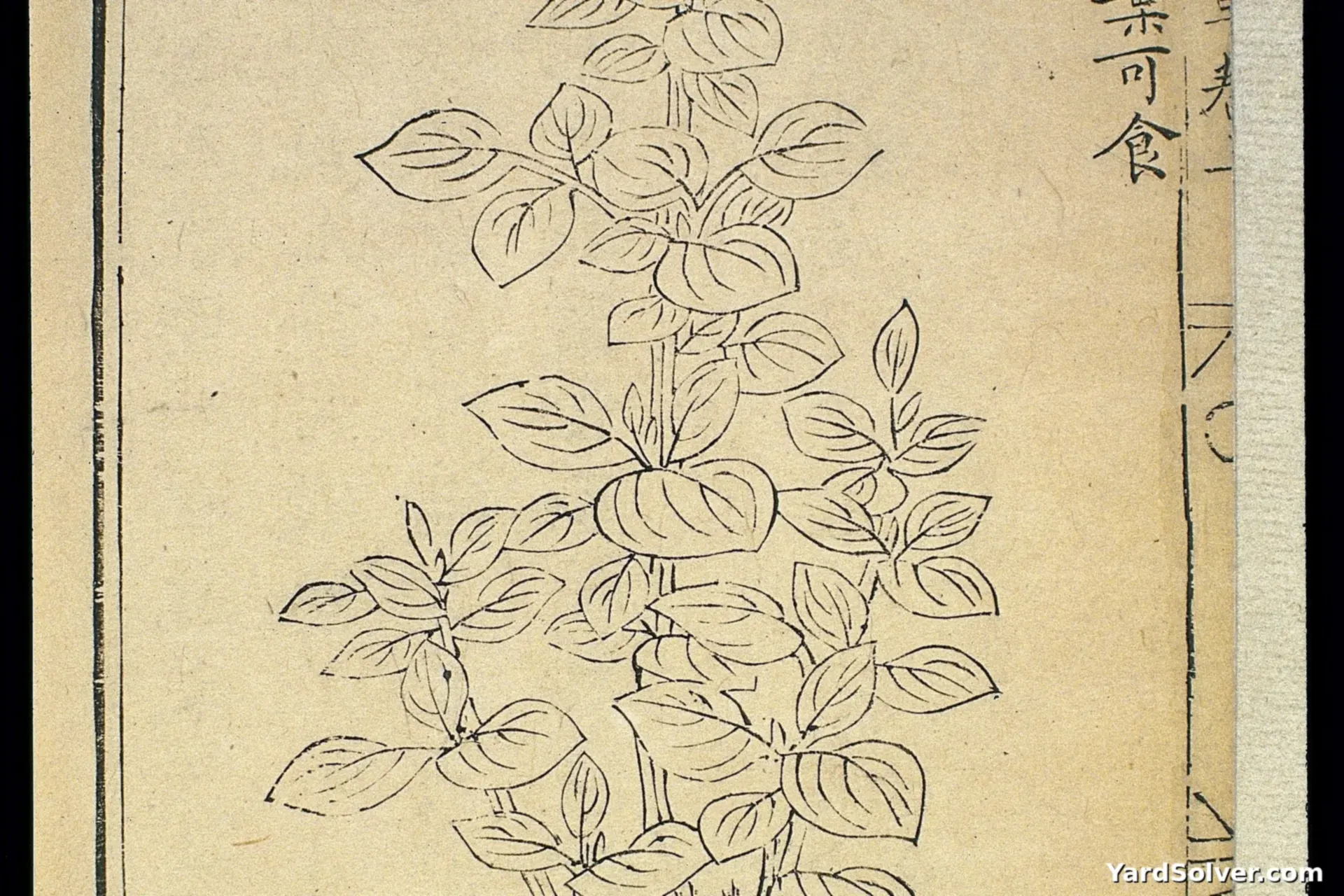
For grain, let the heads ripen and dry, then cut and rub the seed out over a sheet. One plant can give a surprising amount of seed. Aphids — they gather on the tender tips; a strong jet of water knocks them off.
Keep going
The at-a-glance version, with light and water needs: Amaranth — Plant Library.
Plan the bed: Garden Planner · Planting Calendar · Companion Planting Chart · Plant Spacing Calculator
Questions people ask
When do I plant amaranth?
Direct sow after last frost, when the soil is warm. The seed is tiny — barely cover it.
How far apart do I space amaranth?
Space plants 10–12 in apart for grain, or thin to 6 in for leaf harvests. Sun: full sun.
When is amaranth ready to harvest?
Leaves in 30–45 days; grain in 90–110 days, when the seed heads are dry and the seed rubs out easily.
Amaranth is a heat-lover grown two ways — young leaves for the pot, mature heads for grain
Amaranth is one of the oldest cultivated plants in the Americas, grown as both a leaf vegetable — picked young and cooked like spinach, and far more heat-tolerant — and a grain, where a single mature head can carry tens of thousands of tiny, protein-rich seeds. The same sowing serves both: thin a crowded row by eating the thinnings as leaves, then leave the strongest plants to flower and set seed. Few crops repay a square metre so completely.
It refuses cold: sow only into warm soil after frost, because chilled seedlings sulk and bolt-prone, and it then grows with a speed that surprises gardeners used to temperate crops — in real heat it can outgrow the weeds sent to smother it, which is why it anchors summer plantings in hot climates. For grain, harvest when the seeds rub free from a shaken head, dry the heads thoroughly before threshing, and winnow in a breeze; for leaves, pick little and often and the plant branches and keeps giving.
Sources
Key facts on this page cross-checked against Amaranth — Wikipedia — background on amaranth, its history and its uses as leaf and grain and Amaranthus — Wikipedia — background on the Amaranthus genus.
Related page
Read next: How to Grow Buckwheat: A Beginner's Step-by-Step Guide.
Comments & ratings
No comments yet.
Be the first to share your experience.