
Guides · Buckwheat · Published November 11, 2026 · By Faizan Ahmad
How to Grow Buckwheat: The Complete Beginner's Guide

Buckwheat is the classic summer smother crop: sow it after frost, and in 30–40 days it is covered in white flowers that bees adore. It smothers weeds, loosens the soil, and then you dig it in as green manure — or let it go to seed in 70–84 days for a small grain harvest. It is fast, tough and generous. This guide is the whole routine on one page, in order. For the one-screen version — light, water and care at a glance — see the Buckwheat plant page; this is the deep guide it points to. Your personal dates for every step are in the Planting Calendar.
The buckwheat season at a glance
- When: Direct sow after last frost only — buckwheat is frost-tender and dies at the first cold night.
- Soil: Any well-drained soil, even poor dry soil. Buckwheat hates wet feet and loves lean ground.
- Sowing: Broadcast about 1 lb of seed per 100 sq ft, 1/2 in deep, and rake in. It germinates in days in warm soil.
- Water & feed: Low — drought-tolerant; hates wet feet — Feed nothing — buckwheat is a light feeder and grows fast on poor soil.
- Harvest: 30–40 days to bloom; 70–84 days to seed
Step 1 — Wait for frost to pass

Buckwheat is frost-tender — a single cold night kills it. Sow only after all frost danger has passed. Direct sow after last frost only — buckwheat is frost-tender and dies at the first cold night.
Step 2 — Any sunny, drained spot

Buckwheat loves lean, dry, well-drained soil. Rich, wet ground is the one thing it dislikes. Any well-drained soil, even poor dry soil. Buckwheat hates wet feet and loves lean ground.
Step 3 — Broadcast and rake in
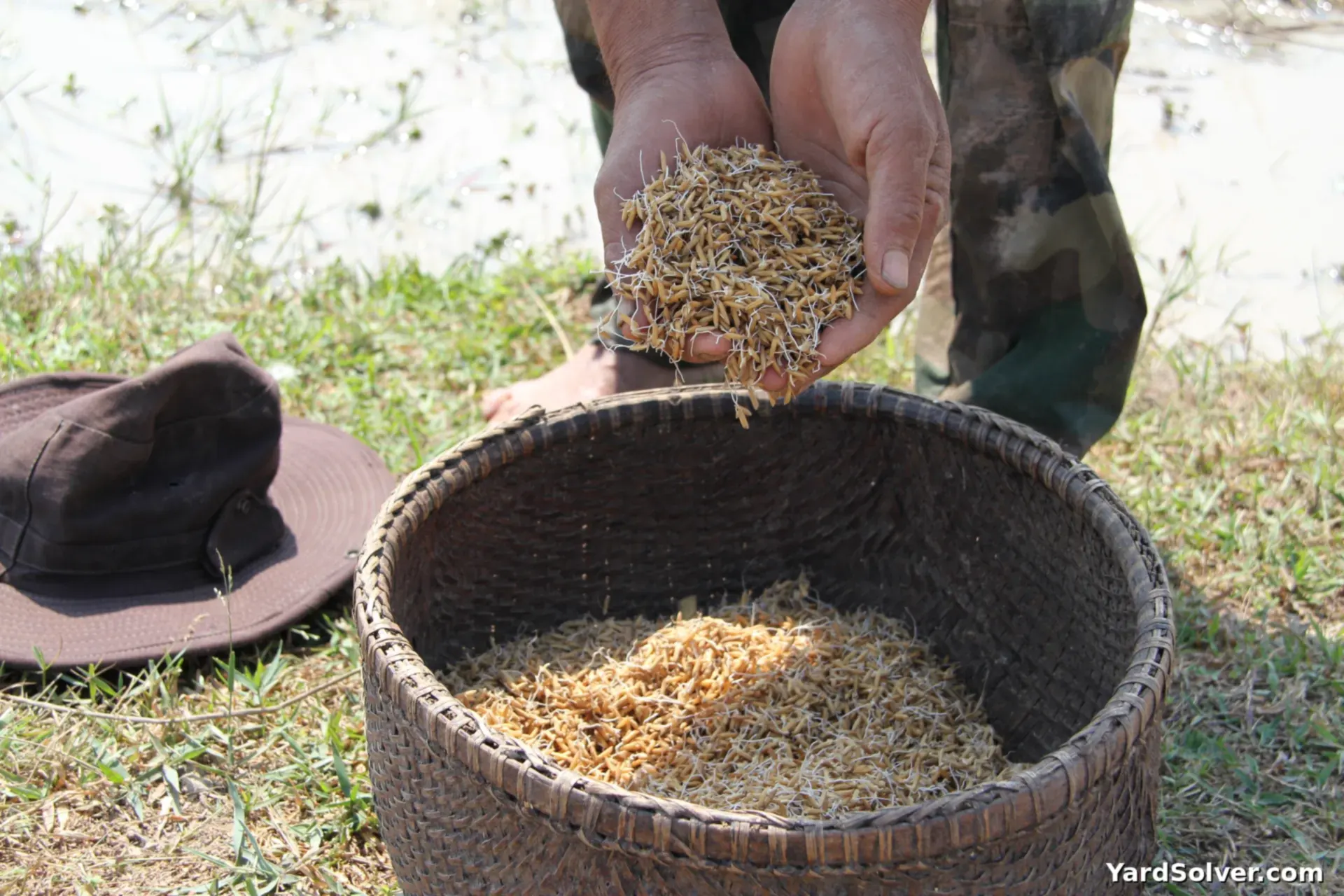
Broadcast about 1 lb of seed per 100 sq ft, 1/2 in deep, and rake it in. It germinates in days. Broadcast about 1 lb of seed per 100 sq ft, 1/2 in deep, and rake in. It germinates in days in warm soil.
Step 4 — Let the bees have it

In 30–40 days the white flowers open and bees arrive in numbers. It smothers weeds while it blooms. Feed nothing — buckwheat is a light feeder and grows fast on poor soil.
Step 5 — Dig in or harvest

At about 6 weeks, dig it in as green manure — or let it ripen to 70–84 days and thresh the grain. Frost — a single cold night kills it; sow only after frost danger has passed.
Keep going
The at-a-glance version, with light and water needs: Buckwheat — Plant Library.
Plan the bed: Garden Planner · Planting Calendar · Companion Planting Chart · Plant Spacing Calculator
Questions people ask
When do I plant buckwheat?
Direct sow after last frost only — buckwheat is frost-tender and dies at the first cold night.
How far apart do I space buckwheat?
Broadcast about 1 lb of seed per 100 sq ft, 1/2 in deep, and rake in. Sun: full sun.
When is buckwheat ready to harvest?
30–40 days to bloom; 70–84 days to seed. Dig it in as green manure at 6 weeks, or let it ripen for grain.
Buckwheat is the fast cover crop — six weeks from sowing to flowers that feed bees and smother weeds
Buckwheat is not a wheat and not a grass; it is a broad-leaved plant grown for its triangular seeds and, just as often, for what it does between crops: sown into warm soil it germinates in days, covers the ground inside a fortnight, and flowers within about six weeks, smothering weeds by shade and feeding bees lavishly while it does it. Its roots are also unusually good at unlocking phosphorus from soil, leaving the bed more fertile for the crop that follows.
Timing is the one skill: buckwheat is killed by the first touch of frost, so it is a summer tool — sow after the last frost into any gap that will stand empty for six weeks or more, and cut or dig it in at flowering before it sets seed, unless seed is the crop you want. Left to seed it volunteers cheerfully next season, which cover-croppers count as either a bonus or a weed depending on the plan. As a grain it needs the same discipline: harvest when most seeds are ripe and dark, knowing the plant flowers indeterminately and some green seed always comes with the ripe.
Sources
Key facts on this page cross-checked against Buckwheat — Wikipedia — background on buckwheat, its cultivation and its uses and Cover crop — Wikipedia — background on cover crops and what they do for soil.
Related page
Read next: Winter Cover Crops: Rye, Clover, Vetch, Oats.
Comments & ratings
No comments yet.
Be the first to share your experience.