
Plant Library · Vegetables · By Faizan Ahmad
Updated November 17, 2026
🌼 How to Grow Buckwheat

Buckwheat is the classic summer smother crop: sow it after frost, and in 30–40 days it is covered in white flowers that bees adore. It smothers weeds, loosens the soil, and then you dig it in as green manure — or let it go to seed in 70–84 days for a small grain harvest. It is fast, tough and generous.
Grow Buckwheat with us — step by step
Buckwheat is the fastest cover crop most gardeners will ever sow: ground covered in weeks, white flowers for the bees soon after, and a bed left cleaner and looser than it found it. This page covers both jobs — green manure and a small grain harvest. Add your sowing day here and we will count out your personal buckwheat schedule, dig-in date included.
Step 1 — today: Sow Buckwheat today, broadcast about 1 lb of seed per 100 sq ft, 1/2 in deep, and rake in — only after all frost danger has passed.
Buckwheat at a glance
Sow outside: 1 week after last frost
Spacing: Broadcast · Seed depth: 1/2 in
Sun: Full sun
Water: Low — drought-tolerant; hates wet feet
Harvest: 30–40 days to bloom; 70–84 days to seed
Timing counts from your average last spring frost — get your own dates in the Planting Calendar. Guidance follows standard extension-service practice for Canada and the US.
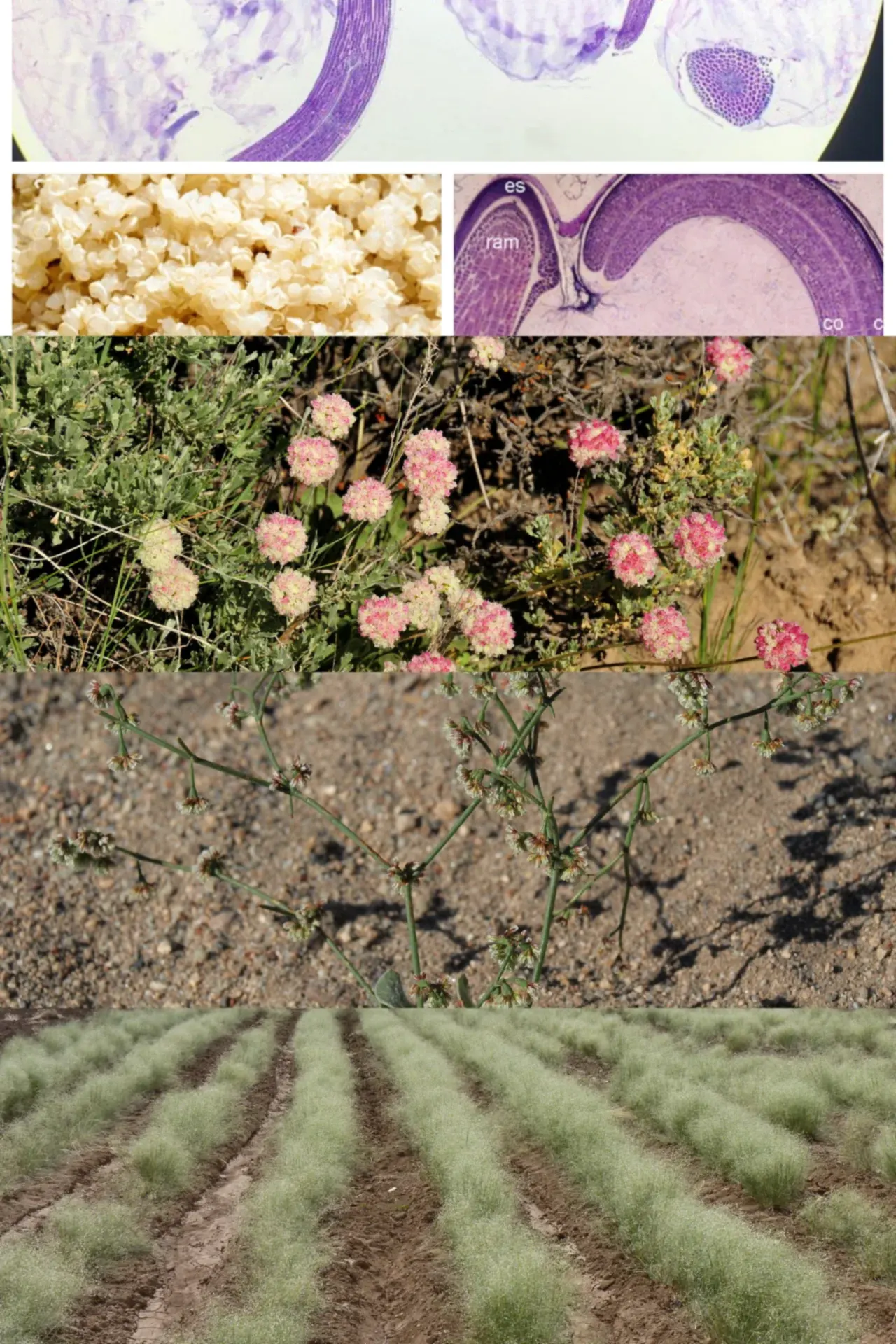
How to plant and grow buckwheat, step by step
Step 1 — Time it right

Direct sow after last frost only — buckwheat is frost-tender and dies at the first cold night. All dates count from your average last spring frost — the Planting Calendar turns them into real dates for your garden. Buckwheat needs warm soil, germinating best around 70 to 85 F, and one frosty night blackens it — there is no prize for sowing early. A sowing 8 to 10 weeks before first fall frost still makes a full cover crop.
Step 2 — Prepare the spot
Sun: Full sun. Any well-drained soil, even poor dry soil. Buckwheat hates wet feet and loves lean ground. Work out how much you need with the Garden Mix Calculator or the Raised Bed Soil Calculator. It earns its keep on the worst bed: buckwheat tolerates pH as low as 5.0 and unlocks phosphorus other crops cannot reach, leaving it for whatever follows. Rake the surface level first — an even seedbed means an even canopy.
Step 3 — Sow and plant out

Broadcast about 1 lb of seed per 100 sq ft, 1/2 in deep, and rake in. It germinates in days in warm soil. The Plant Spacing Calculator turns that spacing into plants-per-bed. Water the seed in if the week turns dry; germination takes only 3 to 5 days in warm, moist soil. A firm seedbed matters more than depth — seed raked in and trodden down sprouts far more evenly.
Step 4 — Water and feed

Water: Low — drought-tolerant; hates wet feet. Feed nothing — buckwheat is a light feeder and grows fast on poor soil. The Fertilizer Calculator turns a bed size into the right amount. Once the canopy closes at about 3 to 4 weeks, buckwheat shades out most weed seedlings and largely looks after itself. Do not feed it: on fertile soil it grows soft and lodges.
Step 5 — Care and the problems to watch for

Frost — a single cold night kills it; sow only after frost danger has passed. Self-sowing — it will come back next year if you let it seed; dig it in before the seed ripens if you do not want volunteers. Aphids — they gather on the flowers; the bees usually do not mind, and neither should you. Bees work the flowers from about day 35, but viable seed forms soon after the first flowers fade. For green manure, dig or cut at 5 to 6 weeks, while stems are soft and before brown seed appears.
Step 6 — Harvest

Ready in: 30–40 days to bloom; 70–84 days to seed. Dig it in as green manure at about 6 weeks, or let it ripen and thresh the grain. For grain, cut when about three-quarters of the seed is dark brown, though the top is still flowering — it never ripens all at once. A 100 sq ft stand threshes out to roughly 2 to 4 lb of groats.
📅 Your personal Buckwheat schedule
Buckwheat does everything in about six weeks, so this schedule counts from your sowing day to flowering and the dig-in deadline. Day 0 is the day the seed went in the ground.
Varieties worth growing
| Variety | Colour | Why gardeners like it |
|---|---|---|
| Common Buckwheat | White | The standard cover-crop and grain type |
| Tartary Buckwheat | White | A hardier, more bitter type grown in the Himalayas |
| Mancan | White | A Canadian variety bred for grain |
| Japanese Buckwheat | White | The type grown for soba noodles |
Good for you — and take care
Benefits
- Smothers weeds in a month
- Feeds bees and beneficial insects with masses of flowers
- Loosens the soil with its roots
- A fast green manure — dig it in in 6 weeks
Take care
- Buckwheat is not a true wheat — it is gluten-free and related to rhubarb.
- Dig it in before it sets seed if you are using it as a cover crop.
- The flowers are a magnet for bees — plant it where you want pollinators.
Problems to watch for
- Frost — a single cold night kills it; sow only after frost danger has passed.
- Self-sowing — it will come back next year if you let it seed; dig it in before the seed ripens if you do not want volunteers.
- Aphids — they gather on the flowers; the bees usually do not mind, and neither should you.
A little history — and one good fact
Buckwheat comes from Central Asia, where it has been grown for thousands of years. It spread to Europe in the Middle Ages and became a staple in Russia and Japan — soba noodles are made from buckwheat flour.
Fun fact: Buckwheat is not a wheat at all — it is a cousin of rhubarb, and its flour is naturally gluten-free.
Keep going
Guides: How to Harden Off Seedlings · How to Read a Seed Packet · How to Grow Buckwheat — the full guide
Calculators: Plant Spacing Calculator · Seed Calculator · Fertilizer Calculator · Garden Mix Calculator
Plan it: Garden Planner · Planting Calendar · Companion Planting Chart · Seed Box
← Back to the Plant Library · Get your personal planting dates
Buckwheat cover-crop timing, worked out week by week
Buckwheat runs on a six-week clock. Here is when to enjoy the flowers and when to dig in.
| Week | What you see and do |
|---|---|
| Week 1 | Seedlings up in warm soil; water once if dry |
| Week 3 | Canopy closes; weed seedlings underneath give up |
| Week 5 | First white flowers open; bees arrive |
| Week 6 | Dig-in deadline for green manure, before ripe seed forms |
| Weeks 10 to 12 | Grain window: cut when most seed is dark brown |
Miss the week 6 deadline and the crop reseeds itself — a nuisance in a bed you wanted clean.
Questions people ask
When do I plant buckwheat?
Direct sow after last frost only — buckwheat is frost-tender and dies at the first cold night.
How far apart do I space buckwheat?
Broadcast about 1 lb of seed per 100 sq ft, 1/2 in deep, and rake in. Sun: full sun.
When is buckwheat ready to harvest?
30–40 days to bloom; 70–84 days to seed. Dig it in as green manure at 6 weeks, or let it ripen for grain.
Does buckwheat improve the soil or just cover it?
Both. Its roots free up phosphorus locked in the soil, its fast canopy smothers weed seedlings, and dug in at flowering it adds soft organic matter that breaks down within weeks. The phosphorus benefit is why it often precedes hungry crops such as sweet corn.
Is buckwheat the same as wheat for people avoiding gluten?
No. Despite the name, buckwheat is not a wheat and contains no gluten; it is a relative of rhubarb grown for its triangular seeds. Garden groats suit gluten-free cooking once threshed, winnowed and hulled.
The fastest cover crop you will ever grow: buckwheat smothers weeds and feeds bees in six short weeks
Buckwheat is grown for speed. Sown into warm soil it germinates in days, covers the ground within weeks, and flowers in about a month — which makes it the classic summer cover crop for a bed that would otherwise sit empty and weedy between spring and autumn plantings. Its dense canopy shades out germinating weeds, its roots work phosphorus into a form later crops can use, and its white flowers are worked by bees and hoverflies from morning to evening. It asks for almost nothing: no feed, no fuss, and it tolerates poor, thin soil that would disappoint most crops.
The one rule is timing. Buckwheat is killed by the first touch of frost and dislikes cold soil, so sow it after the last frost and plan to cut it before it sets ripe seed — roughly seven to ten days after flowering starts is the sweet spot, when biomass is high but viable seed is not. Left longer it reseeds generously and becomes next year's weed problem. Cut or mow it and leave the residue on the surface as a mulch, or dig it in; either way the ground is ready for a following crop within a fortnight. As a grain, let a patch ripen fully and thresh the triangular seeds for flour or groats.
The worked example: a vacant bed sown with buckwheat in early summer commonly comes back six weeks later clean, mulched and full of pollinators, ready for autumn greens. The identical bed left bare typically comes back under a mat of weeds that have seeded themselves for the next three years. The seed cost pennies; the weeding it prevented was the real harvest.
Sources
Key facts on this page — timing, spacing and care — cross-checked against NC State Extension Plant Toolbox — Fagopyrum esculentum (buckwheat) — culture, spacing and care requirements.
Related page
Read next: How to Grow Buckwheat: A Beginner's Step-by-Step Guide.
Comments & ratings
No comments yet.
Be the first to share your experience.