
Plant Library · Vegetables · By Faizan Ahmad
Updated November 17, 2026
🌾 How to Grow Oats
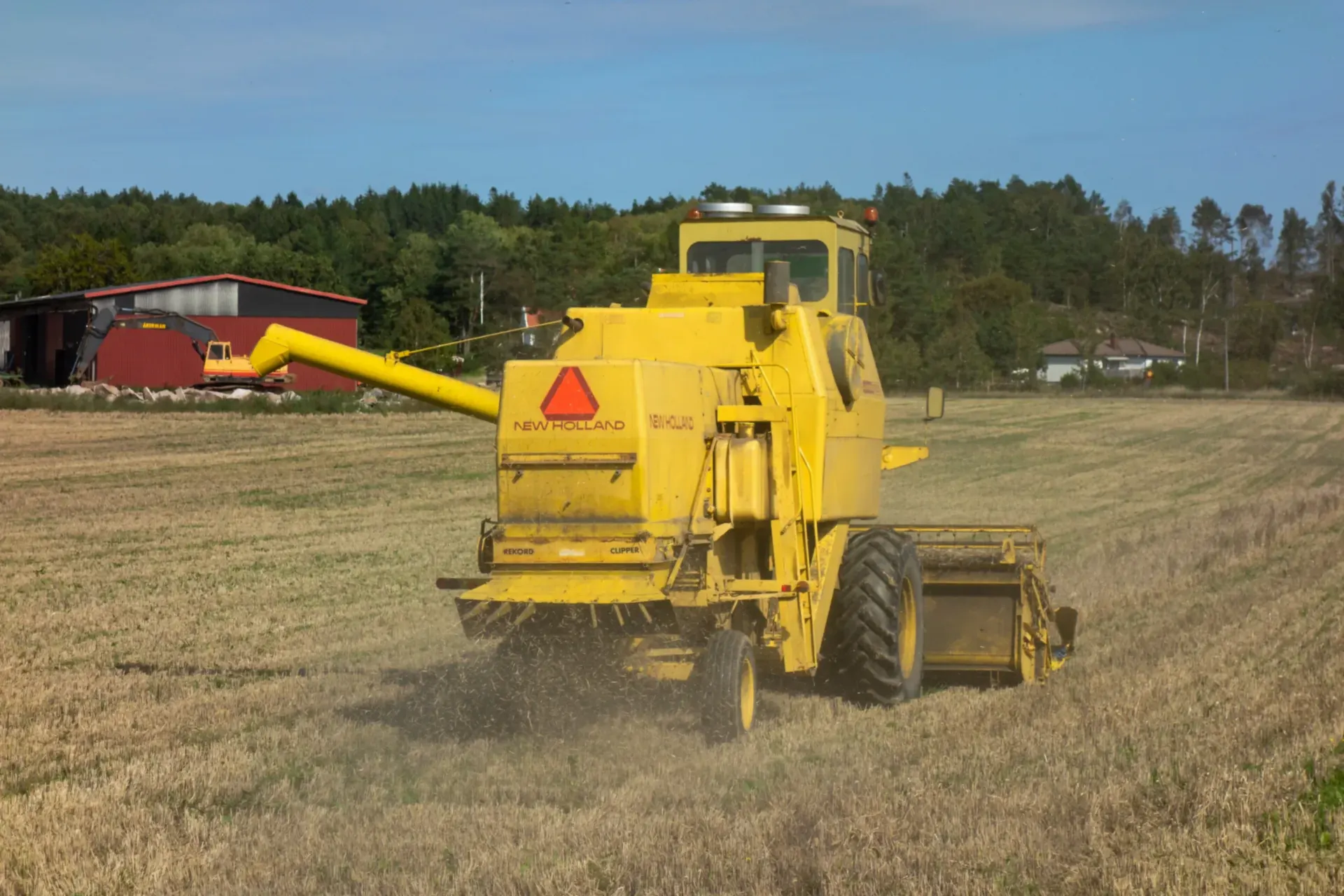
Oats are the friendliest grain for a home garden — and the friendliest cover crop. As a grain they are ready in 60–90 days; as a cover crop they smother weeds in late summer, then winter-kill in cold zones, leaving a clean, mulch-ready bed in spring. Sow early in spring, or in late summer as a cover.
Grow Oats with us — step by step
Oats do two jobs in a garden: a quick, weed-smothering cover crop, and a small grain harvest for the patient. This page walks through both, from spring sowing rates to the cover crop that winter-kills and leaves a clean bed behind. Tell us your sowing day here and we will lay out your personal oat schedule from it, dig-in day or grain harvest included.
Step 1 — today: Sow Oats today, broadcast about 2 lb of seed per 100 sq ft, 1 in deep, and rake in. For a cover crop, sow 6–8 weeks before your first fall frost.
Oats at a glance
Sow outside: 2 weeks before last frost
Spacing: Broadcast · Seed depth: 1 in
Sun: Full sun
Water: Moderate — keep moist while young
Harvest: 60–90 days (grain); winter-kills as cover
Timing counts from your average last spring frost — get your own dates in the Planting Calendar. Guidance follows standard extension-service practice for Canada and the US.
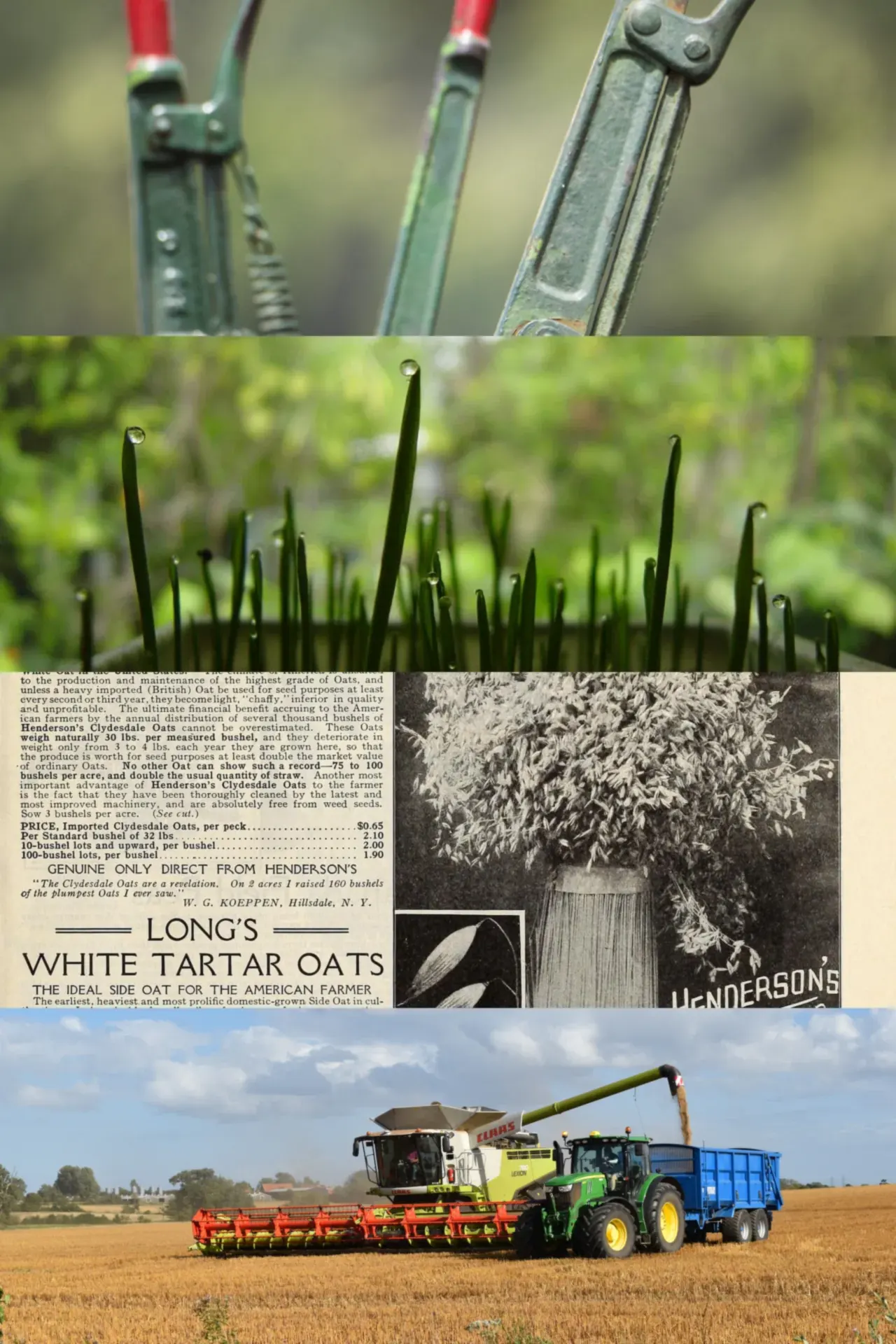
How to plant and grow oats, step by step
Step 1 — Time it right
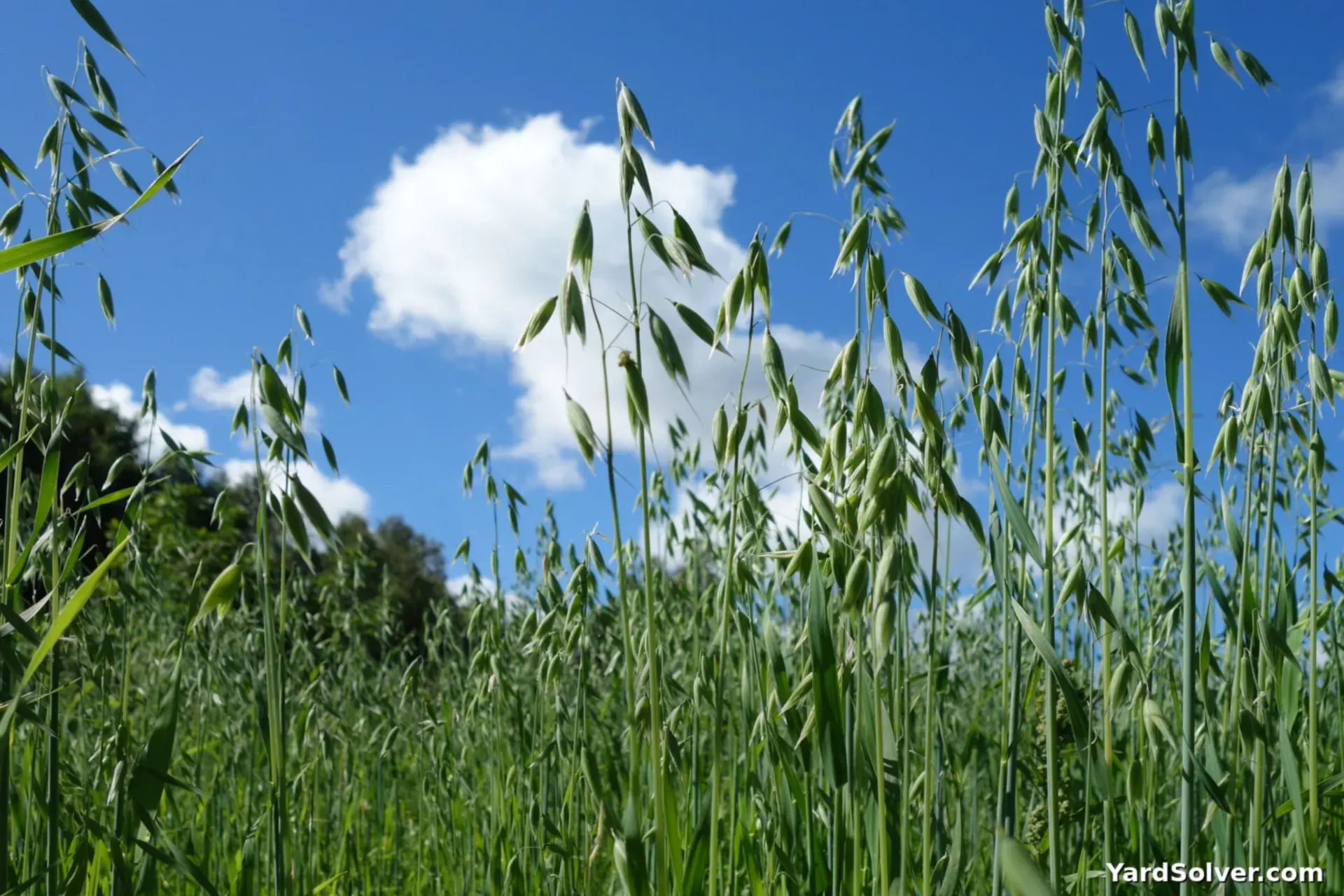
Direct sow early in spring, around last frost, or in late summer as a cover crop. Oats winter-kill in cold zones. All dates count from your average last spring frost — the Planting Calendar turns them into real dates for your garden. For grain, sow as early in spring as the soil can be worked — oats germinate near 40 F and shrug off light frost. For a cover crop, sow 6 to 8 weeks before first fall frost.
Step 2 — Prepare the spot
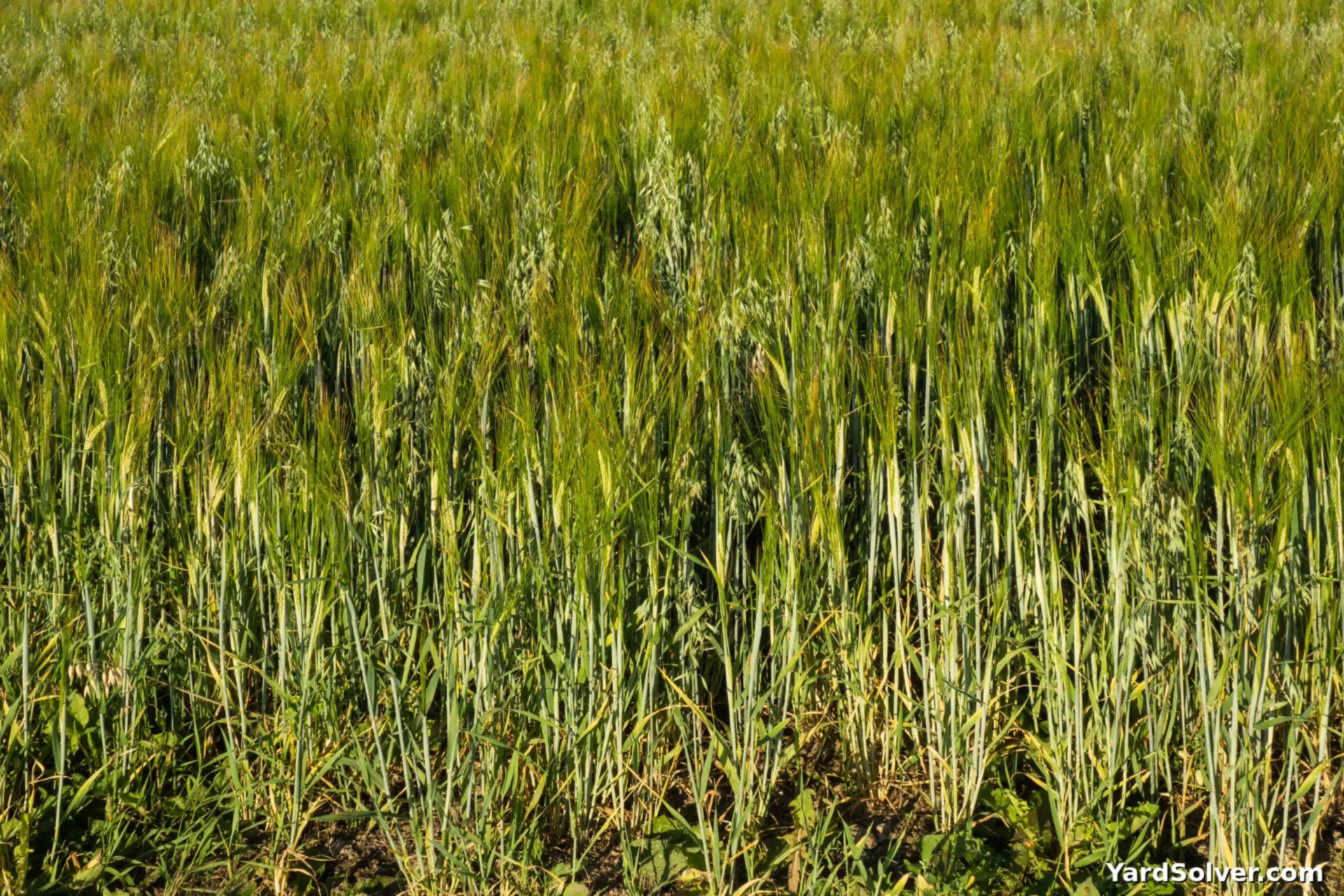
Sun: Full sun. Any well-drained soil — oats are unfussy and grow in poor ground where wheat would sulk. Work out how much you need with the Garden Mix Calculator or the Raised Bed Soil Calculator. Oats prefer modest soil: on rich, nitrogen-heavy ground they grow tall and lodge flat. A pH of 5.5 to 7.0 is fine, and compacted beds benefit most, as the fibrous roots loosen the top few inches.
Step 3 — Sow and plant out
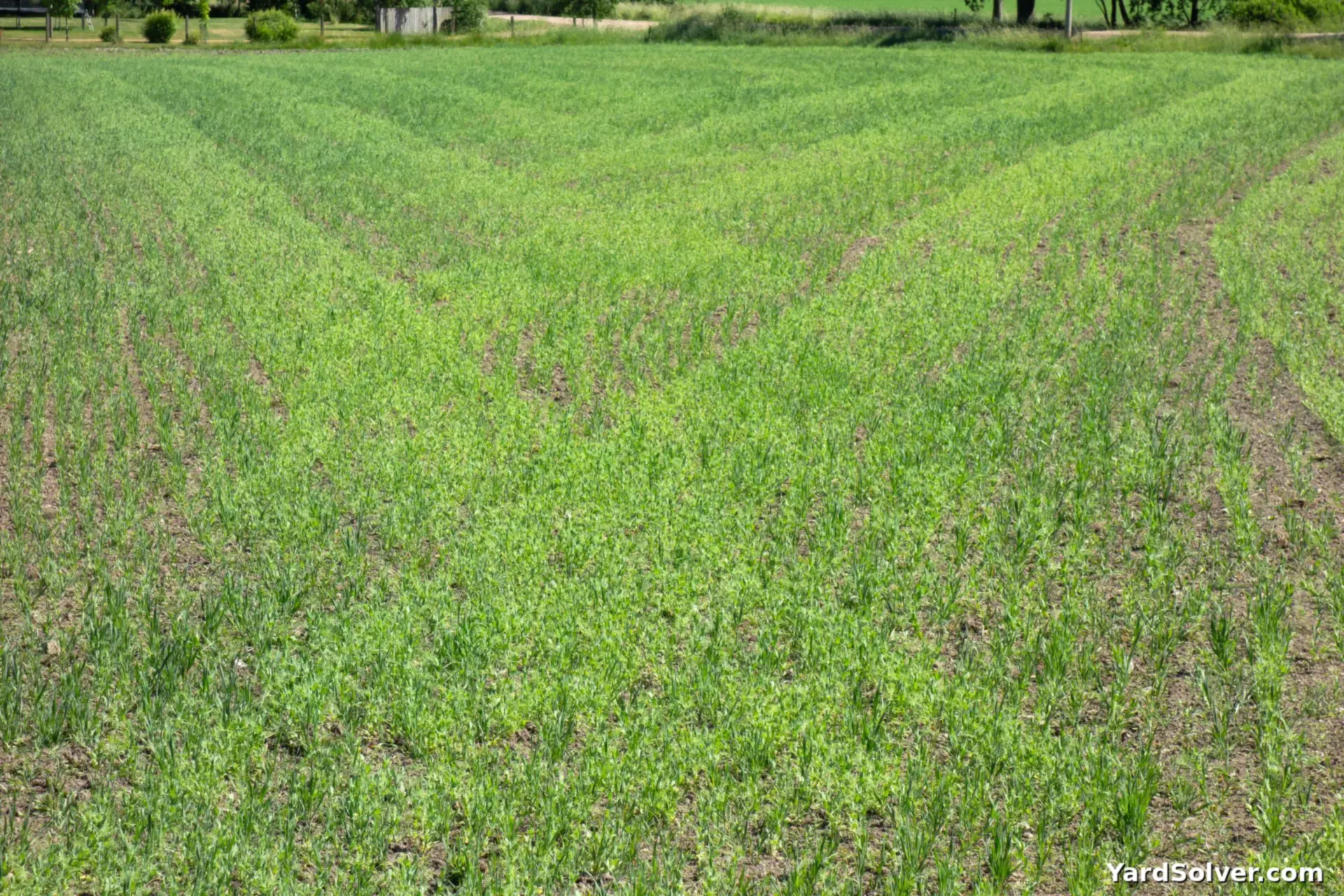
Broadcast about 2 lb of seed per 100 sq ft for a cover crop, 1 in deep, and rake in. For grain, sow in rows and thin lightly. The Plant Spacing Calculator turns that spacing into plants-per-bed. Rake seed in about 1 in deep; seed left on the surface is bird food within days. For grain, rows about 6 in apart allow one hoeing before the canopy closes at 4 to 5 weeks.
Step 4 — Water and feed
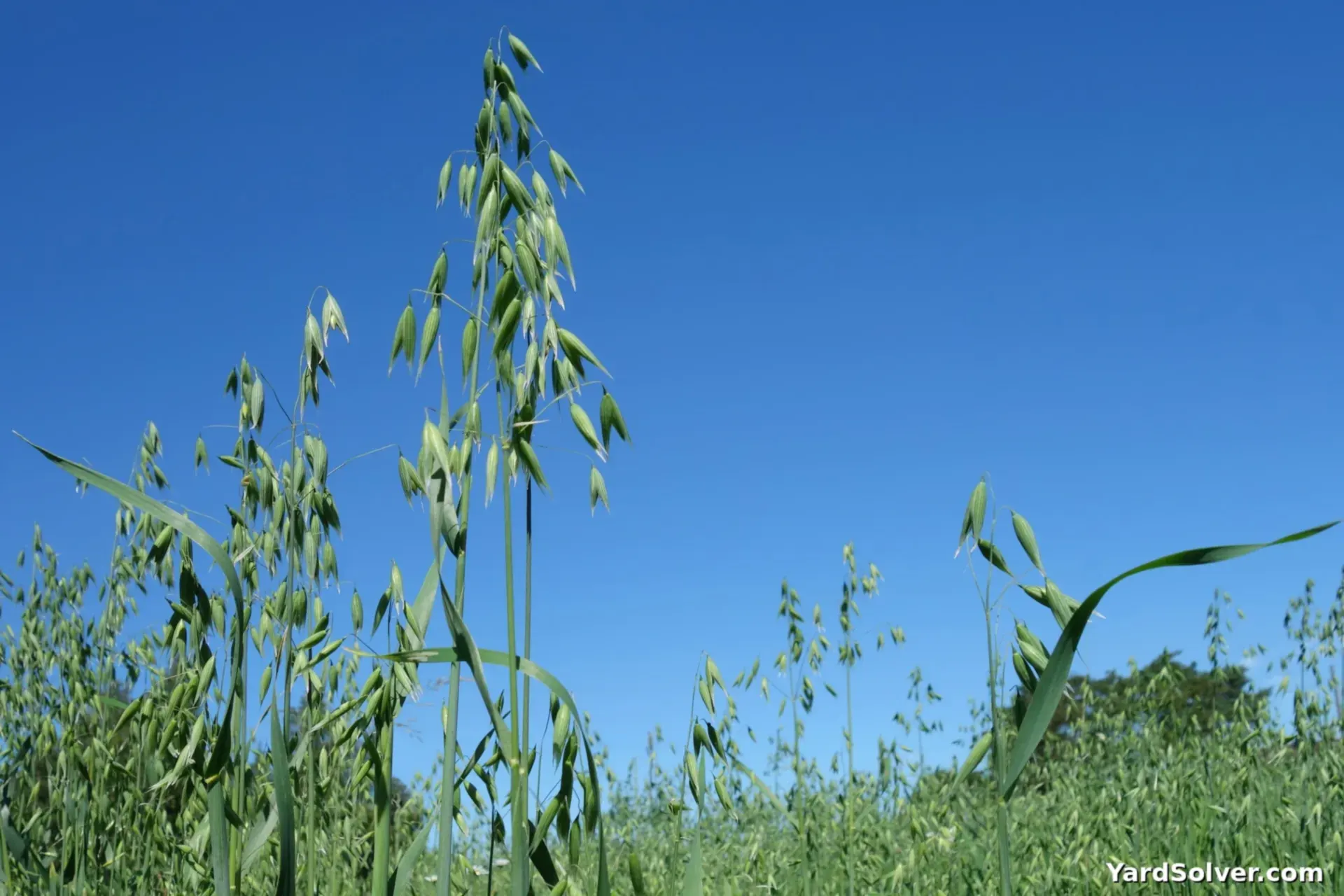
Water: Moderate — keep moist while young. Feed nothing — oats are a light feeder and do well on lean soil. The Fertilizer Calculator turns a bed size into the right amount. Rainfall normally covers established oats, but a dry spell at the boot stage, when the head swells inside the stem, is the one time extra water protects yield. The stand also scavenges leftover nitrogen after vegetables.
Step 5 — Care and the problems to watch for

Birds — they eat the seed as it ripens; net the patch if you want the grain. Lodging — tall oats fall in wind and rain; a sheltered spot helps. Rust — orange spots in wet summers; the cover-crop use does not mind it. Check for crown rust after wet weeks — a light infection hardly matters to a cover crop but counts against grain. Yellowed, stunted patches can mean aphid-carried virus; dig those patches in early.
Step 6 — Harvest

Ready in: 60–90 days (grain); winter-kills as cover. Cut and dry the patch for grain, or let the cover crop winter-kill and dig it in come spring. Cut grain when most heads are straw-coloured but a few grains are still at the soft dough stage, then dry the sheaves about a week. A 100 sq ft patch threshes out to roughly 3 to 6 lb.
📅 Your personal Oats schedule
Oats move fast, so this schedule counts from your sowing day to canopy, dig-in or grain harvest within a single season. Day 0 is the day the seed went in the ground.
Varieties worth growing
| Variety | Colour | Why gardeners like it |
|---|---|---|
| Common Oats | Gold | The standard grain oat, ready in 60–90 days |
| Hulless Oats | Gold | No husk to remove — much easier to eat from a home harvest |
| Black Oats | Dark | A hardy, old variety for cover cropping |
| Forage Oats | Green | Grown for green manure and animal feed |
Good for you — and take care
Benefits
- A whole-grain harvest in 60–90 days
- The easiest cover crop — winter-kills and mulches itself
- Smothers weeds in late summer
- Feeds the soil when dug in
Take care
- Oats grown for grain need threshing and winnowing by hand — a small patch is a fun afternoon.
- As a cover crop, sow 6–8 weeks before your first fall frost so it grows before winter.
- Cut or dig in the dead oats in spring — they rot down fast.
Problems to watch for
- Birds — they eat the seed as it ripens; net the patch if you want the grain.
- Lodging — tall oats fall in wind and rain; a sheltered spot helps.
- Rust — orange spots in wet summers; the cover-crop use does not mind it.
A little history — and one good fact
Oats were first grown as a weed in wheat and barley fields, and only later became a crop in their own right — in the cool, wet north of Europe, where wheat struggled. Scotland made them famous: porridge, oatcakes and haggis all start with oats.
Fun fact: Oats started life as a weed in wheat fields — farmers in cool northern Europe eventually realised the weed was the better crop.
Keep going
Guides: How to Harden Off Seedlings · How to Read a Seed Packet · How to Grow Oats — the full guide
Calculators: Plant Spacing Calculator · Seed Calculator · Fertilizer Calculator · Garden Mix Calculator
Plan it: Garden Planner · Planting Calendar · Companion Planting Chart · Seed Box
← Back to the Plant Library · Get your personal planting dates
Oats by the numbers: seed, cover and grain from a 100 sq ft patch
The working figures for one 100 sq ft sowing — the size of a single large bed.
| Item | Worked figure |
|---|---|
| Cover-crop seed | About 2 lb broadcast and raked in |
| Grain-row seed | About 1 to 1.5 lb in rows 6 in apart |
| Time to full cover | About 4 to 6 weeks in spring |
| Fresh biomass dug in | Roughly 15 to 25 lb from the patch |
| Grain yield | About 3 to 6 lb threshed |
In cold zones the cover crop needs no finishing work: it winter-kills, and you plant straight into the bed in spring.
Questions people ask
When do I plant oats?
Direct sow early in spring, around last frost, or in late summer as a cover crop. Oats winter-kill in cold zones.
How far apart do I space oats?
Broadcast about 2 lb of seed per 100 sq ft, 1 in deep, and rake in. Sun: full sun.
When are oats ready to harvest?
60–90 days for grain. As a cover crop, they winter-kill and leave a clean bed in spring.
Will oats grow back after winter?
In cold zones, no: oats are reliably winter-killed once temperatures stay well below freezing, which is why northern gardeners love them as a no-work spring mulch. In mild zones 8 and warmer they may survive, so dig them in before they set seed.
Can I eat oats I grow in the garden?
Yes, once threshed and winnowed. Most varieties keep a papery hull that is tedious to remove by hand, so hull-less (naked) oat varieties are the practical choice for eating — the groat threshes free and cooks like a whole grain.
Oats earn their place twice: as a fast cover crop that protects soil, and as a grain that asks for cool weather
Oats (Avena sativa) are a cool-season grass grown both for grain and, increasingly in gardens, as a cover crop: sown thick in late summer or autumn, they cover bare soil fast, hold it against winter rain, and — in cold districts — winter-kill into a mulch that can be planted through in spring without digging. Few soil-building tools ask so little work.
For grain, timing is the whole crop: oats want to grow through cool weather and fill grain before summer heat, so early spring sowing decides the harvest. They tolerate poorer, more acidic soil than wheat or barley, which is why they were the traditional grain of marginal land. Lodging — stems falling flat — is the main failure, usually from rich soil and generous nitrogen pushing soft growth.
The worked example: an autumn cover-crop sowing typically gives full ground cover in weeks and a plant-through mulch by spring. The same sowing made into hot summer soil typically bolts, rusts and covers nothing — oats are a cool-season worker, and the calendar is the skill.
Sources
Key facts on this page — timing, spacing and care — cross-checked against NC State Extension Plant Toolbox — Avena sativa — culture and care requirements and Oat — Wikipedia — background on oats and their cultivation.
Related page
Read next: Winter Cover Crops: Rye, Clover, Vetch, Oats.
Comments & ratings
No comments yet.
Be the first to share your experience.