
Guides · Seedlings · Published October 31, 2026 · Updated November 17, 2026 · By Faizan Ahmad
How to Harden Off Seedlings
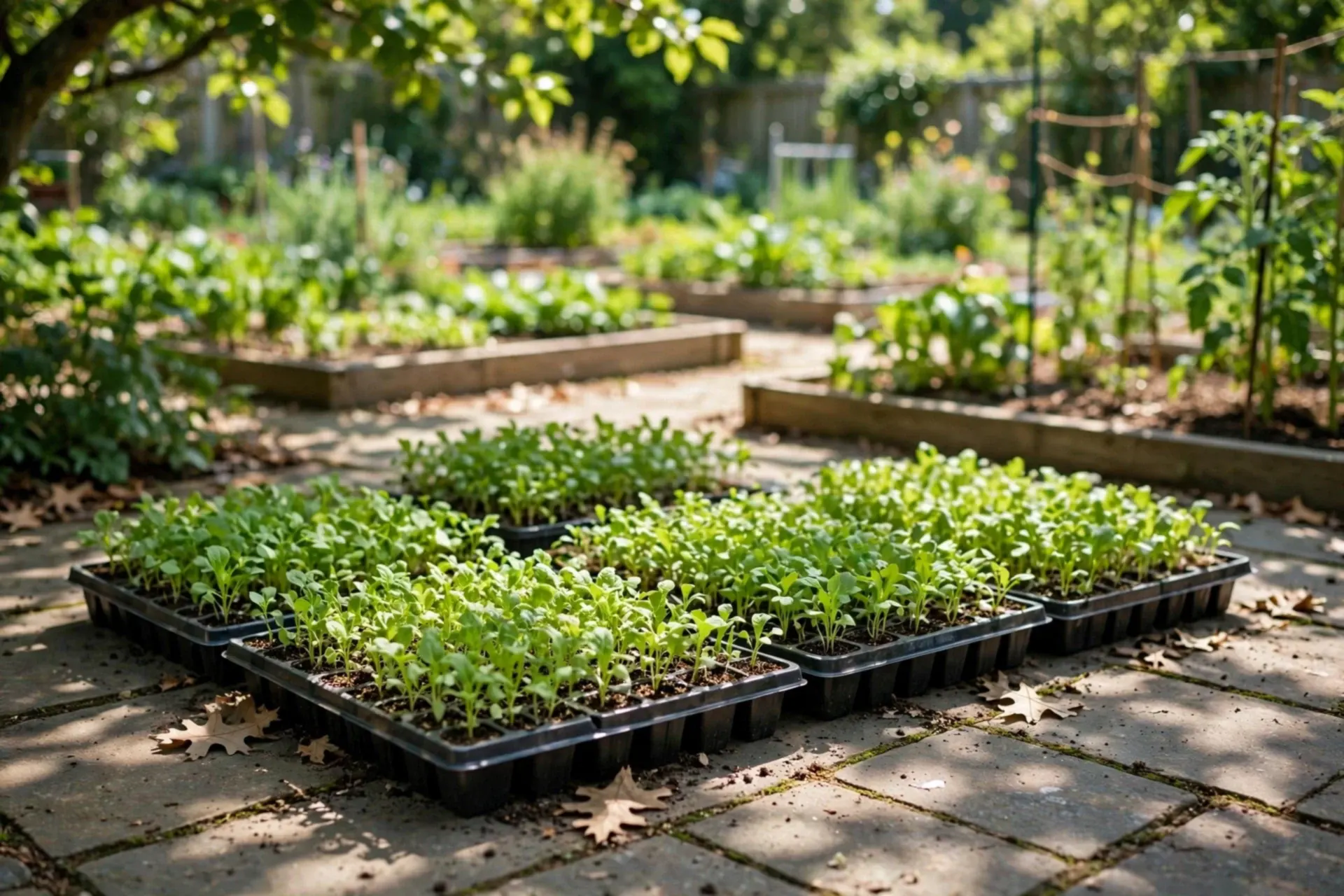
Indoor life is soft: no wind, no ultraviolet light, no cold nights. A seedling moved straight from the windowsill to the garden gets sunburned leaves, wind-whipped stems and a week of standing still in shock. Hardening off is the short training camp that prevents it — a week or so of increasing outdoor time while the plant builds tougher leaves and a thicker skin.
The schedule at a glance
- Days 1–2: 1–2 hours in full shade, sheltered from wind; back inside
- Days 3–4: 3–4 hours, with an hour or two of gentle morning sun
- Days 5–6: 5–6 hours, more direct sun; a light breeze is good training
- Days 7–8: most of the day in sun; in overnight if nights are mild enough for the plant
- Days 9–10: full days and nights outside — then transplant, ideally on a cloudy day or in the evening
Cloudy weather is a gift during hardening: on overcast days you can safely stretch the hours. On harsh, windy or very hot days, shorten them. The schedule is a ramp, not a contract.
Step 1 — Start a week before transplant day (use your dates)
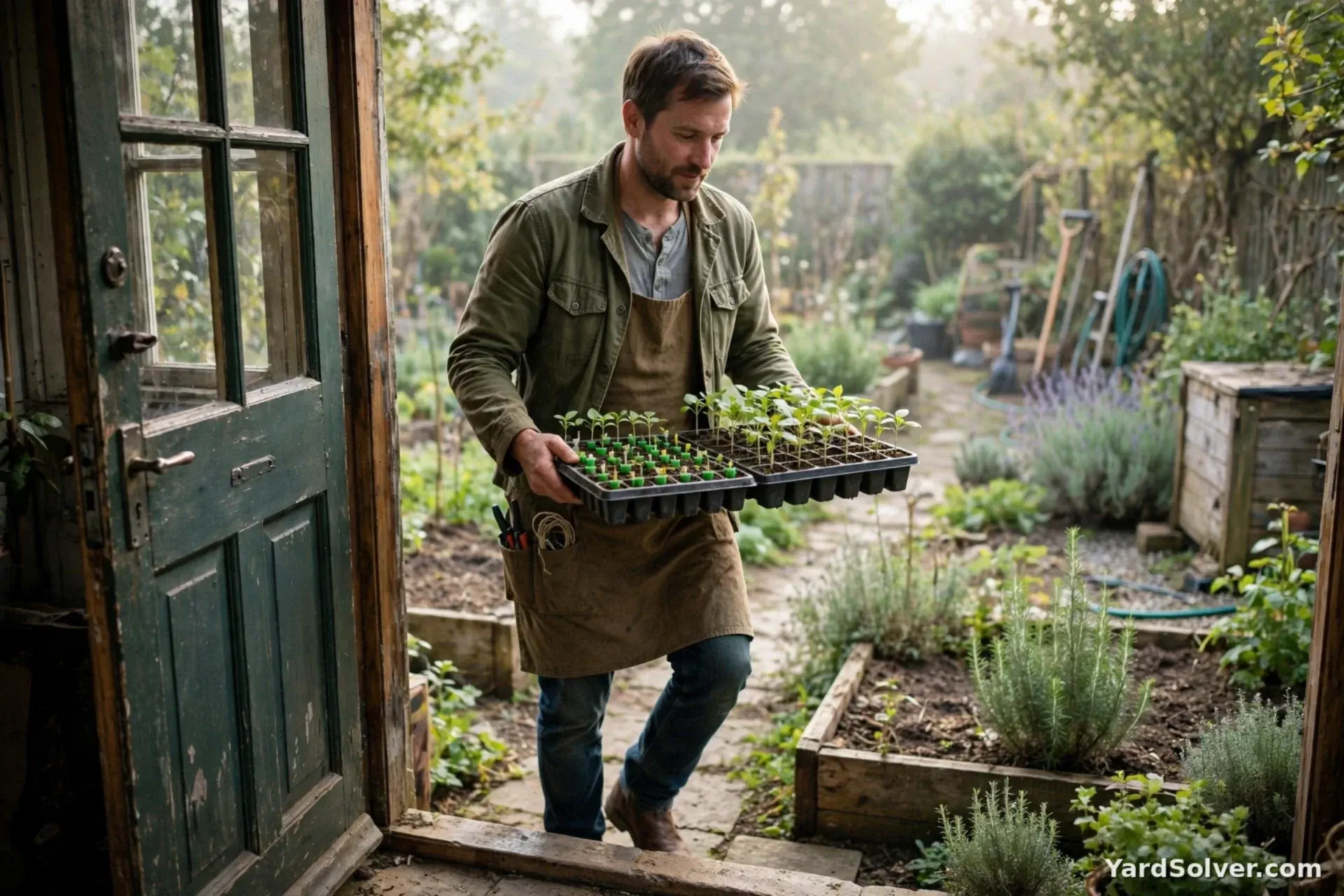
Count back 7–10 days from your planned transplant date — which comes from your frost dates on the Planting Calendar and the chart in When to Start Seeds Indoors. Water the trays well before their first outing; dry seedlings wilt fast outdoors.
Step 2 — Shade and shelter first, sun later
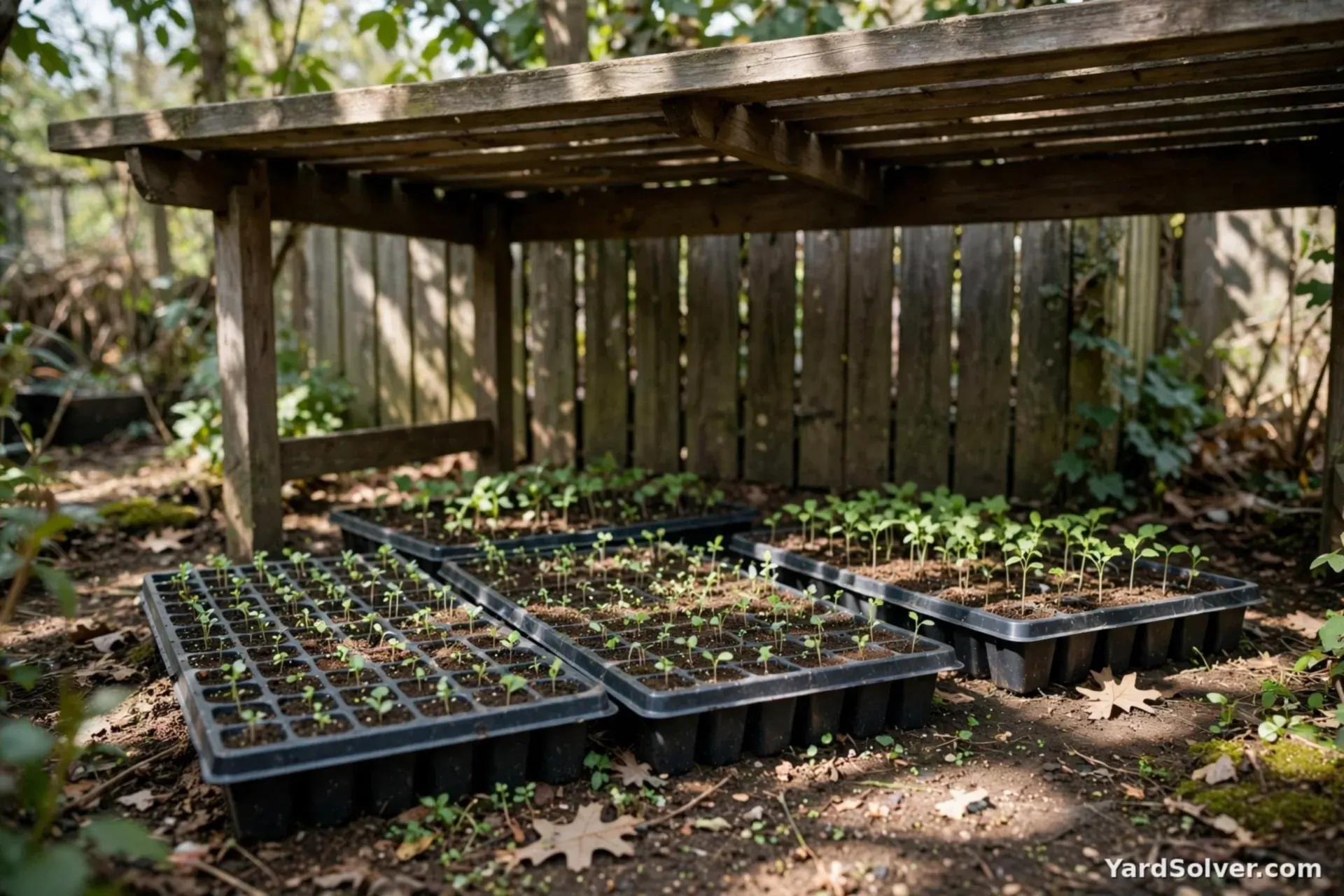
The biggest beginner error is day one in full sun. Begin in bright shade — under a table, on the north side of a wall, beneath a tree — where plants meet real air and temperature without ultraviolet. Morning sun only from day 3 or so; midday sun is the final exam, not the first lesson.
Step 3 — Watch water like a hawk
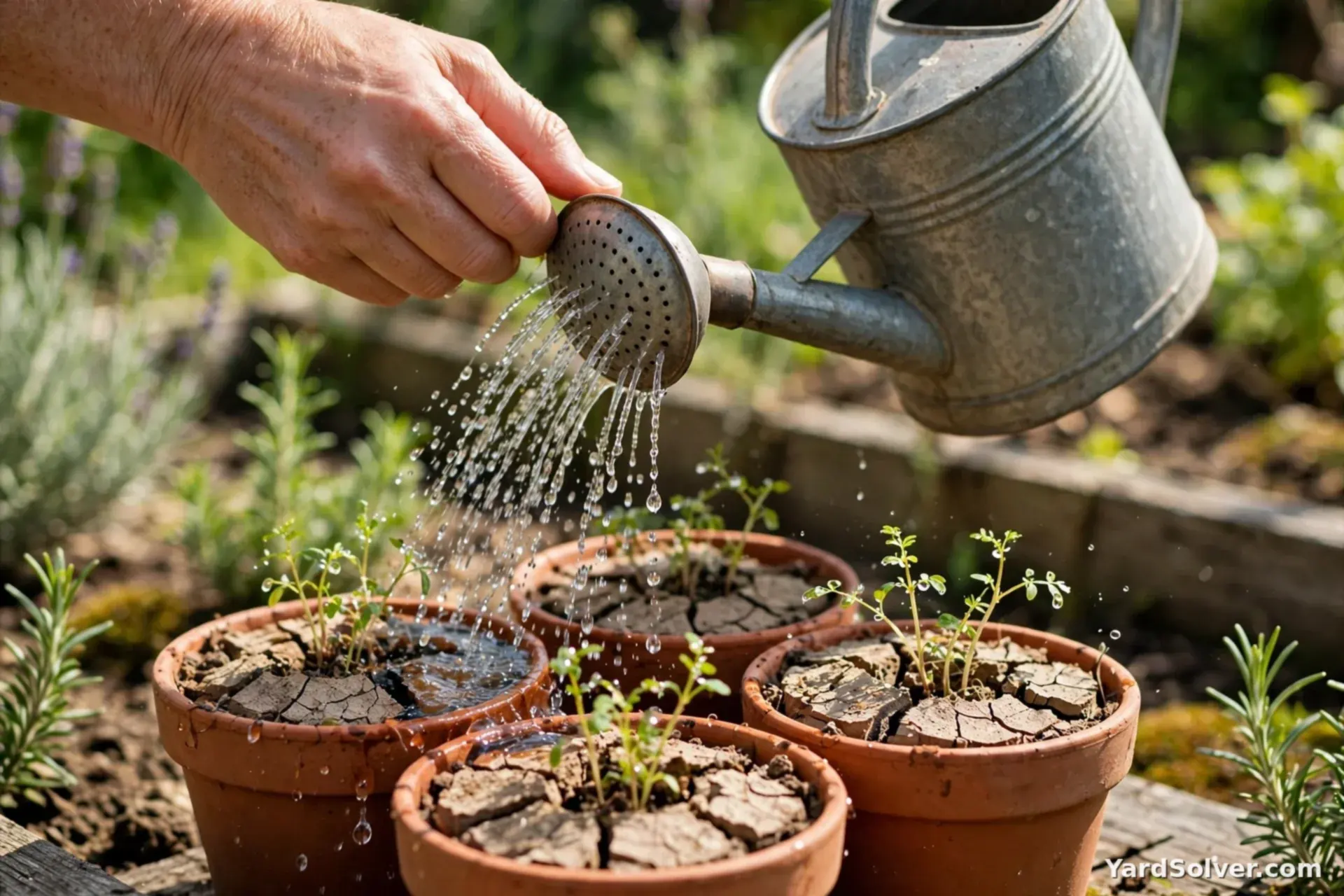
Small pots outdoors dry out in hours, especially in wind. Check moisture morning and evening during hardening week and water as needed — a wilted, dried-out seedling loses days of progress. This is the step where most hardening losses actually happen: not sun, but thirst.
Step 4 — Nights out only when the plant's minimum allows
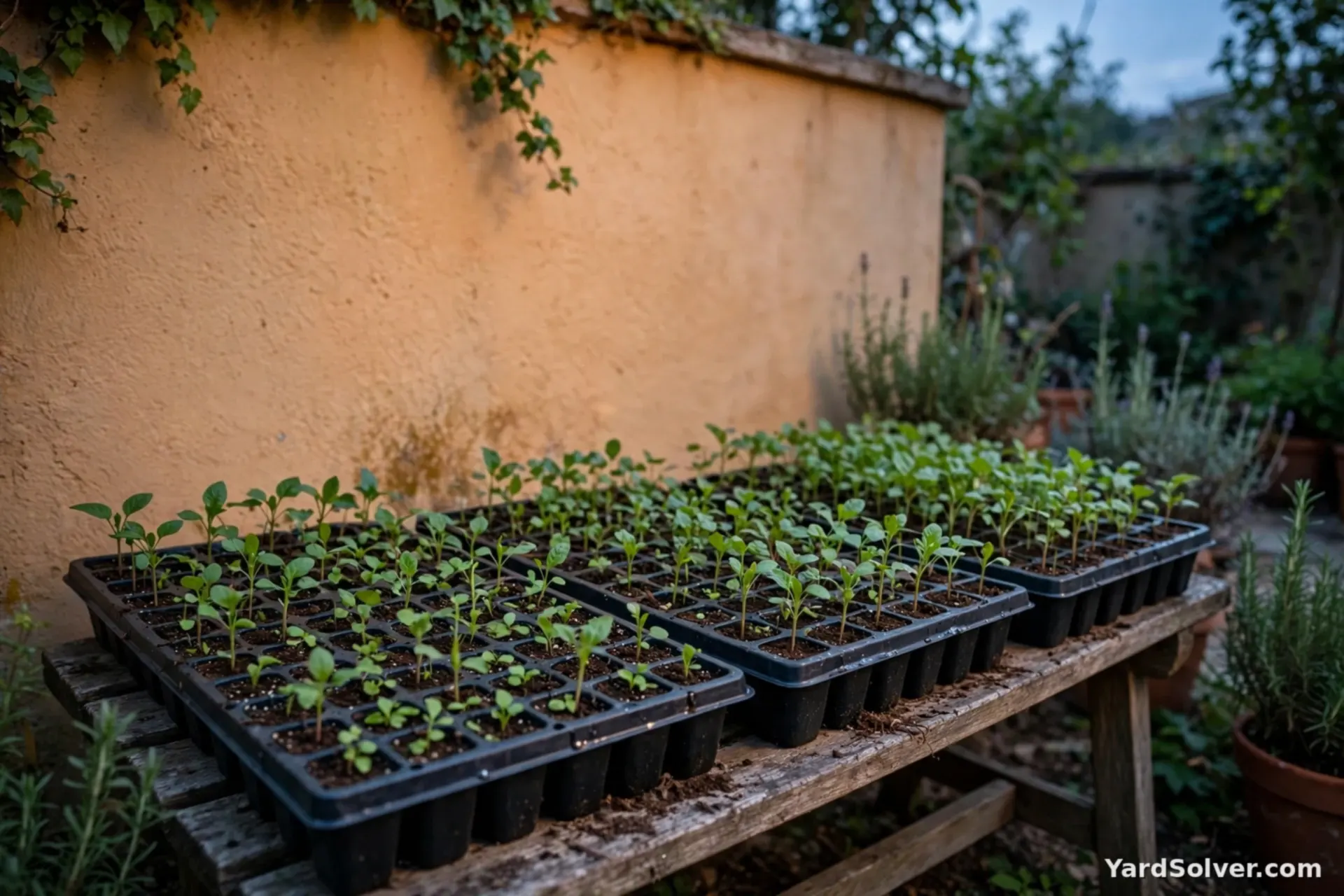
Hardy seedlings (onions, cabbage family, lettuce, peas) tolerate cool nights well. Tender ones — tomatoes, peppers, basil, cucumbers, squash — want nights consistently above about 50°F (10°C) before sleeping outside, and planting waits for your safer frost date regardless. One cold night can undo the whole camp for a tender plant. Keep frost protection cloth handy even after transplanting.
Step 5 — Transplant gently, water in, mulch
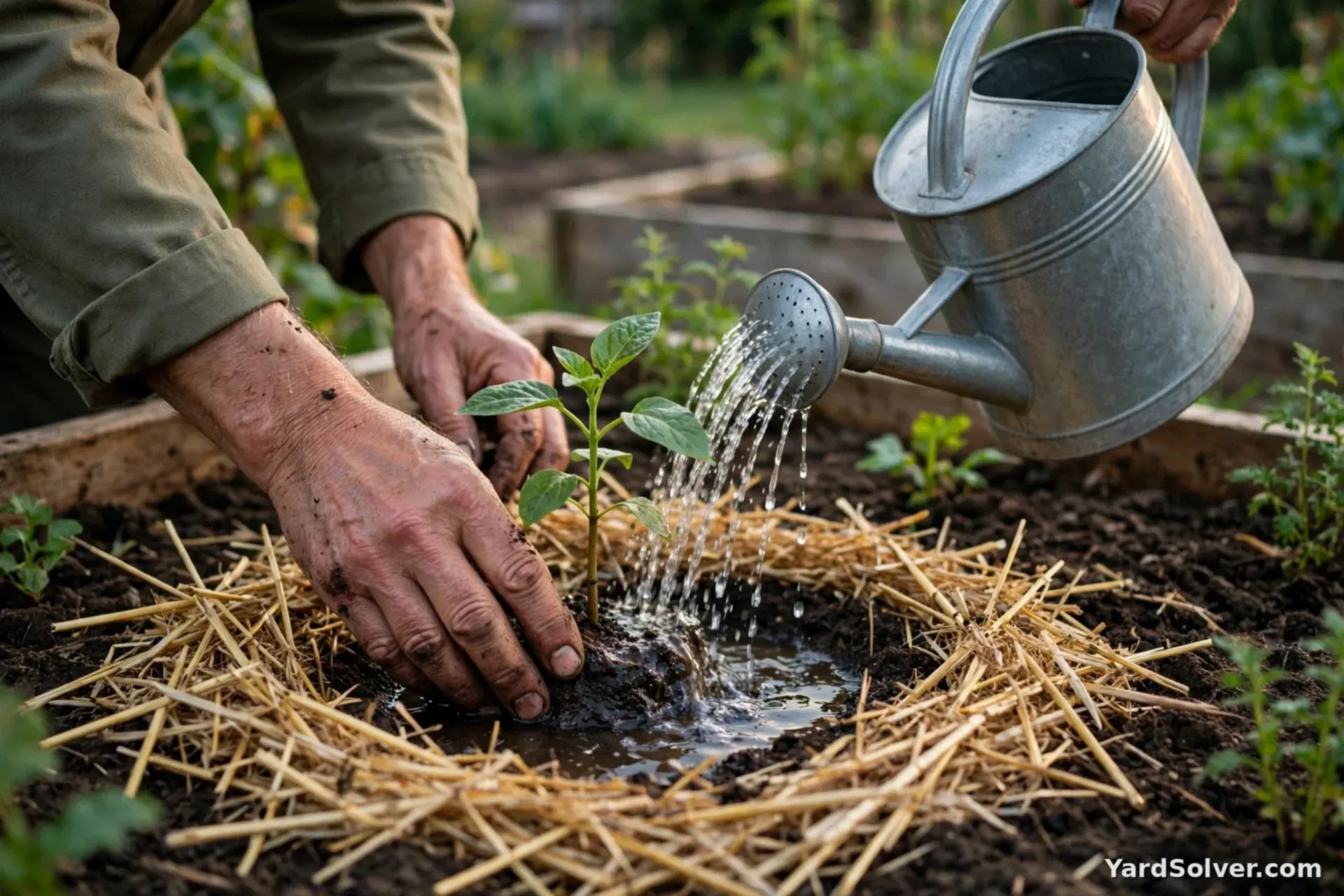
Transplant on a cloudy day or in the evening so the plant's first garden hours are kind ones. Set plants at the right spacing (Plant Spacing Calculator), water deeply into the planting hole, and mulch around — not against — the stems (Mulch Calculator). A few days of looking slightly thoughtful is normal; steady growth within the week means the camp worked.
The 10-day schedule: tender vs half-hardy, side by side
The glance schedule above treats all seedlings alike. In practice the two groups move at different speeds. Half-hardy plants — cabbage family, lettuce, onions, peas, sweet peas — were built for cool spring weather. Tender plants — tomatoes, peppers, basil, cucumbers, squash — are training for conditions they did not evolve in. Run them on separate clocks:
| Day | Tender (tomato, pepper, basil, cucumber) | Half-hardy (cabbage, lettuce, onion, peas) |
|---|---|---|
| 1 | 1 hour, full shade, sheltered | 2 hours, bright shade |
| 2 | 1–2 hours, shade | 3 hours, with an hour of morning sun |
| 3 | 2–3 hours; first morning sun, 30–60 minutes | 4 hours, morning sun |
| 4 | 3–4 hours, morning sun | 5–6 hours, sun most of the morning |
| 5 | 4–5 hours, sun into late morning | Full day; night out if above about 40°F (4°C) |
| 6 | 5–6 hours, some midday sun | Full day and night out |
| 7 | 6–8 hours, mostly sun | Plant out, or hold fully outdoors |
| 8 | Full day; night out only if above about 50°F (10°C) | Already planted or fully out |
| 9 | Full day and night out, if nights allow | — |
| 10 | Transplant, on a cloudy day or in the evening | — |
Wind counts as much as sun: a still, cloudy day can count double, while a bright, windy day should count half — move tender plants back to shelter rather than letting them be whipped. If a cold snap interrupts the schedule, simply hold where you are and resume when it passes; the days do not have to be consecutive.
Reading trouble: sunburn, wilt and the reset
Sunburn shows as white or papery tan patches on the leaves that faced the sun. The damaged leaf does not recover, but the plant usually does: move it back two steps on the schedule, keep it watered, and let new, tougher leaves replace the damaged ones. Wilting in the first hour outside is usually wind and dry soil rather than sun — water, shelter, and try again the next day for a shorter session. A seedling that has flopped completely and does not perk up by evening, even after watering, has likely lost roots to drying or cold. Tomatoes occasionally regrow from the stem; for most crops the honest move is a replacement rather than weeks of nursing. Keep spare seedlings back indoors until transplanting is done — they are your insurance row.
Two indoor habits that make hardening easier
Plants raised under lights benefit from a head start before day one. Run a small fan near the trays, on low, for a few hours a day during their last indoor week, or brush the tops gently with your hand a few times daily — the movement triggers thicker, sturdier stems, a response growers call mechanical conditioning. Also match your indoor light cycle roughly to the day length outside: seedlings raised under 18 hours of lamp light and moved to 12-hour spring days can stall while they adjust. Neither trick replaces the outdoor schedule, but together they reliably take the drama out of days 1–3.
Bought plants need it too
Hardening off is not only for home-sown seedlings. Transplants bought from a greenhouse or garden centre — however tough the crop — have lived the same soft indoor life, and a tomato plant bought on Saturday and planted into a sunny, windy bed on Sunday sunburns exactly like a windowsill one. Give bought plants the same ramp, shortened only if the seller confirms they were already grown on outdoors. Plants sold from outdoor benches and hardened nursery stock can go straight in. When in doubt, ask where the plant has been living for the last two weeks — that answer is its hardening status.
Keep going
Before this: How to Start Tomato Seeds Indoors · Why Are My Seedlings Leggy?
Questions people ask
What happens if I skip hardening off?
Leaves that grew under glass or lamps have thin protection against ultraviolet light and wind. Moved straight outside, they commonly sunburn (white, papery patches), wilt badly, and stall for a week or more while the plant regrows tougher leaves — some seedlings never fully recover. The 7-10 days of hardening is always cheaper than the setback.
Can I harden off faster, in 3-4 days?
Hardy plants started near a bright window — onions, cabbage family, lettuce — can manage a shortened 4-5 day version in mild, cloudy weather. Tender plants (tomatoes, peppers, basil, cucumbers) genuinely need the full week or more, and cloudy spells help: overcast days let you extend outdoor hours without sunburn risk.
Should seedlings stay out overnight during hardening off?
Only in the last few days, and only if nights are safely above the plant's minimum — for tomatoes and peppers, nights consistently above about 50°F (10°C). One cold night can undo the whole process for tender plants, so check the forecast, not the calendar.
Can I harden off seedlings in a cold frame instead?
Yes — a cold frame is hardening off with training wheels. Prop the lid open a little more each day, close it on cold nights, and after 7–10 days leave it open entirely for two days before transplanting. The steps are the same; the frame just softens wind and cold.
What if it rains during hardening week?
Light rain is good training and free watering. Bring trays in, or cover them, only for heavy downpours or hail, which can shred soft leaves and wash small seedlings out of their cells.
My seedlings got sunburned. Are they ruined?
Usually not. The white, papery patches will not heal, but if the growing tip is alive the plant replaces them with tougher leaves. Step back two days on the schedule, keep the soil moist, and resume more slowly.
Hardening off is a fortnight of graduated stress — sun and wind, added an hour at a time
A seedling raised indoors has leaves built for still, dim, humid air; moved straight into full sun and wind it scorches, wilts and can die in a single afternoon — not from cold, but from light and drying it was never built for. Hardening off rebuilds the leaf: over seven to fourteen days of increasing outdoor exposure the plant thickens its cuticle, strengthens its stem and adjusts its water economy, until an outdoor day is no longer a shock. There is no shortcut version of this physiology.
Start in shade on a calm, mild day for an hour or two, add sun and time daily, bring plants in for cold nights and storms, and only plant out when the nights themselves suit the crop — hardening off does not make a tender plant frost-hardy, it only makes a ready plant tough. Water before, not after, a windy session. Gardeners who skip this fortnight and lose a tray of seedlings learn the lesson exactly once; this guide exists so it is learned by reading instead.
Sources
Key facts on this page cross-checked against Hardiness (plants) — Wikipedia — background on plant hardiness and acclimatisation to outdoor conditions and Seedling — Wikipedia — background on seedlings and their early growth.
Related page
Read next: How to Start Tomato Seeds Indoors, Step by Step.
Comments & ratings
No comments yet.
Be the first to share your experience.