
Guides · Oats · Published November 11, 2026 · By Faizan Ahmad
How to Grow Oats: The Complete Beginner's Guide
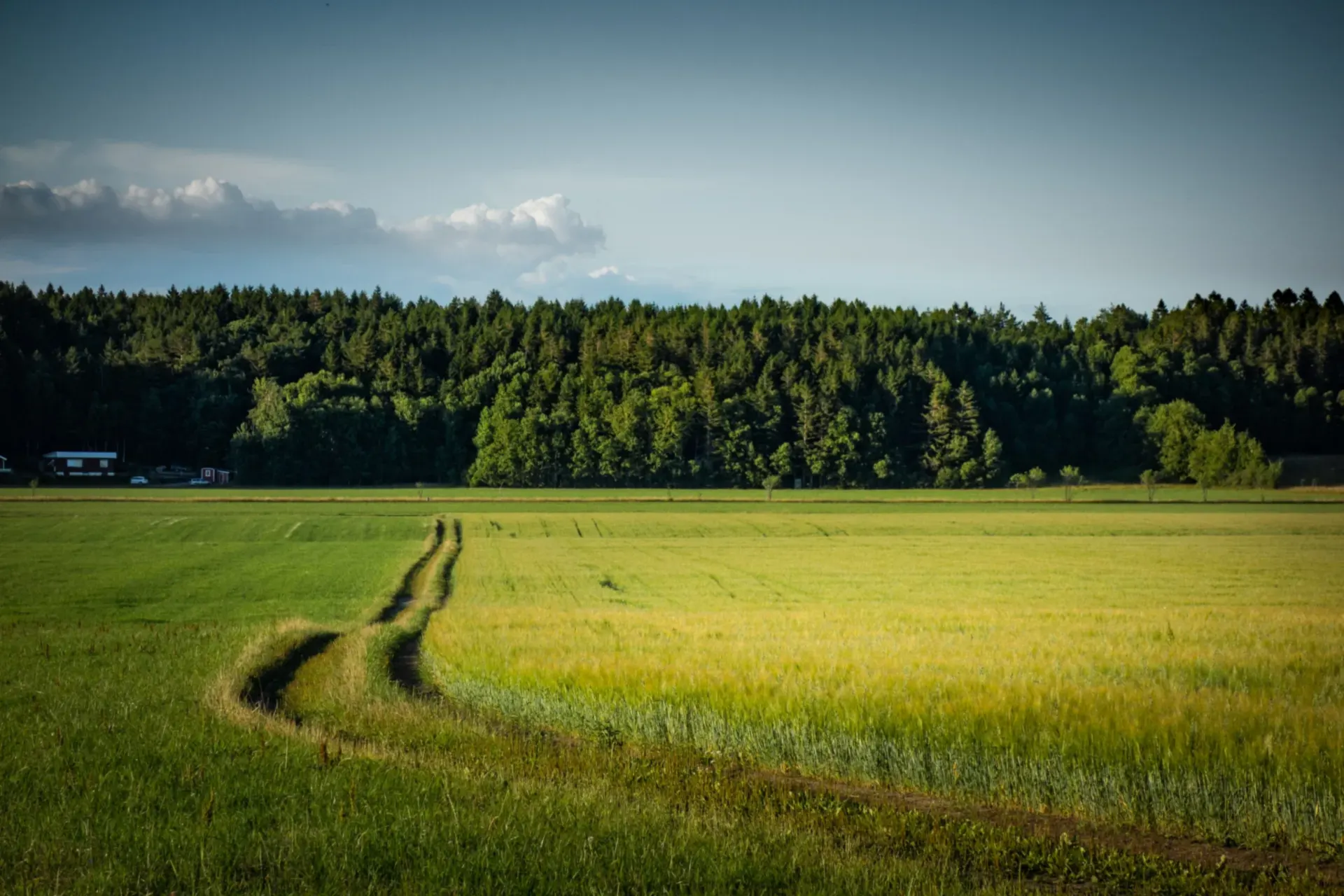
Oats are the friendliest grain for a home garden — and the friendliest cover crop. As a grain they are ready in 60–90 days; as a cover crop they smother weeds in late summer, then winter-kill in cold zones, leaving a clean, mulch-ready bed in spring. Sow early in spring, or in late summer as a cover. This guide is the whole routine on one page, in order. For the one-screen version — light, water and care at a glance — see the Oats plant page; this is the deep guide it points to. Your personal dates for every step are in the Planting Calendar.
The oats season at a glance
- When: Direct sow early in spring, around last frost, or in late summer as a cover crop. Oats winter-kill in cold zones.
- Soil: Any well-drained soil — oats are unfussy and grow in poor ground where wheat would sulk.
- Sowing: Broadcast about 2 lb of seed per 100 sq ft for a cover crop, 1 in deep, and rake in. For grain, sow in rows and thin lightly.
- Water & feed: Moderate — keep moist while young — Feed nothing — oats are a light feeder and do well on lean soil.
- Harvest: 60–90 days (grain); winter-kills as cover
Step 1 — Sow early or late
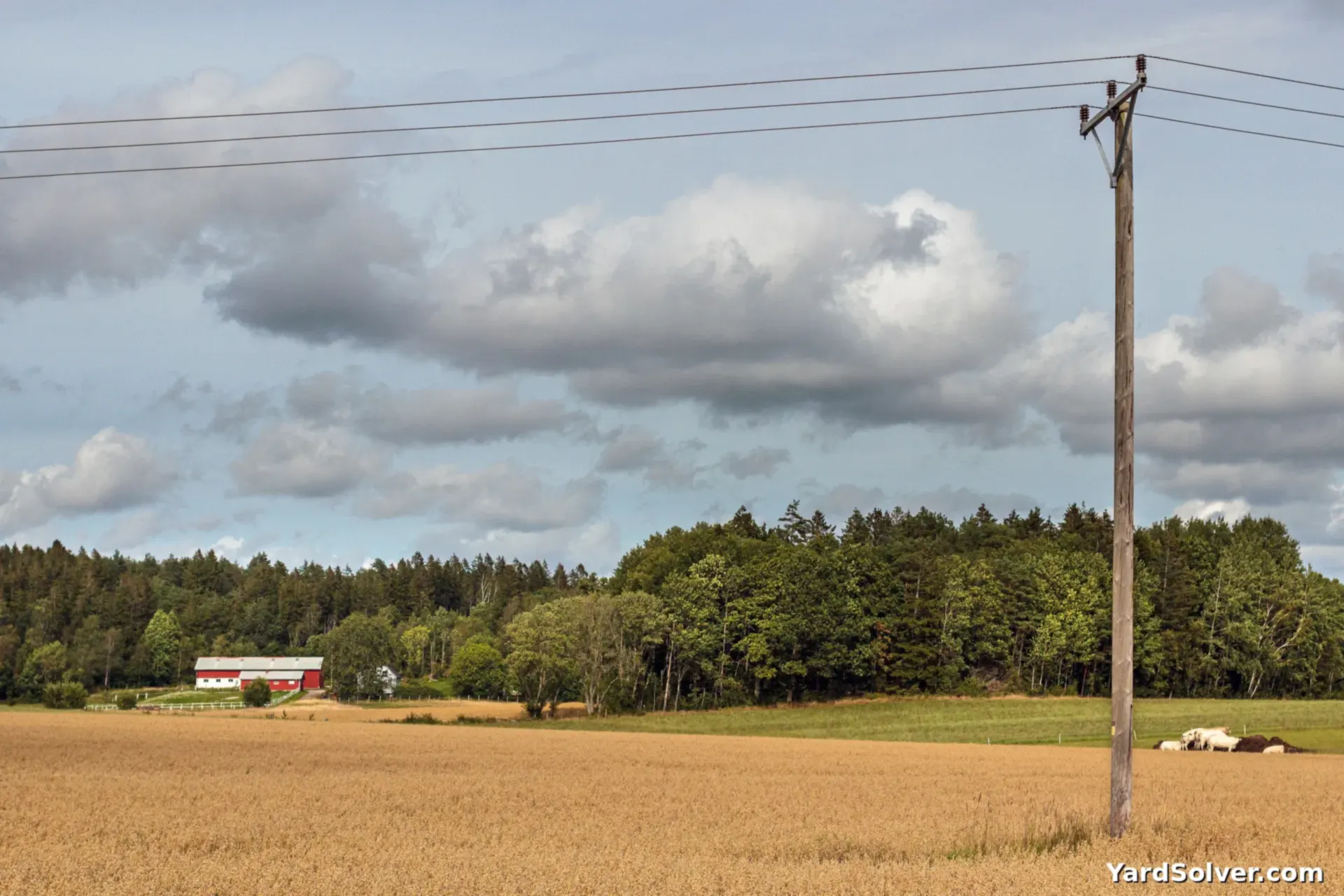
Sow oats early in spring, around your last frost, or in late summer as a cover crop. Direct sow early in spring, around last frost, or in late summer as a cover crop. Oats winter-kill in cold zones.
Step 2 — Any drained soil
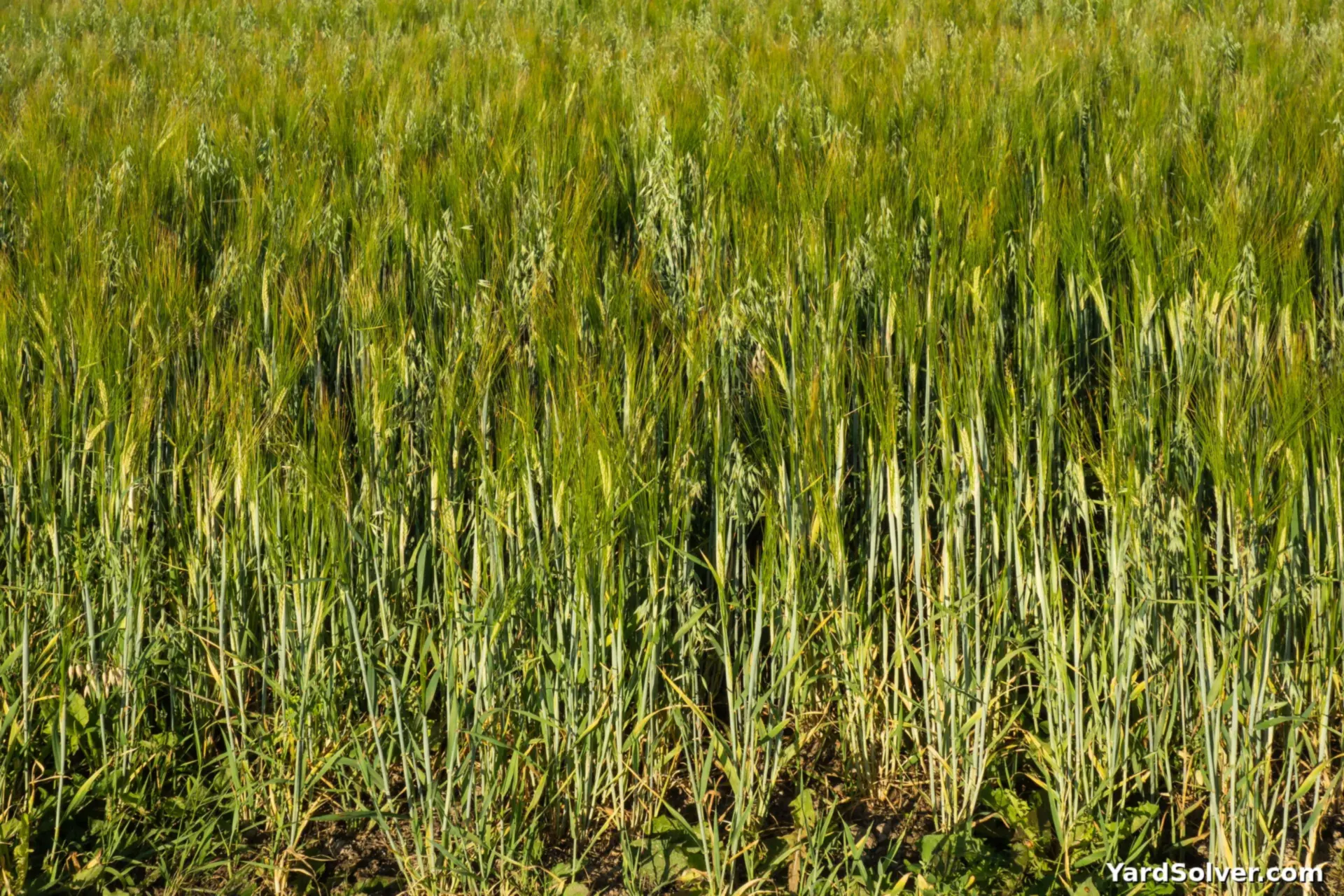
Oats are unfussy and grow in poor ground. Well-drained soil is all they ask. Any well-drained soil — oats are unfussy and grow in poor ground where wheat would sulk.
Step 3 — Broadcast and rake in
Broadcast about 2 lb of seed per 100 sq ft, 1 in deep, and rake it in. For grain, sow in rows. Broadcast about 2 lb of seed per 100 sq ft for a cover crop, 1 in deep, and rake in. For grain, sow in rows and thin lightly.
Step 4 — Water while young
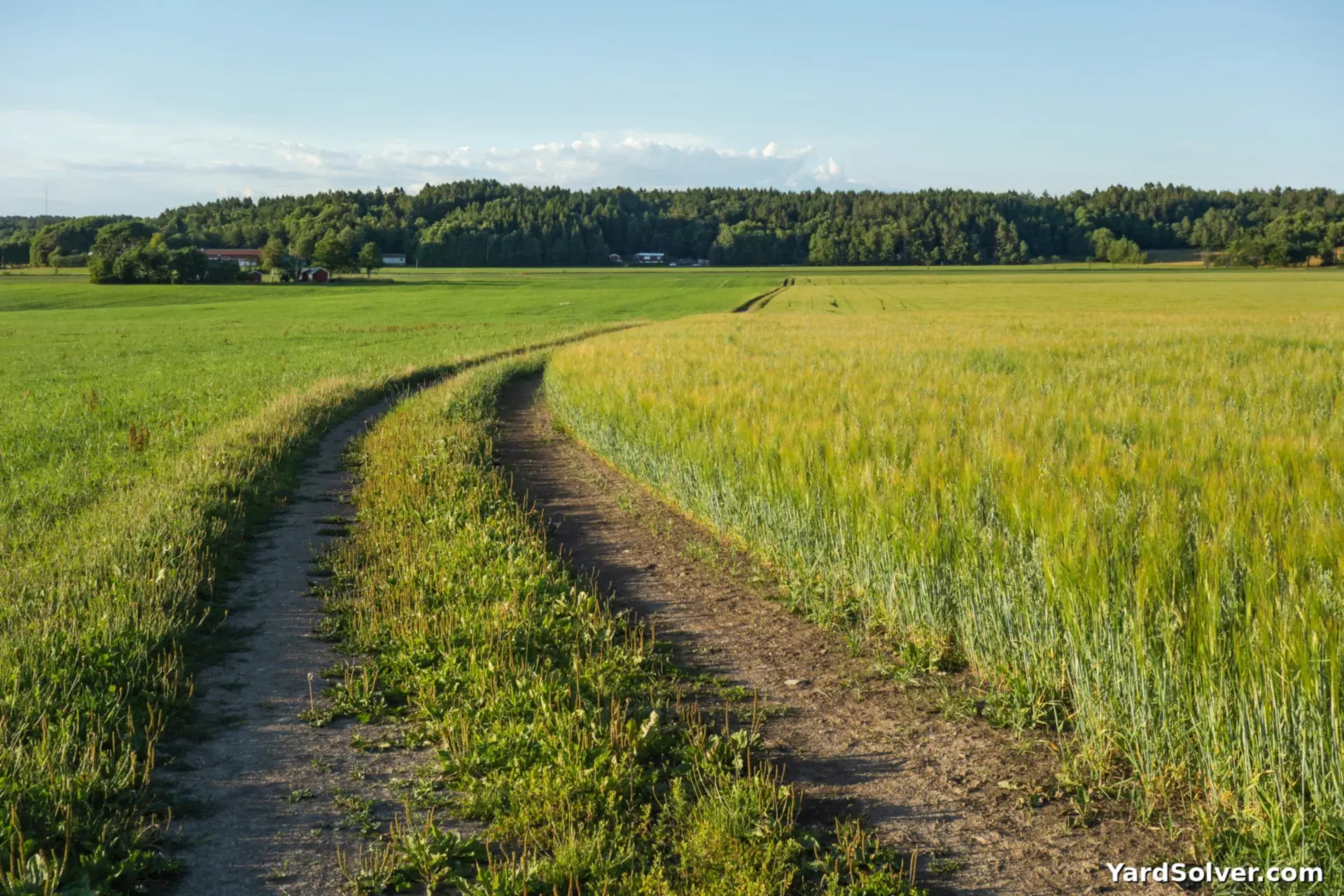
Keep the stand moist while young, then let it grow. Oats need no feeding. Feed nothing — oats are a light feeder and do well on lean soil.
Step 5 — Cut or let it winter-kill
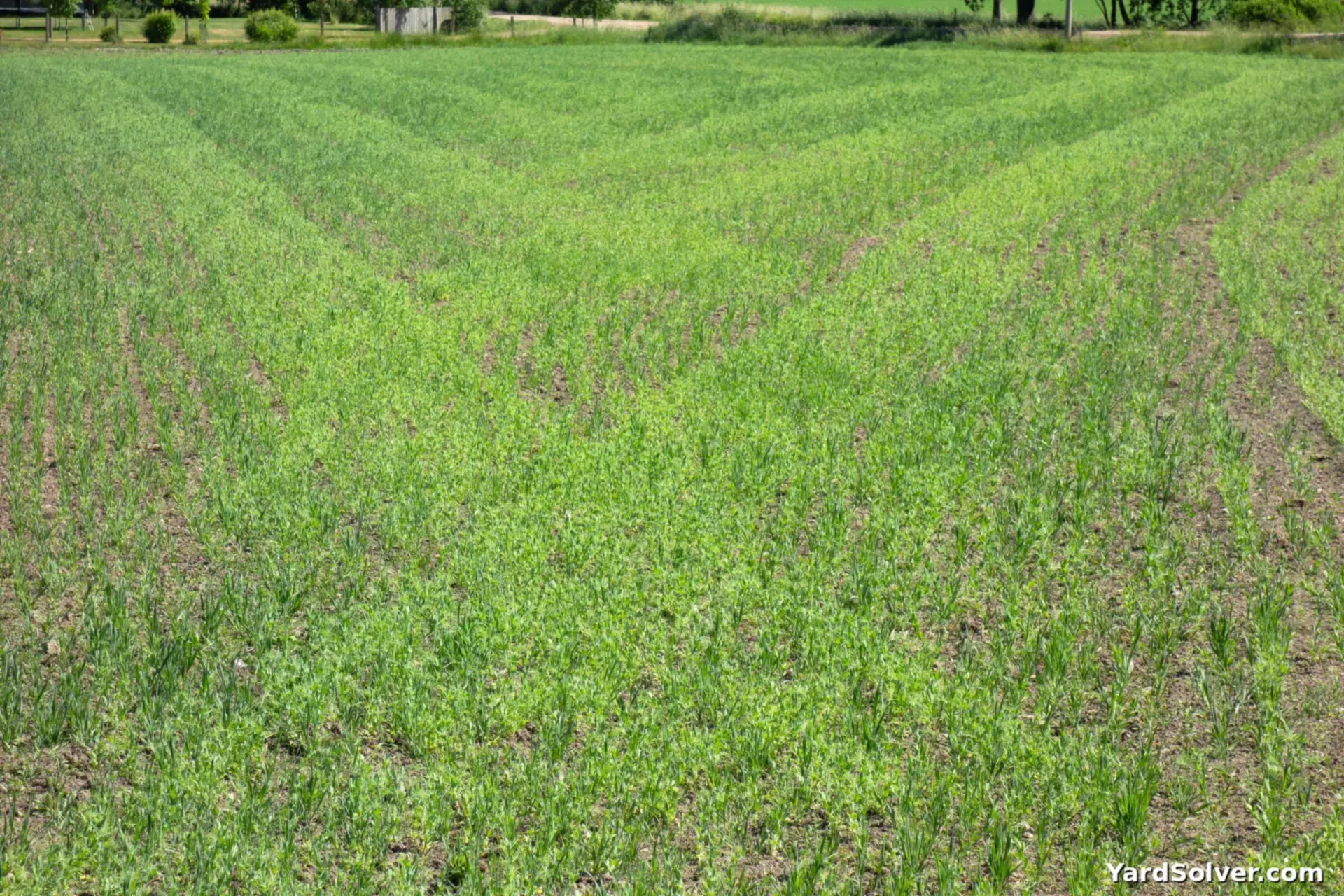
For grain, cut when golden and dry. As a cover crop, let winter kill it and dig the residue in come spring. Birds — they eat the seed as it ripens; net the patch if you want the grain.
Keep going
The at-a-glance version, with light and water needs: Oats — Plant Library.
Plan the bed: Garden Planner · Planting Calendar · Companion Planting Chart · Plant Spacing Calculator
Questions people ask
When do I plant oats?
Direct sow early in spring, around last frost, or in late summer as a cover crop. Oats winter-kill in cold zones.
How far apart do I space oats?
Broadcast about 2 lb of seed per 100 sq ft, 1 in deep, and rake in. Sun: full sun.
When are oats ready to harvest?
60–90 days for grain. As a cover crop, they winter-kill and leave a clean bed in spring.
Oats are the forgiving grain — a cool-season crop and a winter cover in one plant
Oats ask less than almost any grain: they germinate in cool soil, tolerate poorer and more acidic ground than wheat or barley, and grow fast enough to be useful twice over — cut green as a cover crop that smothers weeds and adds organic matter, or left to ripen as a modest grain harvest for the kitchen or the hens. Spring oats sown early are the classic crop; in mild climates autumn sowings overwinter as living ground cover and are killed or cut before spring planting.
For grain, sow in drills or broadcast thickly enough to shade out weeds, and expect ripe straw by midsummer: cut when the grains are hard and the straw has yellowed, dry the sheaves under cover, and thresh small quantities by beating or treading before winnowing. For cover, the timing reverses — the value is in the growth, not the seed, so cut or dig in before it sets seed unless you want oats volunteering in the next crop. Either way the plant leaves the soil better structured than it found it, which is why it has anchored rotations for centuries.
Sources
Key facts on this page cross-checked against Oat — Wikipedia — background on oats and their cultivation and Cover crop — Wikipedia — background on cover crops and what they do for soil.
Related page
Read next: Winter Cover Crops: Rye, Clover, Vetch, Oats.
Comments & ratings
No comments yet.
Be the first to share your experience.