
Guides · Soil and beds · Published November 10, 2026 · By Faizan Ahmad
Winter Cover Crops Compared: Rye, Clover, Vetch, Oats
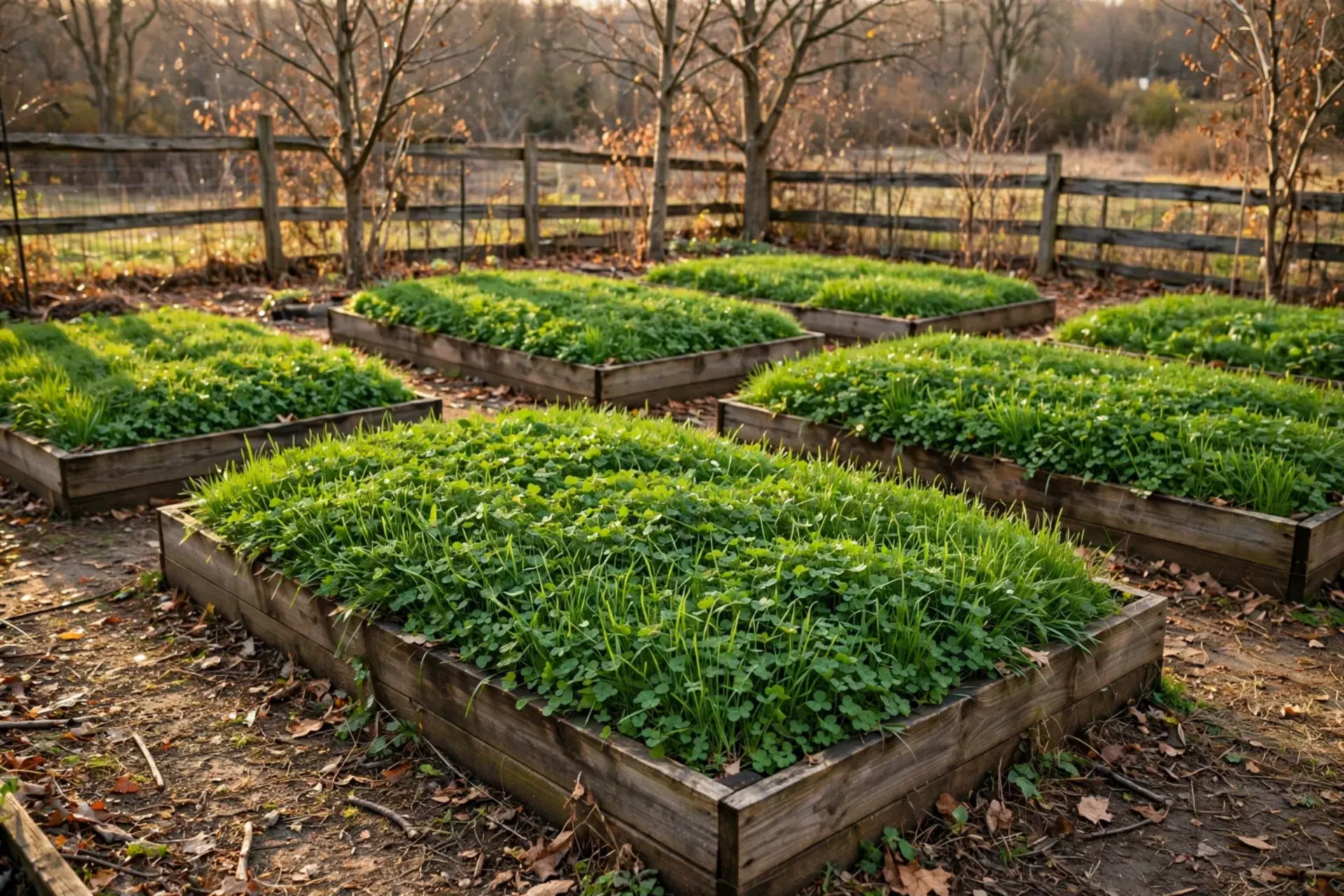
An empty bed is not resting. All winter, rain beats the soil flat, washes the goodness down past the roots, and gives weeds a free start in spring. A cover crop is simply a plant you grow for the soil instead of for the table — it holds the bed together, and the right one feeds next year's crops too. Four cover crops do nearly all the work in home gardens. They are not rivals so much as different tools, and picking well is mostly about knowing which job you need done.
The four, side by side
| Crop | Best job | Seed per 100 sq ft | Sow depth | What winter does to it |
|---|---|---|---|---|
| Cereal rye | Smothering weeds, holding soil, most growth | About 5 oz | ¾–1½ in | Survives almost anywhere — hardy to zone 3 |
| Crimson clover | Adding nitrogen, flowers for bees | About 2–3 oz | ¼–½ in | Winter-kills in cold areas; reliable in zone 7 and warmer |
| Hairy vetch | Most nitrogen, fixing poor soil | About 2 oz | ½–1 in | Very hardy — zone 4 and colder winters are fine |
| Oats | Fast fall cover with no spring cleanup | About 4 oz | ½–1½ in | Killed by hard frost — and that can be the point |
Rates are for broadcasting seed over a bed. For a mix, sow each crop at about half to two-thirds of its solo rate. The seed for a whole bed usually costs a few dollars — this is the cheapest soil work you will ever do.
Step 1 — Pick by the job, not by habit
Start with what your bed needs. Bare, weedy, or washing away? Cereal rye. Nothing else makes as much growth, and its roots hold soil like netting. Tired soil that needs feeding? A legume — clover or vetch. Legumes pull nitrogen out of the air and store it in their roots; when the plant breaks down in spring, that nitrogen feeds your vegetables. Cold winters? Hairy vetch is the legume that shrugs them off; crimson clover is the prettier one, with red spring flowers the bees love, but a hard zone 5 winter can kill it. Want zero spring work? Oats. They grow fast in fall, die at the first hard frosts, and lie down as a mulch you can plant straight through. Many gardeners sow rye and a legume together and get both jobs at once — that mix is the default for a reason.
Step 2 — Sow at the right rate, in the window
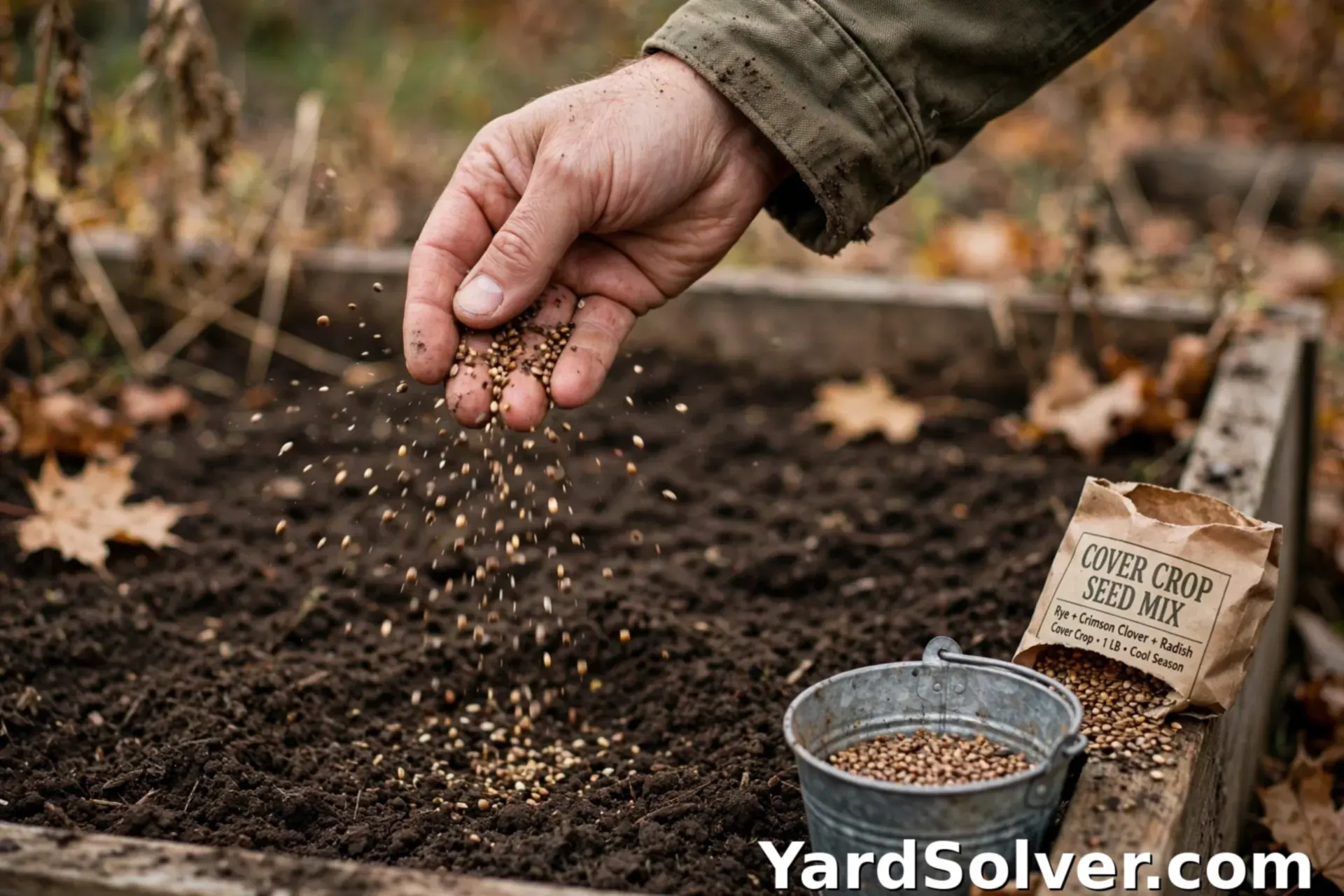
Pull out anything diseased, rake the bed level, and scatter the seed evenly — half walking one way, half walking back the other, so you do not leave stripes. Rake it in lightly to the depths in the table and firm it down with the back of the rake. Timing matters more than technique: clover, vetch and oats want four to six weeks of growing weather before the ground freezes. Rye is the forgiving one — it sprouts in soil as cold as about 34°F, so a November sowing still works. For seed amounts on bigger areas and lawns, the Seed Calculator does the maths by area. One small thing with legumes: if clover or vetch has never grown in that bed, seed sold "with inoculant" (or a pinch of soil from a bed where they grew well) helps the roots do their nitrogen work.
Step 3 — Leave it alone all winter
That really is the step. Water if autumn turns dry before the crop is up, and after that do nothing — no feeding, no cutting. The cover crop is doing quiet work: roots keep the soil open, tops stop the rain from packing it down, and leftover fertilizer from the summer's crops gets caught and stored in the plants instead of washing into the drains. If a bed is going to grow hungry crops next year, note which cover you sowed where — a legume bed needs less feeding in spring, and the Fertilizer Calculator amounts can come down a notch on those beds.
Step 4 — Finish it in spring, a few weeks before planting
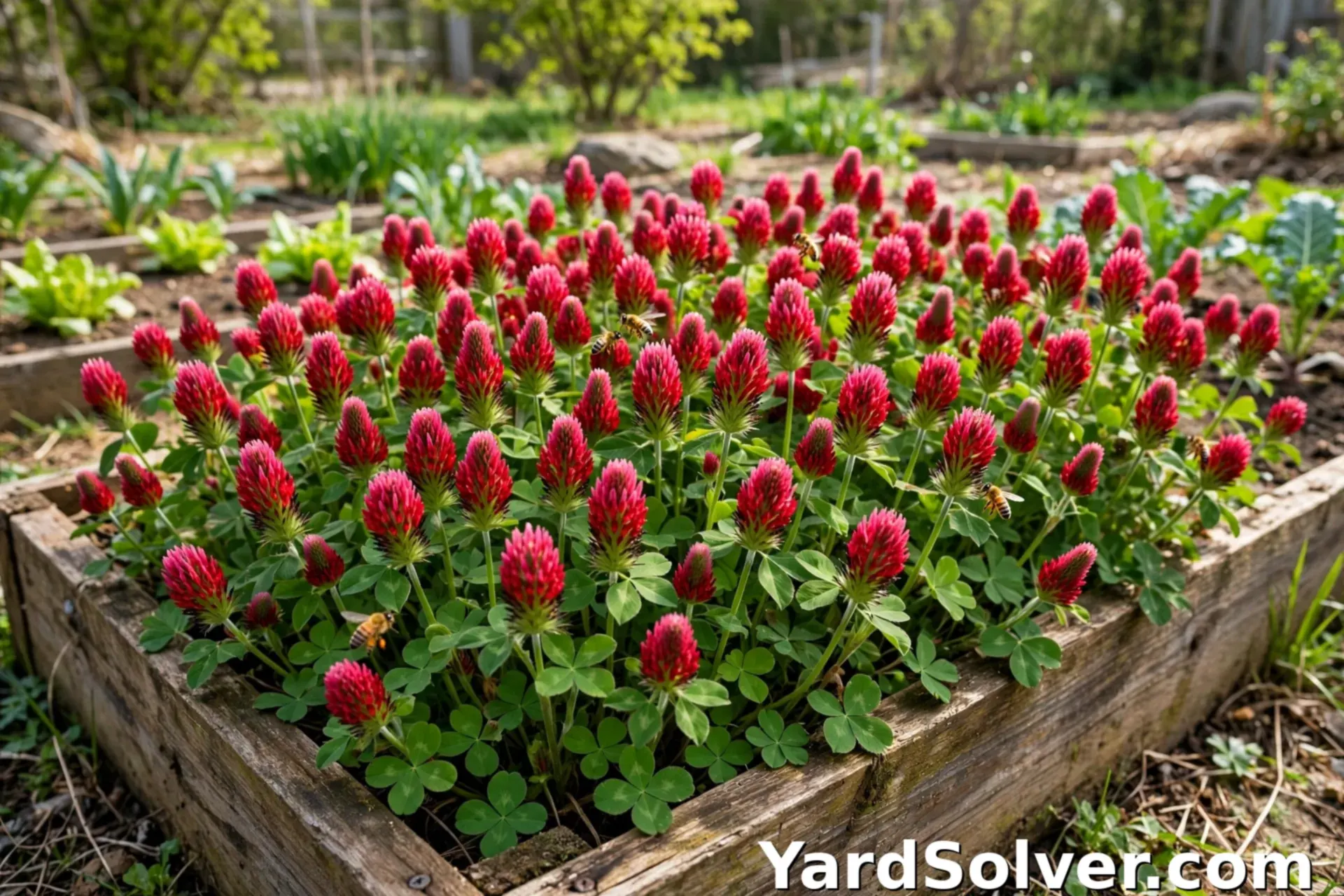
Cut or dig the crop in two to three weeks before you want to plant. Clover gives the most nitrogen if you cut it just as it flowers. Vetch can be cut and laid on the bed as mulch. Rye needs the full wait: fresh rye roots hold back seed sprouting for a week or two, so give it time, or transplant seedlings (which do not care) instead of sowing seed straight in. Oats ask for nothing — they are already lying flat. Chop everything small and it rots fast. Beans and peas count as gentle cover crops too, by the way — the Fava Beans page covers the edible version of the same trick. Before the next round of feeding and sowing, a quick check with How to Test Your Garden Soil shows what the winter crop actually changed, and the whole rotation is worth two minutes in the Garden Planner so next fall's sowing dates land on time.
Keep going
Putting the whole garden away for winter? Putting Your Garden to Bed is the full fall checklist, beds included.
Feeding the soil the other way: How to Start Composting for Beginners — cover crops and compost together are the whole soil plan.
Questions people ask
What is the best cover crop for a small vegetable garden?
For most beds, a mix of cereal rye and crimson clover. The rye gives you roots, cover and weed control; the clover adds nitrogen and spring flowers. In cold-winter areas (zone 5 and colder), swap the clover for hairy vetch, which survives winters that kill clover.
Is it too late to sow cover crops in November?
Not for cereal rye. Rye seed sprouts in soil as cold as about 34°F, so it can go in weeks after the legumes' window has closed. It will not grow much before winter, but it roots in, holds the soil, and takes off early in spring. Clover, vetch and oats all need to be sown four to six weeks before the ground freezes.
Do cover crops really add nitrogen to the soil?
Only the legumes do — clover and vetch pull nitrogen out of the air and store it in their roots and tops, and it feeds the next crop as they break down. Grasses like rye and oats do not add nitrogen; they catch leftover nitrogen before it washes away and hand it back when they rot. Both jobs are worth having.
Choose the cover crop by the job, not by habit — each of the four earns its place differently
The four winter covers solve four different problems. Cereal rye is the biomass and weed-suppression champion: it grows in cold weather when little else moves, roots deep, and leaves a mat that spring planting can roll or cut — but that same vigour makes it the hardest to kill and it can tie up nitrogen for a few weeks after incorporation. Crimson and other clovers trade bulk for nitrogen, fixing it from the air into root nodules you cash in with the following crop. Hairy vetch fixes even more nitrogen and sprawls into an excellent weed-smothering blanket, though it can self-seed if left to flower. Oats are the gentle option: they grow fast in autumn and then winter-kill in cold districts, leaving a soft mulch you can plant straight through with no spring termination battle at all.
Timing decides success more than species: a cover sown six weeks before hard frost establishes and works all winter, while the same seed scattered in late autumn mostly feeds birds. Match the termination plan to your spring workload before you sow — a gardener with no mower or strong back should pick winter-killing oats over rye every time — and remember the bed is not idle while the cover grows: it is holding soil against winter rain, keeping living roots in the ground, and banking fertility you would otherwise buy in a bag.
Sources
Key facts on this page cross-checked against Cover crop — Wikipedia — background on cover crops and their roles and Secale cereale — Wikipedia — background on cereal rye, the standard winter cover.
Related page
Read next: How to Prepare Garden Soil in Spring: Test & Steps.
Comments & ratings
No comments yet.
Be the first to share your experience.