
Plant Library · Vegetables · By Faizan Ahmad
Updated November 17, 2026
🌾 How to Grow Quinoa
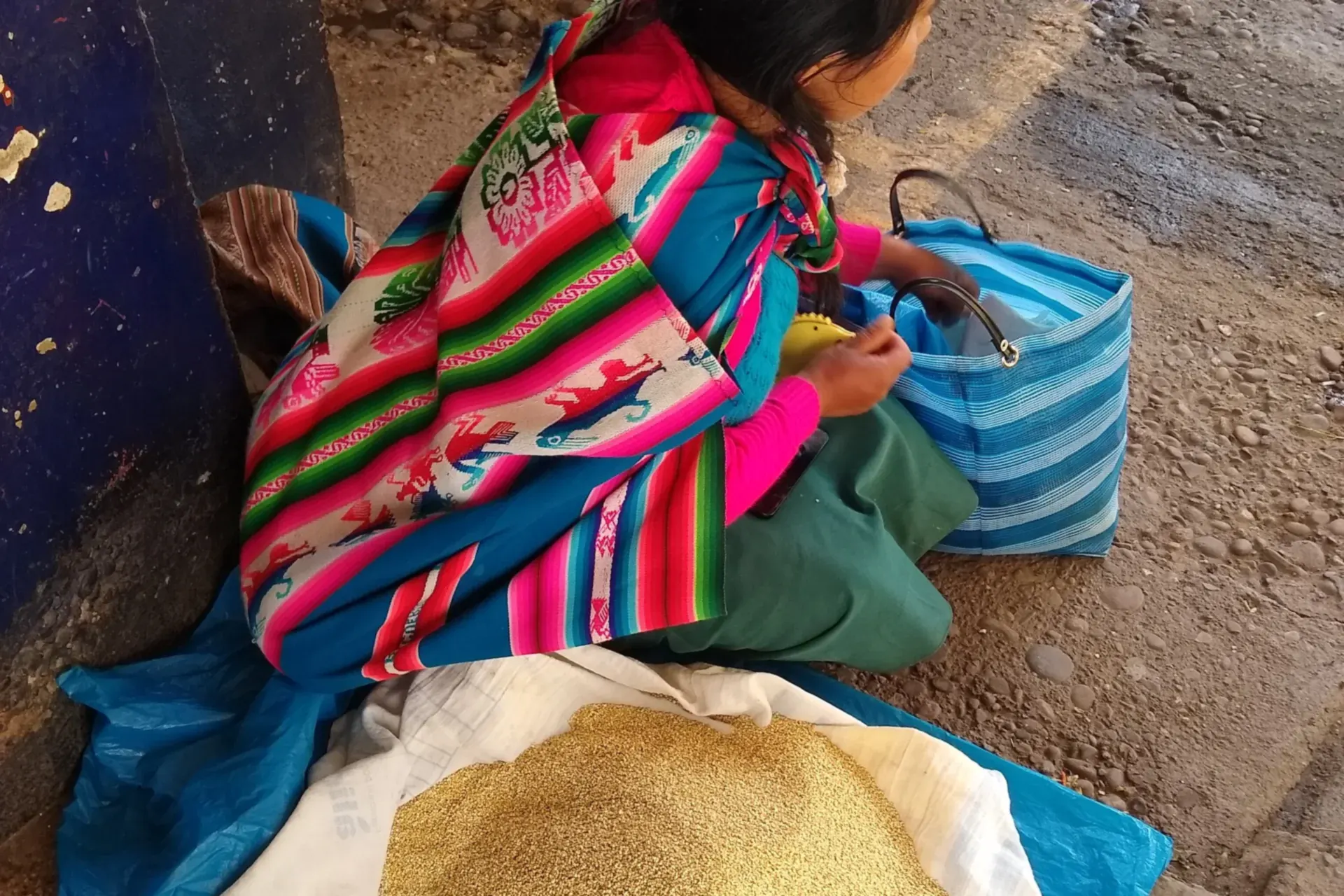
Quinoa is the Andean grain that is really a seed — a complete protein with all nine essential amino acids — and it grows like a tall, handsome relative of lamb's quarters. It needs 90–120 days, cool nights to set seed, and dry air: it struggles in humid heat, but in a cool, sunny garden it is an easy, striking crop.
Grow Quinoa with us — step by step
Quinoa in a home garden is grown for its seed heads, and it rewards cool nights, lean soil and a dry finish — almost the opposite of most vegetables. The steps below take you from a spring sowing of tiny seed to rubbing out, rinsing and storing your own harvest. Put your sowing day in here and we will count out a personal quinoa schedule from it.
Step 1 — today: Sow Quinoa today, direct in the bed, 1/4 in deep and 10–14 in apart in rows 24 in apart, and water in gently. It needs cool nights to set seed.
Quinoa at a glance
Sow outside: 1 week before last frost
Spacing: 10–14 in · Seed depth: 1/4 in
Sun: Full sun
Water: Moderate — drought-tolerant; avoid wet leaves
Harvest: 90–120 days
Timing counts from your average last spring frost — get your own dates in the Planting Calendar. Guidance follows standard extension-service practice for Canada and the US.
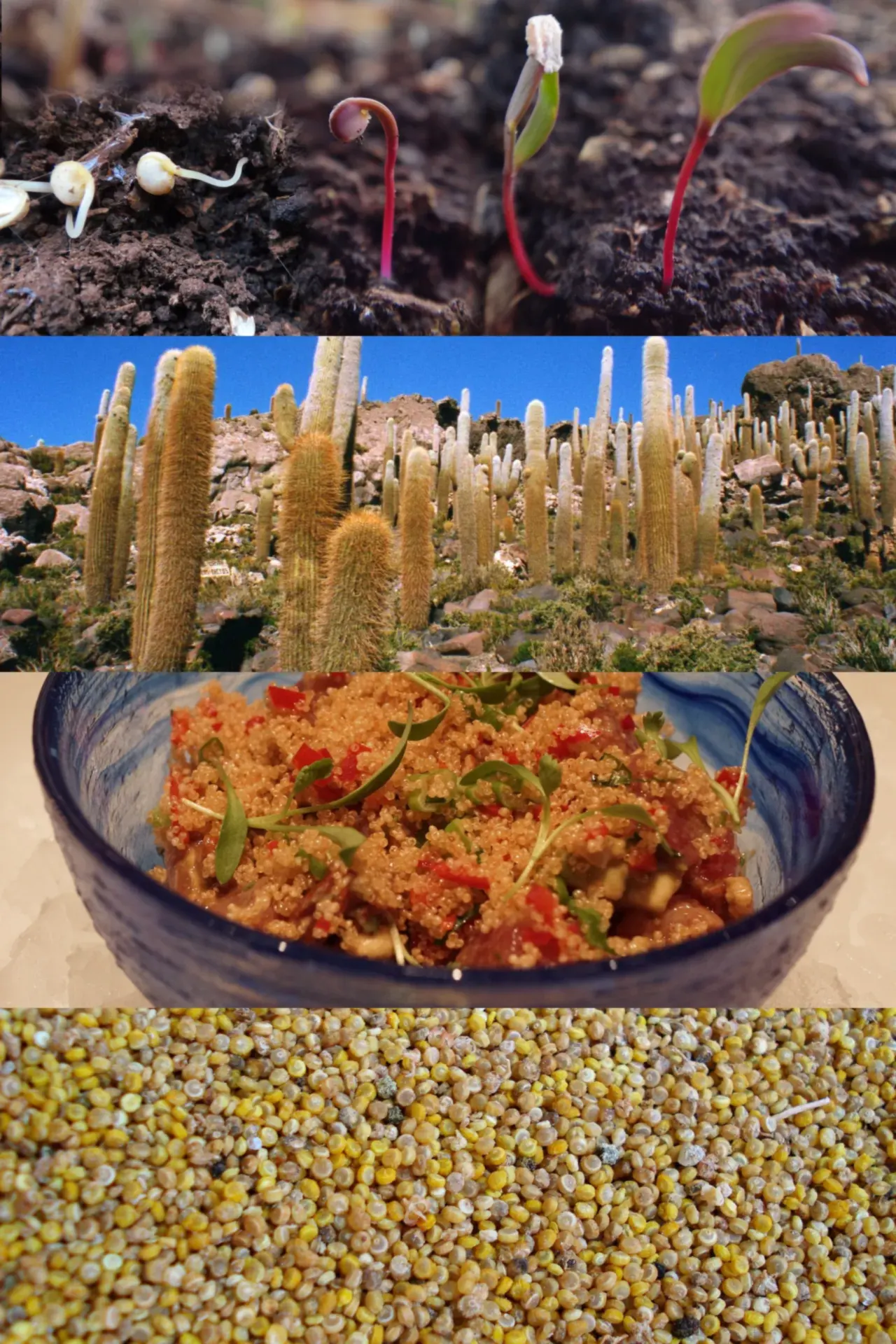
How to plant and grow quinoa, step by step
Step 1 — Time it right
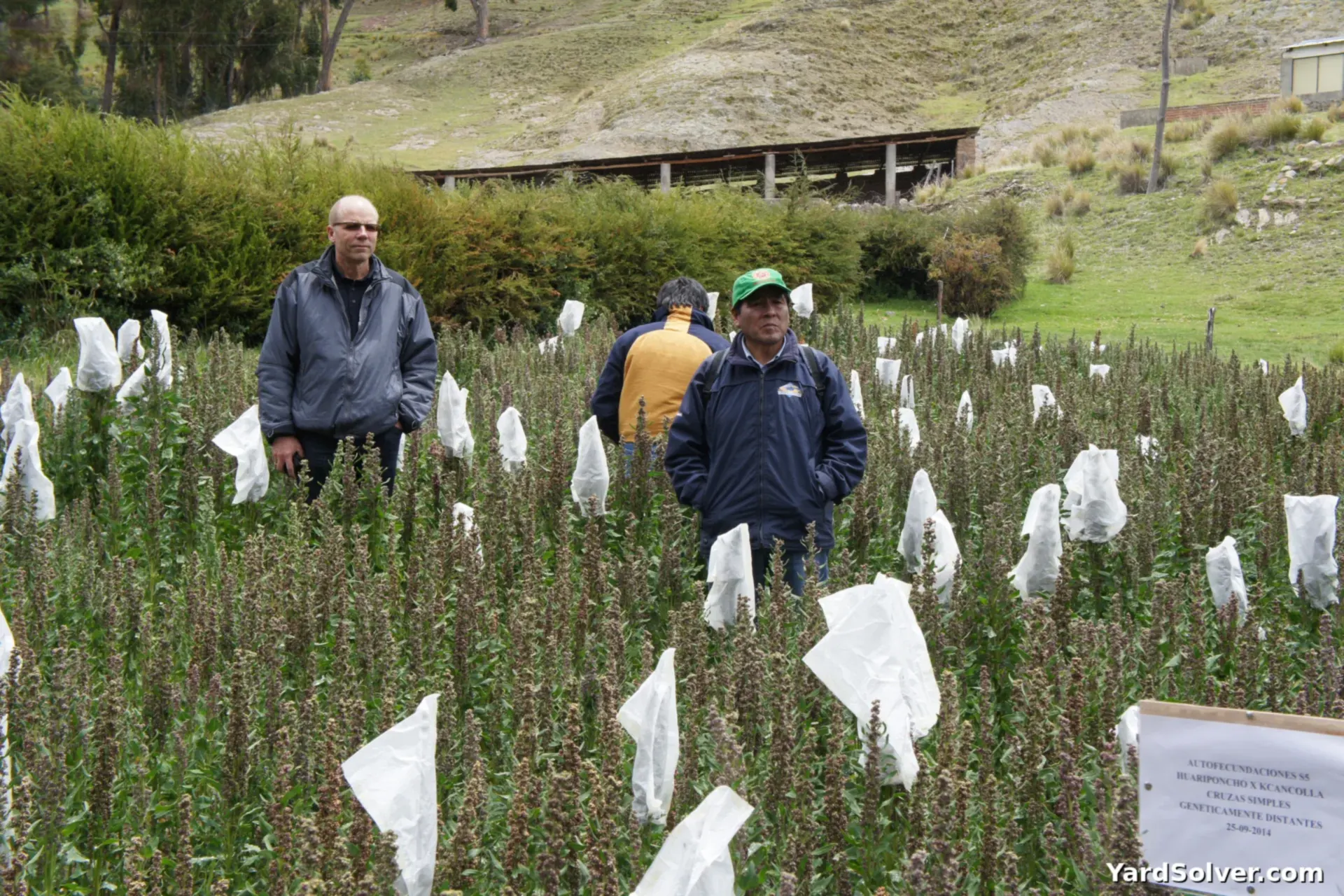
Direct sow 1–2 weeks before last frost. Seedlings tolerate light frost, and the plant needs cool nights to set seed. All dates count from your average last spring frost — the Planting Calendar turns them into real dates for your garden. Soil temperature is the trigger: quinoa germinates well at about 50 to 60 F, and seedlings handle a light frost that would kill beans. Where summers run hot, sow early — heat at flowering can leave heads empty.
Step 2 — Prepare the spot
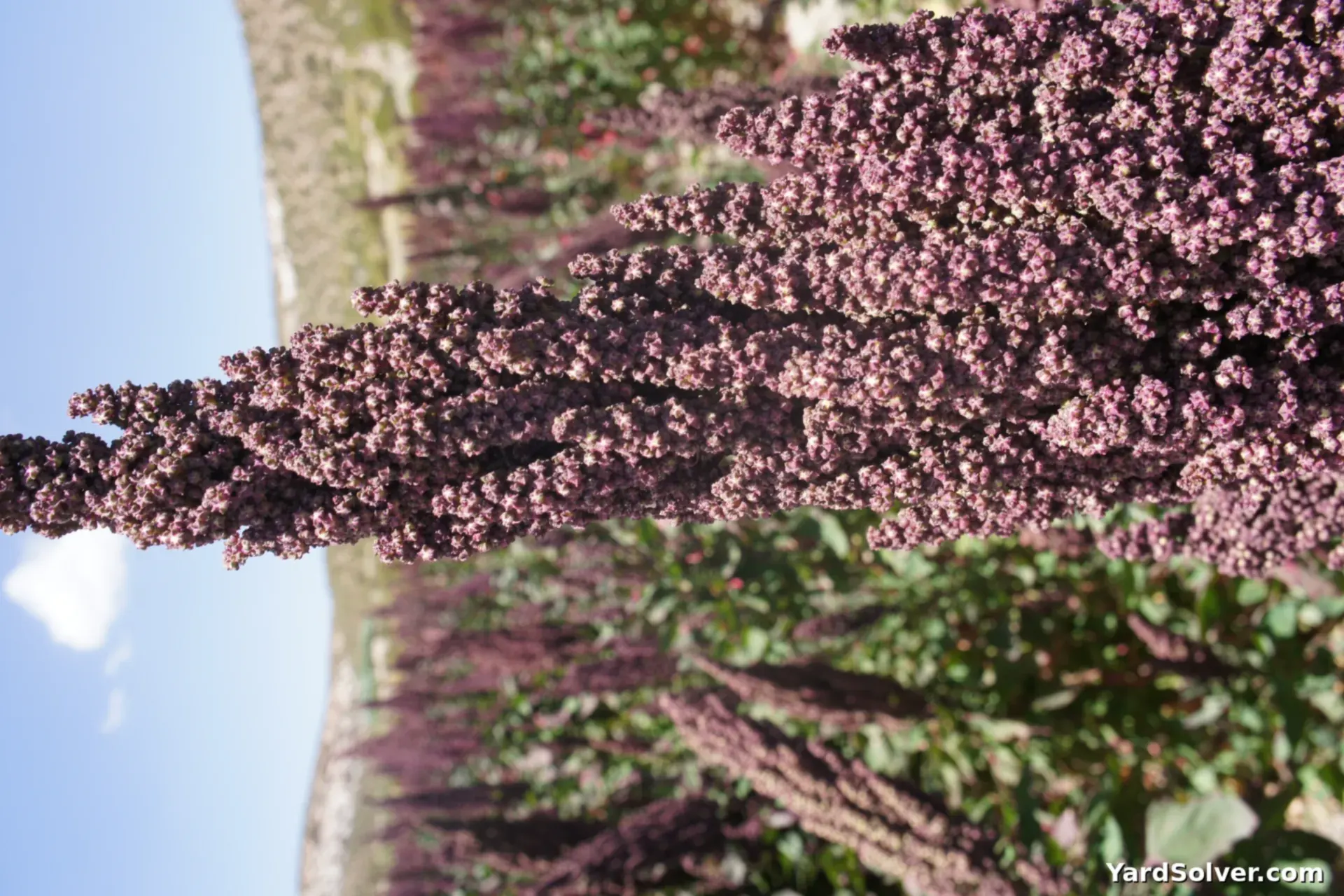
Sun: Full sun. Well-drained, average soil — quinoa dislikes wet feet and very rich soil, which makes it fall over. Work out how much you need with the Garden Mix Calculator or the Raised Bed Soil Calculator. Keep fertility low on purpose: quinoa evolved in poor Andean soils, and rich beds make 7 ft plants that lodge. It tolerates pH from about 6.0 to 8.0, and sandy ground that defeats other grains often suits it well.
Step 3 — Sow and plant out
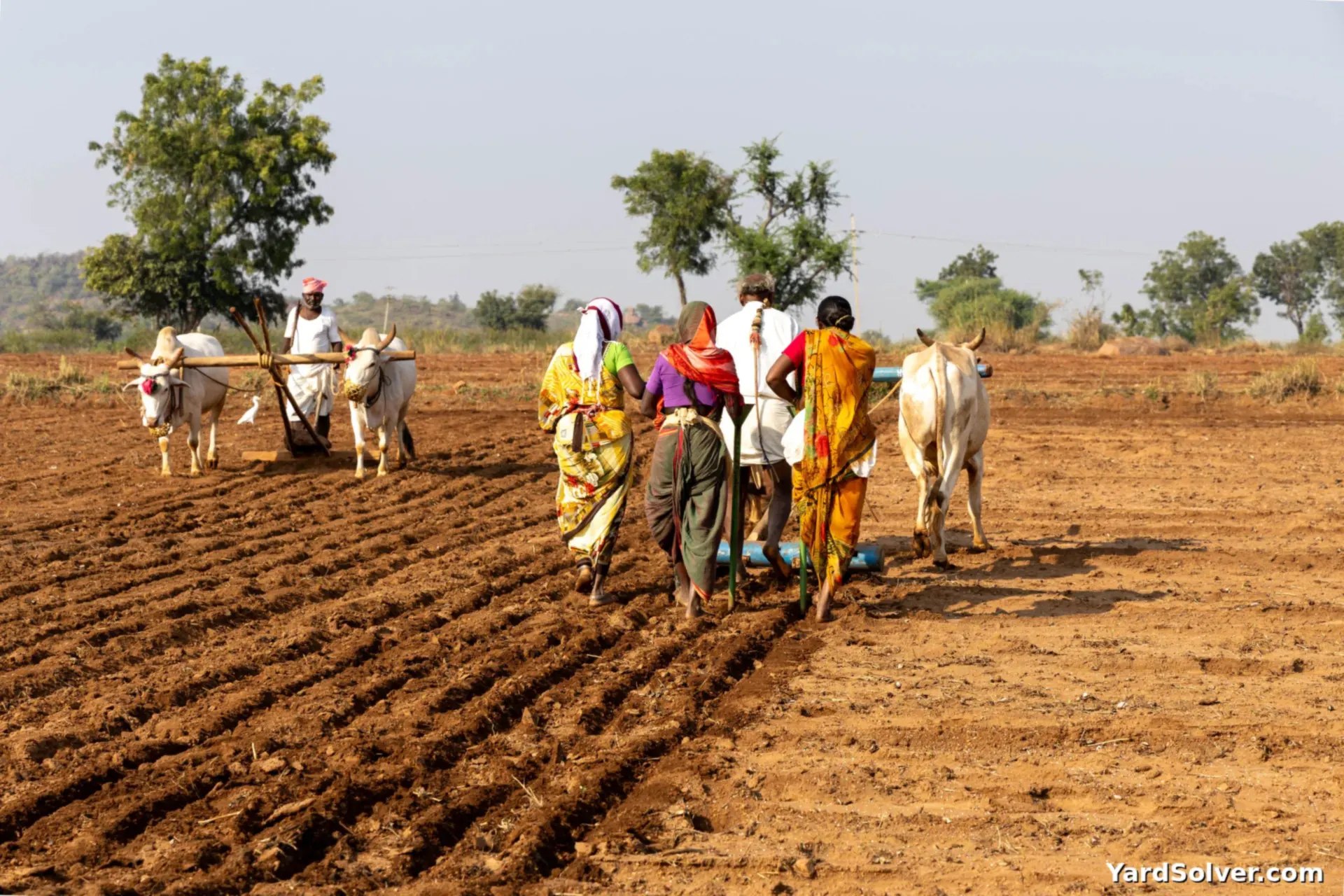
Sow 1/4 in deep, 10–14 in apart in rows 24 in apart. Thin once seedlings are a few inches tall. The Plant Spacing Calculator turns that spacing into plants-per-bed. Mix the dust-fine seed with dry sand to spread it evenly; germination takes 3 to 5 days in moist soil. Thin in two passes, first to 4 in, then to 10 to 14 in — crowded quinoa mildews in still air.
Step 4 — Water and feed
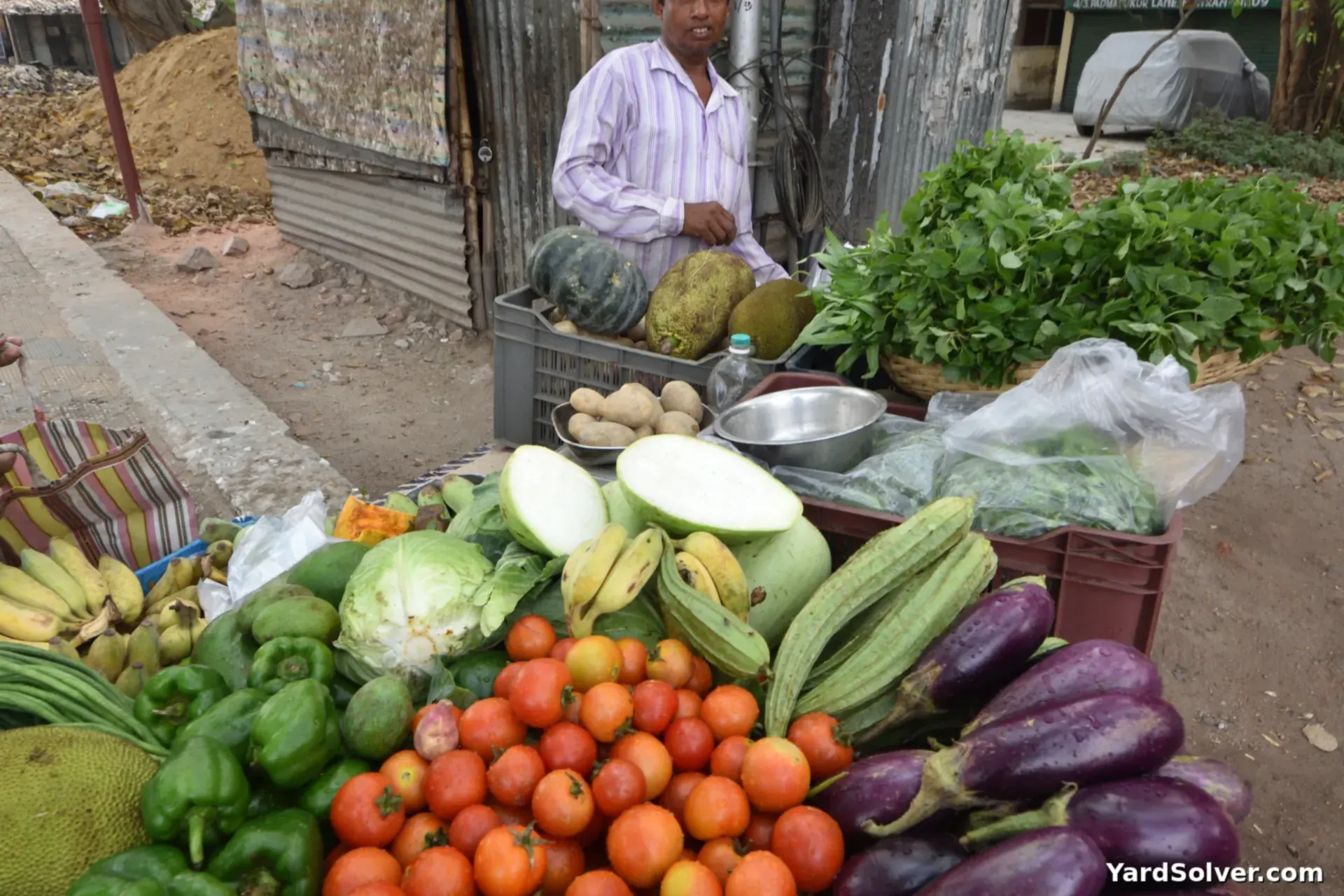
Water: Moderate — drought-tolerant; avoid wet leaves. Feed little or nothing — too much nitrogen makes tall, weak plants that lodge in wind. The Fertilizer Calculator turns a bed size into the right amount. Once knee-high, quinoa is genuinely drought-tolerant, with deep roots and leaves that control water loss. Flowering is the one stage that still wants moisture; wet weather at harvest is the bigger enemy.
Step 5 — Care and the problems to watch for
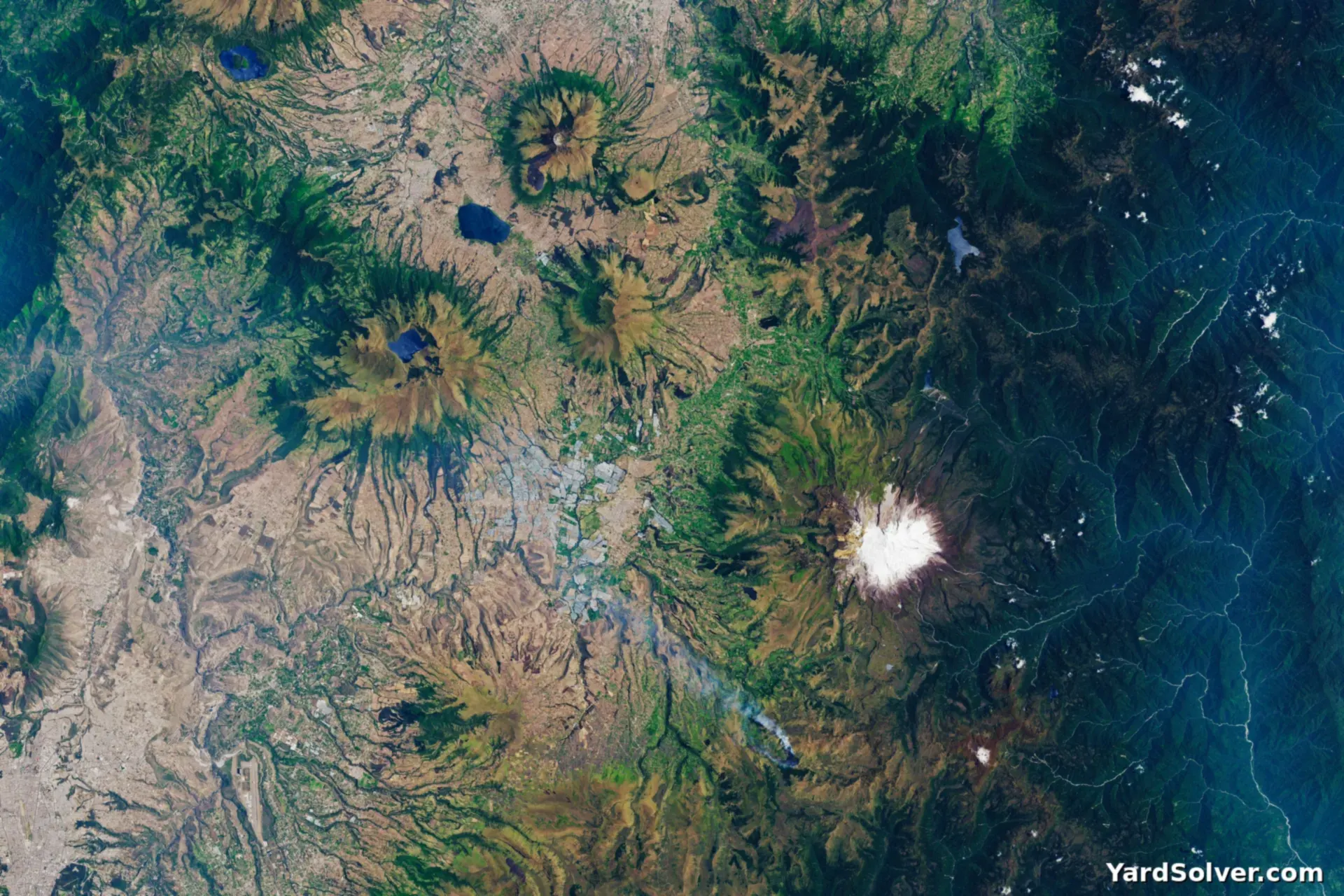
Aphids — they gather on the seed heads; a jet of water helps. Lodging — tall plants fall in wind, especially in rich soil; stake or grow in a sheltered spot. Birds — they love ripe seed; net the heads or harvest early and dry indoors. Downy mildew shows as yellow patches with grey fuzz under leaves in humid spells — widen spacing and water at the base. Seedlings past 6 in tall almost always outgrow leafminer and flea beetle damage.
Step 6 — Harvest
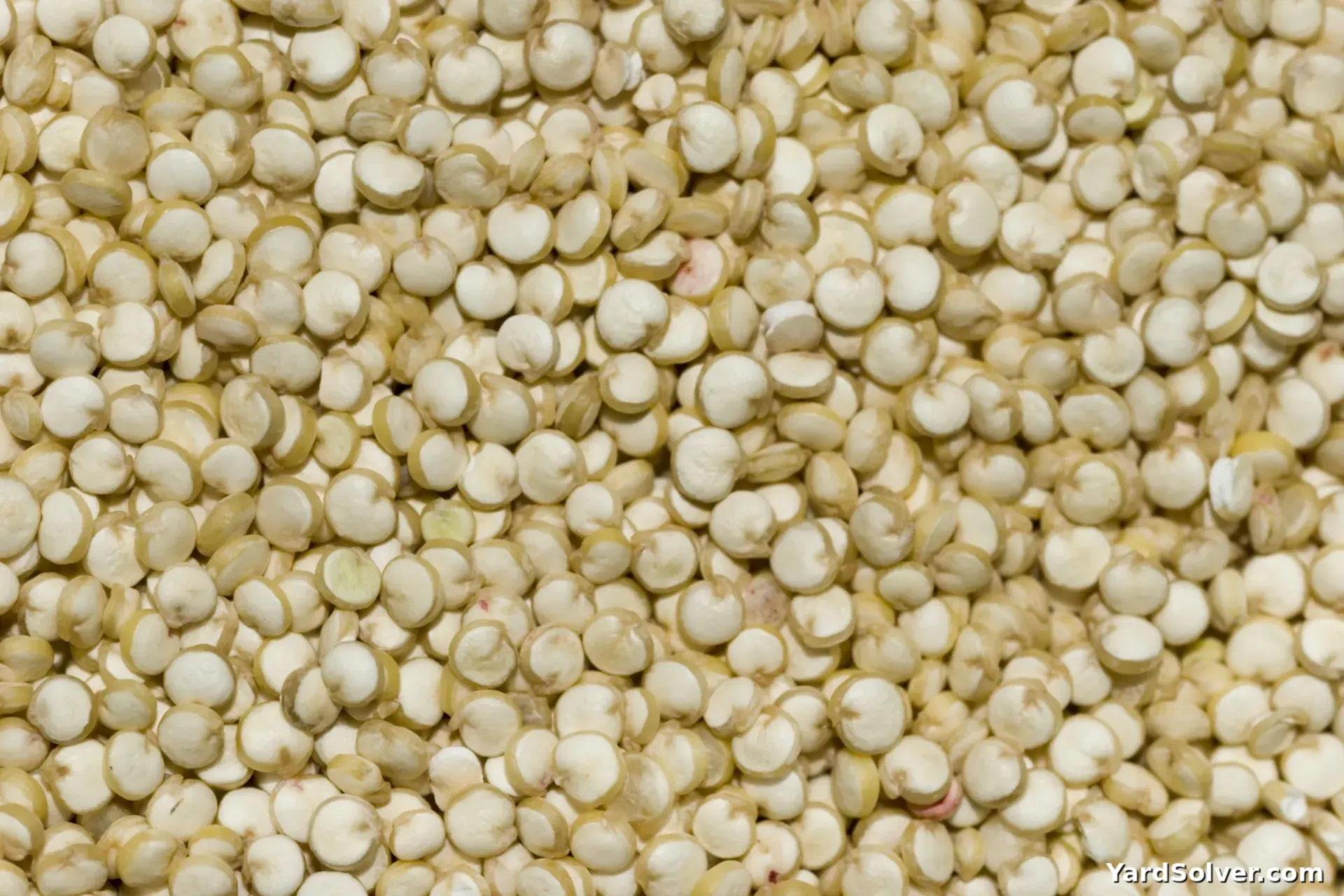
Ready in: 90–120 days. Cut seed heads when dry, rub the seed out over a sheet, and rinse well in several changes of water before cooking — the bitter coating must come off. Heads are ready when leaves have dropped and a seed resists a thumbnail. Rinse in several changes of water until no foam forms — the foam is the bitter saponin coating — then dry thoroughly. Expect 1 to 2 cups per large plant.
📅 Your personal Quinoa schedule
Quinoa runs about three to four months from sowing to dry seed, so this schedule counts from your sowing day to thinning, flowering and harvest. Day 0 is the day the seed went in the ground.
Varieties worth growing
| Variety | Colour | Why gardeners like it |
|---|---|---|
| Brightest Brilliant | Rainbow | A colourful mix of red, gold and white seed heads |
| Cherry Vanilla | Cream | A mild, pale-seeded variety for home gardens |
| Red Head | Red | Deep-red seed heads, striking in the garden |
| White Quinoa | White | The standard mild-flavoured type, easiest to cook |
Good for you — and take care
Benefits
- A complete protein — all nine essential amino acids
- Rich in iron, magnesium and fibre
- Gluten-free and easy to digest
- Drought-tolerant once established
Take care
- Quinoa seed has a bitter coating called saponin — rinse harvested seed well in several changes of water before cooking.
- Do not confuse it with lamb's quarters, its weedy cousin — only eat what you planted.
- Harvest when the seed heads are dry and the seed rubs out easily.
Problems to watch for
- Aphids — they gather on the seed heads; a jet of water helps.
- Lodging — tall plants fall in wind, especially in rich soil; stake or grow in a sheltered spot.
- Birds — they love ripe seed; net the heads or harvest early and dry indoors.
A little history — and one good fact
Quinoa was a sacred crop of the Incas, grown in the high Andes for thousands of years. It was called the mother grain, and after the Spanish conquest it survived in remote mountain villages until the world rediscovered it in the late 1900s.
Fun fact: Quinoa is not a true grain at all — it is the seed of a plant related to spinach and beets.
Keep going
Guides: How to Harden Off Seedlings · How to Read a Seed Packet · How to Grow Quinoa — the full guide
Calculators: Plant Spacing Calculator · Seed Calculator · Fertilizer Calculator · Garden Mix Calculator
Plan it: Garden Planner · Planting Calendar · Companion Planting Chart · Seed Box
Good companions: Green Beans · Sweet Corn
← Back to the Plant Library · Get your personal planting dates
From seed head to storage jar: quinoa processing, step by step
Quinoa is not finished when you cut it. This walkthrough takes dry heads to clean, sweet seed.
| Step | What to do |
|---|---|
| 1. Dry | Hang cut heads somewhere airy for 1 to 2 weeks until crisp |
| 2. Thresh | Rub heads over a sheet so seed falls free of the husks |
| 3. Winnow | Pour seed between bowls in a light breeze to blow chaff away |
| 4. Rinse | Wash in several changes of water until no foam forms |
| 5. Dry and store | Spread rinsed seed thin until bone dry, then jar it cool and dark |
Do not skip the final drying: seed jarred even slightly damp will mould.
Questions people ask
When do I plant quinoa?
Direct sow 1–2 weeks before last frost. Seedlings tolerate light frost, and the plant needs cool nights to set seed.
How far apart do I space quinoa?
Space plants 10–14 in apart in rows 24 in apart, with seed sown 1/4 in deep. Sun: full sun.
When is quinoa ready to harvest?
90–120 days after sowing, when the seed heads are dry and the seed rubs out easily. Rinse well before cooking.
How much quinoa will one plant produce?
A healthy, well-spaced plant typically gives about 1 to 2 cups of cleaned seed, and a 10 ft row of 10 to 12 plants can yield roughly 3 to 5 lb in a good season. Cool nights at flowering and dry harvest weather matter most.
Why is my quinoa tall but the heads are empty?
Empty heads usually trace back to heat at flowering: when daytime temperatures push past the mid 90s F during bloom, pollen fails and seed never sets. Sow earlier so flowering lands in cooler weather, and choose early varieties for short or hot seasons.
Quinoa grows where wheat sulks — cool nights, poor soil, dry air — and the harvest must be washed before it is food
Quinoa (Chenopodium quinoa) is an Andean pseudocereal bred for high, cold, dry plateaus, and it carries that origin into the garden: it germinates in cool soil, grows tall and branching with vivid seed heads, and tolerates drought and poor ground that would thin a wheat crop. What it dislikes is the opposite — hot, humid weather at flowering, which cuts seed set, and rich wet soil, which grows leaf instead of grain.
The food catch is saponin: the seed's natural bitter coating, which deters birds in the field and must be rinsed off thoroughly before cooking or the dish tastes of soap. Harvest when the plants yellow and the seed resists a thumbnail, thresh by rubbing the heads, winnow in a breeze, then rinse until the water runs clear and foam-free. Most garden varieties are day-length sensitive, so a locally proven variety matters more than any other choice.
The worked example: a sowing in cool spring weather on lean, dry ground typically heads up and ripens a real grain harvest. The same sowing in rich, wet soil in a humid summer typically gives handsome plants and little seed — with quinoa, hardship is the fertiliser.
Sources
Key facts on this page — timing, spacing and care — cross-checked against Quinoa — Wikipedia — background on quinoa and its cultivation.
Related page
Read next: How to Grow Quinoa: A Beginner's Step-by-Step Guide.
Comments & ratings
No comments yet.
Be the first to share your experience.