
Guides · Burdock · Published November 11, 2026 · By Faizan Ahmad
How to Grow Burdock: The Complete Beginner's Guide
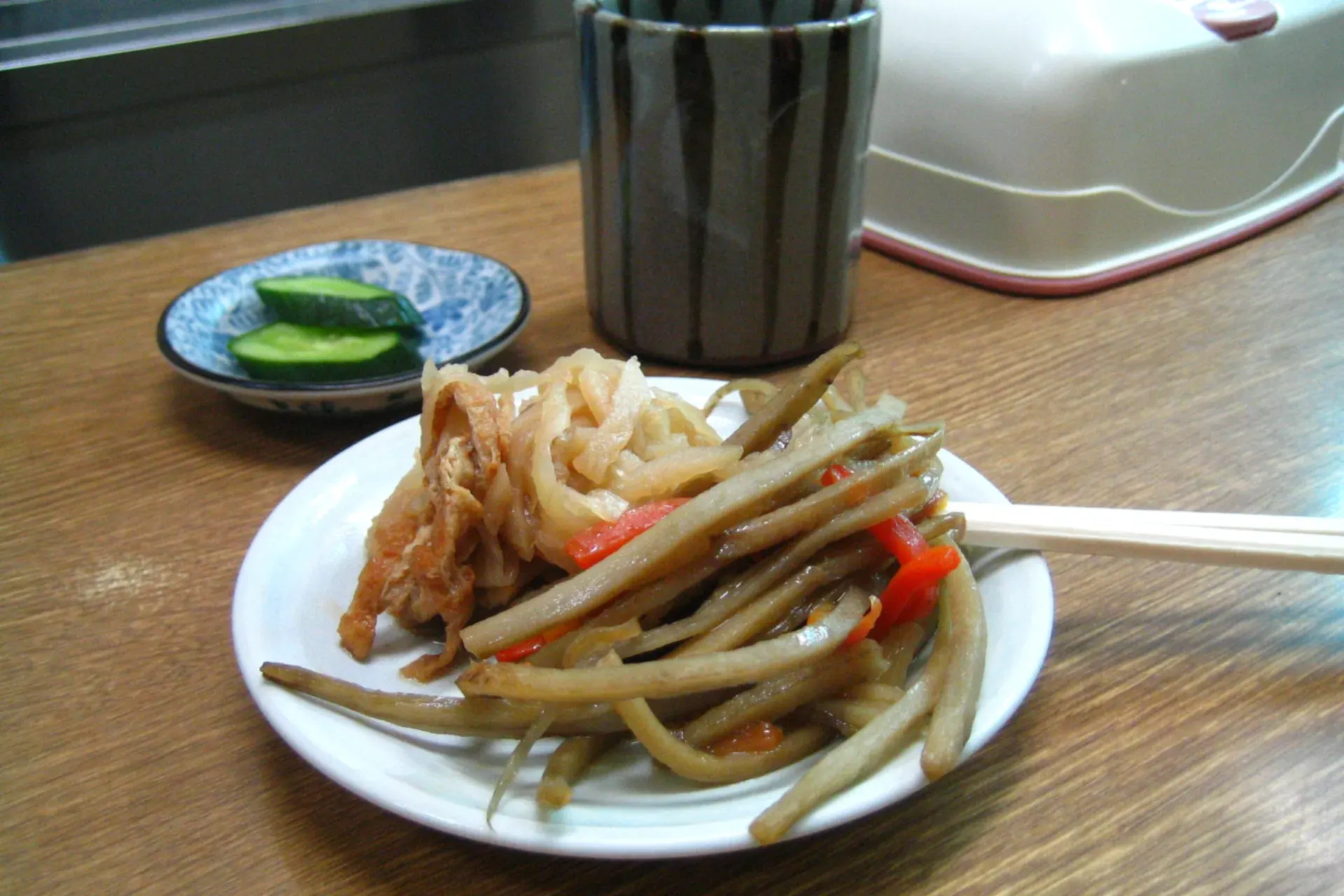
Burdock — gobo in Japanese cooking — is grown for its long, sweet, earthy root, a staple of Japanese and Korean kitchens. It needs 100–120 days and, above all, deep loose soil: 18–24 in of it, because the root grows straight down and forks or snaps in hard ground. Give it that depth and it is an easy, forgiving crop. This guide is the whole routine on one page, in order. For the one-screen version — light, water and care at a glance — see the Burdock plant page; this is the deep guide it points to. Your personal dates for every step are in the Planting Calendar.
The burdock season at a glance
- When: Direct sow 2–4 weeks before last frost — the seed tolerates cold — or start indoors 4 weeks before last frost.
- Soil: Deep, loose, stone-free soil is the whole secret. In heavy or shallow soil, grow it in a tall raised bed or a deep container instead.
- Sowing: Sow 1/2 in deep, 4–6 in apart in rows 24 in apart. Thin to the final spacing once seedlings are a few inches tall.
- Water & feed: Regular — deep soil must stay moist — Feed lightly — rich soil makes leafy tops and forked roots. Compost at planting is enough.
- Harvest: 100–120 days
Step 1 — Sow early — the seed likes cold
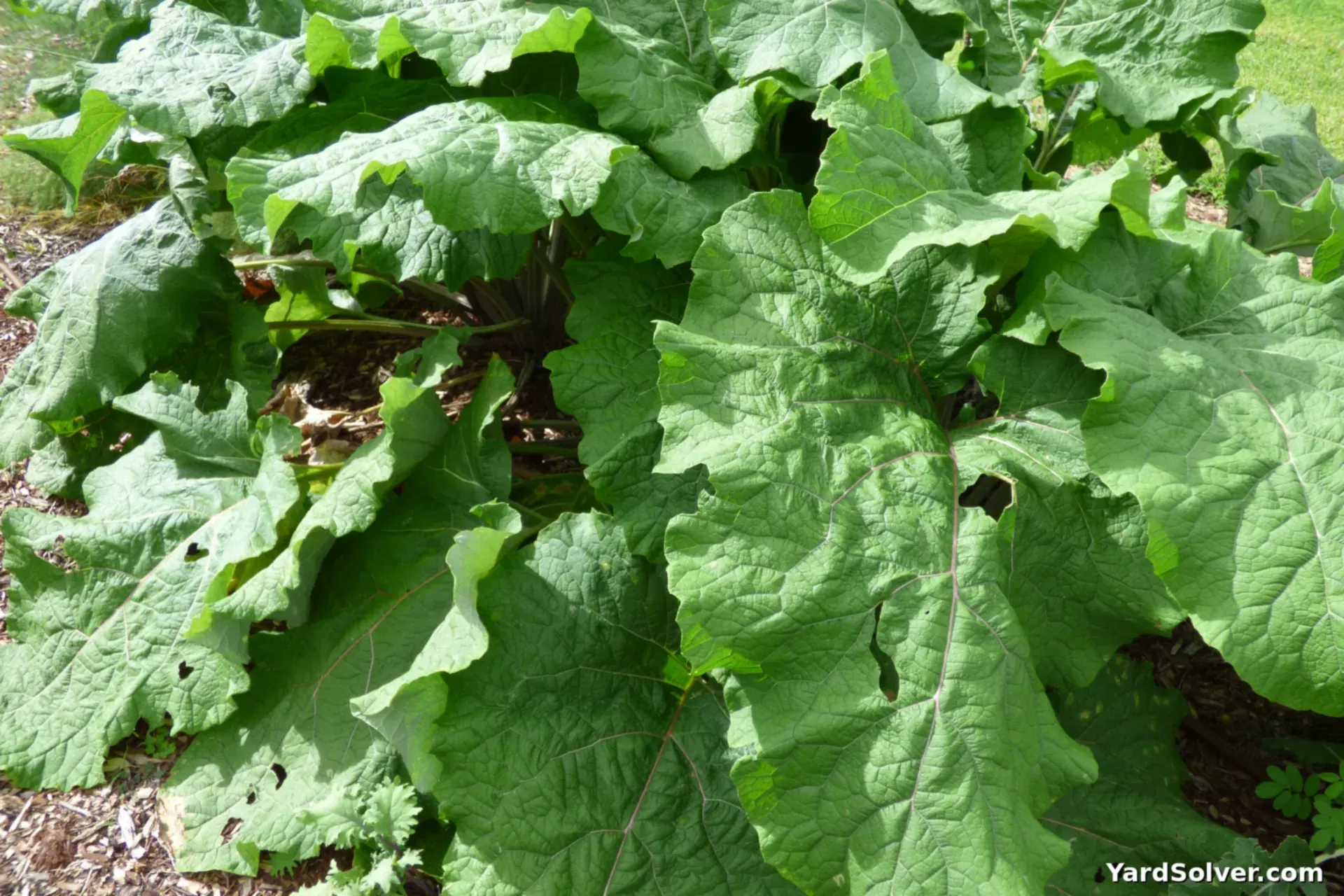
Burdock tolerates cold seed, so sow 2–4 weeks before your last frost, or start indoors 4 weeks earlier. Direct sow 2–4 weeks before last frost — the seed tolerates cold — or start indoors 4 weeks before last frost.
Step 2 — Depth is the whole secret
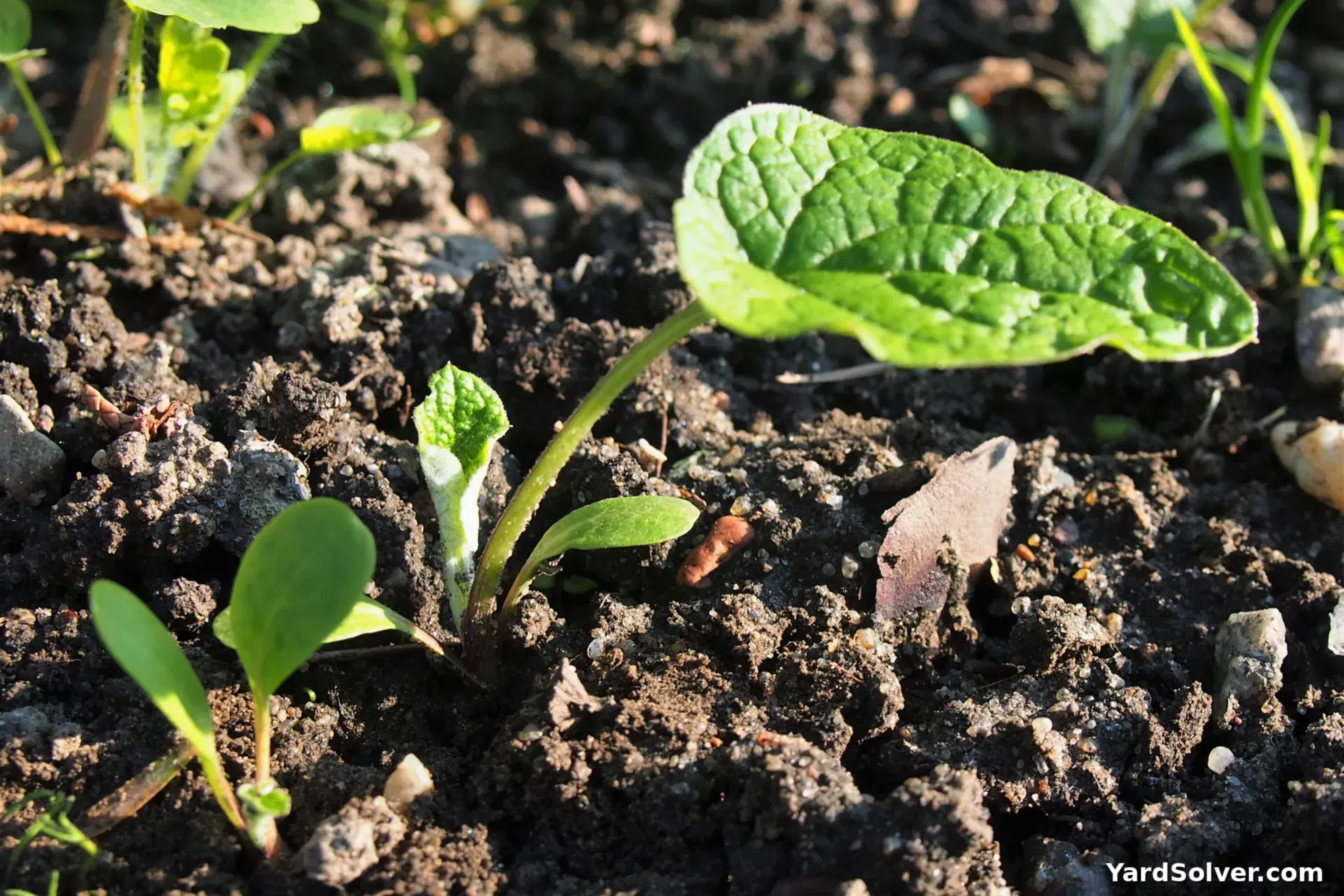
The root grows straight down and needs 18–24 in of loose, stone-free soil. Shallow or heavy ground means a tall raised bed or deep container. Deep, loose, stone-free soil is the whole secret. In heavy or shallow soil, grow it in a tall raised bed or a deep container instead.
Step 3 — Sow and thin
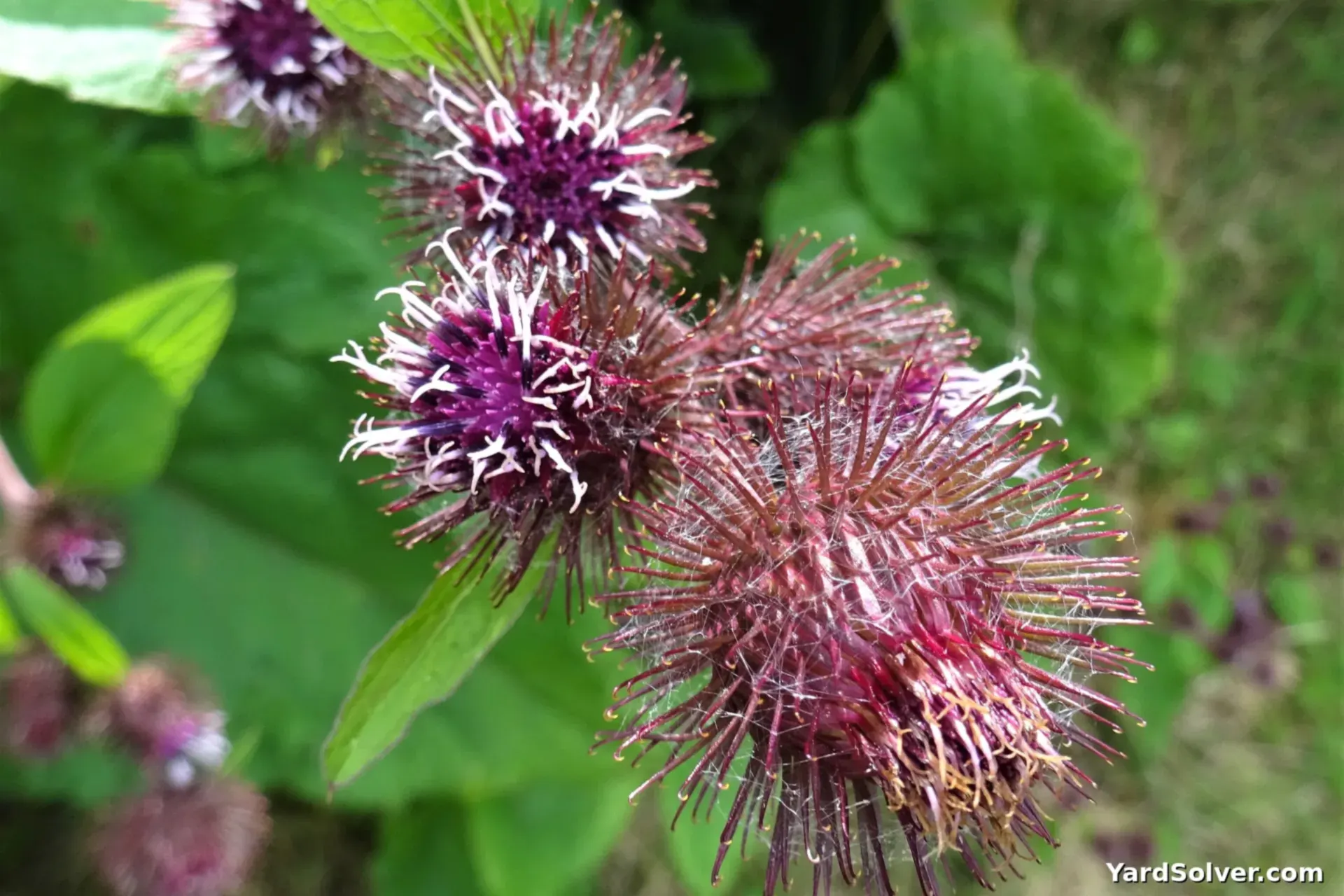
Sow 1/2 in deep, 4–6 in apart in rows 24 in apart, and thin once seedlings are a few inches tall. Sow 1/2 in deep, 4–6 in apart in rows 24 in apart. Thin to the final spacing once seedlings are a few inches tall.
Step 4 — Water deep, feed light
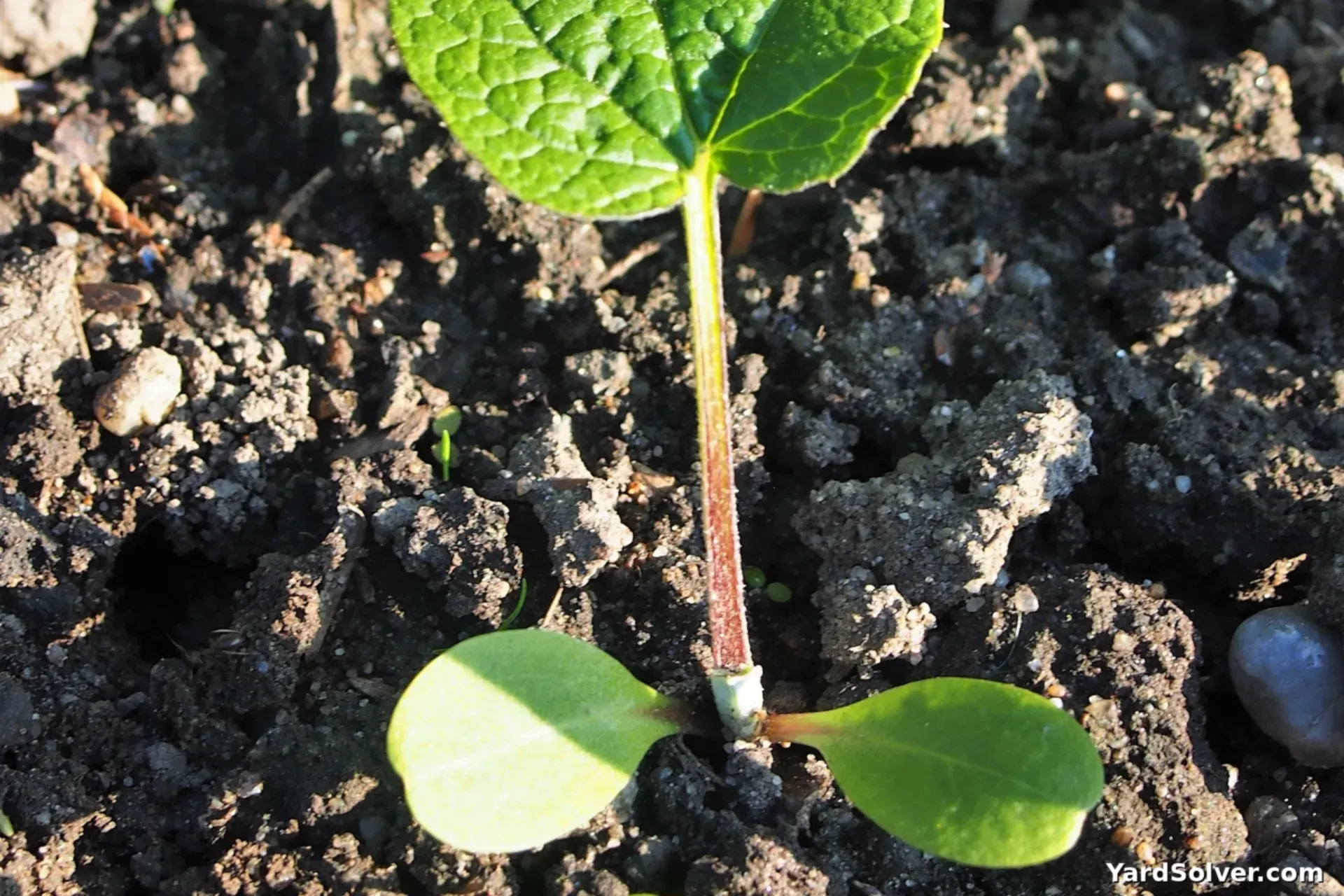
Keep deep soil moist so the root keeps growing down. Rich feeding makes leafy tops and forked roots — compost at planting is enough. Feed lightly — rich soil makes leafy tops and forked roots. Compost at planting is enough.
Step 5 — Fork wide to harvest
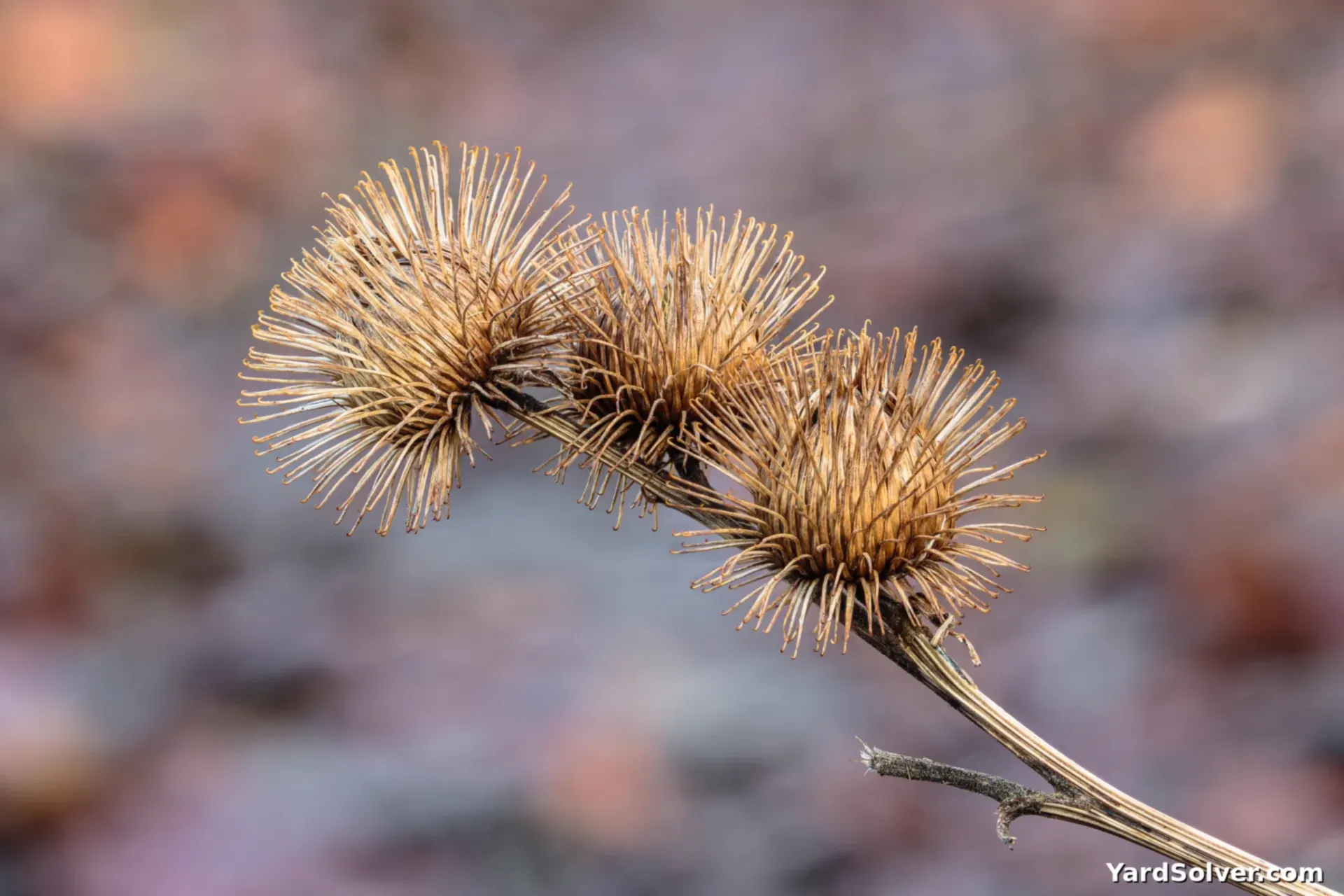
Loosen a wide circle with a fork before pulling, or the long root snaps. Wash well and peel before cooking. Forked roots — hard or stony soil makes roots split; the only fix is deeper, looser soil next time.
Keep going
The at-a-glance version, with light and water needs: Burdock — Plant Library.
Plan the bed: Garden Planner · Planting Calendar · Companion Planting Chart · Plant Spacing Calculator
Questions people ask
When do I plant burdock?
Direct sow 2–4 weeks before last frost, or start indoors 4 weeks before last frost. The seed tolerates cold.
How far apart do I space burdock?
Space plants 4–6 in apart in rows 24 in apart, with seed sown 1/2 in deep. Sun: full sun to part shade.
When is burdock ready to harvest?
100–120 days after sowing. Loosen a wide circle with a fork first — the root is long and snaps easily.
Burdock is a biennial grown for a deep root — the soil must be as deep as the root you want
Burdock spends its first year building a rosette and a long taproot — the part eaten, prized in Japanese cooking as gobo — and its second year becoming the tall plant whose hooked burrs inspired Velcro. Growing it for the root is therefore a first-year harvest in deep, stone-free, loose soil: a root that meets a stone or a pan forks or stops, and the forked roots that result are a digging contest rather than a vegetable. A deep dug bed, or even a length of wide pipe filled with compost, is the grower's honest trick.
Sow in spring where it is to grow, because the taproot resents transplanting, keep it watered through its first summer, and lift roots in autumn of the first year at something like pencil-to-broom-handle thickness — older roots turn woody and bitter. Never let a root crop plant run to seed unless you want burdock naturalised: the burrs travel on every passing animal and sleeve, and the plant self-sows with conviction. One plant left for seed is a decision about the next decade, not the next season.
Sources
Key facts on this page cross-checked against Arctium lappa — Wikipedia — background on Arctium lappa — greater burdock — and its cultivation as gobo.
Related page
Read next: How to Grow Parsley Root: A Beginner's Step-by-Step Guide.
Comments & ratings
No comments yet.
Be the first to share your experience.