
Guides · Jicama · Published November 11, 2026 · By Faizan Ahmad
How to Grow Jicama: The Complete Beginner's Guide
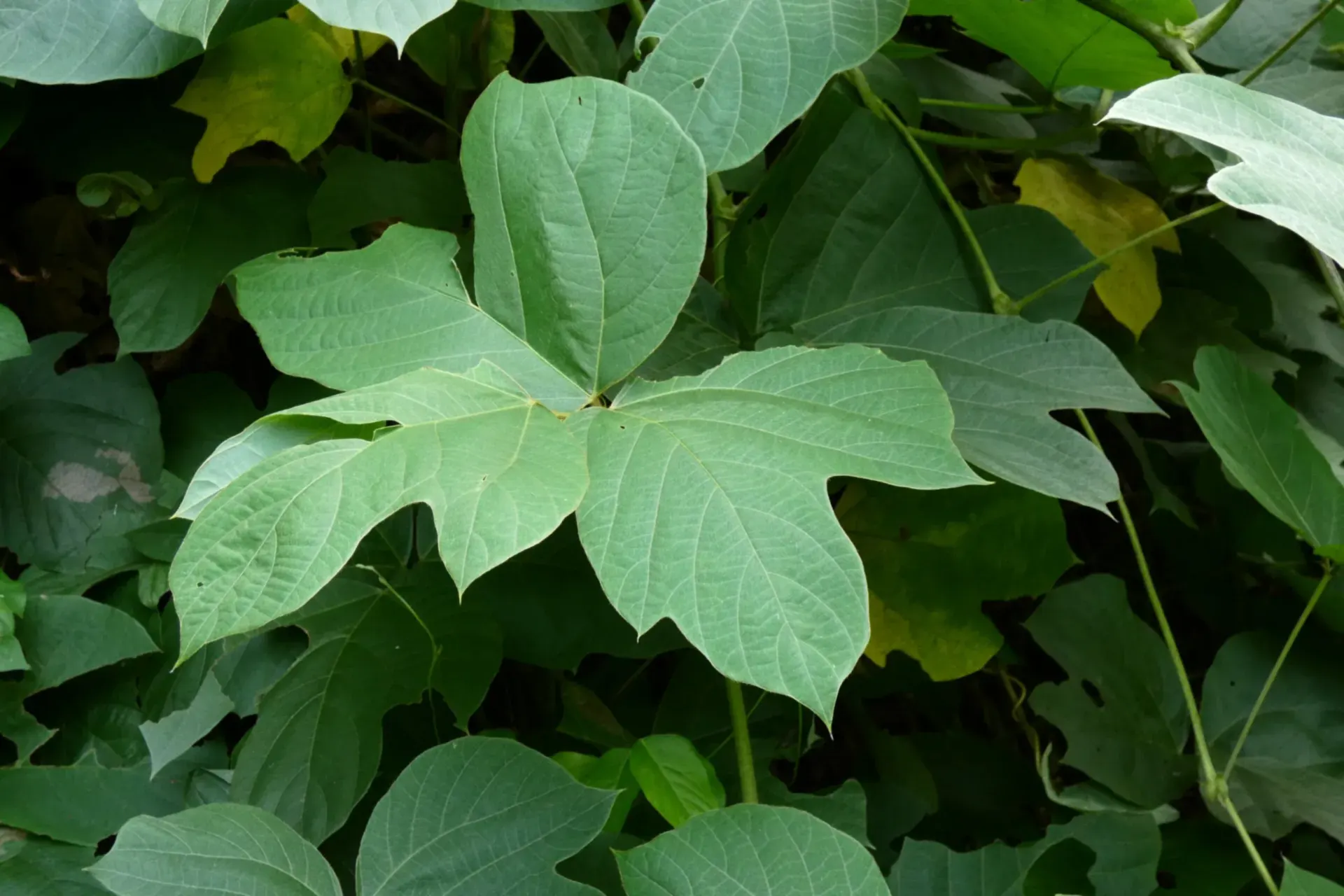
Jicama is a vine from Mexico that grows a crisp, sweet, juicy root — like a cross between an apple and a water chestnut — eaten raw in salads and slaws. It needs 120–150 frost-free days, so in cold climates you must start indoors 8–10 weeks before last frost and give it a long, hot summer. This guide is the whole routine on one page, in order. For the one-screen version — light, water and care at a glance — see the Jicama plant page; this is the deep guide it points to. Your personal dates for every step are in the Planting Calendar.
The jicama season at a glance
- When: Start indoors 8–10 weeks before last frost; transplant out after last frost, once the soil is warm. Needs a long frost-free season.
- Soil: Rich, well-drained soil with compost, in full sun. The vine climbs, so give it a trellis or fence.
- Sowing: Sow 1 in deep indoors. Move plants out 8–12 in apart along a trellis once all frost danger has passed.
- Water & feed: Regular — keep evenly moist — Feed monthly with a balanced fertilizer — the vine is vigorous and hungry through the summer.
- Harvest: 120–150 frost-free days
Step 1 — Start indoors, early
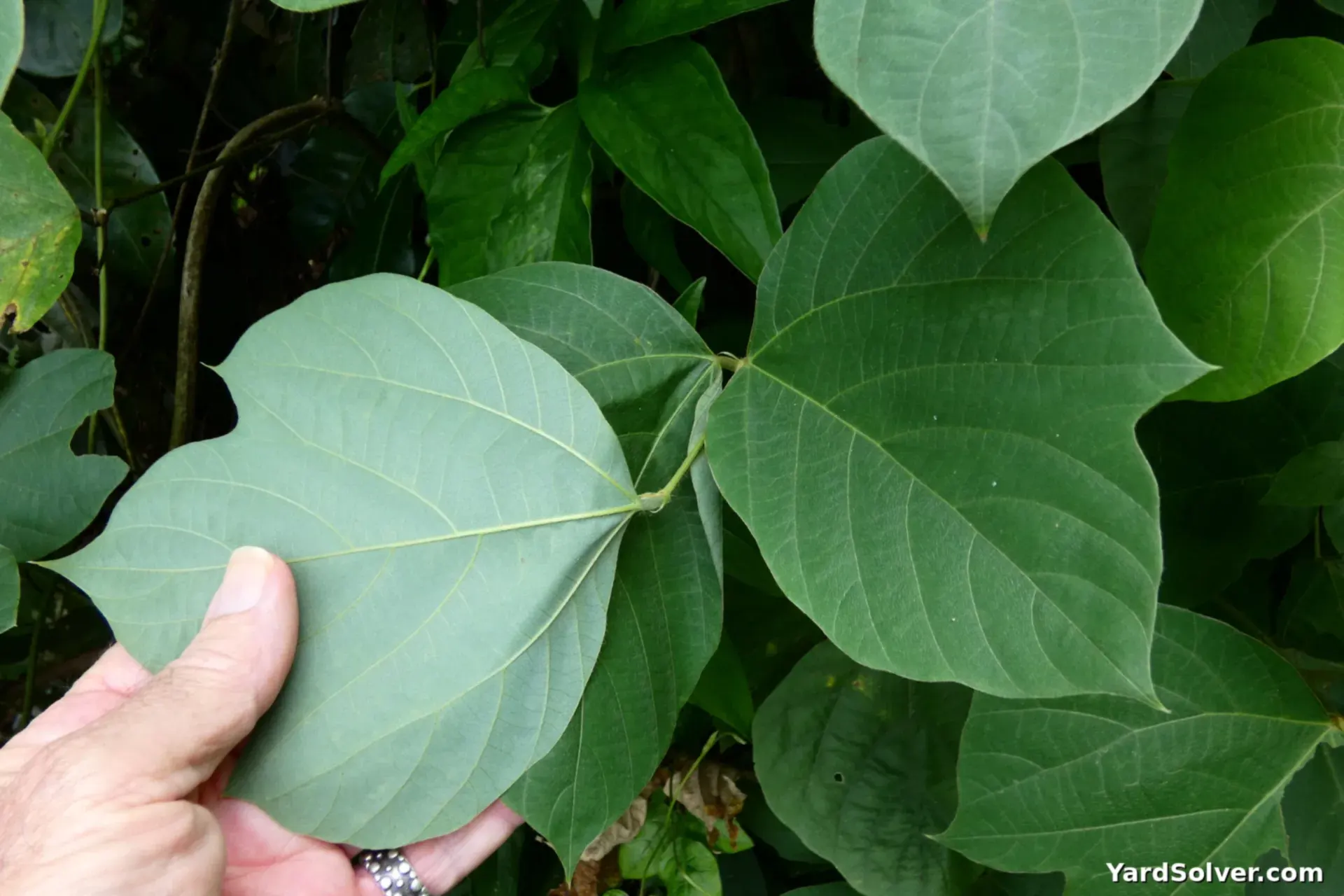
Jicama needs 120–150 frost-free days, so start indoors 8–10 weeks before your last frost — direct sowing only works where summers are very long. Start indoors 8–10 weeks before last frost; transplant out after last frost, once the soil is warm. Needs a long frost-free season.
Step 2 — Give it a trellis
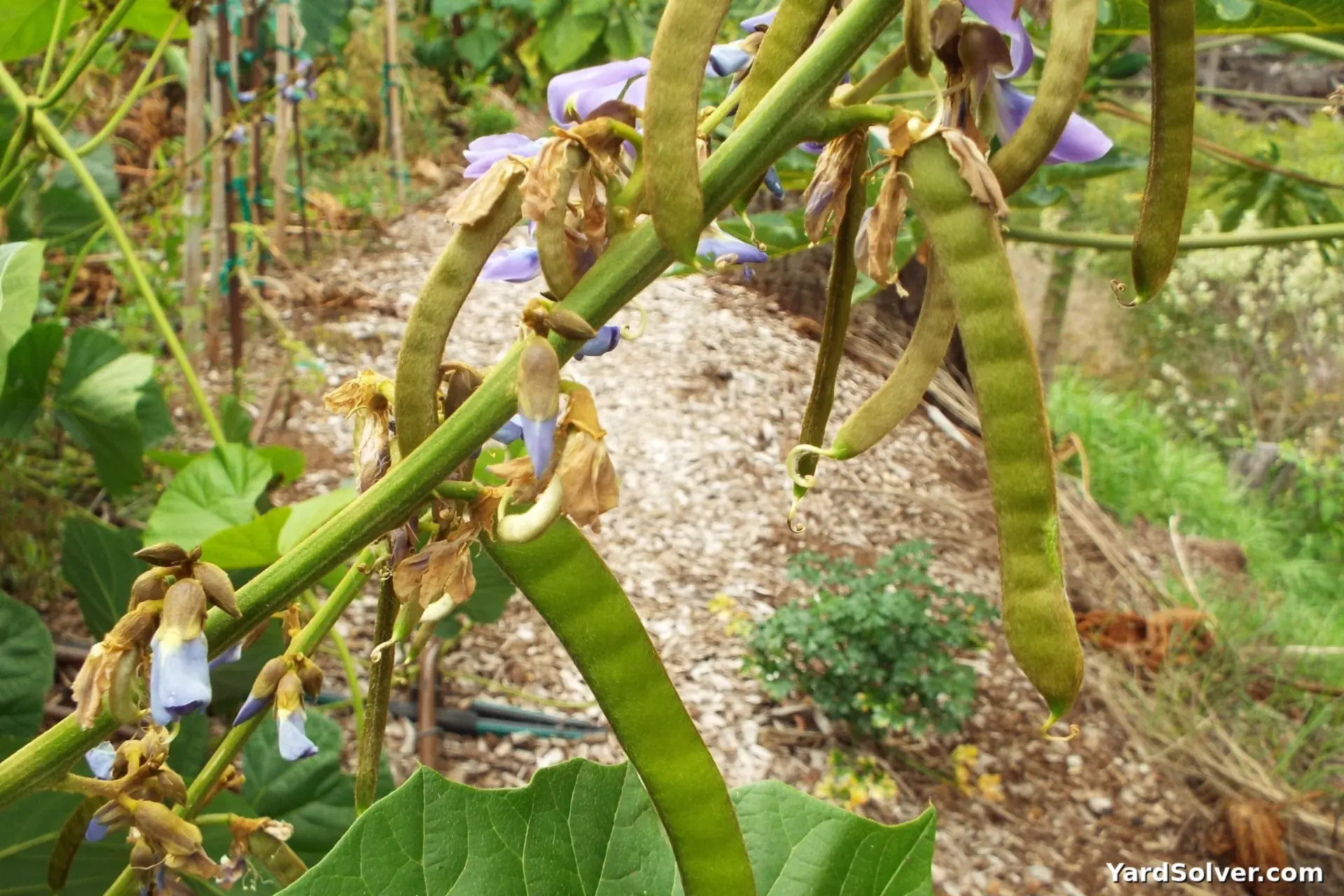
The vine climbs vigorously. Full sun, rich soil with compost, and a trellis or fence to climb. Rich, well-drained soil with compost, in full sun. The vine climbs, so give it a trellis or fence.
Step 3 — Move out after frost
Transplant 8–12 in apart once all frost danger has passed and the soil is warm. Sow 1 in deep indoors. Move plants out 8–12 in apart along a trellis once all frost danger has passed.
Step 4 — Feed through summer
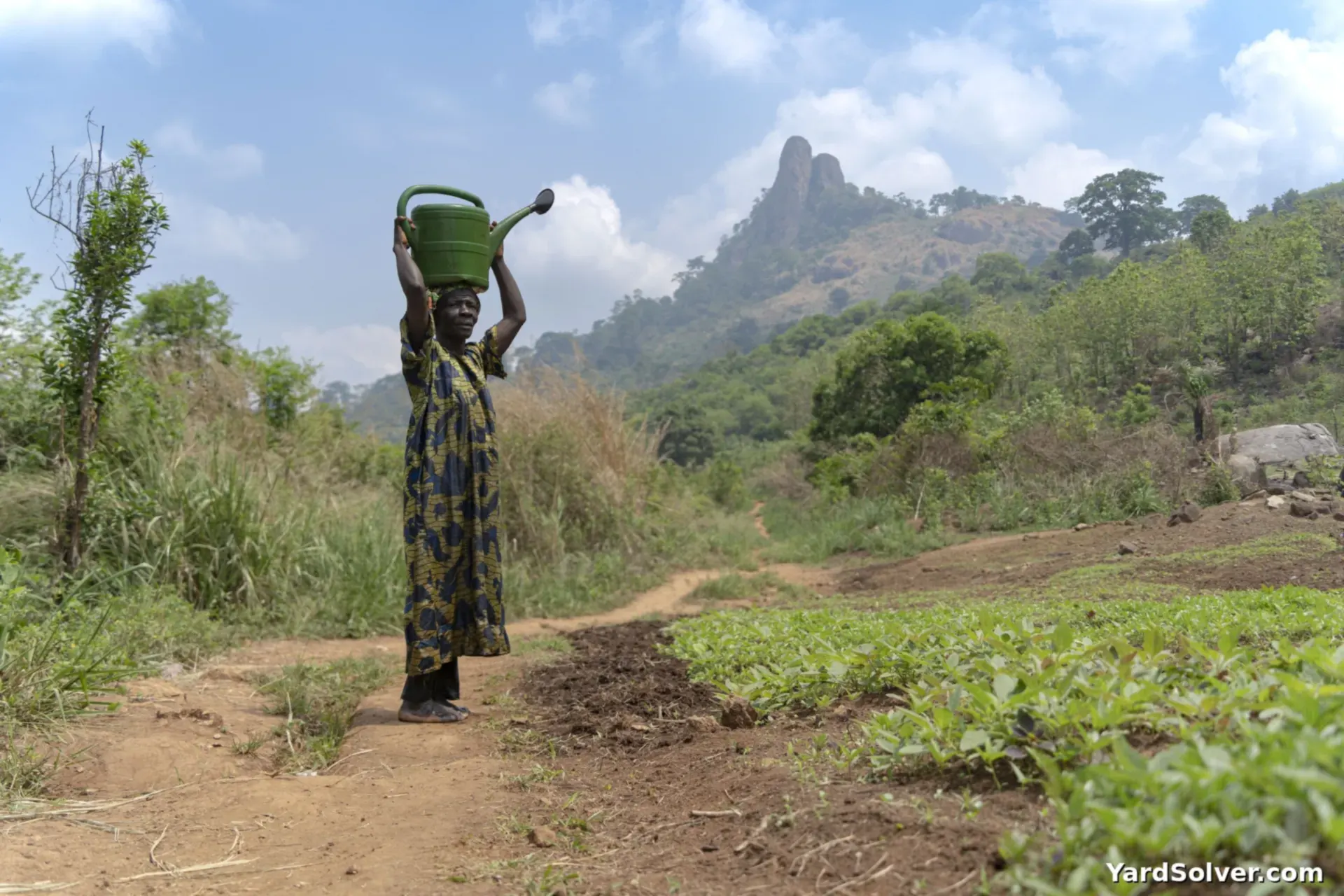
Water steadily and feed monthly — the vine is hungry all summer. Feed monthly with a balanced fertilizer — the vine is vigorous and hungry through the summer.
Step 5 — Dig before the first frost
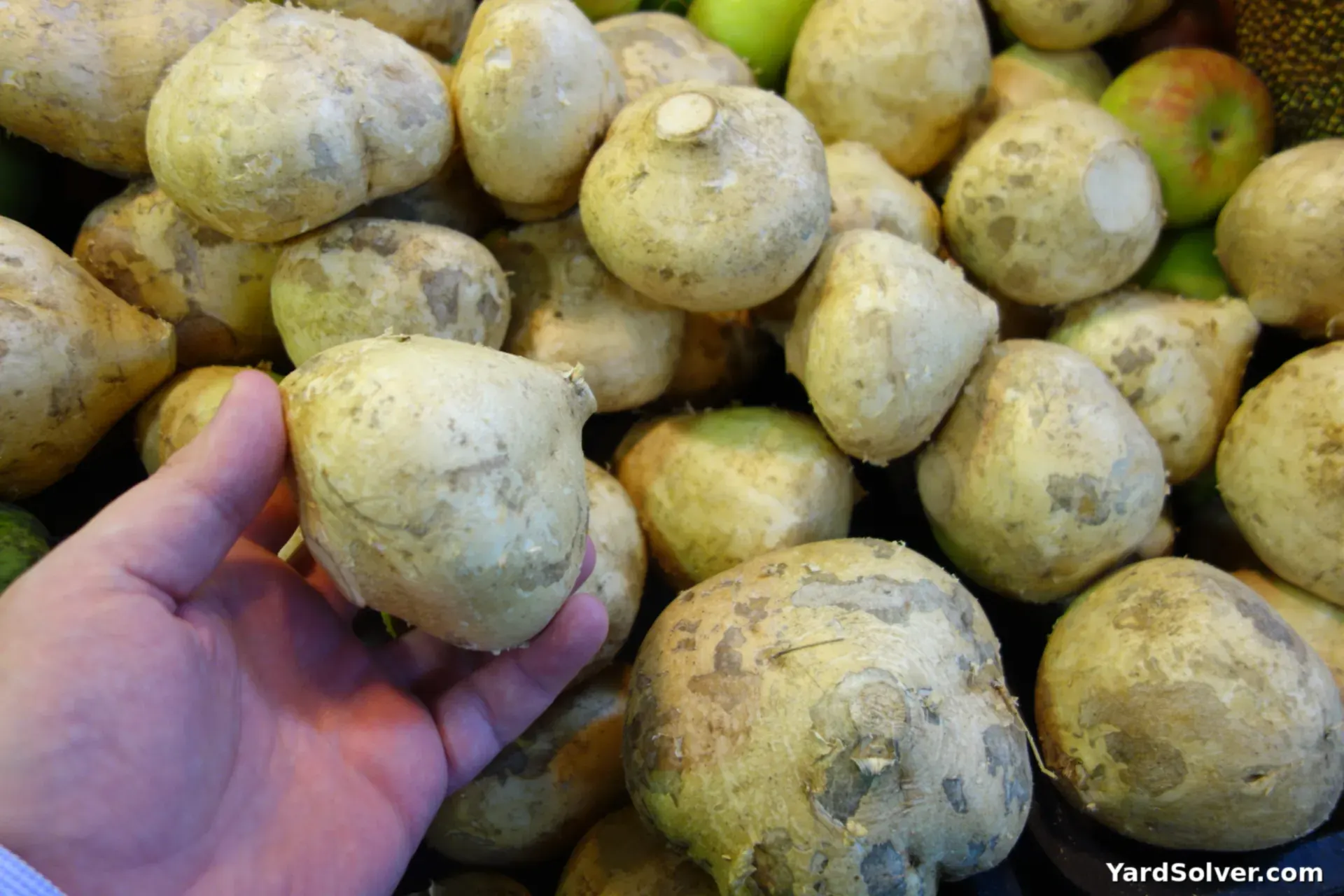
A single frost kills the vine and ruins the roots. Dig before frost, even if roots are smaller than shop-bought — and remember, only the root is eaten. Short season — the most common failure; start indoors early and choose a short-season variety.
Keep going
The at-a-glance version, with light and water needs: Jicama — Plant Library.
Plan the bed: Garden Planner · Planting Calendar · Companion Planting Chart · Plant Spacing Calculator
Questions people ask
When do I plant jicama?
Start indoors 8–10 weeks before last frost; transplant out after last frost, once the soil is warm.
How far apart do I space jicama?
Space plants 8–12 in apart along a trellis, with seed sown 1 in deep. Sun: full sun.
When is jicama ready to harvest?
120–150 frost-free days. Dig roots before the first fall frost, even if they are small.
Jicama is a long-season tropical root — the crisp tuber needs a summer most gardens must stretch to give
Jicama (yam bean) is a Mexican legume grown for the crisp, sweet tuber at its base — eaten raw, it crunches like an apple and tastes like a mild pear — and it asks a price northern gardeners must plan for: a long, hot, frost-free season of five months or more between the vine and a worthwhile root. The vine above ground is almost a decoy; all the value is underground, and it swells late, in the shortening days of autumn, which is why an early frost is not a setback but the end of the crop.
Start seed early indoors wherever the season is short, grow it up a support in the richest sun you have, and remove the flowers as they appear — a plant allowed to seed puts its energy there instead of the root. One safety fact belongs in every jicama guide: only the tuber is food. The leaves, stems and especially the seeds contain rotenone and are poisonous, a defence the plant evolved that the grower simply respects. Lift the tubers before frost, handle them gently — the skin bruises — and store them cool but never refrigerator-cold.
Sources
Key facts on this page cross-checked against Pachyrhizus erosus — Wikipedia — background on Pachyrhizus erosus — jicama — its cultivation and its toxic parts.
Related page
Read next: How to Grow Sweet Potatoes: A Beginner's Guide.
Comments & ratings
No comments yet.
Be the first to share your experience.