
Plant Library · Vegetables · By Faizan Ahmad
Updated November 17, 2026
🥔 How to Grow Jicama
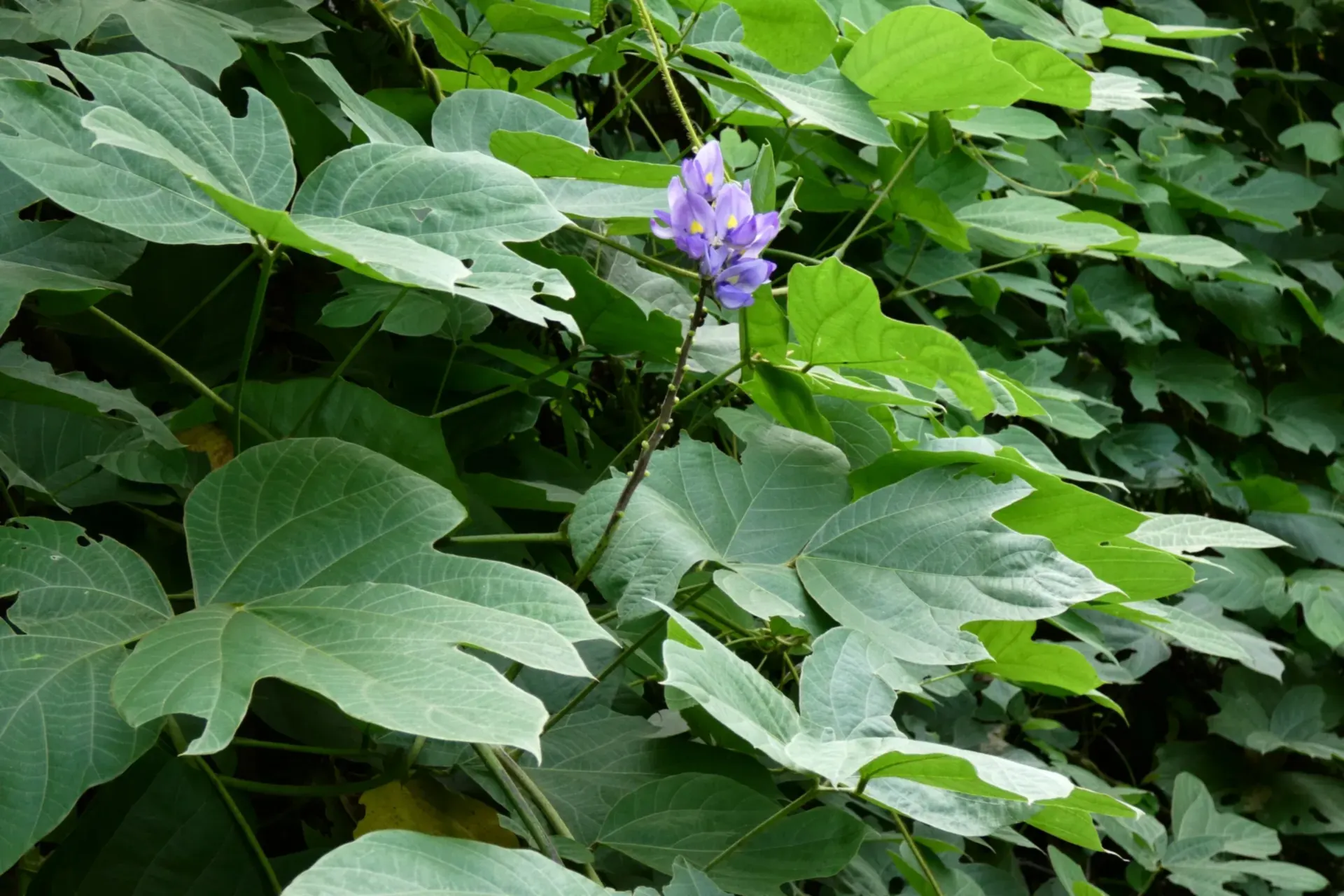
Jicama is a vine from Mexico that grows a crisp, sweet, juicy root — like a cross between an apple and a water chestnut — eaten raw in salads and slaws. It needs 120–150 frost-free days, so in cold climates you must start indoors 8–10 weeks before last frost and give it a long, hot summer.
Grow Jicama with us — step by step
Jicama is a race against your own climate: a Mexican vine that needs a long, hot, frost-free season to swell its crisp, apple-textured root, and day length itself helps trigger the bulking — which is why the indoor head start below is not optional in temperate gardens. One safety rule runs through the whole crop: only the root is eaten; the seeds and leaves are toxic. Set your start date and the page counts your jicama season from it, day by long day.
Step 1 — today: Transplant your young Jicama plants today, 8–12 in apart along a trellis in full sun, once all frost danger has passed, and water them in deeply.
Jicama at a glance
Sow indoors: 9 weeks before last frost
Move outside: 2 weeks after last frost
Spacing: 8–12 in · Seed depth: 1 in
Sun: Full sun
Water: Regular — keep evenly moist
Harvest: 120–150 frost-free days
Timing counts from your average last spring frost — get your own dates in the Planting Calendar. Guidance follows standard extension-service practice for Canada and the US.
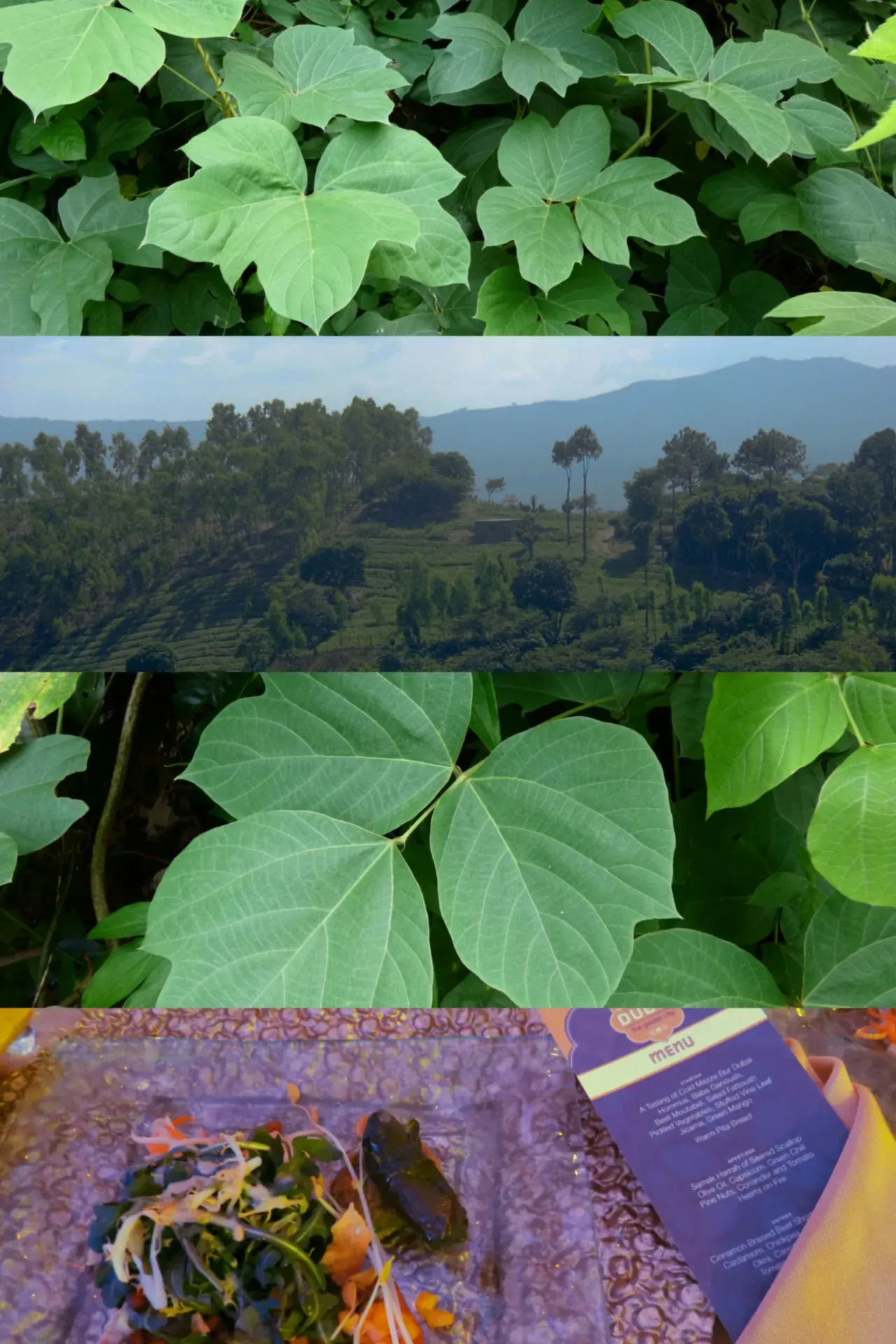
How to plant and grow jicama, step by step
Step 1 — Time it right
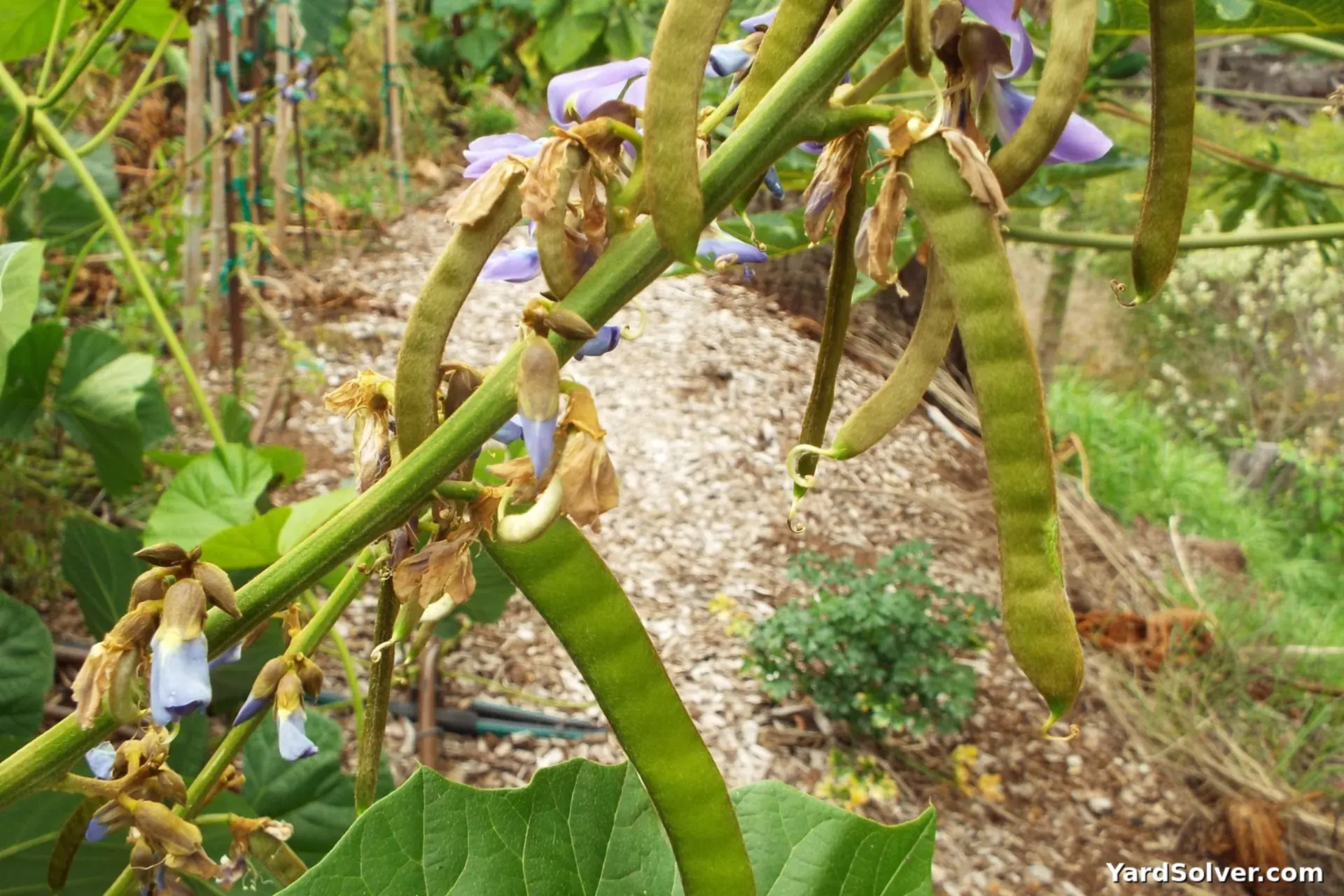
Start indoors 8–10 weeks before last frost; transplant out after last frost, once the soil is warm. Needs a long frost-free season. All dates count from your average last spring frost — the Planting Calendar turns them into real dates for your garden. Sow seed in individual pots to avoid root disturbance at transplanting, and keep them warm — germination is fastest around 75–85 °F and can take 2–3 weeks, so do not give up on a slow pot. Nicking or soaking the hard seed overnight in warm water noticeably improves the take.
Step 2 — Prepare the spot
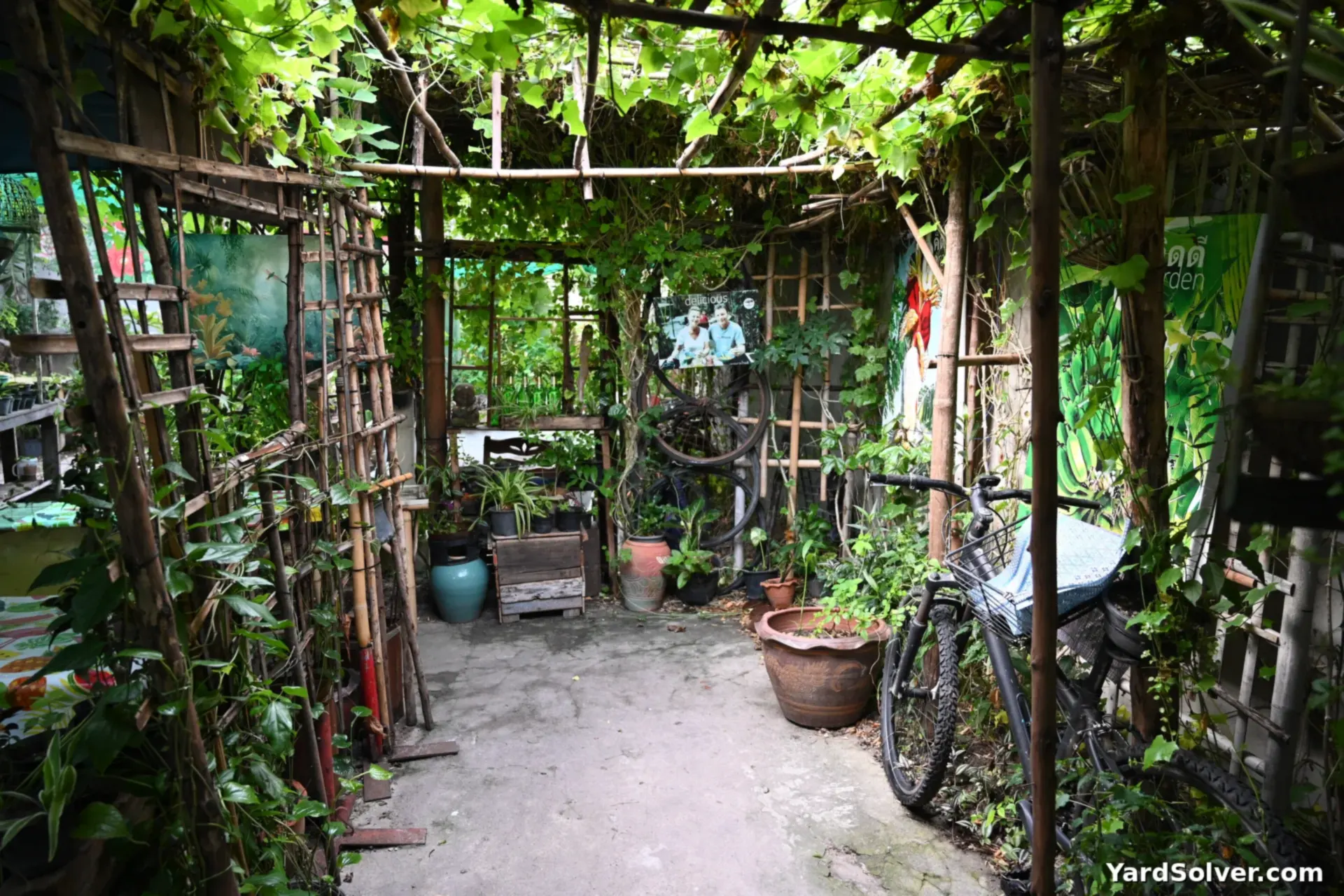
Sun: Full sun. Rich, well-drained soil with compost, in full sun. The vine climbs, so give it a trellis or fence. Work out how much you need with the Garden Mix Calculator or the Raised Bed Soil Calculator. Prepare the bed deeply: the storage root pushes down and out, and compacted or stony soil gives forked, stunted roots. Loose, sandy loam dug a full spade deep, with stones removed, is what produces the smooth, round roots sold in markets.
Step 3 — Sow and plant out
Sow 1 in deep indoors. Move plants out 8–12 in apart along a trellis once all frost danger has passed. The Plant Spacing Calculator turns that spacing into plants-per-bed. Harden seedlings off carefully before transplanting — jicama raised indoors is soft, and a cold night just above freezing can still check growth for weeks. Set a sturdy trellis at planting time; the vine climbs 10–15 ft in a warm season and is miserable to untangle later.
Step 4 — Water and feed
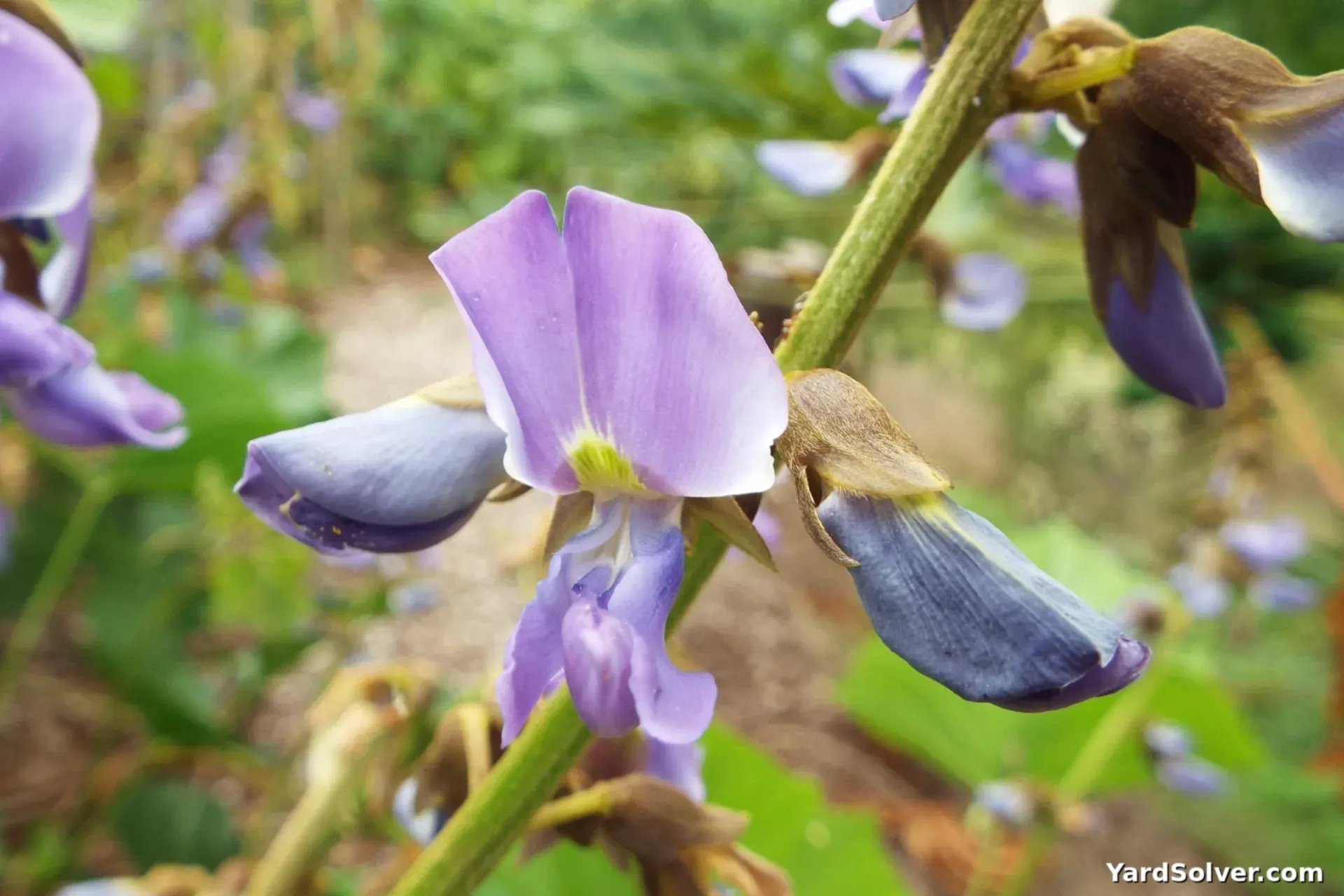
Water: Regular — keep evenly moist. Feed monthly with a balanced fertilizer — the vine is vigorous and hungry through the summer. The Fertilizer Calculator turns a bed size into the right amount. Pinch out the blue-purple flower clusters as they appear — this is the grower's trick that matters most, because a vine allowed to flower and set seed pods puts its energy above ground and the root stays thin. Side-dress at the same time so the spared energy has the nutrition to become root.
Step 5 — Care and the problems to watch for
Short season — the most common failure; start indoors early and choose a short-season variety. Frost — a single frost kills the vine; harvest before the first fall frost. Slugs — young plants are a target; hand-pick at night. As days shorten toward fall, the vine shifts to bulking the root — this response to shortening days is why very long-season districts get the biggest roots. Keep watering steady during bulking; roots that bulk through a drought turn fibrous and woody rather than crisp.
Step 6 — Harvest
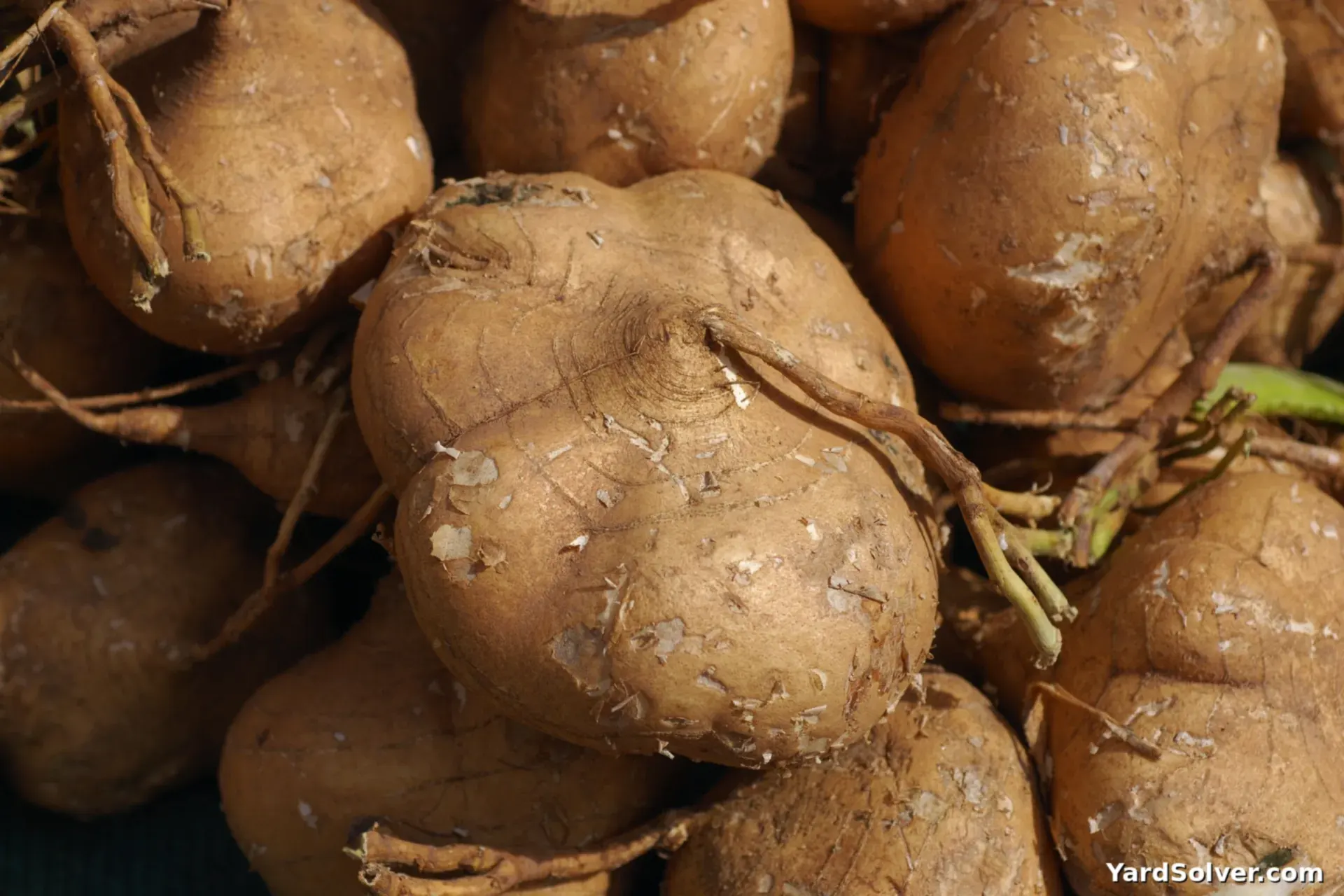
Ready in: 120–150 frost-free days. Dig roots before the first fall frost, even if they are small — frost ruins them. Peel the brown skin before eating. Home-grown roots commonly weigh about 1–3 lb each, with larger ones in long-season gardens, and size matters less than texture — even a small root is sweet and crisp. Store harvested roots in a cool, dry place around 50–55 °F; refrigeration below about 50 °F causes chilling injury and internal discolouration, so the fridge is the wrong home for them.
📅 Your personal Jicama schedule
Jicama is a countdown crop, so this schedule counts from the day you sowed indoors and measures your season honestly. It covers the warm weeks of germination, transplanting after the last frost into warm soil, the flower-pinching that pushes growth down into the root, and the hard deadline at the end: every root lifted before the first fall frost arrives.
Varieties worth growing
| Variety | Colour | Why gardeners like it |
|---|---|---|
| Jicama | Brown | The standard type — large crisp roots in a long season |
| San Juan | Brown | A shorter-season type, the better pick for cold climates |
| Agua Dulce | Brown | A sweet, juicy variety popular in Mexico |
| Pachyrhizus erosus | Brown | The species name — the true jicama, not the yard-long bean |
Good for you — and take care
Benefits
- Crisp, sweet and very low in calories
- A good source of vitamin C, fibre and potassium
- Keeps for weeks in a cool place after harvest
- Eaten raw — no cooking needed
Take care
- Only the root is eaten — the leaves, stems, flowers and seeds are not edible, and the seeds are toxic.
- Harvest before frost, even if roots are small — frost ruins them.
- Peel the brown skin before eating; the white flesh is the part you want.
Problems to watch for
- Short season — the most common failure; start indoors early and choose a short-season variety.
- Frost — a single frost kills the vine; harvest before the first fall frost.
- Slugs — young plants are a target; hand-pick at night.
A little history — and one good fact
Jicama comes from Mexico and Central America, where it has been grown for centuries and is sold by street vendors with lime and chilli. Spanish traders carried it to the Philippines, and from there it spread across Asia.
Fun fact: Jicama is also called the Mexican yam bean — but only the root is eaten; its seeds are toxic.
Keep going
Guides: How to Harden Off Seedlings · How to Read a Seed Packet · How to Grow Jicama — the full guide
Calculators: Plant Spacing Calculator · Seed Calculator · Fertilizer Calculator · Garden Mix Calculator
Plan it: Garden Planner · Planting Calendar · Companion Planting Chart · Seed Box
Good companions: Sweet Corn · Green Beans
← Back to the Plant Library · Get your personal planting dates
Jicama from harvest to table: peeling, storing, serving
The root is the only edible part of jicama — seeds, pods, stems and leaves contain rotenone and must never be eaten. Once that rule is fixed, the kitchen routine is simple and the root keeps unusually well:
| Step | What to do | Detail that matters |
|---|---|---|
| 1. Lift | Loosen the soil with a fork and pull the root by its stem before the first fall frost | Frost kills the vine and damages the root; even small roots are worth lifting |
| 2. Cure and clean | Brush off soil and let roots dry in the shade for a few hours | Do not wash until you are ready to store or use them — dry skins keep best |
| 3. Store | Keep whole roots in a cool, dry, dark place around 50–55 °F | Stored this way they keep for roughly 1–2 months; colder storage causes chilling injury |
| 4. Peel | Cut off the top and bottom, then pull or pare away the whole brown skin and the fibrous layer beneath it | The skin is tough and inedible — peel generously until the flesh is clean white |
| 5. Serve | Cut into sticks or cubes and eat raw with lime and a pinch of salt or chilli, or add to salads and slaws | Jicama stays crisp in salads for hours and does not brown quickly once cut |
Dispose of the vines and any seed pods in the trash rather than where livestock or curious pets can reach them, and save seed only from pods you handle deliberately, stored well away from food.
Questions people ask
When do I plant jicama?
Start indoors 8–10 weeks before last frost; transplant out after last frost, once the soil is warm.
How far apart do I space jicama?
Space plants 8–12 in apart along a trellis, with seed sown 1 in deep. Sun: full sun.
When is jicama ready to harvest?
120–150 frost-free days. Dig roots before the first fall frost, even if they are small.
Are jicama seeds and leaves poisonous?
Yes — only the root is edible. Jicama seeds contain rotenone and the leaves, stems and pods are also toxic, so never eat any part of the vine. Peel the root's brown skin away completely before eating the white flesh.
Why are my jicama roots small?
Usually the season was too short or the vine flowered. Jicama needs 120–150 frost-free days and bulks its root as days shorten, so start indoors early, transplant promptly into warm soil, and pinch off every flower cluster so the plant's energy goes into the root.
A long, hot-season root with one safety rule that matters: eat only the root — the seeds and tops carry rotenone
Jicama (Pachyrhizus erosus) is a Mexican legume vine grown for its crisp, sweet, turnip-like root, eaten raw in salads and slaws. The safety rule is absolute and worth stating plainly: only the root is food. The seeds, pods and foliage contain rotenone, a natural insecticide, and must never be eaten — the root itself is peeled before eating, since the skin is not the part you consume either.
The growing rule is season length. Jicama needs four to nine warm, frost-free months to swell a worthwhile root, so in temperate gardens it is started indoors very early, planted out into the hottest spot available, and lifted in autumn before frost; short-season growers get vines and flowers but marble-sized roots. The vine can be left to climb or trimmed to push energy toward the root, and day length matters — roots bulk up as the days shorten in autumn.
The worked example: plants started in late winter, grown through a long hot summer on a trellis in full sun, typically lift with roots the size of a grapefruit by the first frost. Plants sown outdoors after the last frost in a short-season garden typically give a handsome vine and roots not worth peeling — jicama is a calendar crop before it is anything else.
Sources
Key facts on this page — timing, spacing and care — cross-checked against Pachyrhizus erosus — Wikipedia — background on jicama, its season length and which parts are edible.
Related page
Read next: Companion Planting Basics: Good & Bad Neighbours.
Comments & ratings
No comments yet.
Be the first to share your experience.