
Guides · Lentils · Published November 11, 2026 · By Faizan Ahmad
How to Grow Lentils: The Complete Beginner's Guide
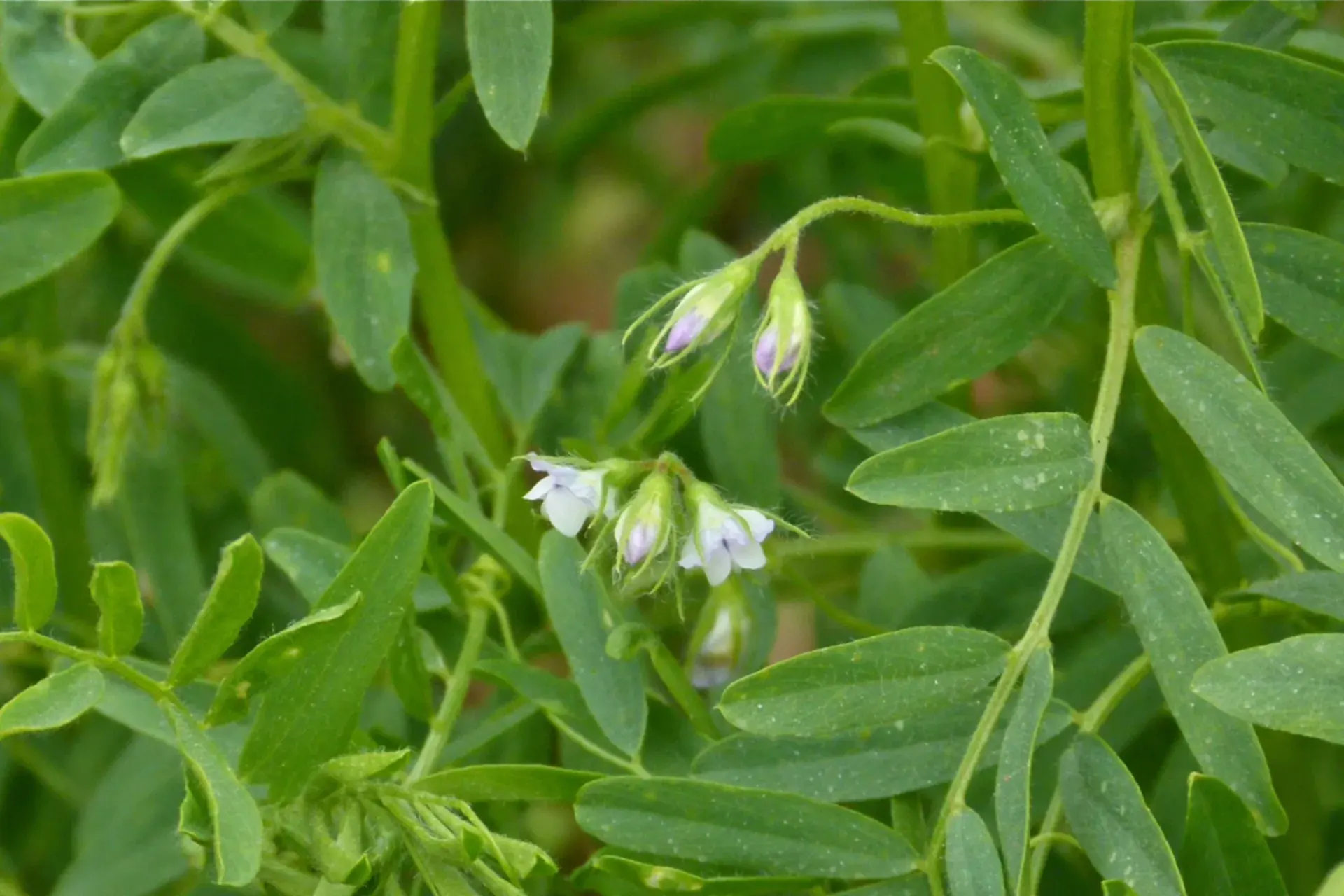
Lentils are a cool-season pulse — the same little lens-shaped seeds you cook — and they are one of the easiest protein crops a home gardener can grow. They tolerate light frost, thrive in poor dry soil where beans would fail, and need about 100–110 days from sowing to a dry harvest you thresh by hand. This guide is the whole routine on one page, in order. For the one-screen version — light, water and care at a glance — see the Lentils plant page; this is the deep guide it points to. Your personal dates for every step are in the Planting Calendar.
The lentils season at a glance
- When: Direct sow 2–3 weeks before last frost. Lentils are cool-season and tolerate light frost.
- Soil: Poor to average, well-drained soil is fine — lentils fix their own nitrogen and dislike rich, wet ground.
- Sowing: Sow 1 in deep, 1–2 in apart in rows 6–8 in apart. Sow densely; lentils are grown as a close stand, not as spaced plants.
- Water & feed: Moderate — avoid wet leaves — Feed nothing — lentils make their own nitrogen. A little compost at sowing is plenty.
- Harvest: 100–110 days
Step 1 — Sow early, in cool soil
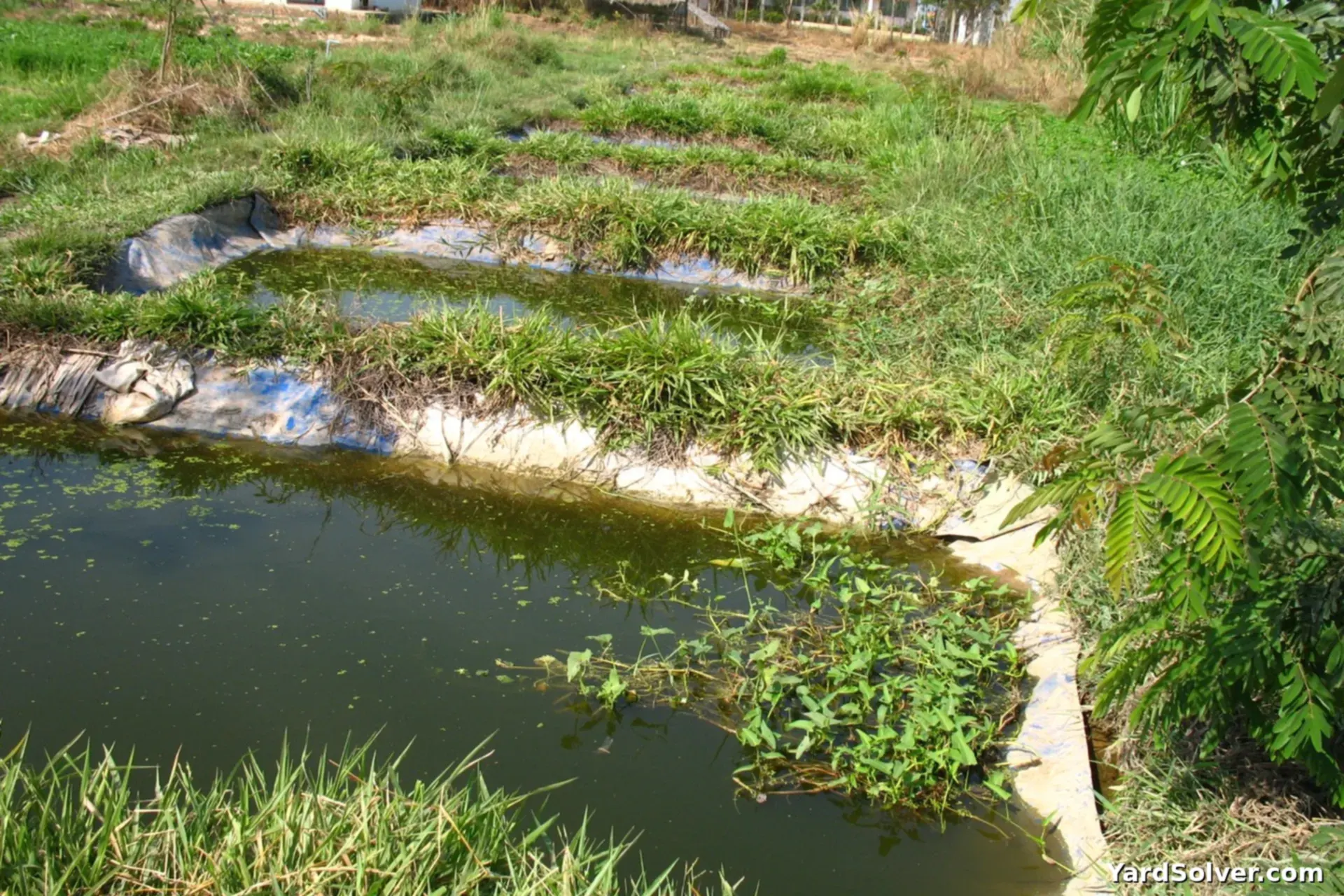
Lentils are cool-season and tolerate light frost — sow 2–3 weeks before your last frost. Direct sow 2–3 weeks before last frost. Lentils are cool-season and tolerate light frost.
Step 2 — Poor soil is fine
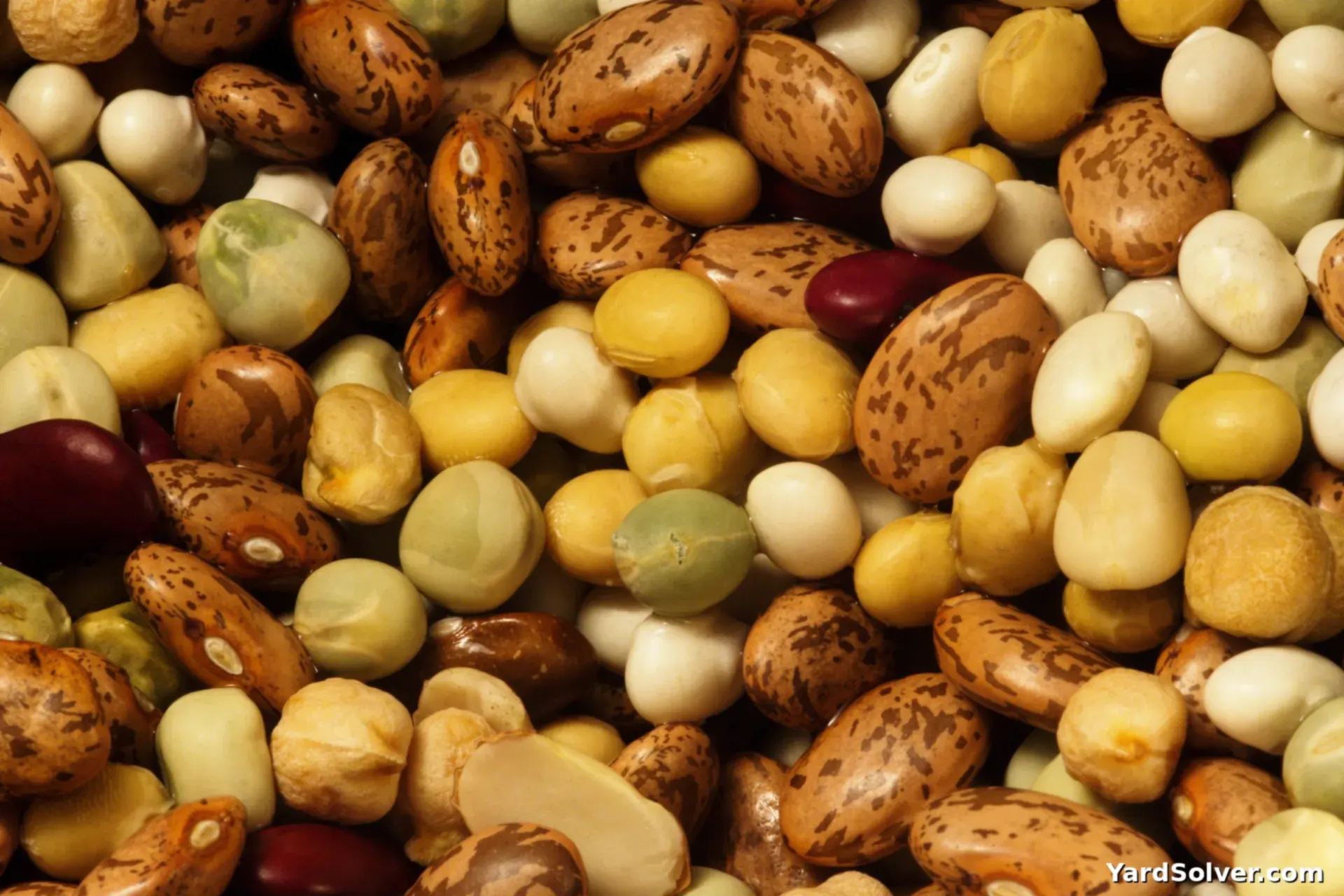
Lentils fix their own nitrogen and dislike rich, wet ground. Well-drained, average soil is all they need. Poor to average, well-drained soil is fine — lentils fix their own nitrogen and dislike rich, wet ground.
Step 3 — Sow dense
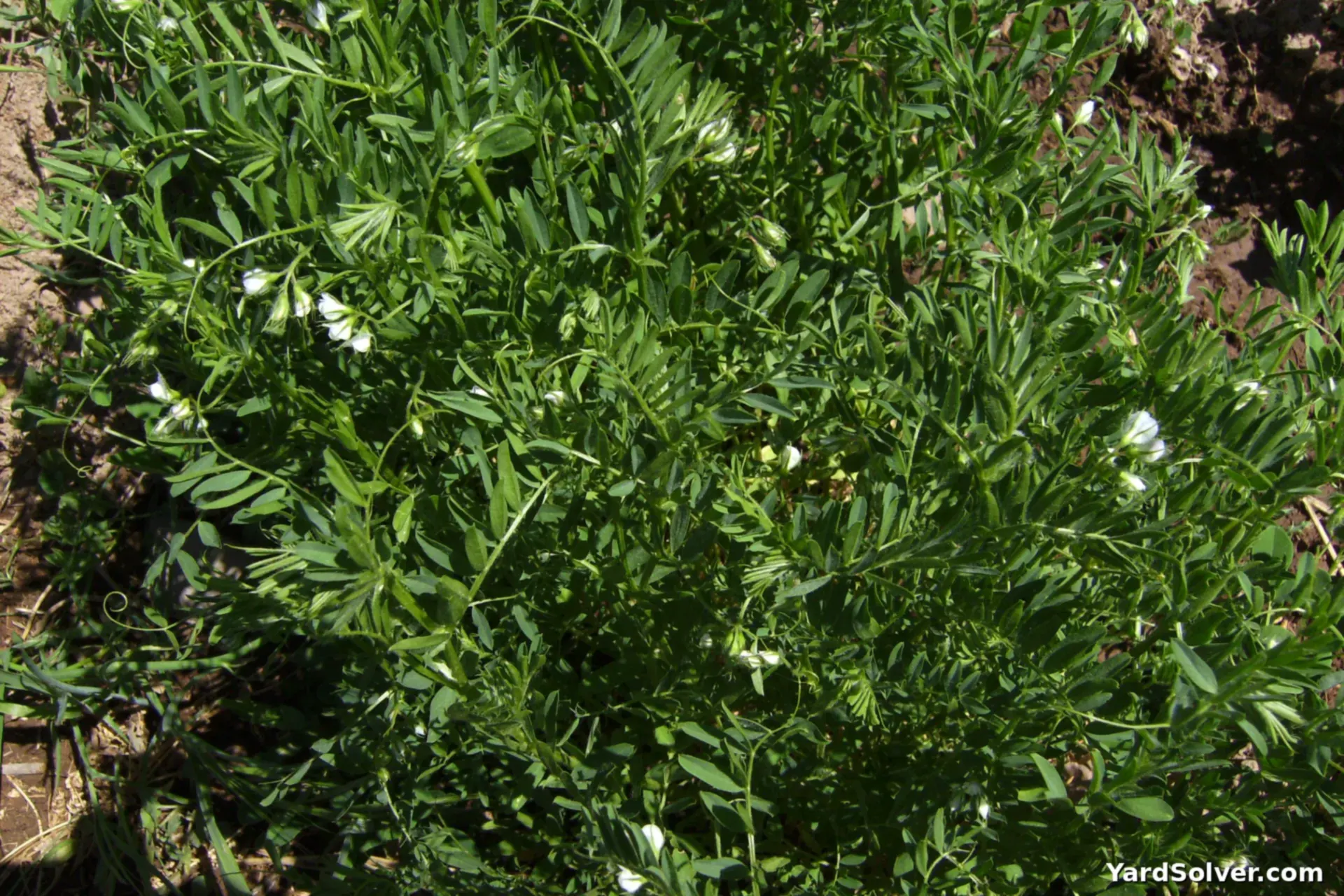
Sow 1 in deep, 1–2 in apart in rows 6–8 in apart. Lentils grow as a close stand, not as spaced plants. Sow 1 in deep, 1–2 in apart in rows 6–8 in apart. Sow densely; lentils are grown as a close stand, not as spaced plants.
Step 4 — Keep the bed drained
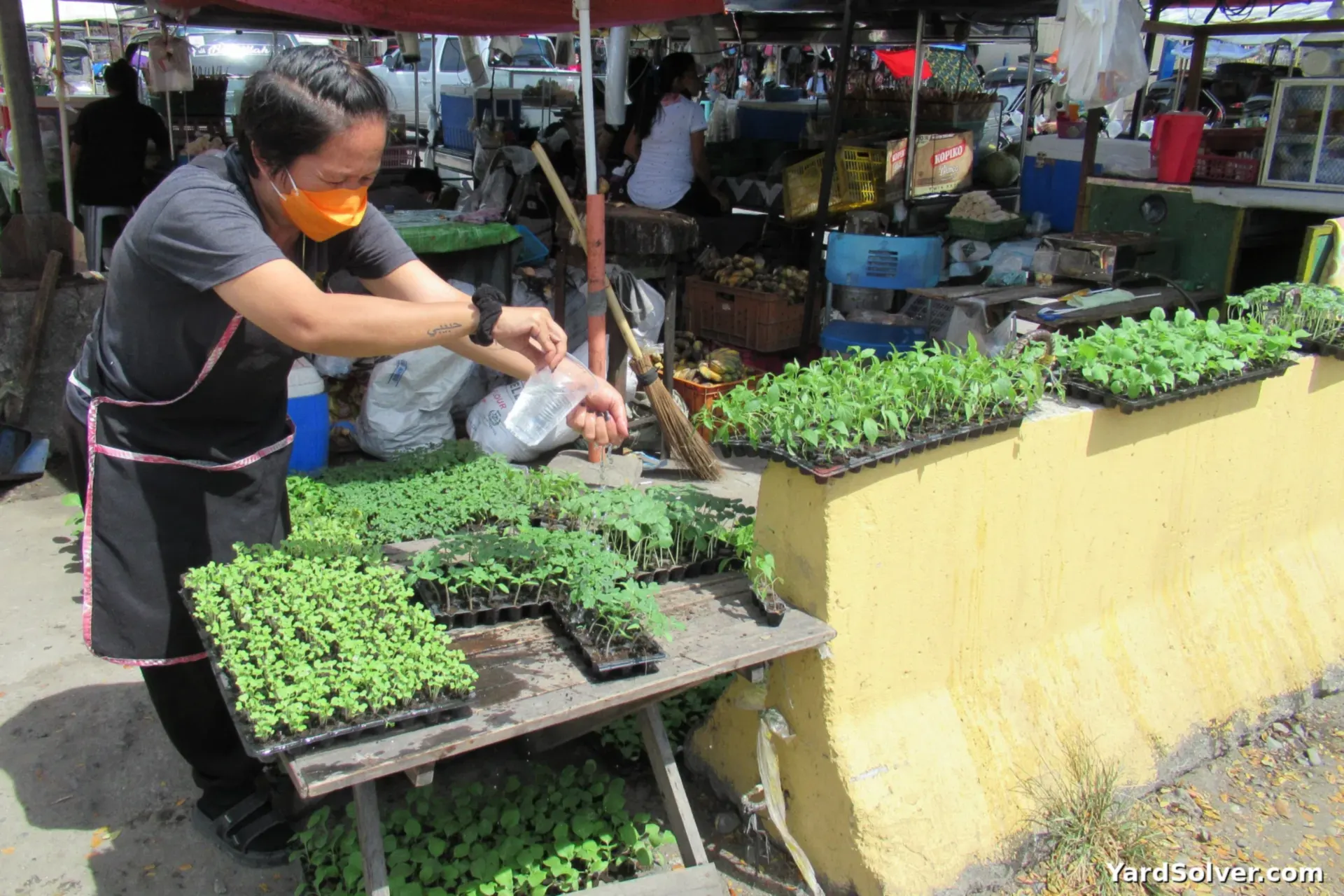
Wet soil rots lentil roots. Water moderately and never let the bed sit waterlogged. Feed nothing — lentils make their own nitrogen. A little compost at sowing is plenty.
Step 5 — Harvest dry and thresh
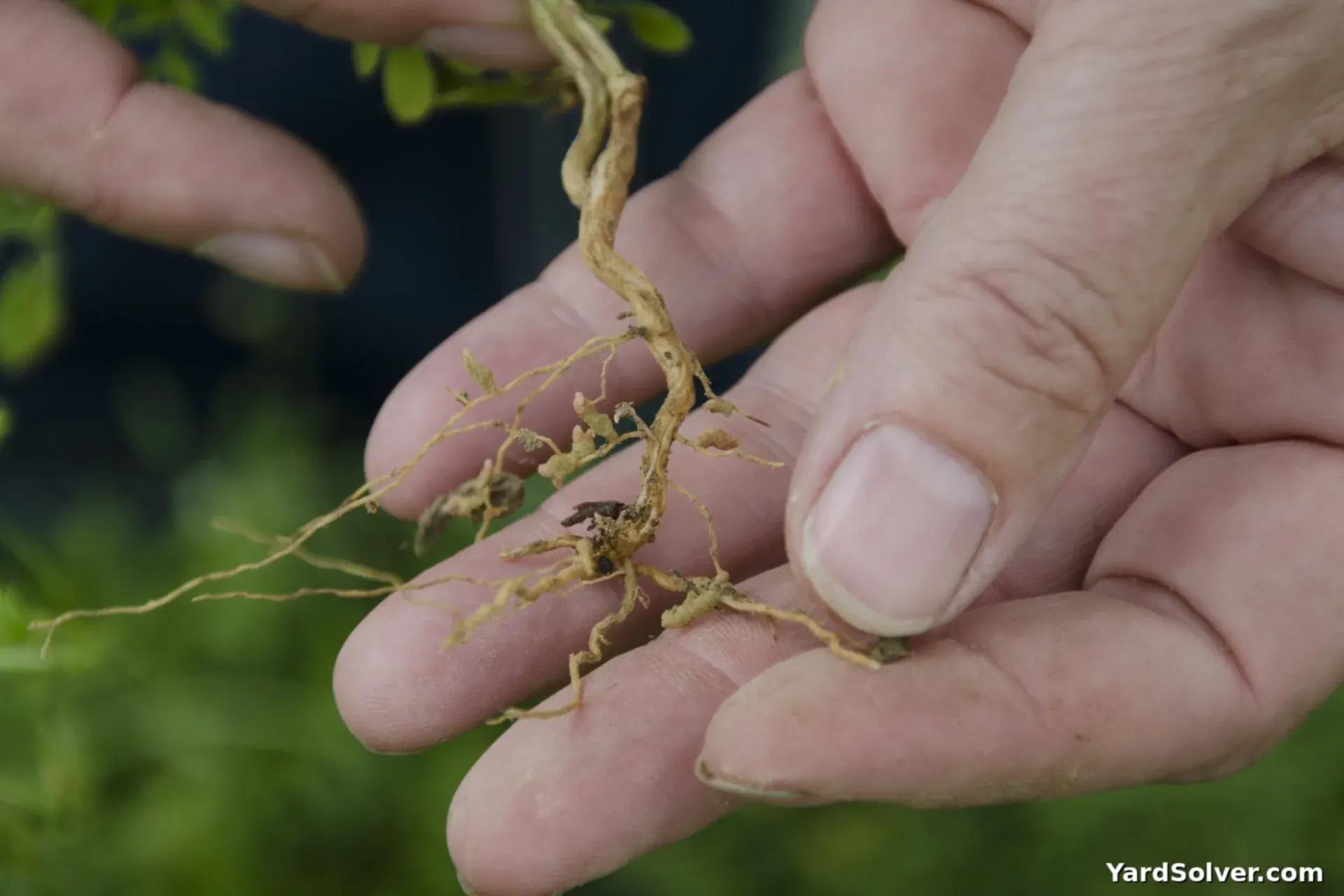
Wait until pods rattle and plants turn brown, pull whole plants, dry them, and rub the pods over a sheet to thresh the seed. Root rot — wet soil rots the roots; grow in drained soil and never waterlog the bed.
Keep going
The at-a-glance version, with light and water needs: Lentils — Plant Library.
Plan the bed: Garden Planner · Planting Calendar · Companion Planting Chart · Plant Spacing Calculator
Questions people ask
When do I plant lentils?
Direct sow 2–3 weeks before last frost. Lentils are cool-season and tolerate light frost.
How far apart do I space lentils?
Sow 1 in deep, 1–2 in apart in rows 6–8 in apart. Sun: full sun.
When are lentils ready to harvest?
100–110 days after sowing, when the pods rattle and the plants have turned brown. Pull whole plants and dry them.
Lentils are a cool-season pulse that fixes its own nitrogen — spare soil and a dry finish suit them
The lentil is among the oldest domesticated crops on earth, a small cool-season legume that partners with soil bacteria to fix nitrogen from the air, which is why it thrives in the modest, well-drained soils where hungrier crops sulk. It asks for the opposite of the usual vegetable treatment: no rich manuring (which buys leaves at the expense of pods), no soggy ground, and a sowing early enough that flowering lands in cool weather, because heat at flowering is what empties the pods.
Plants stay small and slightly sprawling, and a light support of brushwood keeps pods off the soil. The harvest judgement is the skill this guide teaches: pull whole plants when the lower pods have turned tan and the seeds rattle, while upper pods are still filling — wait for every pod and the first ones shatter onto the ground. Dry the plants under cover, thresh by rubbing or treading the pods, and winnow the seed clean in a breeze; a modest patch yields a modest bowl, and lentils are honestly a crop for the pleasure and the soil, not for bulk.
Sources
Key facts on this page cross-checked against Lentil — Wikipedia — background on lentils, their history and cultivation and Nitrogen fixation — Wikipedia — background on nitrogen fixation by legumes.
Related page
Read next: How to Grow Peanuts: A Beginner's Step-by-Step Guide.
Comments & ratings
No comments yet.
Be the first to share your experience.