
Guides · Peanuts · Published November 11, 2026 · By Faizan Ahmad
How to Grow Peanuts: The Complete Beginner's Guide
Peanuts are a warm-season legume with a trick no other vegetable has: after the yellow flowers are pollinated, the stalks bend down and push the young pods into the soil, where the nuts ripen underground. They need loose, sandy soil, a long hot summer and 110–140 days from sowing to harvest, but a small patch of a short-season variety can surprise you in a sunny bed. This guide is the whole routine on one page, in order. For the one-screen version — light, water and care at a glance — see the Peanuts plant page; this is the deep guide it points to. Your personal dates for every step are in the Planting Calendar.
The peanuts season at a glance
- When: Direct sow 1–2 weeks after last frost, once the soil is at least 65 °F (18 °C). In short summers, start indoors 4 weeks before last frost and move plants out after the frost is gone.
- Soil: Loose, sandy, well-drained soil is essential — heavy clay stops the pegs from entering the ground. Dig in compost and a little lime if your soil is acidic.
- Sowing: Sow shelled raw peanuts 1–2 in deep, 6–8 in apart in rows 24–36 in apart. Keep the bed weed-free while plants are young.
- Water & feed: Regular; ease off as pods ripen — Feed lightly, if at all — peanuts fix their own nitrogen. A top-dress of gypsum (calcium) when flowers appear helps pods fill.
- Harvest: 110–140 days after sowing
Step 1 — Wait for warm soil
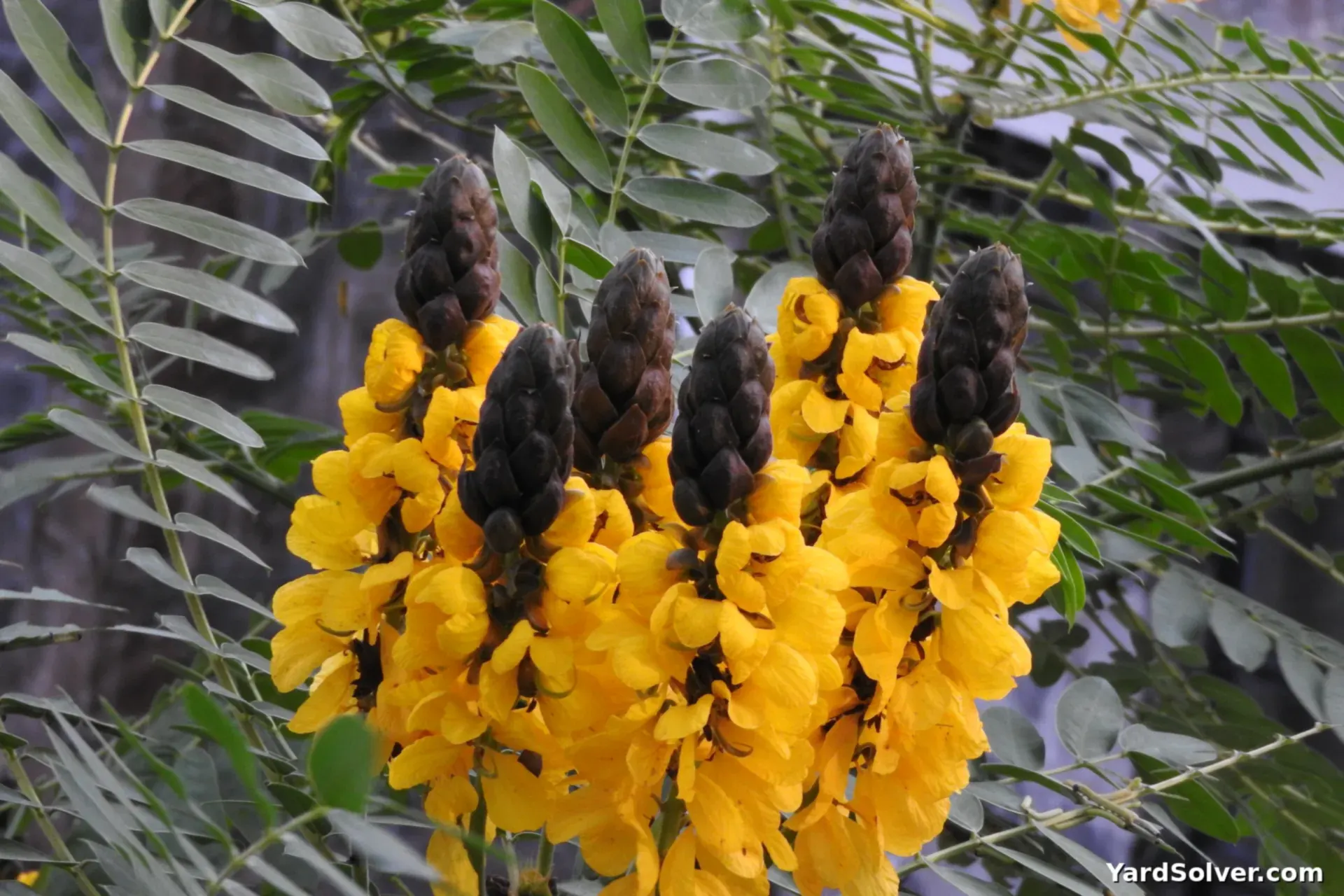
Peanuts will not germinate in cold ground. Sow 1–2 weeks after your last frost, when the soil is at least 65 °F — or start indoors 4 weeks earlier where summers are short. Direct sow 1–2 weeks after last frost, once the soil is at least 65 °F (18 °C). In short summers, start indoors 4 weeks before last frost and move plants out after the frost is gone.
Step 2 — Give them loose, sandy soil

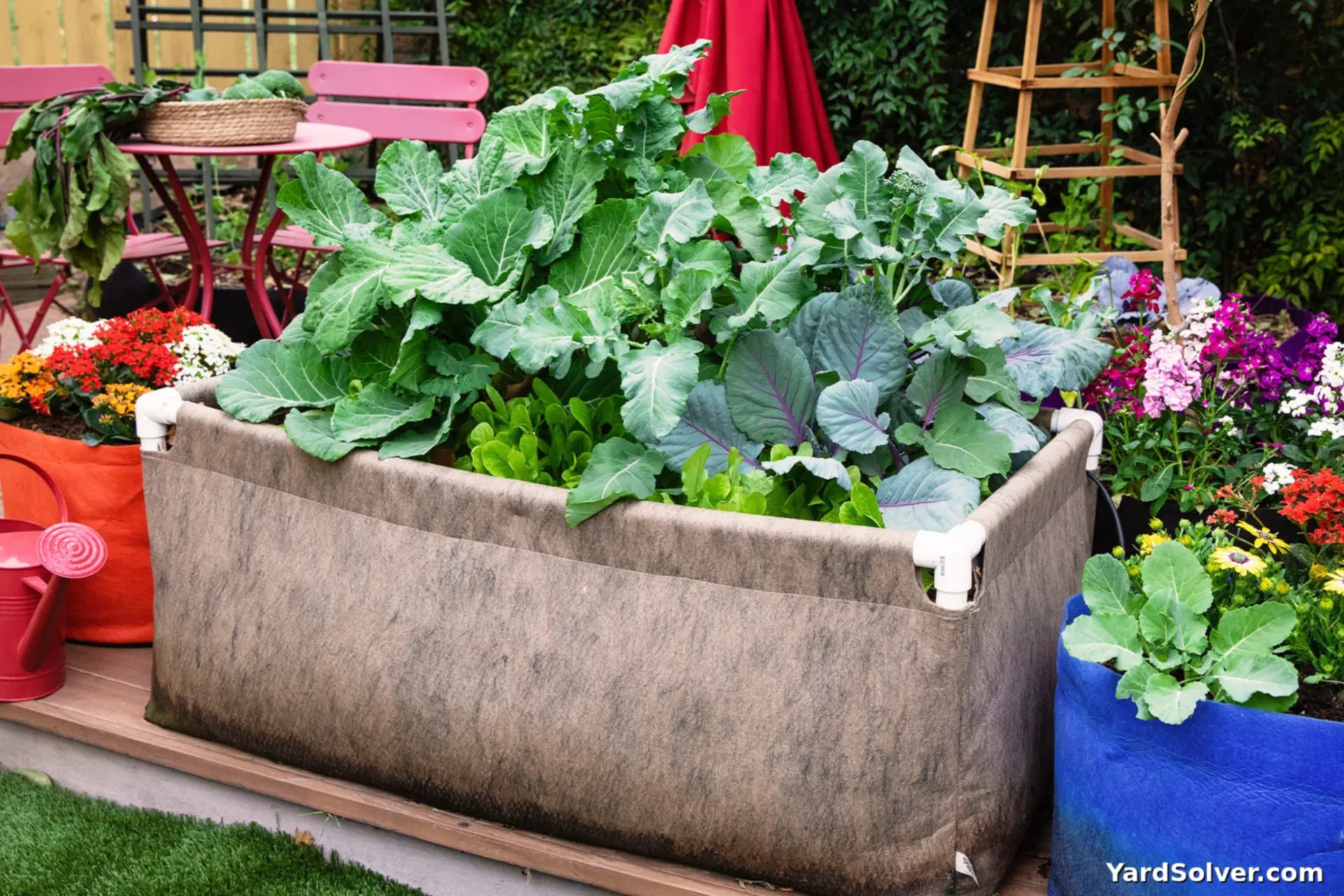
The pods form underground, so the pegs need loose ground to enter. Sandy soil with compost is ideal; heavy clay needs a raised bed or a lot of added grit and compost. Loose, sandy, well-drained soil is essential — heavy clay stops the pegs from entering the ground. Dig in compost and a little lime if your soil is acidic.
Step 3 — Sow shallow and keep weeds down

Sow shelled raw peanuts 1–2 in deep, 6–8 in apart, rows 24–36 in apart. Weed while plants are young, then let the canopy shade the bed. Sow shelled raw peanuts 1–2 in deep, 6–8 in apart in rows 24–36 in apart. Keep the bed weed-free while plants are young.
Step 4 — Hill the soil and water steadily
Once plants flower, pull loose soil around the base so the pegs can slip in. Water regularly, then ease off as pods ripen. Feed lightly, if at all — peanuts fix their own nitrogen. A top-dress of gypsum (calcium) when flowers appear helps pods fill.
Step 5 — Dig and cure
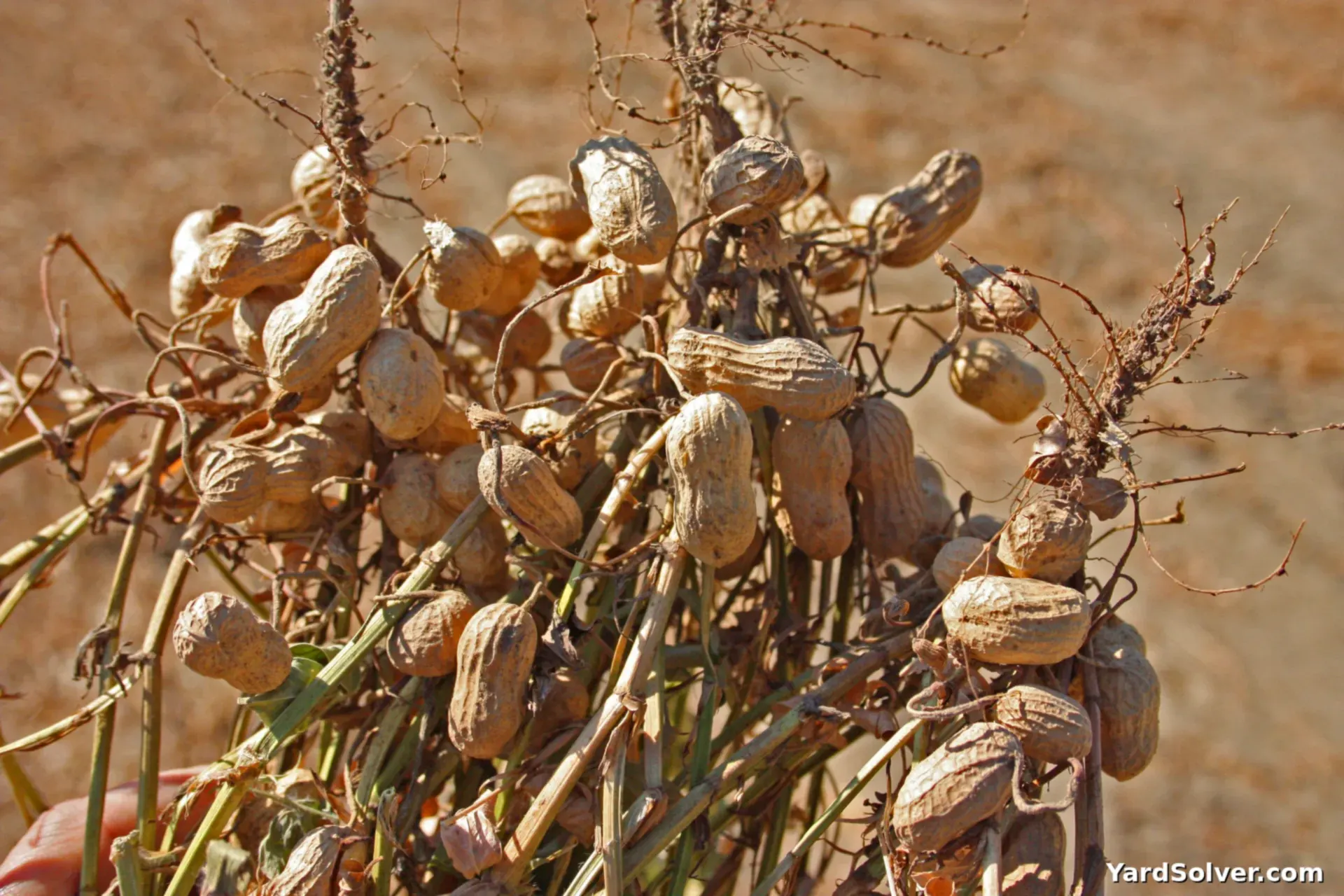
When leaves yellow, fork up the whole plant, shake off the soil and hang it to cure for two to three weeks before shelling. The harvest keeps for months once properly dried. Leaf spot — brown spots on leaves in wet weather; give plants air and avoid wetting the leaves.
Keep going
The at-a-glance version, with light and water needs: Peanuts — Plant Library.
Plan the bed: Garden Planner · Planting Calendar · Companion Planting Chart · Plant Spacing Calculator
Questions people ask
When do I plant peanuts?
Direct sow 1–2 weeks after last frost, once the soil is at least 65 °F. In short summers, start indoors 4 weeks before last frost.
How far apart do I space peanuts?
Space plants 6–8 in apart in rows 24–36 in apart, with seed sown 1–2 in deep. Sun: full sun.
When are peanuts ready to harvest?
110–140 days after sowing, when the leaves yellow. Loosen the whole plant with a fork and hang it to dry and cure.
Peanuts fruit underground — the flower pollinates in the air, then plants its own pod in the soil
The peanut performs the strangest trick in the vegetable garden: its yellow flower is pollinated above ground, then the flower stalk — the peg — elongates, bends down and pushes its tip into the soil, where the pod swells underground. Everything in its cultivation follows from that trick. The soil around the plant must be loose and light enough for pegs to penetrate — heavy clay defeats them — and the plant needs a long, hot, frost-free season, because a tropical legume rushed or chilled simply waits, and waiting is not growing.
Sow in pots indoors where summers are short, plant out only into warm soil, and earth up nothing — the pegs do their own work if the surface stays loose and weed-free. Harvest is detective work: when the foliage yellows late in the season, fork up one plant to check the pods' inner colour, then lift the whole crop before frost, dry the plants with pods attached under cover for a fortnight, and only then pick and store. The flavour of a home-grown roasted peanut explains why gardeners in marginal climates keep attempting a crop that belongs further south.
Sources
Key facts on this page cross-checked against Peanut — Wikipedia — background on peanuts, the pegging habit and their cultivation and Geocarpy — Wikipedia — background on geocarpy — fruiting underground.
Related page
Read next: How to Grow Lentils: A Beginner's Step-by-Step Guide.
Comments & ratings
No comments yet.
Be the first to share your experience.