
Guides · Rice · Published November 11, 2026 · By Faizan Ahmad
How to Grow Rice: The Complete Beginner's Guide
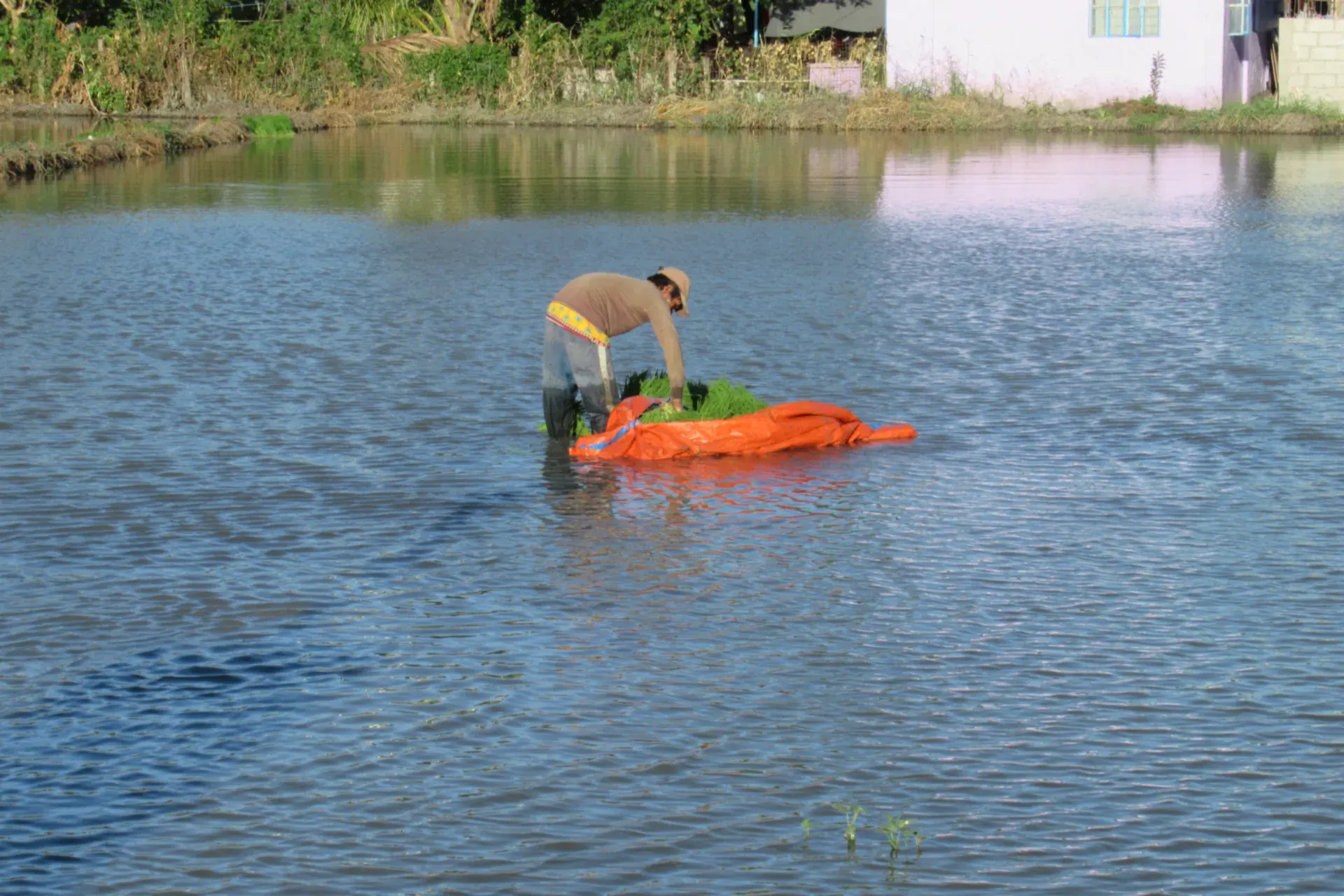
Rice at home is an experiment, not a staple harvest — and that is exactly the point. Short-season upland varieties, grown in buckets or a wet bed, can give you a small bowl of your own rice in 120–180 days. Start indoors 6–8 weeks before last frost, transplant after frost into wet soil, and keep it warm and wet all summer. This guide is the whole routine on one page, in order. For the one-screen version — light, water and care at a glance — see the Rice plant page; this is the deep guide it points to. Your personal dates for every step are in the Planting Calendar.
The rice season at a glance
- When: Start indoors 6–8 weeks before last frost; transplant after last frost into standing water or wet mud. In warm zones (10–12) you can direct sow.
- Soil: Heavy clay or loamy soil that holds water — rice loves wet ground. In buckets, use rich potting mix with no drainage holes.
- Sowing: Soak seed in non-chlorinated water for 24–36 hours first, then sow 1/2 in deep. Space plants 6–10 in apart.
- Water & feed: Plenty — keep soil wet; paddy types need standing water — Feed with a balanced fertilizer once plants are growing strongly — rice is hungry in wet soil.
- Harvest: 120–180 days
Step 1 — Start indoors, early
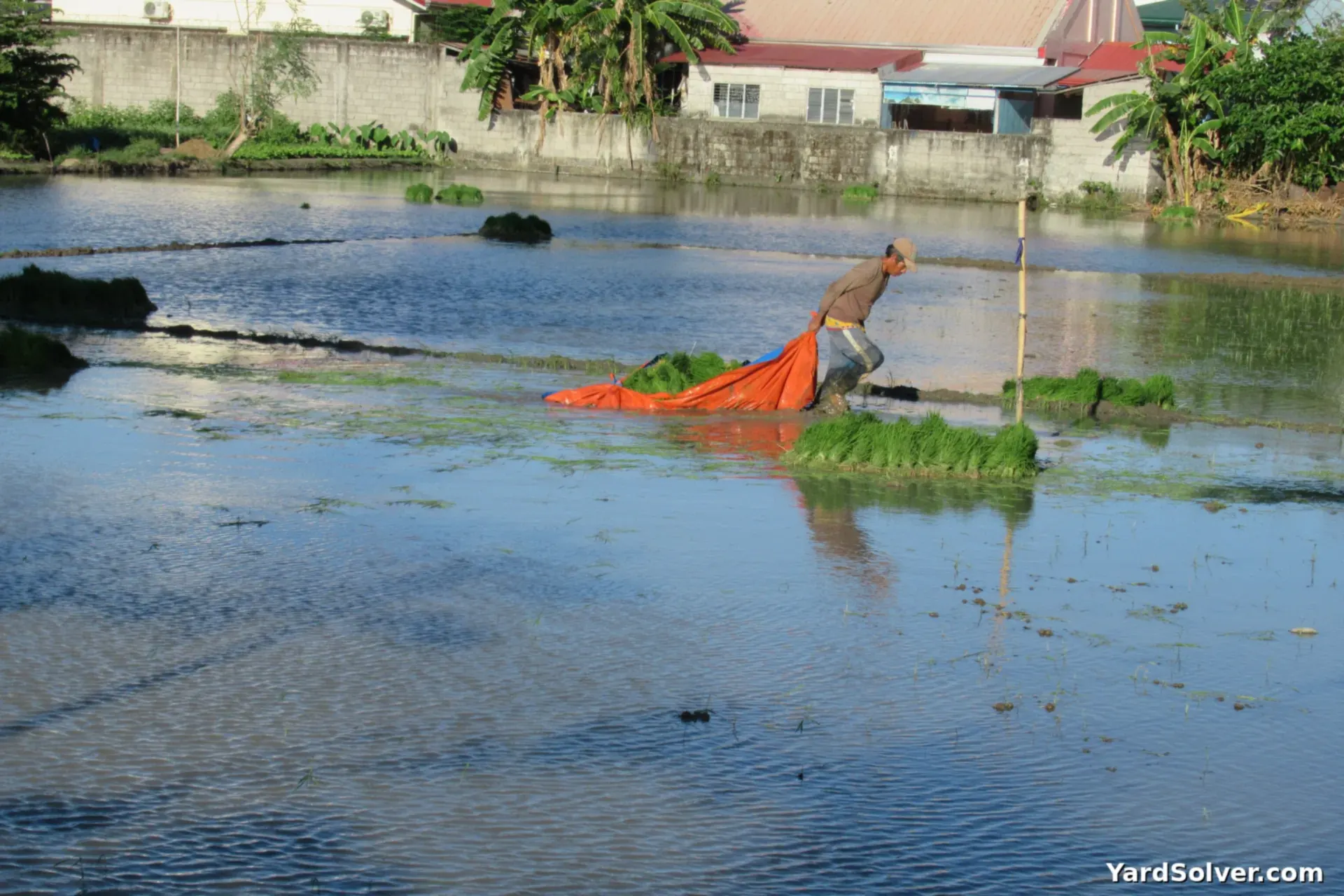
In cool climates, start rice indoors 6–8 weeks before your last frost. In warm zones you can direct sow. Start indoors 6–8 weeks before last frost; transplant after last frost into standing water or wet mud. In warm zones (10–12) you can direct sow.
Step 2 — Soak the seed first
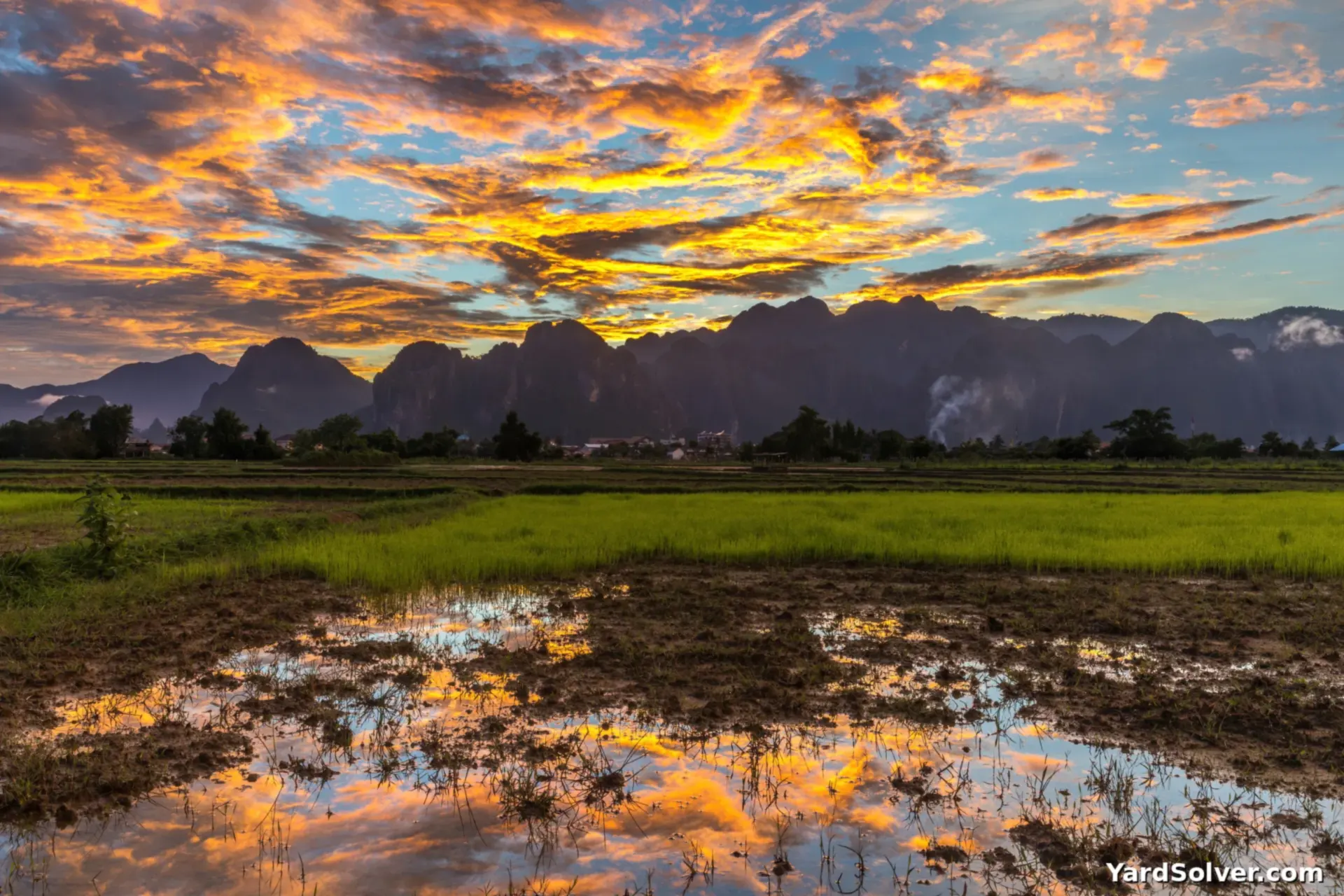
Soak seed in non-chlorinated water for 24–36 hours, then sow 1/2 in deep. This wakes the seed up. Heavy clay or loamy soil that holds water — rice loves wet ground. In buckets, use rich potting mix with no drainage holes.
Step 3 — Wet ground or buckets
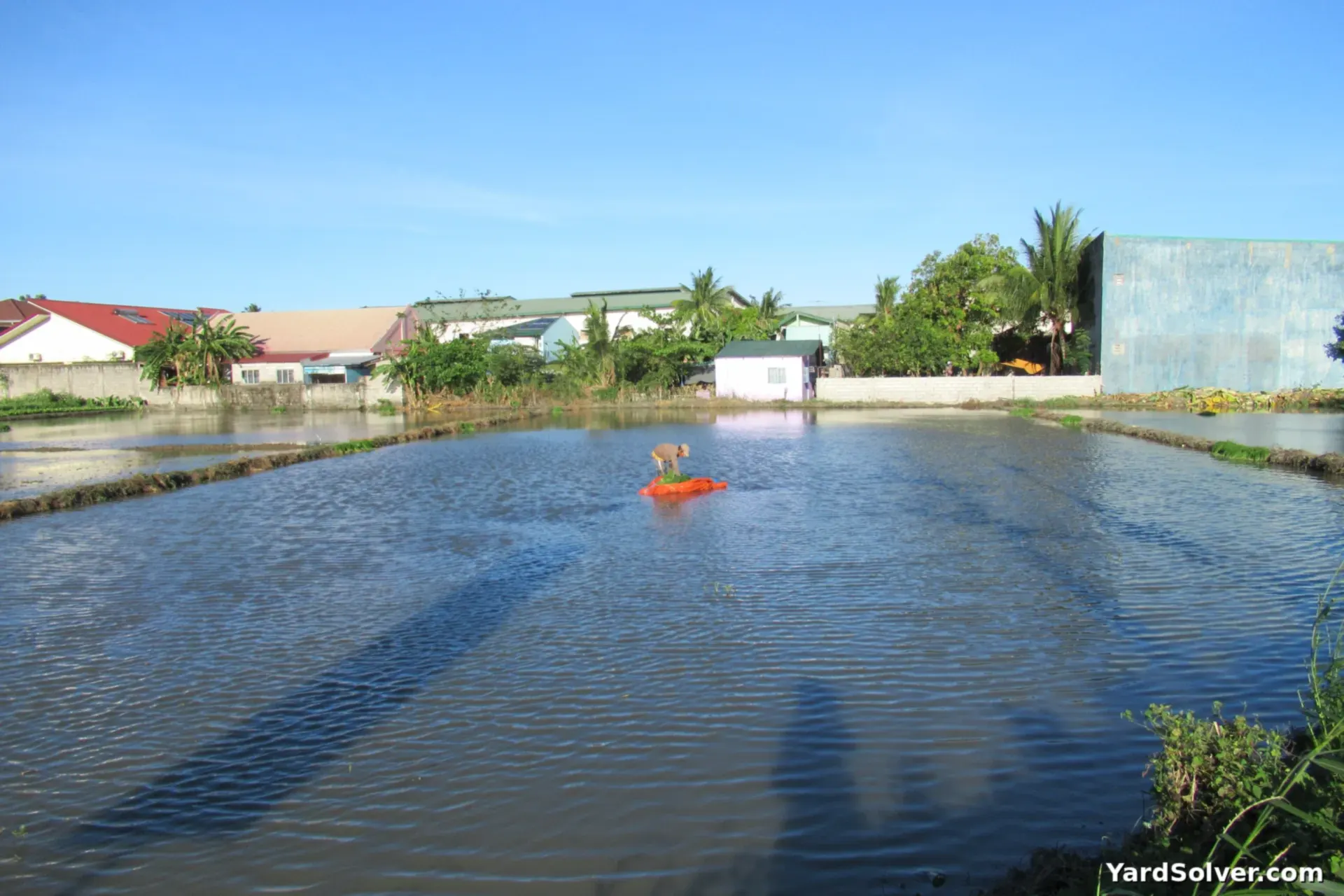
Rice loves wet ground. In buckets, use rich potting mix with no drainage holes; in a bed, use heavy clay or loam that holds water. Soak seed in non-chlorinated water for 24–36 hours first, then sow 1/2 in deep. Space plants 6–10 in apart.
Step 4 — Keep it warm and wet
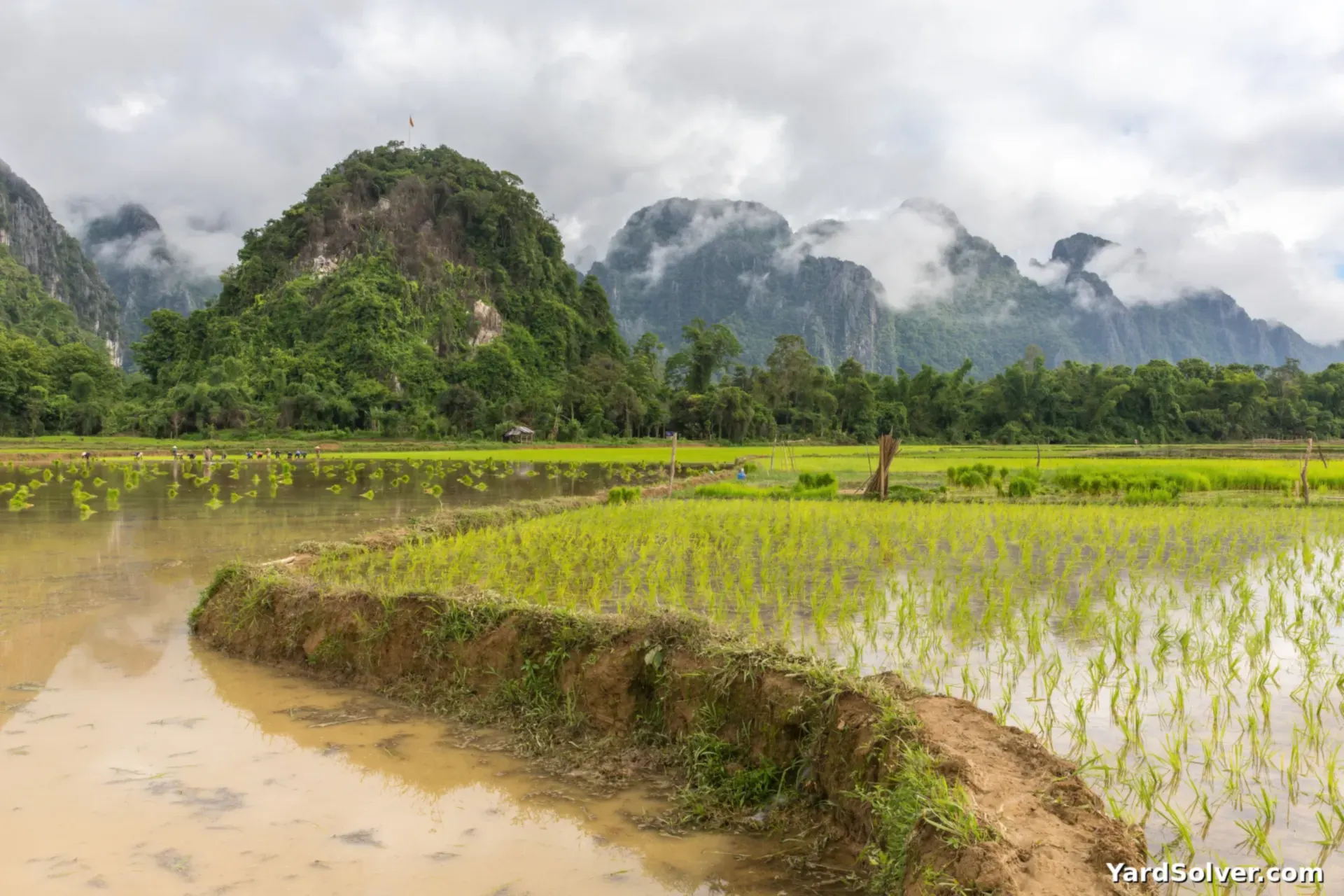
Rice needs warmth all season and wet soil throughout. A cold snap stalls it — and weeds will out-compete it, so keep the patch clean. Feed with a balanced fertilizer once plants are growing strongly — rice is hungry in wet soil.
Step 5 — Harvest and thresh by hand
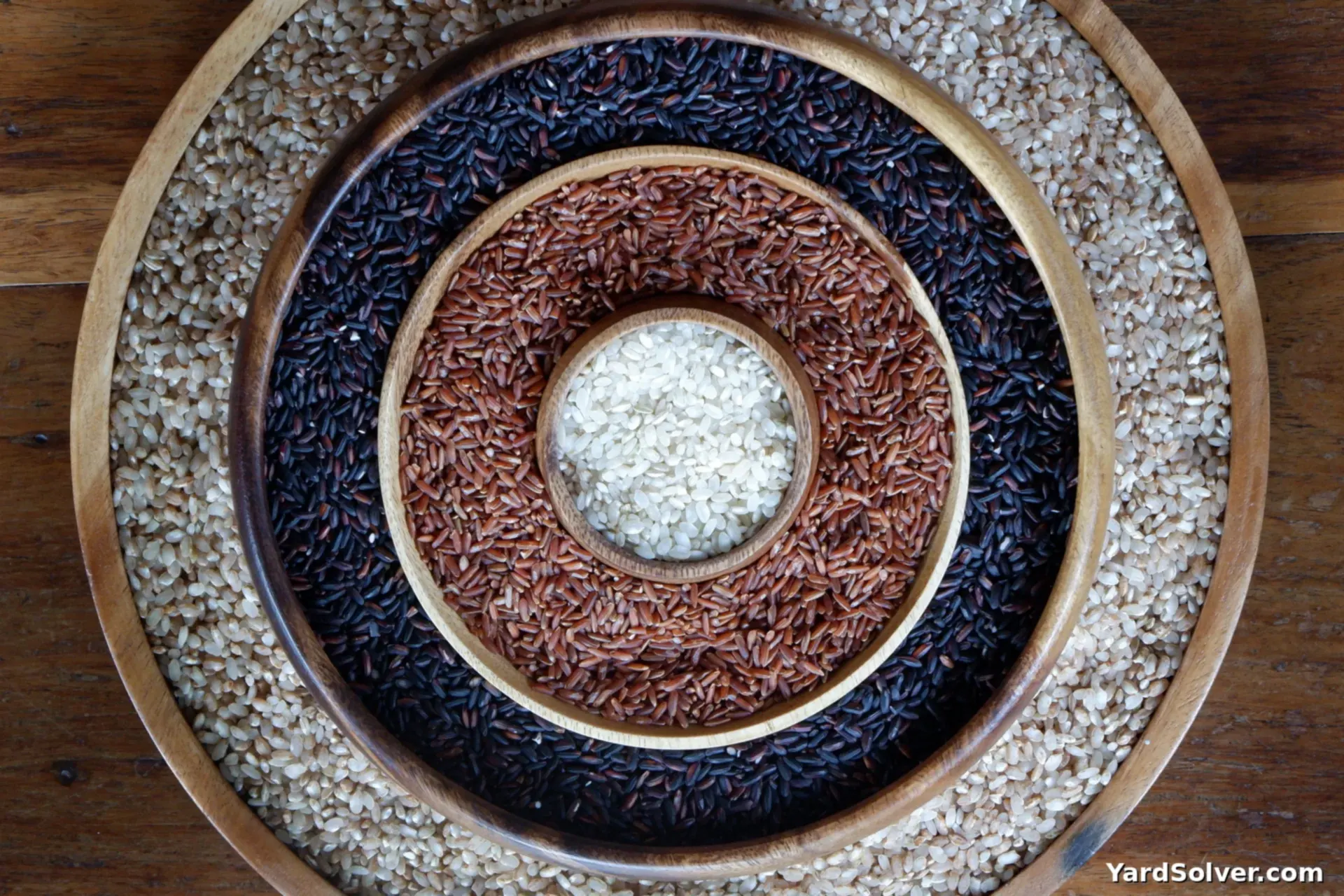
Cut stalks when grains are golden and dry, then thresh and hull by hand. Expect a bowl or two from a bucket — an experiment, and a lovely one. Cold — rice needs warmth all season; a cold snap stalls it badly.
Keep going
The at-a-glance version, with light and water needs: Rice — Plant Library.
Plan the bed: Garden Planner · Planting Calendar · Companion Planting Chart · Plant Spacing Calculator
Questions people ask
When do I plant rice?
Start indoors 6–8 weeks before last frost; transplant after last frost into wet soil. In warm zones you can direct sow.
How far apart do I space rice?
Space plants 6–10 in apart, with seed sown 1/2 in deep after a 24–36 hour soak. Sun: full sun.
When is rice ready to harvest?
120–180 days, depending on variety. Cut the stalks when the grains are golden and dry, then thresh and hull by hand.
Rice at home is a water-management crop — a flooded pot or bed, not a flooded garden
Rice is a grass that evolved in wetlands, and its famous paddies exist for weed control and steady water, not because the plant drowns without flooding — it grows perfectly well in consistently moist soil, which is the version a home gardener can actually run. A large pot, half-barrel or lined bed with no drainage escape lets you hold the few inches of standing water that suppress weeds and suit the plant, without turning a whole garden into a marsh.
The season is the constraint: rice needs a long, hot summer, started indoors early in cold climates, and it is harvested when the grains have filled and the heads droop and tan. Drain the water a fortnight before harvest so the plants ripen dry, cut the heads, thresh and winnow small quantities by hand, and accept the honest yield of a home planting — a few meals and a complete understanding of where the world's most important food actually comes from. Hulls must be removed before cooking, the step that humbles every first-time grower.
Sources
Key facts on this page cross-checked against Rice — Wikipedia — background on rice and its cultivation and Paddy field — Wikipedia — background on paddy fields and why rice is grown in standing water.
Related page
Read next: How to Grow Oats: A Beginner's Step-by-Step Guide.
Comments & ratings
No comments yet.
Be the first to share your experience.