
Guides · Plant problems · Published November 22, 2026 · By Faizan Ahmad
Hydrogen Peroxide for Plants: Fact Check — One Real Use, Two That Can Damage Roots
Hydrogen peroxide has exactly one plant use that extension services stand behind — a diluted soil drench (1 part 3% peroxide to 4 parts water, per Cornell Cooperative Extension) that kills fungus gnat larvae on contact — and two popular uses the evidence warns against: in a controlled Kansas State University trial, peroxide root dips damaged orchid roots at every strength tested, and no amount of peroxide cures root rot, because rotted roots are dead tissue and the cause is waterlogged soil. This guide checks each claim — root rescue, gnat control, seed soaking, “oxygen for roots,” leaf sprays — and keeps only what the research supports. Everything here assumes the ordinary 3% drugstore bottle; concentrated “food grade” peroxide is a hazardous chemical, not a plant remedy, and has no place in this guide.
On this page
The verdicts, in one card
- “Peroxide cures root rot”: myth — dead roots cannot be revived; the fix is trimming, fresh mix and less water
- “Root dips are a safe tonic”: contradicted by the one controlled trial — 3% caused minor damage, 6% and 12% damaged roots permanently
- “A drench kills fungus gnat larvae”: true, on contact — Cornell's 1:4 mix is the extension-backed recipe, with no lasting effect
- “It feeds oxygen to roots”: overstated — any oxygen release is brief, and healthy plants gain nothing
- The common thread: peroxide is a contact disinfectant with a narrow job, not a tonic
Claim 1 — “A peroxide soak rescues roots and cures root rot”
Root rot is caused by water moulds and fungi — Pythium, Phytophthora and their relatives — thriving in saturated soil. The tissue they kill is dead, and no drench revives dead tissue; University of Wisconsin guidance on houseplant root rot does not list peroxide at all, advising instead that badly affected plants are often best discarded and kept plants need drier soil. The one controlled test of peroxide on roots points the same way. Kansas State University researchers (Goossen & Williams, published in HortTechnology, 2021) dipped healthy phalaenopsis orchid roots once, for three minutes, in 0%, 3%, 6% or 12% peroxide and followed the plants for 27 days. At 6% and 12% the root damage was permanent and foliage wilted by week four. At 3% — full drugstore strength — damage was minor but real, root health still declined, and the dip did not even kill the algae in the root zone. The authors' conclusion: consumers should be wary of using peroxide to improve root health and should change care and watering practices instead.
Orchid roots are unusual, wrapped in a spongy layer called velamen, so the trial does not map perfectly onto every houseplant — the researchers' caution, fairly read, is about direction, not exact dosage. The direction is unambiguous: peroxide on roots ranges from mildly harmful to destructive, and the promised benefit did not appear even at the gentlest strength. If a plant is rotting, the working rescue is mechanical: unpot, cut away every soft brown root with clean scissors, repot into fresh, free-draining mix, and water less. Our houseplant guides cover the watering habits that prevent a repeat.
Claim 2 — “A peroxide drench kills fungus gnats”
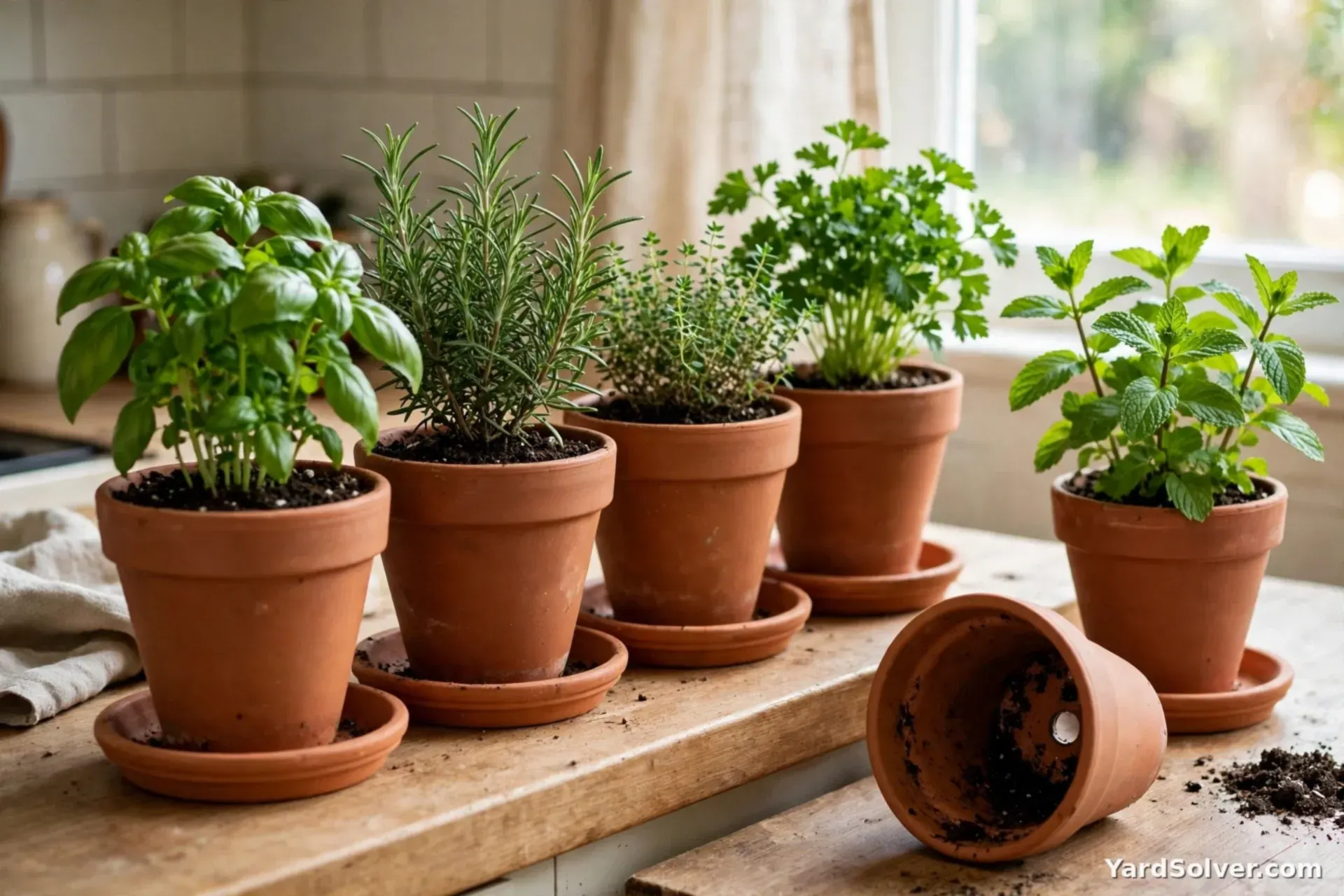
This is the claim that survives — with honest limits. Cornell Cooperative Extension's Allegany County office gives the recipe plainly: mix one part 3% hydrogen peroxide with four parts water and pour it over the soil; it fizzes as it attacks the larvae. Peroxide is a strong oxidiser, and soft-bodied larvae in the top layer of mix are genuinely killed on contact. But three limits come with the recipe. First, contact is all there is: peroxide breaks down into water and oxygen within minutes, so it has no residual effect and does nothing to eggs or to the next generation — which is why extension puts drying the soil first, since gnats need a constantly moist surface to breed. Second, the evidence base is thin: University of Florida IFAS Extension, reviewing the topic, found only one published study on hydrogen peroxide in soil and notes its wider effects on soil life are unknown. Third, tender growth is at risk — extension advisors caution against using the drench on seedlings, whose tissue is the most easily damaged. Cornell's own ordering is the right one: dry the top inch or two of mix between waterings, use sticky cards for the adults, consider Bti (the biological larvicide sold for mosquito control) — and use the peroxide drench as a supporting strike, not the whole strategy.
Claim 3 — “It oxygenates soil and boosts growth”
The chemistry is real and the conclusion does not follow. Peroxide does release oxygen as it breaks down — that is the fizz — but in soil it is consumed within minutes by organic matter and microbes, long before it can function as an oxygen supply for roots, and it provides no nutrients whatsoever. A healthy, well-watered plant in free-draining mix is not short of oxygen, and no extension source recommends peroxide as a growth treatment or a routine watering additive. The same non-selective oxidising that kills gnat larvae also acts on beneficial microbes and fine root hairs, which is why “a little, often, just in case” is the worst pattern of all: repeated small harms in exchange for no demonstrated benefit. Where the underlying problem is genuinely suffocating soil, the fix is the soil — drainage holes, a grittier mix, a watering routine — the same lesson as the root-rot claim, one level up.
What actually works — the gnat drench, and disinfecting pots and tools
Kept in its lane, peroxide is a useful bottle to own. The fungus gnat drench above — 1 part 3% peroxide to 4 parts water, poured through the mix once the surface has dried, then left to dry again — is a legitimate, extension-published tactic inside a dry-first programme. And as a disinfectant for the inanimate side of gardening it is on firm ground: peroxide-based products are used commercially to disinfect trays, benches and hydroponic equipment, and Colorado State University Extension lists peroxide products among the options for disinfecting hydroponic gear, following label directions. Scrub soil and debris off first — organic matter uses the peroxide up before it can disinfect.
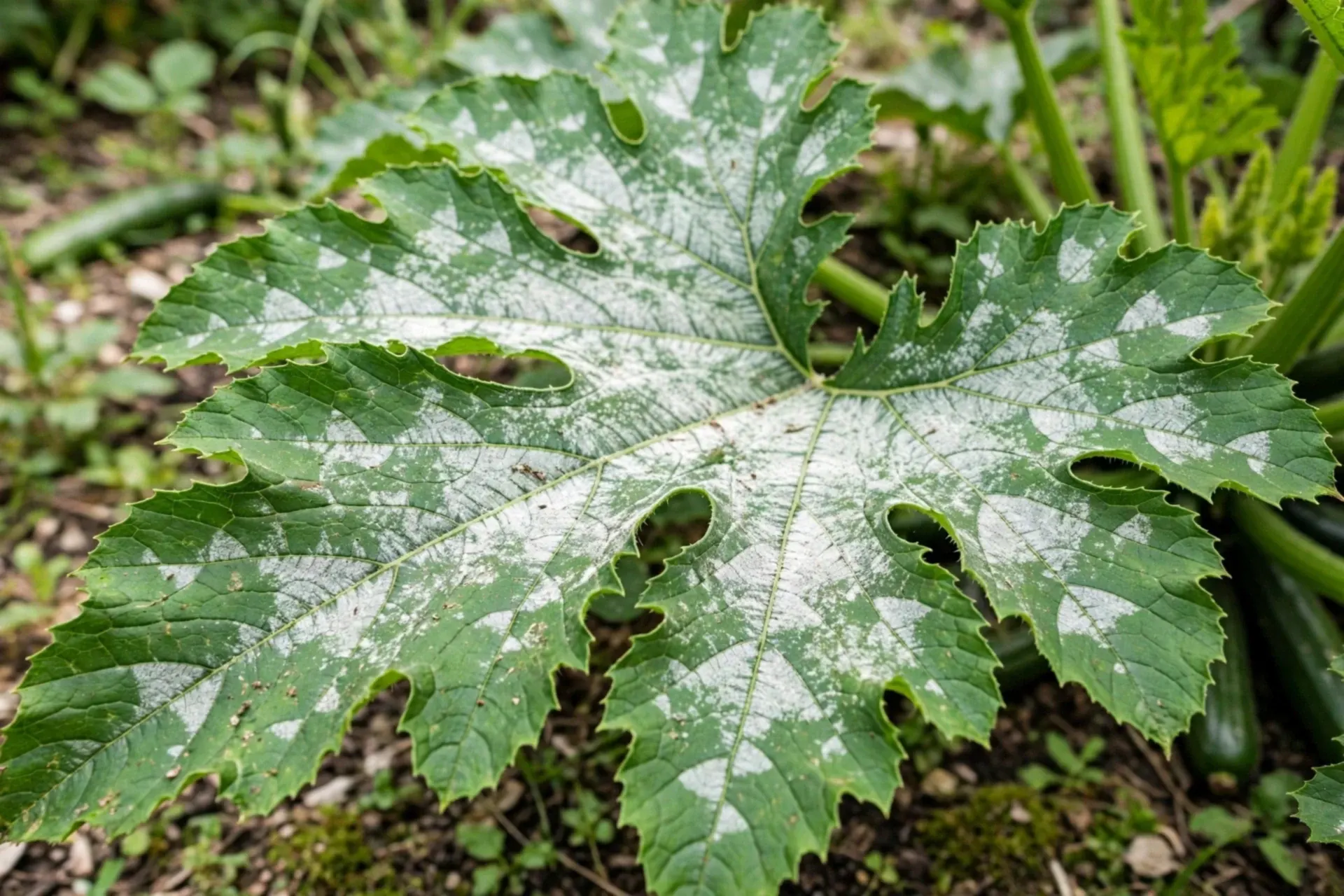
What it is not: a leaf spray (it can scorch foliage, and for diseases like powdery mildew the extension-backed programme is airflow, sanitation and targeted sprays — see How to Get Rid of Powdery Mildew), a fertilizer, or a tonic. It joins the other bottles in our Garden Remedies Fact-Check as a narrow tool with an inflated reputation — genuinely useful for one or two jobs, and quietly harmful when promoted to a cure-all.
Questions people ask
Can hydrogen peroxide cure root rot?
No. Rotted roots are dead tissue; peroxide cannot revive them, and the cause — waterlogged soil — is unchanged by a drench. Unpot the plant, trim away soft brown roots, repot in fresh free-draining mix and water less. University of Wisconsin guidance on houseplant root rot does not recommend peroxide.
What is the right peroxide mix for fungus gnats?
Cornell Cooperative Extension: 1 part 3% hydrogen peroxide to 4 parts water, poured over the soil. It kills larvae on contact but has no lasting effect, so let the top of the mix dry between waterings and use sticky cards or Bti alongside it.
Is it safe to dip roots in peroxide before repotting?
The one controlled trial says be careful: Kansas State University researchers found a single 3-minute dip at 6% or 12% damaged orchid roots permanently, and even 3% caused minor damage without clearing algae. The authors advise changing care and watering practices instead.
Can I water plants with peroxide regularly to oxygenate the soil?
There is no extension support for it. Peroxide breaks down within minutes in soil, provides no nutrients, and its oxidising action also affects beneficial microbes and root hairs. Fix suffocating soil with drainage and mix, not drenches.
Which peroxide strength is safe to use around plants?
Only the ordinary 3% drugstore product, and only diluted as directed. Concentrated 'food grade' peroxide (often 35%) is corrosive and dangerous to handle — never use it on plants or skin.
Sources
Key claims cross-checked against Cornell Cooperative Extension, Allegany County — “A Spooky Houseplant Pest: Fungus Gnats” (the 1:4 peroxide drench recipe, drying the soil first, Bti) · Goossen & Williams (2021), “Characterizing the Phytotoxic Effects of Hydrogen Peroxide Root Dips on Hybrid Phalaenopsis Orchid Plants,” HortTechnology 31(6), Kansas State University (root damage at 6% and 12%, minor damage and no algae control at 3%). The thin state of the soil evidence is per University of Florida IFAS Extension's review of peroxide in soil.
Related page
Read next: Garden Remedies Fact-Check: Epsom Salt, Soda & Vinegar
Comments & ratings
No comments yet.
Be the first to share your experience.