
Guides · Planting & seasons · Published November 22, 2026 · By Faizan Ahmad
Seed Starting Dates Explained: Count Weeks From Your Last Frost
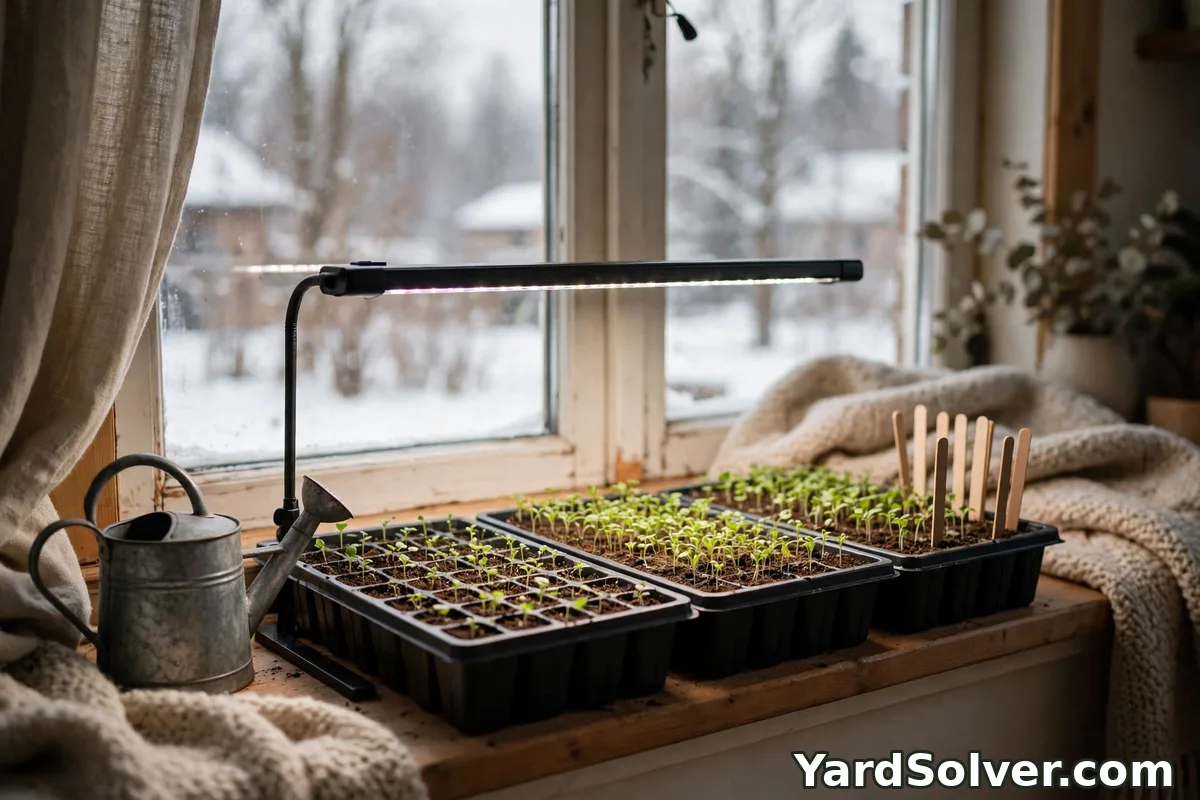
Seed starting dates are counted in weeks from your average last spring frost: tomatoes sow indoors about 7 weeks before it and transplant about 2 weeks after, while peas skip the trays and direct-sow about 4 weeks before it. That counting method — used by extension services and printed, in disguise, on every seed packet — is what our Seed Starting Calculator runs for the whole plant library. This guide explains the method, the safer date for tender crops, and works a full spring bench from one frost date.
The short answer, on one card
- The anchor: your average last spring frost date — everything counts from it
- Tomatoes: sow indoors 7 weeks before frost, transplant 2 weeks after
- Peppers: sow indoors 10 weeks before — the slowest common start
- Peas & hardy crops: direct-sow weeks before the frost date, on purpose
- The safer date: tender transplants +2 weeks, because the average frost is a coin flip
Step 1 — Find the anchor date honestly
Your average last spring frost is the last morning, in a typical year, cold enough to kill tender growth. Almanac and weather-service tables publish it by city from decades of records — NOAA normals in the US, Environment Canada station means in Canada. If you do not know yours, the Last Frost Date Calculator reads the typical date for your zone from this site’s own frost tables.
Treat the zone figure as a starting point, not gospel. Frost dates inside one zone vary by weeks between a valley floor and a city rooftop. The date you write in a garden journal after three springs on your own ground beats any table — which is why the calculator takes your date, not just a zone.
Step 2 — One frost date, a whole bench of crops
Take a last frost of April 14 and run the library’s week offsets across a typical bench. Notice the shape: the indoor season opens in February with peppers, the direct-sown hardy crops go in while frost is still expected, and the tender transplants close the sequence in May.
| Crop | Sow indoors | Transplant out | Direct sow |
|---|---|---|---|
| Peppers | February 3 (10 wks before) | May 5 (3 wks after) | — |
| Tomatoes | February 24 (7 wks before) | April 28 (2 wks after) | — |
| Cucumbers | March 24 (3 wks before) | — | April 21 (1 wk after) |
| Beans | — | — | April 28 (2 wks after) |
| Peas | — | — | March 17 (4 wks before) |
| Lettuce | March 17 (4 wks before) | — | March 31 (2 wks before) |
The pattern generalises: slow, heat-loving crops start earliest indoors; hardy crops are sown into cold soil deliberately; and nothing tender goes outside until the frost date has passed — or the safer date, next step, has.
Step 3 — The safer date, and who needs it
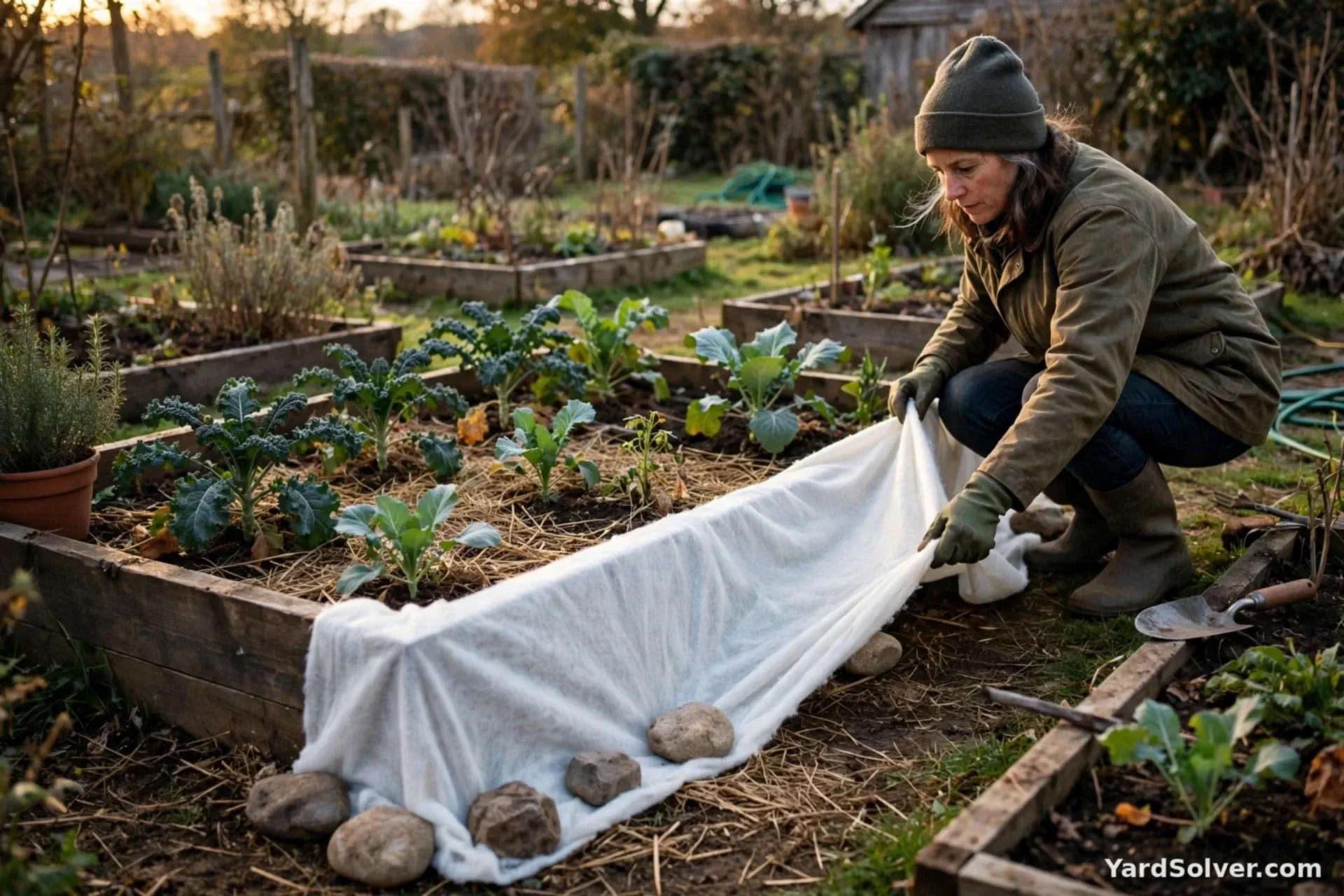
An average is a middle, not a wall: in about half of all years, a frost still arrives after the average last frost date. For a pea, that is a shrug. For a tomato planted out at two weeks after the average, one cold night in the unlucky half of years ends the plant. So the calculator adds a safer transplant date, two weeks later, for every tender crop — the same convention the site’s Planting Calendar uses.
Use it with judgement rather than fear. A settled warm forecast, plants hardened off, and fleece within reach can justify the earlier date; a cold spring, expensive plants or no covers argue for the safer one. What the safer date forbids is pretending the risk is zero. Gardeners lose more tomatoes to one optimistic night than to any pest.
Step 4 — Why some crops refuse the trays
The calculator shows no sow-indoors date for carrots, beans or corn, and that absence is the information. Carrot roots fork when transplanted; beans grow so fast indoors that they tangle and sulk; corn checks hard when its roots are disturbed. These crops are direct-sown by design, and inventing indoor dates for them would be false precision of exactly the kind this site refuses elsewhere.
The reverse also holds: peppers and tomatoes direct-sown outdoors in a short season would fruit in the frost. Each crop’s row in the table is the accumulated verdict of a great deal of trial — the calculator’s job is simply to put your dates on it.
Questions people ask
How many weeks before last frost do I start tomatoes?
About 6–8 weeks — the library uses 7. Earlier starts under strong light are possible, but oversized, pot-bound transplants usually perform worse than younger ones set out on time.
Why do peppers start earlier than tomatoes?
Peppers germinate slowly and grow slowly as seedlings; they need roughly 10 weeks indoors to reach a sturdy transplant size, against the tomato’s 7.
What if I miss a sow-indoors date by two weeks?
Sow anyway and choose the consequences honestly: fruiting crops will crop later and lighter; leafy crops barely notice. A late sowing of a fast crop beats an on-time sowing of a slow one when the calendar has slipped.
Can I use my zone instead of a frost date?
As a start, yes — zone tables give typical frost dates. But zones were drawn to describe winter survival, not spring timing, so a known local date always wins.
Do these dates work in the southern hemisphere?
The counting method does; the calendar flips. The site’s frost tables carry Australian bands with their own spring dates (September–October), and the offsets apply from those dates unchanged.
Sources
Key facts on this page cross-checked against Hardiness zone — Wikipedia — background on zones and what they do and do not tell you Frost — Wikipedia — background on frost formation and plant damage.
Related page
Read next: What Can Be Planted Before Last Frost? The Hardy List
Comments & ratings
No comments yet.
Be the first to share your experience.