
Guides · Growing Wisdom · Planting Dates · Published November 22, 2026 · By Faizan Ahmad
What Can Be Planted Before Last Frost
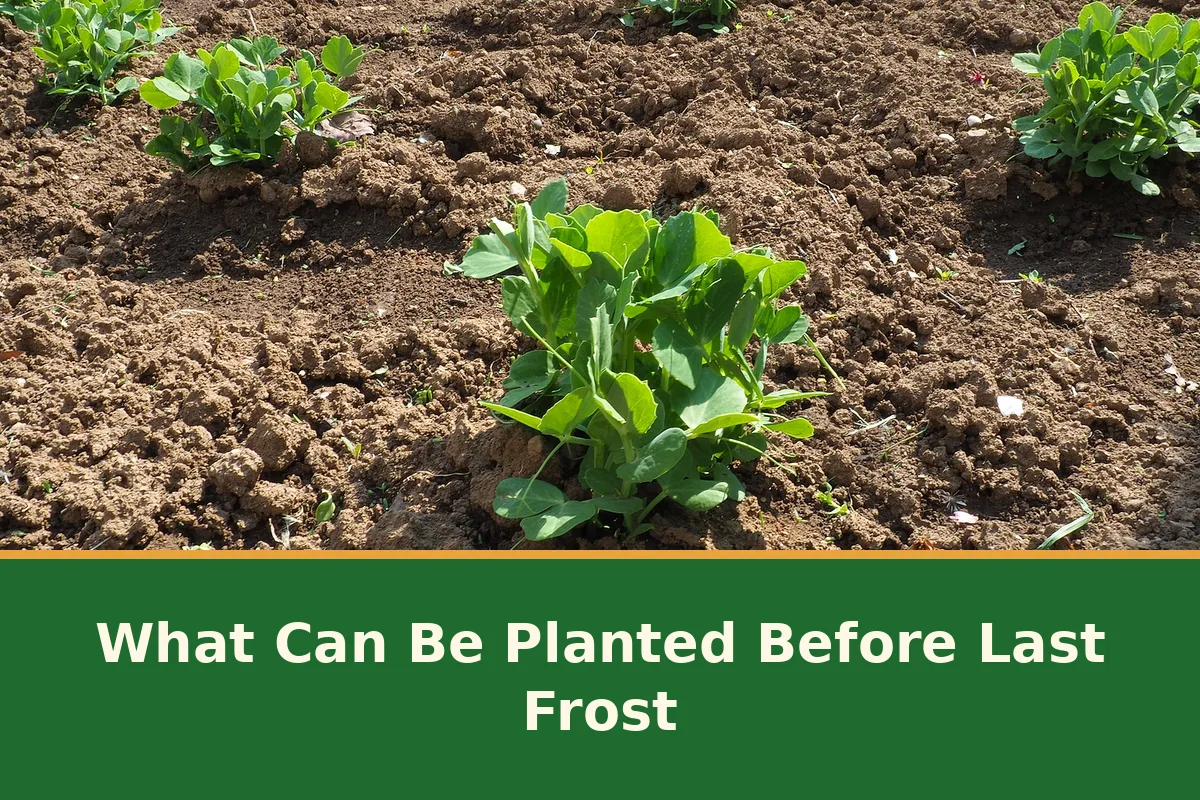
A surprising amount of the vegetable garden can be planted before your last frost — peas, spinach, lettuce, radish, carrots, onions and the cabbage family go out four to six weeks ahead of it, as soon as the soil can be worked, and beets, chard and potatoes follow two to four weeks ahead. Only the tender crops — tomatoes, peppers, cucumbers, squash, beans and melons — truly wait for the frost date. This guide gives the waves by weeks, the soil-temperature rule that outranks the calendar, and the cheap insurance that makes early planting a method instead of a gamble.
Planting before last frost at a glance
- The earliest group — 4–6 weeks before last frost: peas, spinach, lettuce, radish, carrots, onions, leeks, cabbage, broccoli, turnip and parsley, as soon as the soil can be worked (Dalhousie University's grouping).
- The middle group — 2–4 weeks before: beets, Swiss chard, cauliflower, parsnips and potatoes.
- Wait for the frost date itself: tomatoes, corn, cucumber, squash, eggplant and celery — and give peppers and melons 1–2 weeks beyond it.
- The soil test that outranks the calendar: cool-season crops can be seeded when the soil reaches about 5°C (41°F) — the University of Saskatchewan's rule.
- The risk maths: an average last frost is a 50/50 date. Hardy crops risk pennies' worth of seed; tender transplants risk the plant. Plant accordingly.
Step 1 — Understand what your last frost date actually is
The average last frost date is not a safety guarantee — it is the middle of the distribution: in roughly half of years, the last frost comes after it. That single fact explains the entire strategy of this guide. For a packet of pea seed, a 50% frost risk is a fine bet, because peas shrug off frost anyway. For a tomato transplant you raised for eight weeks, the same odds are reckless. So gardeners split crops by hardiness and plant in waves against the same anchor date — find yours in the Canada Vegetable Planting Calendar or the Planting Calendar tool. Two refinements worth knowing: Dalhousie University's widely used grouping counts from the last killing frost (−2°C), which falls earlier than the 0°C date most calendars print — one reason its "before frost" windows look bold — and the University of Saskatchewan advises Prairie gardeners to spread planting through May rather than betting everything on the traditional long-weekend planting day.
Step 2 — Plant the hardy group 4–6 weeks early
These crops are built for cold soil and frosty nights; many actually grow better in cool spring weather than in June heat. Dalhousie University's Agriculture Extended Learning program puts them outdoors four to six weeks before the last frost: broccoli, Brussels sprouts, cabbage, carrots, leeks, lettuce, onions, parsley, peas, radish, rutabaga, turnip and spinach. The gate is not the calendar but the soil: "as soon as the soil can be worked" means it has thawed, drained enough to crumble rather than smear, and — by the University of Saskatchewan's rule — reached about 5°C, at which cool-season seed will germinate, slowly but surely. Practical notes per crop: peas are the flagship (they want cold soil and sulk if sown late into warmth); spinach can be sown earliest of all and even survives a hard freeze; brassicas go out as hardened transplants or direct seed; onion sets and seedlings go in now; carrots will germinate slowly in cold soil, so keep their row damp and be patient. Toronto Master Gardeners' windows tell the same story in dates: frost-hardy lettuce, peas, radish and spinach from mid-to-late April in that city, weeks ahead of its last frost.
| When | Plant these | Form |
|---|---|---|
| 4–6 weeks before last frost | Peas, spinach, lettuce, radish, carrots, onions, leeks, parsley, turnip, rutabaga | Direct sow / sets |
| 4–6 weeks before last frost | Cabbage, broccoli, Brussels sprouts, kale | Hardened transplants or direct sow |
| 2–4 weeks before last frost | Beets, Swiss chard, cauliflower, parsnips, potatoes | Direct sow / seed potatoes |
| At the last frost date | Sweet corn, cucumber, squash, pumpkin, eggplant, celery, tomatoes* | Sow / transplant |
| 1–2 weeks after last frost | Peppers, melons, beans, basil | Transplant / sow into warm soil |
*Tomatoes sit "at the date" in Dalhousie's table because it counts from the earlier killing-frost date; against a standard 0°C last-frost date, treat tomatoes like the after-frost group unless you have covers ready. Beans follow soil warmth (about 16°C / 60°F) more than frost dates — cold wet soil rots the seed.
Step 3 — Plant the semi-hardy group 2–4 weeks early
The second wave tolerates light frost once up, but germinates or establishes better a touch later: beets, Swiss chard, cauliflower, parsnips and potatoes in Dalhousie's grouping. Beets and chard seed clusters germinate in cool soil and the seedlings take a few degrees of frost; parsnips are sown now because they need a long season and germinate painfully slowly (keep the row marked and moist); potatoes go in as seed pieces — the sprouts can be nipped by a late frost and will regrow from below ground, which is why potatoes forgive an early start that would kill a tomato. Cauliflower is the fussy one of the group: it goes out as a transplant and wants steady cool growth — a hard freeze on a young plant can button it into tiny heads, so keep fleece handy for the coldest nights.
Step 4 — Hold the tender crops, whatever the weather is doing
Every spring has a false dawn — a warm week that begs you to plant the tomatoes. The tender group's biology does not negotiate: tomato, pepper, cucumber, squash, melon, bean and basil plants are damaged or killed at temperatures their hardy neighbours laugh at, and even unfrozen cold (nights under 10°C) checks tomatoes and peppers into a sulk that costs more time than waiting did. Dalhousie puts tomato, cucumber, eggplant, squash and sweet corn on the (killing-frost) date and peppers and melons one to two weeks after — translated to a standard calendar: tender transplants go out after your last frost date with a clear 10-day forecast, and the heat-lovers go last, into genuinely warm soil. The indoor side of this patience is scheduled in When to Start Seeds Indoors in Canada — start them so they are ready at the right date, not straining at the window in April.
Step 5 — Insure the early plantings for pennies
Early planting is a bet, so hedge it cheaply. Row cover (fleece) laid over the hardy rows buys 2–3°C on a frost night and warms the soil by day — it turns a borderline week into a safe one, as the short-season guide details. Sow in succession: half the peas now, half in two weeks — if a freak freeze or a rot-cold snap takes the first sowing, the second is already coming (the method is the whole subject of the Succession Planting Guide). Keep seed in reserve: never sow the whole packet of anything in the first wave. And watch soil, not air: a $10 soil thermometer settles more planting arguments than any calendar — 5°C for the hardy group, 10°C+ for corn, 16°C for beans and cucumbers. Gardeners who plant by these numbers start in March or April in much of Canada and are eating peas while the long-weekend planters are still shopping.
Keep going
Get your dates: Canada Vegetable Planting Calendar 2027 · Planting Calendar · When to start seeds indoors in Canada
Read next: Best vegetables for short growing seasons in Canada · Succession planting guide · Cold frames in winter
Questions people ask
What vegetables can be planted before the last frost?
The hardy group, four to six weeks before: peas, spinach, lettuce, radish, carrots, onions, leeks, parsley, turnips and the cabbage family. Two to four weeks before: beets, Swiss chard, cauliflower, parsnips and potatoes. Tender crops — tomatoes, peppers, cucumbers, squash, beans, melons — wait until the frost date or after.
How early can I plant peas?
As soon as the soil can be worked, typically four to six weeks before your last frost. Peas germinate in soil as cool as about 5–10°C, the plants tolerate hard frost, and they actually dislike being sown late into warm soil — peas are the crop early planting was invented for.
What does "as soon as the soil can be worked" mean?
The soil has thawed and drained enough that a squeezed handful crumbles instead of forming a wet, sticky ball — and, by the University of Saskatchewan's rule of thumb, has reached about 5°C. Working soil wetter than that compacts it and sets the bed back weeks.
Will a late frost kill my early plantings?
The hardy group, no — peas, spinach, kale and onions tolerate hard frosts, and even if potato sprouts are nipped, they regrow from below ground. Semi-hardy seedlings survive light frost, better under row cover. The tender group is the one at risk, which is exactly why it waits.
The last frost date is a starting gun, not a starting line
Treated as the day gardening begins, the last frost date wastes the best growing weather of the year. The hardy half of the vegetable list evolved for exactly the cold, bright, moist weeks before it — peas and spinach sown then are not a gamble but the traditional main planting across Canada, timed by soil temperature and workability rather than by a date on a chart. The gardeners eating the first salads in May are not luckier than their neighbours; they simply planted the right half of the list in March and April.
None of this requires bravado. The method is boring on purpose: know your date, sort your crops by hardiness, sow the hardy group in waves with seed held back, keep fleece by the door, and let the tender crops wait for the forecast they need. Do that, and "before last frost" stops being a risk you take and becomes what it has always been for working gardeners — the first third of the season.
Sources
Planting windows follow Dalhousie University's Agriculture Extended Learning grouping and the University of Saskatchewan's soil-temperature guidance, as compiled in GardenOrbit — When to Plant in Canada (frost data: Environment and Climate Change Canada 1991–2020 normals; Toronto windows: Toronto Master Gardeners). Crop-by-crop early-sowing practice cross-checked against From Soil to Soul — Seeds to Direct Sow Before Your Last Frost.
Related page
Read next: Canada Vegetable Planting Calendar 2027: Sow, Transplant & Direct-Sow Dates by Province.
Comments & ratings
No comments yet.
Be the first to share your experience.