
Plant Library · Vegetables · By Faizan Ahmad
🥬 How to Grow Lettuce
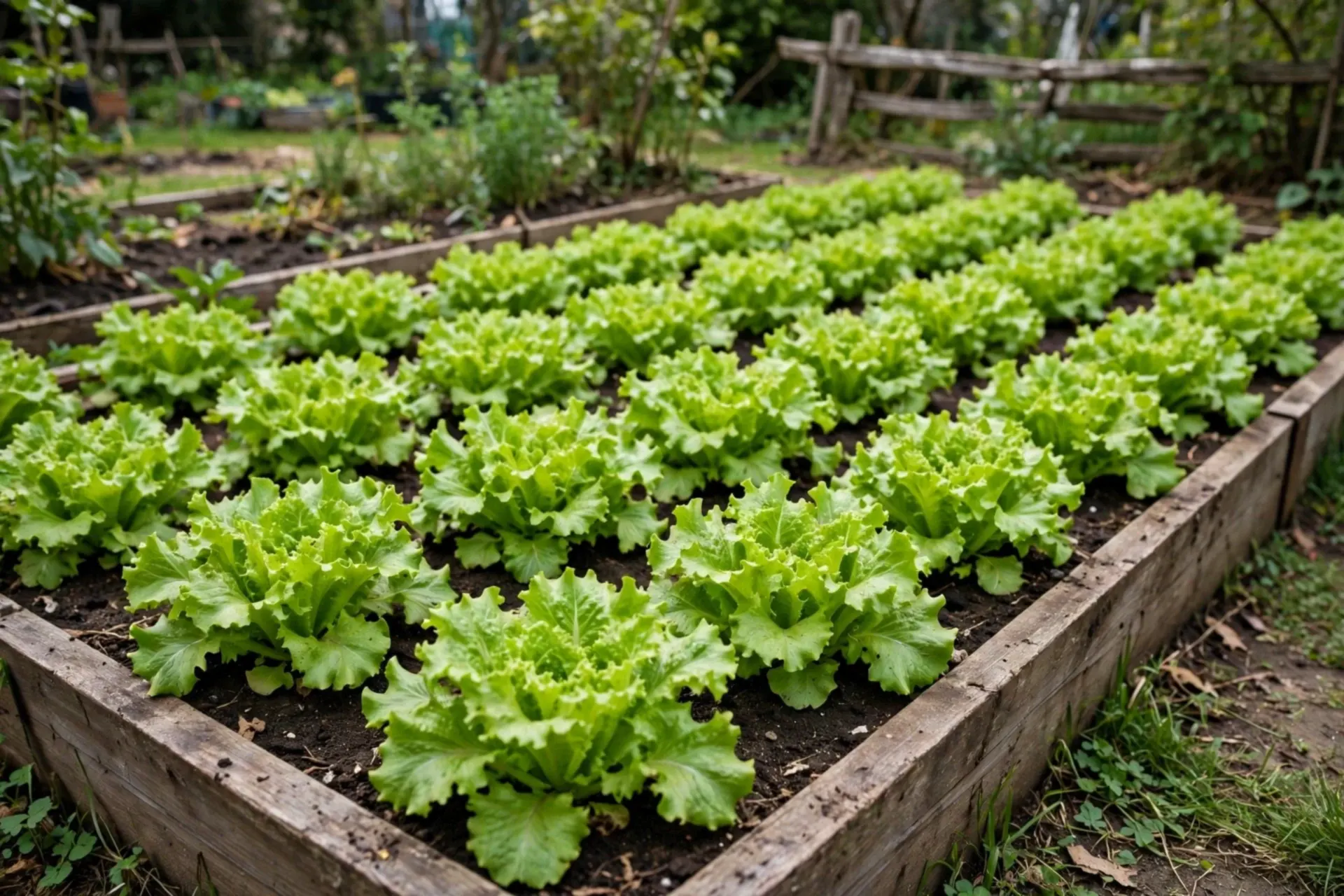
Sow little and often; bolts in heat. Lettuce is a cool-season crop: start indoors about 4 weeks before your last frost or direct sow 2 weeks before it, give it part shade in summer, and sow little and often because it bolts in heat.
Grow Lettuce with us — step by step
Everything for this plant is written step by step below — what to do, and exactly when. Read it through first if you like: you can grow it entirely on your own with that guide. Or start with us here — tell us your planting day and we lay out your personal schedule on this page, every next step on its own day, counted from your planting date. No guessing, no forgetting.
Step 1 — today: Sow your Lettuce seeds today: 1/4 in deep, spaced 8–12 in apart, in part shade in summer. Water the row in well and keep it moist while seeds sprout.
Lettuce at a glance
Sow indoors: 4 weeks before last frost
Sow outdoors: 2 weeks before last frost
Spacing: 8–12 in · Seed depth: 1/4 in
Sun: Part shade in summer
Water: Keep evenly moist
Harvest: 30–55 days
Timing counts from your average last spring frost — get your own dates in the Planting Calendar. Guidance follows standard extension-service practice for Canada and the US.
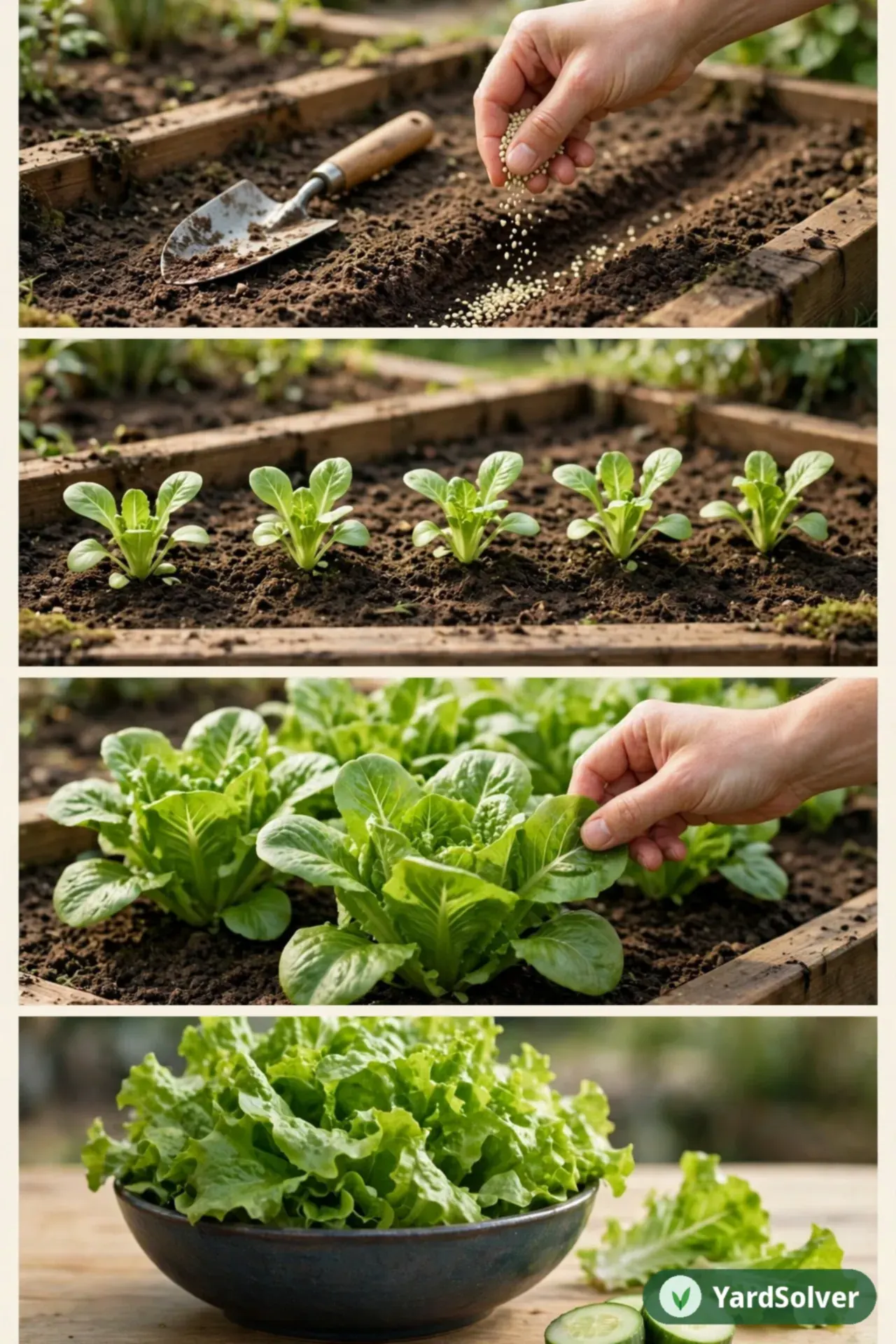
How to plant and grow lettuce, step by step
Step 1 — Time it right
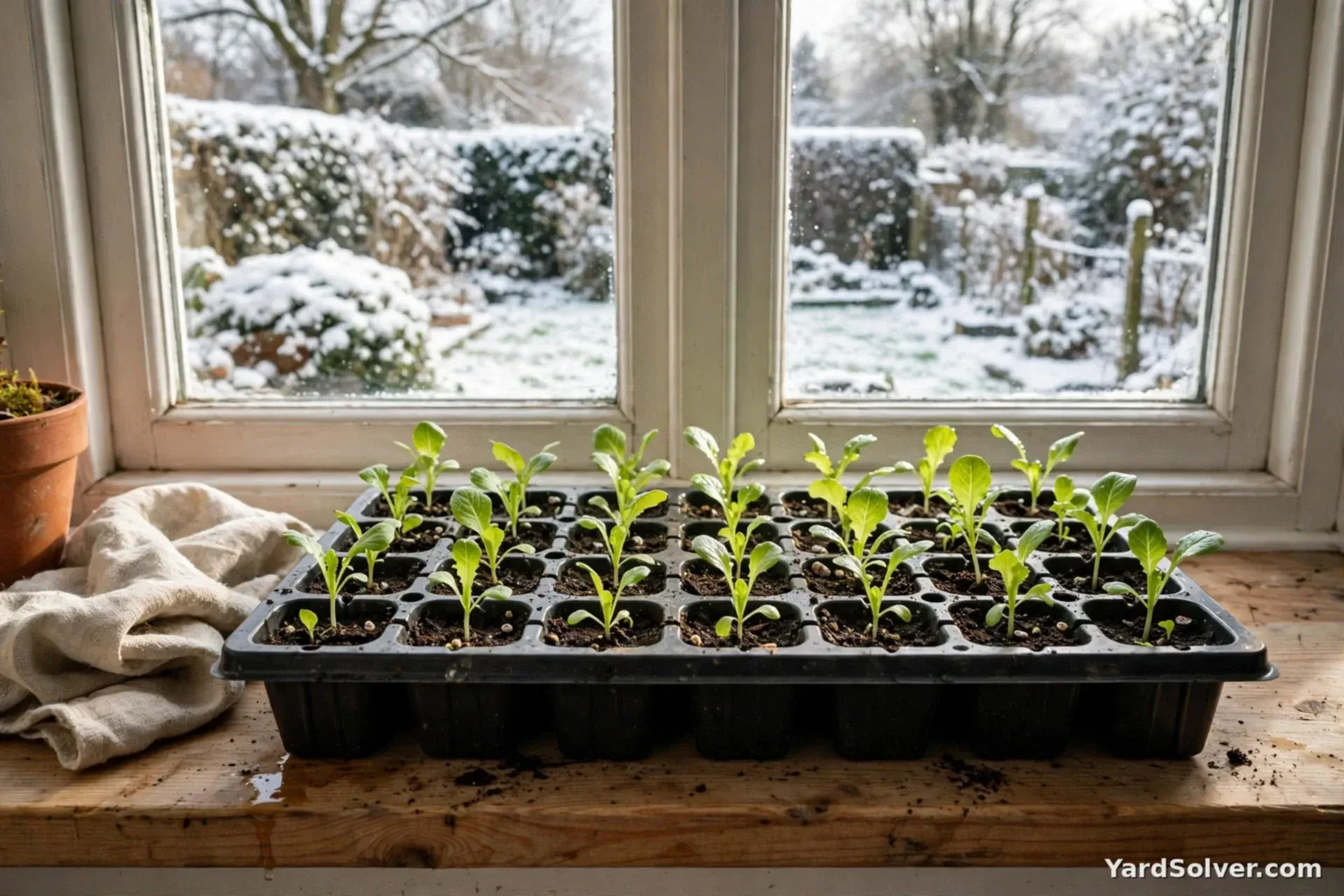
Sow indoors: 4 weeks before last frost; Sow outdoors: 2 weeks before last frost. All dates count from your average last spring frost — the Planting Calendar turns them into real dates for your garden. Lettuce is a cool-season crop: start indoors about 4 weeks before your last frost or direct sow 2 weeks before it, give it part shade in summer, and sow little and often because it bolts in heat.
Step 2 — Prepare the spot

Sun: Part shade in summer. Moist, compost-rich soil that never fully dries out. Leafy crops are fast and shallow-rooted, so little-and-often water beats occasional soaking. Work out how much you need with the Garden Mix Calculator or the Raised Bed Soil Calculator.
Step 3 — Sow and plant out
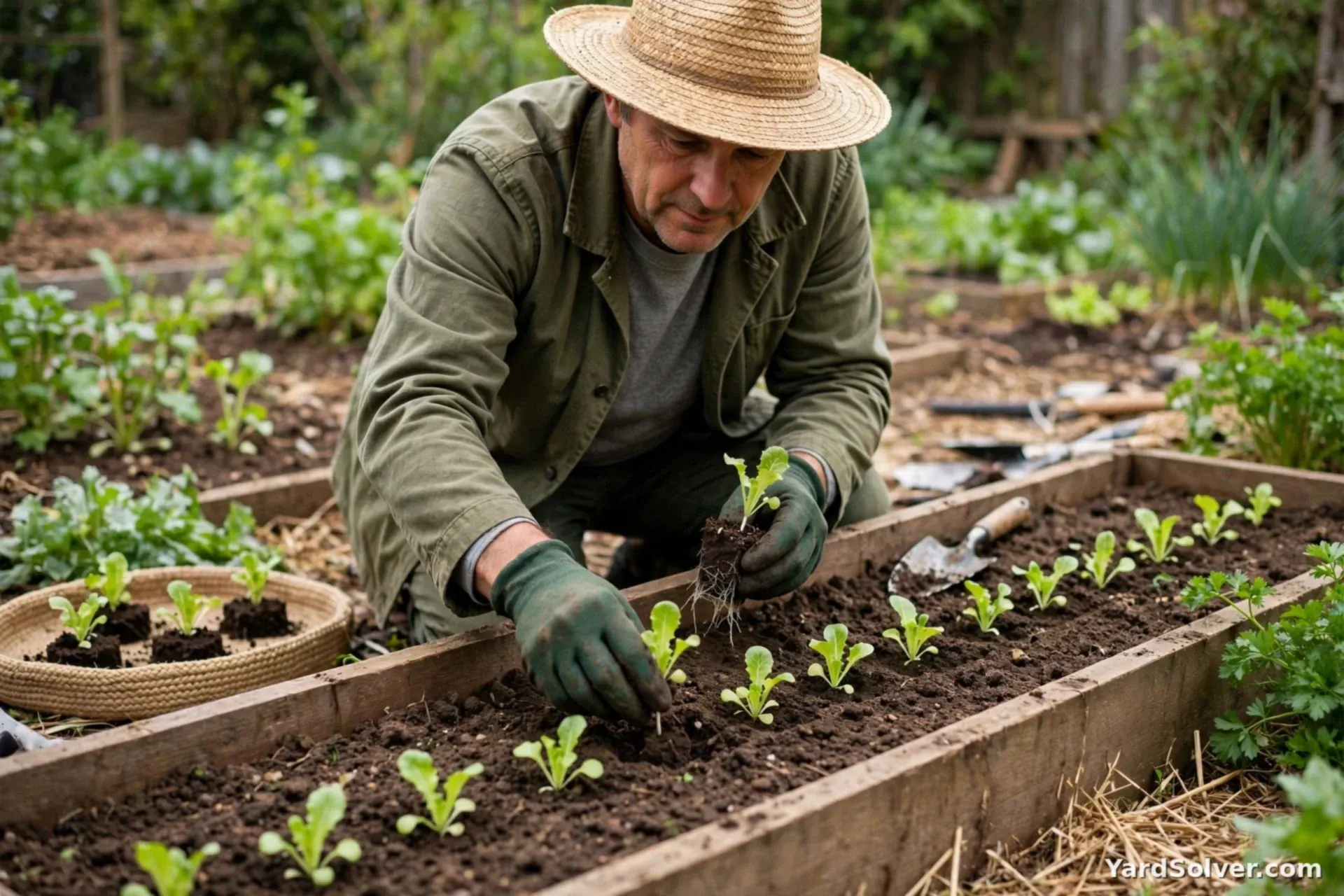
Start indoors 4 weeks before last frost at 1/4 in deep, or sow outdoors 2 weeks before last frost; plants finish spaced 8–12 in apart. Harden off indoor-started plants before they move out for good. For a continuous supply instead of one glut, sow a short row every 10–14 days through the cool season — the Succession Sowing Calculator turns your first and last frost dates into the whole sequence of sowing dates.
Step 4 — Water and feed
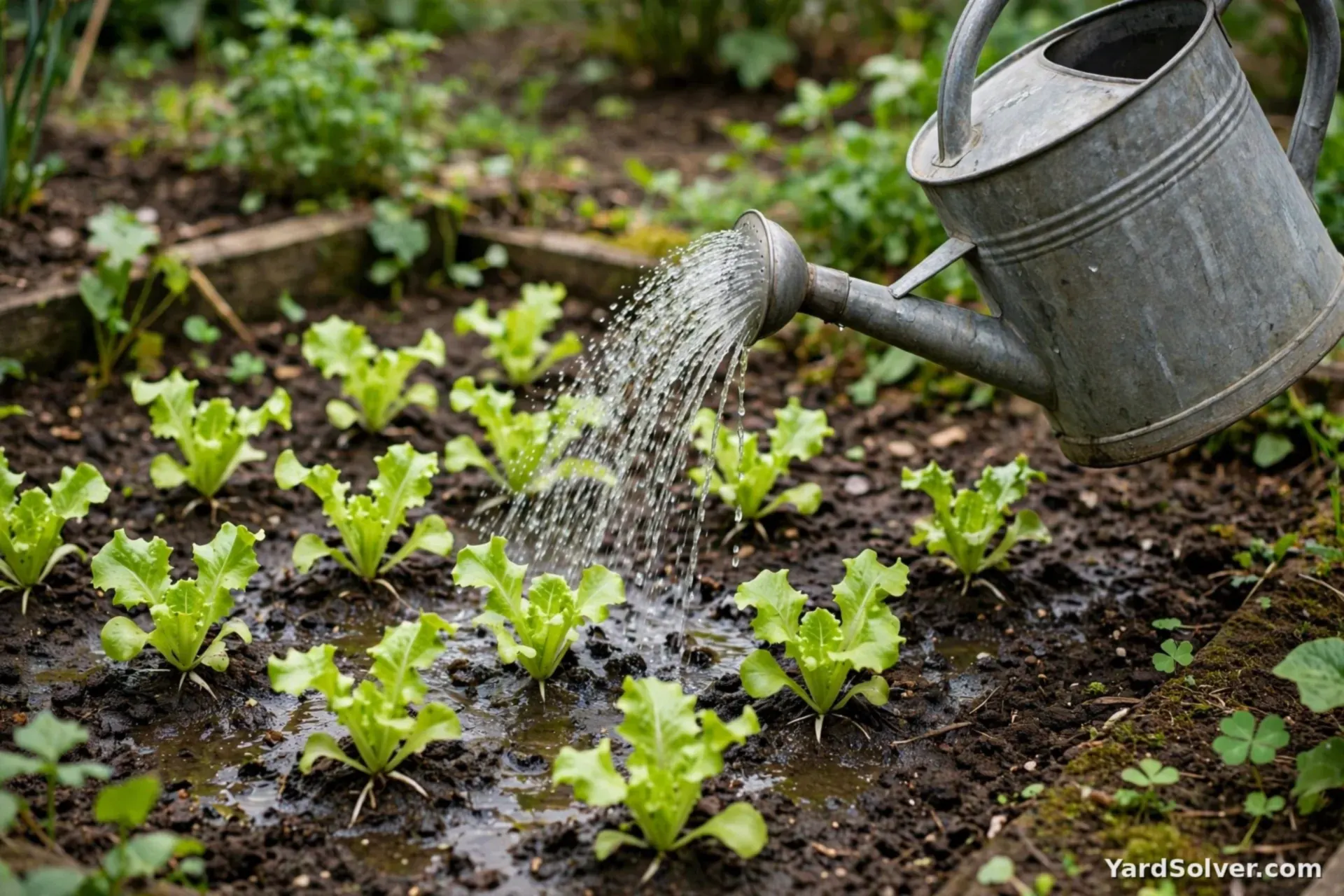
Water: Keep evenly moist. The Fertilizer Calculator turns a bed size into the right amount.
Step 5 — Care and the problems to watch for
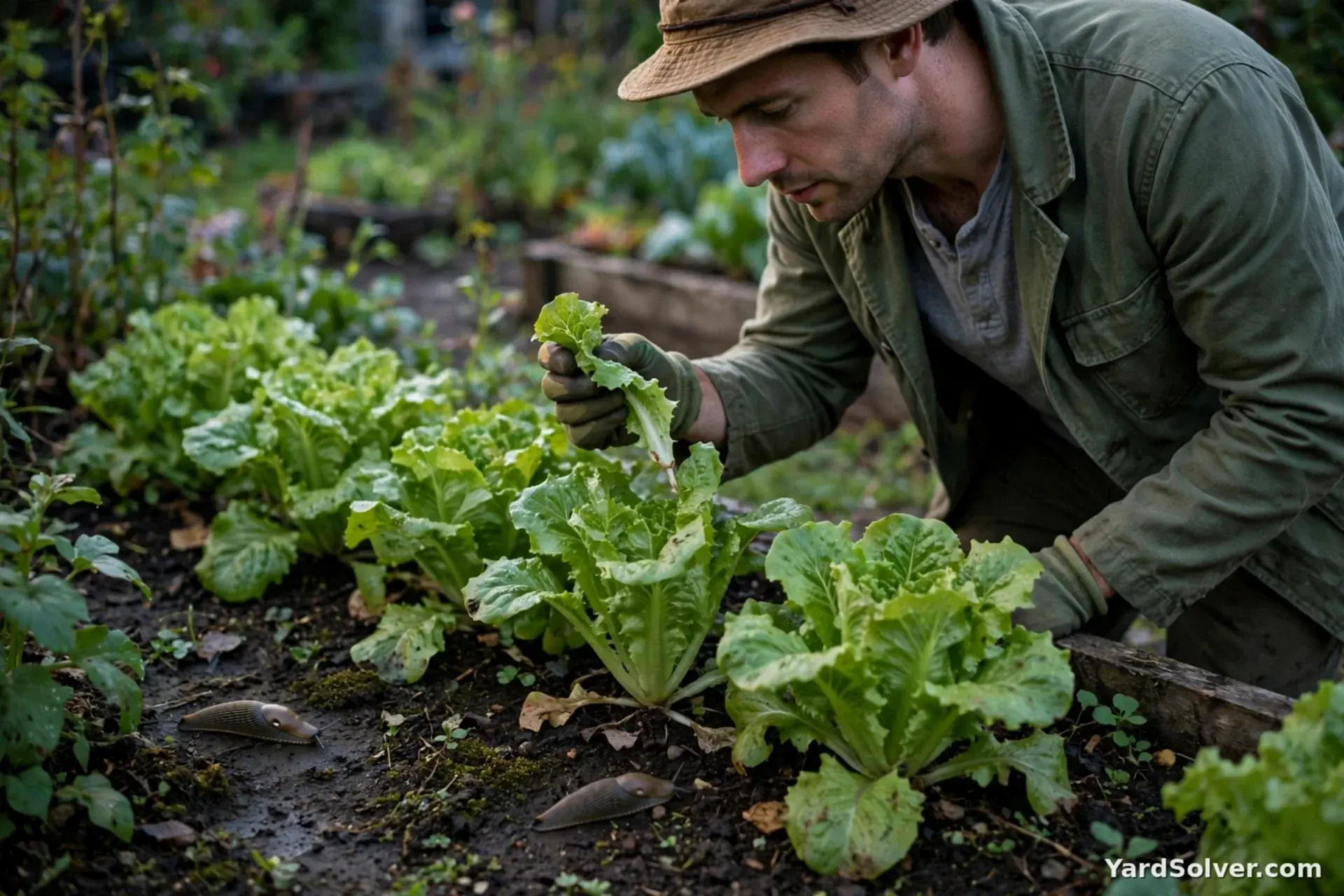
- Bolting — plants shoot up and turn bitter in heat; sow in part shade in summer and pick young.
- Slugs and snails — they love lettuce; check at dusk and use barriers or traps.
- Tip burn on inner leaves — keep watering even.
Take care: Some people taking blood-thinning medicine are told to keep their leafy-greens intake steady, because of the vitamin K — lettuce included. Wash leaves well before eating, especially leaves from low in the garden.
Step 6 — Harvest
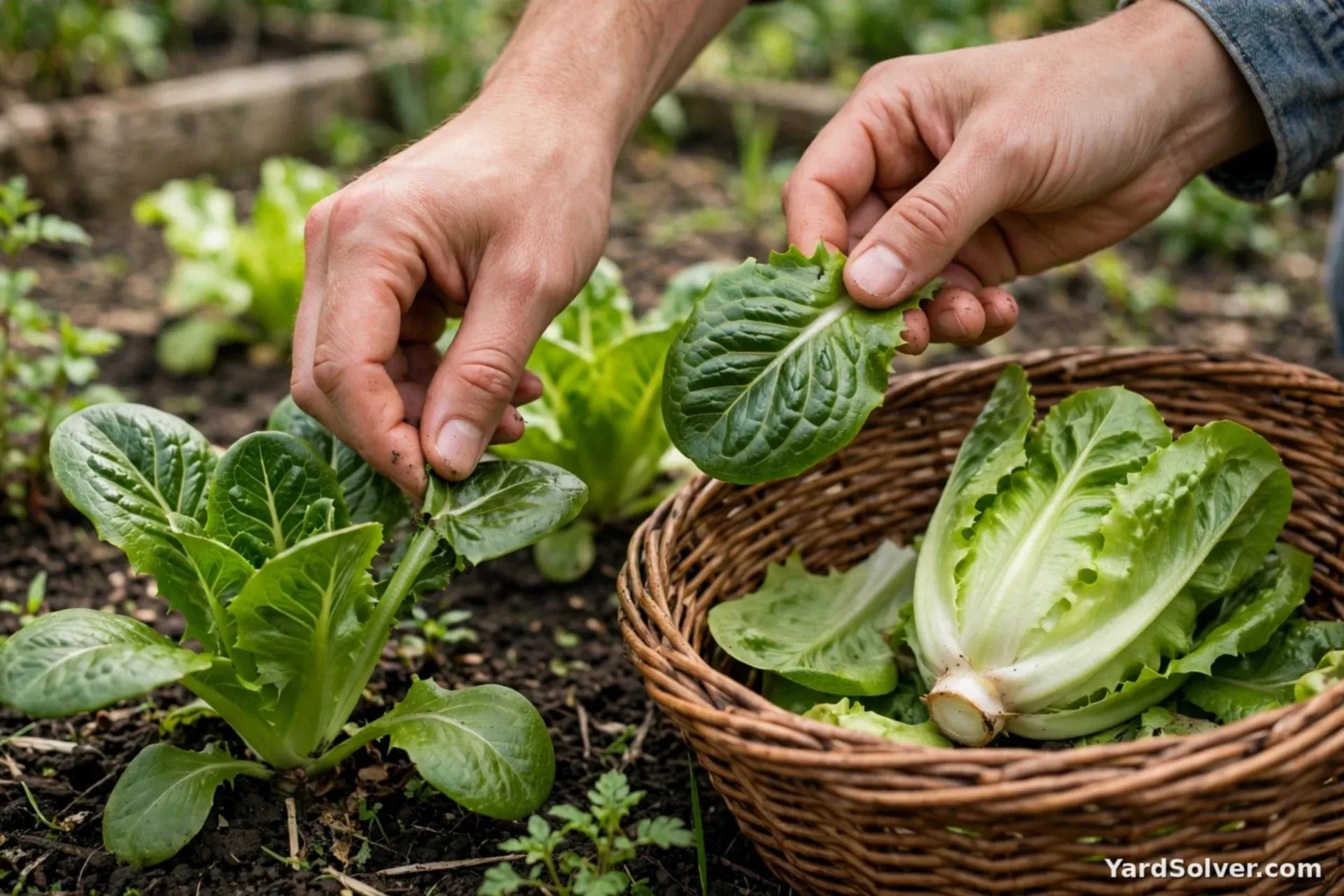
Ready in: 30–55 days. Harvest runs from about day 30 — pick outer leaves a few at a time, or cut whole heads young.
📅 Your personal Lettuce schedule
Counted from your planting day — not a generic calendar. Day 0 is the day the seed went in the ground or the young plant went out.
Varieties worth growing
| Variety | Colour | Why gardeners like it |
|---|---|---|
| Buttercrunch | Green | A butterhead with soft, sweet leaves and a small firm heart |
| Black Seeded Simpson | Light green | A fast, easy looseleaf that has been a home-garden standard for generations |
| Parris Island Cos | Dark green | A romaine with tall, crisp, upright leaves for Caesar-style salads |
| Lollo Rosso | Red-bronze | A frilly red looseleaf that makes any salad look fancy |
Good for you — and take care
Benefits
- Very low in calories — mostly crisp water and fibre
- Provides vitamin A for healthy eyes and skin
- Provides vitamin K and folate
- Helps hydration thanks to its high water content
- Dark green and red types provide extra natural antioxidants
Take care
- Some people taking blood-thinning medicine are told to keep their leafy-greens intake steady, because of the vitamin K — lettuce included
- Wash leaves well before eating, especially leaves from low in the garden
A little history — and one good fact
Lettuce is an ancient salad plant from the Mediterranean region. The ancient Egyptians grew it thousands of years ago and pictured it on tomb walls, and the Greeks and Romans ate it at meals. From those early loose-leaf types, gardeners bred the butterheads, crisp romaines and colourful leaf lettuces we grow today.
Fun fact: Lettuce belongs to the same plant family as sunflowers and daisies — if you let it bolt, it even makes small dandelion-like flowers.
Keep going
Guides: When to Start Seeds Indoors · How to Prepare Garden Soil in Spring · How to Harden Off Seedlings
Calculators: Plant Spacing Calculator · Seed Calculator · Garden Mix Calculator
More vegetables: Endive · Pepper · Cucumber
← Back to the Plant Library · Get your personal planting dates
Questions people ask
When do I plant lettuce?
Count from your average last spring frost: sow indoors 4 weeks before last frost; sow outdoors 2 weeks before last frost. Lettuce is a cool-season crop: start indoors about 4 weeks before your last frost or direct sow 2 weeks before it, give it part shade in summer, and sow little and often because it bolts in heat.
How far apart do I space lettuce?
Space plants 8–12 in apart, with seed sown 1/4 in deep. Sun: part shade in summer.
When is lettuce ready to harvest?
30–55 days. Sow little and often; bolts in heat.
Lettuce bolts when it gets hot and bitter when it gets thirsty: succession sowing and steady water are the whole crop
Lettuce (Lactuca sativa) is a cool-season leaf that reads summer as a signal to bolt — to run up to flower, turning bitter as it goes. The grower's whole strategy follows: sow little and often, every two to three weeks from early spring, choose bolt-resistant and heat-tolerant varieties for the summer sowings, and give the crop afternoon shade in hot spells, where a taller neighbour or a strip of shade cloth buys weeks of extra harvest.
Water is the second half. Lettuce is shallow-rooted and mostly water itself, so uneven watering gives tough, bitter leaves even before bolting starts; a mulch and steady moisture keep it sweet. Harvest style stretches the patch further: leaf lettuces picked a few outer leaves at a time crop for weeks, while heading types are cut whole — sow both and the salad bowl rarely empties.
The worked example: small fortnightly sowings, mulched and watered evenly, with the summer rows shaded, typically give crisp lettuce from spring to autumn without a bitter week. One big spring sowing typically gives a glut in June and a row of bitter towers by July — lettuce is not a planting, it is a rhythm.
Sources
Key facts on this page — timing, spacing and care — cross-checked against NC State Extension Plant Toolbox — Lactuca sativa — culture and care requirements and Lettuce — Wikipedia — background on lettuce, bolting and its cultivation.
Related page
Read next: Succession Planting Guide: Sow Little and Often.
Comments & ratings
No comments yet.
Be the first to share your experience.