
Guides · Seasonal planting · Published November 20, 2026 · By Faizan Ahmad
Canada Vegetable Planting Calendar 2027: Dates by Province
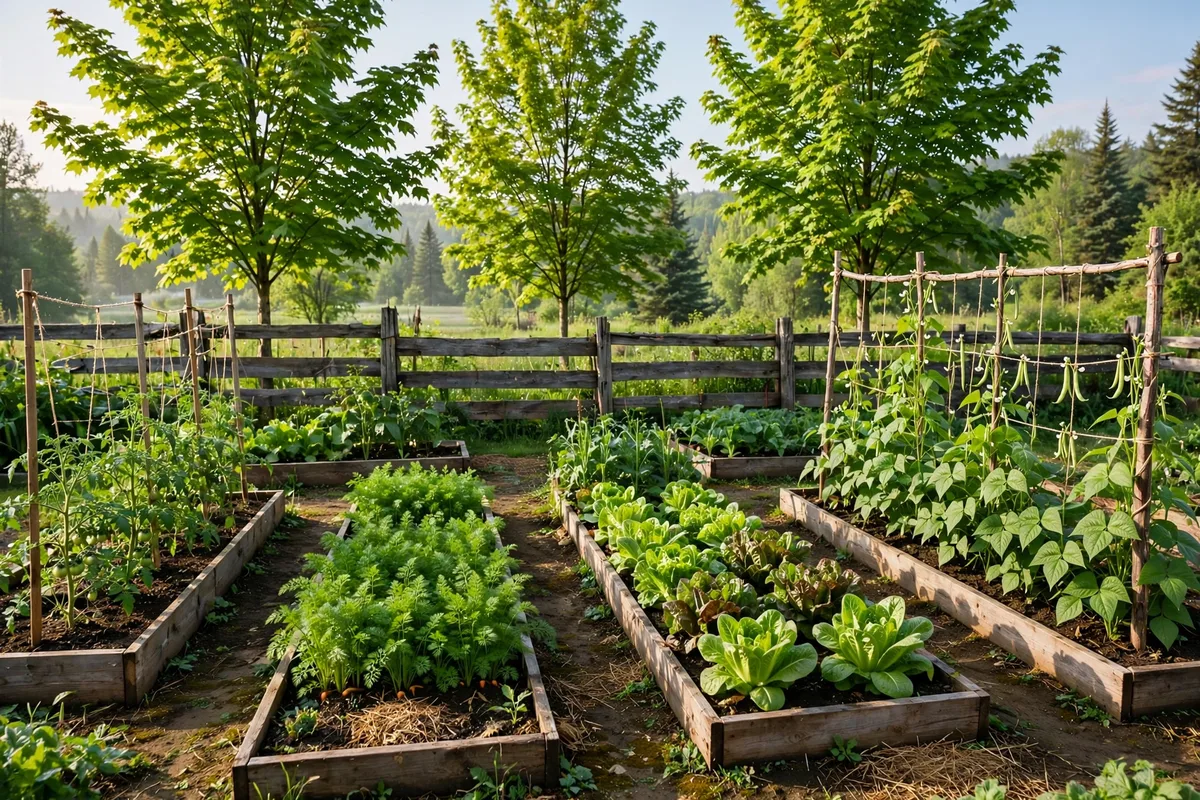
A Canadian planting calendar has to be five calendars, because the country's vegetable season starts in March on the BC coast and in June in Newfoundland. The 2027 windows in this guide are organised by region — BC, Alberta and the Prairies, Ontario, Quebec, and Atlantic Canada — and for each region they give the three dates that matter for common vegetables: when to sow indoors, when to transplant out, and when to direct-sow into the bed. Every window is counted from the region's average last spring frost, and every window is an estimate: a valley frost pocket, a lakeside lot and a downtown heat island inside the same province can sit two to three weeks apart, so use your region's table as the frame and your own garden's microclimate as the final adjustment. For the indoor half of the year in full detail — lead times, lights and hardening off — read the companion guide, When to Start Seeds Indoors in Canada 2027; this page covers the whole season, indoors and out.
The short answer, on one card
- BC Coast: the long season — peas and broad beans out from March, tender crops out late April to mid-May.
- Alberta & Prairies: the short, intense season — hardy crops out late April to May, tender crops held until early June.
- Ontario: the middle season — hardy crops from late April, tender crops mid-to-late May (earlier in the southwest).
- Quebec: a week or two behind southern Ontario — tender crops late May, with Montreal ahead of Quebec City.
- Atlantic Canada: cool and late — hardy crops May, tender crops late May to mid-June; St. John's runs last of all.
- Everywhere: hardy crops (peas, spinach, brassicas, lettuce) tolerate light frost and go out weeks before tender crops (tomato, pepper, cucumber, beans, basil), which wait for nights above 10 °C.
How to read these tables (and why they are windows, not dates)
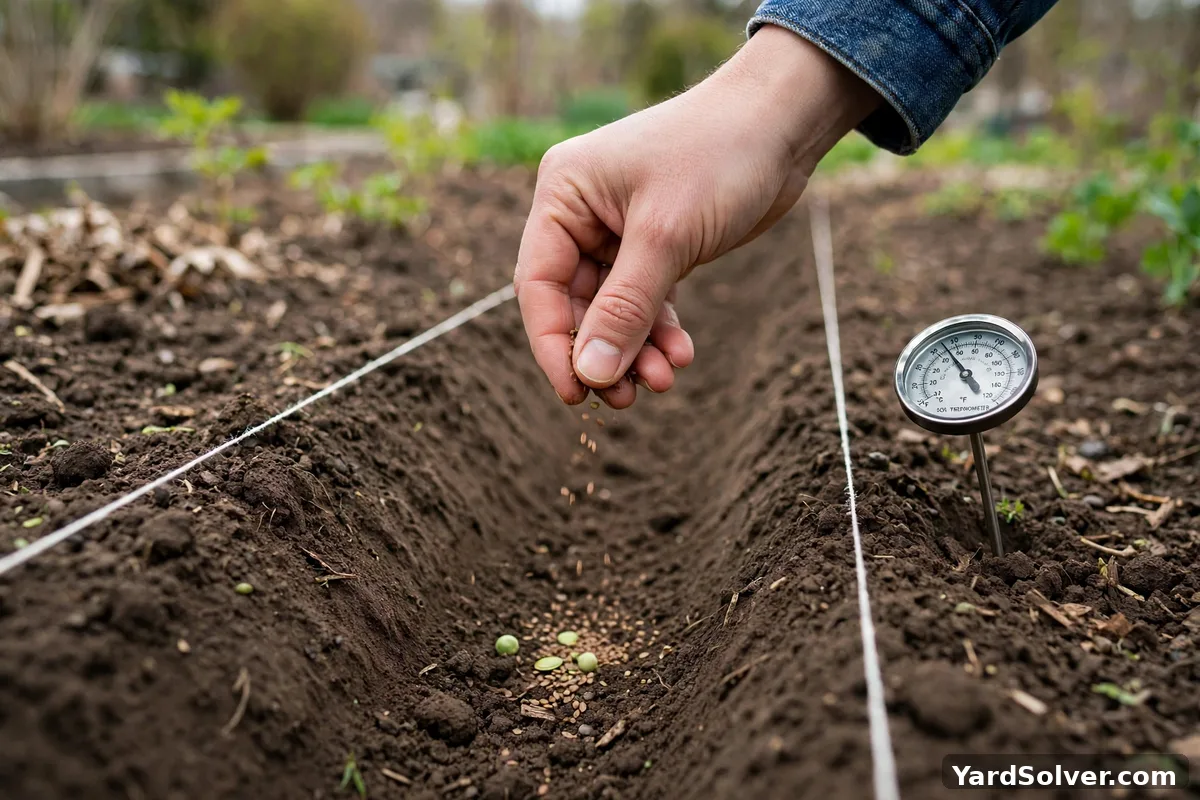
Each table gives three windows per crop. Sow indoors is counted back from last frost by the crop's lead time. Transplant is when hardened-off seedlings go into the bed — before last frost for hardy brassicas and lettuce, after warm nights arrive for tender crops. Direct sow is when seed goes straight into the soil, which for peas, carrots, beans and roots is the main event rather than a backup. The windows are deliberately wide — usually three to four weeks — because that is the honest precision of a provincial calendar. Within a province, elevation, distance from a large lake or ocean, slope and shelter move real gardens by one to three weeks, and the sources behind these tables say the same. Two local signals beat any table: soil you can work without it sticking in clumps is ready for hardy sowings, and a soil thermometer reading 10 °C at planting depth is the green light for peas and spinach, 15–18 °C for beans and cucumbers. Enter your own frost date in the Planting Calendar and it rebuilds this whole page around your garden instead of your province.
British Columbia
BC holds both of Canada's extremes: the coast (zones 8–9, last frost late March to mid-April) gardens almost a month ahead of the Interior (Kelowna's last frost falls around May 10). The table below is the coast; Interior readers should shift the transplant and direct-sow columns two to four weeks later and treat their season as Ontario's. Coastal rain is the coast's own constraint — beds that sit wet through March favour raised beds and cloches over early heroics.
| Crop | Sow indoors | Transplant out | Direct sow |
|---|---|---|---|
| Onions, leeks | Late Jan – Feb | March – early Apr | — |
| Peppers, eggplant | Late Jan – Feb | Late Apr – mid-May | — |
| Tomatoes | Mid-Feb – early Mar | Late Apr – mid-May | — |
| Broccoli, cabbage, kale | February | March – April | March – April |
| Lettuce, spinach | February (optional) | March | March – April, then Aug for fall |
| Peas | — | — | March – April |
| Carrots, beets | — | — | Late Mar – May |
| Cucumbers, squash | April (3–4 wks ahead) | May | May |
| Beans, corn | — | — | May (soil 15 °C+) |
| Potatoes | Chit from February | — | Plant sets late Mar – April |
Alberta and the Prairies
The Prairie season is short and bright: last frosts cluster in late May (Calgary May 21–26, Edmonton May 22–24, Regina and Saskatoon around May 20–21, Winnipeg May 23–24) and the first fall frost can arrive in September, so days-to-maturity on the packet is a real selection filter, not fine print. Indoor starting carries more of the season here than anywhere else in Canada, and wind — not cold — is the transplant shock to protect against in the first fortnight.
| Crop | Sow indoors | Transplant out | Direct sow |
|---|---|---|---|
| Onions, leeks | Late Feb – March | Late Apr – May | — |
| Peppers, eggplant | Late Mar – mid-Apr | Early – mid-June | — |
| Tomatoes | Mid – late April | Late May – early June | — |
| Broccoli, cabbage, kale | Late Mar – April | Early – mid-May | May |
| Lettuce, spinach | April (optional) | May | Late Apr – May, then late July for fall |
| Peas | — | — | Late Apr – May |
| Carrots, beets | — | — | May |
| Cucumbers, squash | Early May (3 wks ahead) | Early June | Late May – early June |
| Beans, corn | — | — | Late May – early June |
| Potatoes | Chit from April | — | Plant sets May (soil 10 °C+) |
Ontario
Ontario spans the country's widest internal range: Windsor's last frost falls in mid-April while northern Ontario waits until mid-to-late May. The table is calibrated on the south (Toronto's last frost around April 30 – May 4); gardeners north of Barrie should read the Prairie table instead. Lake moderation is real in both directions — lakeside gardens frost later in spring and later in fall, which stretches the autumn end of the season even when the spring start is slow.
| Crop | Sow indoors | Transplant out | Direct sow |
|---|---|---|---|
| Onions, leeks | Mid – late Feb | April | — |
| Peppers, eggplant | Early – late March | Late May | — |
| Tomatoes | Late Mar – mid-Apr | Mid – late May | — |
| Broccoli, cabbage, kale | March | Mid-Apr – May | Late Apr – May |
| Lettuce, spinach | March (optional) | April | April – May, then Aug for fall |
| Peas | — | — | April – early May |
| Carrots, beets | — | — | Late Apr – May |
| Cucumbers, squash | Late April | Late May | Mid – late May |
| Beans, corn | — | — | Mid – late May |
| Potatoes | Chit from March | — | Plant sets late Apr – May |
Quebec
Quebec runs a week or two behind southern Ontario at the same latitude band: Montreal's last frost falls around April 29 – May 10 depending on station, Quebec City's around May 11 and later. The table follows Montreal and the St. Lawrence lowlands; the Eastern Townships' higher ground and regions north of the river should shift tender dates a week later. Quebec's warm, humid summers grow peppers and melons better than the frost dates alone suggest — the constraint is the spring start, not the summer heat.
| Crop | Sow indoors | Transplant out | Direct sow |
|---|---|---|---|
| Onions, leeks | Late Feb | Mid-Apr – May | — |
| Peppers, eggplant | Mid-March | Late May – early June | — |
| Tomatoes | Late Mar – early Apr | Late May | — |
| Broccoli, cabbage, kale | March | Late Apr – May | May |
| Lettuce, spinach | March (optional) | Late April | Late Apr – May, then Aug |
| Peas | — | — | Late Apr – May |
| Carrots, beets | — | — | May |
| Cucumbers, squash | Late Apr – early May | Late May – early June | Late May |
| Beans, corn | — | — | Late May |
| Potatoes | Chit from March | — | Plant sets May |
Atlantic Canada
Atlantic Canada's season is cool, moist and — in Newfoundland — the latest in the country: Halifax's last frost falls around May 4–8, Fredericton's in mid-May, and St. John's not until around June 1. Cool summers favour the brassicas, peas, potatoes and root crops that sulk in Ontario heat, and make the warm-season crops a deliberate choice of short-season varieties under row cover. Fall is the region's gift: first frosts hold off, and kale, leeks and carrots harvest for weeks after tender crops are done.
| Crop | Sow indoors | Transplant out | Direct sow |
|---|---|---|---|
| Onions, leeks | Late Feb – March | Late Apr – May | — |
| Peppers, eggplant | Mid-Mar – early Apr | Early June (warmest spots) | — |
| Tomatoes | Late Mar – mid-Apr | Late May – early June | — |
| Broccoli, cabbage, kale | March | May | May |
| Lettuce, spinach | March (optional) | May | May, then Aug for fall |
| Peas | — | — | May |
| Carrots, beets | — | — | May – early June |
| Cucumbers, squash | May (3 wks ahead) | Early June | Late May – June |
| Beans, corn | — | — | Late May – June |
| Potatoes | Chit from April | — | Plant sets May |
Microclimates: the honest adjustment
No provincial table survives contact with a real garden unchanged, and pretending otherwise is how calendars earn their bad reputation. The adjustments that actually matter: a south-facing wall or fence can advance tender planting by a week and is the warmest spot most gardens own; low ground where cold air pools (the bottom of a slope, a hollow behind a hedge) can frost two weeks after the hilltop above it; large water — the Great Lakes, the St. Lawrence, the Atlantic itself — delays spring frost nearby but also delays soil warming, which is why coastal Atlantic gardens transplant late yet harvest late; city lots run warmer than the rural station their dates come from, often by a full week in spring; and raised beds and dark mulch warm soil measurably faster than flat ground in April. The working method: start from your region's window, shift it by what you know about your own plot, and write down what actually happened each year. Three seasons of your own notes are worth more than any printed calendar — including this one — because they are the only calendar drawn from your soil.
The fall half of the calendar
A planting calendar that ends in June wastes half its value. From mid-July, the count reverses: sow fall crops by counting back from your first fall frost by the crop's days to maturity, plus a fortnight for autumn's slowing light. In practice that means a late-July to August sowing of spinach, lettuce, kale, chard, beets and turnips in every region — the BC coast and Ontario sow into mid-August, the Prairies and Newfoundland by late July — and garlic planted in October, a few weeks before the ground freezes, everywhere garlic is grown in Canada. Fall-sown spinach and overwintered leeks are frequently the best crops of their kind all year: autumn pests are gone, the soil is warm, and the plants grow in the cool weather these crops prefer. The calendar's last job is the first one of the next year — note which varieties actually matured in your season length, because that list, not the catalogue, is your 2028 seed order.
Keep going
Turn these provincial windows into your own dates with the Planting Calendar — enter your frost date once and every crop in this guide gets its personal 2027 window. The indoor season behind the transplant dates is covered step by step in When to Start Seeds Indoors in Canada 2027. Short season? Best vegetables for short growing seasons in Canada — the crops that finish inside these dates. Planting early? What can be planted before last frost sorts every crop into its wave.
Planning bed by bed as well as week by week? The Garden Planner lays the crops from these tables into your actual beds, and Crop Rotation Basics keeps this year's tomatoes out of last year's tomato bed.
Sources
Provincial windows cross-checked against JNB Seed — Province-Specific Planting Calendars for Canada (indoor starts, outdoor windows and fall timings by province, with its own warning that microclimates shift dates by one to three weeks), GrowersGuide.ca — Canada Planting Calendar: Month by Month (region-by-region month view anchored on last-frost dates) and The Home Almanac — Frost and Planting Calendar (crop-by-crop sow, transplant and harvest windows counted from station frost dates). Frost-date anchors follow Environment and Climate Change Canada climate normals as summarised by those sources; all dates on this page are averages and estimates, not guarantees for any individual garden.
Questions people ask
When can I plant vegetables outside in Canada?
Hardy vegetables — peas, spinach, lettuce, brassicas — go out two to four weeks before your last frost, which means March on the BC coast, April in Ontario and May on the Prairies and in Atlantic Canada. Tender vegetables — tomatoes, peppers, cucumbers, beans — wait until one to two weeks after last frost with nights above 10 °C: mid-May in the warmest regions, early June in the coldest.
What is the growing season in Canada?
Roughly 155–170 frost-free days in southern Ontario and the BC coast, around 110–130 days on the Prairies and in much of Quebec and Atlantic Canada, and fewer still in Newfoundland and the north. Indoor seed starting adds the equivalent of 6–12 weeks to that window for slow crops, which is why it matters more in Canada than almost anywhere else.
When should I plant tomatoes in Ontario?
Start them indoors in late March to mid-April and transplant out in mid-to-late May, once nights stay above 10 °C. Southwestern Ontario (Windsor, London) runs about a week ahead of Toronto; northern Ontario should use the Prairie dates instead and choose short-season varieties.
When is it too late to plant vegetables in Canada?
Count back from your first fall frost by the crop's days to maturity, plus two weeks for slowing autumn light. Fast crops — lettuce, spinach, radish, bush beans in warm regions — can be sown into late July or August; slow crops like winter squash and Brussels sprouts must be in by early summer everywhere, and by June on the Prairies.
Do planting dates differ within a province?
Yes — by one to three weeks, sometimes more. Elevation, frost pockets, city heat and distance from large water all move a real garden off the provincial average. Use the tables as the frame, adjust for your plot's known behaviour, and keep your own notes: after three seasons they are the most accurate calendar you own.
What vegetables grow best in Atlantic Canada's cool season?
The brassicas (cabbage, kale, broccoli), peas, potatoes, carrots and leeks thrive in Atlantic summers and keep producing into the fall. Warm-season crops are possible but earn their place only as short-season varieties, started indoors on time and given the warmest, most sheltered spot — or row cover — you have.
Comments & ratings
No comments yet.
Be the first to share your experience.