
Guides · Seasonal planting · Published November 20, 2026 · By Faizan Ahmad
What to Plant in December in Australia: Summer Vegetables by Climate Zone
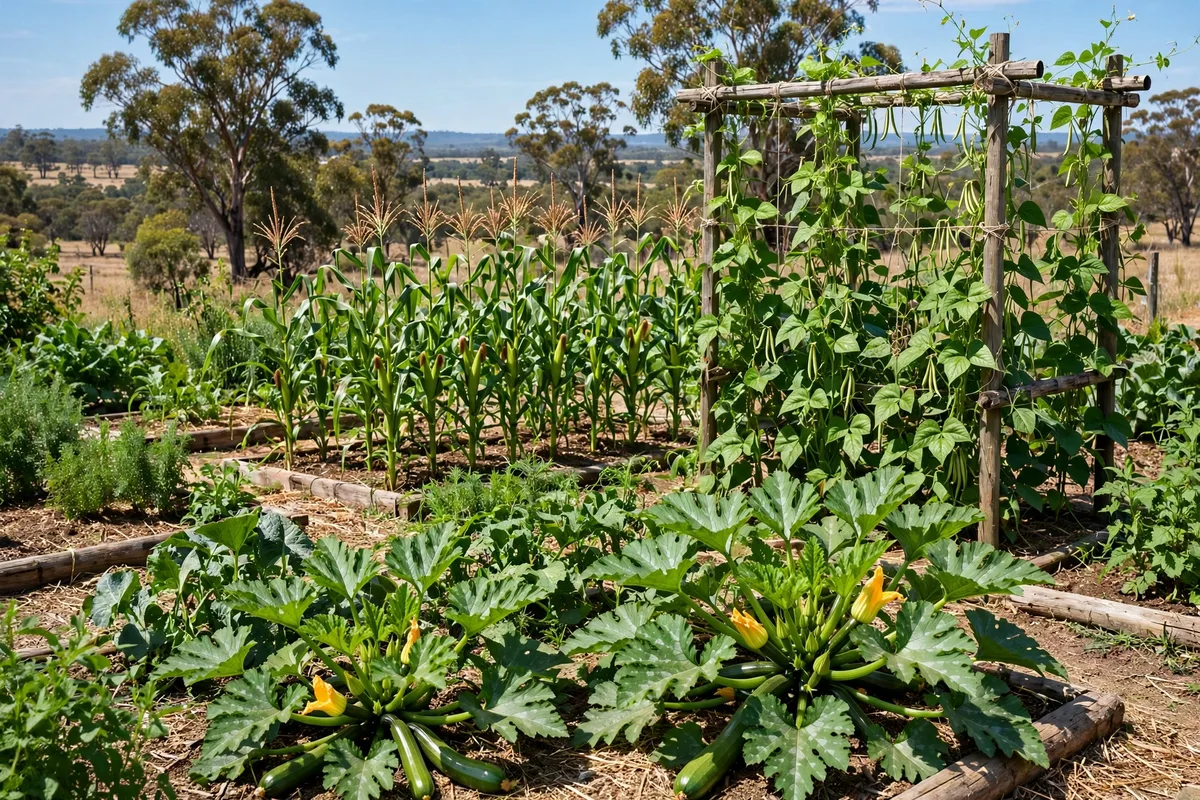
December in Australia is high-summer planting: in temperate zones you can still plant beans, zucchini, cucumber, pumpkin, basil and sweet corn; in subtropical and tropical zones the list shifts to snake beans, okra, sweet potato and other heat-lovers — while the cool-season crops (peas, broad beans, English spinach, coriander for leaf) are finished until autumn, because they bolt in the heat. This guide gives the plant-now lists for the three climate bands, a still-worth-sowing table with the reason each crop still works, the harvest jobs that share the month (garlic above all), and the summer routines that keep December plantings alive. It is the direct sequel to our What to Plant in November in Australia guide — November opened the season; December is about succession and heat.
The short answer, on one card
Temperate (Sydney, Melbourne, Adelaide, Perth, Hobart): beans, zucchini, cucumber, pumpkin, sweet corn, basil, capsicum and chilli from seedlings, one more tomato succession. Subtropical (Brisbane, Coffs Harbour): snake beans, okra, sweet potato, rosella, zucchini, cucumber. Tropical (Darwin, Cairns, Townsville): snake beans, okra, sweet potato, winged bean, tropical pumpkins — the wet season does the watering. Stop everywhere: peas, broad beans, spinach, lettuce from seed in hot soil (use shade or wait), coriander for leaf.
Temperate zones: the succession month
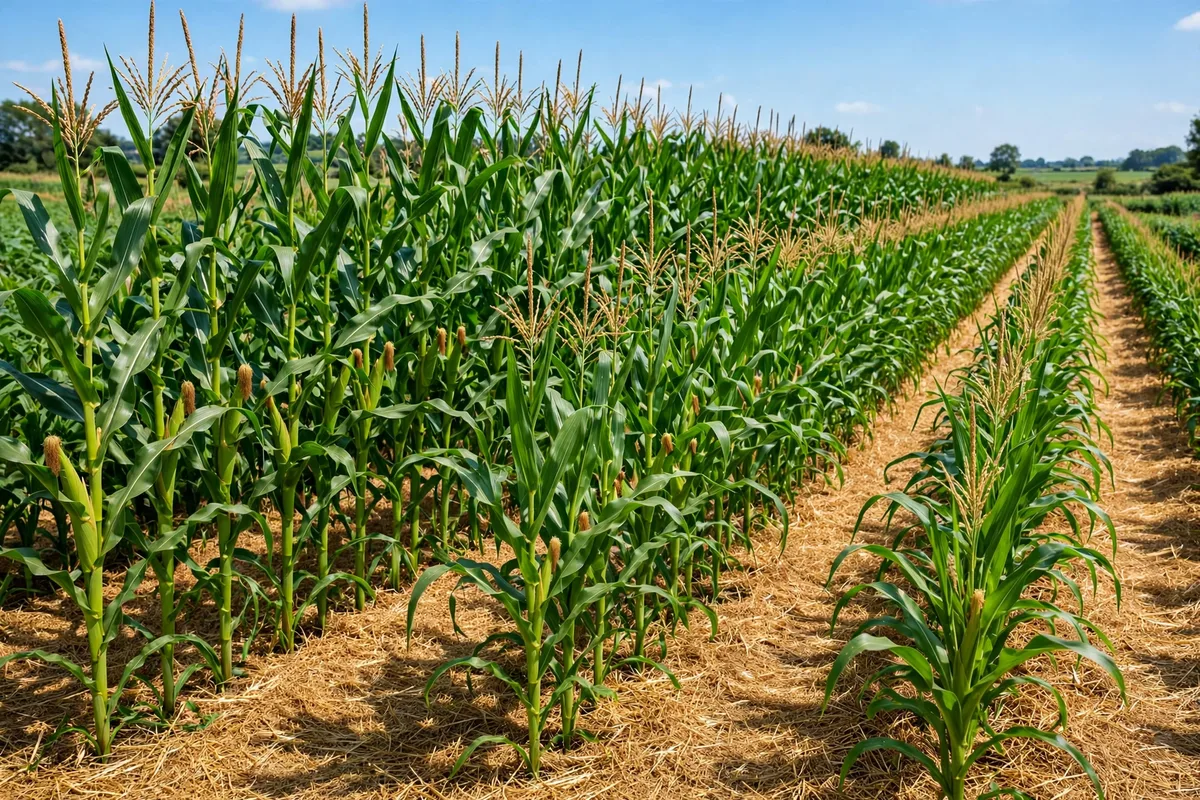
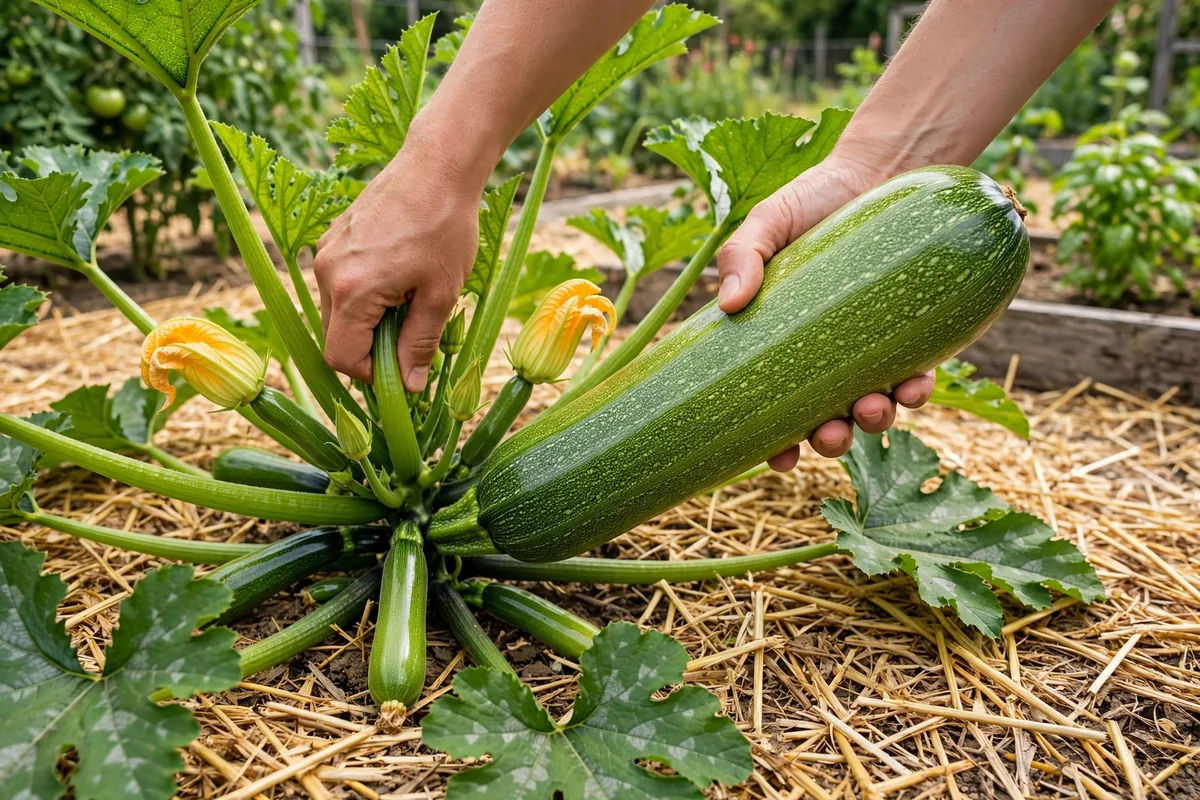
For temperate gardeners, December planting is less about first sowings and more about keeping the harvest unbroken. The tomatoes, zucchini and beans that went in through October and November are cropping now; the December job is to plant the next round so February does not go quiet. Sow bush or climbing beans every three weeks — they germinate fast in warm soil and a December sowing crops from late January. Zucchini and cucumber go in as seedlings or seed with the same logic: one plant now out-produces the tired November plant by late summer. Sweet corn is still worth sowing in early December in most temperate districts — plant it in a block, not a row, so the wind pollinates it properly, and give it the richest, wettest corner you have. Basil is the herb of the month: it wants exactly this warmth, and a December sowing beside the tomatoes gives you pesto quantities by February. Pumpkin sown now is a calculated bet — in warm temperate districts it fruits before autumn; in cool districts (Hobart, the highlands) the window has closed and the space is better given to beans. Spacing for all of these is in the Plant Spacing Calculator, because December's lush growth punishes crowded beds by January.
Subtropical and tropical zones: plant for the wet
North of about Coffs Harbour, December flips the logic: the question is not frost but the wet season and the heat that comes with it. The crops that thrive are the true tropicals. Snake beans (yard-long beans) laugh at heat that stops French beans entirely and crop for months from a December sowing. Okra needs soil this warm to germinate at all — December is its first real chance. Sweet potato goes in as slips now and runs all summer, doubling as a living groundcover that shades out weeds. Add rosella for the subtropical garden, winged bean and tropical pumpkins in the true tropics, and keep sowing zucchini and cucumber in the subtropics while the tropics switch to their wet-season set. The temperate staples mostly pause: tomatoes in the tropics are a dry-season crop, and December sowings there meet disease pressure that no spray schedule fixes. Match the planting to the season you actually have — that is the entire skill of northern gardening.
Still worth sowing: the December table
| Crop | Where | Why it still works in December |
|---|---|---|
| Beans (bush & climbing) | Temperate, subtropical | Fast in warm soil; a sowing every 3 weeks keeps picking unbroken |
| Snake beans | Subtropical, tropical | Built for heat that stops French beans; crops for months |
| Zucchini & cucumber | Temperate, subtropical | Succession plants replace tired November plants by late summer |
| Sweet corn | Temperate (early Dec) | Needs a block for wind pollination and the wettest, richest corner |
| Basil | All zones | Wants exactly this warmth; sow beside the tomatoes |
| Okra | Subtropical, tropical | Soil is finally warm enough for reliable germination |
| Sweet potato (slips) | Subtropical, tropical | Runs all summer and smothers weeds as living mulch |
| Pumpkin | Warm temperate, subtropics | Only where the season is long enough to ripen before autumn |
Run the succession sowings — beans especially — through the Succession Sowing Calculator and the December rounds land on dates instead of good intentions.
What to stop planting now
The December stop list matters as much as the start list, because seed is cheap and bed space is not. Peas and broad beans are finished everywhere until autumn — they flower poorly and mildew in heat. English spinach bolts within days of a hot spell; in the south, shade-cloth sowings limp through, but the honest answer is to wait for March. Coriander sown now is a seed crop, not a leaf crop — it runs straight to flower; grow it for the seed and sow for leaf in autumn. Lettuce seed will not even germinate in hot soil (it has a heat block, like its northern-hemisphere cousins), so December lettuce means seedlings, shade, or a pause. And in cool temperate districts, pumpkin and sweet corn after mid-December are gambles against the autumn clock — the same space in beans pays out in weeks, not hopes.
Harvest and keep-alive jobs that share the month
December is also when the winter-planted crops come out. Garlic planted in autumn is harvested now in southern Australia as the lower leaves brown — lift it on a dry day, cure it in shade with airflow, and do not wash it. Onions follow the same signal as their tops fall. The keep-alive jobs for everything still growing are three: mulch every bed before the real heat (5–7 cm, kept off stems), water deeply two or three times a week in the morning rather than sprinkling daily, and shade the tender crops through heatwave afternoons — the full protocol is our companion guide, How to Protect Vegetables From Summer Heat. Feed fruiting crops for fruit, not leaves: a high-nitrogen feed in December makes magnificent tomato foliage and very few tomatoes, which is why our Tomato page switches the feed at first flower.
Two edge cases: the dry tropics and the cool south
The dry tropics (inland and the Top End's build-up tail) garden in December against water, not cold. Everything on the tropical list still applies, but the planting technique changes: sow into the cool of the evening, mulch the same day the seed goes in, and plant into shallow basins that catch irrigation instead of shedding it. Snake beans and okra tolerate the regime; cucumbers and zucchini in the dry tropics are evening-watered crops or they are not crops at all. The cool south (Tasmania, the highlands, exposed southern coasts) runs a month behind the temperate list: December there is the safe month for the heat-lovers the mainland planted in November — tomatoes, capsicum and basil go out now without the frost gamble — while sweet corn sown in early December is genuinely the last call, in a fast variety, in the warmest corner. The stop list also shifts: a shaded December sowing of peas still works in Hobart long after it has failed in Sydney, which is the standing lesson of Australian planting calendars — the zone band is the average, and your own garden's last three Decembers are the correction to it. Note what actually cropped and what bolted, in the Garden Planner or a notebook, and next year's December list writes itself from evidence instead of a chart.
Keep going
Put the succession dates — beans every three weeks, zucchini monthly — into the Garden Planner so February's harvest is planted in December, not wished for in January.
Go deeper with the prequel, What to Plant in November in Australia, the companion How to Protect Vegetables From Summer Heat, and the tools this guide runs on: the Plant Spacing Calculator and the Succession Sowing Calculator.
Sources
December planting lists follow the Australian seasonal references cross-checked for this guide: Love The Garden — December garden calendar (AU) and Plant Journal — December Garden Jobs: NZ & Australia (deep watering 2–3× weekly, mulch 5–7 cm before heat, harvest garlic as lower leaves brown), with zone structure per Raised Garden Beds AU — Seasonal Planting Calendar.
Questions people ask
What vegetables can I plant in December in Australia?
In temperate zones: beans, zucchini, cucumber, sweet corn (early December), basil, pumpkin in warm districts, and capsicum/chilli from seedlings. In subtropical and tropical zones: snake beans, okra, sweet potato, rosella and winged bean. December planting is mostly succession — the next round of fast crops to keep the harvest going.
Is it too late to plant tomatoes in December in Australia?
In temperate zones, a fast variety planted as a seedling in early December still crops well into autumn. In the tropics, tomatoes are a dry-season crop — December sowings meet wet-season disease pressure, so northern gardeners wait. In cool districts like Hobart, December seedlings are the last sensible planting.
When do I harvest garlic in Australia?
December, in most southern districts. The signal is the lower leaves browning while a few green leaves remain. Lift on a dry day, cure in a shaded, airy spot for two to three weeks, and never wash the bulbs — brush the soil off once they are dry.
What should I stop planting in December?
Peas, broad beans and English spinach (they bolt or fail in heat), coriander for leaf (it runs to seed — grow it for seed instead), and lettuce from seed in hot soil, which will not germinate. In cool temperate areas, stop pumpkin and sweet corn after mid-December — the autumn clock beats them.
How often should I water the vegetable garden in December?
Deeply two or three times a week, in the morning, rather than a daily sprinkle. Deep watering trains roots down to where the moisture lasts; daily light watering keeps them at the surface where heat kills them. Mulch 5–7 cm over every bed to hold the water in.
Can I still plant sweet corn in December?
Yes, in temperate zones in the first half of December — it is the last call. Sow in a block rather than a single row so wind pollination works, give it the richest and wettest corner, and choose a fast variety in cool districts.
Comments & ratings
No comments yet.
Be the first to share your experience.