
Guides · Planting & seasons · Published November 22, 2026 · By Faizan Ahmad
When Is the Last Frost? Typical Dates by Zone & the Safer Planting Date

The last spring frost in your zone falls, in a typical year, on a knowable date — around April 14 in USDA Zone 6, April 22 in Canadian Zone 5 — and in about half of all years, a later frost still beats it. Both halves of that sentence matter, and our Last Frost Date Calculator is built on them: it gives the typical date from the site’s long-term frost tables, plus a safer date two weeks later for the tender plants that one cold night would kill. This guide explains the average, the safer date, and how the whole spring counts from them.
The short answer, on one card
- Typical last frost: USDA Zone 5 ≈ Apr 26 · Zone 6 ≈ Apr 14 · Zone 7 ≈ Apr 2 · Canadian Zone 5 ≈ Apr 22
- The average is a coin flip — later frosts arrive in about half of years
- The safer date = average + 2 weeks — the transplant date for tomatoes, peppers, basil
- Hardy crops ignore it — peas and spinach sow weeks before, on purpose
- Season length (last frost → first frost) decides which varieties can ripen for you
Step 1 — What an average last frost really is
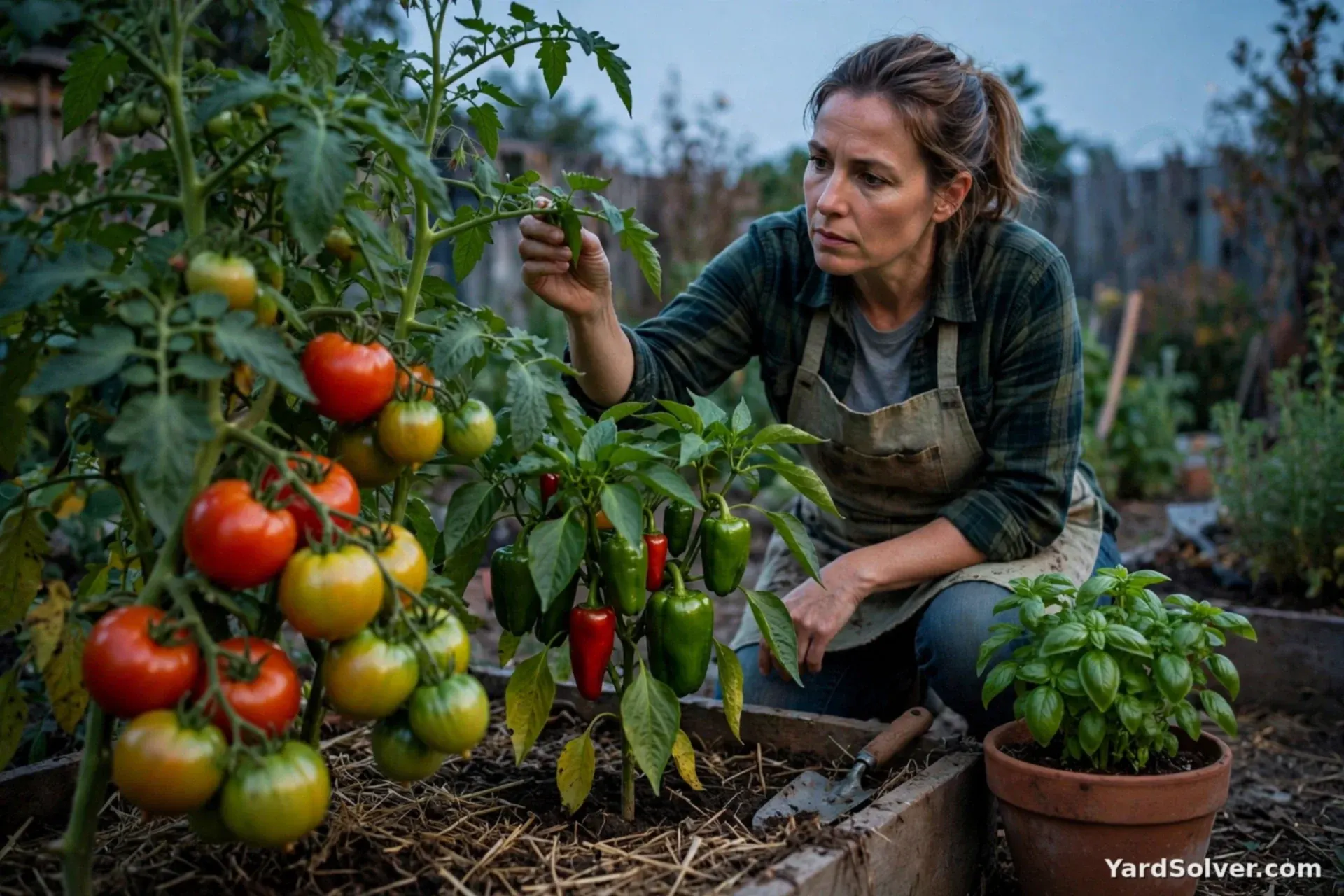
Line up thirty years of springs and mark the final frost of each. The average last frost date is the middle of that list — not the latest frost ever recorded, and not a guarantee about this year. In roughly fifteen of those thirty years, the last frost came after the average date. Every use of the date in this guide and on this site respects that: it is a planning anchor with a known error rate, which is more honest, and more useful, than a fake certainty.
The tables behind the calculator are built the same way the national services build theirs — from long runs of station records (NOAA 1991–2020 normals in the US, Environment Canada station means in Canada, and national equivalents elsewhere), condensed to one typical date per zone. The Planting Calendar and the Garden Planner run on the identical tables, so a date you take from the calculator behaves the same everywhere on the site.
Step 2 — Typical dates and the safer dates they imply
Read your zone’s row: the typical last frost, the safer transplant date two weeks on, and the season the date opens. The safer column is not timidity — priced against a tray of six-week-old tomato plants, two weeks of patience is the cheapest insurance in gardening.
| Zone (USDA) | Typical last frost | Safer date (tender transplants) | Typical first fall frost |
|---|---|---|---|
| 4 | May 8 | May 22 | September 28 |
| 5 | April 26 | May 10 | October 10 |
| 6 | April 14 | April 28 | October 24 |
| 7 | April 2 | April 16 | November 6 |
| 8 | March 18 | April 1 | November 20 |
Canadian zones run their own table (Zone 5: last frost April 22, safer May 6) — the Last Frost Date Calculator — your country’s own zone system keeps each system separate and never converts between them.
Step 3 — What the date lets you count
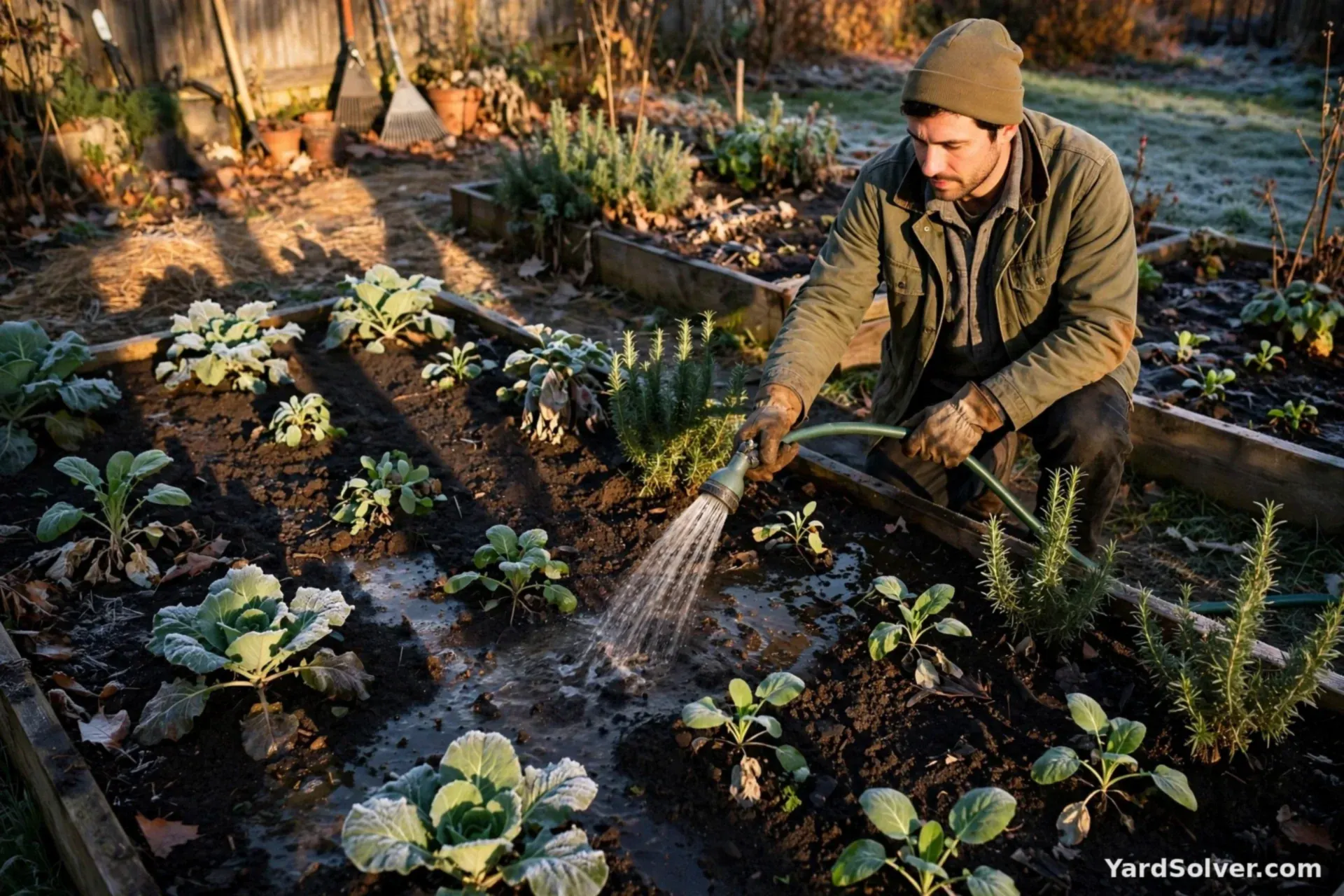
With the anchor set, the spring becomes arithmetic. Sow-indoors dates count backwards from it, transplant dates forwards, direct sowings both ways depending on hardiness — the Seed Starting Calculator does that counting for every crop in the library. Season length — last frost to first frost — then filters your variety choices: a 118-day Zone 3 season cannot ripen a 110-day melon started late, whatever the packet’s optimism.
The date also disciplines the hardy sowings. Peas sown “as soon as the soil can be worked” are being sown against this anchor — typically four weeks before it — because their seedlings treat the frosts still to come as weather, not death. Knowing the average tells you how brave “as soon as” is allowed to be.
Step 4 — When the average is not enough: your own record
Zone tables average whole regions. Your plot has a slope, a wall, a tree line, a city around it — any of which can move its real last frost by a fortnight either way. A frost pocket at a slope’s foot will be later than the table for as long as you garden there; a walled city courtyard, earlier.
So keep the notebook. Three springs of your own last-frost dates, written down, will serve you better than any zone table — including ours, and we would rather you graduated to your own data than trusted ours forever. Until then: plan on the average, plant tender crops on the safer date, and keep the fleece by the door until both have passed.
Questions people ask
When is the last frost in my zone?
Typical dates: USDA Zone 5 around April 26, Zone 6 April 14, Zone 7 April 2; Canadian Zone 5 April 22, Zone 6 April 10. The calculator reads your zone from the site tables in your own country’s system.
Why not just plant on the average date?
Because the average is beaten in about half of years. Hardy crops do not care; tender transplants die. The safer date — two weeks later — exists for exactly the plants that cannot shrug a frost off.
How do I find my garden’s own last frost date?
Watch and write it down: the last morning you see frost damage or a frozen birdbath, each spring. A cheap min-max thermometer at plant height makes it precise. Three years of records beat any published table.
A frost is forecast after my plants are out — what now?
Cover before sunset with fleece or cloches, right to the ground; water dry soil in the afternoon; uncover next morning once the air warms. A covered, hardened-off plant survives most single late frosts.
Do I count seed starting from the average or the safer date?
Sow indoors counting from the average — the seedlings are safe inside either way. It is the transplant step that uses the safer date for tender crops.
Sources
Key facts on this page cross-checked against Frost — Wikipedia — background on frost formation and plant damage Hardiness zone — Wikipedia — background on zone systems and their limits.
Related page
Read next: What Can Be Planted Before Last Frost? The Hardy List
Comments & ratings
No comments yet.
Be the first to share your experience.