
Plant Library · Fruits · By Faizan Ahmad
Updated November 17, 2026
🟥 How to Grow Lingonberry
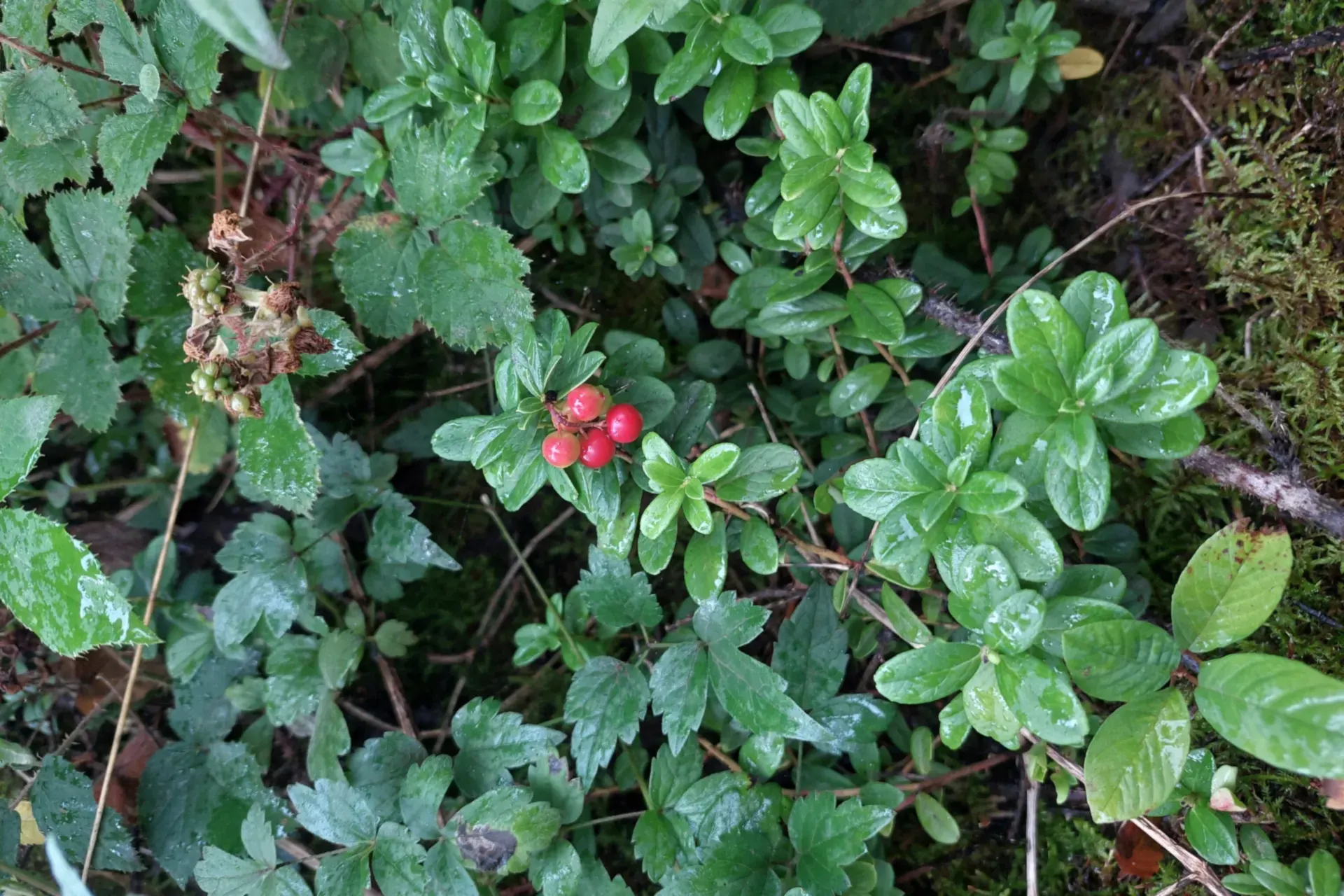
Lingonberries are a low evergreen ground cover — 12–18 in tall — that carpets acid soil with glossy leaves and tart red berries, the classic Scandinavian jam berry. They need acid soil (pH 4.3–5.2), steady moisture, and patience: the first real crop comes in year 2–3, and a well-grown patch can crop twice in a long season.
Grow Lingonberry with us — step by step
Lingonberry rewards patience and acid soil above all else: get the pH down to 4.3–5.2 before planting day and this tough little Scandinavian groundcover mostly looks after itself, creeping wider every year and cropping twice in a good season. Below, each job is laid out in order, with the timing that matters for lingonberry in particular. Set your own planting date here and the page turns it into a personal schedule — first mulch and watering checks, then the long wait to the first red berries in year 2–3, each step landing on its proper day.
Step 1 — today: Plant your Lingonberries today, 12–18 in apart at nursery depth in acid soil (pH 4.3–5.2), water in and mulch with pine needles or bark.
Lingonberry at a glance
Spacing: 12–18 in in · Seed depth: As in the pot
Sun: Full sun to part shade
Water: Regular — keep evenly moist
Harvest: First berries in year 2–3
Timing counts from your average last spring frost — get your own dates in the Planting Calendar. Guidance follows standard extension-service practice for Canada and the US.
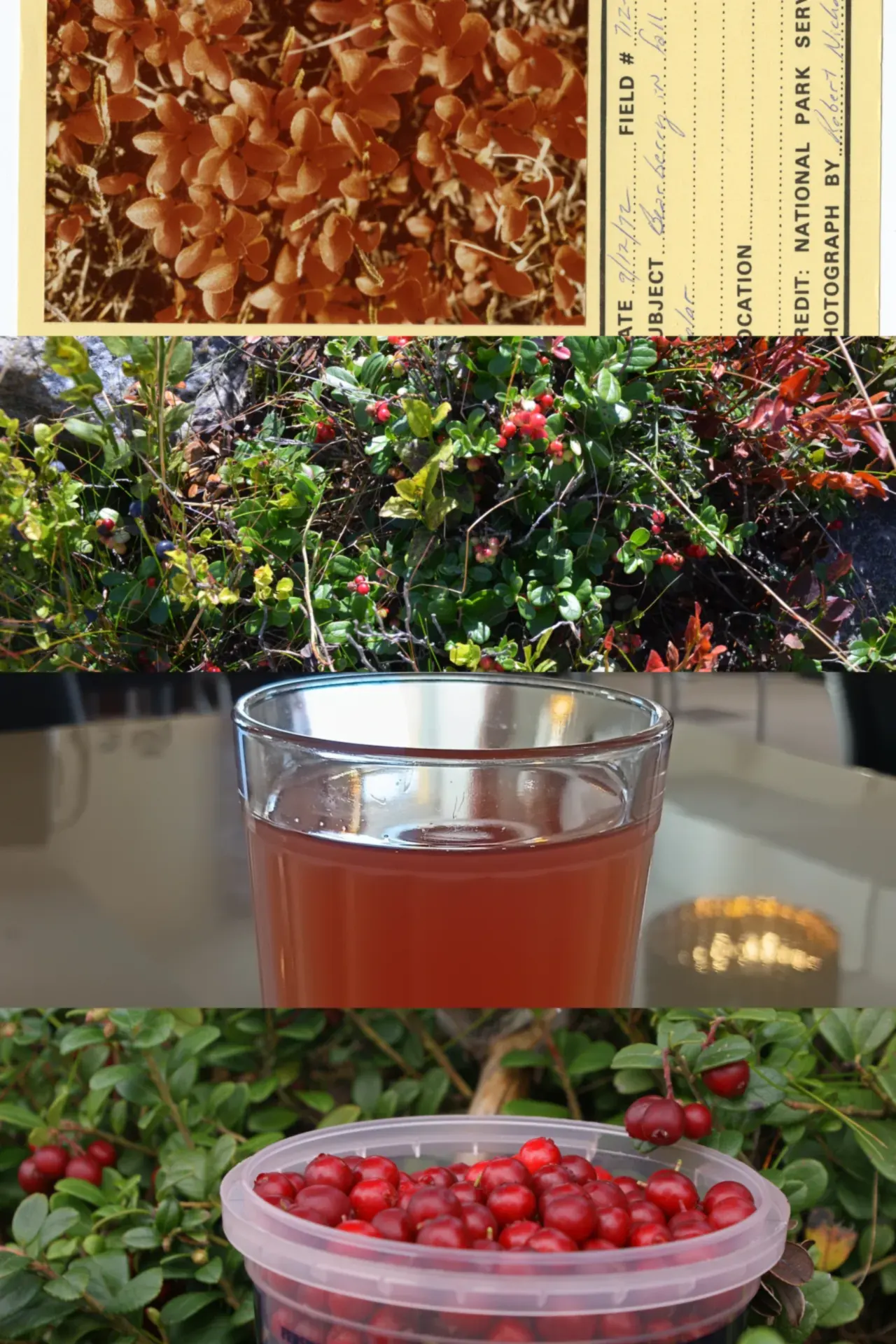
How to plant and grow lingonberry, step by step
Step 1 — Time it right

Plant in spring or early fall, in prepared acid soil. Lingonberries are very hardy — zone 2–3 tough — but dislike hot, humid summers. Set out dormant bare-root or potted plants while the soil is still cool and moist, and firm them in well — lingonberry roots are fine and shallow, so air pockets around them dry out fast. A 2–3 in mulch straight after planting keeps that first summer simple.
Step 2 — Prepare the spot

Sun: Full sun to part shade. Acid (pH 4.3–5.2), peaty, moist but drained soil — the same bed a blueberry loves. Work out how much you need with the Garden Mix Calculator or the Raised Bed Soil Calculator. Test before you dig: if the bed sits above pH 5.2, work in elemental sulfur several months ahead, because soil bacteria need warm weeks to turn it into acidity. Peat moss dug through the top 8 in helps twice over — it acidifies gently and holds the moisture lingonberries love.
Step 3 — Plant it
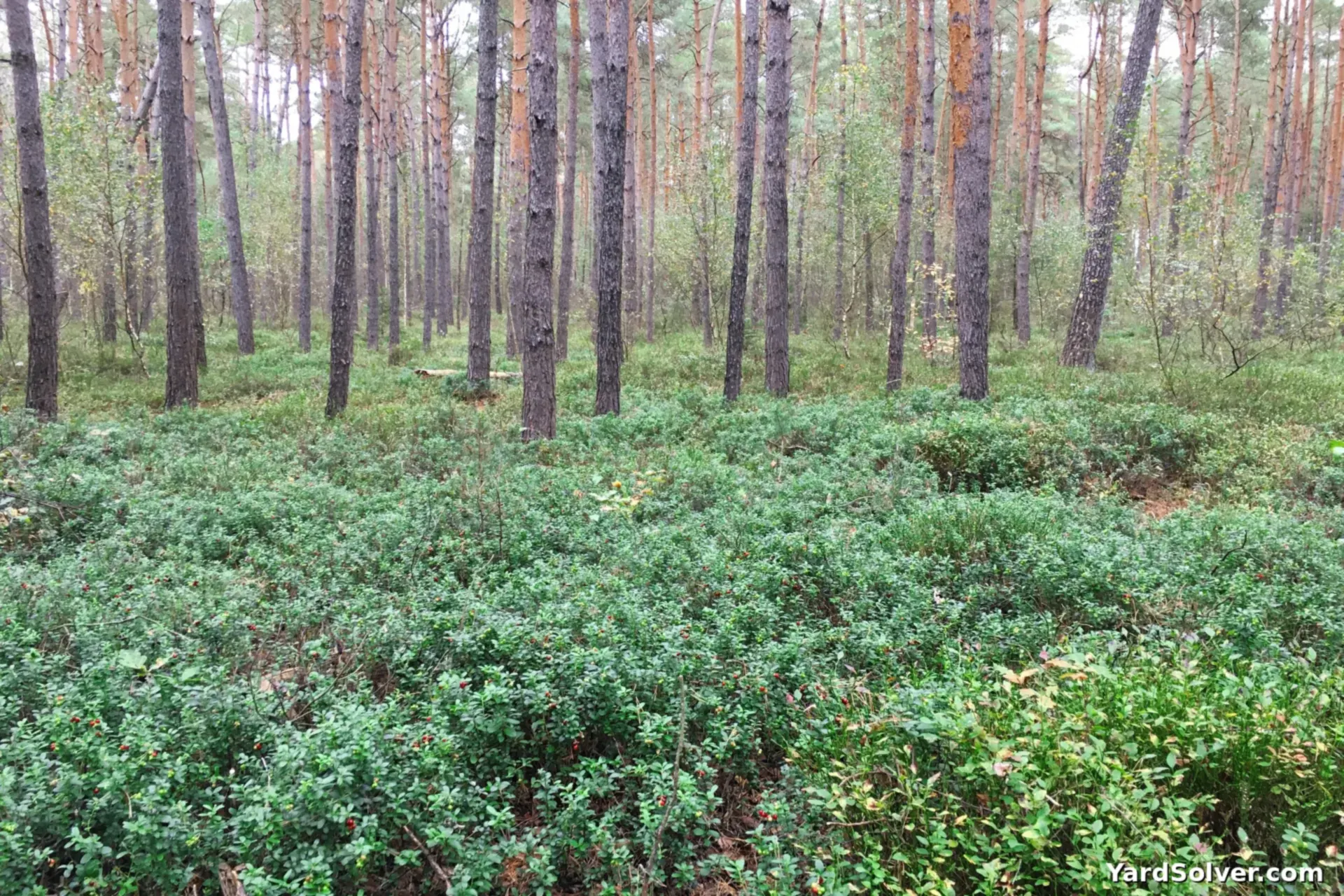
Set plants 12–18 in apart at nursery depth, water in with rainwater if tap water is alkaline, and mulch with pine needles or bark. The Plant Spacing Calculator turns that spacing into plants-per-bed. Plants spread by underground runners, so a row set 12 in apart knits into a solid mat in about two seasons — allow roughly 11 plants for a 10 ft row. Keep the crown of each plant level with the soil surface; buried crowns rot in wet winters.
Step 4 — Water and feed
Water: Regular — keep evenly moist. Feed very lightly with an acid-loving fertilizer — lingonberries are light feeders. The Fertilizer Calculator turns a bed size into the right amount. Use an ammonium-based fertilizer sold for acid-loving plants, at half the label rate in early spring only — a small handful per square yard is plenty. Avoid nitrate-heavy and chloride-based feeds, and if your tap water is hard and alkaline, save rainwater for this bed.
Step 5 — Care and the problems to watch for
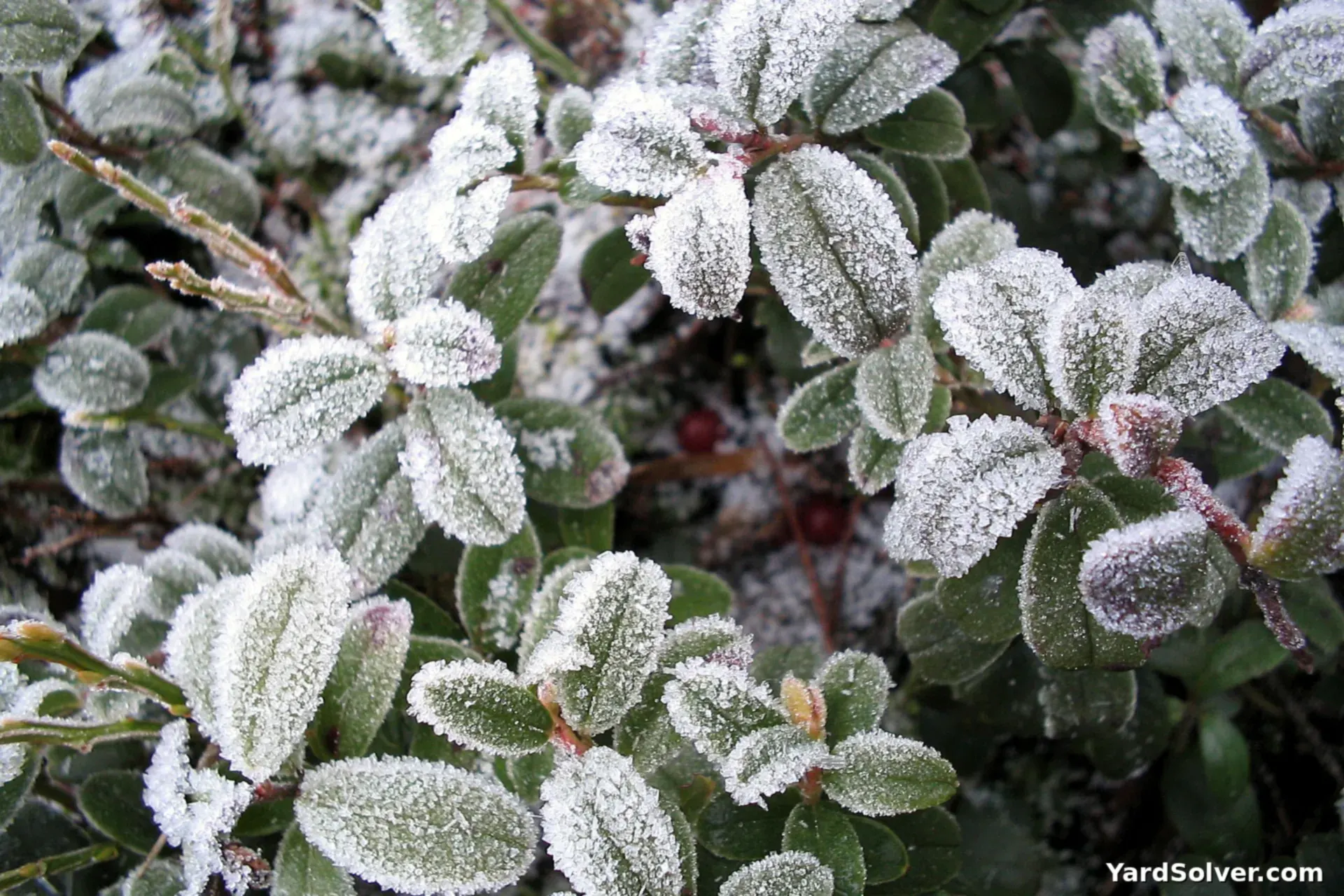
Wrong pH — in soil above pH 5.2 the plants yellow and stall; test first and acidify with sulfur. Hot summers — lingonberries sulk in heat and humidity; afternoon shade helps. Drying out — shallow roots need steady moisture. In wet springs, grey mould (botrytis) can spot the flowers and cut the crop; thinning a crowded mat for airflow is the simplest cure. Aphids occasionally colonise the soft spring tips — a firm jet of water knocks them off without any spray.
Step 6 — Harvest
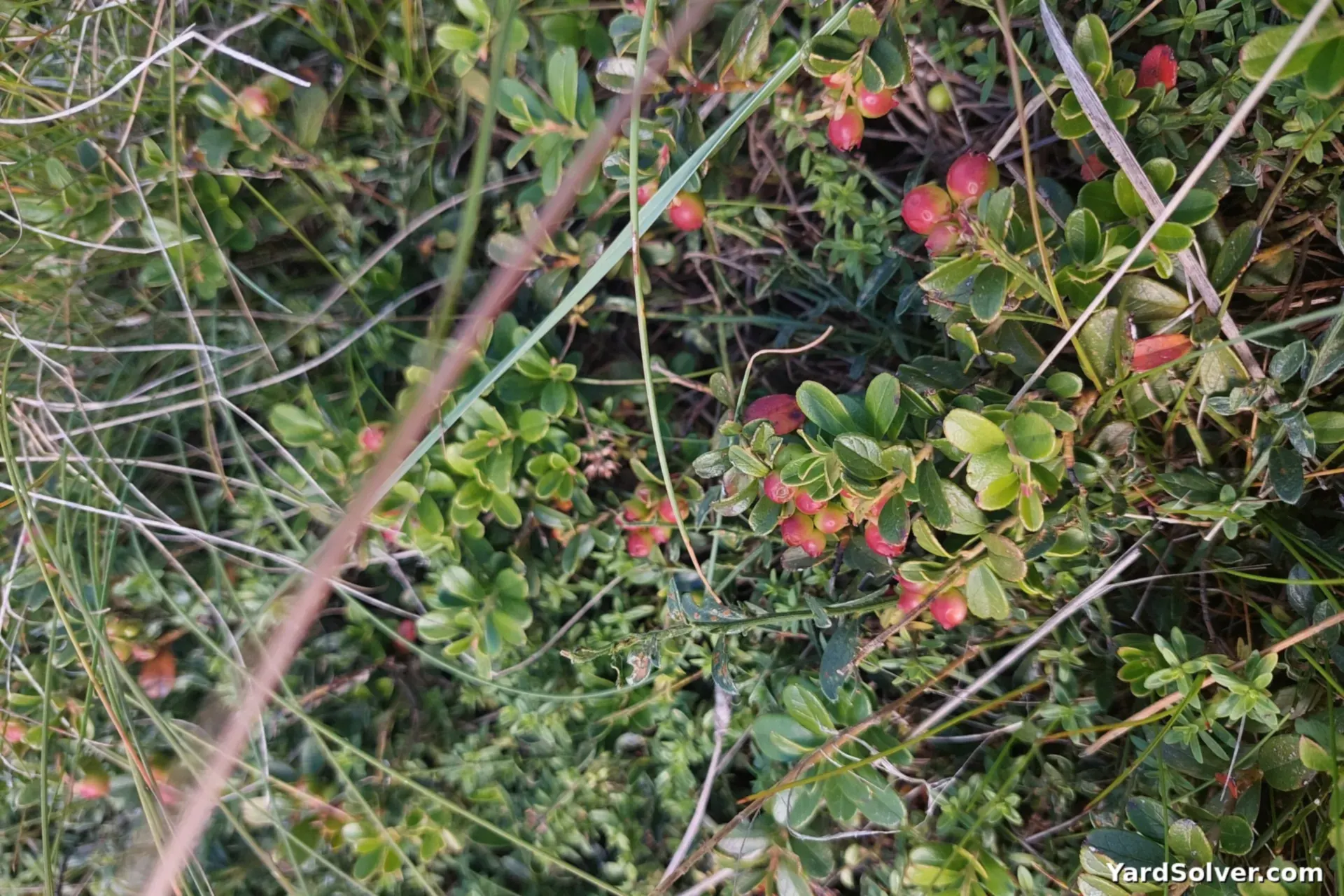
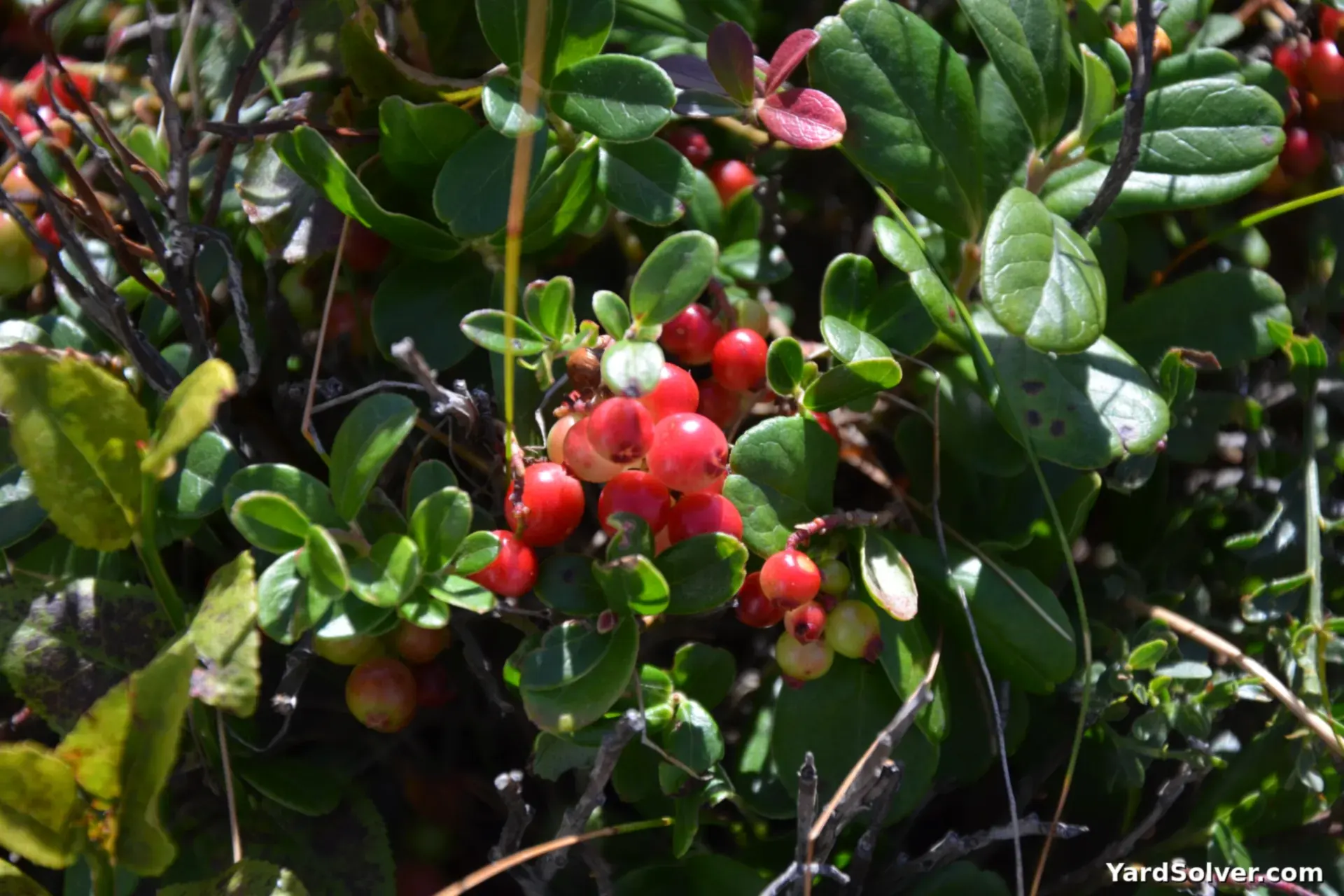
First berries in year 2–3. Pick when fully red — and for the sweetest berries, wait until after the first light frosts. Many varieties, including Koralle and Red Pearl, flower twice and can give a small summer crop plus the main fall crop, which is the one worth waiting for. A mature plant in a happy bed yields roughly 1/2–1 lb of berries a year, and the berries freeze beautifully for winter sauces.
📅 Your personal Lingonberry schedule
This schedule starts on the day your lingonberries actually went into their acid bed — not on a date copied from a packet. From that day it counts forward to the jobs this plant really needs: early watering checks while the shallow roots settle, a light spring feed, and the long, quiet stretch to your first real picking in year 2–3.
Varieties worth growing
| Variety | Colour | Why gardeners like it |
|---|---|---|
| Koralle | Red | The main commercial variety — two crops a year |
| Red Pearl | Red | Large berries on vigorous plants |
| Erntekrone | Red | Heavy crops, bred in Germany |
| Linnea | Red | A compact variety for small patches |
Good for you — and take care
Benefits
- A beautiful evergreen ground cover that fruits
- Berries make the classic Scandinavian jam
- Extremely cold-hardy
- Can crop twice in a long season
Take care
- Lingonberries need acid soil — pH 4.3–5.2 — test before planting.
- Water with rainwater where tap water is alkaline.
- Berries sweeten after a light frost — harvest late for the best flavour.
Problems to watch for
- Wrong pH — in soil above pH 5.2 the plants yellow and stall; test first and acidify with sulfur.
- Hot summers — lingonberries sulk in heat and humidity; afternoon shade helps.
- Drying out — shallow roots need steady moisture.
A little history — and one good fact
Lingonberries grow wild across the forests of Scandinavia and northern Europe, where they are picked by the basketful every fall — lingonberry jam with meatballs is Sweden's signature. The plant is a close cousin of the cranberry and blueberry.
Fun fact: In Sweden, lingonberry picking is a national pastime — the forests are open to everyone under the right of allemansrätten, the freedom to roam.
Keep going
Guides: How to Harden Off Seedlings · How to Read a Seed Packet
Calculators: Plant Spacing Calculator · Seed Calculator · Fertilizer Calculator · Garden Mix Calculator
Plan it: Garden Planner · Planting Calendar · Companion Planting Chart · Seed Box
Good companions: Blueberry
← Back to the Plant Library · Get your personal planting dates
Worked example: filling a 4 × 8 ft lingonberry bed
A standard 4 × 8 ft raised bed makes a tidy lingonberry patch — big enough for sauce and jam, small enough to keep acid. Worked at the spacings on this page, the planting maths looks like this:
| Item | Figure | Note |
|---|---|---|
| Rows across the bed | 3 rows | Rows about 16 in apart, with room to pick from both sides |
| Plants per row | 6–7 | Plants 12–18 in apart along an 8 ft row |
| Plants to buy | 18–21 | Runners fill the gaps by the second season |
| Peat moss to dig in | About 4 cu ft | Roughly 1.5 in worked through the top layer of the bed |
| Expected crop, mature bed | Roughly 9–18 lb a year | Across both flushes, once plants are 3–4 years old |
Plant the bed in a chequerboard rather than strict lines if you prefer a natural look — the runners erase the pattern within two years either way. Keep a simple note of which variety went where: Koralle types crop twice, while single-crop varieties put everything into the fall harvest.
Questions people ask
When do I plant lingonberries?
Plant in spring or early fall, in prepared acid soil (pH 4.3–5.2). Lingonberries are extremely cold-hardy.
How far apart do I space lingonberries?
Space plants 12–18 in apart. Sun: full sun to part shade, with steady moisture.
When will my lingonberries fruit?
First berries in year 2–3. Berries sweeten after a light frost — harvest late for the best flavour.
Do lingonberries need a second variety to fruit?
No — lingonberries are self-fertile, so one variety fruits on its own. Bees still matter: good pollinator activity noticeably improves berry set and size, especially on the spring flowering.
Can I grow lingonberries in a pot?
Yes — use a pot at least 12 in wide filled with ericaceous (acid) compost, water with rainwater where you can, and keep it evenly moist. Potted plants need winter cold to flower well, so leave the pot outdoors in a sheltered spot.
A low evergreen groundcover that demands acid soil: get the pH down first, or nothing else you do will matter
Lingonberry (Vaccinium vitis-idaea) is a creeping evergreen relative of the blueberry and cranberry, grown for tart red berries and for its neat, year-round groundcover. Its one non-negotiable is acidity: like its cousins it needs genuinely acid soil, around pH 4.5 to 5.5, and in neutral or alkaline ground it yellows and stalls no matter how well it is fed. Test first, acidify with elemental sulfur well ahead of planting, and mulch with pine bark or needles to hold the acidity.
Given acid soil, it asks little: sun or light shade, steady moisture without waterlogging, and patience — plants spread slowly by underground runners and crop lightly at first, improving as the mat knits together. Many gardens plant two varieties together, since cross-pollination improves fruit set on a number of cultivars.
The worked example: plants set into tested, acidified soil and mulched with pine bark typically knit into a glossy mat and fruit increasingly each year. The same plants set into ordinary border soil typically sit yellow and sulking for seasons — with lingonberry, the pH test is the planting.
Sources
Key facts on this page — timing, spacing and care — cross-checked against Lingonberry — Wikipedia — background on lingonberry, its acid-soil requirement and its cultivation.
Related page
Read next: How to Lower Soil pH: Make Soil More Acidic, Step by Step.
Comments & ratings
No comments yet.
Be the first to share your experience.