
Plant Library · Flowers · By Faizan Ahmad
🌸 How to Grow Ranunculus
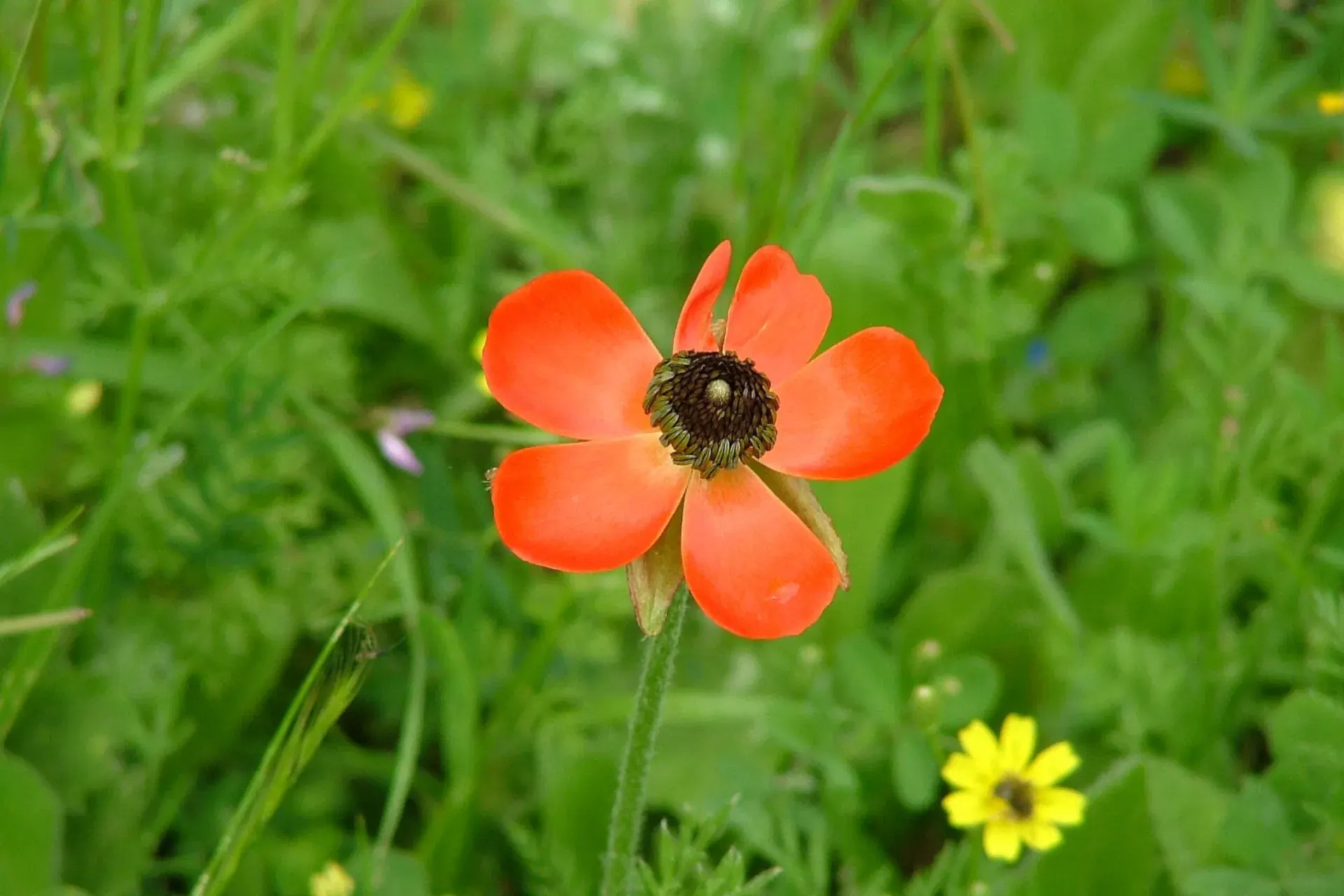
Tissue-thin petals layered like a rose drawn by an origami artist — Persian ranunculus (Ranunculus asiaticus) is the florist's spring treasure, grown from strange little claw-shaped corms. It is a cool-season flower with a split calendar: autumn planting in mild climates (zones 8–11), early-spring planting where winters bite. Soak the claws, plant them fingers-down, and keep them cool and moist to the bloom.
Grow Ranunculus with us — step by step
Everything for this plant is written step by step below — what to do, and exactly when. Read it through first if you like: you can grow it entirely on your own with that guide. Or start with us here — tell us your planting day and we lay out your personal schedule on this page, every next step on its own day, counted from your planting date. No guessing, no forgetting.
Step 1 — today: Buy ranunculus corms in autumn (mild zones) or late winter (cold zones), soak them, and plant the claws pointing down.
Ranunculus at a glance
Plant out: Corms in autumn (zones 8–11) or early spring (cold zones)
Sow outdoors: From seed is slow — corms are the way
Pre-sprout: Soak corms 3–4 hours, then sprout in trays for a head start
Spacing · Depth: 6 in apart · 2 in deep, claws down
Sun: Full sun
Water: Regular — evenly moist while growing
Bloom: Spring to early summer; heat ends the show
Timing counts from your average last spring frost — get your own dates in the Planting Calendar. Guidance follows standard extension-service practice for Canada and the US.
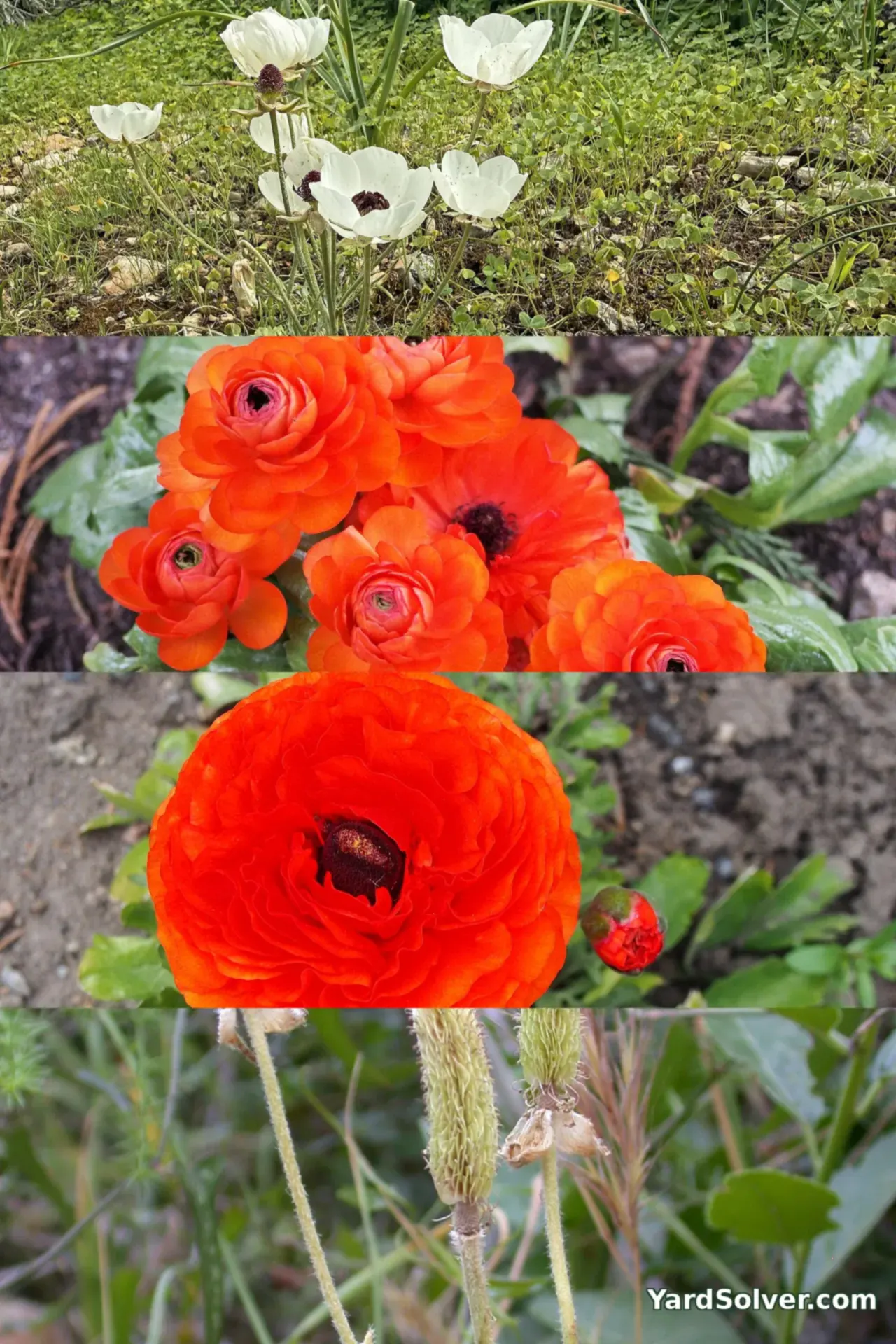
How to plant and grow ranunculus, step by step
Step 1 — Time it right
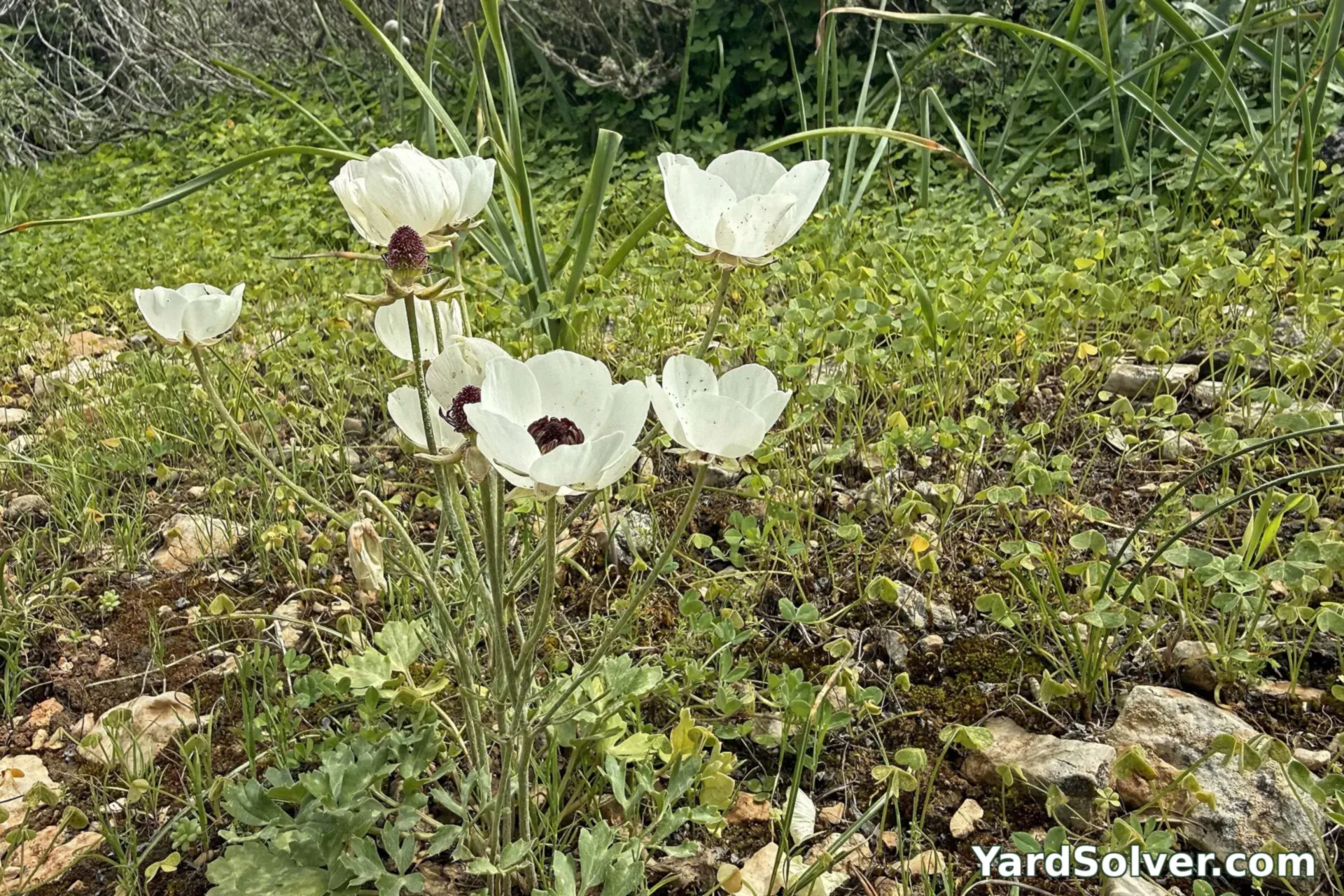
Plant out: corms in autumn where winters are mild (zone 8+), or in early spring elsewhere — after soaking; From seed: not practical. All dates count from your average last spring frost — the Planting Calendar turns them into real dates for your garden. Ranunculus corms arrive dry and spider-like. Soak them 3–4 hours in room-temperature water (a gentle trickle of air or a water change keeps them sweet) until they plump. Pre-sprouting in a tray of barely damp compost for 10–14 days in a cool spot gives cold-zone growers a head start. The planting calendar splits by climate: autumn in zones 8–11 for spring bloom; as early in spring as soil can be worked in cold zones.
Step 2 — Prepare the spot
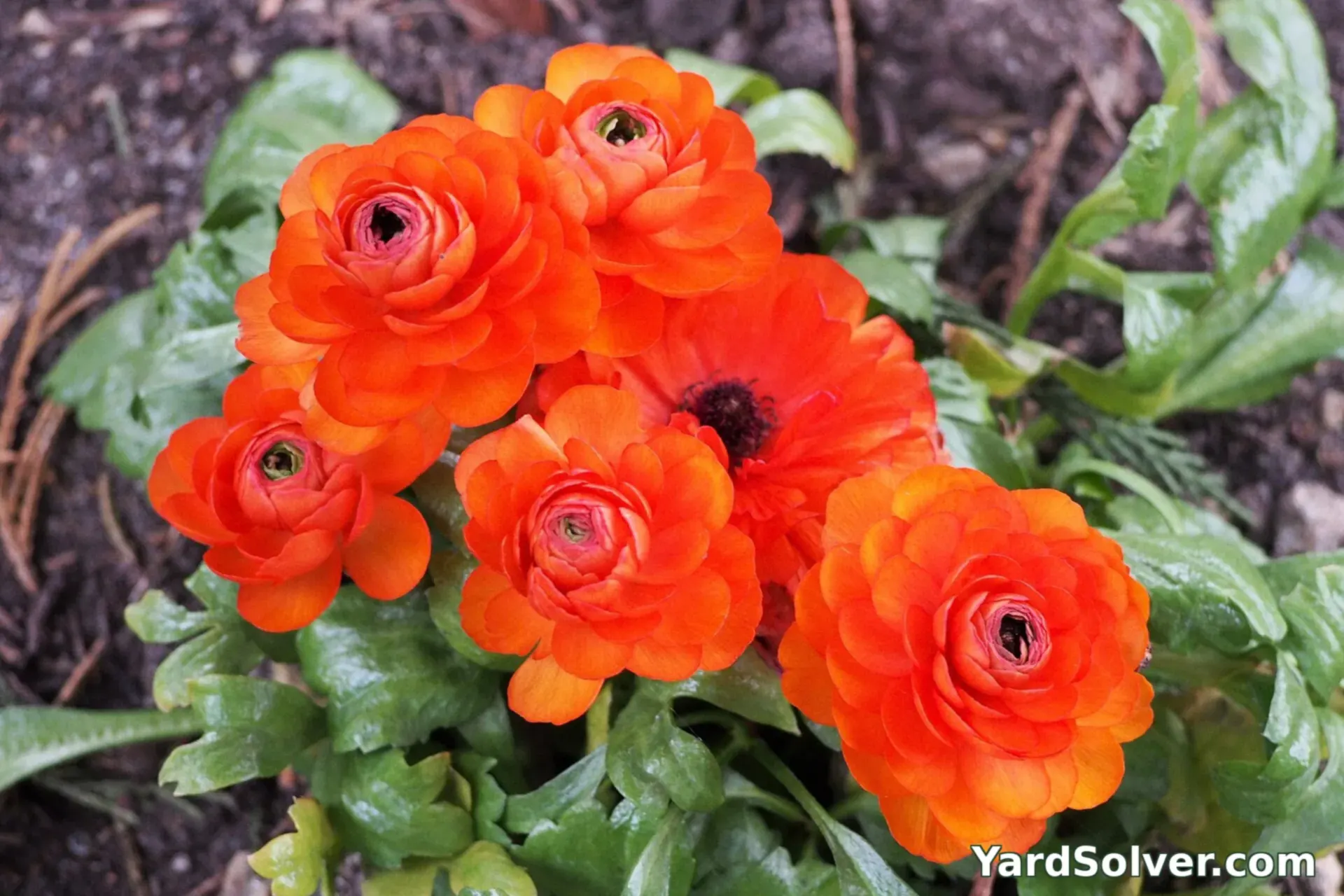
Ranunculus corms rot in wet soil faster than almost any bulb: plant in raised beds or gritty, free-draining ground in full sun, enriched moderately with compost. In pots, use a gritty mix. It is a cool-season grower — the foliage and flowers are made in the 50s and low 60s °F, and summer heat switches the whole plant off. For a raised bed, the Raised Bed Soil Calculator counts the bags for you; mixing your own? The Garden Soil Calculator gives the compost-rich split to aim for.
Step 3 — Sow and plant out
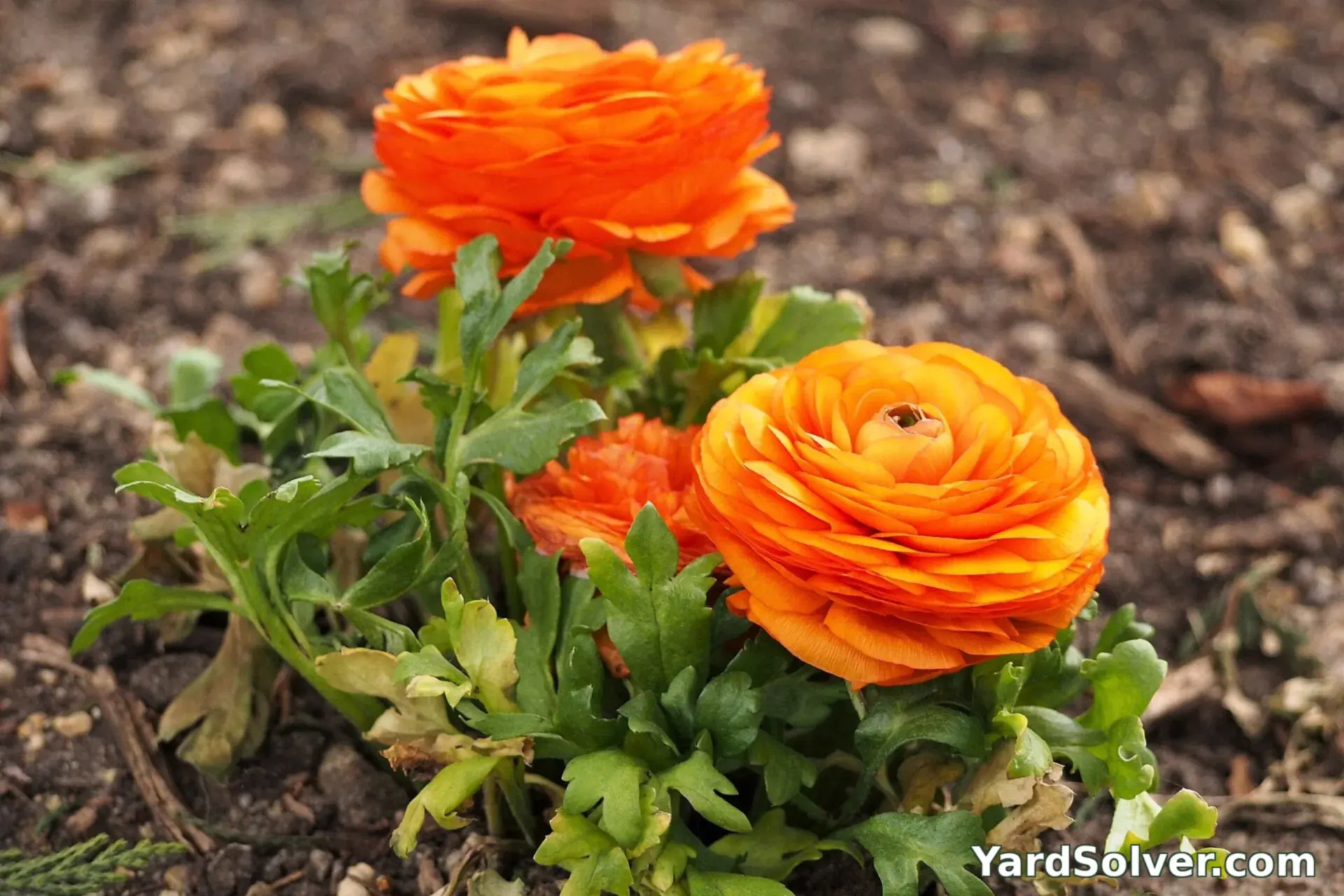
Plant corms 2 in deep, claws pointing down, 6 in apart, and water in. The Plant Spacing Calculator turns your bed size into an exact plant count. Good neighbours: ranunculus shares the cool spring stage with anemones (its fellow corm-cousin of spring cutting gardens) and stock — the cutting garden's spring shift.
Step 4 — Water and feed
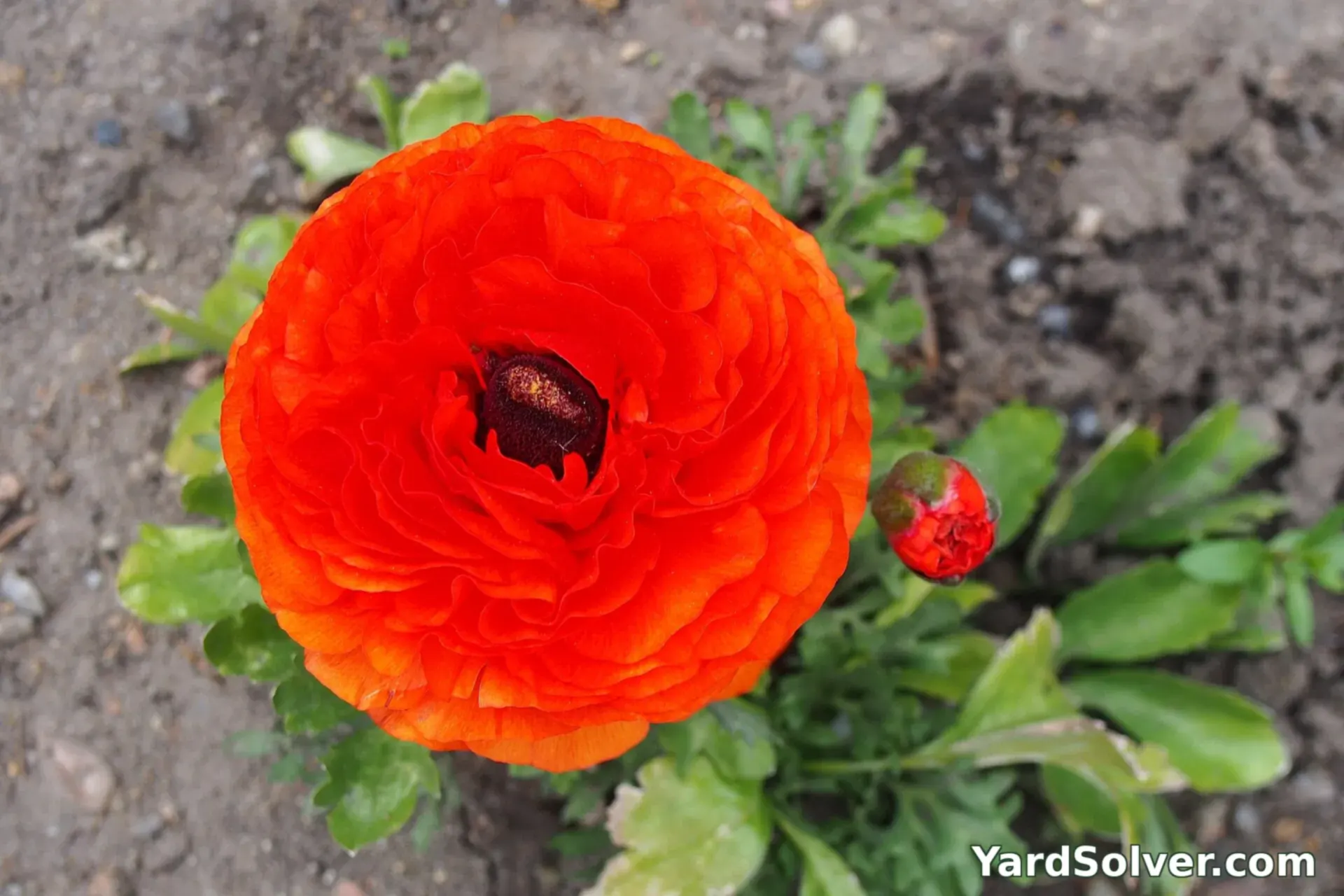
Keep the soil evenly moist throughout growth — drying out aborts buds, soaking rots corms. Feed fortnightly with a balanced liquid feed once shoots are up — the Fertilizer Calculator turns your bed size into exact amounts. Mulch lightly to keep roots cool as spring warms.
Step 5 — Care and the problems to watch for
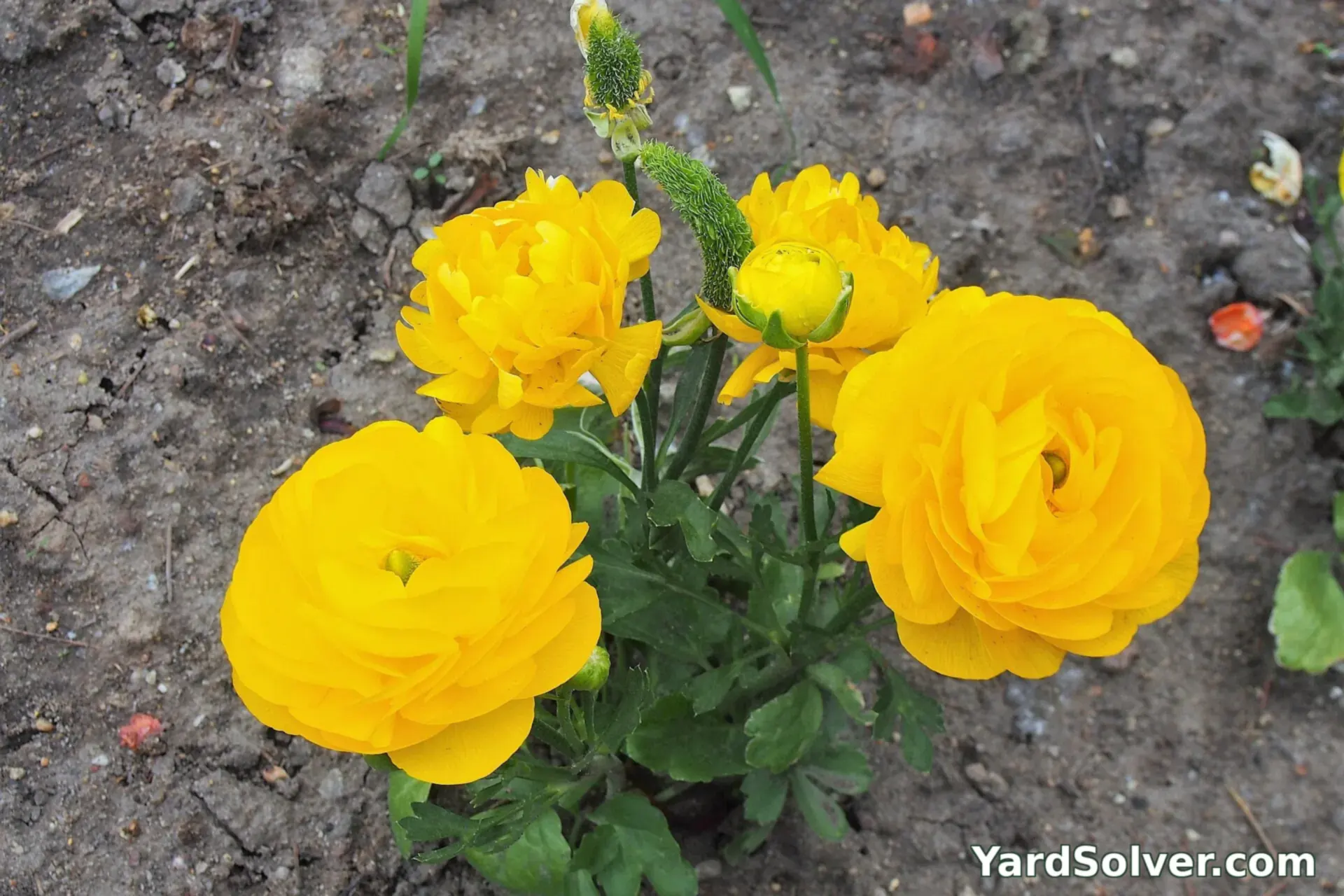
Cut flowers as they open — production continues for 4–6 weeks in cool weather. When heat arrives the plants yellow and go dormant: that's the lifecycle, not failure.
- Corms vanished/rotted — wet soil; the fix is drainage and raised beds, not fungicide.
- Aphids on the ferny foliage — blast off with water; the foliage is a favourite hangout.
- Small flowers — corms were small, or plants grew too warm too fast; buy the largest grade of corm and keep them cool.
Step 6 — Harvest
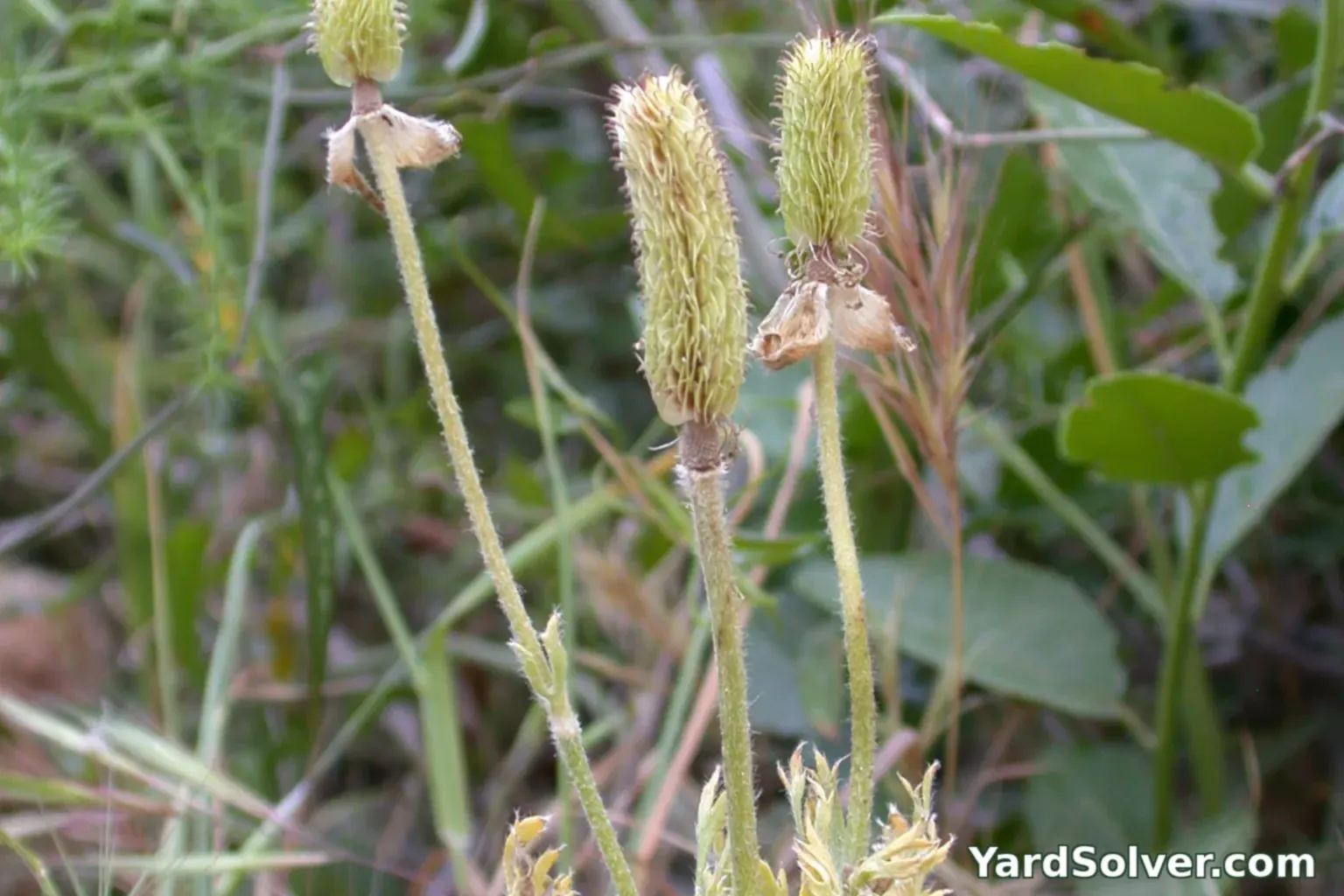
Cut stems when the buds are coloured and soft ('marshmallow stage') — they open fully in the vase and last 7–10 days, the florist's favourite spring flower for good reason. In mild zones, corms can stay in the ground with a dry mulch; in cold zones, lift the dried corms after the foliage dies and store them dry and cool for next spring — they keep for years handled this way.
📅 Your personal Ranunculus schedule
Counted from your planting day — not a generic calendar. Day 0 is the day the seed went in the ground or the young plant went out.
Varieties worth growing
| Variety | Colour | Why gardeners like it |
|---|---|---|
| Tecolote series | Giant flowers, the florist standard | The Californian-bred strain behind most cut-flower ranunculus. |
| Amandine series | Heat-tolerant later flowering | French breeding that extends the season into warmer springs. |
| Bloomingdale series | Compact, for pots | Dwarf plants with full-size flowers for containers. |
Good for you — and take care
Benefits
- Florist-grade flowers — layered petals in jewel colours.
- A 4–6 week cutting season from one planting of cheap corms.
- Corms store dry for years — lift, keep, replant.
Take care
- Rot is the enemy: sharp drainage or raised beds, always.
- A cool-season plant — summer heat ends it by design.
- Sap irritates: gloves for sensitive skin; not a food plant.
A little history — and one good fact
Ranunculus asiaticus comes from the eastern Mediterranean and Persia (the name means 'little frog' in Latin — wild buttercups like damp places; asiaticus marks its Asian origin). It reached European gardens in the 1600s and was a florist's flower of the 1700s. The giant modern strains were bred in California (Tecolote, by Edwin Frazee) and France in the 20th century.
Fun fact: A dried ranunculus corm looks like a tiny dried octopus and seems entirely dead — four hours in water and it plumps up and sprouts. Growers call the soak 'waking the claws'.
Keep going
Guides: Companion planting basics · Succession planting · Crop rotation basics
Calculators: Plant Spacing Calculator · Garden Mix Calculator · Fertilizer Calculator
More flowers: Stock · Tulip · Daffodil
← Back to the Plant Library · Get your personal planting dates
Questions people ask
Which way up do ranunculus corms go?
Claws down — the claw-like roots point into the soil and the crown (where the claws join) faces up. Plant 2 in deep. It is the most-asked question in the ranunculus world because the corms look upside-down to most people.
Why did my ranunculus rot?
Wet soil is the cause in almost every case. Ranunculus demands sharp drainage: raised beds, gritty soil, or pots. In heavy ground that stays wet, lift corms after the season and never leave them in soggy winter soil.
Can I grow ranunculus in a cold climate?
Yes — plant soaked corms in very early spring (pre-sprouted in trays for a head start), grow them through the cool spring, and expect bloom in late spring. Lift and store the corms dry after foliage dies.
Ranunculus claws go in like tiny octopuses, points down — and a soak first is the difference between a show and a gap
Florist's ranunculus (Ranunculus asiaticus) produces rose-like blooms in improbable colours from claw-shaped tubers that look like dried spiders — and those claws are where beginners lose the crop. Stored dry, they must be soaked for a few hours before planting to rehydrate; planted dry into cold, wet soil they rot instead of rooting. Points down, a few centimetres deep, in sharply drained soil, in the cool season — ranunculus is a spring flower that sulks in heat.
In mild climates the claws go in during autumn for early blooms; where winters bite, they start under cover in late winter and plant out as the soil warms. Pre-sprouting in a tray of barely moist compost until roots show is the professional trick — it converts a gamble into a planting of live plants. After flowering, the foliage feeds next year's claws; in most gardens they are treated as annuals and replaced fresh, which guarantees size.
The worked example: soaked, pre-sprouted claws planted into drained soil in cool weather typically flower in layered drifts. The same claws planted dry into a wet spring bed typically vanish without a leaf — with ranunculus, the soak is the sowing.
Sources
Key facts on this page — timing, spacing and care — cross-checked against NC State Extension Plant Toolbox — Ranunculus asiaticus — culture and care requirements and Ranunculus asiaticus — Wikipedia — background on ranunculus and its cultivation.
Related page
Read next: How to Divide Perennials: When, How, and a Chart for Common Plants.
Comments & ratings
No comments yet.
Be the first to share your experience.