
Plant Library · Flowers · By Faizan Ahmad
🌸 How to Grow Stock
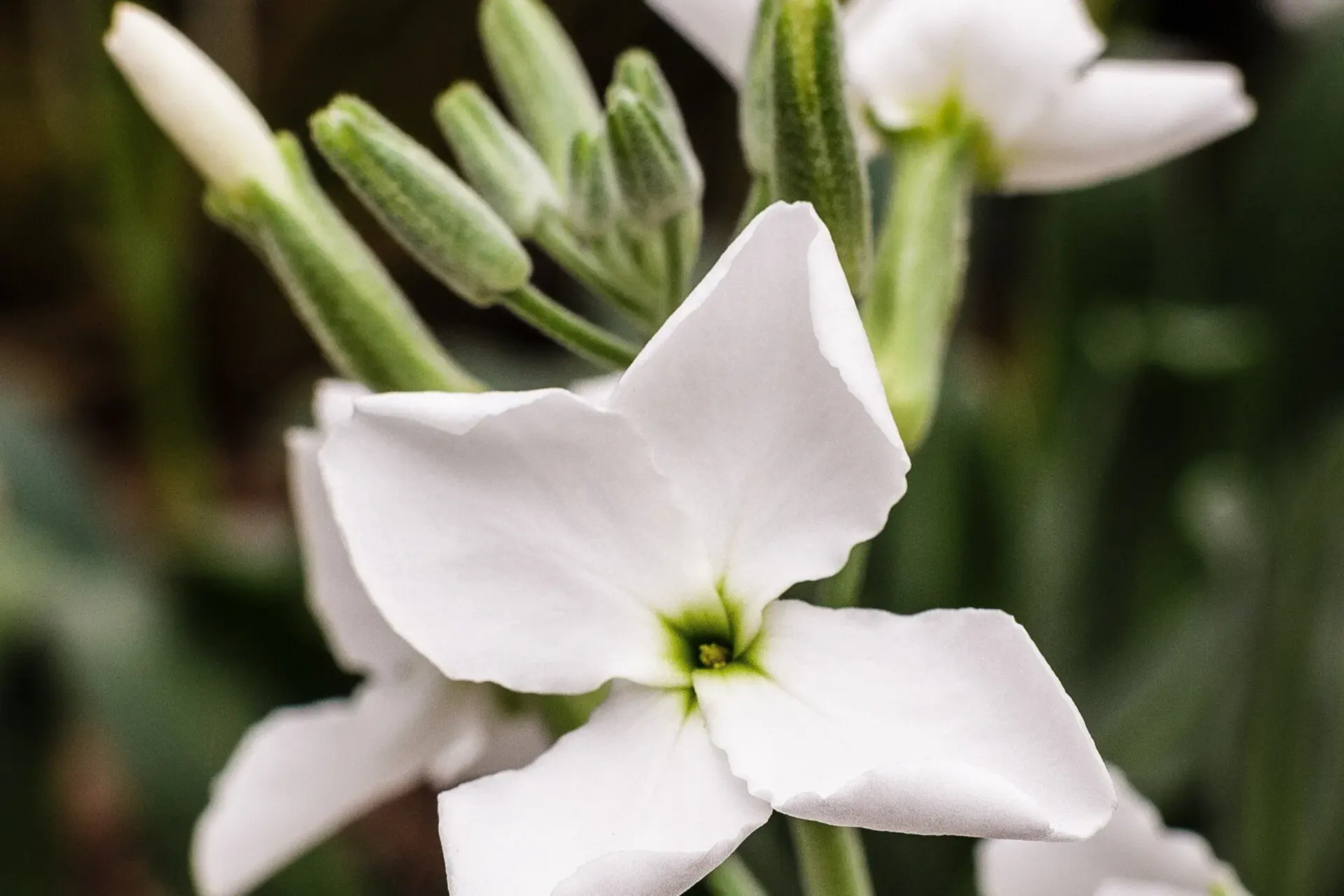
The perfume of a summer evening, bottled in a flower spike — stocks are grown for scent above all. Stocks (Matthiola incana) are cool-season biennials grown as annuals: sow them early, plant them where evening air pools (by a door, under a window), and learn the old grower's trick for telling the double-flowered seedlings from the singles while they're still in the tray.
Grow Stock with us — step by step
Everything for this plant is written step by step below — what to do, and exactly when. Read it through first if you like: you can grow it entirely on your own with that guide. Or start with us here — tell us your planting day and we lay out your personal schedule on this page, every next step on its own day, counted from your planting date. No guessing, no forgetting.
Step 1 — today: Sow stock seed in a tray indoors — then chill the tray of seedlings for a few days to spot the pale, double-flowered ones (Step 1 explains).
Stock at a glance
Sow indoors: 8 weeks before last frost
Move outside: 1 week before last frost — stocks are hardy youngsters
Sow outdoors: Only for biennial Brompton types, sown in summer
Spacing · Seed depth: 10 in apart · 1/8 in deep
Sun: Full sun to part shade
Water: Regular — steady moisture
Bloom: May to July; the scent peaks on warm evenings
Timing counts from your average last spring frost — get your own dates in the Planting Calendar. Guidance follows standard extension-service practice for Canada and the US.
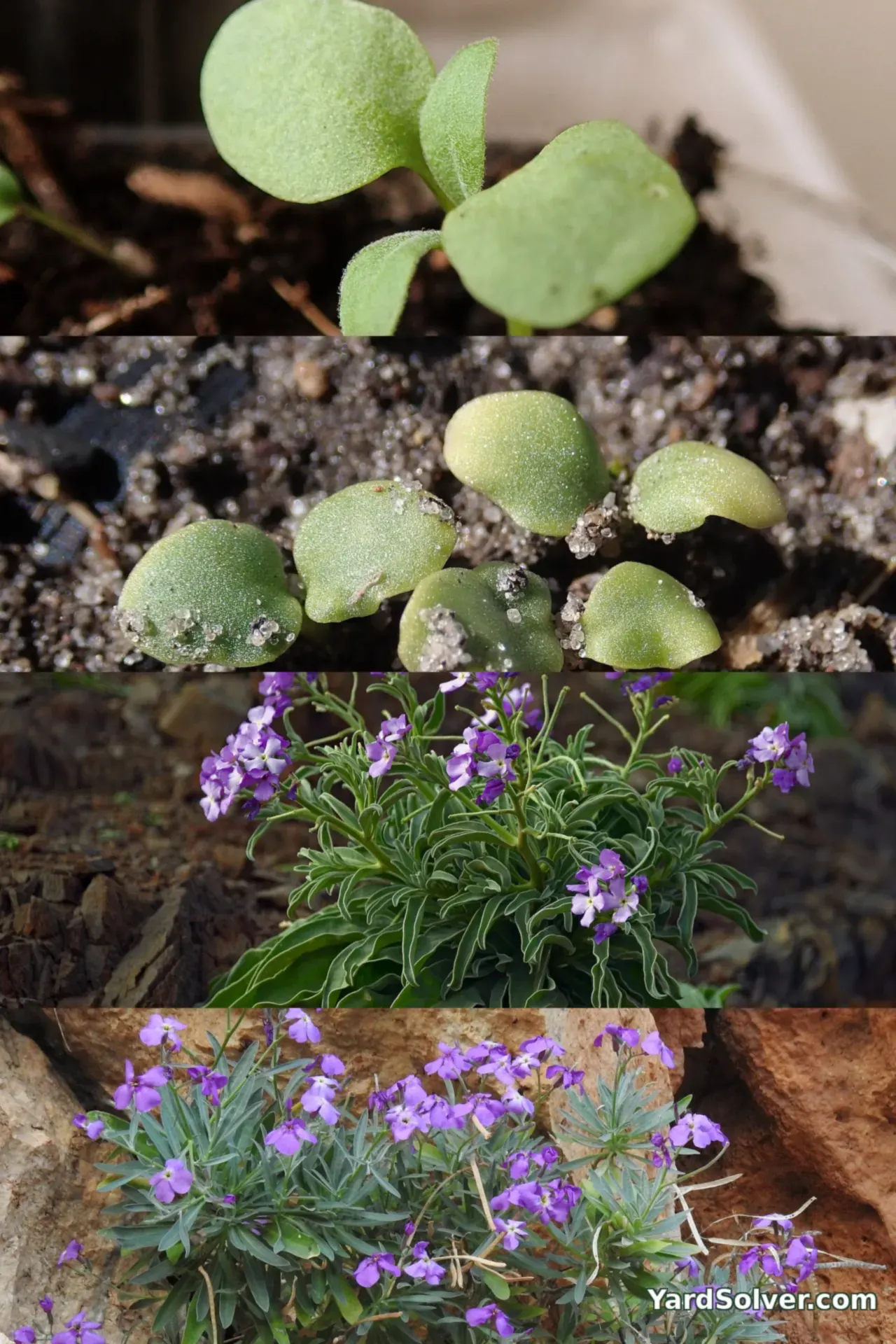
How to plant and grow stock, step by step
Step 1 — Time it right
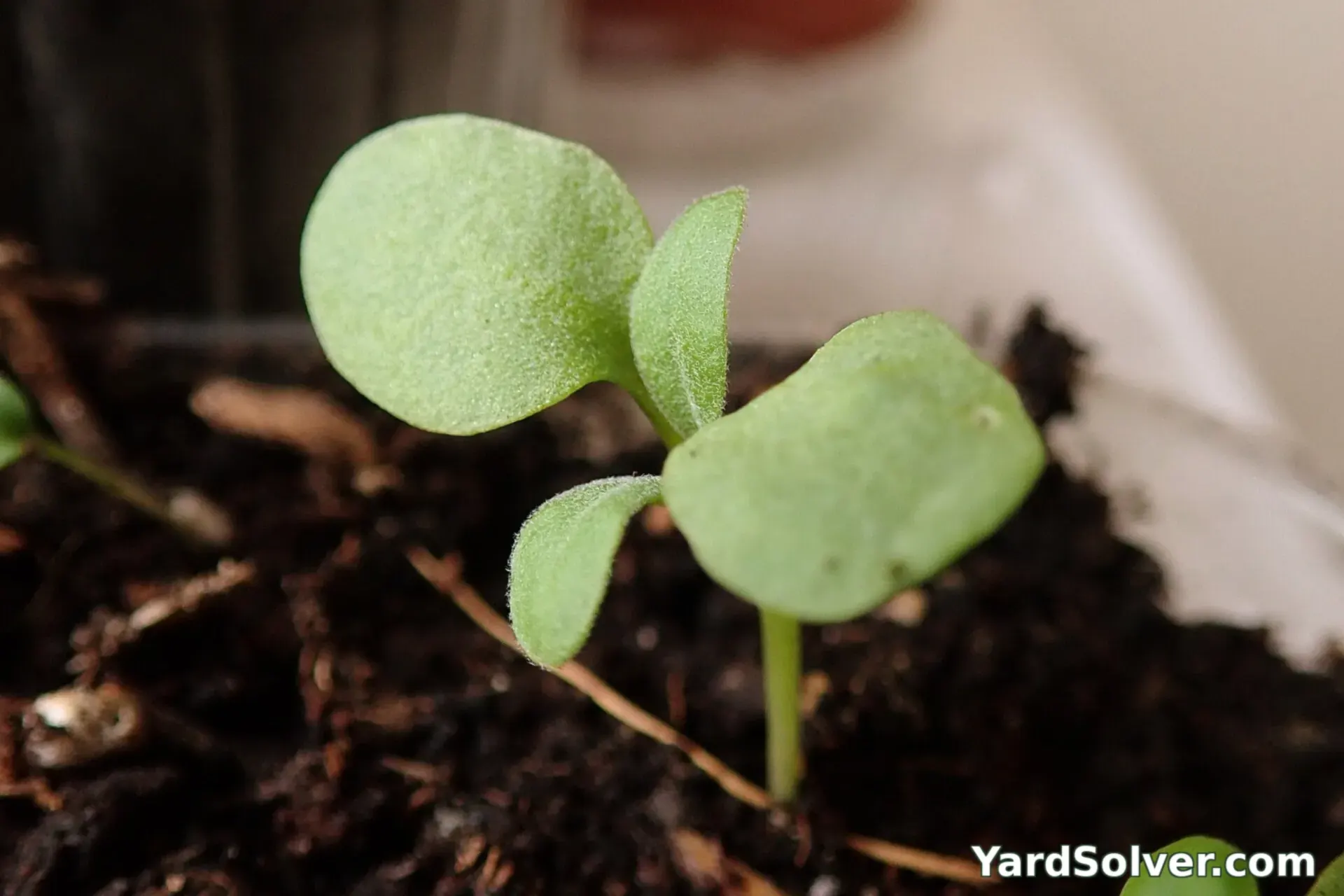
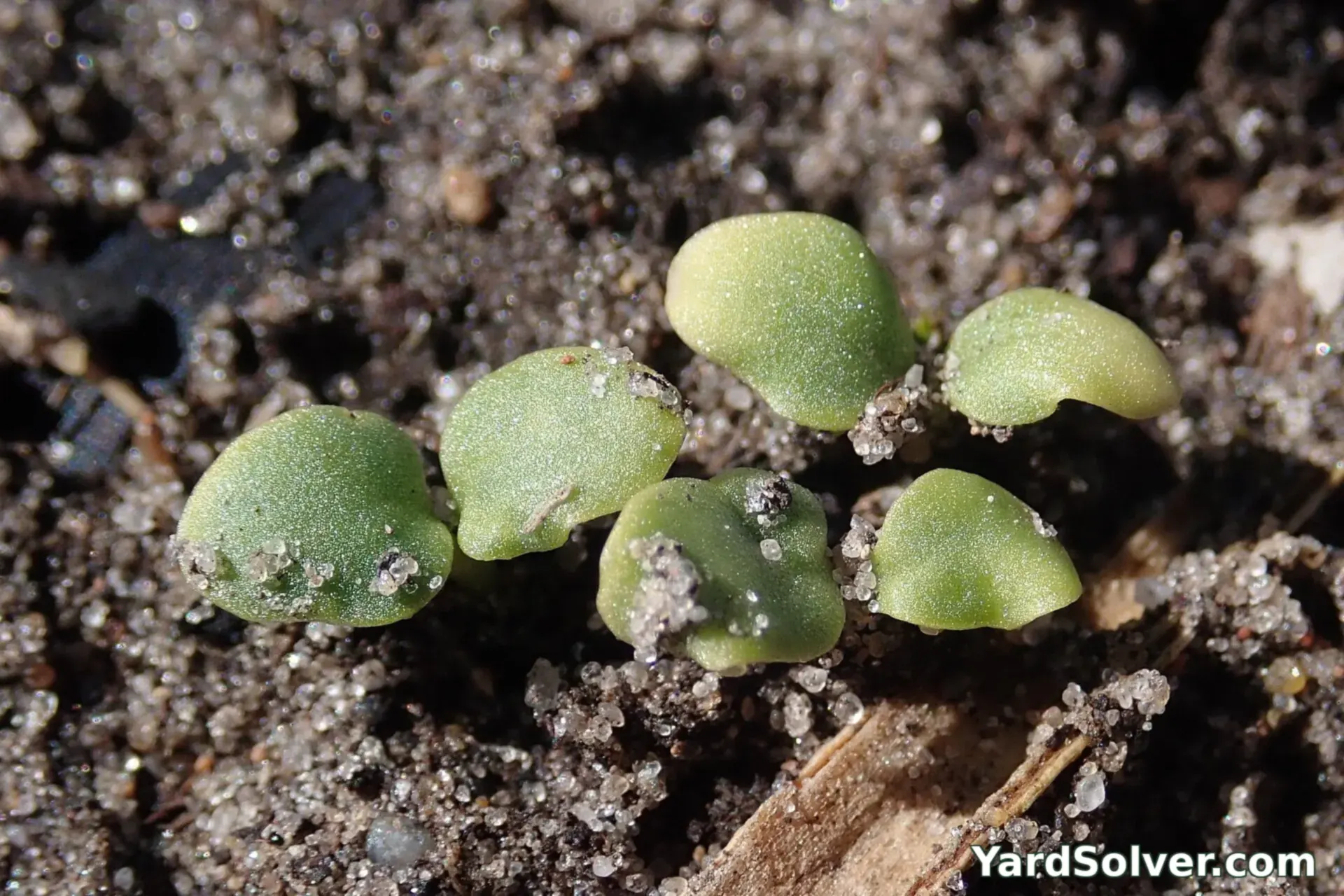
Sow indoors: 8 weeks before last frost; Move outside: 1 week before last frost — stocks are hardy and relish cool weather; Sow outdoors: only for the biennial Brompton types, sown in summer for next year. All dates count from your average last spring frost — the Planting Calendar turns them into real dates for your garden. Stock seed germinates in 7–14 days. Then comes the famous trick: double-flowered stocks (the ones everyone wants) are sterile and can only be raised from seed of special 'ever-sporting' strains, mixed with singles. Give the seedling tray 3–4 days of cold (below 10 °C / 50 °F): the future doubles turn pale yellow-green while singles stay dark green. Keep the pale ones. In many modern strains you can also tell by notched double-lobed seed leaves — but the chill test is the classic.
Step 2 — Prepare the spot
Site stocks for the nose: a bed by the front door, under an open window, beside the evening bench. The soil should be fertile, moisture-holding and neutral-to-alkaline (stocks dislike acid ground — lime a sour bed at preparation). Full sun or light shade both suit them. For a raised bed, the Raised Bed Soil Calculator counts the bags for you; mixing your own? The Garden Soil Calculator gives the compost-rich split to aim for.
Step 3 — Sow and plant out
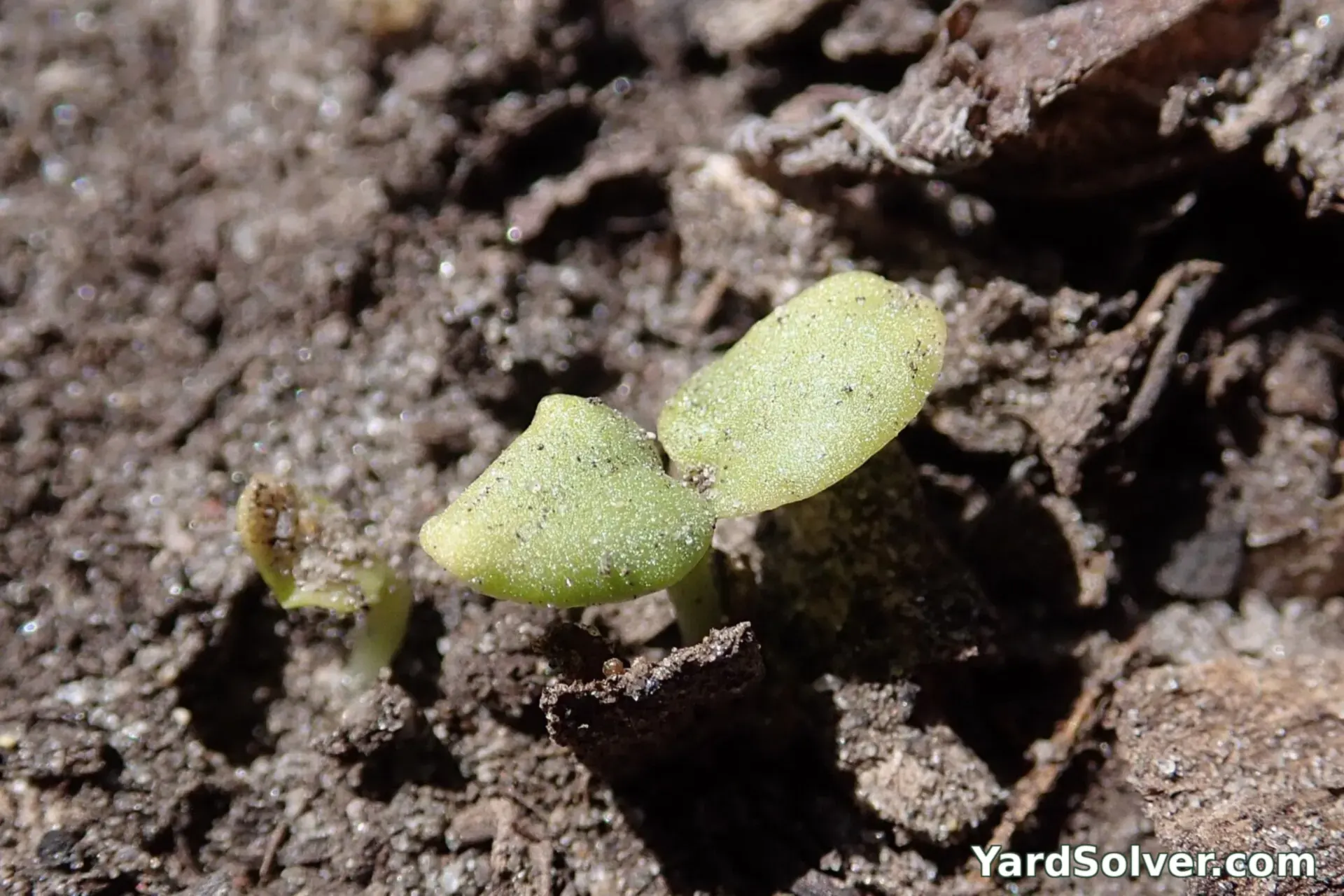
Set plants 10 in apart, firm them in well, and water. The Plant Spacing Calculator turns your bed size into an exact plant count. Good neighbours: as brassicas, stocks rotate with the cabbage family in the cutting garden — don't follow last year's sweet peas (different family, no clash) — the real rule is not to plant where wallflowers or other brassicas sickened last year.
Step 4 — Water and feed
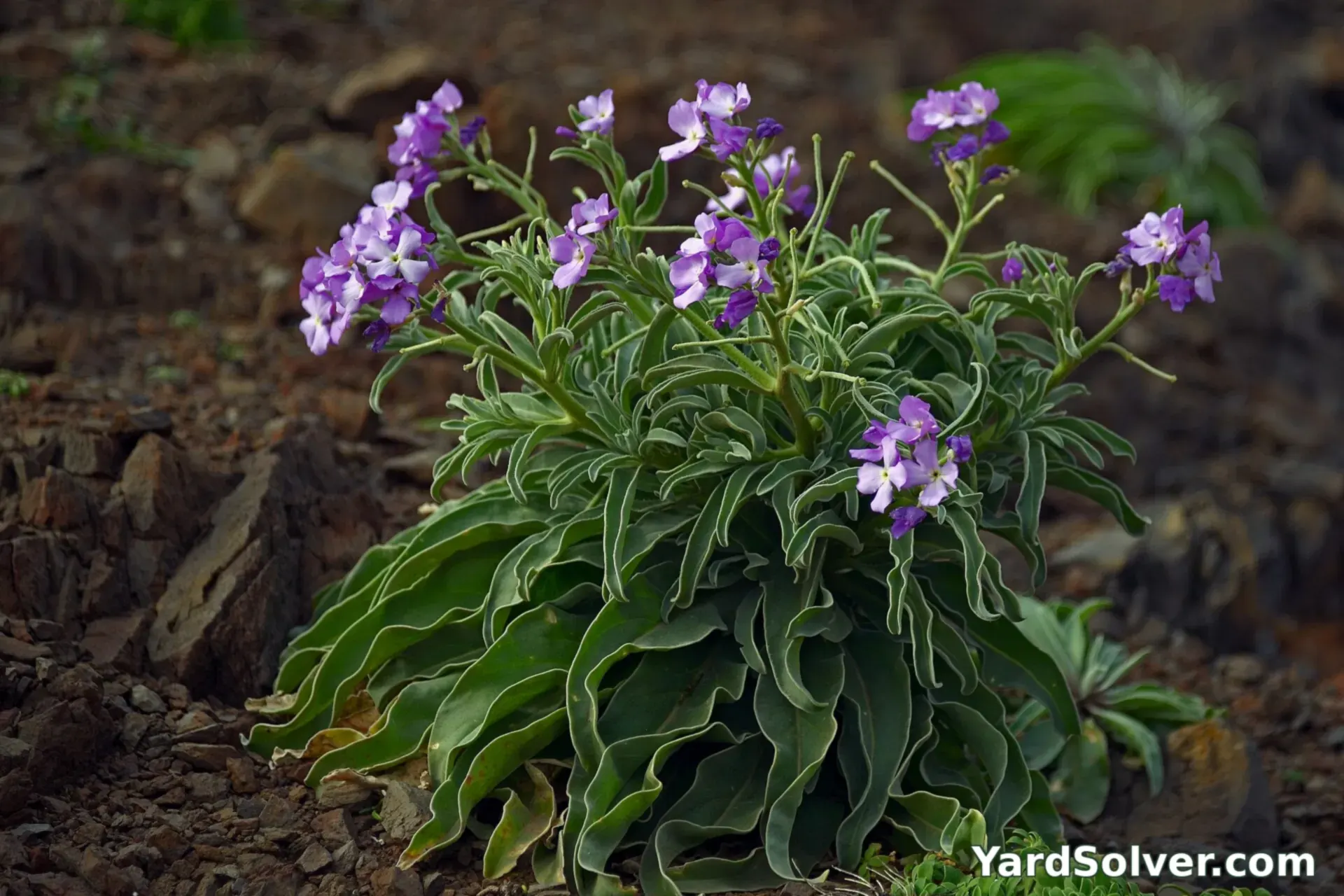
Keep stocks evenly moist from planting to flowering. Feed every two weeks with a balanced liquid feed — spikes are built from steady supplies — the Fertilizer Calculator turns your bed size into exact amounts. Mulch to hold the moisture in as days warm.
Step 5 — Care and the problems to watch for
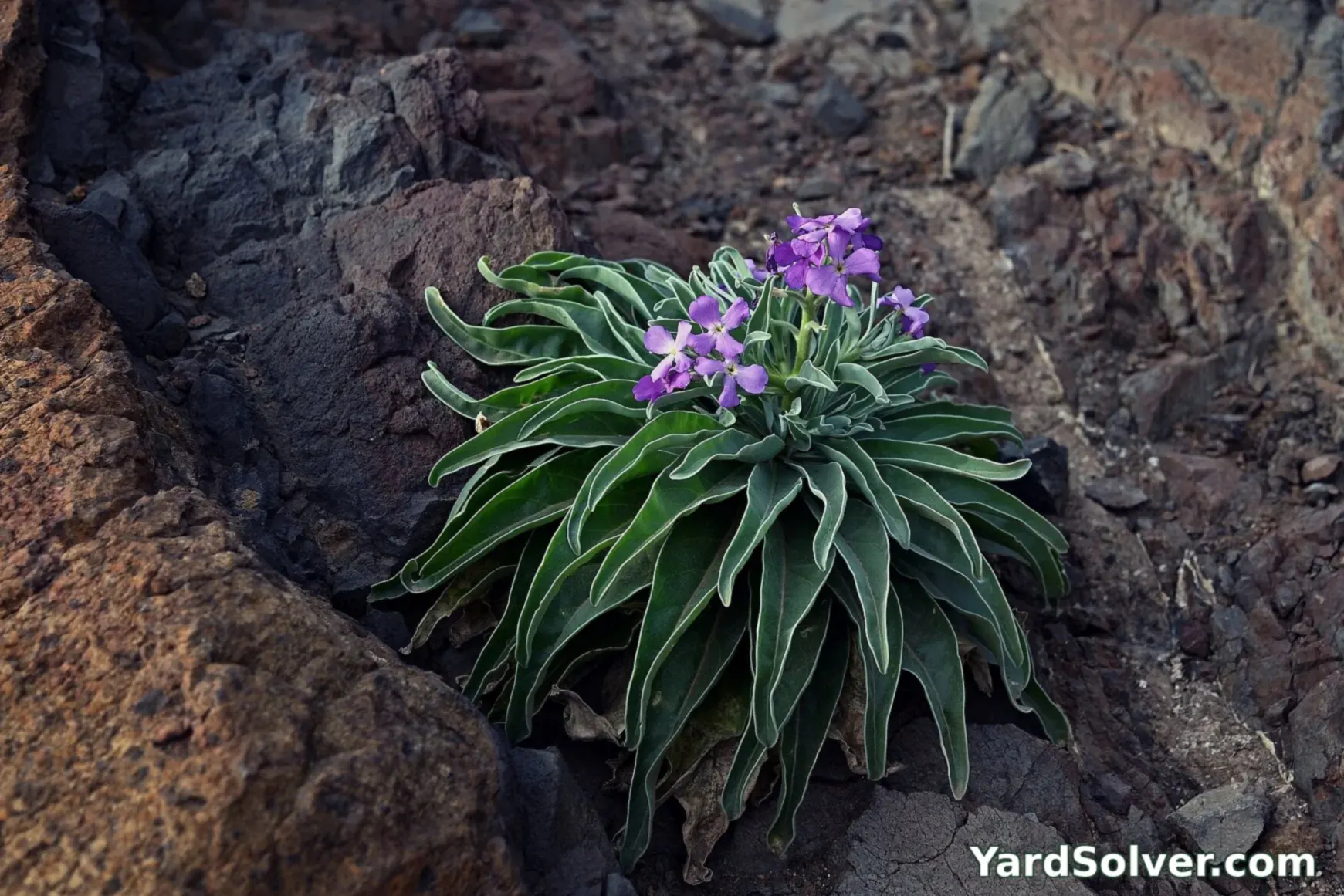
Stocks are one-flush plants: the terminal spike is the show (some strains branch after cutting).
- Blind plants that never spike — seedlings were kept too warm; stocks need a cool spell after germination to initiate flowers.
- Flea beetles peppering leaves — the brassica family tax; net young plants in bad gardens.
- Grey mould in wet weather — space for air and pick off fading flowers.
Step 6 — Harvest
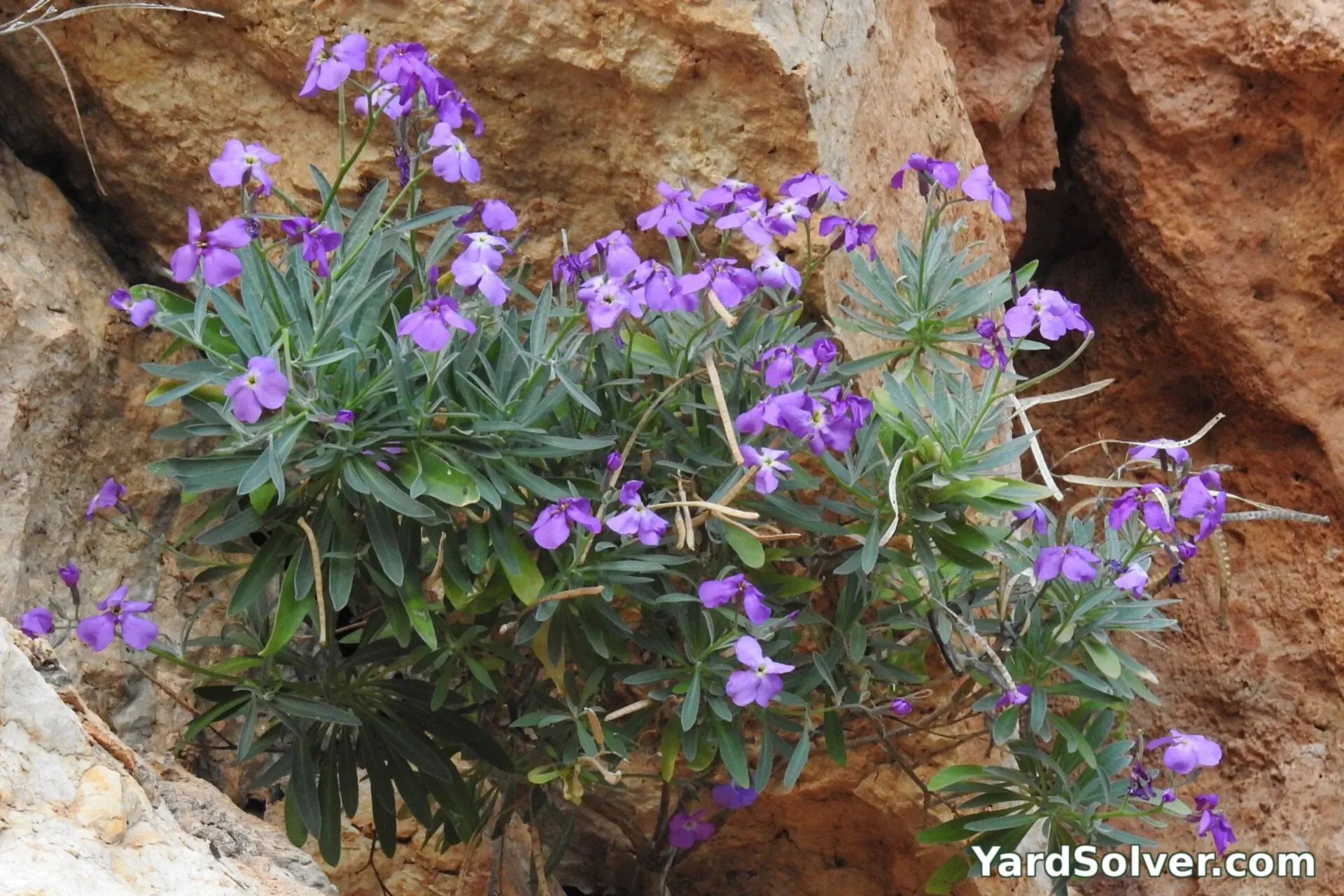
Cut spikes when about half the flowers are open. Two florist tricks: hammer or split the stem ends (they take up water better), and change the vase water every other day — stock stems foul water faster than almost any flower. Expect 5–7 days of perfume indoors. Outdoors, a second smaller flush of side spikes follows if you cut the main one early.
📅 Your personal Stock schedule
Counted from your planting day — not a generic calendar. Day 0 is the day the seed went in the ground or the young plant went out.
Varieties worth growing
| Variety | Colour | Why gardeners like it |
|---|---|---|
| Column (Giant Imperial) | Single tall spikes, double-rich strains | The florist's cutting stock — one perfect spike per plant. |
| Brompton | Biennial, bushy and double | Sow in summer, flower the next spring — the old cottage stock. |
| Cinderella series | Compact, double, many colours | Shorter plants for pots and borders with the full perfume. |
Good for you — and take care
Benefits
- Perfume beyond any other annual — one spike scents an evening.
- Florist-grade spikes for late-spring arrangements.
- The seedling-selection trick makes doubles a skill, not a lottery.
Take care
- Seedlings need cool conditions after germination or they stay blind.
- Not for acid soil — lime sour beds before planting.
- Mildly toxic if eaten; grow for scent, not supper.
A little history — and one good fact
Stocks have perfumed gardens since the 1500s — the name Matthiola honours the Italian physician-botanist Pietro Mattioli, and 'stock' refers to the plant's woody stem base. The ever-sporting double strains puzzled geneticists for a century: doubles are sterile, so they can only ever come from single-flowered parents carrying the trait.
Fun fact: Charles Darwin corresponded about double stocks — the inheritance of the double flower was one of Victorian biology's favourite puzzles, worked out in monastery-garden style by patient seed growers.
Keep going
Guides: Succession planting · Companion planting basics · Crop rotation basics
Calculators: Plant Spacing Calculator · Garden Mix Calculator · Fertilizer Calculator
More flowers: Snapdragon · Lisianthus · Sweet Peas · Dianthus
← Back to the Plant Library · Get your personal planting dates
Questions people ask
How can I tell which stock seedlings will be double?
Chill the seedling tray for 3–4 days at below 10 °C / 50 °F: the seedlings destined to be doubles turn pale yellow-green while the singles stay dark green. Keep the pale ones — that is the traditional florist's selection.
Why did my stocks never flower?
They probably never got their cool spell. Stock seedlings kept warm after germination can stay 'blind' — leafy plants with no spike. Grow seedlings on cool and bright, and plant out into cool spring weather.
How do I make cut stocks last longer?
Cut when half the spike is open, split or crush the stem ends so they drink, and change the water every other day — stock stems foul vase water unusually fast.
Stocks are grown for one evening hour: their scent is a night perfume, so plant them where evenings are spent
Stocks (Matthiola incana) — the gillyflowers — carry one of the great perfumes of the garden, a rich clove scent that pours out in the evening, and their placement should follow the nose: by a door, a bench, a bedroom window. As cut flowers they are equally valued, with the professional trick of pulling the whole plant and using the root end in the vase to extend vase life.
They are cool-season plants that sulk in heat: sown for spring and early-summer flowering, or in mild climates for winter and spring, and they flower once and finish. A breeder's quirk matters at sowing — in many strains the seedlings that will bear double flowers show paler, notched leaves, and growers select on that signal. Rust and clubroot, the cabbage family's diseases, are theirs too, so rotation applies to flowers as much as to vegetables.
The worked example: a spring-flowering group by a path, in cool soil, typically perfumes every evening walk for weeks. The same plants in a hot midsummer bed typically flower small and finish fast — with stocks, cool soil and evening air are the show.
Sources
Key facts on this page — timing, spacing and care — cross-checked against NC State Extension Plant Toolbox — Matthiola incana — culture and care requirements and Matthiola incana — Wikipedia — background on stocks and their cultivation.
Related page
Read next: Succession Planting Guide: Sow Little and Often.
Comments & ratings
No comments yet.
Be the first to share your experience.