
Plant Library · Flowers · By Faizan Ahmad
🌸 How to Grow Lisianthus
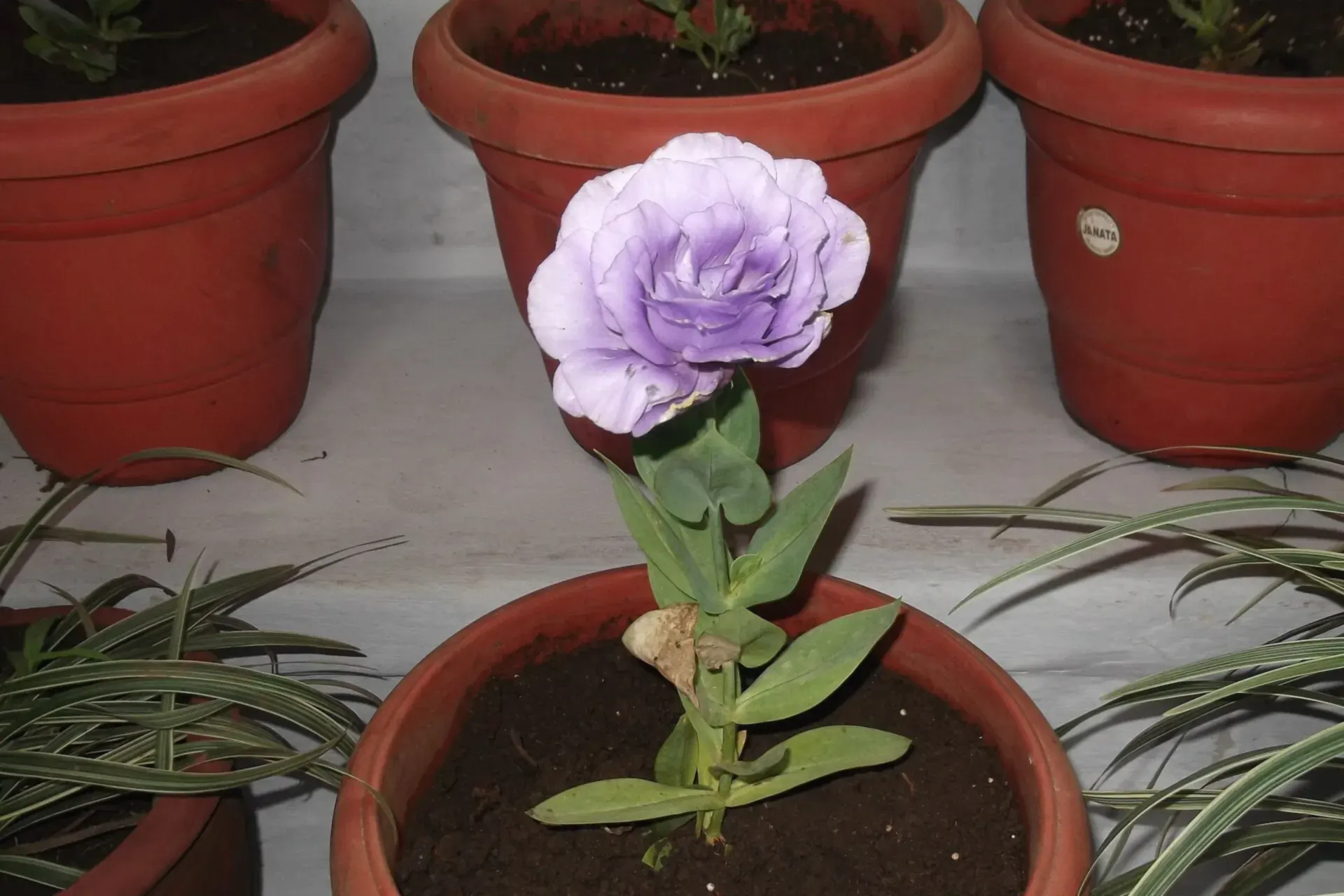
The rose that lasts two weeks in the vase — florist royalty, and the slowest seed in the cutting garden. Lisianthus (Eustoma grandiflorum) is a prairie gentian from Texas and Mexico whose ruffled blooms mimic roses and tulips at once. The price of the glamour is patience: seed sown in deepest winter, seedlings that crawl for months, then a July spectacle worth every week of it.
Grow Lisianthus with us — step by step
Everything for this plant is written step by step below — what to do, and exactly when. Read it through first if you like: you can grow it entirely on your own with that guide. Or start with us here — tell us your planting day and we lay out your personal schedule on this page, every next step on its own day, counted from your planting date. No guessing, no forgetting.
Step 1 — today: Sow pelleted lisianthus seed on the surface of seed mix in midwinter, under lights — and accept that nothing visible happens for a month.
Lisianthus at a glance
Sow indoors: 12+ weeks before last frost — January is not too early
Move outside: 1 week after last frost
Sow outdoors: Not practical — seed is dust-fine and painfully slow
Spacing · Seed depth: 9 in apart · surface — seed needs light
Sun: Full sun
Water: Regular — never let young plants dry out
Bloom: July to September; vase life up to 2 weeks
Timing counts from your average last spring frost — get your own dates in the Planting Calendar. Guidance follows standard extension-service practice for Canada and the US.
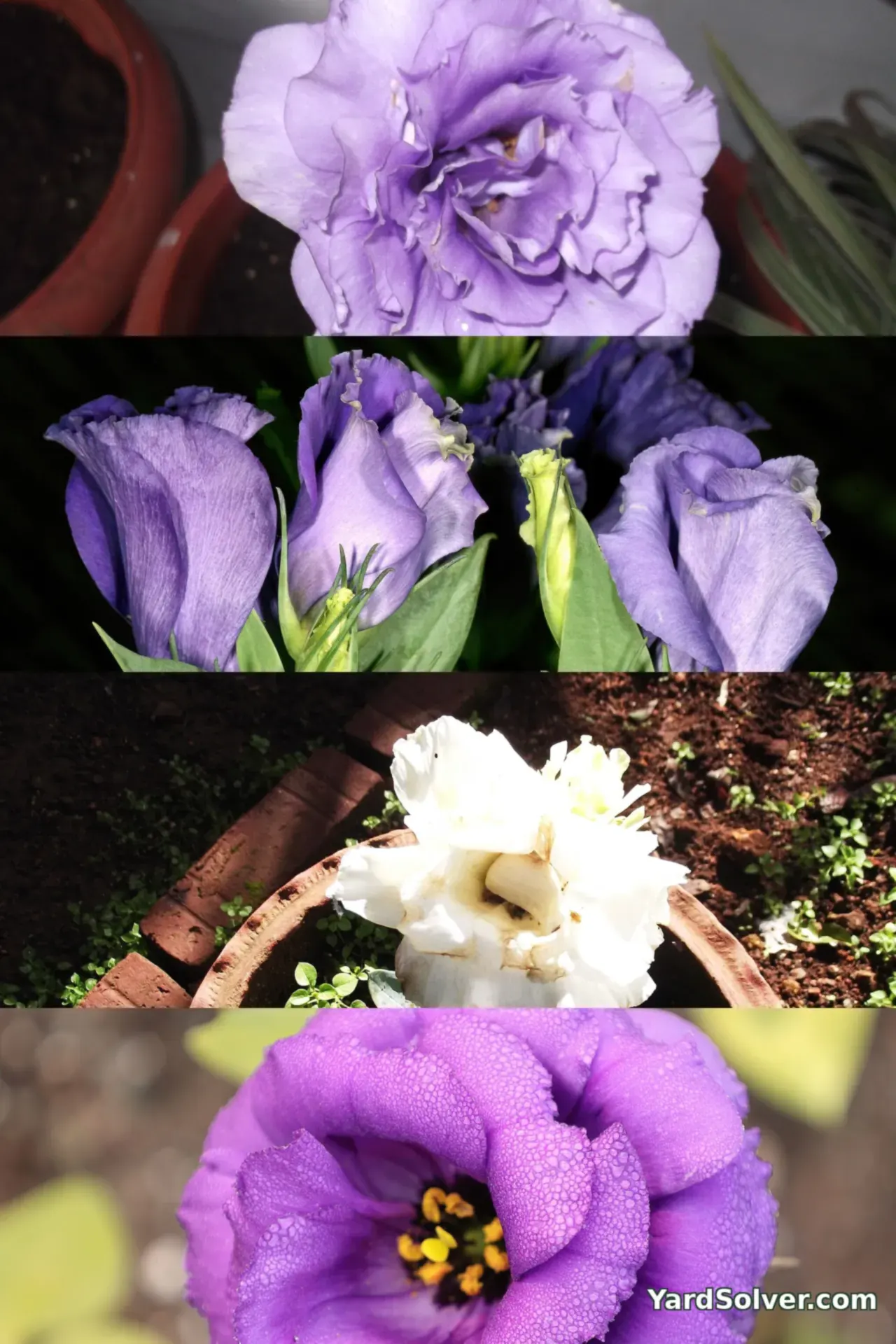
How to plant and grow lisianthus, step by step
Step 1 — Time it right
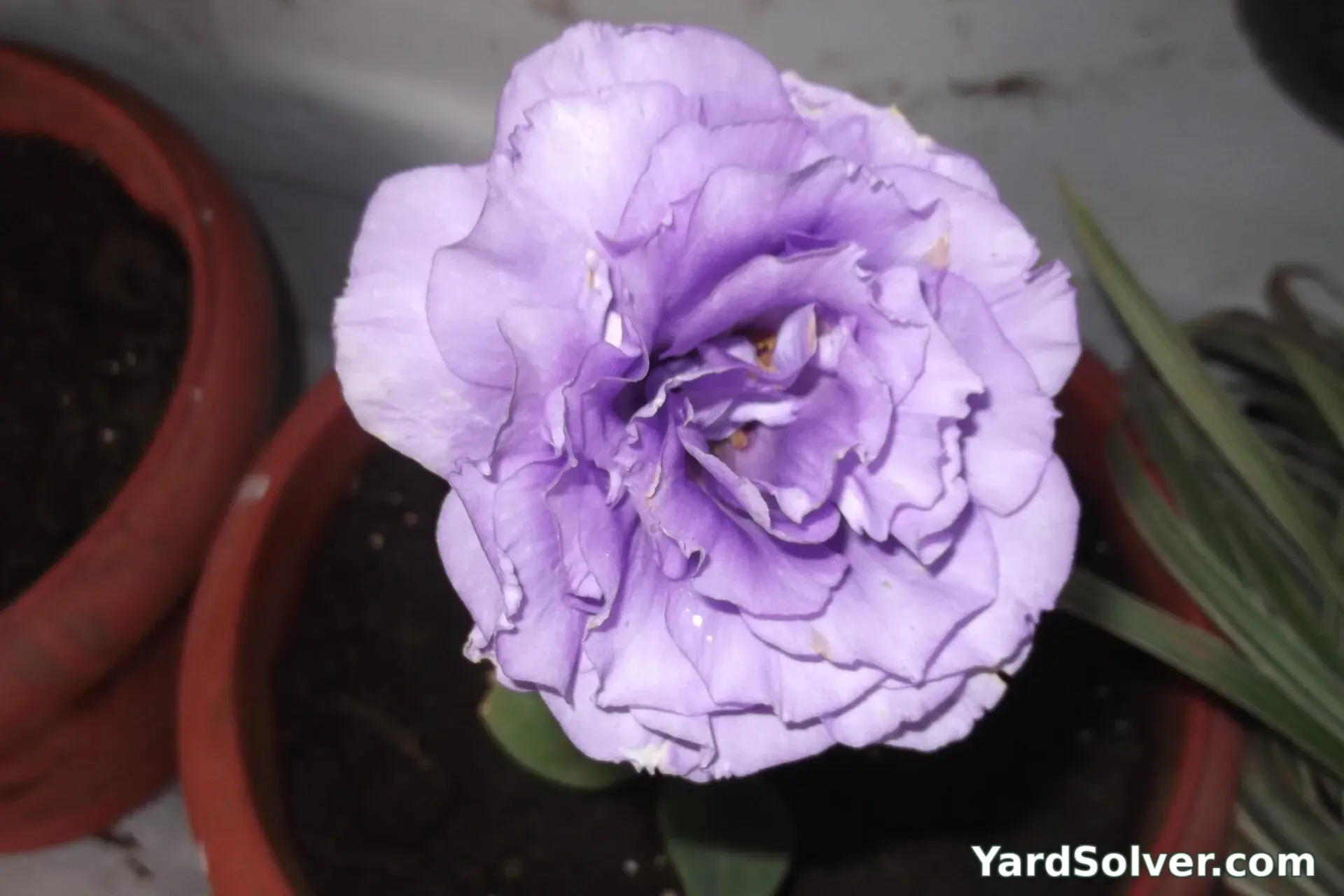
Sow indoors: 12 or more weeks before last frost (midwinter), on the surface under light; Move outside: 1 week after last frost; Sow outdoors: not practical. All dates count from your average last spring frost — the Planting Calendar turns them into real dates for your garden. Lisianthus seed is dust (pelleted seed makes it handleable), needs light, and germinates in 10–20 days at 21–24 °C / 70–75 °F. The seedlings then form tiny rosettes that barely grow for 6–8 weeks — they are building roots and waiting for warmth and long days. Keep them at cool room temperature (hot rooms trigger a permanent rosette sulk called rosetting). Most home growers buy plug plants in spring and skip the ordeal — no shame in it.
Step 2 — Prepare the spot
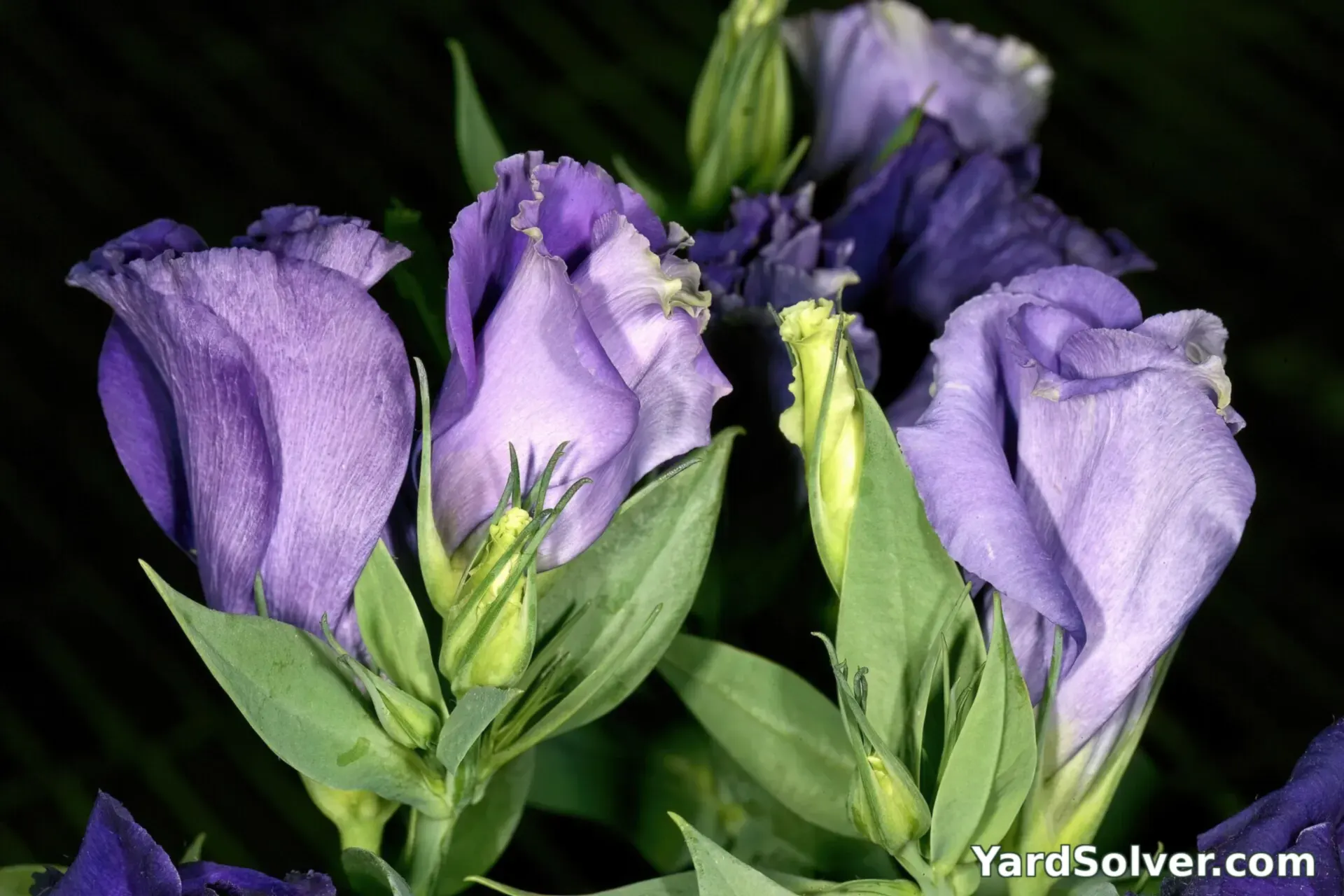
Unlike the lean-soil wildflowers, lisianthus repays a fertile bed: well-drained but moisture-holding, with compost worked in and a neutral-to-slightly-alkaline reaction if you can manage it. A cutting-bed block in full sun is its home. For a raised bed, the Raised Bed Soil Calculator counts the bags for you; mixing your own? The Garden Soil Calculator gives the compost-rich split to aim for.
Step 3 — Sow and plant out
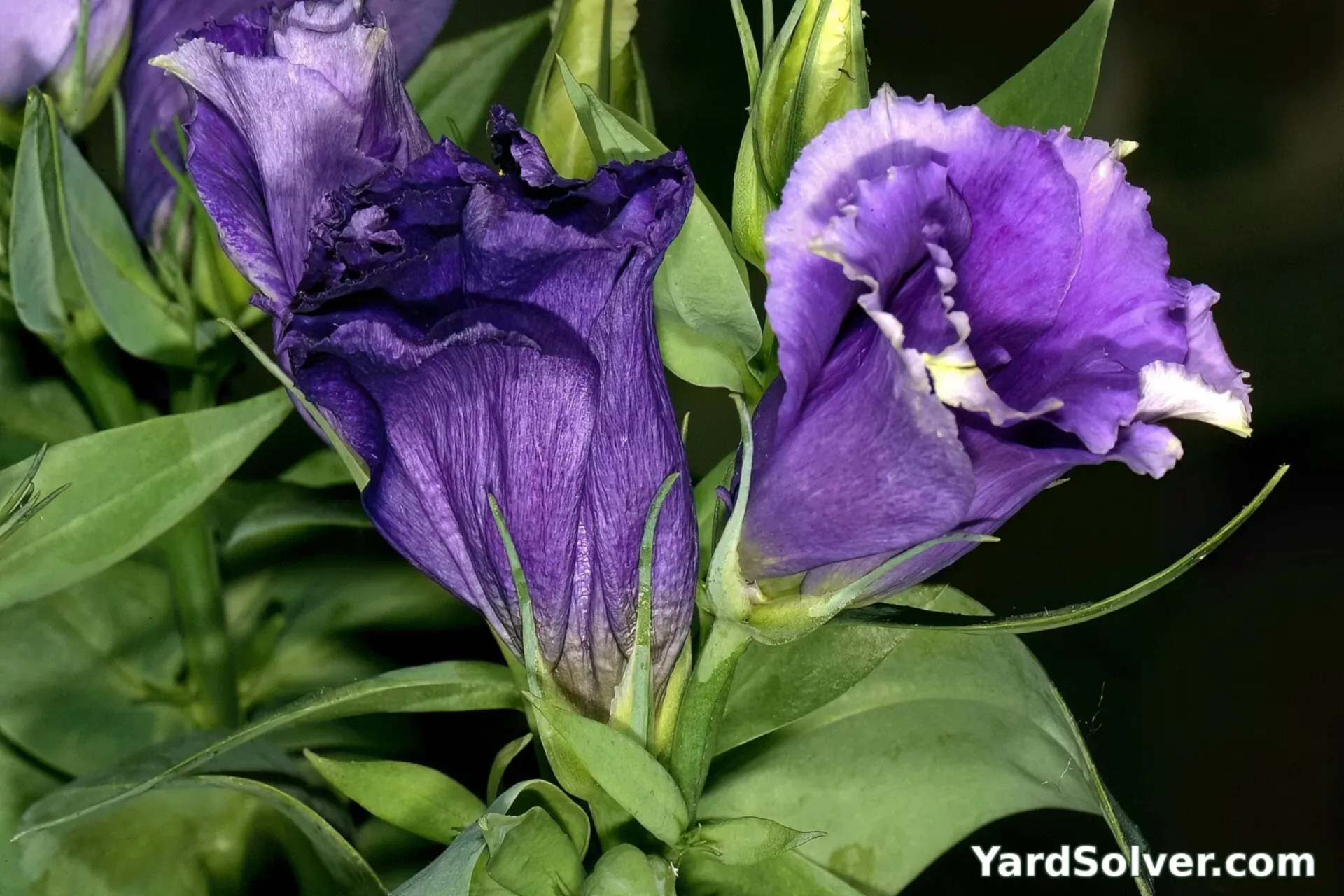
Set rosettes 9 in apart with the crown precisely at soil level. The Plant Spacing Calculator turns your bed size into an exact plant count. Water in gently. Good neighbours: lisianthus is the cutting garden's diva, planted in blocks beside snapdragons and zinnias where its July peak succeeds their June one.
Step 4 — Water and feed
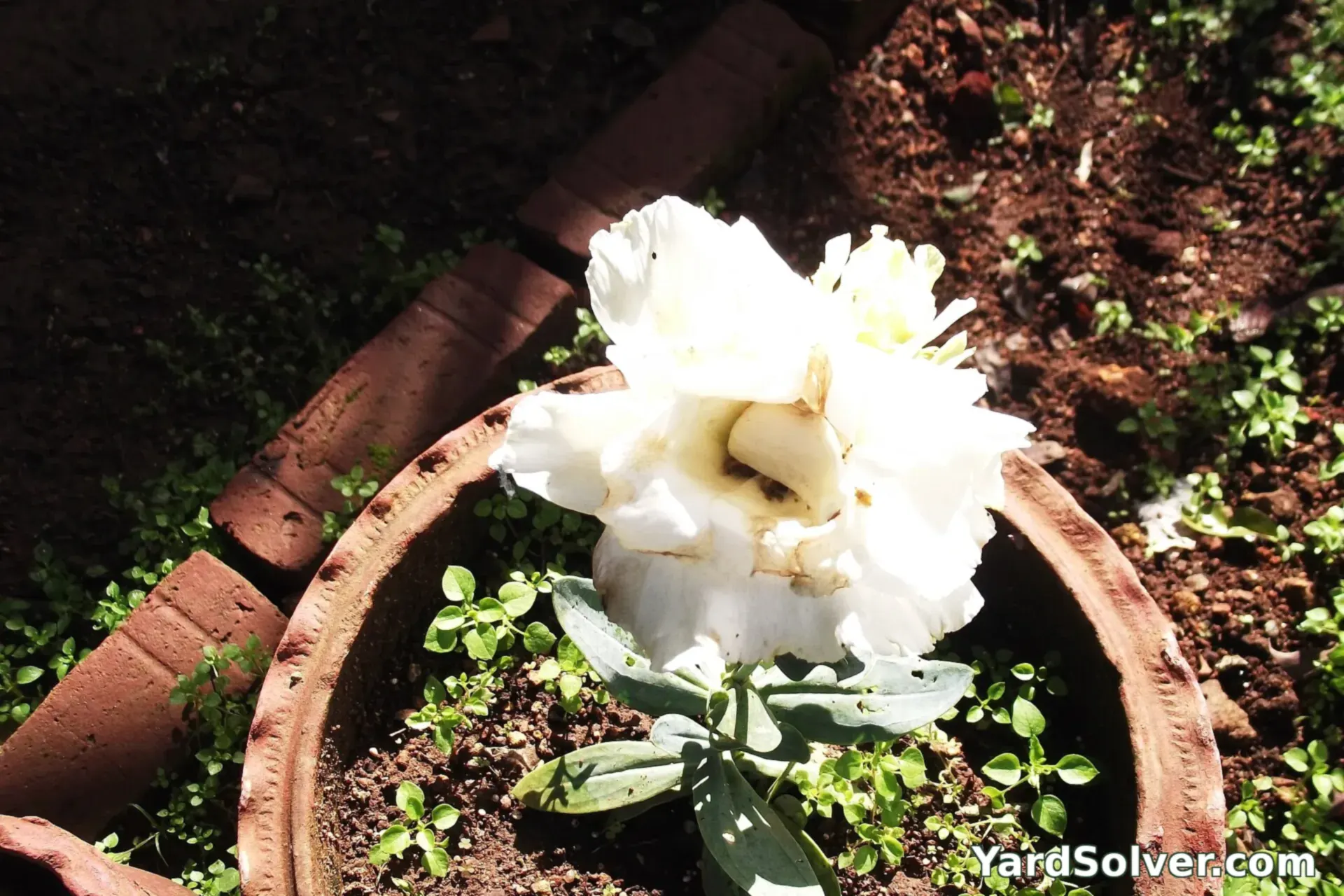
Lisianthus must never dry out as a seedling and dislikes it ever after: water steadily, mulch once plants are up, and feed every two weeks with a balanced liquid feed once buds show — the Fertilizer Calculator turns your bed size into exact amounts. Calcium matters for strong stems; very acid soil deserves a liming at bed preparation.
Step 5 — Care and the problems to watch for
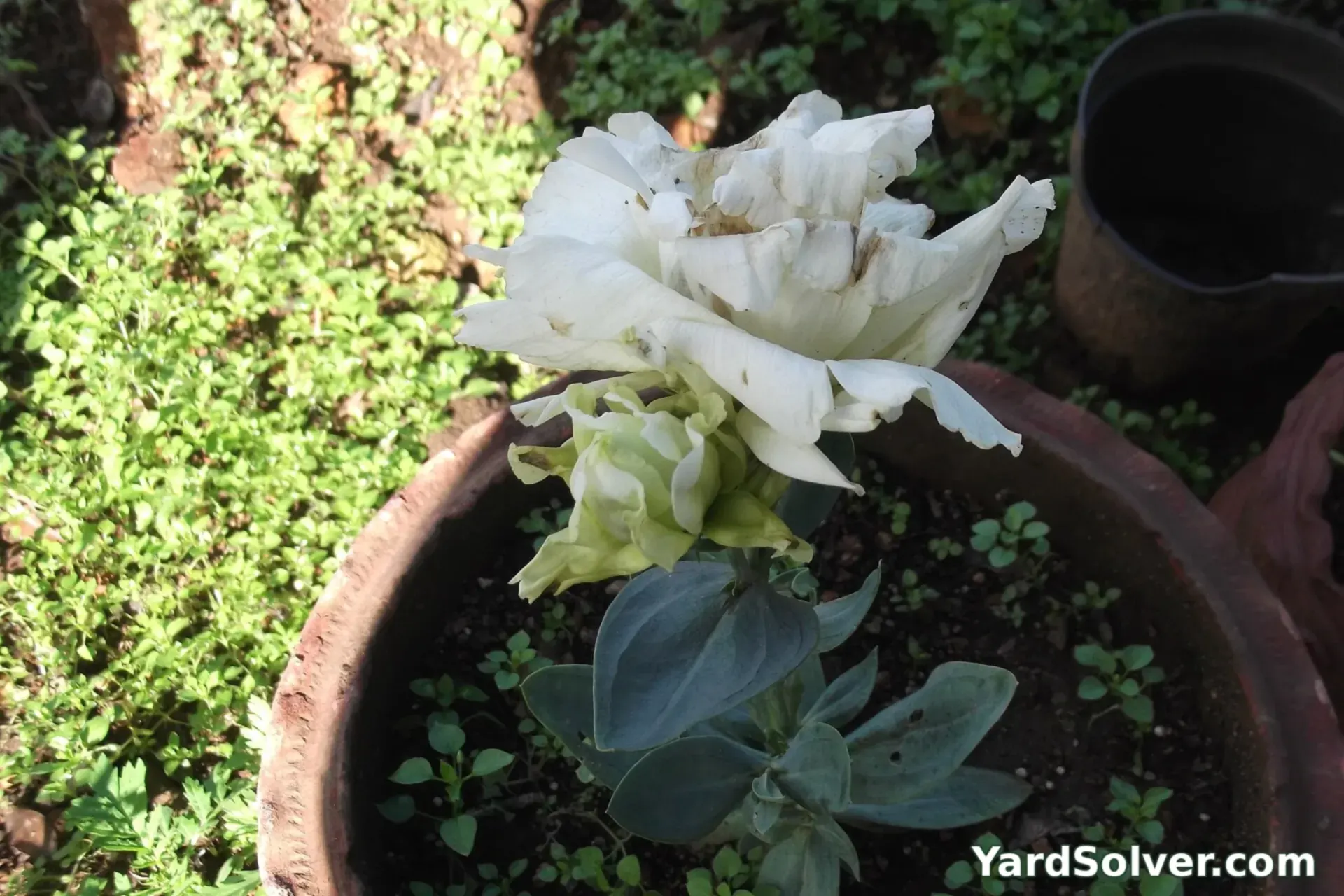
Pinch out the first central bud when plants start running up — the branching gives you several cutting stems instead of one. Tall types need a support net in the cutting bed.
- Rosettes that never bolt — seedlings got too hot; keep young plants cool (below 23 °C / 73 °F) until they're outside.
- Wilted plants in wet soil — root diseases love lisianthus; drainage and crown-level planting are the defences.
- Short stems — plants were checked by drought or a late start; the calendar is unforgiving with this flower.
Step 6 — Harvest
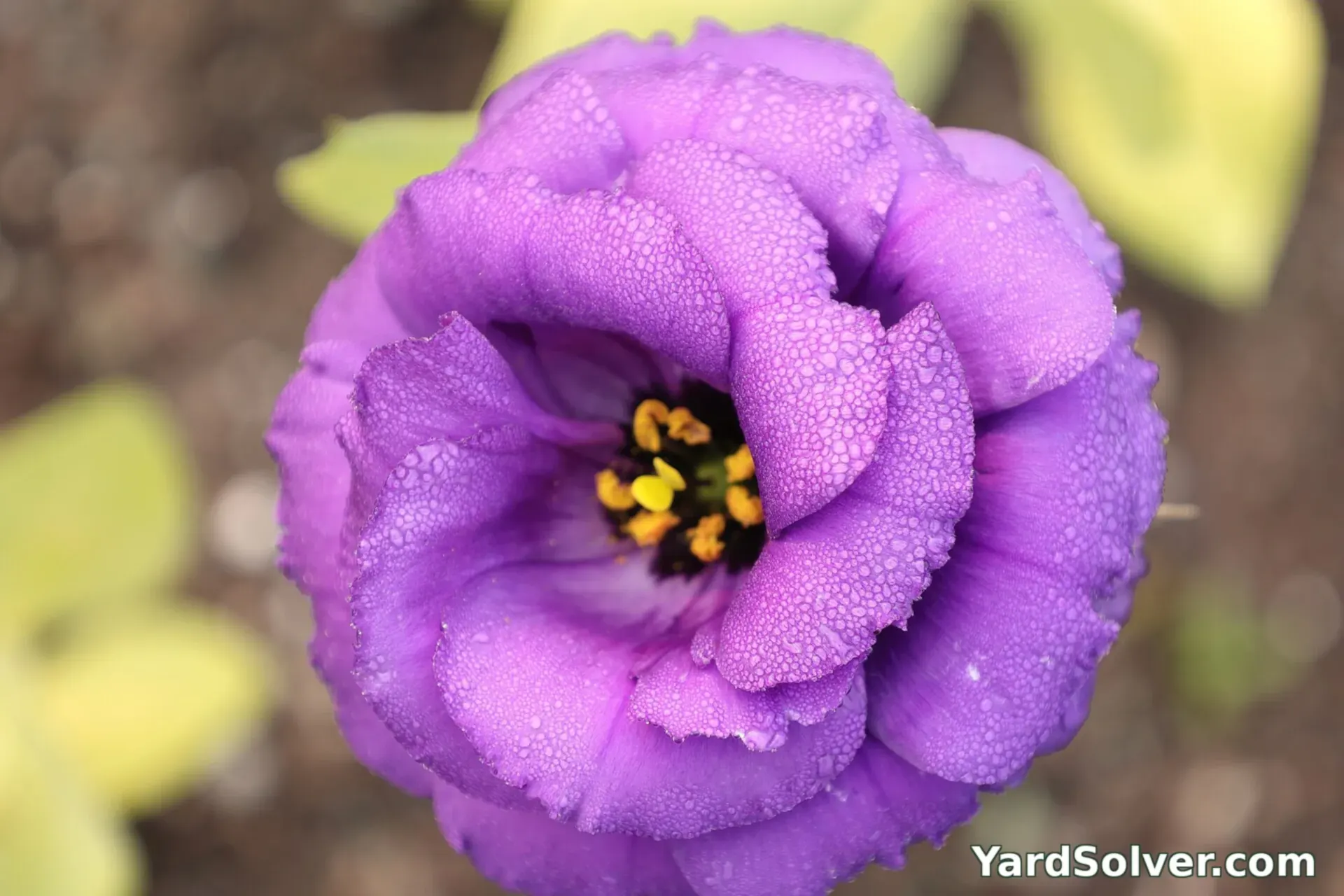
Cut stems when at least two flowers have opened (unopened buds on a cut stem mostly refuse to open if you cut too early). Strip lower leaves, stand in deep water, and enjoy 10–14 days of vase life — the longest of any 'rose' you'll ever buy. A second, smaller flush often follows the main cut if the season is long.
📅 Your personal Lisianthus schedule
Counted from your planting day — not a generic calendar. Day 0 is the day the seed went in the ground or the young plant went out.
Varieties worth growing
| Variety | Colour | Why gardeners like it |
|---|---|---|
| Echo series | Double, many colours | The classic double-flowered cutting strain — the florist look. |
| ABC series | Doubles, early types numbered by season | Professional groups (1, 2, 3) timed for succession in the cutting garden. |
| Florida series | Compact, single/double | Shorter plants bred for pots and front-of-border use. |
Good for you — and take care
Benefits
- The longest-lasting 'rose' in the vase — up to two weeks.
- Colours from porcelain white to deep purple, with picotees.
- A genuine achievement flower — few home growers master it.
Take care
- Painfully slow from seed — sow in midwinter or buy plugs.
- Heat makes seedlings rosette permanently; keep them cool.
- Never let young plants dry out.
A little history — and one good fact
Lisianthus is a wildflower of Texas riverbanks and Mexican prairies (its other name, Eustoma, means 'good mouth' — nobody agrees why). Japanese breeders from the 1930s onward transformed it into the florist's rose-substitute that now anchors the wedding trade.
Fun fact: A lisianthus stem in a florist's bucket can outlast the roses beside it two-to-one — which is why it quietly took over the wedding bouquet business.
Keep going
Guides: Succession planting · Companion planting basics · Crop rotation basics
Calculators: Plant Spacing Calculator · Garden Mix Calculator · Fertilizer Calculator
More flowers: Snapdragon · Ranunculus · Alstroemeria · Stock
← Back to the Plant Library · Get your personal planting dates
Questions people ask
Why is lisianthus so hard to grow from seed?
The seed is dust-fine, the seedlings grow at a crawl for two months, and heat at the seedling stage locks them into permanent rosettes. Midwinter sowing under lights, cool growing-on, and steady moisture are the whole secret — or buy plug plants in spring.
When should I cut lisianthus for the vase?
When at least two flowers on the stem are open. Buds on stems cut too green rarely open indoors; cut at the two-open stage, the rest follow over a vase life of up to two weeks.
My lisianthus seedlings stopped growing — what's wrong?
Most likely warmth: seedlings kept above about 23 °C / 73 °F 'rosette' and refuse to bolt. Move them somewhere cooler and brighter and wait — some recover when they get outside into cool nights.
Lisianthus is sown in winter for summer flowers: the seed is dust-fine, slow, and must never be buried or allowed to dry
Lisianthus (Eustoma grandiflorum) gives rose-like cut flowers that last exceptionally well in the vase — but it earns them with the slowest start of any common annual. Seed is sown in midwinter, months before the last frost, because seedlings grow at a crawl for their first weeks; bought plugs skip that ordeal and are the honest shortcut for most gardeners. The seed itself is dust-fine, needs light to germinate, and is surface-sown and kept evenly moist — buried or dried-out seed simply never appears.
Heat is the second trap. Seedlings held too warm can slip into a rosette — a flat, stemless state they may never leave — so young plants want bright light and cool, steady conditions until they are growing away strongly. Once planted out into sun and rich, drained soil, the same plants finally accelerate, and pinching produces the branching stems that carry the buds in flushes.
The worked example: seed sown on the surface in January, kept moist, bright and cool, typically gives flowering plants by midsummer. Seed sown in spring like marigolds typically gives green rosettes when the season ends — lisianthus is a calendar plant, and the calendar starts in winter.
Sources
Key facts on this page — timing, spacing and care — cross-checked against Eustoma grandiflorum — Wikipedia — background on lisianthus, its seed and its cultivation and NC State Extension Plant Toolbox — Eustoma grandiflorum — culture and care requirements.
Related page
Read next: Earliest Seeds to Start Indoors: The First Sowings.
Comments & ratings
No comments yet.
Be the first to share your experience.