
Plant Library · Flowers · By Faizan Ahmad
🐲 How to Grow Snapdragon
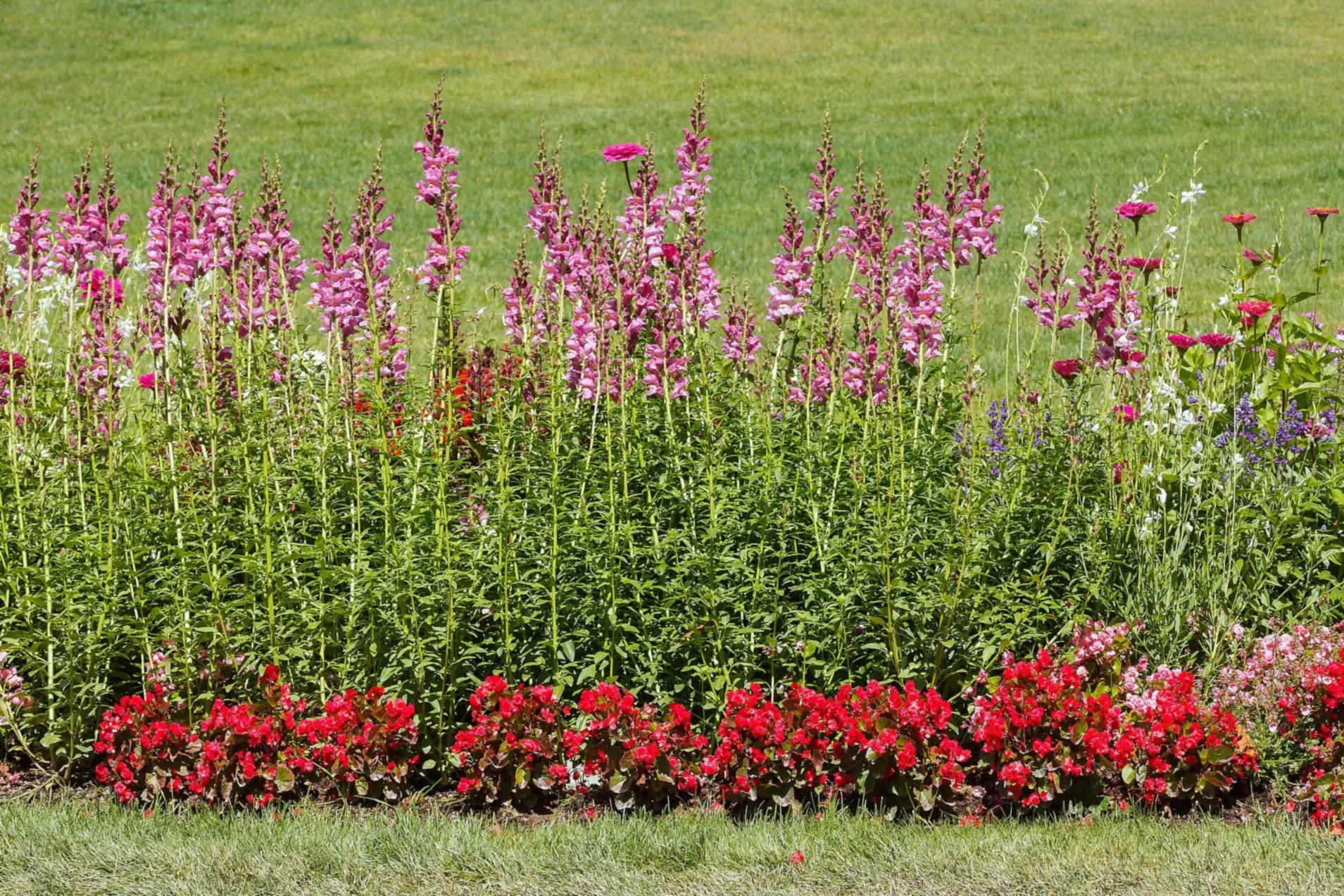
Dragons you can squeeze — spires of snap-able flowers in every colour but blue, and a cool-season constitution. Snapdragons (Antirrhinum majus) are short-lived perennials grown as annuals: sow the dust seed early indoors, plant out before the last frost (they're tough), pinch once, and harvest spikes from June — with a second act in autumn when the heat breaks.
Grow Snapdragon with us — step by step
Everything for this plant is written step by step below — what to do, and exactly when. Read it through first if you like: you can grow it entirely on your own with that guide. Or start with us here — tell us your planting day and we lay out your personal schedule on this page, every next step on its own day, counted from your planting date. No guessing, no forgetting.
Step 1 — today: Surface-sow snapdragon seed under lights in late winter — the seedlings are tiny and slow, and that's the whole challenge.
Snapdragon at a glance
Sow indoors: 8–10 weeks before last frost — surface-sow; seedlings are slow
Move outside: 1 week before last frost — they tolerate light frost
Sow outdoors: Not recommended — seed is dust and seedlings crawl
Spacing · Seed depth: 10 in apart · surface — seed needs light
Sun: Full sun
Water: Regular — steady moisture for spikes
Bloom: June to July, again in autumn; cut when a third of the spike is open
Timing counts from your average last spring frost — get your own dates in the Planting Calendar. Guidance follows standard extension-service practice for Canada and the US.
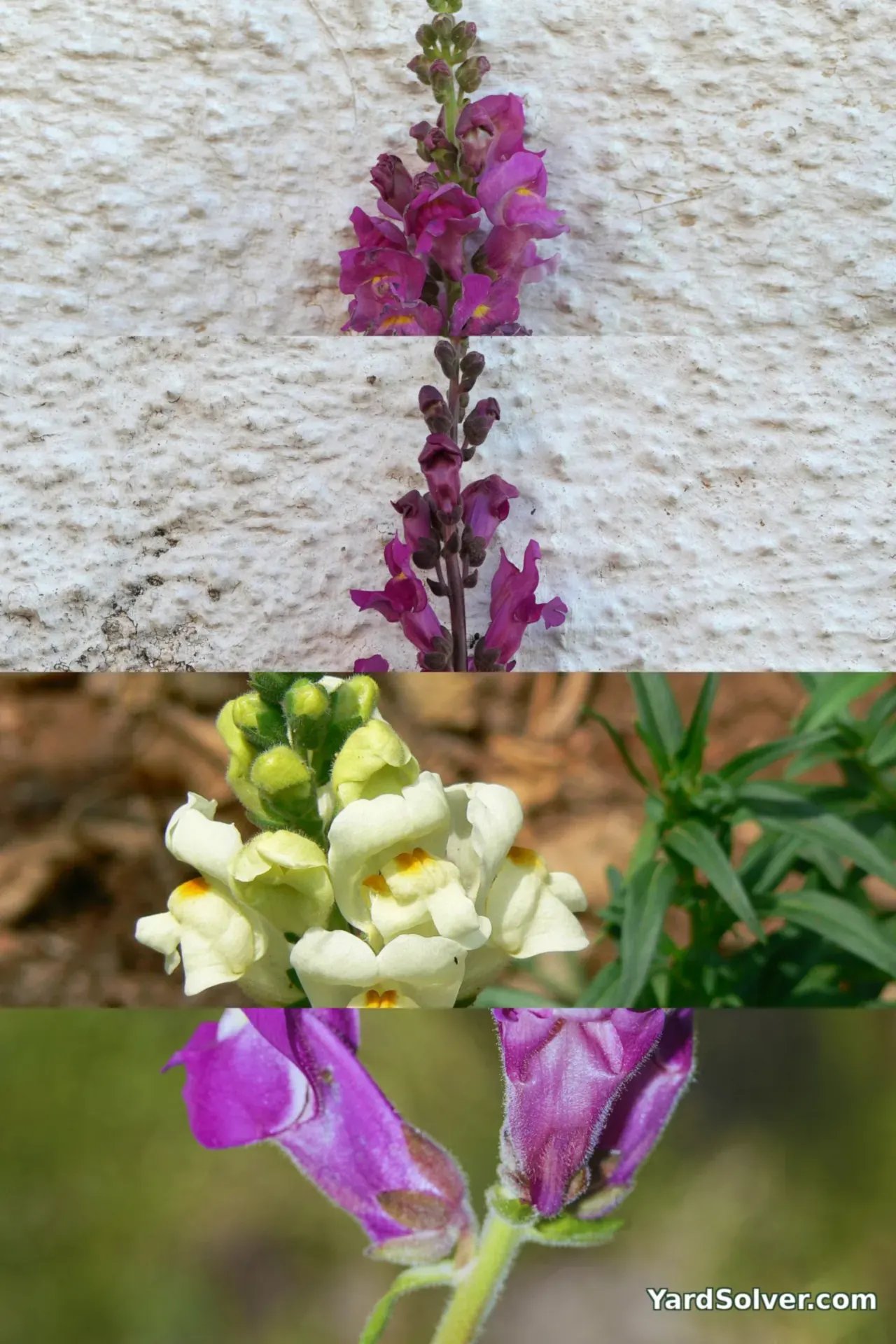
How to plant and grow snapdragon, step by step
Step 1 — Time it right
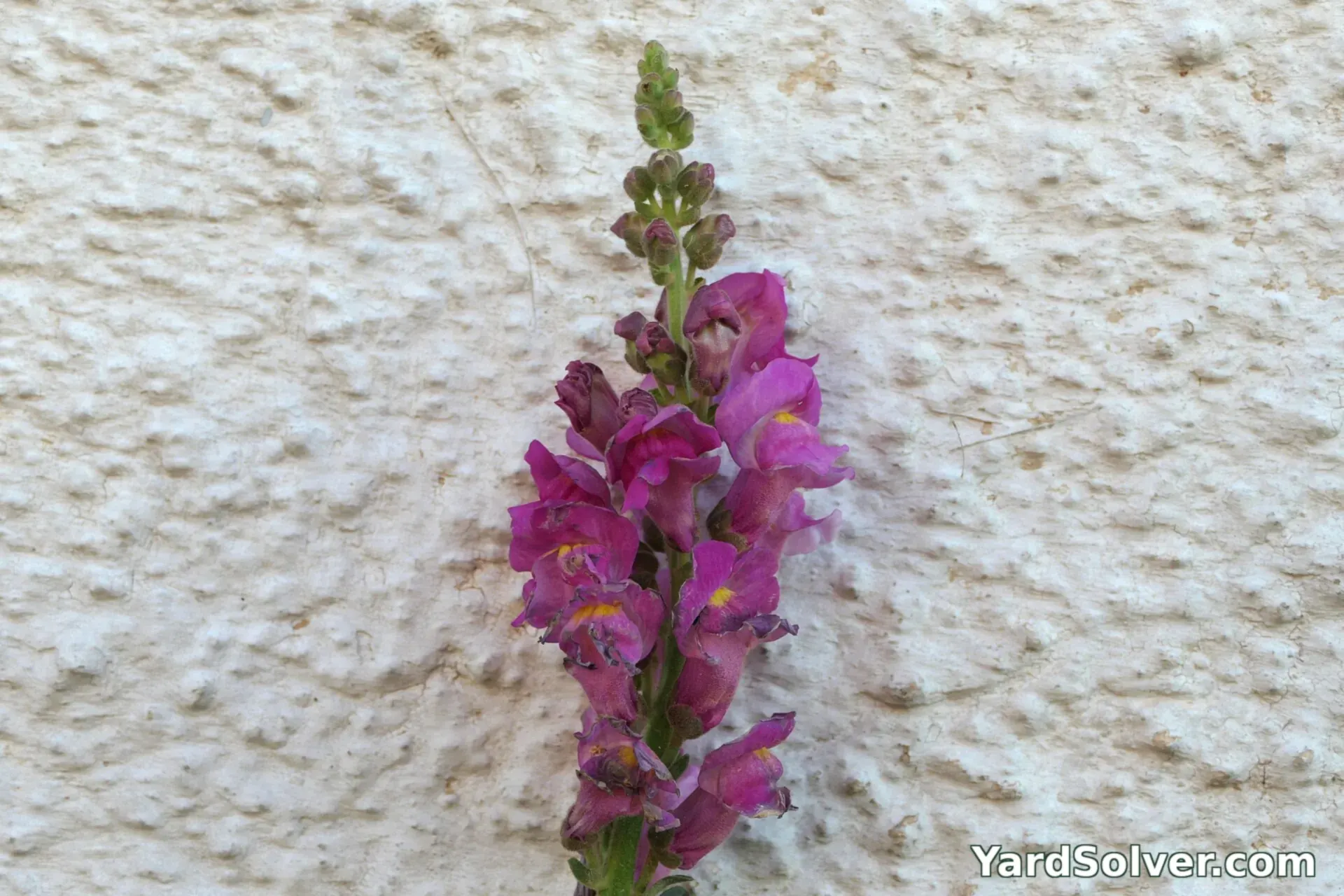
Sow indoors: 8–10 weeks before last frost, on the surface under light; Move outside: 1 week before last frost — hardened snapdragons shrug off light frost; Sow outdoors: not recommended. All dates count from your average last spring frost — the Planting Calendar turns them into real dates for your garden. Snapdragon seed needs light and takes 10–21 days to germinate at 18–21 °C / 65–70 °F; the seedlings then grow slowly and must be kept cool and bright or they stretch. The reward for the long nursery phase is toughness: hardened plants go out before the last frost and even overwinter in mild districts for an early second year.
Step 2 — Prepare the spot
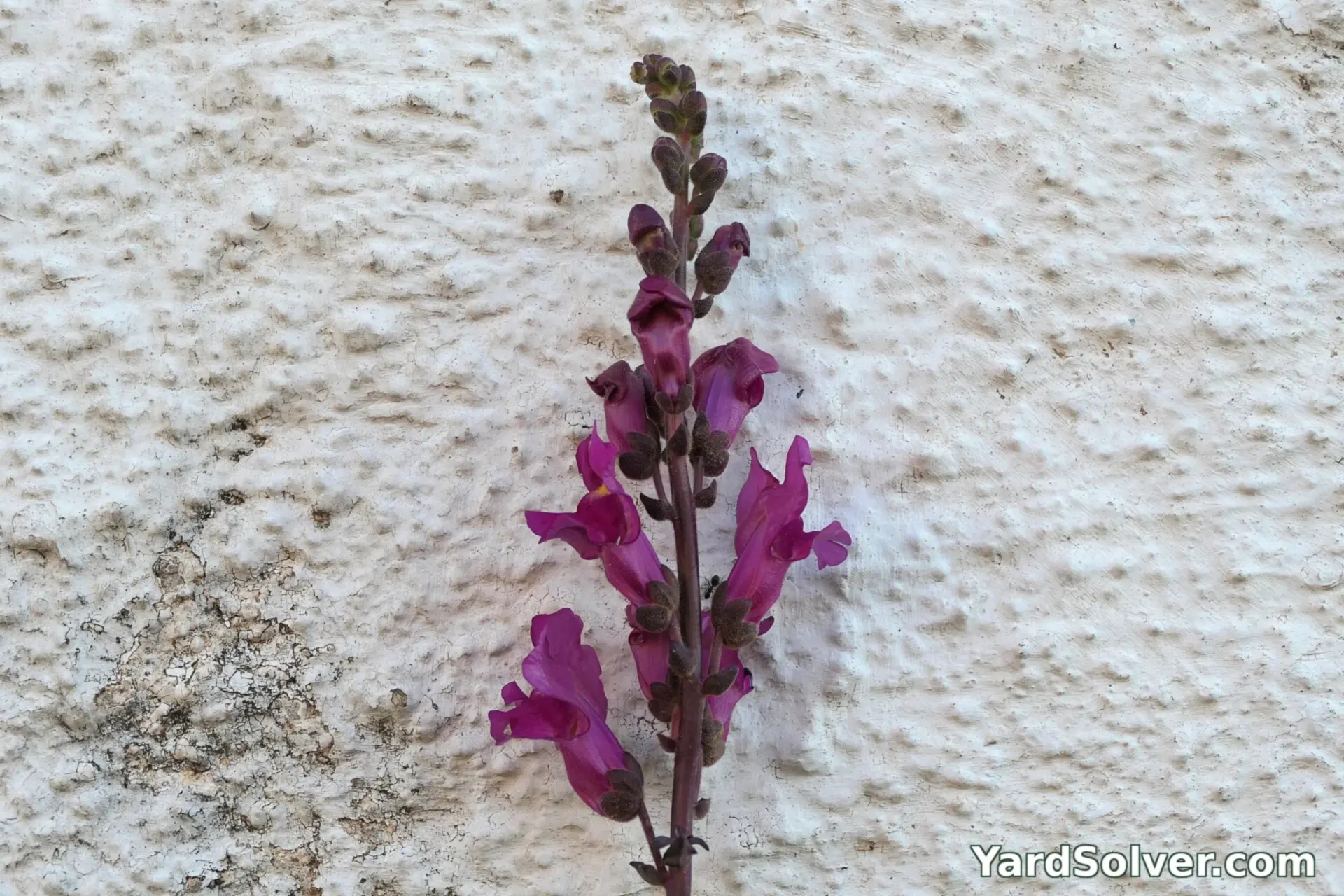
Snapdragons repay a good bed: fertile, well-drained soil in full sun, with compost worked in. They dislike both drought and waterlogging — the middle path of a well-made cutting bed. Slightly alkaline soil suits them; very acid beds deserve lime. For a raised bed, the Raised Bed Soil Calculator counts the bags for you; mixing your own? The Garden Soil Calculator gives the compost-rich split to aim for.
Step 3 — Sow and plant out
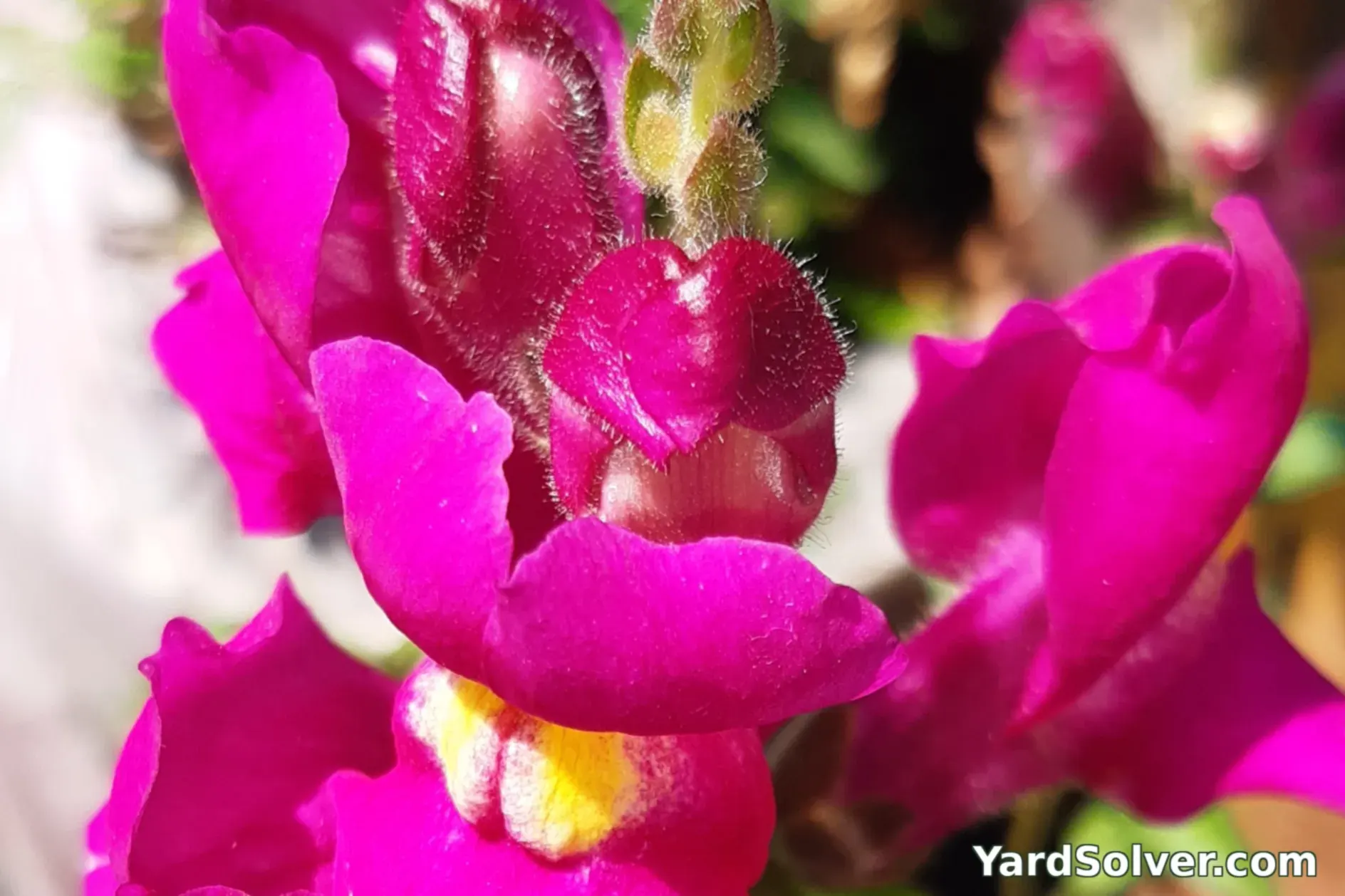
Set plants 10 in apart and pinch out the growing tip of each tall type as you plant — the branching gives you five stems where one would have been. The Plant Spacing Calculator turns your bed size into an exact plant count. Good neighbours: snapdragons are the cutting garden's backbone from June, standing with lisianthus and stock in the cool-season guild.
Step 4 — Water and feed
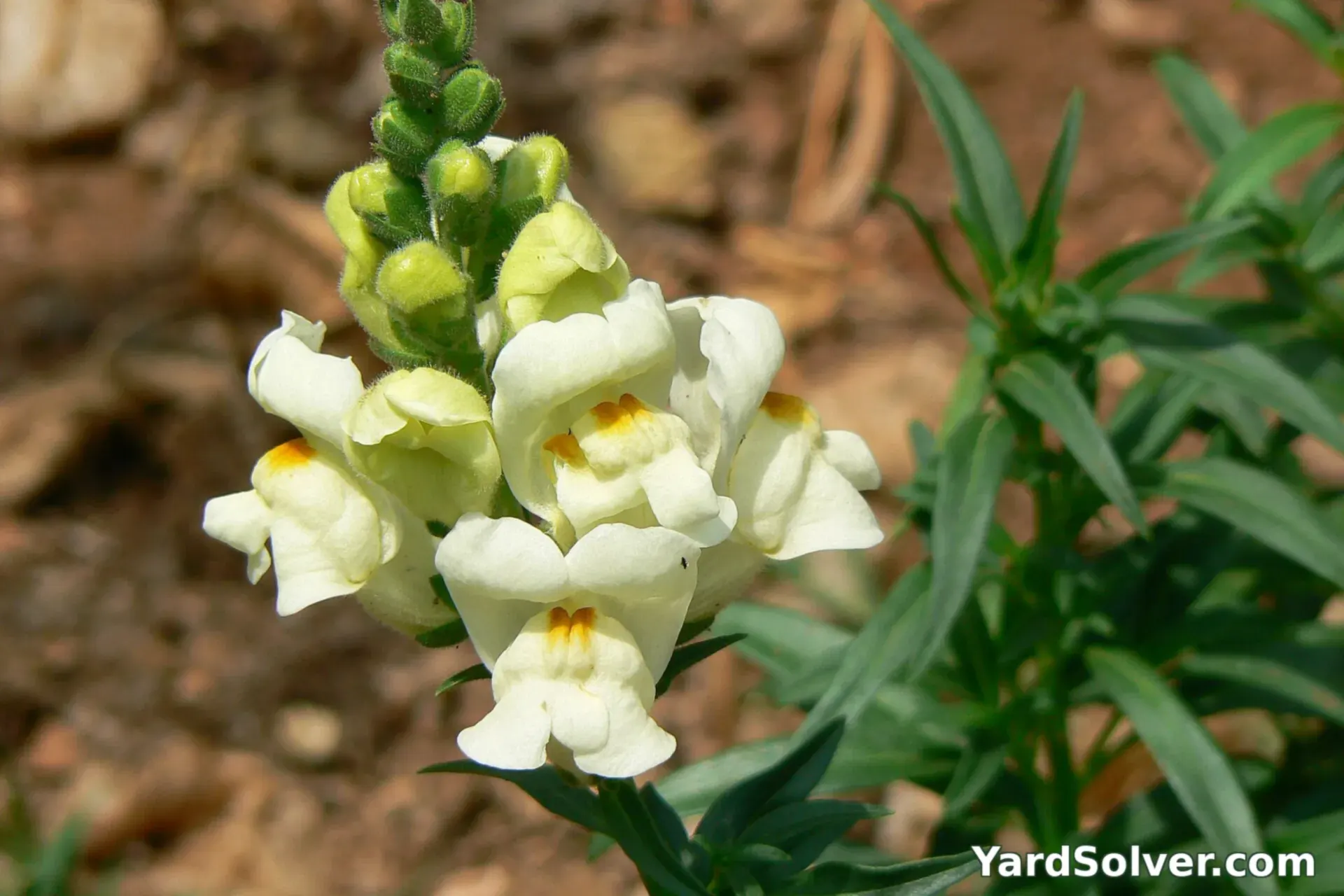
Water steadily — spikes short-change you if the plants check from drought. Feed every two weeks with a balanced liquid feed from planting to bud — the Fertilizer Calculator turns your bed size into exact amounts. Water at the base: wet foliage is an invitation to rust, the snapdragon's nemesis.
Step 5 — Care and the problems to watch for

Stake tall cutting types through a net or with canes once they're a foot high. After the first flush, cut plants back by half, feed them, and many give a fine autumn second flowering when nights cool.
- Rust — orange-brown pustules under leaves; space for air, water at the base, remove bad leaves, and rotate the bed year to year.
- Aphids in the spike tips — pinch out the worst tips; they're expendable on a pinched plant.
- Plants stalling in heat — snapdragons pause in hot summers; keep them watered and wait for autumn.
Step 6 — Harvest
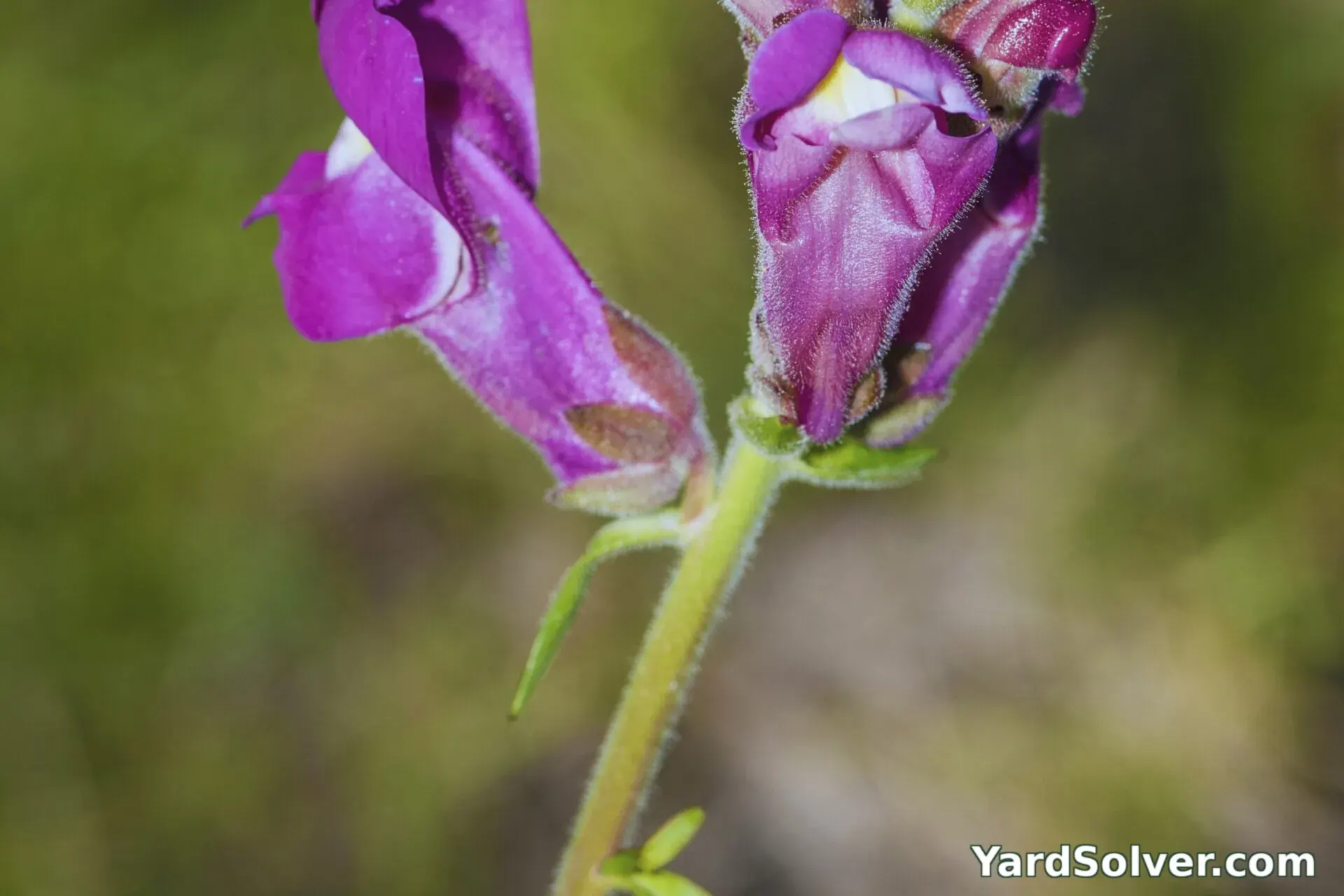
Cut spikes in the morning when the lowest third of the flowers are open. Strip leaves below the waterline and stand them upright (a spike laid flat bends its tip upward within hours — geotropism at work). Expect 7–10 days of vase life. Leave some September spikes standing: in mild winters the plants themselves may survive to flower again.
📅 Your personal Snapdragon schedule
Counted from your planting day — not a generic calendar. Day 0 is the day the seed went in the ground or the young plant went out.
Varieties worth growing
| Variety | Colour | Why gardeners like it |
|---|---|---|
| Madame Butterfly | Double azalea-like flowers | Ruffled doubles in rich colours — the wedding florist's snapdragon. |
| Rocket series | Tall, classic spikes | The tall cutting standard for the back of the bed. |
| Twinny series | Compact, double, dwarf | Short, branching plants for pots and edges that flower for months. |
Good for you — and take care
Benefits
- A top-five cut flower — tall, colourful, long in the vase.
- Two seasons in one: June spikes, then an autumn encore.
- Tough enough to plant out before the last frost.
Take care
- Seedlings are slow — the late-winter start is mandatory from seed.
- Rust is the standing disease — air, dry foliage, rotation.
- Pinch tall types or you get one stem instead of five.
A little history — and one good fact
Snapdragons are Mediterranean natives named for the dragon's mouth the flower makes when squeezed (Antirrhinum means 'like a snout' in Greek). They escaped onto Roman walls across Europe and have lived in gardens — and on castle walls — ever since; Victorian children played with them exactly as children do now.
Fun fact: A snapdragon spike laid flat will bend its tip back to vertical within hours — florists store them upright for precisely this reason.
Keep going
Guides: Succession planting · Companion planting basics · Crop rotation basics
Calculators: Plant Spacing Calculator · Garden Mix Calculator · Fertilizer Calculator
More flowers: Lisianthus · Stock · Larkspur · Dianthus
← Back to the Plant Library · Get your personal planting dates
Questions people ask
Why do my snapdragons get rust?
Rust is a fungal disease that loves wet foliage and still air. Space plants for airflow, water at the base in the morning, remove spotted leaves early, and don't grow snapdragons in the same bed year after year.
Should I pinch snapdragons?
For tall cutting types, yes — pinching the tip when plants have 4–6 true leaves turns one spike into several branched stems. Dwarf bedding types branch on their own and need no pinch.
Do snapdragons come back the next year?
They are short-lived perennials: in mild districts (zone 8+) plants often overwinter and flower again; elsewhere they're grown as annuals, though a sheltered plant sometimes surprises you in spring.
Snapdragons are cool-season flowers wearing a summer costume: plant them early and they forgive the heat longer
Snapdragons (Antirrhinum majus) come from the Mediterranean and flower best in cool weather — started early and planted out while nights are still cold, they build the strong roots and stocky stems that carry their spikes through summer. The same plants bought late into hot weather flower briefly and give up. In mild climates they are autumn-sown for spring; where winters are hard, they go out as the last frosts pass.
Pinching is the branching decision: a seedling pinched once gives several medium spikes, an unpinched one gives a single tall spike for cutting — both are right, for different jobs. Rust is the historic enemy, worst in wet, crowded plantings, so spacing and morning watering matter; modern varieties resist it better but still want air. Cutting the spikes as they open encourages side spikes and a second, smaller show.
The worked example: plants set out early into cool soil, spaced for air, typically spike from late spring and repeat after cutting. The same plants set out into June heat typically flower once and fade — with snapdragons, the calendar is the care.
Sources
Key facts on this page — timing, spacing and care — cross-checked against NC State Extension Plant Toolbox — Antirrhinum majus — culture and care requirements and Antirrhinum majus — Wikipedia — background on snapdragons and their cultivation.
Related page
Read next: Succession Planting Guide: Sow Little and Often.
Comments & ratings
No comments yet.
Be the first to share your experience.