
Plant Library · Flowers · By Faizan Ahmad
🌸 How to Grow Dianthus (Pinks & Sweet William)
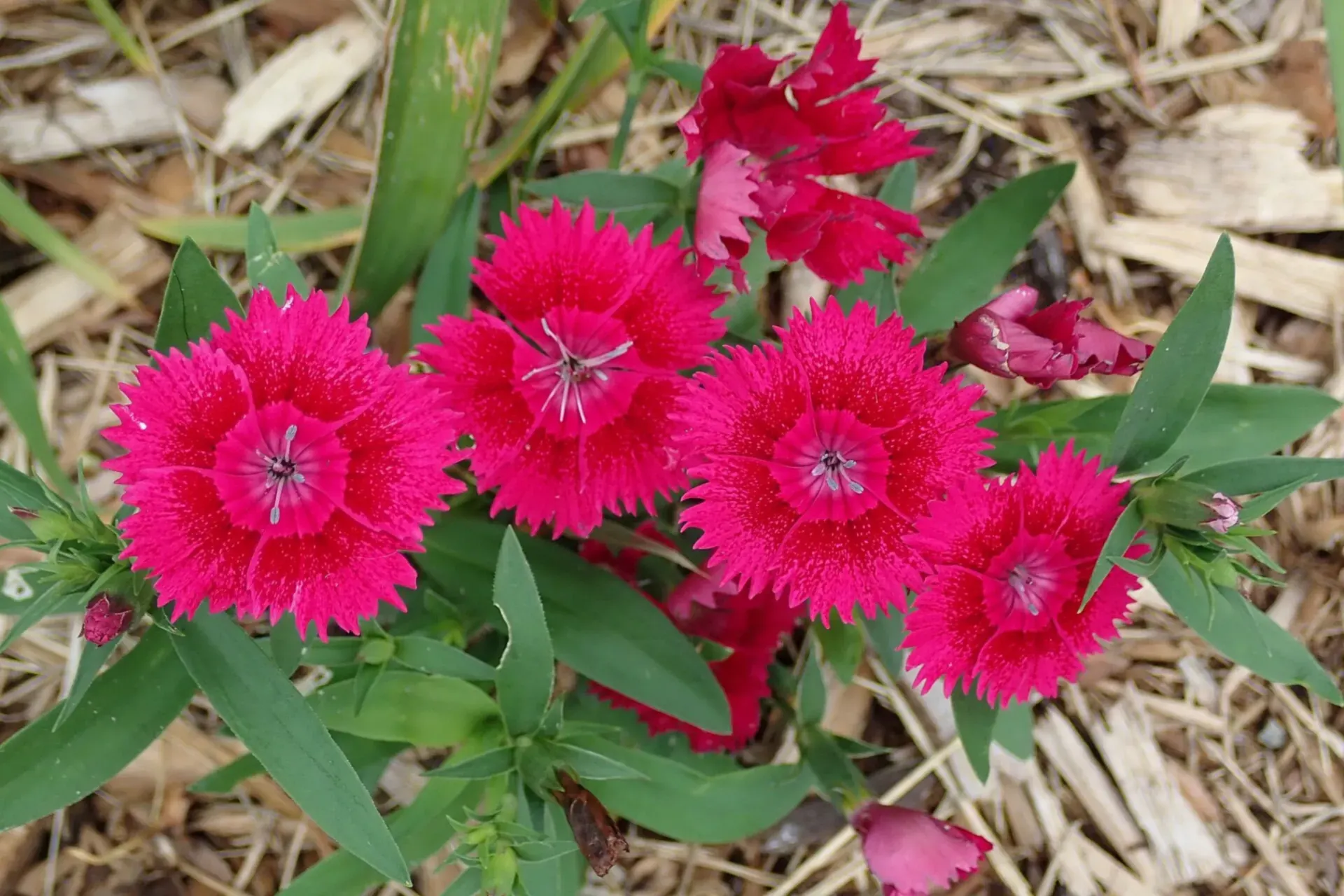
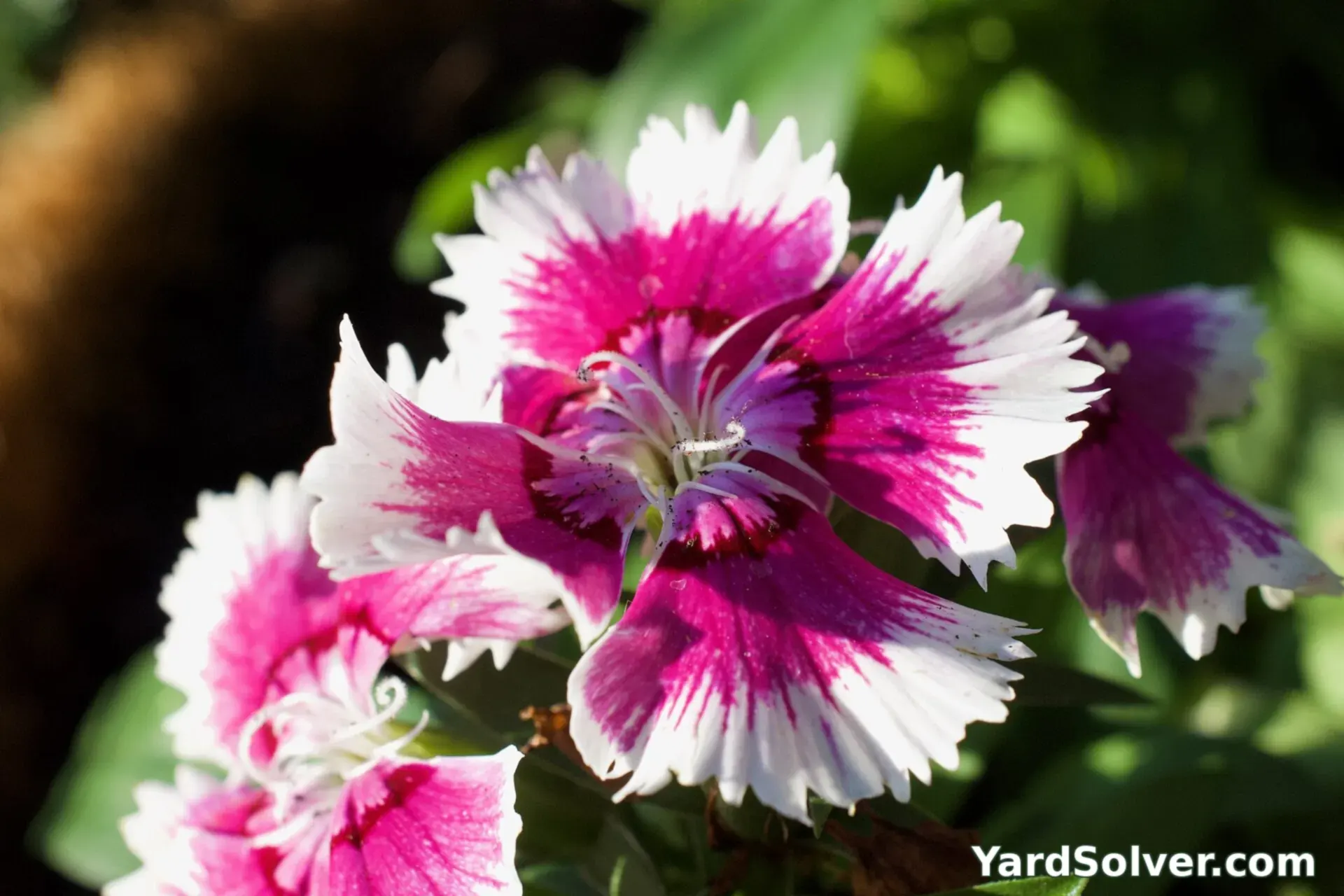
Clove-scented fringed flowers on blue-grey tufts — cottage garden royalty since Shakespeare's day. 'Dianthus' covers a clan: annual pinks for summer bedding, biennial sweet William for May–July fireworks, and perennial pinks that edge paths for years. All want the same things — sun, sharp drainage, and soil that isn't sour — and all repay you with that spicy perfume.
Grow Dianthus (Pinks & Sweet William) with us — step by step
Everything for this plant is written step by step below — what to do, and exactly when. Read it through first if you like: you can grow it entirely on your own with that guide. Or start with us here — tell us your planting day and we lay out your personal schedule on this page, every next step on its own day, counted from your planting date. No guessing, no forgetting.
Step 1 — today: Sow dianthus seed in pots indoors — seedlings are sturdy and transplant happily, unlike many of their cottage-garden friends.
Dianthus (Pinks & Sweet William) at a glance
Sow indoors: 8 weeks before last frost
Move outside: At last frost
Sow outdoors: 1 week before last frost; sweet William in early summer for next year
Spacing · Seed depth: 10 in apart · 1/8 in deep
Sun: Full sun
Water: Moderate — hates winter wet
Bloom: May to July (sweet William); annuals June to September
Timing counts from your average last spring frost — get your own dates in the Planting Calendar. Guidance follows standard extension-service practice for Canada and the US.
How to plant and grow dianthus, step by step
Step 1 — Time it right
Sow indoors: 8 weeks before last frost; Move outside: at last frost; Sow outdoors: 1 week before last frost — and sow sweet William in early summer for flowers the following year. All dates count from your average last spring frost — the Planting Calendar turns them into real dates for your garden. Dianthus germinates in 7–14 days at room temperature. The clan splits by calendar: annual pinks (Dianthus chinensis types) flower the same summer from a spring sowing; sweet William (D. barbatus) is a biennial — sow in May–June, plant out in autumn, and it erupts the following June; perennial pinks (D. plumarius types) are usually bought as plants or raised from cuttings of named forms.
Step 2 — Prepare the spot
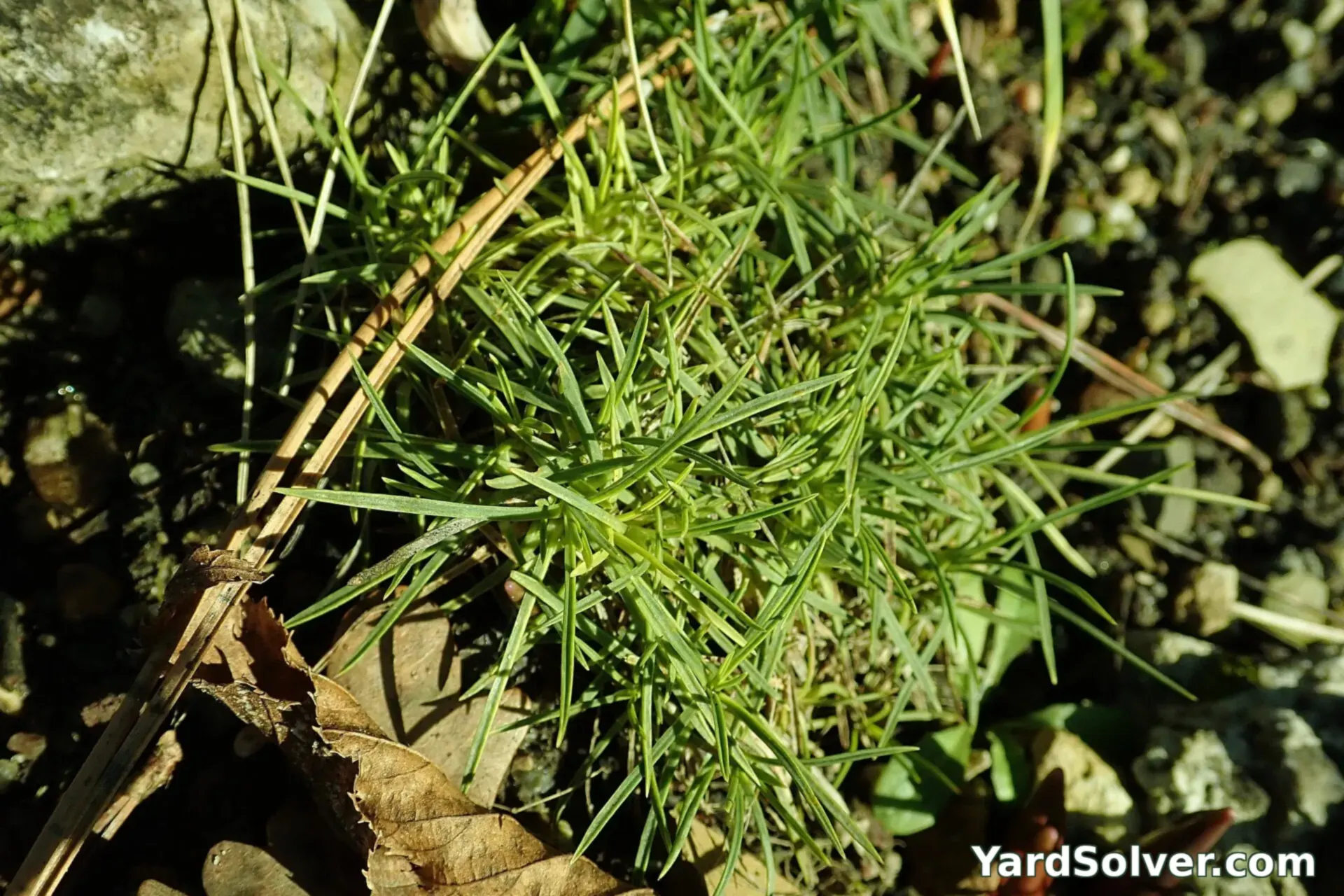
Dianthus is a plant of rocky, limy hillsides: it wants full sun, sharp drainage and neutral-to-alkaline soil. On acid soil, a handful of garden lime in the planting area cheers it up. Fork grit into heavy ground or use a raised bed — winter wet kills more dianthus than winter cold ever will. For a raised bed, the Raised Bed Soil Calculator counts the bags for you; mixing your own? The Garden Soil Calculator gives the compost-rich split to aim for.
Step 3 — Sow and plant out
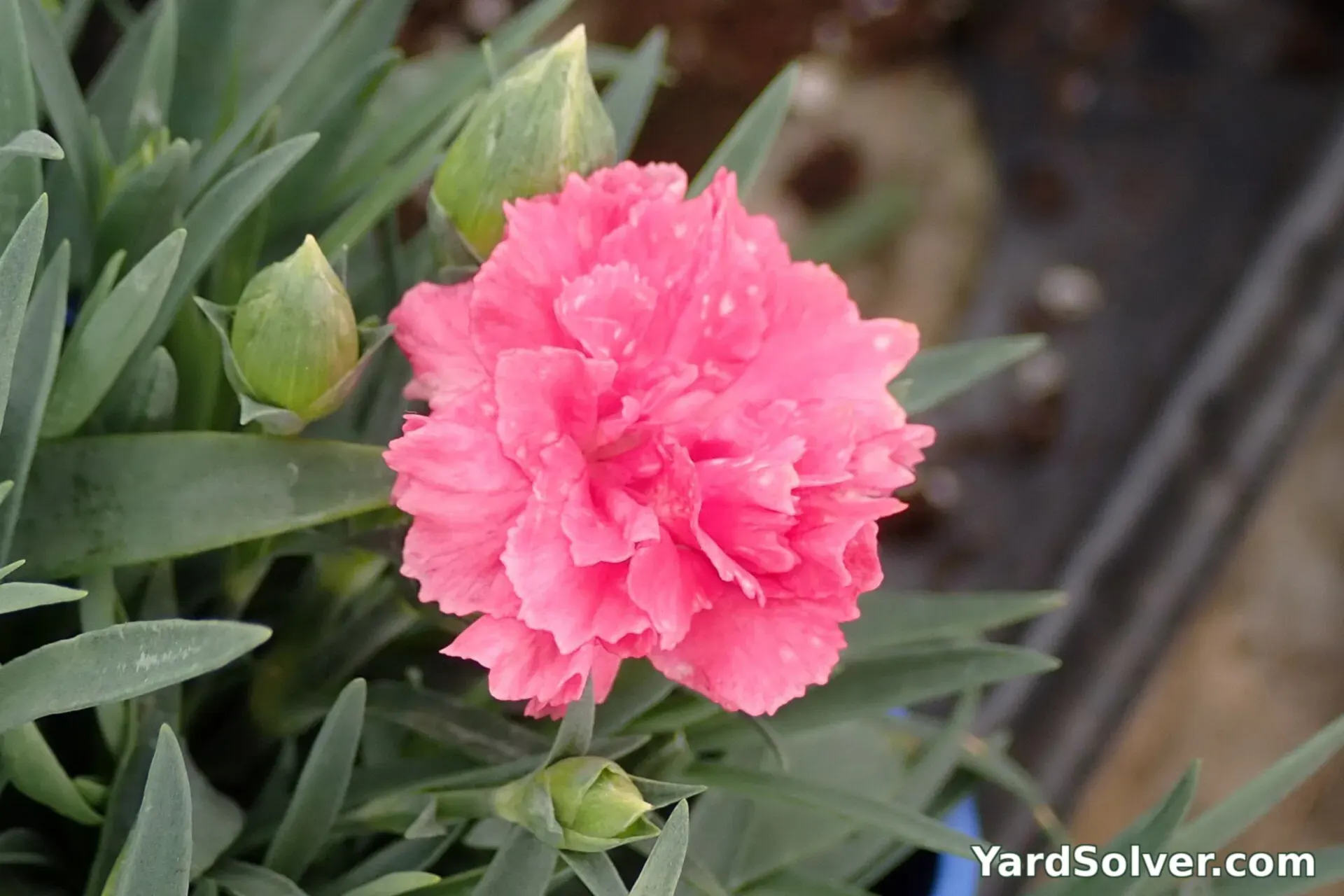
Set plants 10 in apart with the crown exactly at soil level. The Plant Spacing Calculator turns your bed size into an exact plant count. Water in once. Good neighbours: dianthus edges the classic cottage border in front of roses and lavender, sharing their love of sun and drainage, and its grey foliage is the foil for everything.
Step 4 — Water and feed
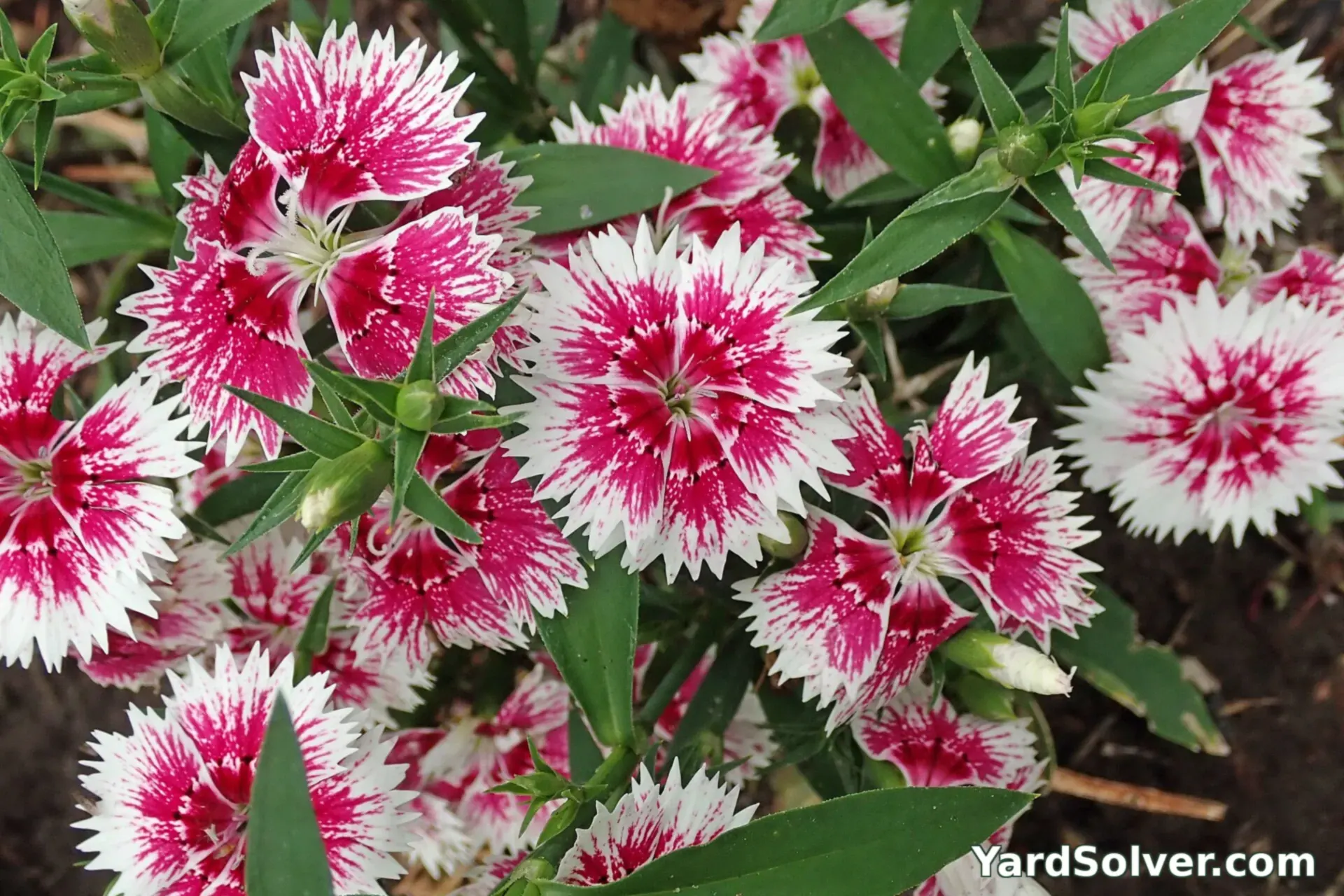
Water to establish and in long dry spells, always at the base — wet foliage invites rust. Feeding is light: one spring feed for perennial clumps, a couple of liquid feeds for annuals in pots — the Fertilizer Calculator turns your bed size into exact amounts. Overfeeding gives soft, floppy, flower-shy growth.
Step 5 — Care and the problems to watch for
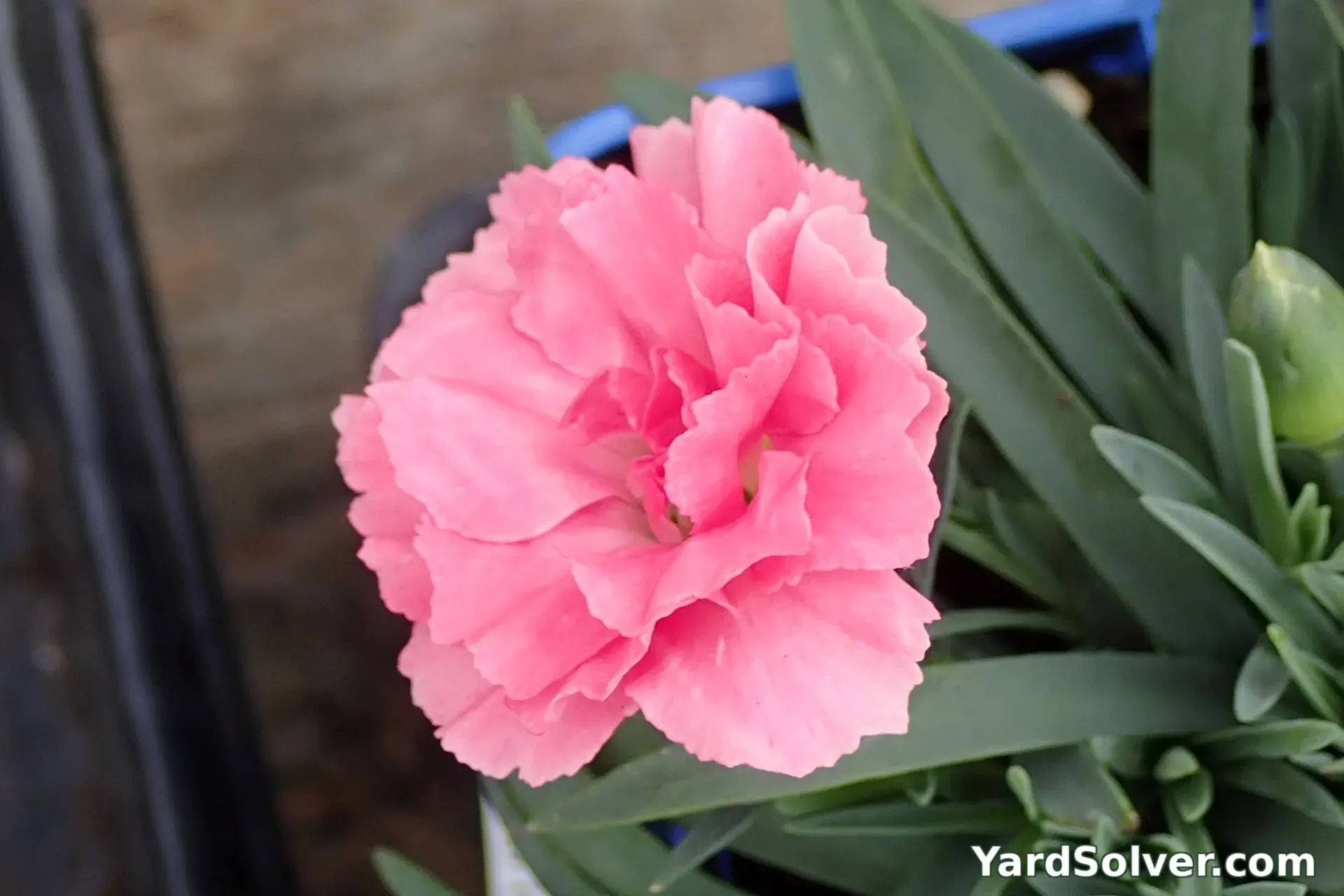
Deadhead annual pinks weekly for a nonstop summer. Perennial pinks: shear the tuft lightly after the main flush and a second, smaller flowering often follows. Sweet William is done after flowering — pull it and compost it; its seedlings may carry on.
- Rust spots on leaves — space for air, water at the base, strip badly marked leaves.
- Crown rot in winter — wet soil; replant divisions into grittier ground in spring.
- Blind, leafy plants — too much shade or nitrogen; move to sun and leaner soil.
Step 6 — Harvest
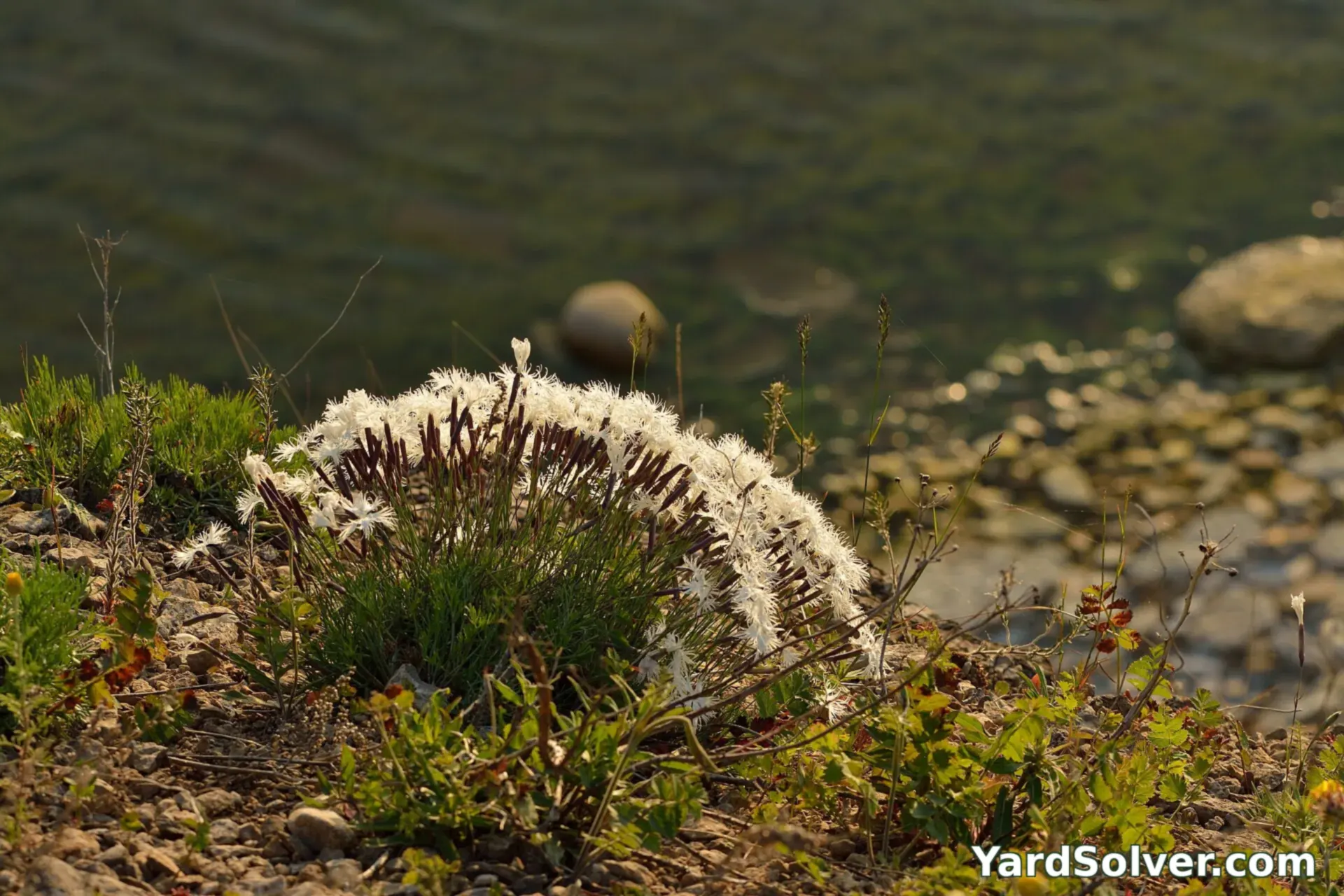
Cut stems in the morning when the newest flowers have opened; pinks last a week in water and perfume the whole room. Sweet William cuts by the armful in June. Petals (white heel removed — it's bitter) flavour summer drinks and salads. Leave perennial clumps uncut after late summer so they harden off for winter.
📅 Your personal Dianthus (Pinks & Sweet William) schedule
Counted from your planting day — not a generic calendar. Day 0 is the day the seed went in the ground or the young plant went out.
Varieties worth growing
| Variety | Colour | Why gardeners like it |
|---|---|---|
| Mrs Sinkins | White, intensely scented | The famous Victorian perennial pink — fringed, unruly, and the most perfumed of all. |
| Sweet William 'Auricula-eyed Mix' | Crimson, pink, white with zoned eyes | The biennial classic for June armfuls. |
| Jolt series | Cherry and pink, heat-tough | Annual pinks bred to keep flowering through hot summers. |
Good for you — and take care
Benefits
- That clove-spice perfume — few flowers scent a room like cut pinks.
- A form for every garden rhythm: annual, biennial and perennial kinds.
- Tough, drought-tolerant edging plants with evergreen grey tufts.
Take care
- Winter wet kills them — drainage before everything.
- Petals are edible; the foliage is not — keep leaves out of the kitchen.
- Sweet William is biennial: sow by midsummer or buy autumn plants.
A little history — and one good fact
Dianthus means 'flower of Zeus', and the pinks have been garden plants since antiquity — the name 'pink' (for the fringed edge, as if cut with pinking shears) gave English its colour word, not the other way round. Sweet William's name is argued over to this day — Jacobite Scots insisted it honoured no English prince.
Fun fact: Before hops took over, dianthus petals and their cousin the clove pink flavoured ales and wines — 'sops in wine' was both a variety name and a recipe.
Keep going
Guides: Companion planting basics · Succession planting · Pollinator garden guide
Calculators: Plant Spacing Calculator · Garden Mix Calculator · Fertilizer Calculator
More flowers: Lavender · Rose · Sweet Alyssum · Pansy
← Back to the Plant Library · Get your personal planting dates
Questions people ask
What is the difference between pinks, carnations and sweet William?
All are Dianthus. Pinks are the smaller, highly scented garden forms; carnations are the larger florist's types; sweet William is Dianthus barbatus, a biennial grown in clusters of many small flowers. Culture is the same for all.
Why did my dianthus die over winter?
Almost always winter wet, not cold — the crowns rot in soggy soil. Plant in gritty, raised or sloping ground, keep the crown at soil level, and take cuttings in summer as insurance.
How do I get a second flowering from perennial pinks?
Shear the whole tuft lightly as the first flush ends, water it, and give one light feed. Many varieties respond with a smaller autumn flowering.
Pinks, carnations and sweet william are one family with one demand: drainage sharp enough to hear
Dianthus covers three familiar garden plants — border pinks, carnations and sweet william — and all of them share the family demand: sharp drainage and an open, sunny position. They are plants of rocky, alkaline-leaning ground, and the commonest cause of death is not cold but winter wet, which rots the crown while the plant looks merely miserable. Grit worked into the planting hole and a refusal to mulch against the crown are worth more than any feed.
The family splits by life cycle, and confusing the two halves disappoints. Border pinks and carnations are perennials, kept going by deadheading and by taking cuttings (pipings) from non-flowering shoots, because old plants grow woody and sparse. Sweet william is a biennial: sown one summer, it overwinters as a rosette and flowers the next — a gardener who sows it expecting flowers the same season, or digs it out as finished after flowering, misses the plant's actual rhythm entirely.
The worked example: pinks planted in gritty, free-draining soil in full sun, deadheaded and renewed from cuttings every few years, commonly flower and scent a border edge for a decade. The identical plants in rich, wet clay under mulch typically rot in their first winter. Dianthus do not ask for good soil — they ask for dry feet, which is a different and cheaper thing to give.
Sources
Key facts on this page — timing, spacing and care — cross-checked against NC State Extension Plant Toolbox — Dianthus — culture, drainage, soil and care requirements and Dianthus — Wikipedia — background on the genus — pinks, carnations and sweet william.
Related page
Read next: Companion Planting Basics: Good & Bad Neighbours.
Comments & ratings
No comments yet.
Be the first to share your experience.