
Plant Library · Flowers · By Faizan Ahmad
🌸 How to Grow Scabiosa (Pincushion Flower)
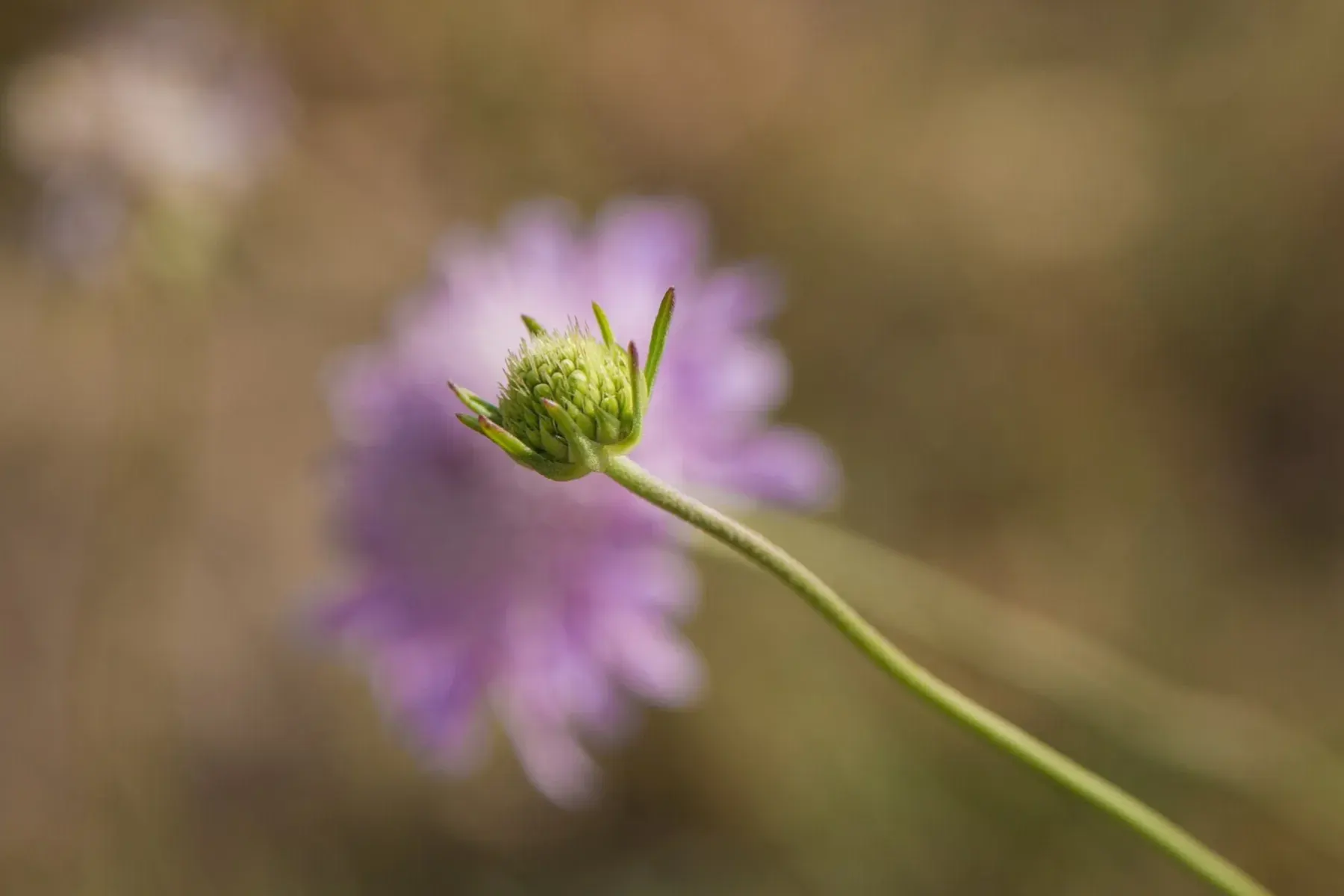
Pincushions on wiry stems that butterflies treat as landing pads — a cut flower that blooms for four straight months. Annual scabiosa (Scabiosa atropurpurea) is sown in spring, flowers from June to September if you keep cutting, and comes in colours from near-black burgundy to ice white. The name has nothing to do with its nature, which is pure generosity.
Grow Scabiosa (Pincushion Flower) with us — step by step
Everything for this plant is written step by step below — what to do, and exactly when. Read it through first if you like: you can grow it entirely on your own with that guide. Or start with us here — tell us your planting day and we lay out your personal schedule on this page, every next step on its own day, counted from your planting date. No guessing, no forgetting.
Step 1 — today: Sow scabiosa seed in pots indoors — the seedlings are sturdy and the early start means June flowers.
Scabiosa (Pincushion Flower) at a glance
Sow indoors: 6 weeks before last frost
Move outside: At last frost
Sow outdoors: At last frost
Spacing · Seed depth: 11 in apart · 1/8 in deep
Sun: Full sun
Water: Moderate — drought-tolerant once settled
Bloom: June to September; deadhead or cut constantly
Timing counts from your average last spring frost — get your own dates in the Planting Calendar. Guidance follows standard extension-service practice for Canada and the US.
How to plant and grow scabiosa, step by step
Step 1 — Time it right
Sow indoors: 6 weeks before last frost; Move outside: at last frost; Sow outdoors: at last frost. All dates count from your average last spring frost — the Planting Calendar turns them into real dates for your garden. Scabiosa germinates in 10–14 days at room temperature and grows into a basal rosette before sending up its wiry stems. It is a cool-tolerant annual that flowers longest in gardens with cool nights; in hot districts, give it the sunniest spot anyway but expect a midsummer pause.
Step 2 — Prepare the spot
Scabiosa is a plant of dry Mediterranean grassland: full sun, sharp drainage, and a liking for limy soil. On acid ground, a dressing of garden lime at preparation helps. Ordinary fertility is fine — rich soil gives leaves and flop. For a raised bed, the Raised Bed Soil Calculator counts the bags for you; mixing your own? The Garden Soil Calculator gives the compost-rich split to aim for.
Step 3 — Sow and plant out
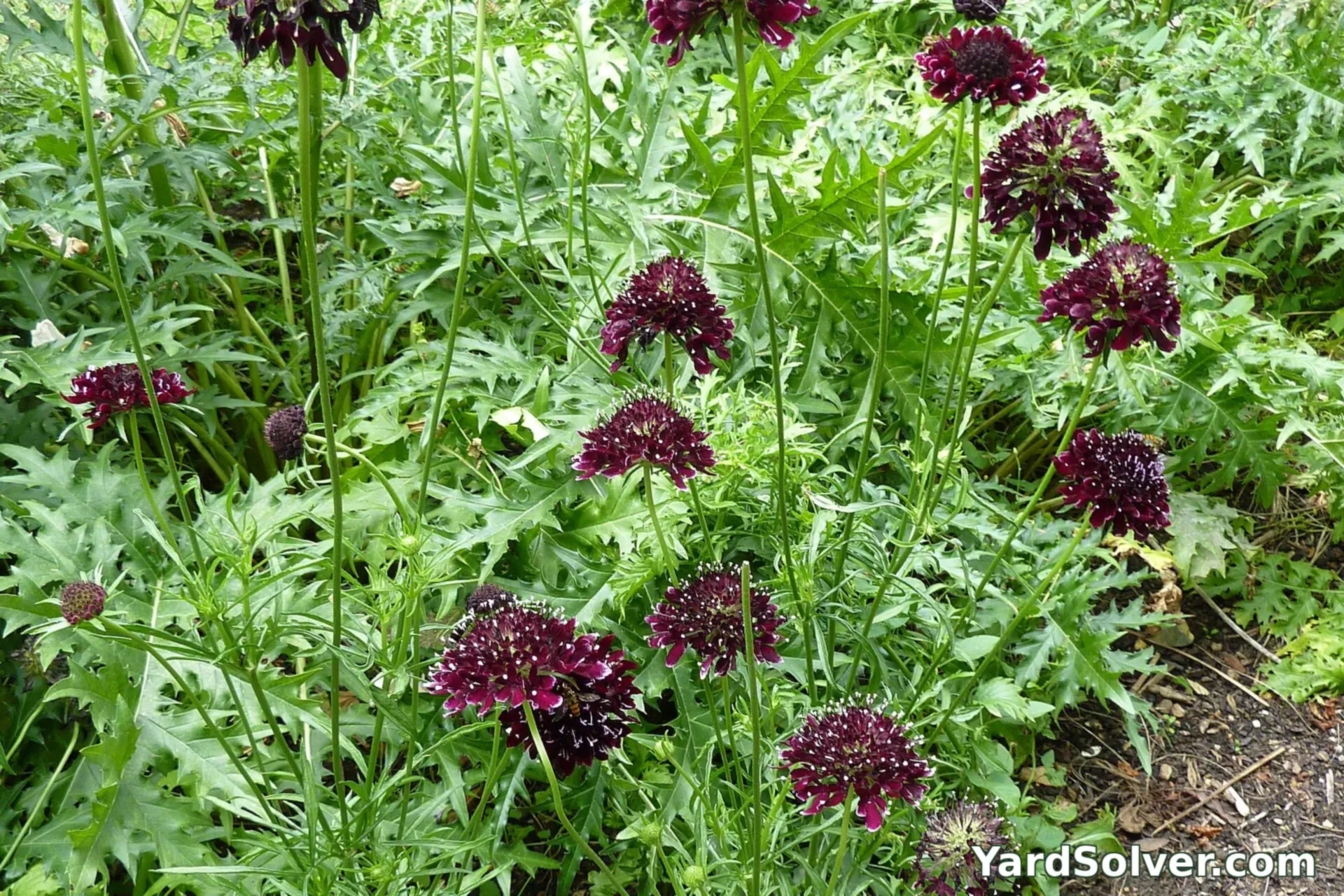
Set plants 11 in apart, crown at soil level. The Plant Spacing Calculator turns your bed size into an exact plant count. In the cutting bed, grow them through a horizontal net — the wiry stems lean on each other and the net keeps the pincushions at picking height. Good neighbours: scabiosa threads through zinnias and cosmos, flowering in the same long season.
Step 4 — Water and feed
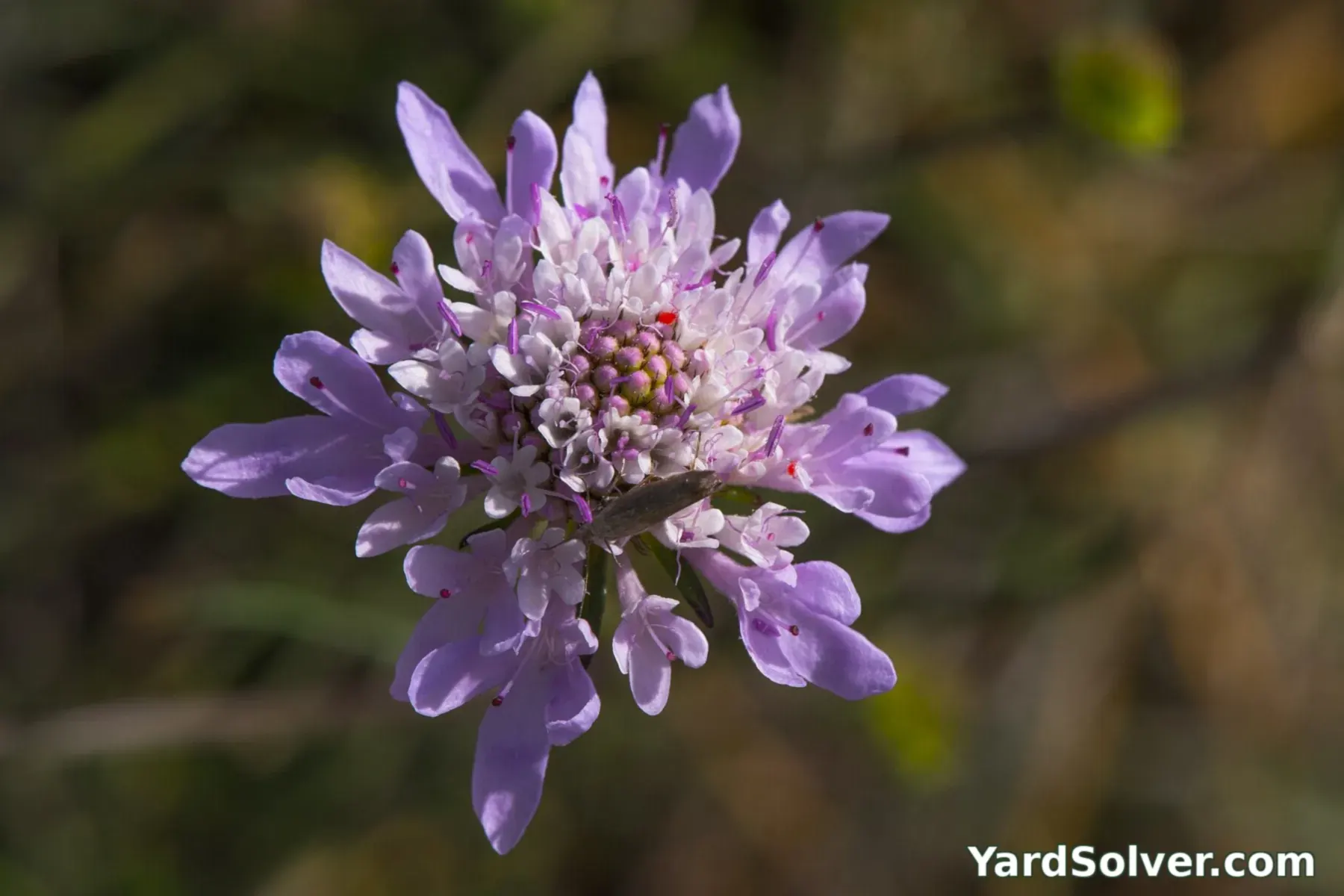
Water until plants are established, and in long droughts thereafter. A light feed when buds first show keeps stems long; heavy feeding does the opposite of what you want — the Fertilizer Calculator turns your bed size into exact amounts.
Step 5 — Care and the problems to watch for
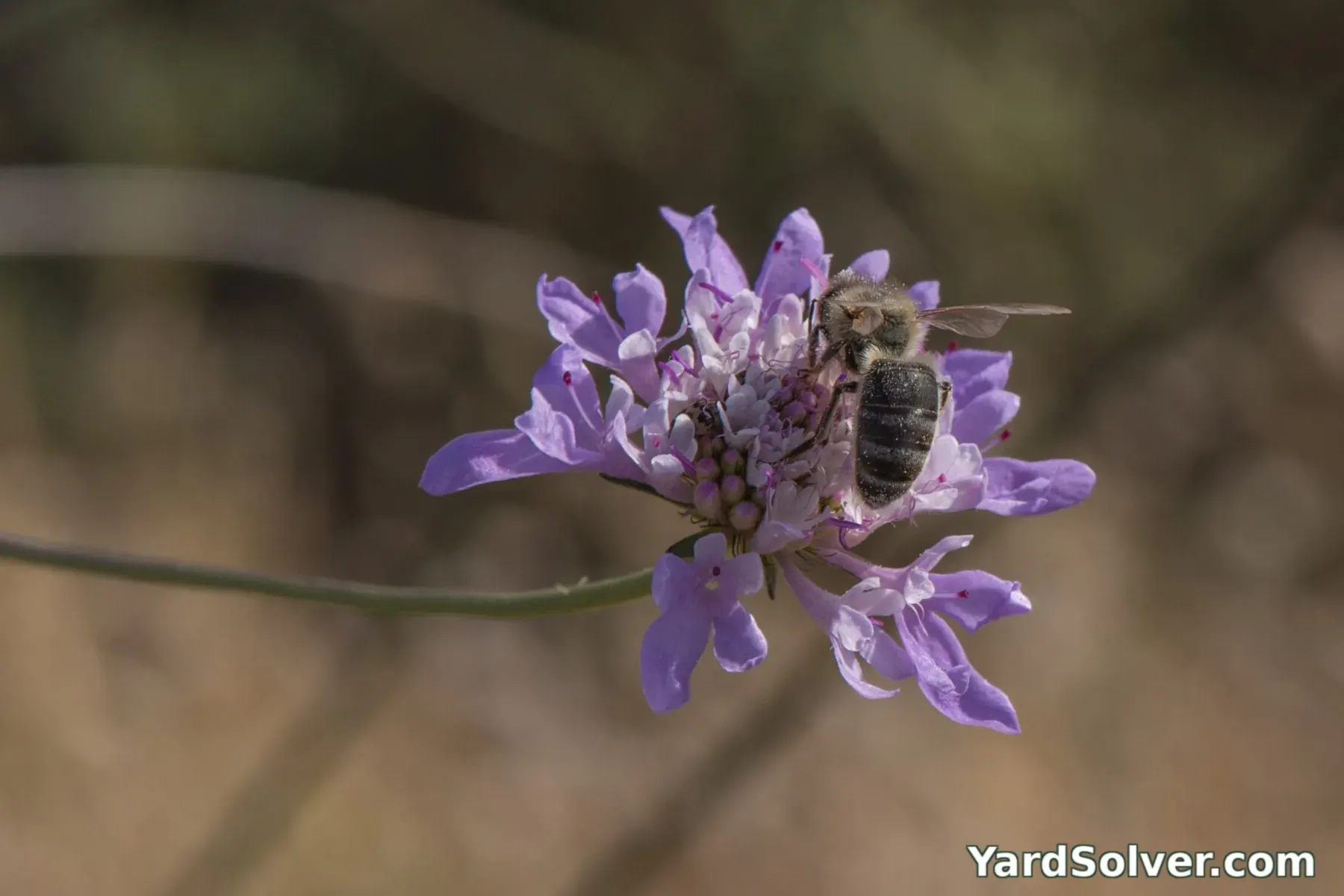
The engine of the long season is picking: cut or deadhead every few days and the plant never gets the seed-making signal to stop.
- Powdery mildew — space for air, water at the base, and pick off tired foliage.
- Flopping stems — net support in the cutting bed, or a sunnier, leaner spot.
- Short stems — usually crowding; space honestly at 11 in.
Step 6 — Harvest
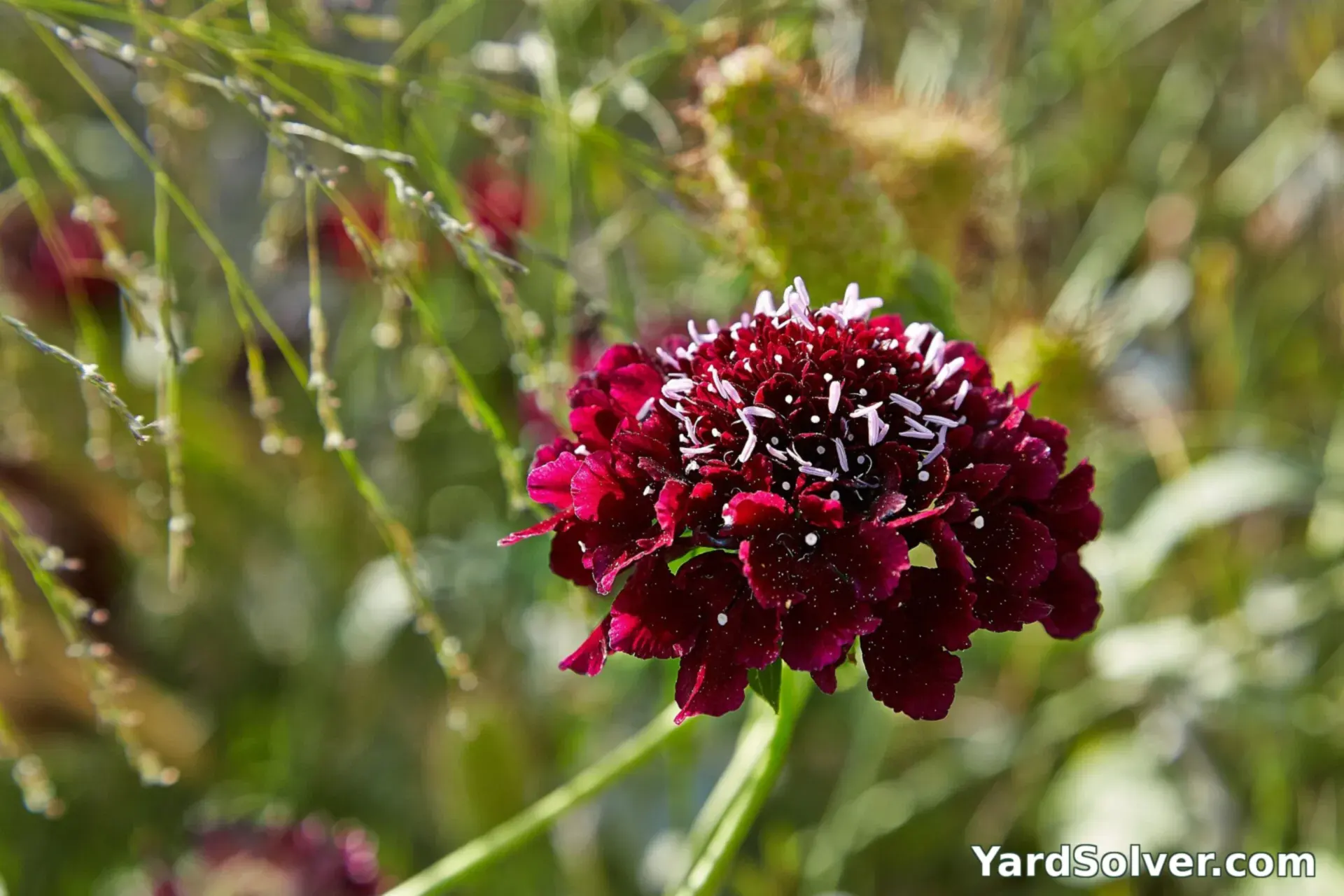
Cut stems in the morning when the outer florets have opened — they last about a week in water, and the unopened buds on side branches keep coming. The seed heads (little greeny-brown cones) are also cut-worthy, fresh or dried, for texture in arrangements. Leave the last heads of autumn for the seed bank if you want volunteers.
📅 Your personal Scabiosa (Pincushion Flower) schedule
Counted from your planting day — not a generic calendar. Day 0 is the day the seed went in the ground or the young plant went out.
Varieties worth growing
| Variety | Colour | Why gardeners like it |
|---|---|---|
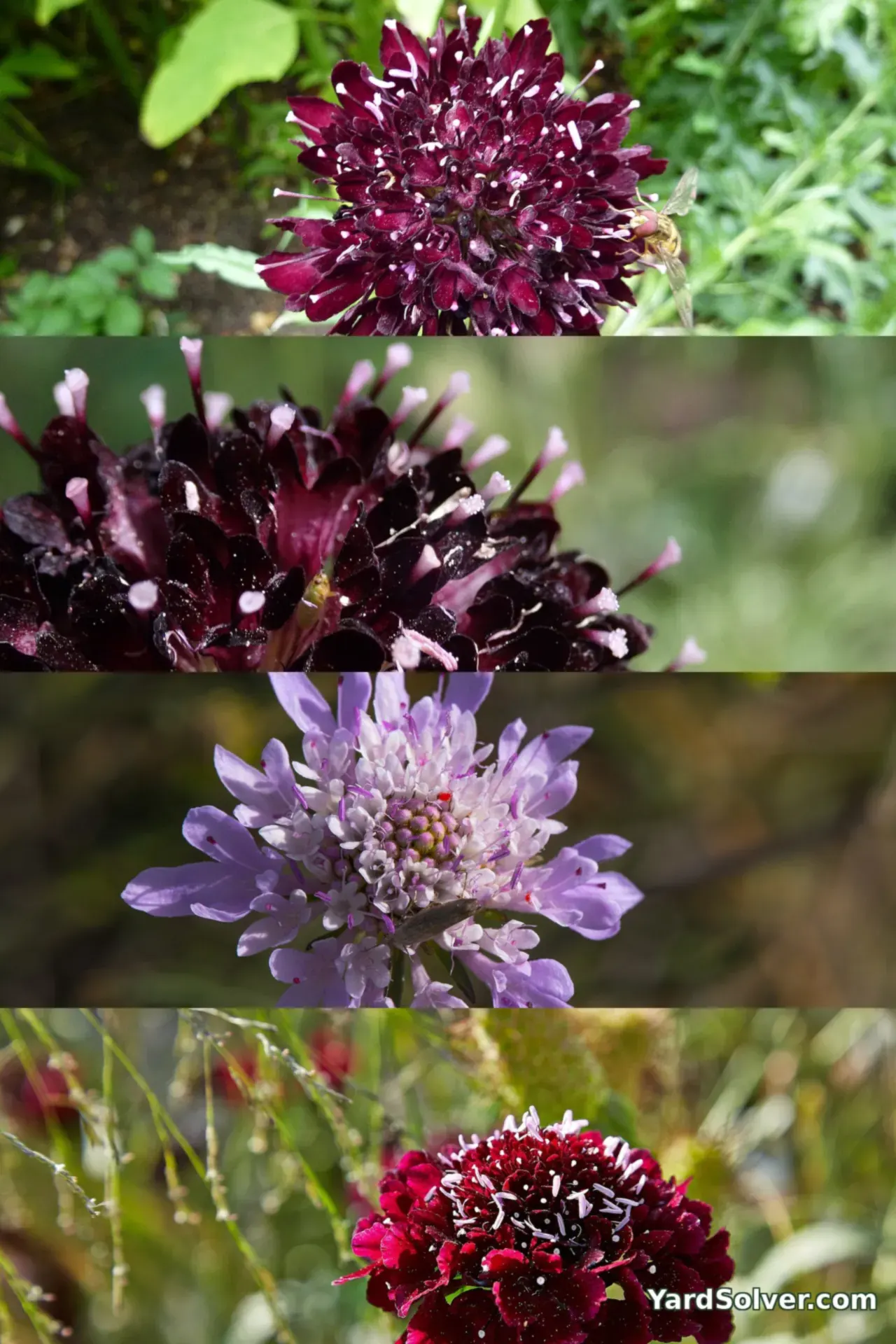
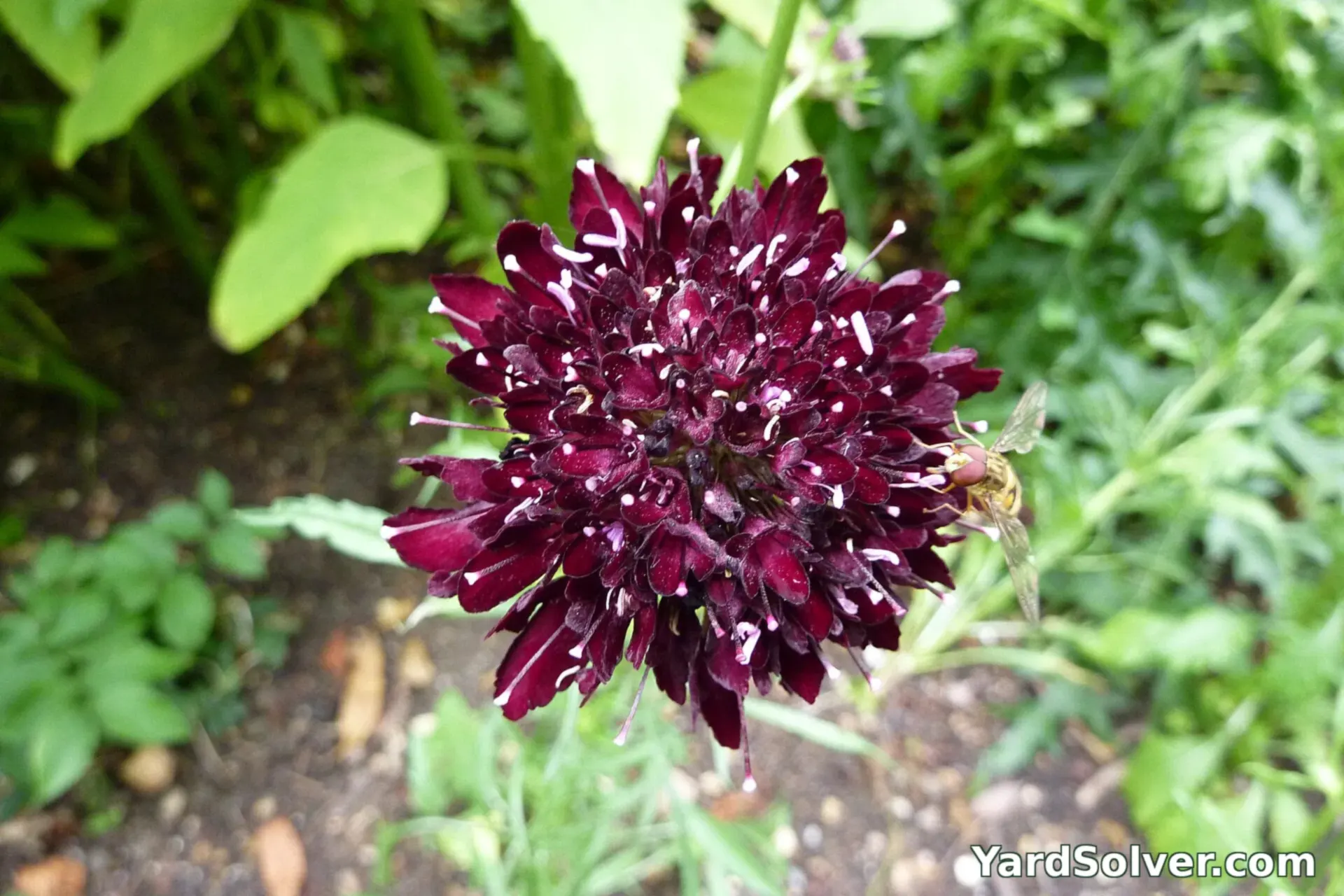
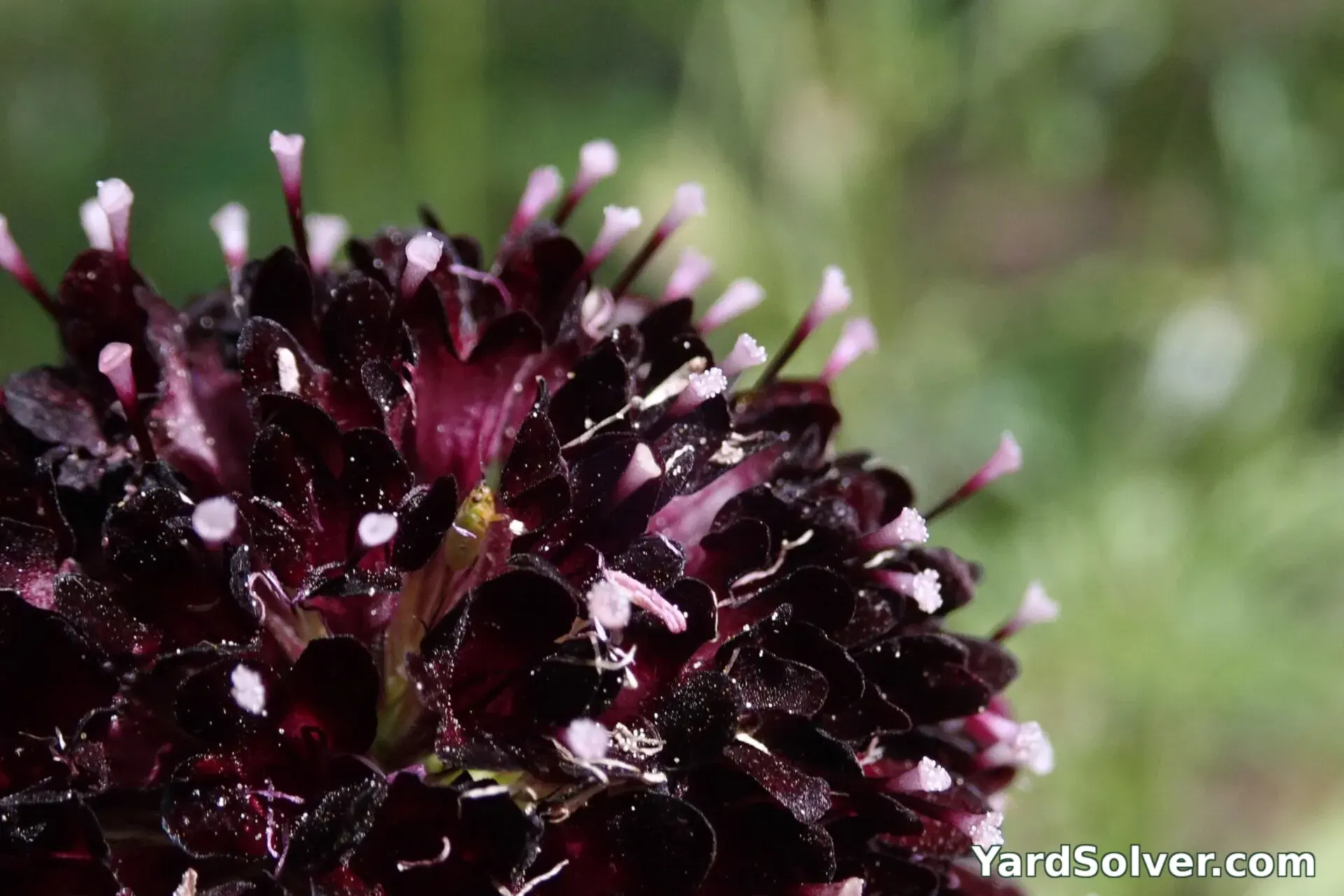
| Black Knight | Near-black burgundy | The dramatic one — almost black pincushions that make pastels glow. |
| Tall Double Mix | Mixed colours, tall | The classic cutting mix — lilac, salmon, white, burgundy. |
| Snowmaiden | Pure white | Clean white pincushions for weddings and moon gardens. |
Good for you — and take care
Benefits
- Four months of cut flowers from one spring sowing.
- A top-tier butterfly plant — the flat heads are built for them.
- Colours from ice white to near-black for sophisticated arrangements.
Take care
- Keep cutting — a plant allowed to seed stops flowering.
- Mildew in still, humid air — space and water at the base.
- Needs drainage and sun; sulks in wet shade.
A little history — and one good fact
Scabiosa's unfortunate name comes from its old use against scabies ('scab') — the plant deserved better. The pincushion nickname (the stamens stand like pins in a cushion) is the one gardeners kept. The dark 'mourning bride' forms were Victorian funeral flowers, worn and carried in deep burgundy.
Fun fact: Botanists count scabiosa among the finest butterfly plants in Europe — a single head can host a butterfly, two bees and a hoverfly at the same moment, each at its own floret.
Keep going
Guides: Succession planting · Pollinator garden guide · Companion planting basics
Calculators: Plant Spacing Calculator · Garden Mix Calculator · Fertilizer Calculator
More flowers: Zinnia · Cosmos · Orlaya · Statice
← Back to the Plant Library · Get your personal planting dates
Questions people ask
How do I keep scabiosa flowering all summer?
Cut it. Picking or deadheading every few days prevents seed formation, which is the plant's signal to stop. With constant cutting, annual scabiosa flowers from June into September.
Is scabiosa the plant that causes scabies?
No — the name records an old herbal use against the itch, not a cause. The garden plant is harmless, non-toxic, and one of the friendliest flowers for butterflies.
Can I grow perennial scabiosa instead?
Yes — Scabiosa caucasica is a hardy perennial with bigger lilac-blue pincushions, bought as plants. This page covers the annual atropurpurea types, grown from seed each year for cutting.
Scabiosa flowers on wires: deadhead the pincushions and the plant simply makes more
Pincushion flower (Scabiosa atropurpurea and the perennial S. caucasica) carries its rounded, pin-studded blooms on long wiry stems above a modest rosette — a plant built for cutting. Its flowering logic is the seed's logic: every pincushion left to ripen tells the plant the job is done, and every one cut or deadheaded tells it to send up more stems. A picked plant can flower from early summer to frost.
The plant wants sun, drainage and a soil that is neutral to alkaline; on acid or wet ground it sulks and rots at the crown in winter. The annual kinds are sown in spring where they are to flower or started under cover for an earlier show; the perennial caucasica types are divided every few years to keep the clump vigorous. Tall stems in wind appreciate discreet support from neighbours rather than canes.
The worked example: a plant deadheaded or cut twice a week typically flowers for four months straight. The same plant left to seed after its first flush typically stops by midsummer — with scabiosa, the scissors are the season.
Sources
Key facts on this page — timing, spacing and care — cross-checked against NC State Extension Plant Toolbox — Scabiosa atropurpurea — culture and care requirements and Scabiosa — Wikipedia — background on scabiosa and its cultivation.
Related page
Read next: Succession Planting Guide: Sow Little and Often.
Comments & ratings
No comments yet.
Be the first to share your experience.