
Plant Library · Flowers · By Faizan Ahmad
🌼 How to Grow Shasta Daisy
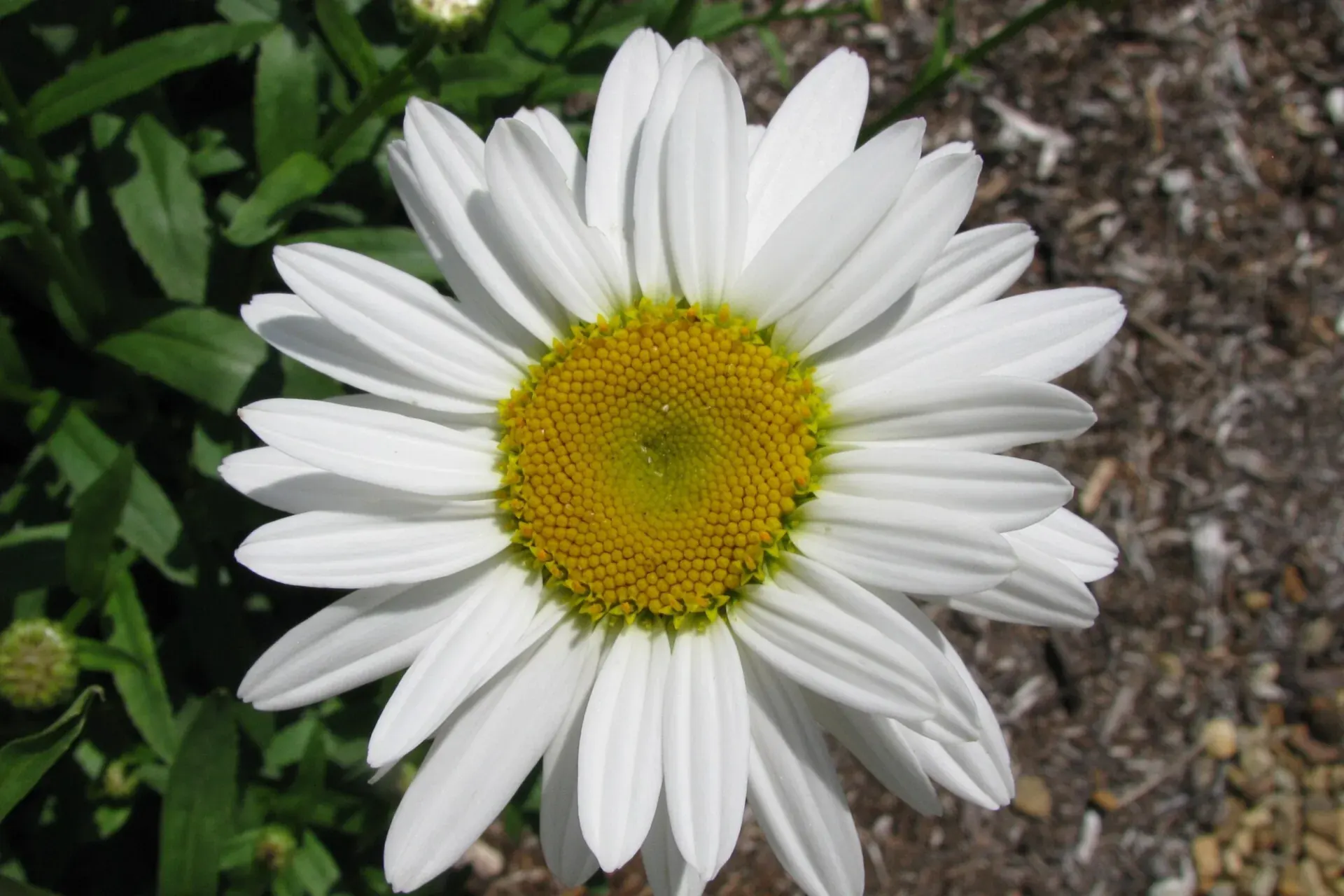
The big white daisy of summer — gold centres, armfuls for the vase, and a constitution like iron. Shasta daisy (Leucanthemum × superbum) is a hybrid perennial bred by Luther Burbank: sow it in spring for flowers the following year, or buy plants for this summer. Deadhead it and it blooms for months; divide it every few years and it lives forever.
Grow Shasta Daisy with us — step by step
Everything for this plant is written step by step below — what to do, and exactly when. Read it through first if you like: you can grow it entirely on your own with that guide. Or start with us here — tell us your planting day and we lay out your personal schedule on this page, every next step on its own day, counted from your planting date. No guessing, no forgetting.
Step 1 — today: Sow shasta daisy seed in pots indoors in spring, or buy a plant in flower if you want daisies this summer.
Shasta Daisy at a glance
Sow indoors: 8 weeks before last frost
Move outside: At last frost
Sow outdoors: In spring or early summer, in a nursery bed
Spacing · Seed depth: 15 in apart · 1/8 in deep
Sun: Full sun
Water: Moderate — drought-tolerant once settled
Bloom: June to September with deadheading
Timing counts from your average last spring frost — get your own dates in the Planting Calendar. Guidance follows standard extension-service practice for Canada and the US.
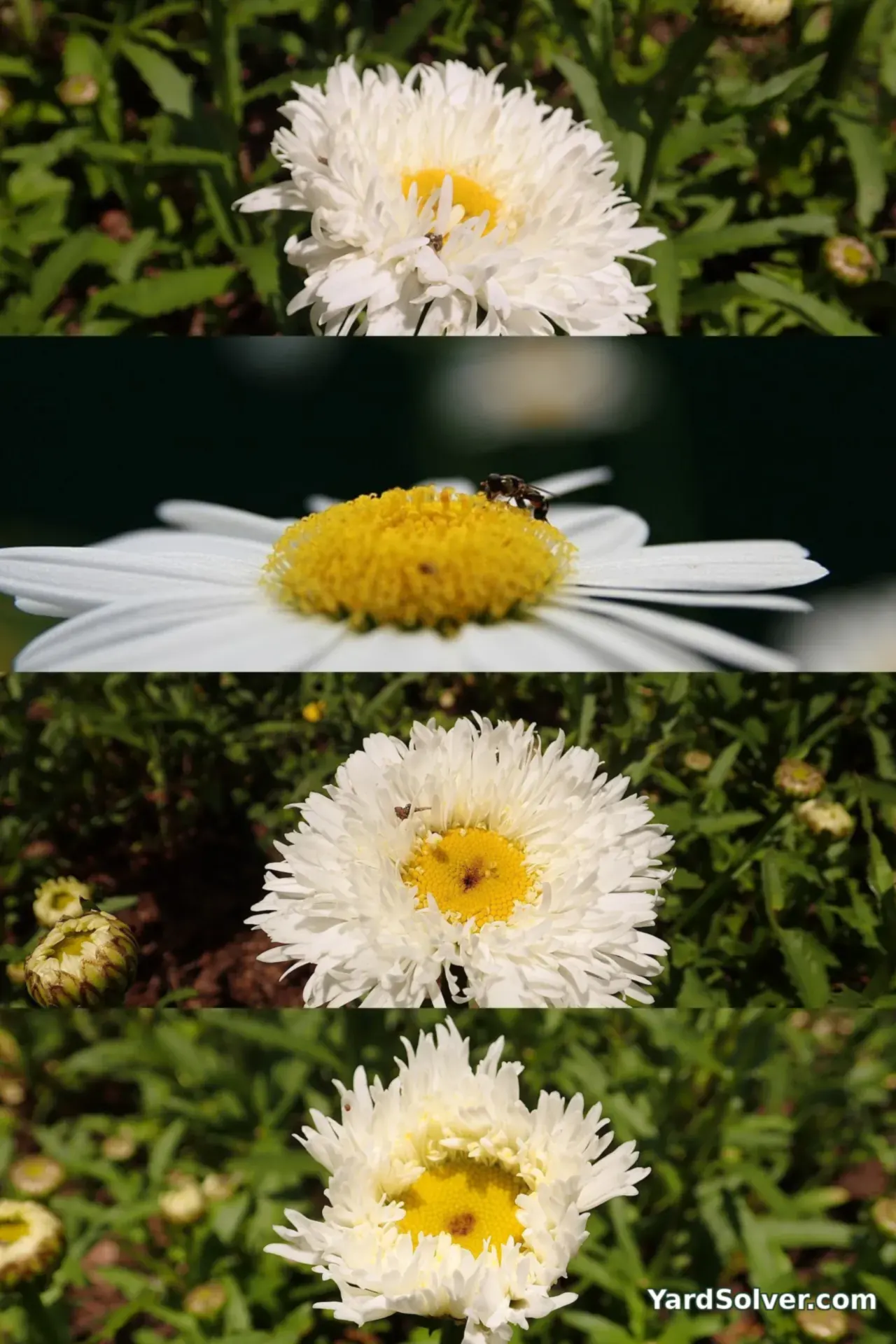
How to plant and grow shasta daisy, step by step
Step 1 — Time it right
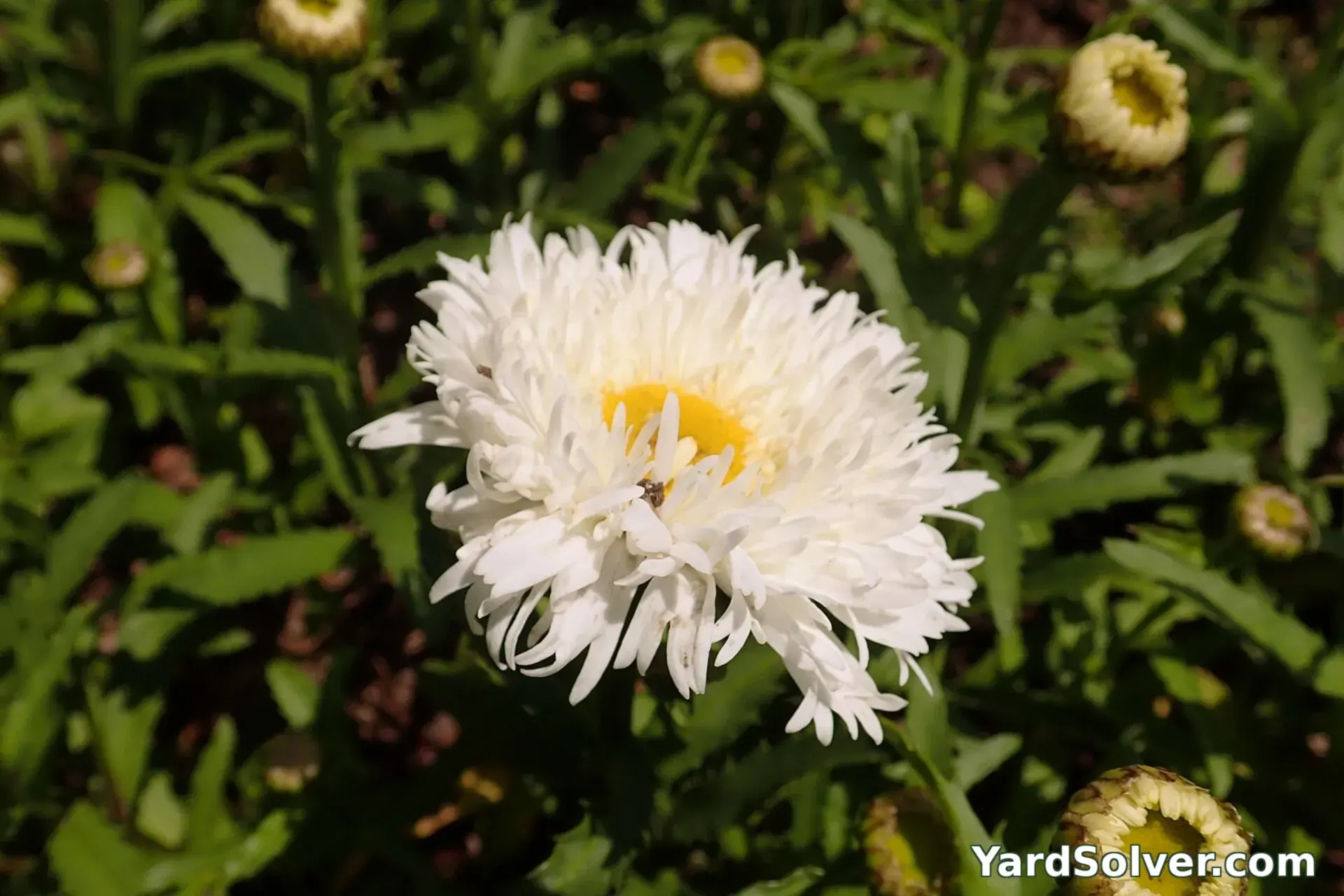
Sow indoors: 8 weeks before last frost; Move outside: at last frost; Sow outdoors: in spring or early summer — flowers follow the next year. All dates count from your average last spring frost — the Planting Calendar turns them into real dates for your garden. Shasta seed germinates in 14–21 days and makes a leafy rosette the first year, flowering the second — standard perennial economics. Named varieties (the doubles, the dwarfs) don't come true from seed, so those are bought as plants or divided from a friend's clump in spring, which is also the fastest route of all.
Step 2 — Prepare the spot
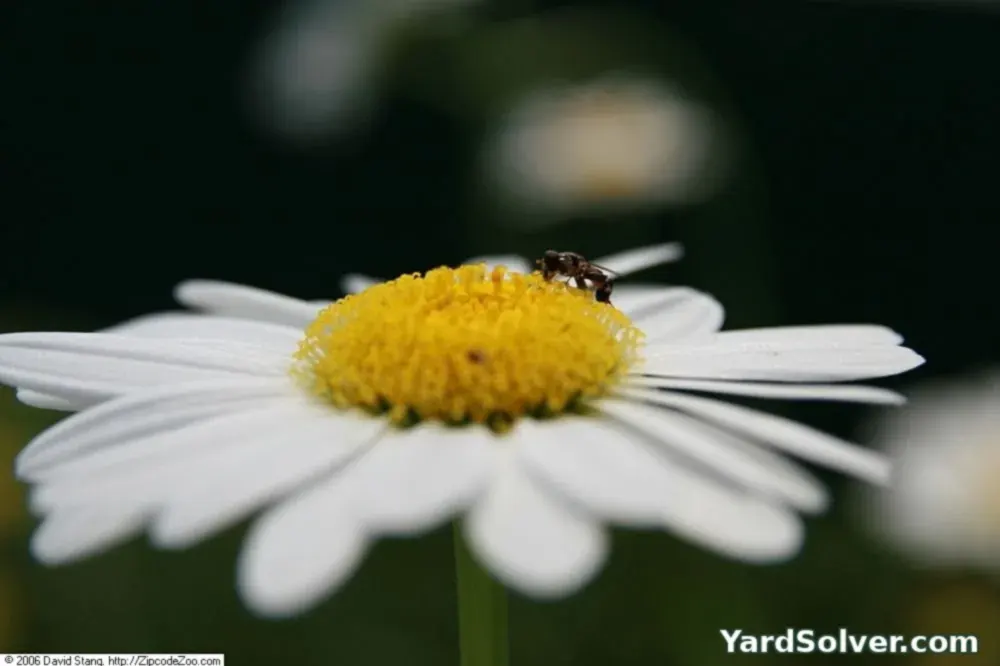
Shasta daisies want full sun and well-drained, average soil. The killer is winter wet at the crown; on heavy clay, fork in grit or plant on a slight mound. Modest enrichment with compost is welcome but unnecessary — they flower well on ordinary ground. For a raised bed, the Raised Bed Soil Calculator counts the bags for you; mixing your own? The Garden Soil Calculator gives the compost-rich split to aim for.
Step 3 — Sow and plant out
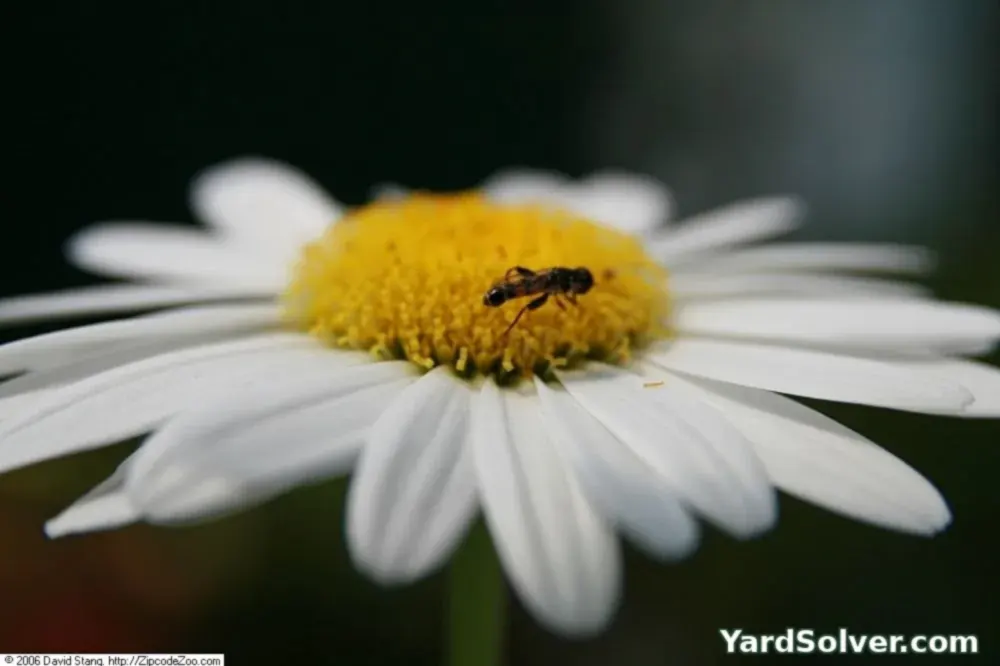
Set plants 15 in apart, crown at soil level, and water in. The Plant Spacing Calculator turns your bed size into an exact plant count. Good neighbours: shastas are the white backbone of the summer border, cooling echinacea and black-eyed Susans flowering in the same weeks.
Step 4 — Water and feed
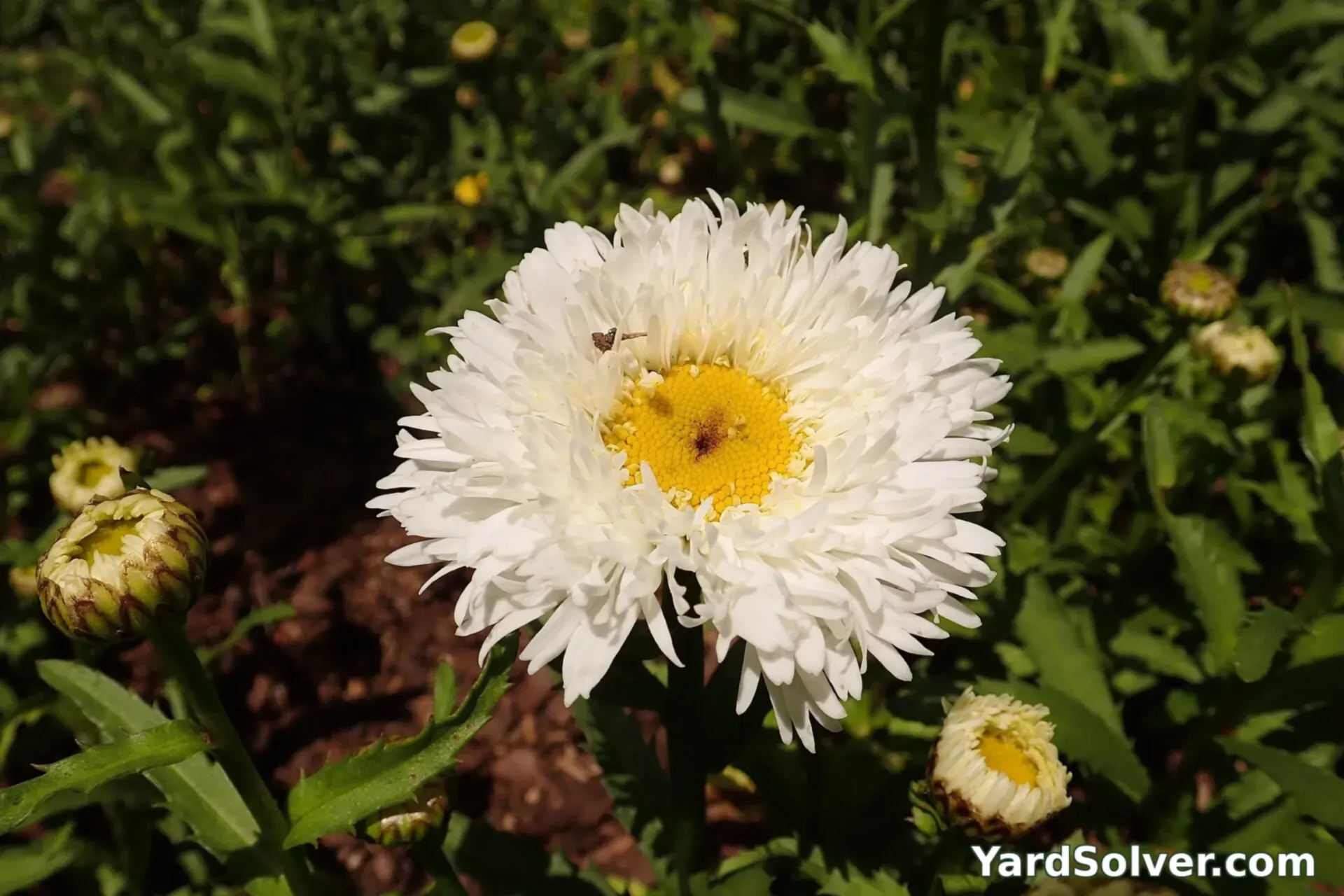
Water through establishment and in serious drought. One spring feed of compost or balanced fertilizer is plenty — rich feeding makes soft stems that flop in rain — the Fertilizer Calculator turns your bed size into exact amounts.
Step 5 — Care and the problems to watch for
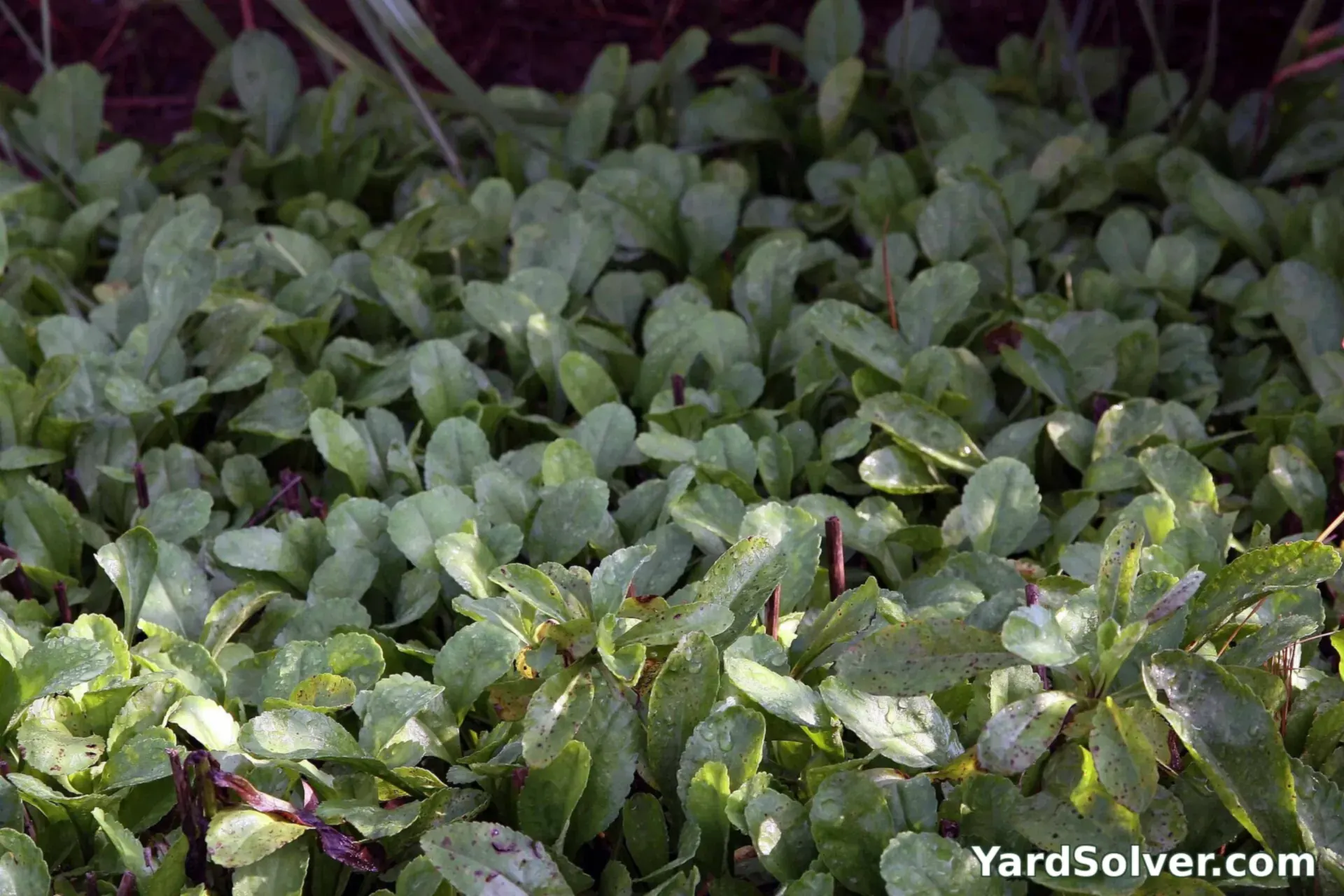
Deadhead or cut constantly through summer — a hard cut after the first flush buys a second crop in late summer. Divide clumps every 2–3 years in spring, replanting the vigorous outer pieces.
- Flopping — rich soil or shade; grow leaner, or stake tall varieties early.
- Crown rot — winter wet; improve drainage and don't mulch over the crown.
- Aphid colonies on stems — water jet; the plant shrugs them off.
Step 6 — Harvest
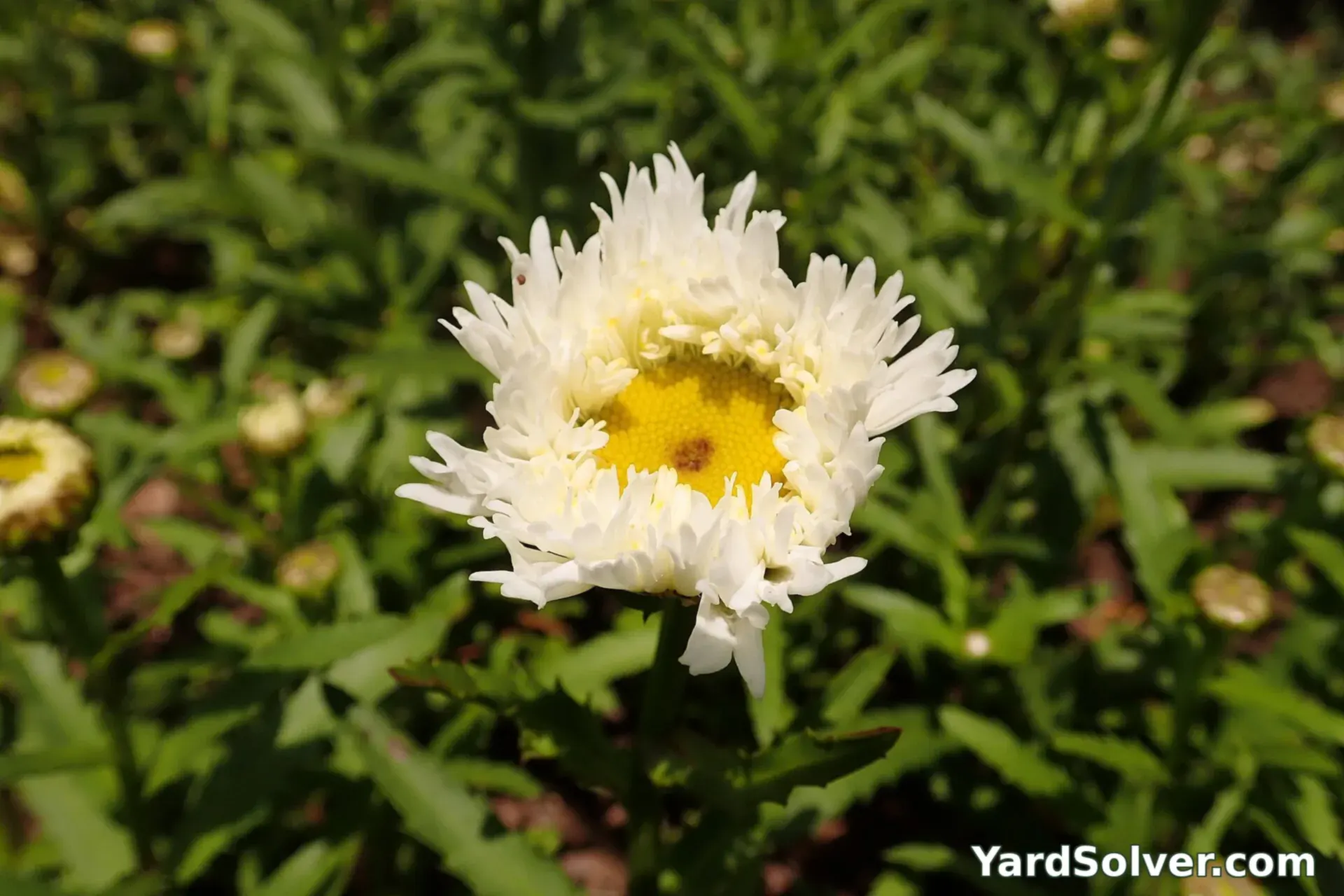
Cut stems in the morning when the flowers have fully opened and the centres are firm. They last 7–10 days in water (a known quirk: the stems can smell odd in the vase — change the water once and it passes). Leave the last flush standing a while for the seed-eating birds, then cut the clump down in spring.
📅 Your personal Shasta Daisy schedule
Counted from your planting day — not a generic calendar. Day 0 is the day the seed went in the ground or the young plant went out.
Varieties worth growing
| Variety | Colour | Why gardeners like it |
|---|---|---|
| Alaska | Large single white, tall | The classic Burbank type — big, bold and bombproof. |
| Becky | White, extra sturdy | Perennial Plant of the Year 2003 — stands up in weather that flattens others. |
| Snowcap | White, dwarf and compact | A foot tall — the edging and container shasta. |
Good for you — and take care
Benefits
- The definitive white daisy — months of flowers for the border and vase.
- Bombproof: drought, poor soil and neglect all tolerated.
- Divides freely — a clump becomes a drift in a few springs.
Take care
- Winter wet at the crown kills it — plant with drainage.
- Divide every 2–3 years or the centre tires.
- Deadhead to stop it seeding and to buy the second flush.
A little history — and one good fact
The Shasta daisy is an American invention: Luther Burbank spent 17 years crossing daisies from three continents to build it, naming it for snow-capped Mount Shasta in 1901. It escaped his California nursery to become the world's white daisy.
Fun fact: Burbank crossed a Portuguese daisy, an English daisy and a Japanese daisy to make it — the Shasta is a genuinely global hybrid a century before that was fashionable.
Keep going
Guides: Companion planting basics · Pollinator garden guide · Crop rotation basics
Calculators: Plant Spacing Calculator · Garden Mix Calculator · Fertilizer Calculator
More flowers: Echinacea · Black-Eyed Susan · Aster
← Back to the Plant Library · Get your personal planting dates
Questions people ask
Do shasta daisies come back every year?
Yes — they are hardy perennials. Clumps tire after a few years, so lift and divide them in spring every two to three years, replanting the vigorous outer sections.
Why are my shasta daisies flopping?
Rich soil, feeding and shade make soft, top-heavy growth. Grow them lean in full sun, and cut the first flush hard — the second comes in sturdier.
When do shasta daisies flower from seed?
Seed-raised plants make a leafy rosette the first year and flower the second. For flowers this summer, buy plants or take divisions from an established clump in spring.
Shasta daisies are bred for the vase as much as the border — and division every few years is the price of the big flowers
The Shasta daisy (Leucanthemum × superbum) is a hybrid bred from several wild daisies for size, whiteness and stem length, and it behaves like the vigorous hybrid it is: a clump expands fast, flowers hugely for weeks in summer, and then, in its third or fourth year, begins to die out in the middle as the old crowns exhaust themselves. Division in spring or autumn — discarding the woody centre, replanting the young outer pieces — is not optional maintenance; it is how the plant is kept alive.
Deadheading extends the show and stops the heavy self-seeding that fills a border with lesser seedlings; named varieties come true only from divisions, never from their own seed. The plant wants sun and drainage and dislikes wet winter crowns; tall varieties in rich soil flop and are better grown a little hungry or supported by their neighbours.
The worked example: a clump divided every three years and deadheaded weekly typically flowers at full size indefinitely. The same clump left alone typically hollows out and fades within five years — with Shasta daisies, division is life insurance.
Sources
Key facts on this page — timing, spacing and care — cross-checked against NC State Extension Plant Toolbox — Leucanthemum × superbum — culture and care requirements and Shasta daisy — Wikipedia — background on Shasta daisies and their cultivation.
Related page
Read next: How to Divide Perennials: When, How, and a Chart for Common Plants.
Comments & ratings
No comments yet.
Be the first to share your experience.