
Plant Library · Vegetables · By Faizan Ahmad
Updated November 17, 2026
🍃 How to Grow Sorrel
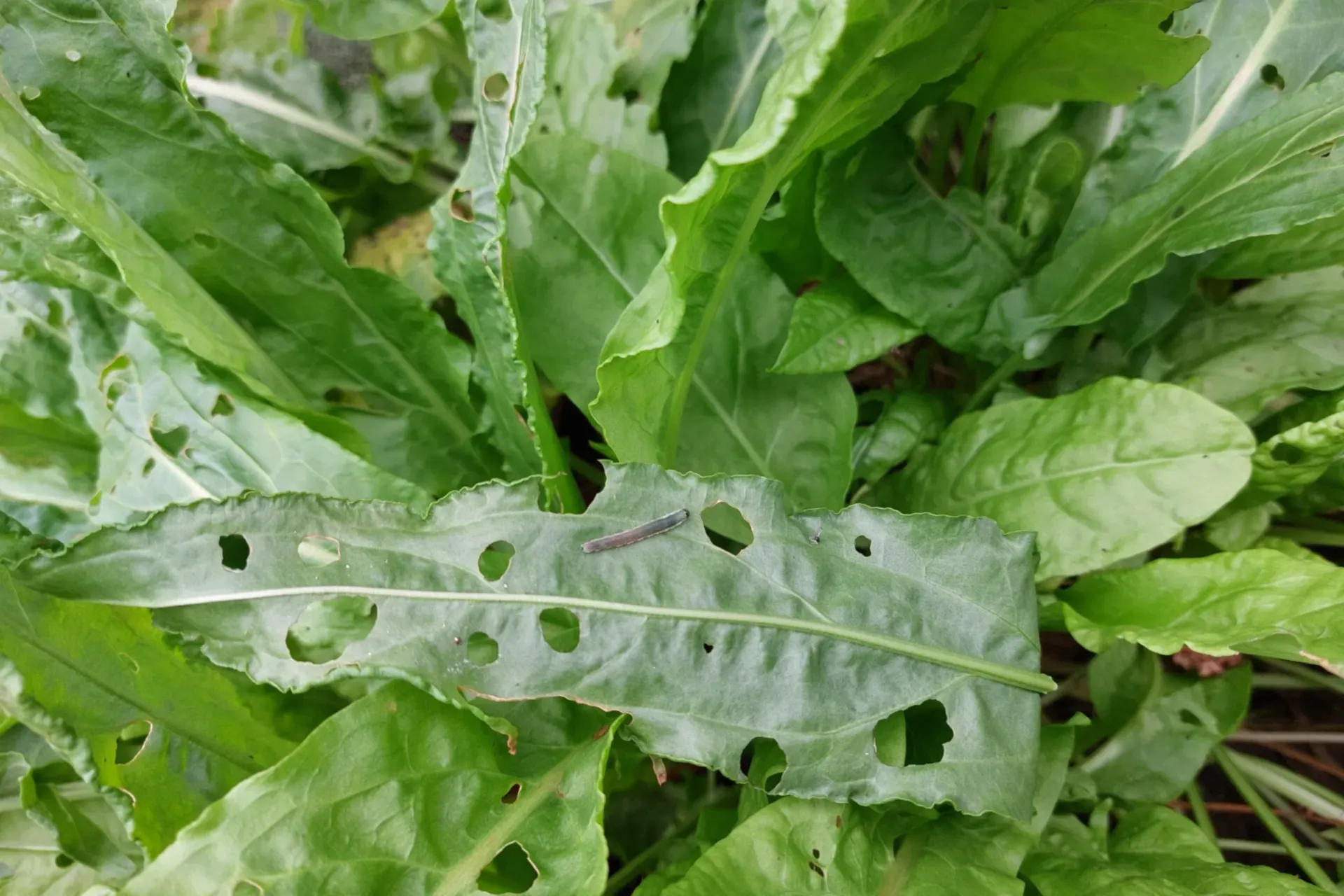
Sorrel is a hardy perennial with sharp, lemony leaves that brighten soups, salads and sauces — the classic French sorrel soup is made from little else. One clump, planted once, feeds you for years: it comes back every spring, and you pick the outer leaves from 60–70 days after sowing.
Grow Sorrel with us — step by step
Sorrel is the perennial lemon of the salad bed: one spring planting gives you sharp, citrusy leaves from the earliest spring weeks — often the first green thing you pick — for years, from a clump that asks only for dividing now and then. French sorrel is the milder, smaller-leaved gourmet type; common sorrel is bolder and more productive. The steps below cover both. Add your planting date and the page schedules your pickings, bolt watch and dividing years from it.
Step 1 — today: Sow Sorrel today, 1/4 in deep and 12–18 in apart in a permanent spot, or set out nursery plants — and water in well. One clump feeds you for years.
Sorrel at a glance
Sow indoors: 6 weeks before last frost
Move outside: At last frost
Spacing: 12–18 in · Seed depth: 1/4 in
Sun: Full sun to part shade
Water: Regular — keep evenly moist
Harvest: 60–70 days from seed; perennial thereafter
Timing counts from your average last spring frost — get your own dates in the Planting Calendar. Guidance follows standard extension-service practice for Canada and the US.
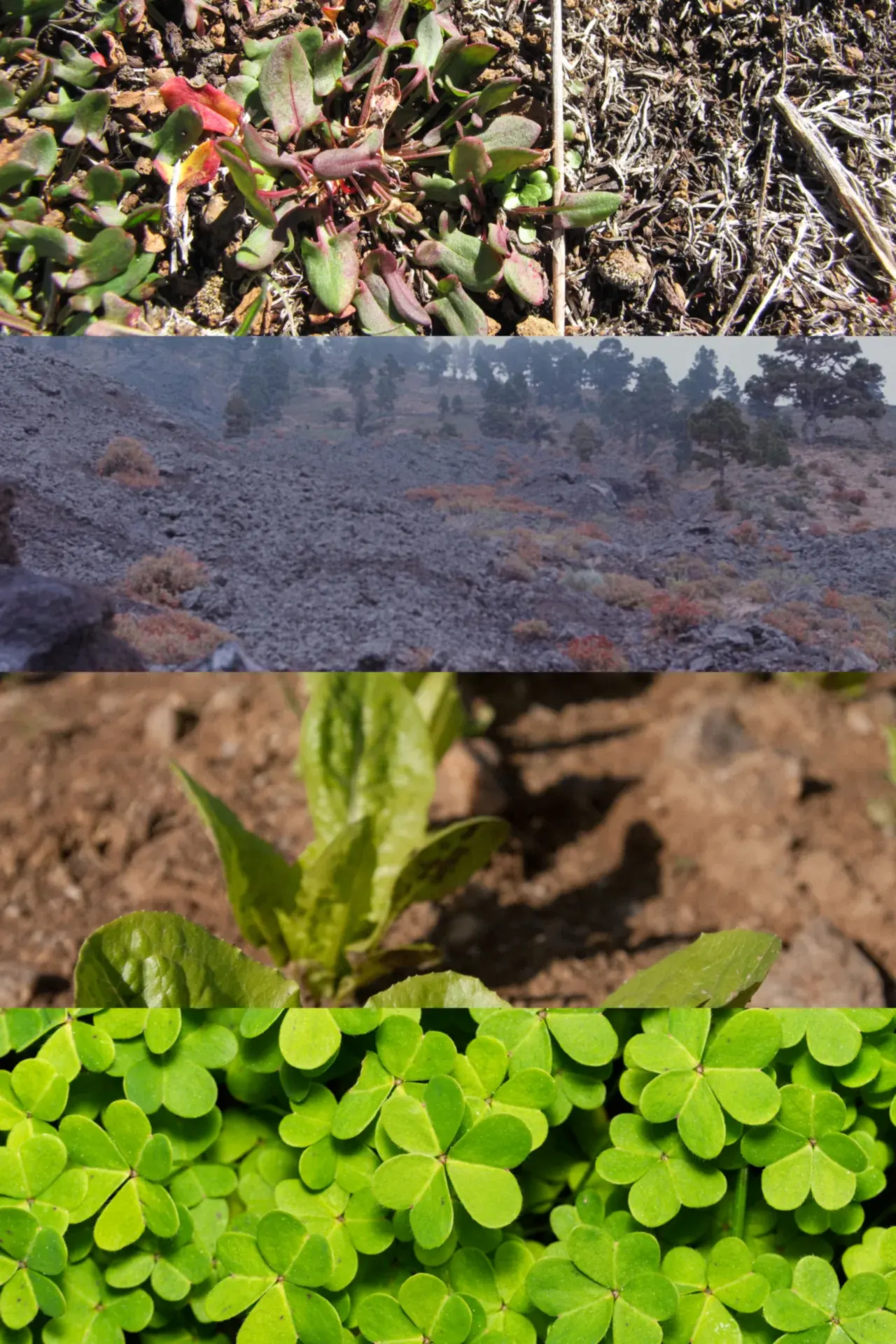
How to plant and grow sorrel, step by step
Step 1 — Time it right
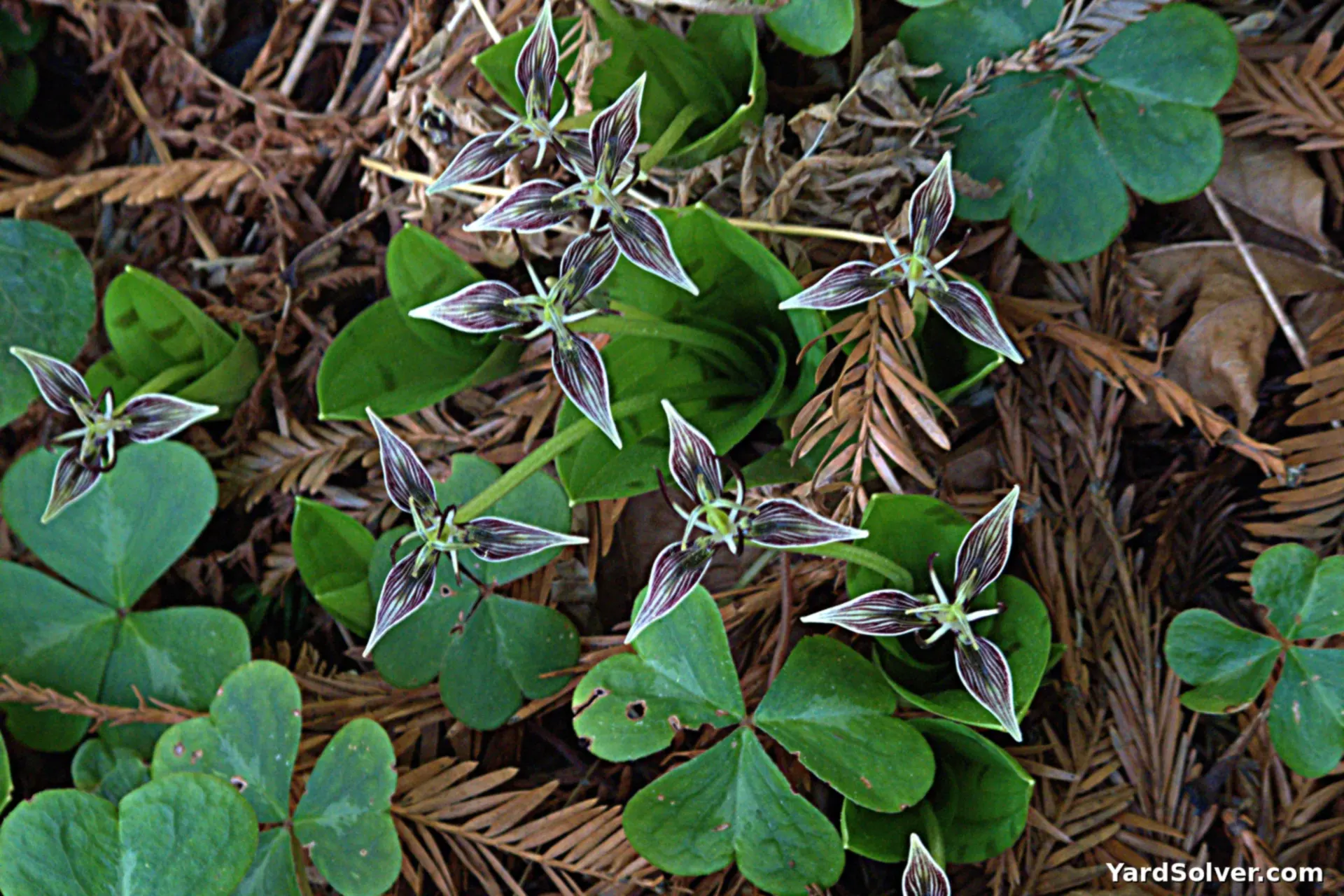
Start indoors 6 weeks before last frost, or direct sow around last frost. A perennial — plant it once and it returns each spring. All dates count from your average last spring frost — the Planting Calendar turns them into real dates for your garden. Sorrel seed stays viable for several years and germinates readily in cool spring soil, so an early sowing is one of the lowest-risk starts in the garden. For the fastest picking, a bought plant or a division from a friend's clump gives leaves within weeks — sorrel divides so easily that gardeners have shared it this way for centuries.
Step 2 — Prepare the spot
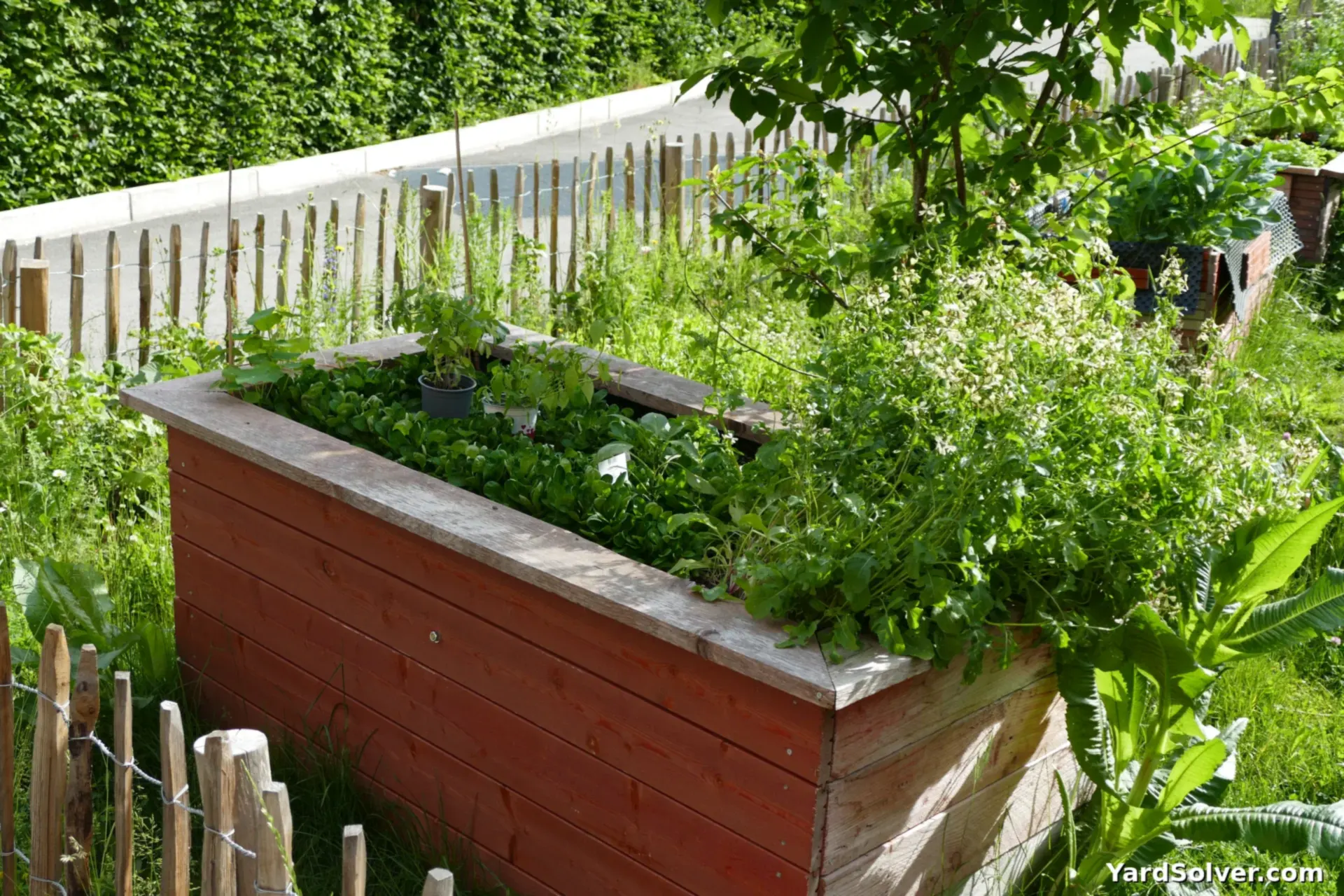
Sun: Full sun to part shade. Rich, moist soil in sun or part shade. Give it a permanent spot — the clump grows wider every year. Work out how much you need with the Garden Mix Calculator or the Raised Bed Soil Calculator. Choose the permanent spot with care: a sorrel clump sits in the same place for 4–5 years before dividing, and its deep roots resent moving. Slightly acid to neutral soil (about pH 6.0–7.0) rich in organic matter keeps leaves lush; thin, dry soil makes them harsh and quick to bolt.
Step 3 — Sow and plant out
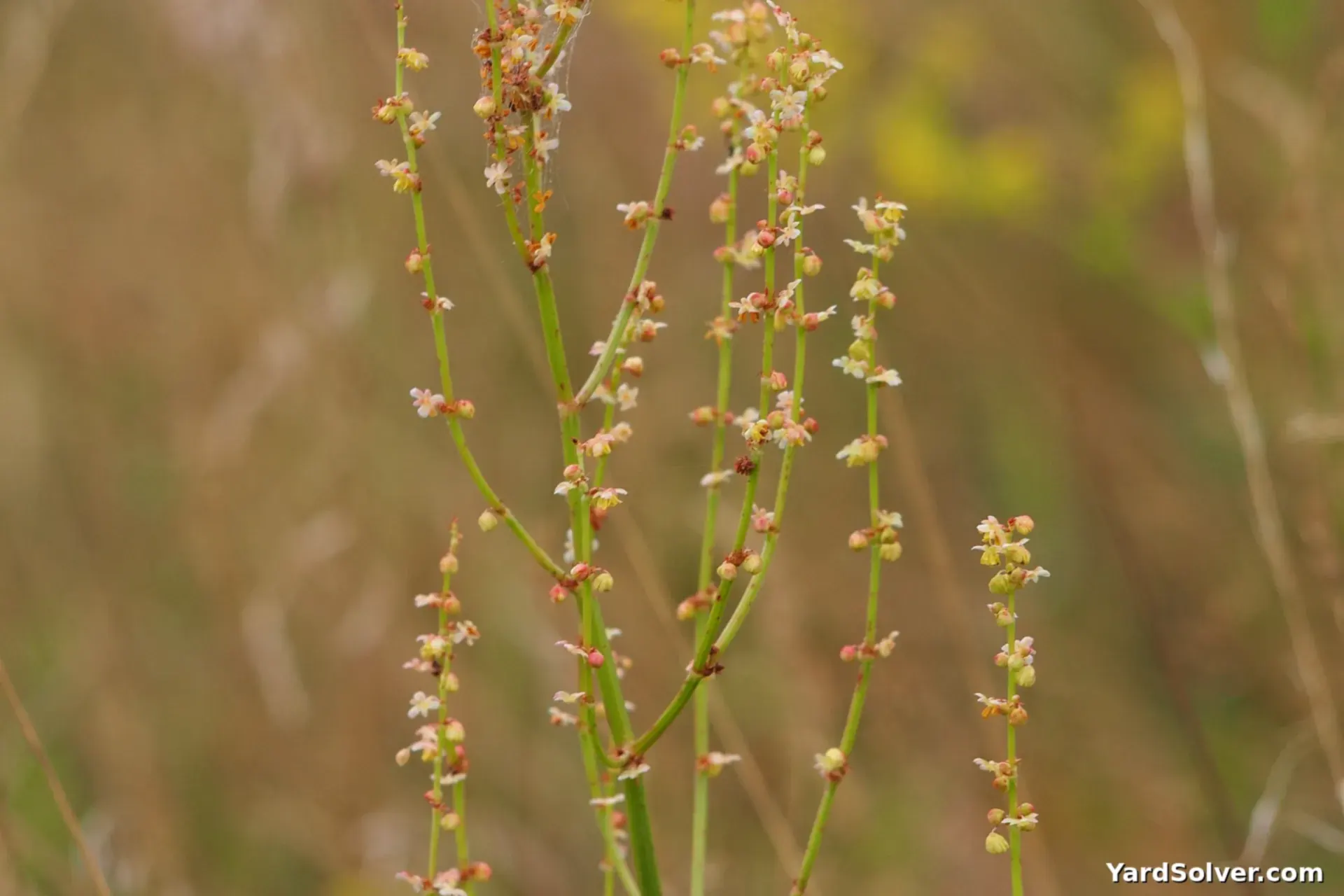
Sow 1/4 in deep, 12–18 in apart. Or set out nursery plants in spring for a faster start. The Plant Spacing Calculator turns that spacing into plants-per-bed. Sow in shallow drills and thin in stages to the final spacing, eating the thinnings — even small sorrel leaves carry the full lemon flavour. Keep the seedbed evenly moist until germination; once the rosette forms, the plant is notably self-reliant.
Step 4 — Water and feed
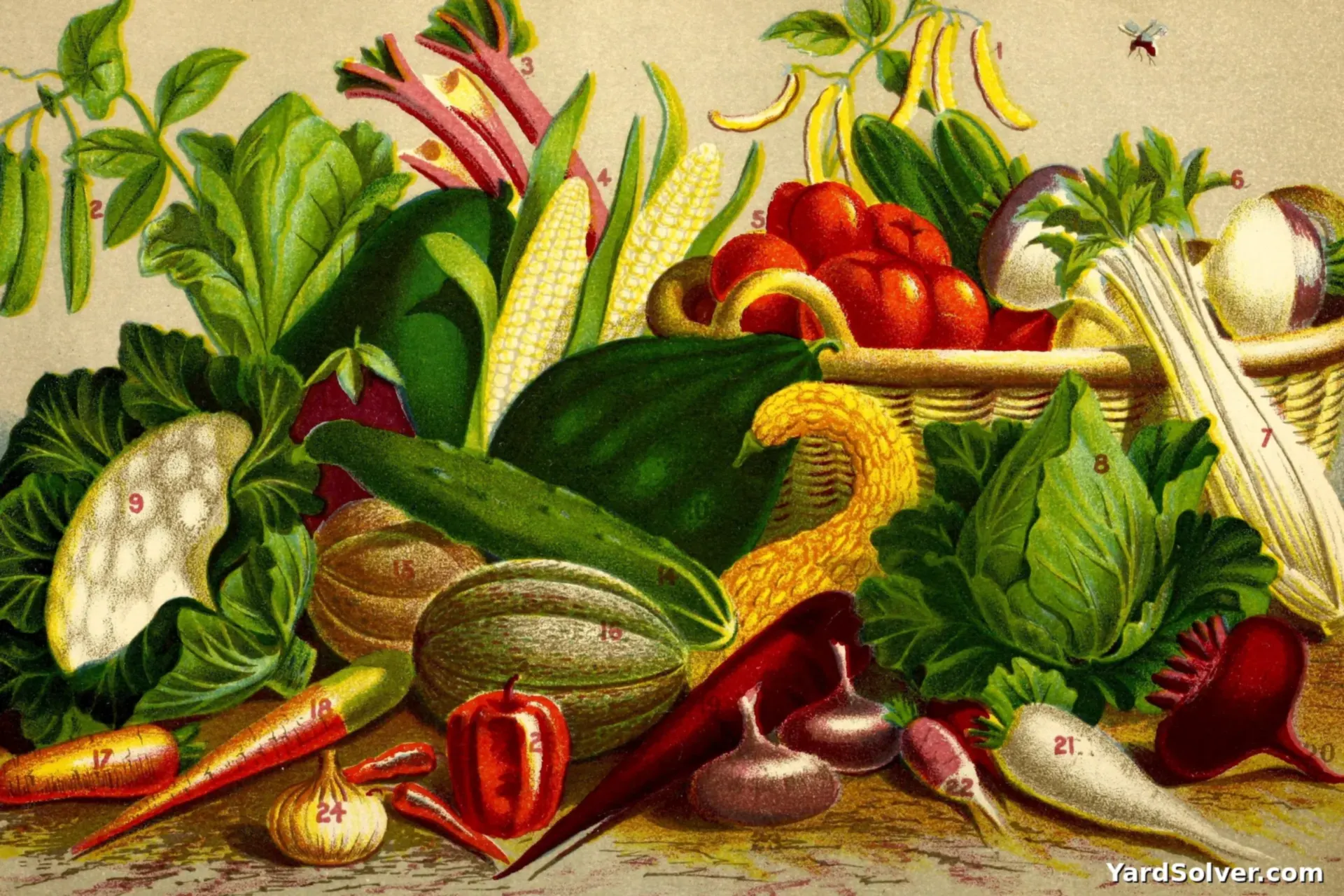
Water: Regular — keep evenly moist. Feed lightly with compost in spring — a top-dress each year keeps the leaves tender. The Fertilizer Calculator turns a bed size into the right amount. Sorrel's flavour is oxalic acid — the same sharpness found in rhubarb stalks — which is why a spring top-dress of compost and steady moisture matter: well-grown leaves are bright and lemony, while starved, dry leaves turn bitter and tough. Pick from the outside of the clump and never strip more than about a third of the leaves at once.
Step 5 — Care and the problems to watch for
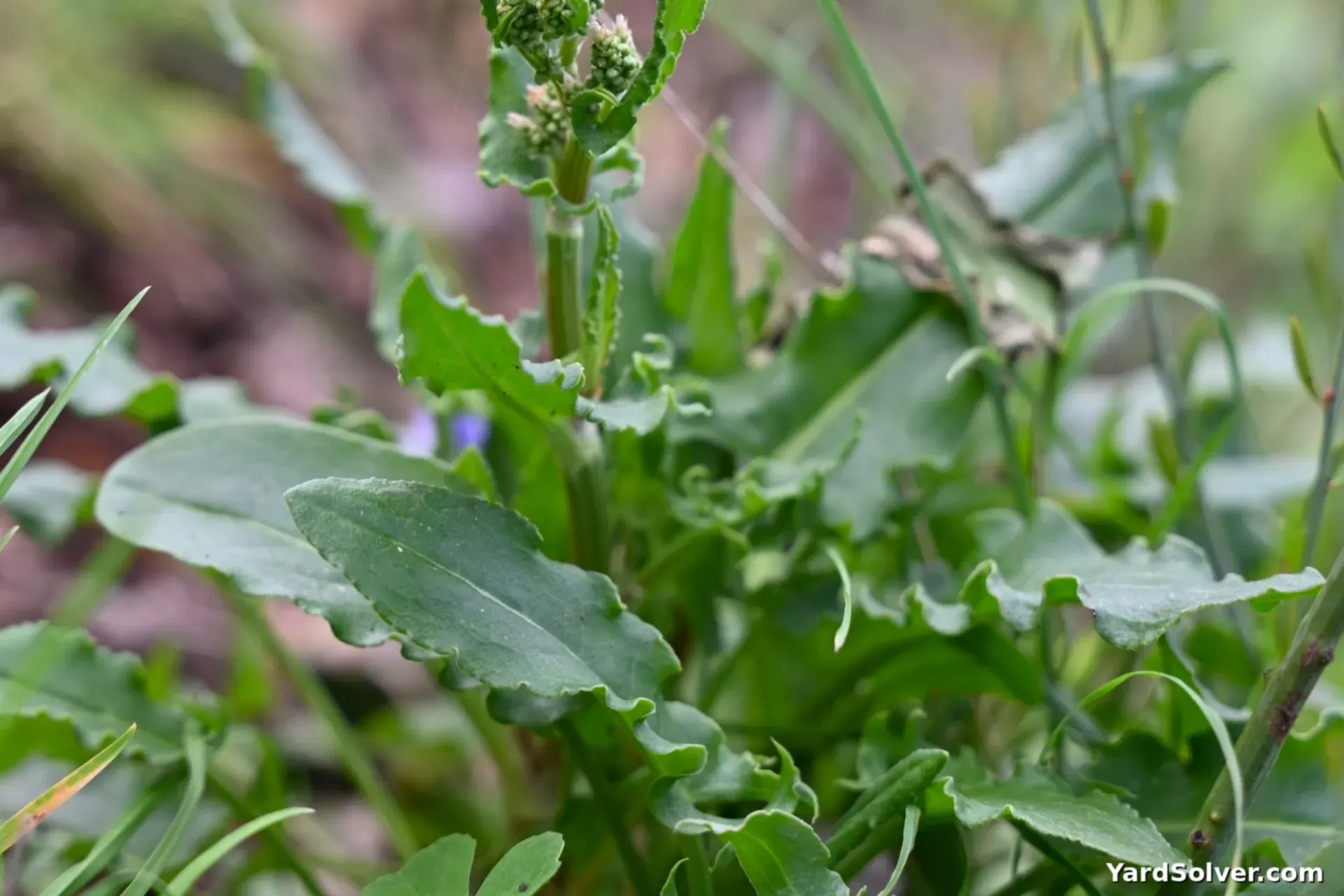
Bolting — the flower stalk rises in summer; cut it off to keep leaves tender. Rust — orange spots on leaves in wet weather; pick off affected leaves and give the plant air. Slugs — young leaves in spring; hand-pick at night. Cut flower stalks the moment they rise from the centre, at the base — a plant allowed to flower and seed stops making tender leaves and drops seedlings everywhere. In hot districts a little afternoon shade delays bolting by weeks and keeps midsummer leaves usable.
Step 6 — Harvest
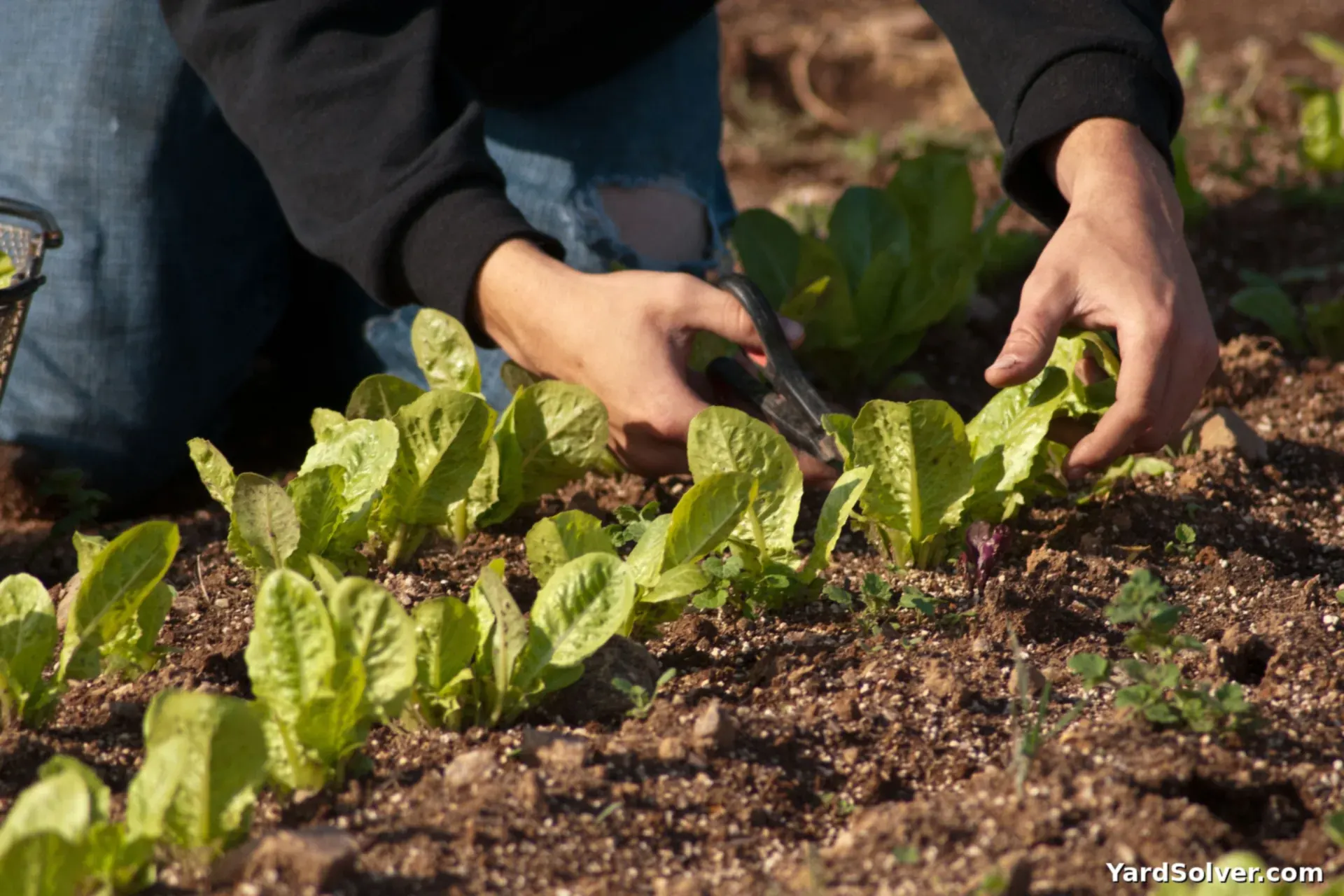
Ready in: 60–70 days from seed; perennial thereafter. Pick outer leaves and leave the centre growing — one clump feeds you for years. A single healthy clump gives generous handfuls weekly from spring to fall once established, and the leaves are at their best before midsummer heat. Surplus leaves blitzed into a purée freeze well for winter soups and sauces — the classic French sorrel soup starts exactly this way.
📅 Your personal Sorrel schedule
Sorrel is a perennial, so this schedule counts from your planting day and then keeps cycling with the seasons. It brings the first light pickings at about 60–70 days, the summer bolt watch when flower stalks must come off at once, the spring compost top-dress each year, and the year-4 reminder to lift and divide the clump before it tires.
Varieties worth growing
| Variety | Colour | Why gardeners like it |
|---|---|---|
| Garden Sorrel | Green | The classic large-leaf type, sharp and reliable |
| French Sorrel | Green | Smaller, more tender leaves with a finer flavour |
| Red-Veined Sorrel | Green-red | Striking red veins — as pretty as it is tasty |
| Blonde de Lyon | Green | A French variety bred for large, tender leaves |
Good for you — and take care
Benefits
- A sharp, lemony flavour no other green gives
- Rich in vitamin C, iron and magnesium
- A perennial — plant once, harvest for years
- One of the first greens of spring
Take care
- Sorrel leaves are high in oxalic acid — delicious in normal amounts, but people with kidney issues should eat it in moderation.
- Pick outer leaves and leave the centre growing.
- Divide the clump every 3–4 years to keep it vigorous.
Problems to watch for
- Bolting — the flower stalk rises in summer; cut it off to keep leaves tender.
- Rust — orange spots on leaves in wet weather; pick off affected leaves and give the plant air.
- Slugs — young leaves in spring; hand-pick at night.
A little history — and one good fact
Sorrel has been grown in Europe for centuries — the Romans ate it, and French cooks made it famous in soup and with fish. Garden sorrel and French sorrel are the two common types, both perennials.
Fun fact: Sorrel's lemony tang comes from oxalic acid — the same acid that gives rhubarb its sharpness.
Keep going
Guides: How to Harden Off Seedlings · How to Read a Seed Packet · How to Grow Sorrel — the full guide
Calculators: Plant Spacing Calculator · Seed Calculator · Fertilizer Calculator · Garden Mix Calculator
Plan it: Garden Planner · Planting Calendar · Companion Planting Chart · Seed Box
Good companions: Strawberry
← Back to the Plant Library · Get your personal planting dates
A sorrel clump, year by year: divide and refresh
Sorrel never needs replanting from seed once you have it — the clump itself is the nursery. This is the rhythm that keeps one planting productive indefinitely:
| Year | Job | What you get |
|---|---|---|
| Year 1 | Pick lightly from late spring; keep flower stalks cut off | A strong crown and root system for the years ahead |
| Years 2–3 | Full picking; compost top-dress each spring | Peak production — weekly handfuls from one clump |
| Year 4 | In spring, lift the clump and split it into fist-sized divisions, each with roots and a growing point; replant the best and share or compost the rest | Divisions re-establish in weeks and crop the same season |
| Year 5 onward | Repeat the cycle with the renewed clumps | One original plant becomes a permanent, self-renewing patch |
Divide in spring rather than fall in cold districts, and water divisions in well — they wilt theatrically for a few days, then stand up and grow. If a clump's leaves turn noticeably more bitter with age, that is your signal it was due for division.
Questions people ask
When do I plant sorrel?
Start indoors 6 weeks before last frost, or direct sow around last frost. A perennial — plant it once.
How far apart do I space sorrel?
Space plants 12–18 in apart, with seed sown 1/4 in deep. Sun: full sun to part shade.
When is sorrel ready to harvest?
60–70 days from seed, and then for years — pick outer leaves and leave the centre growing.
What is the difference between sorrel and French sorrel?
Common (garden) sorrel has larger, arrow-shaped leaves and a bold, lemony bite, and grows into a big productive clump. French sorrel (Rumex scutatus) is smaller and lower-growing with shield-shaped leaves and a milder, finer flavour — the gourmet choice for salads, while common sorrel wins for soups and sauces.
Is it safe to eat sorrel every day?
Sorrel's sharpness comes from oxalic acid, the same compound in spinach and rhubarb. In normal culinary amounts — salads, soups and sauces as part of a varied diet — it is a traditional food eaten for centuries; people advised to limit oxalates, for example because of kidney stones, should treat it as an occasional food and ask their clinician.
Sorrel is a perennial salad that asks for one decision: never let it seed unless you want a sorrel bed forever
Garden sorrel (Rumex acetosa) and its finer cousin French sorrel are hardy perennial leaves with a sharp lemon tang, among the first greens of spring and the last of autumn. A single clump, divided every few years, supplies a household indefinitely — which is precisely the danger: sorrel self-seeds with enthusiasm and its deep taproot makes strays hard to remove, so flower stems are cut the moment they rise unless seed is wanted.
The leaves are best young and in cool weather; heat and drought turn them bitter and tough, and a hard cut-back in midsummer, with water, forces a fresh flush of tender growth for autumn. Sorrel is rich in oxalic acid, like spinach and rhubarb — a seasoning and a salad accent rather than a bulk vegetable for most tables, and all the better for being used that way, in soups, sauces and omelettes.
The worked example: a clump cut back twice a season and never allowed to seed typically gives clean leaves for a decade. The same plant left to flower typically gives a self-sown sorrel patch and bitter leaves — with sorrel, control the seed and you control the plant.
Sources
Key facts on this page — timing, spacing and care — cross-checked against Sorrel — Wikipedia — background on sorrel and its cultivation.
Related page
Read next: How to Grow Sorrel: A Beginner's Step-by-Step Guide.
Comments & ratings
No comments yet.
Be the first to share your experience.