
Plant Library · Vegetables · By Faizan Ahmad
Updated November 17, 2026
🎋 How to Grow Sugar Cane

Sugar cane is a tropical giant — a grass that grows 8–12 ft tall from stem cuttings, not seed, and stores sweet juice in its stalks. It takes 10–14 months to mature and is a perennial only in zones 9–11. In cold climates it is a container novelty: grow it in a big pot, bring it in before frost, and chew the sweet stalks.
Grow Sugar Cane with us — step by step
Sugar cane in a garden is part crop, part spectacle: a grass that can pass your head in one hot season and comes down in sweet, chewable stalks. This guide covers planting setts with buds facing up, the heavy feeding and watering it demands, and overwintering it where frost rules. Add your planting day here and we will build a personal sugar cane schedule from it.
Step 1 — today: Plant your Sugar Cane setts today, laid 2–4 in deep, 12–18 in apart in rows 36–60 in apart, buds facing up, in rich moist soil — and water in well.
Sugar Cane at a glance
Sow outside: 1 week after last frost
Spacing: 12–18 in · Seed depth: 2–4 in
Sun: Full sun
Water: Plenty — keep well watered
Harvest: 10–14 months (perennial zones 9–11)
Timing counts from your average last spring frost — get your own dates in the Planting Calendar. Guidance follows standard extension-service practice for Canada and the US.
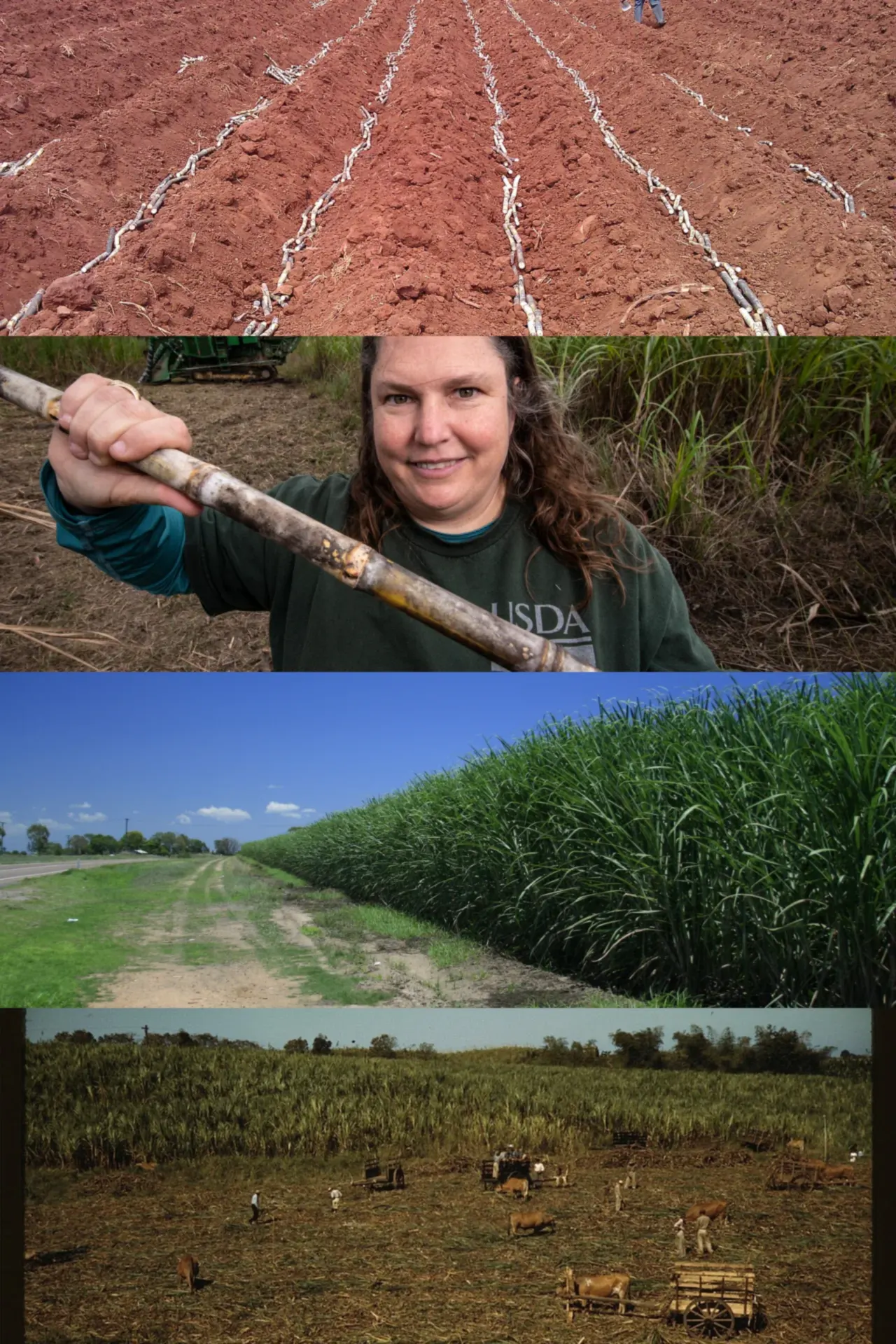
How to plant and grow sugar cane, step by step
Step 1 — Time it right
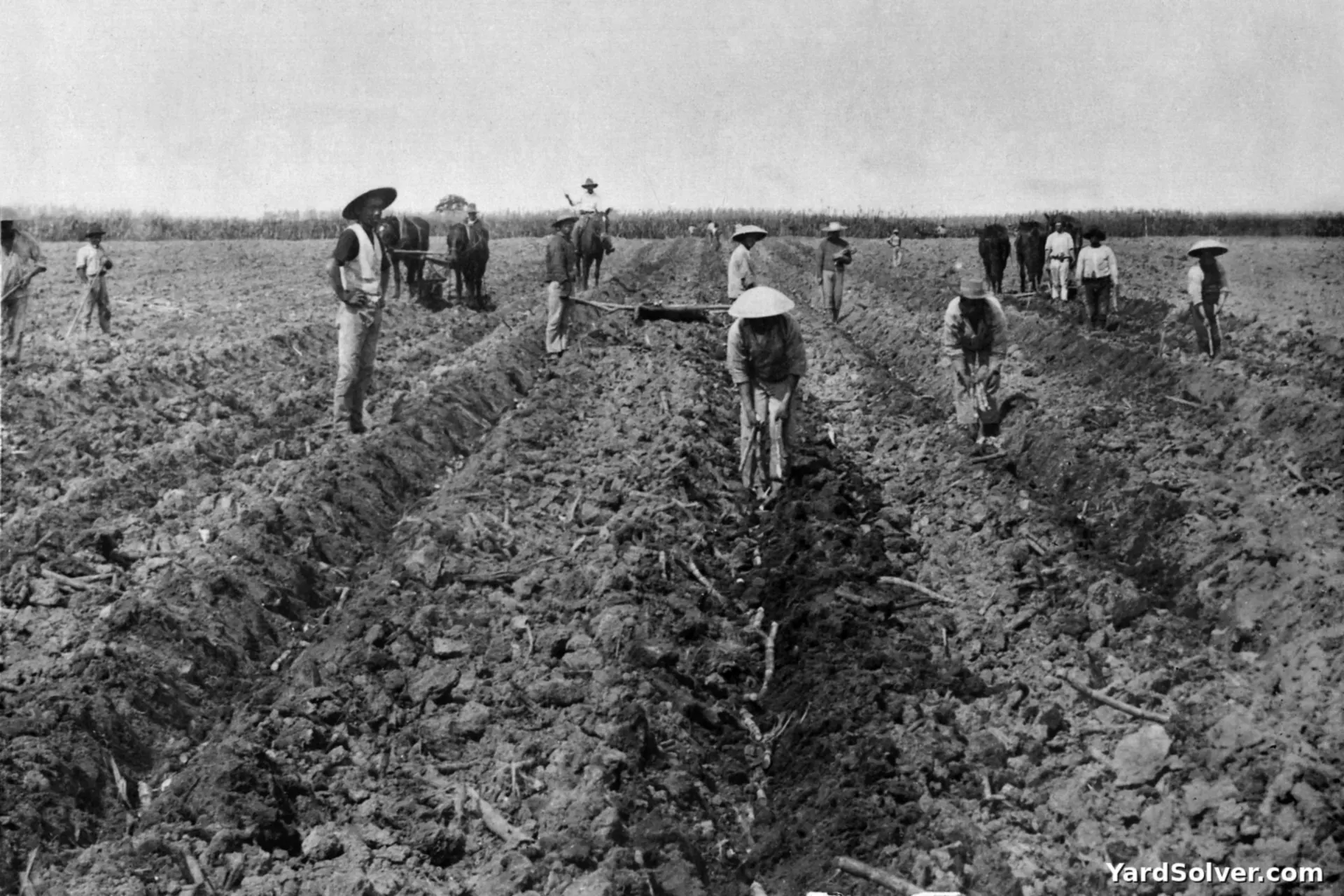
Plant stem cuttings (setts) after last frost, once the soil is warm. In the tropics, plant in fall. All dates count from your average last spring frost — the Planting Calendar turns them into real dates for your garden. Setts sprout from the buds at each node, and warm soil — above about 65 F — wakes them; in cool soil they sit and rot. Each piece should carry two or three healthy buds, with cut ends rested a day before planting.
Step 2 — Prepare the spot
Sun: Full sun. Rich, moist, well-drained soil with plenty of compost. Sugar cane is hungry and thirsty. Work out how much you need with the Garden Mix Calculator or the Raised Bed Soil Calculator. A mature stand stands 8 to 12 ft tall and shades everything near it, so give cane the back of the bed or its own sunny strip. It tolerates heavier soil than most crops, provided water drains away after rain.
Step 3 — Sow and plant out
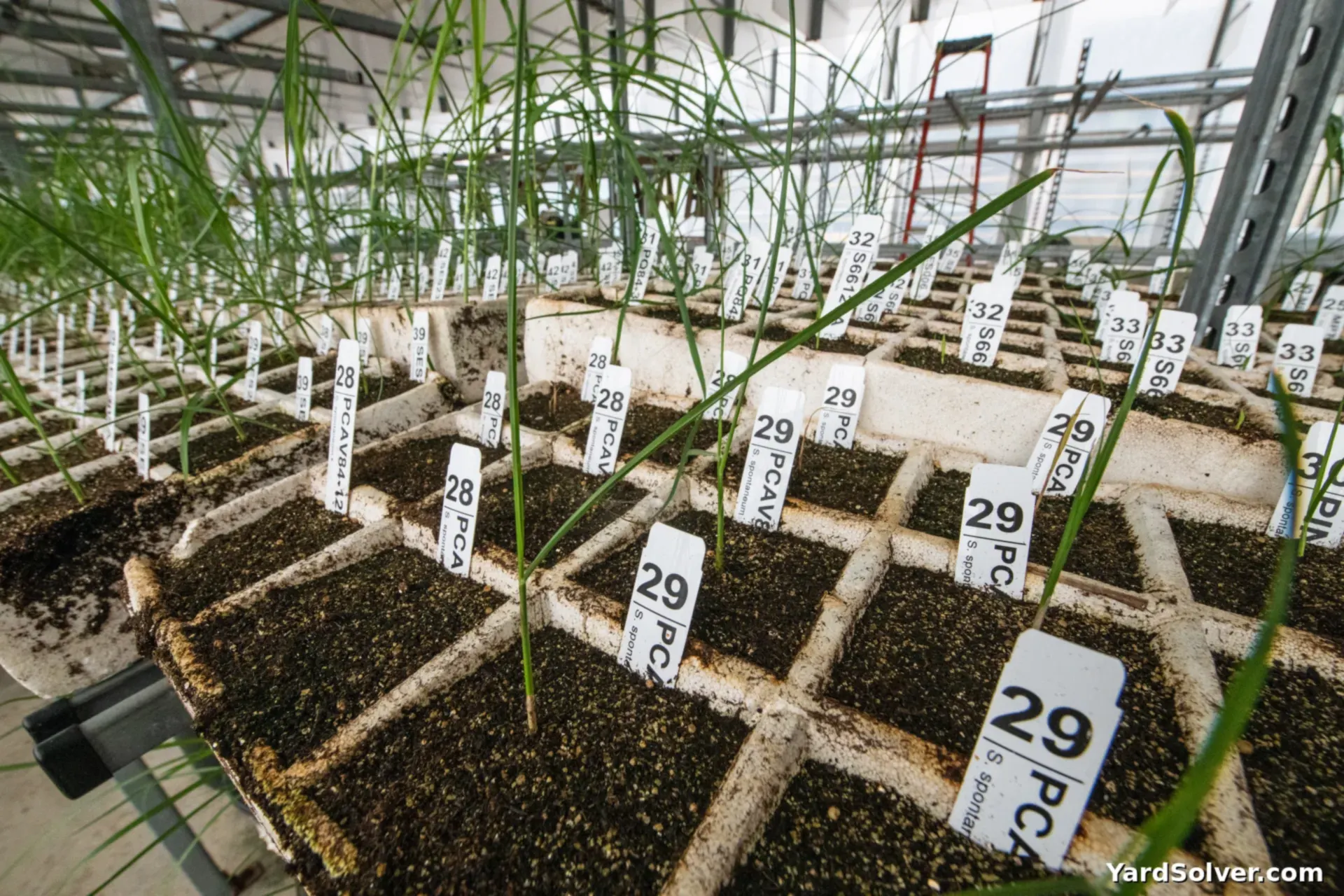
Lay 2–3 ft stem pieces (setts) in furrows 2–4 in deep, 12–18 in apart in rows 36–60 in apart, buds facing up. The Plant Spacing Calculator turns that spacing into plants-per-bed. Lay setts horizontally with buds pointing sideways or up, never down, under 2 to 4 in of soil. Shoots appear in 2 to 3 weeks in warm soil; a gap filled a month later nearly catches up.
Step 4 — Water and feed
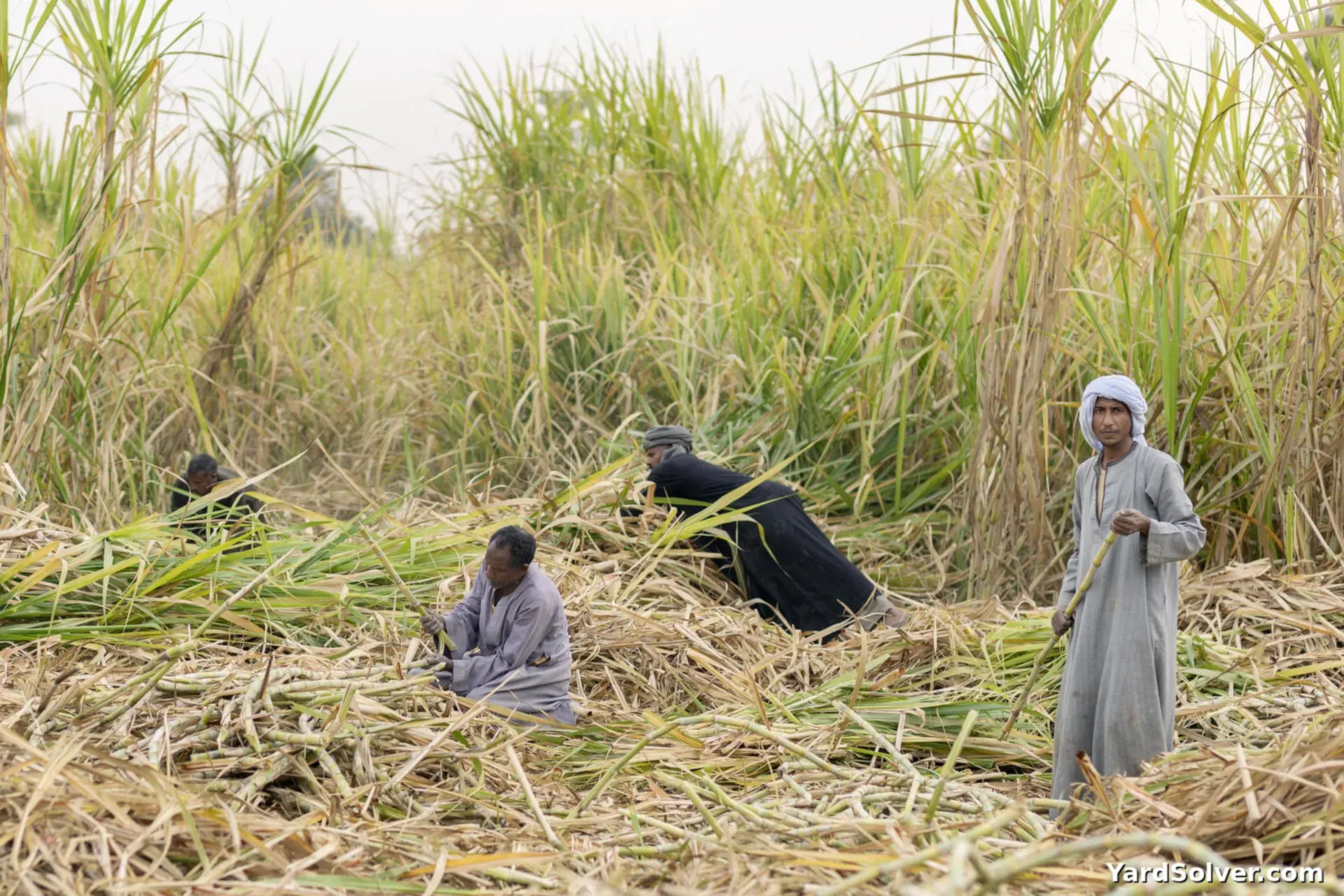
Water: Plenty — keep well watered. Feed monthly with a balanced fertilizer through the growing season — cane is one of the hungriest crops there is. The Fertilizer Calculator turns a bed size into the right amount. Thirst peaks in the grand growth phase, roughly months three to eight, when a stand uses water faster than almost any garden crop. Ease off in the final month — a drier finish concentrates the sugars, as commercial growers do.
Step 5 — Care and the problems to watch for
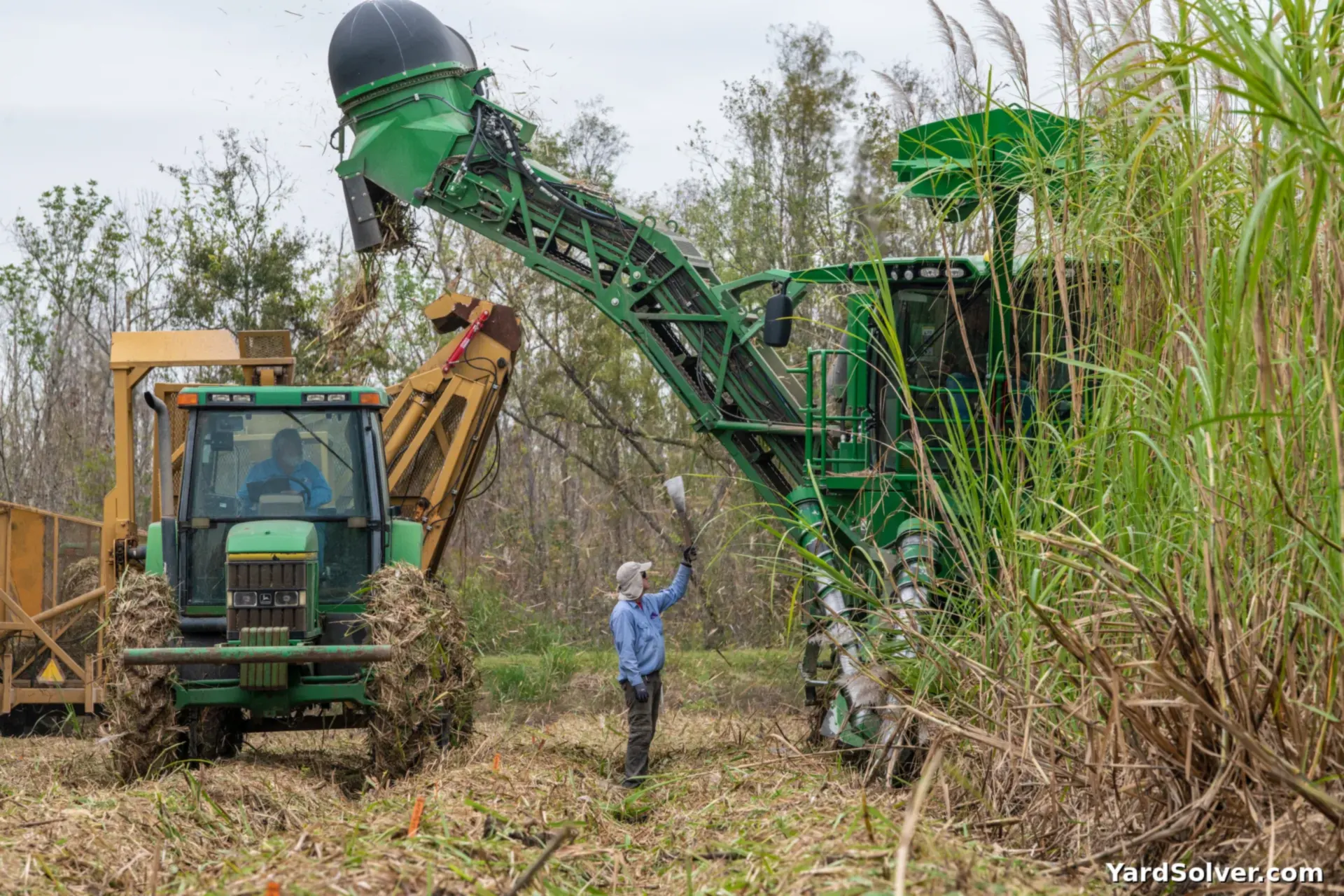
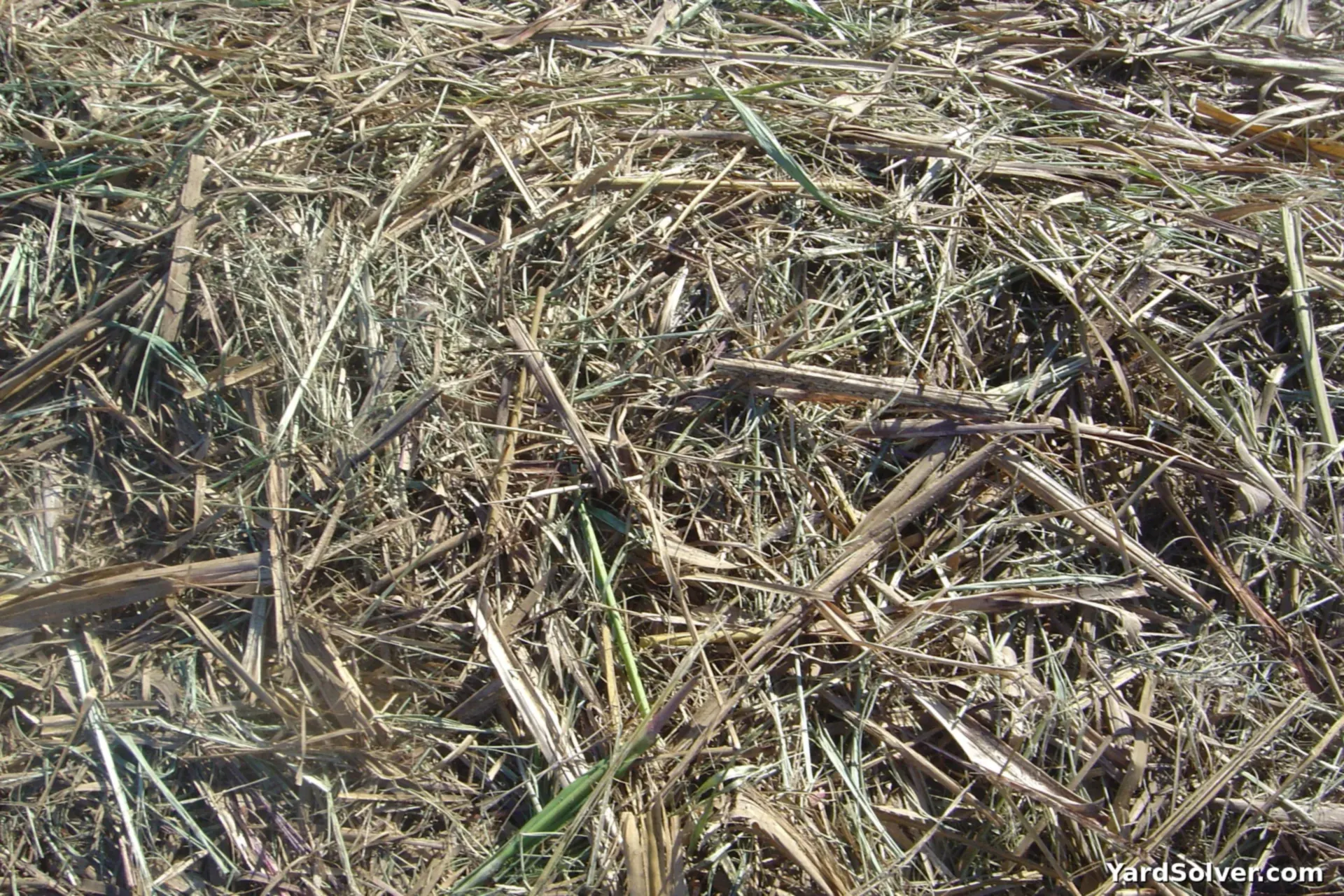
Frost — a single frost kills the tops; in cold climates, grow in a pot and bring it in. Wind — tall canes fall over; plant in a sheltered spot or stake them. Borer insects — in warm zones, borers tunnel the stalks; cut out affected canes. Lodging looks disastrous, but bent cane keeps growing and can be propped with a rope between two posts. Peel dead lower leaves through the season: it improves airflow and removes shelter for borers.
Step 6 — Harvest
Ready in: 10–14 months (perennial zones 9–11). Cut stalks, peel, and chew for the sweet juice — spit out the fibre. In cold climates, enjoy it as a container novelty. Test before cutting the stand: chew a piece from a mature cane's middle — it should taste sweet through, not watery or green. In zones 9 to 11 the cut stubble, the ratoon, regrows for second and third harvests.
📅 Your personal Sugar Cane schedule
Sugar cane needs the longest runway of any crop here, so this schedule counts from your planting day through the growth surge to cutting time. Day 0 is the day your setts went in the ground.
Varieties worth growing
| Variety | Colour | Why gardeners like it |
|---|---|---|
| Hawaiian Red | Red | A sweet, red-stemmed type popular for chewing |
| Louisiana Purple | Purple | A hardy type grown in the southern US |
| Hawaiian Yellow | Yellow | A sweet yellow-stemmed variety |
| Pele's Smoke | Dark purple | A striking dark variety for chewing |
Good for you — and take care
Benefits
- A sweet, chewy treat straight from the garden
- A dramatic tropical-looking plant
- Grows from stem cuttings — no seed needed
- A fun project for children
Take care
- Sugar cane is a tropical perennial — in Canada and the northern US it is a container plant, brought in before frost.
- The stalks are chewed for their sweet juice, not eaten whole — spit out the fibre.
- Do not expect to make sugar at home — that takes a mill and a lot of cane.
Problems to watch for
- Frost — a single frost kills the tops; in cold climates, grow in a pot and bring it in.
- Wind — tall canes fall over; plant in a sheltered spot or stake them.
- Borer insects — in warm zones, borers tunnel the stalks; cut out affected canes.
A little history — and one good fact
Sugar cane comes from New Guinea, where it was first grown thousands of years ago. It spread across Asia and was carried to the Americas by Columbus, where it became one of the great plantation crops — and, sadly, one tied to slavery. Today it is still one of the world's biggest crops.
Fun fact: Sugar cane is a grass — a close relative of corn and sorghum — and it can grow 12 ft tall in a single season.
Keep going
Guides: How to Harden Off Seedlings · How to Read a Seed Packet · How to Grow Sugar Cane — the full guide
Calculators: Plant Spacing Calculator · Seed Calculator · Fertilizer Calculator · Garden Mix Calculator
Plan it: Garden Planner · Planting Calendar · Companion Planting Chart · Seed Box
← Back to the Plant Library · Get your personal planting dates
Sugar cane from one sett to a stand: a worked timeline
One sett becomes a clump of stalks over about a year. What to expect, and what to do, at each stage:
| Stage | What happens |
|---|---|
| Month 0 | Sett planted horizontally, buds up, 2 to 4 in deep |
| Months 1 to 2 | Shoots emerge and tiller — several stalks per sett |
| Months 3 to 8 | Grand growth: feed monthly, water freely, peel dead leaves |
| Months 9 to 12 | Growth slows, stalks sweeten; ease off the water |
| Months 10 to 14 | Harvest window: test-chew a stalk, then cut at ground level |
In perennial zones the ratoon stubble throws a second stand that matures faster than the first.
Questions people ask
When do I plant sugar cane?
Plant stem cuttings (setts) after last frost, once the soil is warm. In the tropics, plant in fall.
How far apart do I space sugar cane?
Space setts 12–18 in apart in rows 36–60 in apart, laid 2–4 in deep. Sun: full sun.
When is sugar cane ready to harvest?
10–14 months after planting, in zones 9–11. In cold climates, grow it in a pot and chew the stalks as a novelty.
Can I grow sugar cane in a cold climate?
Yes, as a container plant or one-season novelty. Grow a sett in a large pot of rich mix in your sunniest spot and bring it in before first frost; it will not survive winter outside in zones colder than about 8. Northern stalks are thinner and less sweet, but chewable.
Where do I get sugar cane to plant?
Planting material is the sett — a piece of mature stalk with healthy buds — sold by specialty nurseries and sometimes found as fresh cane in grocery stores. Grocery cane can work if the node buds look plump: soak it overnight and rest it in damp mix until buds swell.
Sugar cane is a tropical grass grown at garden scale for chewing canes, not for sugar
Sugar cane (Saccharum officinarum) is a tall tropical grass that needs the longest, hottest season you can give it: setts — sections of ripe cane with two or three buds — are laid in a shallow trench once the soil is warm, and the shoots that follow want full sun, rich soil and water without pause. In a short northern summer the canes grow impressively but rarely ripen fully, so treat the crop honestly as ornamental-plus-chewing cane outside the tropics.
Frost ends the plant above ground, and in cold climates the stools must be lifted and stored frost-free or the bed replanted each year from saved setts. Feed heavily, earth up the base as the canes lengthen so they root at the lower nodes, and keep the bed weed-free while the canopy closes — once it closes, the cane shades out most competition itself.
The worked example: setts planted into warm, manured soil and watered freely typically stand head-high by midsummer and give sweet chewing canes by autumn in a long season. The same setts planted into cold soil in spring typically rot before they sprout — with sugar cane, soil warmth at planting is the whole start.
Sources
Key facts on this page — timing, spacing and care — cross-checked against NC State Extension Plant Toolbox — Saccharum officinarum — culture and care requirements and Sugarcane — Wikipedia — background on sugarcane and its cultivation.
Related page
Read next: How to Grow Sugar Cane: A Beginner's Step-by-Step Guide.
Comments & ratings
No comments yet.
Be the first to share your experience.