
Guides · Soil & feeding · Published November 22, 2026 · By Faizan Ahmad
Coffee Grounds for Plants: Fact Check — the Acid Myth, the Growth Study and the Compost Rule
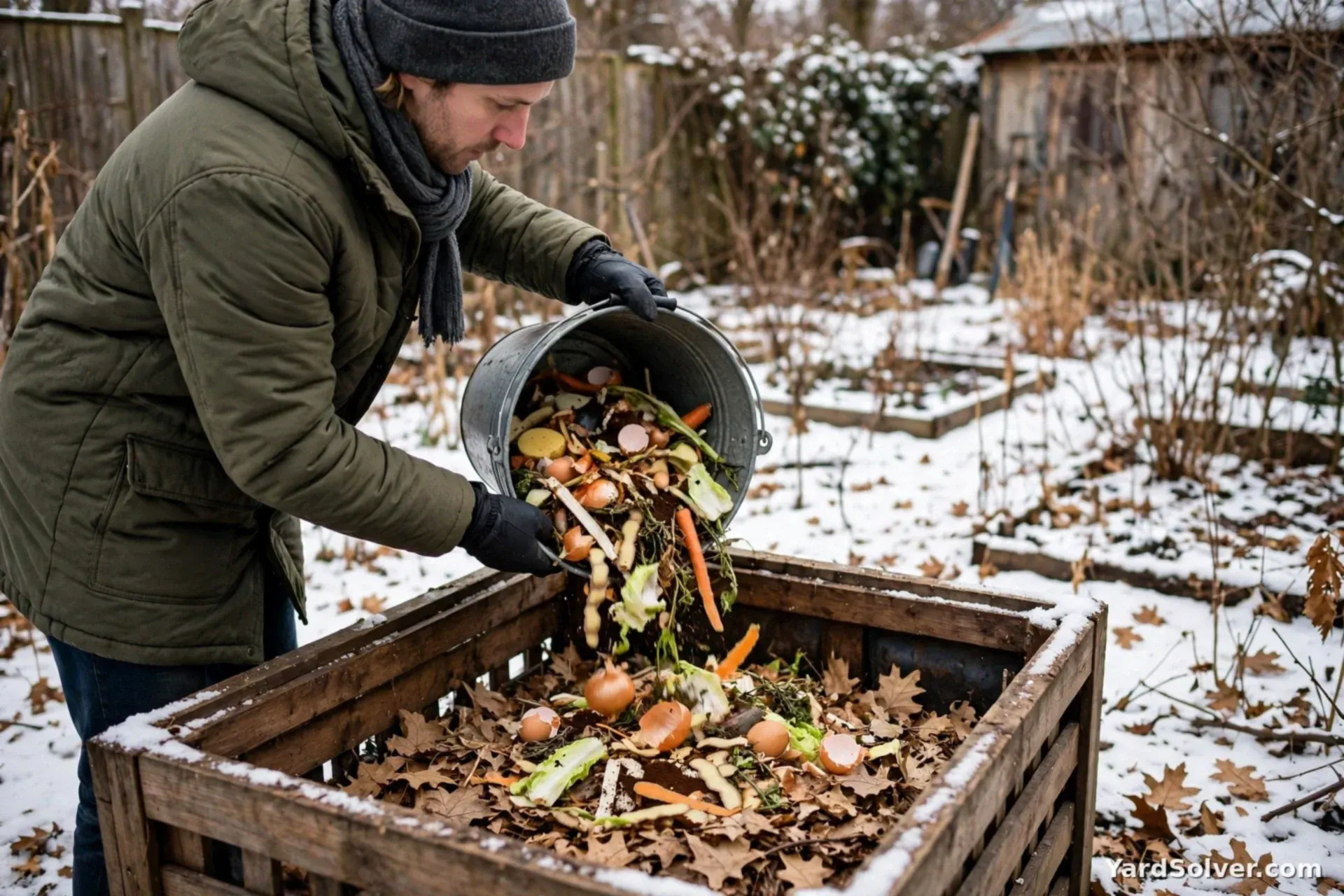
Used coffee grounds do not acidify soil, and spread raw they can slow the very plants they are meant to feed: after brewing, grounds sit close to neutral (about pH 6.5 to 6.8, per Oregon State University Extension), and in a controlled 2016 University of Melbourne trial, grounds applied directly made all five test plants grow worse. The one use that survives checking is the compost pile, capped at about a fifth of its volume. This guide checks each popular claim — acidifying blueberries, free fertilizer, slug control, sprinkling on beds — against extension research, and shows where your grounds genuinely earn their keep. It is the coffee chapter of our wider Garden Remedies Fact-Check.
On this page
The verdicts, in one card
- “Grounds acidify soil”: myth — the acid leaves in your cup; spent grounds test near-neutral
- “A free fertilizer”: overstated — roughly 1–2% nitrogen and little else; not a real feed on their own
- “Sprinkle them on beds and pots”: risky — a controlled trial found direct use reduced growth, and thick layers crust over
- “Great in compost”: true — the one claim extension services back, at up to about 20% of the pile
- The common thread: grounds are a compost ingredient, not a treatment. Compost first, garden second
Claim 1 — “Grounds acidify the soil for blueberries and azaleas”
The claim rests on a true fact pointed the wrong way. The coffee in your cup is moderately acidic, around pH 4.7 to 5.3 — but that acid is water-soluble, which means it leaves with the drink. What is left in the filter is a different material: Oregon State University Extension soil scientist Linda Brewer puts spent grounds at pH 6.5 to 6.8, close to neutral, and notes that whatever small change they cause in soil pH is short-lived. Piling grounds around blueberries, azaleas or hydrangeas in the hope of souring the soil is therefore effort spent on a lever that is not connected to anything. Worse, University of Missouri Extension warns the effect can drift the other way: large amounts of grounds over time can nudge naturally acidic soils upward in pH, the opposite of what an acid-lover needs.
If a soil test says your bed genuinely needs to be more acidic, the honest tools are elemental sulfur and acidifying fertilizers, dosed by soil type — the method in How to Adjust Soil pH, or run your numbers on the Soil pH Calculator. Grounds simply do not belong in that calculation.
Claim 2 — “Grounds are a free fertilizer”
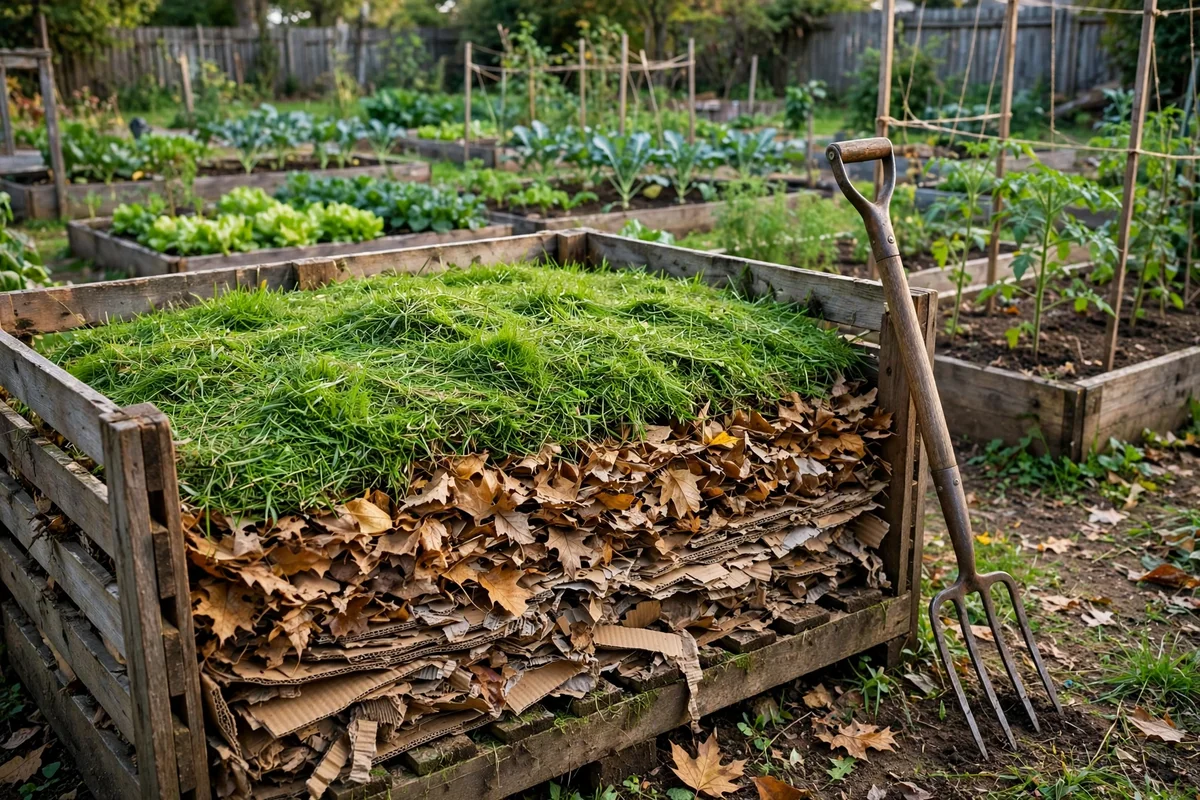
Grounds do contain nutrients: roughly 1 to 2% nitrogen, with small amounts of potassium, phosphorus, calcium, magnesium and trace elements. Oregon State's verdict on that profile is blunt — grounds “aren't a major source of plant nutrition.” A tomato's seasonal nitrogen appetite measured against a 1–2% material means bucketloads of grounds to do the job of a handful of actual fertilizer, and the nitrogen that is there is not immediately available: as soil microbes break the grounds down, they temporarily tie up soil nitrogen for their own growth, which can leave nearby plants briefly hungrier, not fuller. Missouri Extension adds a second caution: caffeine residues in uncomposted grounds can suppress germination and slow young growth, which is one reason seedlings are the worst place to experiment.
None of this makes grounds worthless — it makes them an ingredient, not a feed. Their carbon-to-nitrogen ratio (about 24:1, per Missouri Extension) is close to ideal composting material, and in a pile their nutrients are released in step with everything else instead of arriving in one weak, uneven dose.
Claim 3 — “Sprinkle them straight on the bed”
This is the claim with a controlled trial against it. Researchers at the University of Melbourne (Hardgrove and Livesley, 2016) applied spent coffee grounds directly to soil across five plant species and soil types, with and without fertilizer. Every treatment with grounds grew worse, and more grounds meant less growth. Extension services describing the same pattern give the mechanisms: uncomposted grounds can tie up nitrogen as they decompose, caffeine residues can inhibit germination and growth, and a thick layer of fine grounds mats into a crust that sheds water and blocks air from the roots — Missouri Extension advises a layer of an inch or less if grounds are used on soil at all, and Oregon State's Brewer describes visiting a raised bed “ruined by too much coffee grounds.”
Houseplants are the sharpest case. A damp layer of grounds on a pot's surface feeds the fungus that fungus gnats breed in, delivers almost no nutrition, and cannot be dug in the way a bed can. The houseplant version of the claim fails on every count the sources check.
Claim 4 — “Grounds keep slugs away”
Here the folklore has swapped two different things. The research Oregon State reports on slugs used liquid coffee — a caffeine solution sprayed or drenched — and caffeine at those strengths did kill slugs. A sprinkle of spent grounds is not that solution: most of the caffeine has already left in the brew, and what remains sits orders of magnitude below the tested strength. Treating a dusting of grounds as a slug barrier borrows the credibility of a study about a different product in a different form. If slugs are the problem, the honest defences are the unglamorous ones — removing harbourage, hand-picking at dusk, traps, and barriers — covered in our pest guides.
What actually works — the compost rule
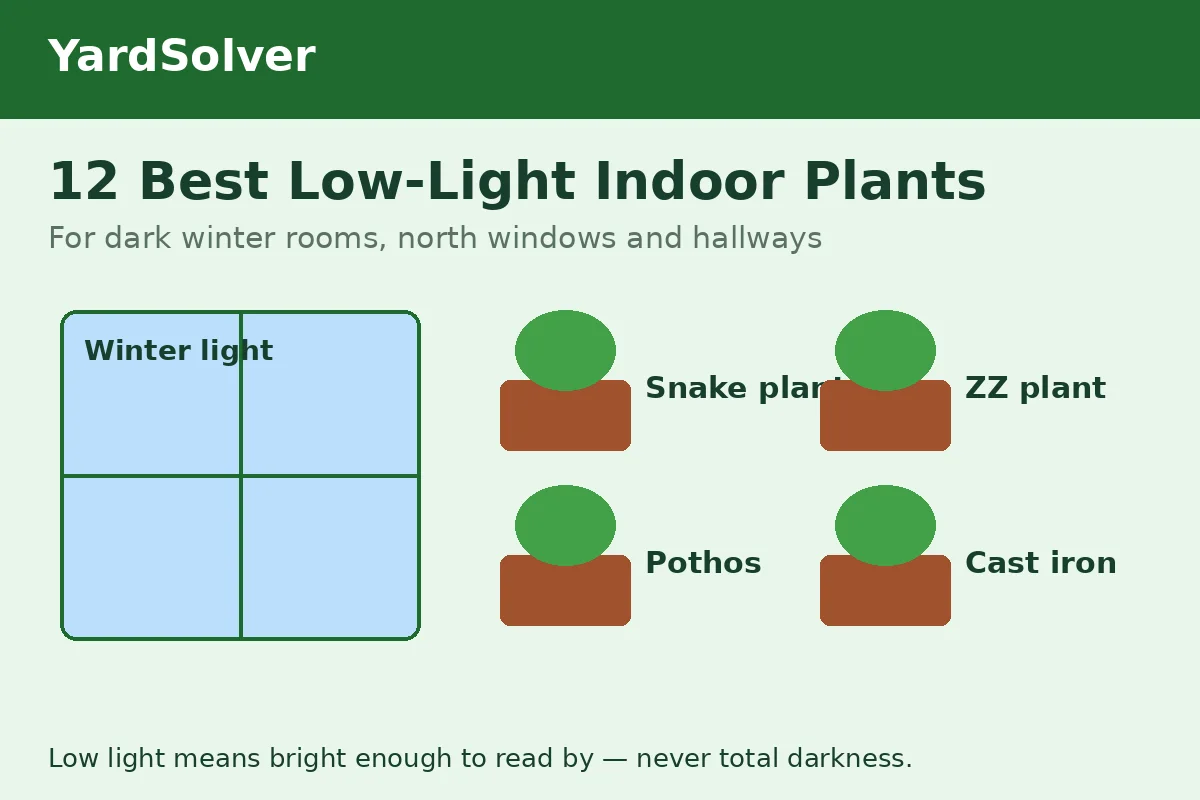
Every extension source in this guide lands in the same place: compost the grounds. In the pile, the caffeine and other compounds that suppress growth are broken down — Missouri Extension notes worm composting is particularly effective at detoxifying them — and the nitrogen and organic matter are released into a finished material that improves soil structure as it feeds. Two rules keep it safe: keep grounds to no more than about 20% of the pile's volume (Oregon State), because a grounds-heavy pile can turn toxic to plants; and layer them as the “green” they are — Oregon State's working ratio is roughly 3 parts leaves to 1 part fresh grass clippings to 1 part coffee grounds. Run your own mix on the Compost Calculator and see the full method in Compost Greens to Browns Ratio.
The pattern is the same one running through this whole fact-check series: a kitchen material with a small real effect gets promoted by folklore into a treatment, and the promotion is the false part. Grounds are a perfectly good compost ingredient. They were never a fertilizer program, an acidifier, or a slug fence.
Questions people ask
Do coffee grounds make soil acidic?
No. The acid in coffee is water-soluble and leaves in the cup. Oregon State University Extension puts spent grounds at pH 6.5 to 6.8 — close to neutral — and any small pH effect they have is short-lived. To acidify soil for blueberries or azaleas, use elemental sulfur dosed by soil type instead.
Can I put coffee grounds directly on my garden beds?
Extension advice is to compost them first. In a controlled University of Melbourne trial, grounds applied directly reduced the growth of all five test plants. Uncomposted grounds can also tie up nitrogen as they decompose, and a thick layer mats into a crust that blocks water and air.
How much coffee grounds can go in a compost pile?
Up to about 20% of the pile's volume, per Oregon State University Extension. A working layering ratio is roughly 3 parts dry leaves to 1 part fresh grass clippings to 1 part coffee grounds.
Do coffee grounds fertilize houseplants?
Not meaningfully. Grounds hold roughly 1–2% nitrogen and little else, and a damp layer on a pot's surface encourages fungus gnats. Feed houseplants with a proper fertilizer and send the grounds to the compost.
Do coffee grounds repel slugs?
The slug research used liquid coffee — a caffeine solution — not a sprinkle of spent grounds, which contain far less caffeine after brewing. Grounds are not a reliable slug barrier.
Sources
Key claims cross-checked against Oregon State University Extension — “Used appropriately, coffee grounds improve soil and kill slugs” (grounds' near-neutral pH, 1–2% nitrogen, the 20% compost cap and the liquid-coffee slug research) · University of Missouri Extension — “Is trouble brewing in your garden?” (caffeine and nitrogen tie-up cautions, thin-layer limit, compost and vermicompost guidance) · Penn State Extension — “Coffee Grounds and Eggshells: Garden Myths vs. Facts”. The direct-application growth result is Hardgrove & Livesley (2016), University of Melbourne, published in Urban Forestry & Urban Greening.
Related page
Read next: Garden Remedies Fact-Check: Epsom Salt, Soda & Vinegar
Comments & ratings
No comments yet.
Be the first to share your experience.