
Guides · Companion planting · Published November 8, 2026 · By Faizan Ahmad
Companion Planting Chart: Best and Worst Vegetable Combinations
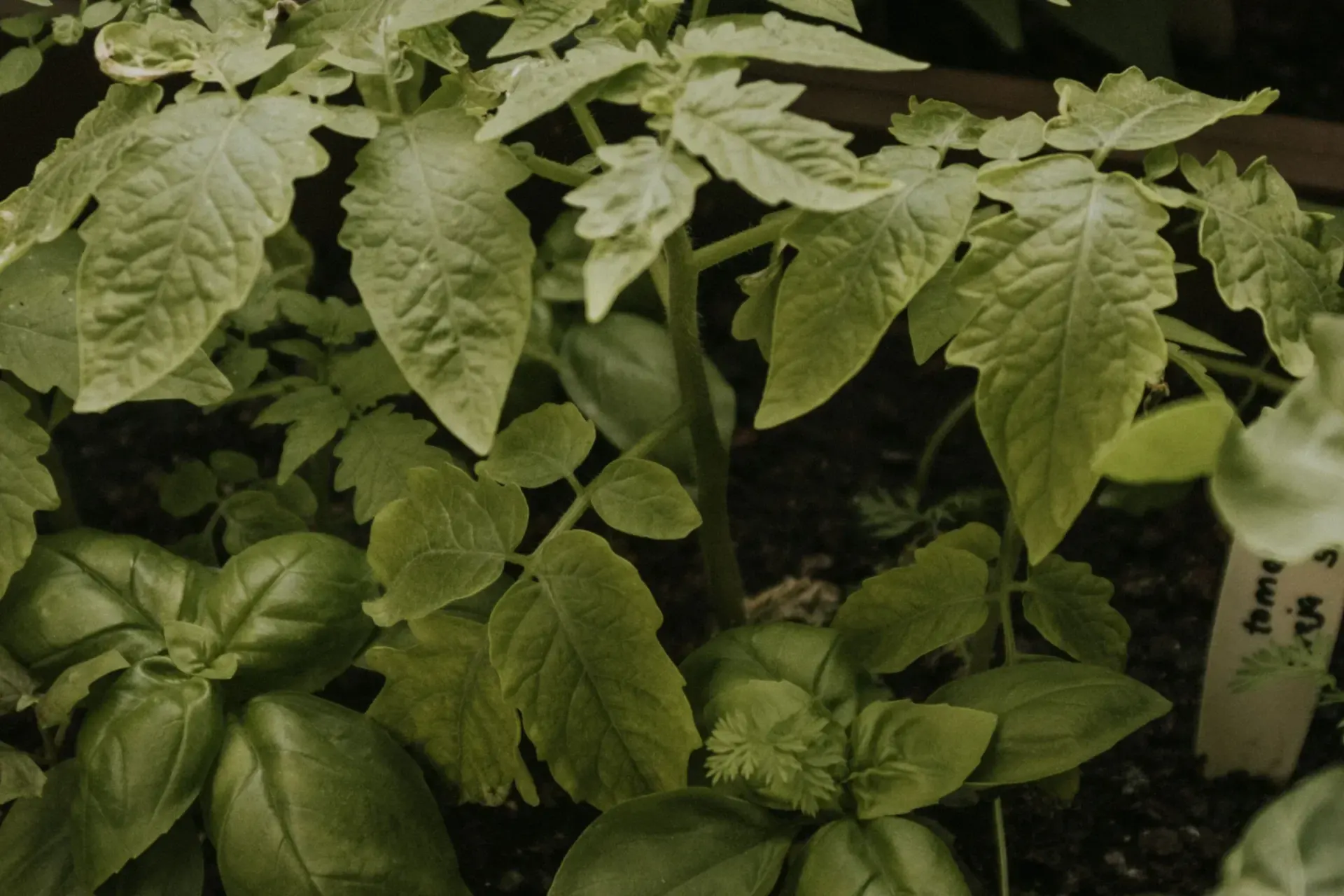
A companion planting chart is only useful if it is honest. The pairing charts copied around the internet mix four real mechanisms — shade and structure, scent confusion, soil and roots, flowers that feed pest-eaters — with folklore repeated so often it hardened into fact. This is the complete YardSolver chart for 17 vegetables: the good companions worth planting, the combinations to keep apart, and a plain grade for each claim, so you can see which advice rests on evidence and which is tradition. New to the reasoning behind pairings? Start with Companion Planting Basics — this page is its reference table, the one to bookmark for planting day.
What this companion planting chart is (and is not)
- 17 vegetables charted: good companions, plants to keep apart, and the reason for each call — structure, scent, soil, shared disease
- The chart is graded honestly: most pairings are traditional practice with limited trial evidence; the few with a clear mechanism are marked
- The feuds that matter: onions and garlic away from beans and peas; tomatoes away from potatoes; fennel in a pot of its own
- Principles first: this chart is the reference table — the reasoning lives in Companion Planting Basics
Step 1 — Start with families — they predict the chart
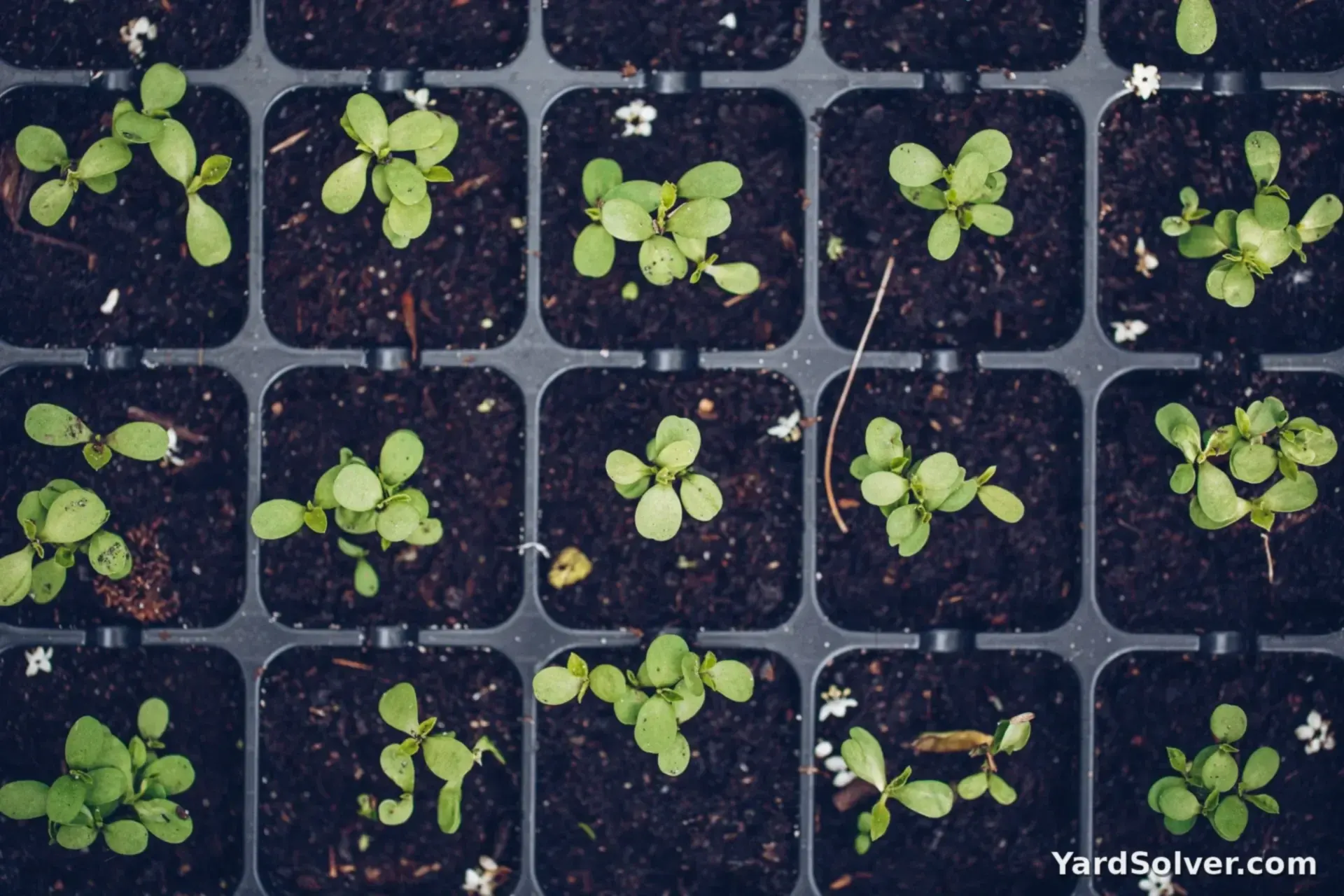
Read any companion chart by family and most of it explains itself. Nightshades (tomato, potato, pepper, eggplant) share diseases — never companions for each other, however friendly the folklore sounds. Legumes (beans, peas) add nitrogen and dislike the allium family. Brassicas (cabbage, kale, broccoli) are hungry and share cabbage-white butterflies. Alliums (onion, garlic, leeks) are the scent family — useful beside carrots, unwelcome beside legumes. Family also drives the rotation that keeps soil-borne problems down: plan it with the Crop Rotation Helper.
Step 2 — The complete chart: 17 vegetables
Use the chart row by row as you lay out a bed: pick your crop's companions from its row, then set the actual distances with the Plant Spacing Calculator — companions never cancel spacing. The Evidence column is the honest part most charts skip: Mechanism means the pairing works by a known process (structure, flowers for beneficial insects, nitrogen, shared-disease avoidance); Traditional means generations of gardeners report it and trials are thin — plant it if you like, expect a nudge, not a miracle.
| Vegetable | Good companions | Keep apart | Evidence |
|---|---|---|---|
| Tomatoes | Basil, marigolds, carrots, lettuce, onions, parsley | Potatoes, fennel, corn (shared pests) | Traditional + disease rule |
| Beans (bush & pole) | Carrots, cucumbers, corn, radishes, potatoes | Onions, garlic, leeks (alliums) | Traditional, widely reported |
| Peas | Carrots, cucumbers, corn, radishes, turnips | Onions, garlic, shallots | Traditional, widely reported |
| Cucumbers | Beans, peas, radishes, sunflowers, lettuce | Potatoes, strong aromatic herbs alongside | Mechanism (structure) |
| Carrots | Onions, leeks, lettuce, tomatoes, radishes | Dill crowding them, parsnip (shared pests) | Mechanism (scent confusion) |
| Cabbage & brassicas | Onions, potatoes, celery, aromatic herbs, beets | Strawberries, climbing beans, tomatoes (competition) | Traditional |
| Onions & garlic | Carrots, lettuce, beets, tomatoes, strawberries | Beans, peas, asparagus | Traditional, widely reported |
| Peppers | Basil, onions, tomatoes (same care, no shared soil pests of note), carrots | Fennel; beans competing in small beds | Traditional |
| Lettuce | Almost everything — carrots, radishes, strawberries, cucumbers | — (the universal gap-filler) | Mechanism (structure) |
| Potatoes | Beans, cabbage, corn, marigolds, peas | Tomatoes, cucumbers, squash (disease & competition) | Disease rule |
| Sweet corn | Beans (climb it), squash (shades its soil), cucumbers | Tomatoes (shared earworm pressure) | Mechanism (three sisters) |
| Zucchini & squash | Nasturtiums, corn, beans, radishes | Potatoes | Traditional |
| Beets | Onions, lettuce, cabbage, bush beans | Pole beans (competition reports) | Traditional |
| Radishes | Cucumbers, lettuce, peas, carrots | Hyssop (traditional) | Mechanism (fast filler crop) |
| Kale | Herbs, onions, potatoes, beets | Strawberries, pole beans | Traditional |
| Spinach | Strawberries, peas, beans, lettuce | — (few reported conflicts) | Traditional |
| Fennel | Nothing in the beds — grow it in its own pot | Tomatoes, beans, most vegetables | Mechanism (growth inhibition) |
Grades are YardSolver's honest summary of the evidence behind each pairing — mechanisms are real; traditional pairings are low-risk folklore that helps some gardens and harms none. No pairing substitutes for spacing, soil and watering.
Step 3 — Plant the pairings so the mechanisms can work
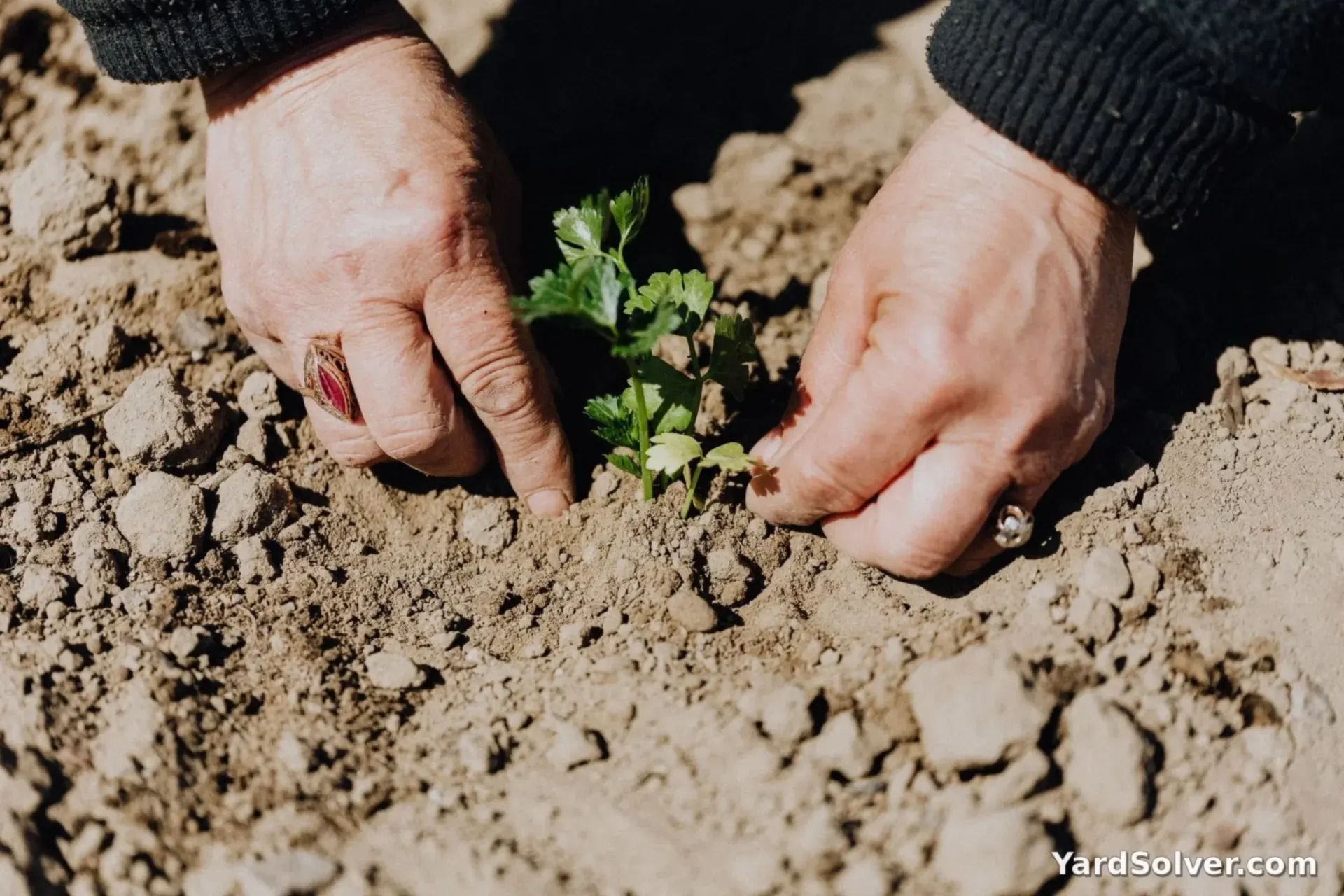
Pairings fail when they are scattered token plants. Flowers meant to feed pest-eating insects — marigolds, nasturtiums, herbs left to bloom — work in clumps and edges, where a foraging insect finds a worthwhile stop, the same principle as the pollinator corner in Native Plants for Pollinators. Scent pairings (carrots with onions) need the partners genuinely interplanted, row about, not in separate beds. Shade pairings need the tall partner on the north side so it shelters without stealing the sun — sketch it in the Garden Planner before the seeds come out.
Step 4 — Keep the genuine feuds apart
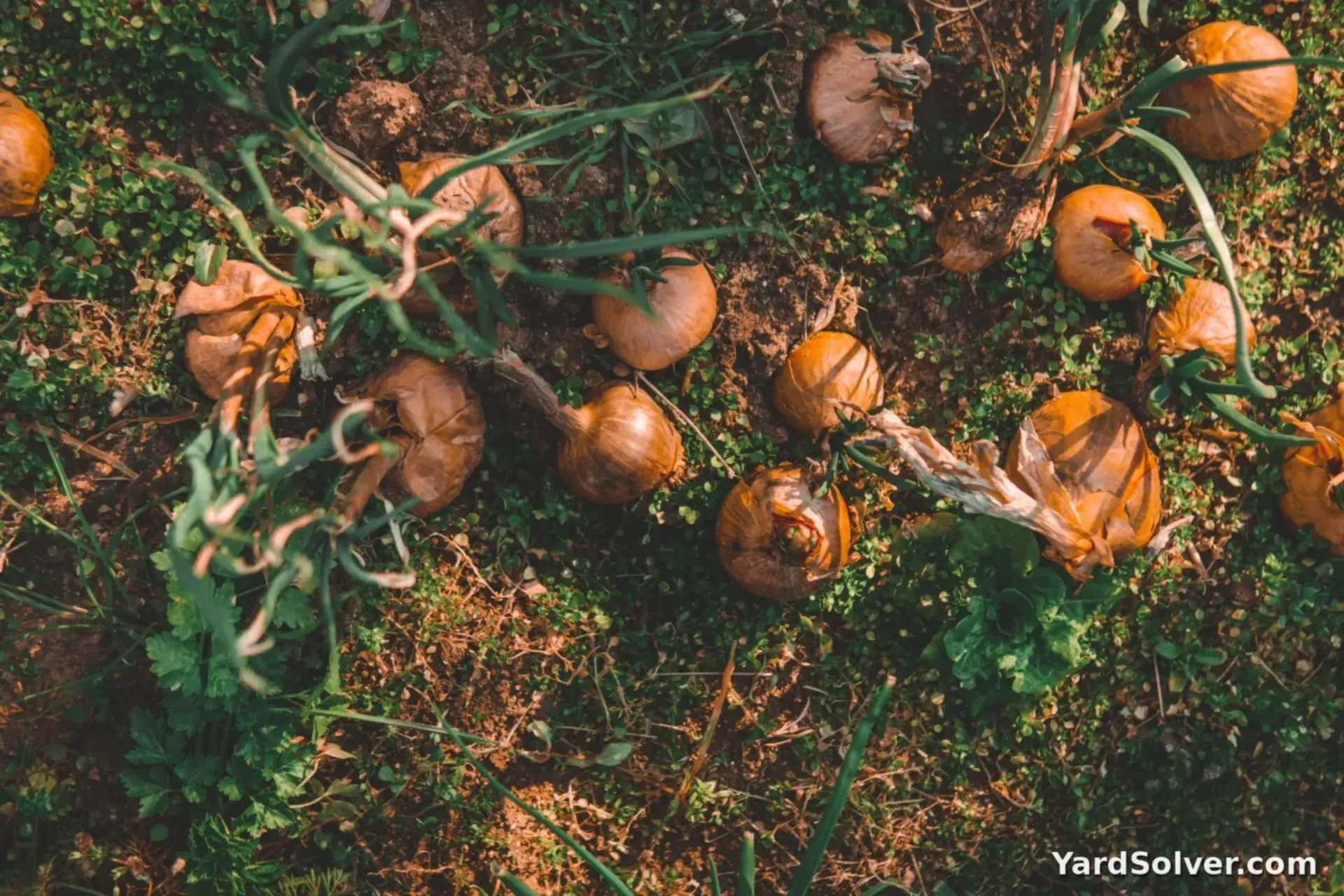
Of the hundreds of claimed feuds, three are worth designing around. Alliums away from legumes: beans and peas beside onions or garlic are stunted often enough, in enough gardens, that the separation costs nothing to respect. Tomatoes away from potatoes: this one is not chemistry but epidemiology — they share blight and several other diseases, and planting them together builds a bridge for both. Fennel in exile: fennel inhibits the growth of many vegetables and is the one plant experienced growers genuinely quarantine — a pot on the patio gives you the fronds and the seeds with none of the drama. Everything else on the internet's feud lists is mostly two plants wanting the same light, water and food at the same time — solved by spacing and feeding, not by separation.
Keep going
The reasoning, in full: Companion Planting Basics — this chart's companion page. Growing tomatoes? The dedicated tomato companion planting chart goes one crop deep, evidence labelled.
Lay the pairings out in real beds: the Garden Planner · Keep the pollinators fed: Native Plants for Pollinators.
Brassicas sit at the centre of the chart — the full growing page for cauliflower has its spacing, timing and feeding.
One of the chart’s more unusual entries is the ground cherry — a tomato relative with its own growing page.
Questions people ask
What are the best companion plants for tomatoes?
Basil, marigolds, carrots, lettuce, onions and parsley are the classic tomato companions: basil and marigolds are traditional pest-confusers and flower food for beneficial insects, shallow-rooted lettuce uses the spare ground, and carrots feed at a different depth. Keep tomatoes away from potatoes — they share blight and other diseases — and away from fennel and corn.
Which vegetables should never be planted together?
The few pairings with a clear mechanism: onions and garlic beside beans and peas (legume growth is widely reported stunted), tomatoes beside potatoes (shared diseases), and fennel beside almost anything (it inhibits many vegetables and is best in its own pot). Most other 'never' pairings online are folklore — competition for light and water explains most of them.
Does companion planting actually work?
Partly, and this chart is honest about which part. Pairings that work by structure (tall shading short), by flowers feeding pest-eating insects, and by avoiding shared diseases rest on real mechanisms. Many famous scent-based pairings are traditional practice with limited trial evidence — they rarely harm, and the chart grades them as traditional rather than proven. Spacing, soil and watering still matter far more than any pairing.
Read the chart by families, not by individual plants — families share appetites and diseases
A companion chart looks like hundreds of separate friendships, but it collapses into a handful of family rules: legumes feed everyone; brassicas share pests with each other and should cluster together under one net rather than scatter through the beds; the potato-tomato family shares blight and wants distance from itself; and the onion family is the garden's awkward neighbour, checking the growth of beans and peas planted against it. Learn the five families in your beds and you have memorised the chart.
Use the chart at planning time, on paper, when beds are still movable — its real product is the rotation it implies, because a pairing that works this year becomes next year's disease bridge if the same family returns to the same soil. The chart's last column is always time: what grew here last year decides what may grow here this year more firmly than any neighbour does.
Sources
Key facts on this page cross-checked against Companion planting — Wikipedia — background on companion planting and its evidence and Crop rotation — Wikipedia — background on crop rotation and family planning.
Related page
Read next: Companion Planting Basics: Good & Bad Neighbours.
Comments & ratings
No comments yet.
Be the first to share your experience.