
Plant Library · Vegetables · By Faizan Ahmad
🍒 How to Grow Ground Cherry
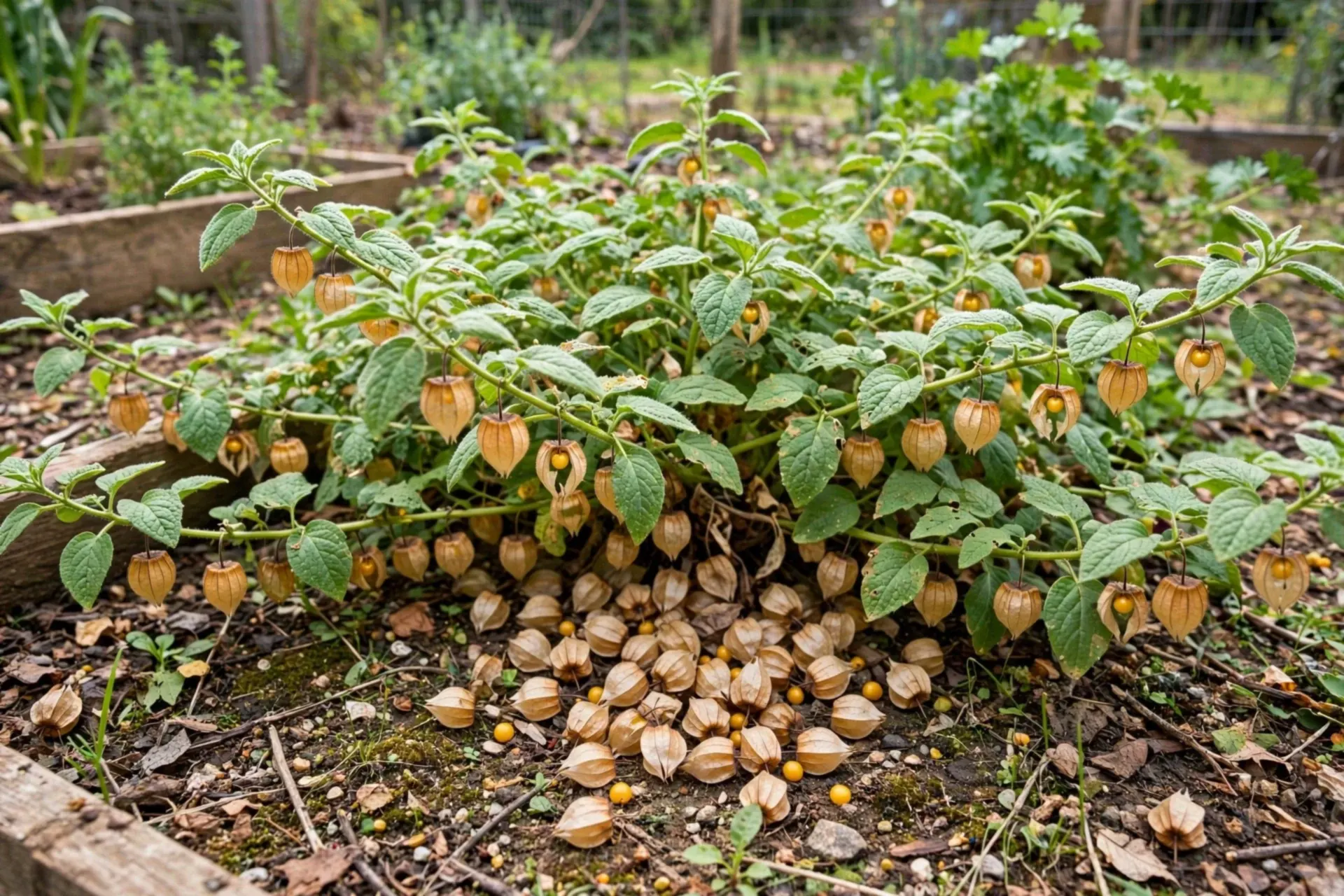
A tomato cousin whose sweet, pineapple-flavoured berries ripen inside papery husks and drop to the ground when ready: seed is slow to sprout, and the plants seed themselves happily for next year. Ground cherries are small, golden berries with a sweet pineapple-and-vanilla flavour, each wrapped in its own papery husk. The plant sprawls like a small tomato, and ripe fruit drops to the ground — still clean inside its husk — which is exactly how you know it is ready.
Grow Ground Cherry with us — step by step
Everything for this plant is written step by step below — what to do, and exactly when. Read it through first if you like: you can grow it entirely on your own with that guide. Or start with us here — tell us your planting day and we lay out your personal schedule on this page, every next step on its own day, counted from your planting date. No guessing, no forgetting.
Step 1 — today: Plant out your young Ground Cherry plants today, spaced 24–36 in apart, and water them in well. They sprawl, so give each plant its own patch of ground to fall across.
Ground Cherry at a glance
Sow indoors: 7 weeks before last frost
Move outside: 2 weeks after last frost
Spacing: 24–36 in · Seed depth: 1/4 in
Sun: Full sun
Water: Regular; steady while fruit ripens
Harvest: 70–90 days after transplant
Timing counts from your average last spring frost — get your own dates in the Planting Calendar. Guidance follows standard extension-service practice for Canada and the US.
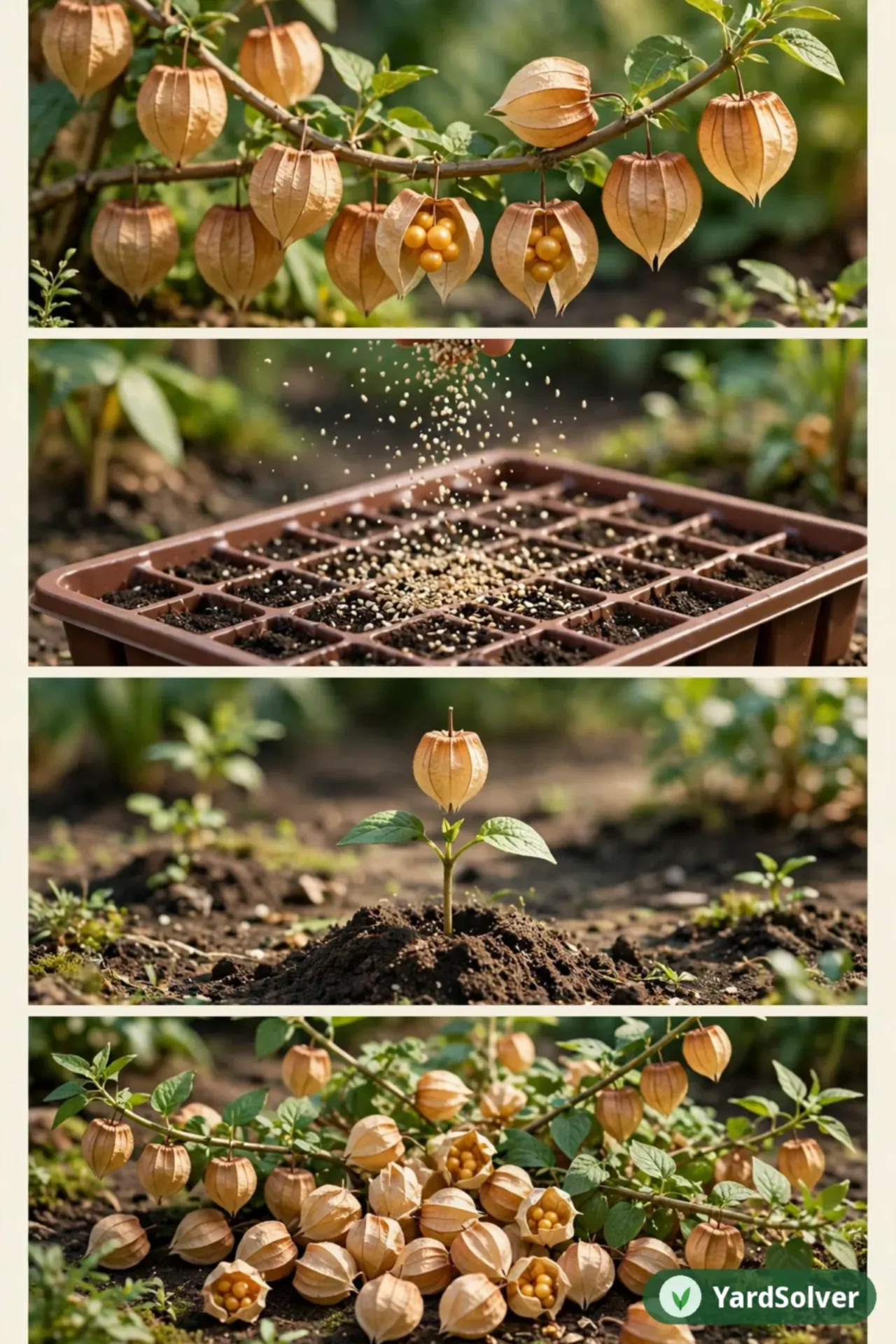
How to plant and grow ground cherry, step by step
Step 1 — Time it right
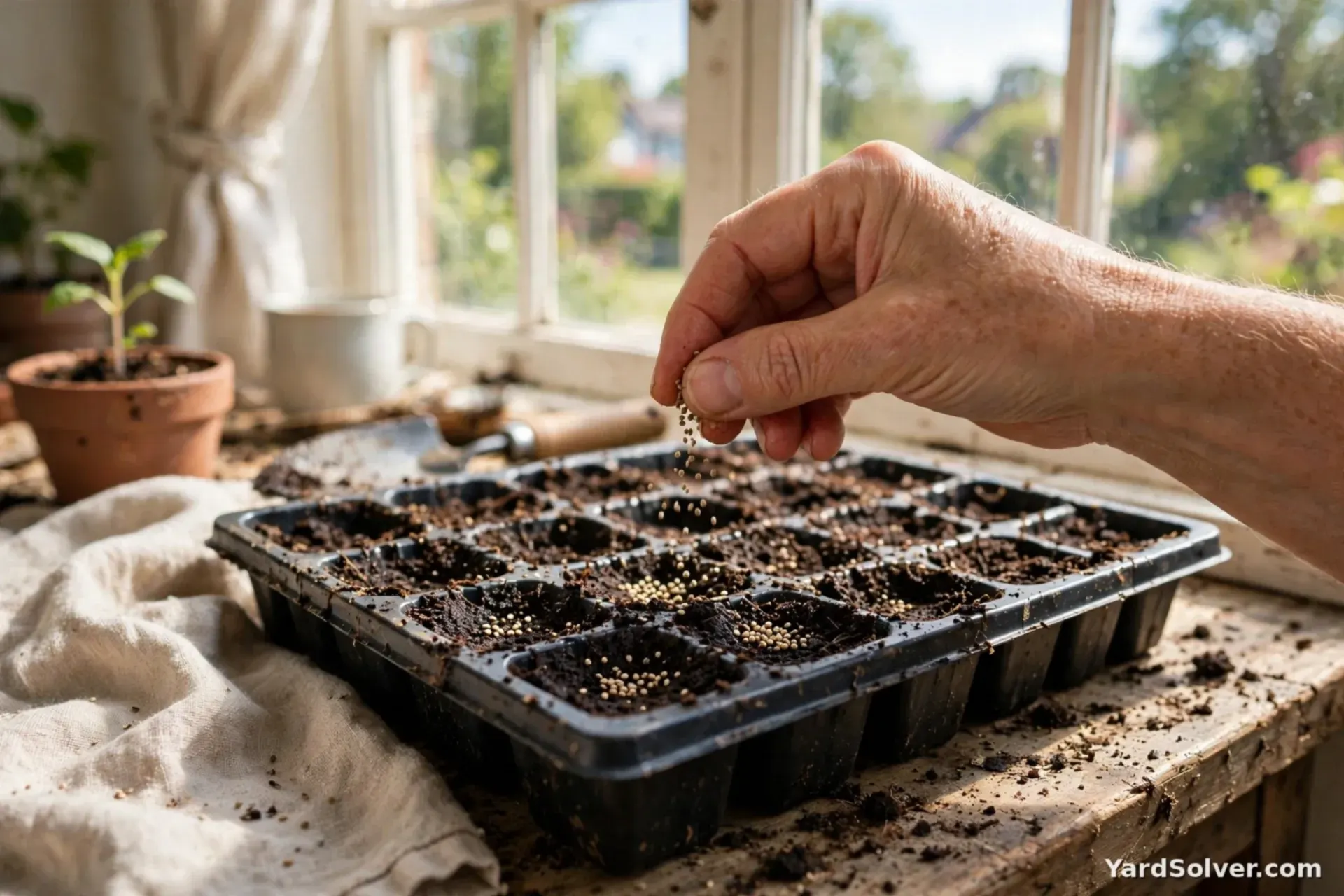
Sow indoors: 7 weeks before last frost; Move outside: 2 weeks after last frost. All dates count from your average last spring frost — the Planting Calendar turns them into real dates for your garden. Ground cherries are small, golden berries with a sweet pineapple-and-vanilla flavour, each wrapped in its own papery husk. The plant sprawls like a small tomato, and ripe fruit drops to the ground — still clean inside its husk — which is exactly how you know it is ready.
Step 2 — Prepare the spot
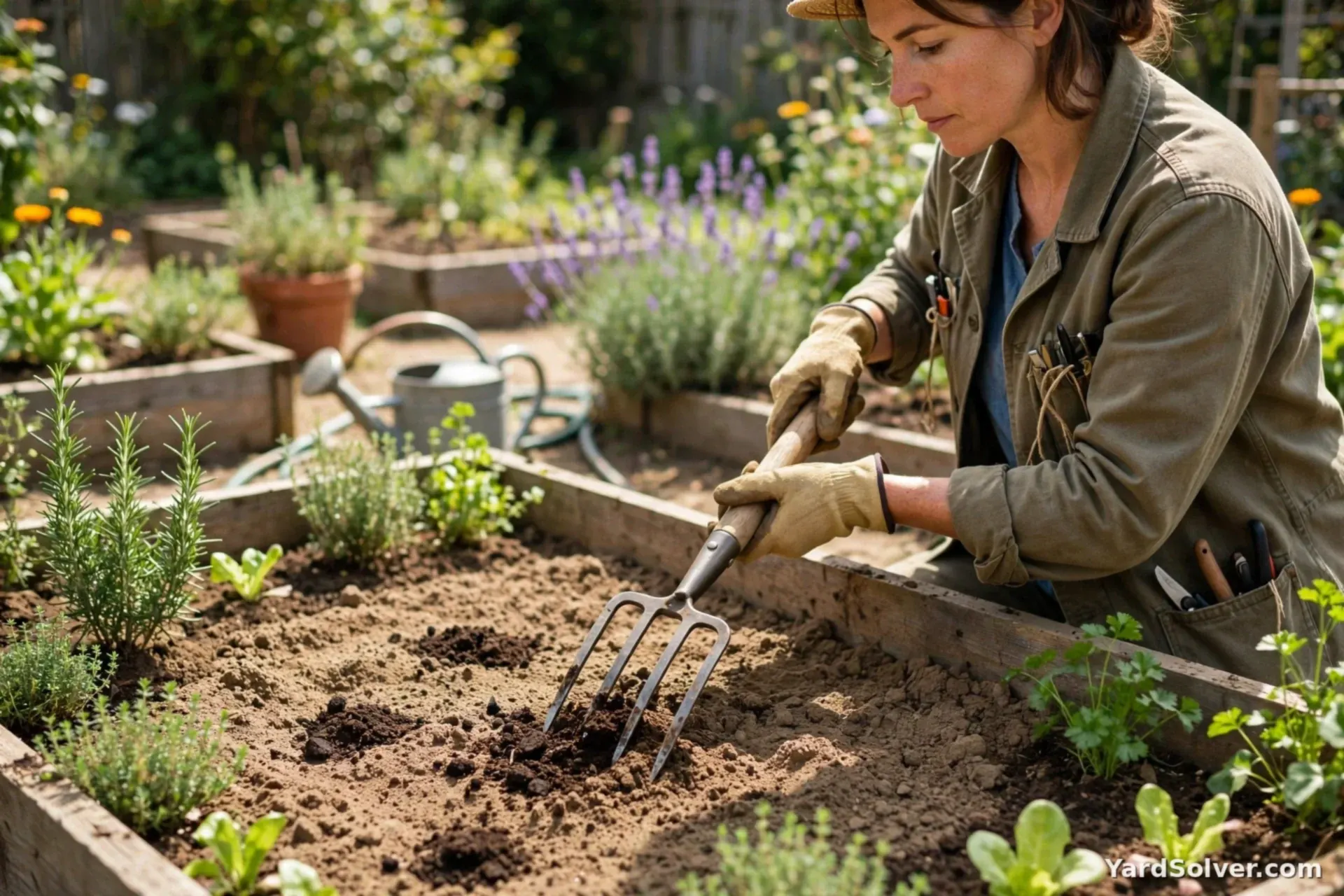
Sun: Full sun. Ordinary well-drained soil in a sunny spot — ground cherries fruit best on ground that is not too rich; work in a little compost and let them be. Work out how much you need with the Garden Mix Calculator or the Raised Bed Soil Calculator.
Step 3 — Sow and plant out
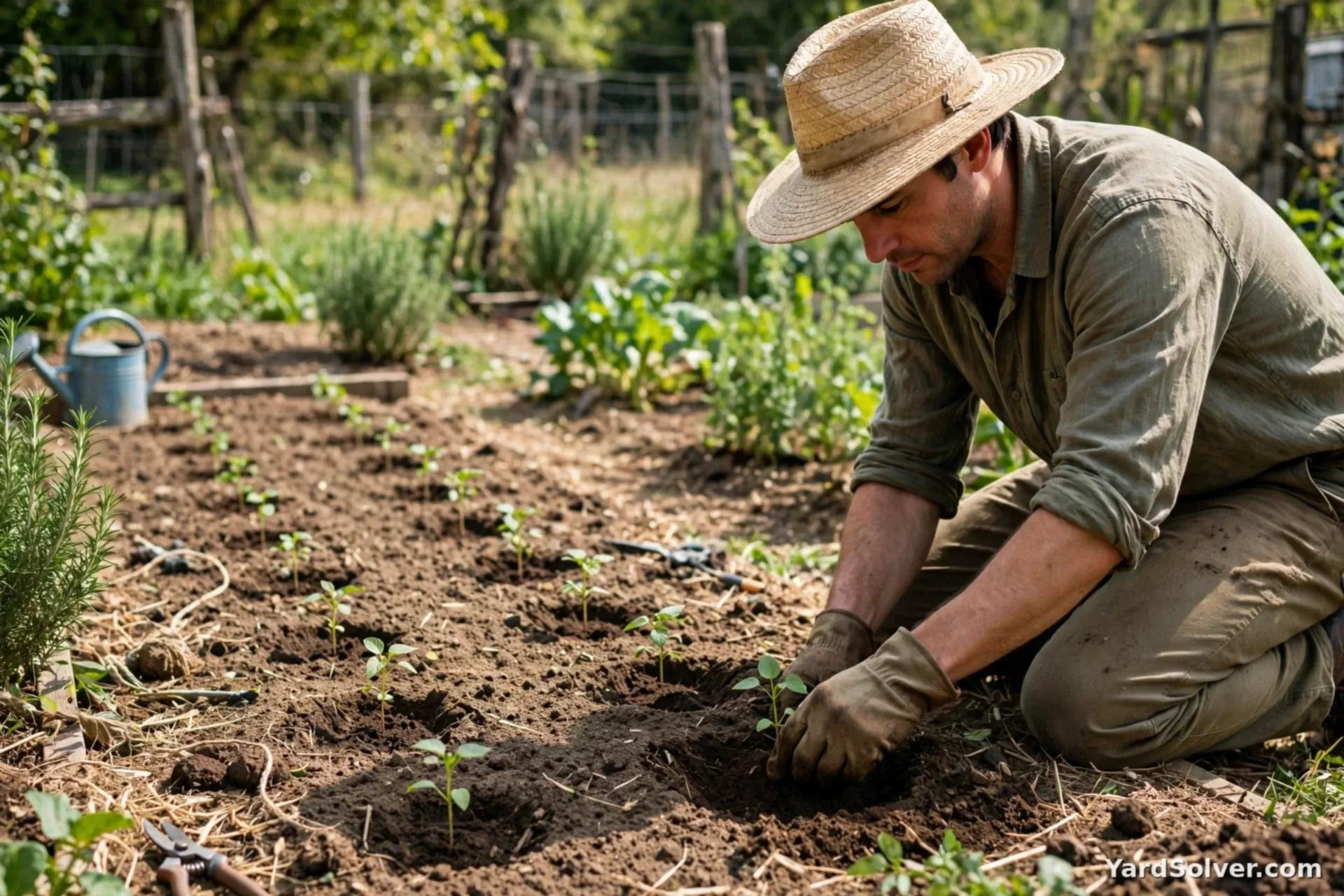
Start seed indoors 7 weeks before last frost, sowing 1/4 in deep — the tiny seed is slow, often taking 2–3 weeks to sprout, so be patient and keep the tray warm and moist. Harden seedlings off over 7–10 days (see How to Harden Off Seedlings) and move them outside 2 weeks after last frost, spaced 24–36 in apart. The Plant Spacing Calculator turns that spacing into plants-per-bed.
Step 4 — Water and feed
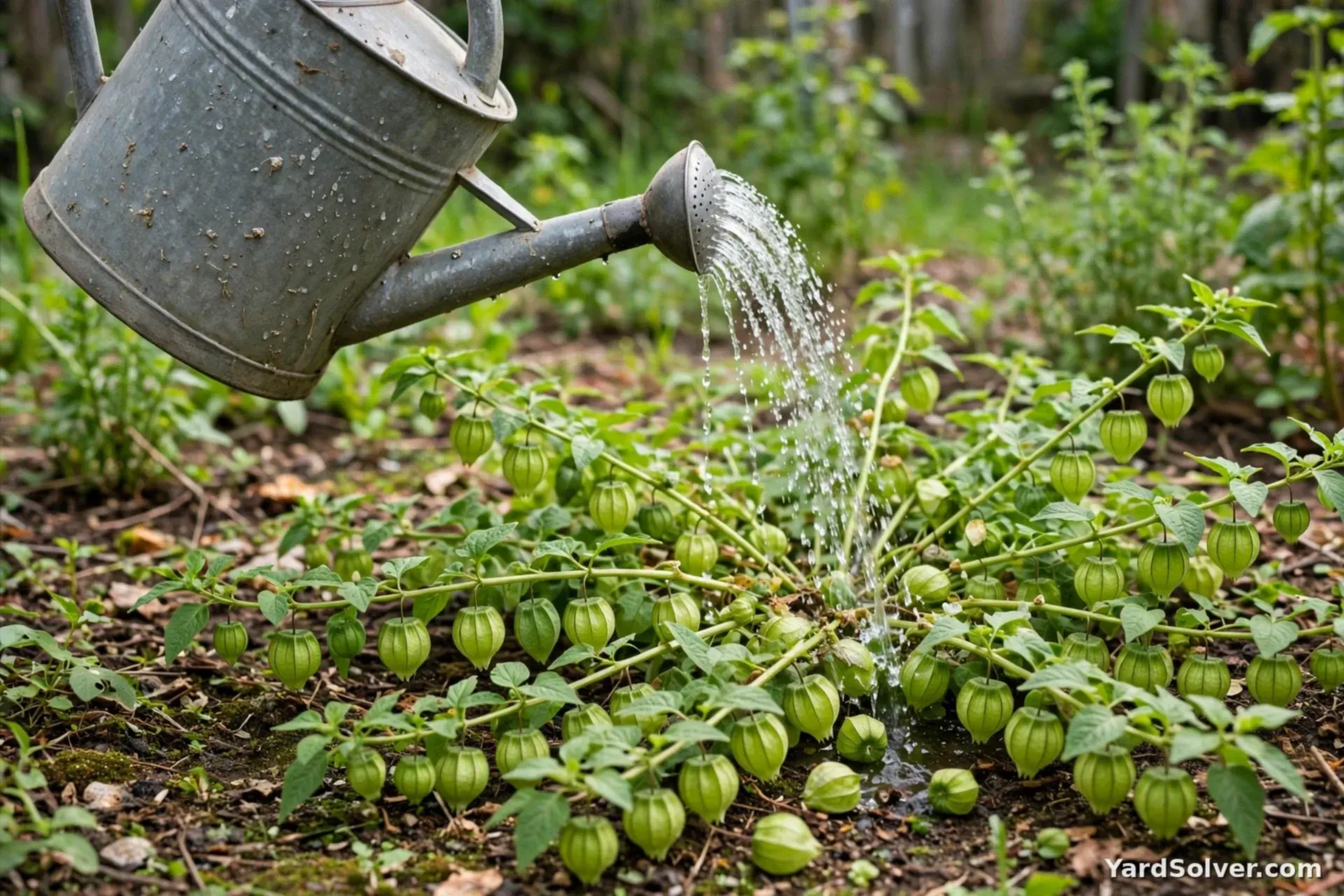
Water: Regular; steady while fruit ripens. The Fertilizer Calculator turns a bed size into the right amount.
Step 5 — Care and the problems to watch for
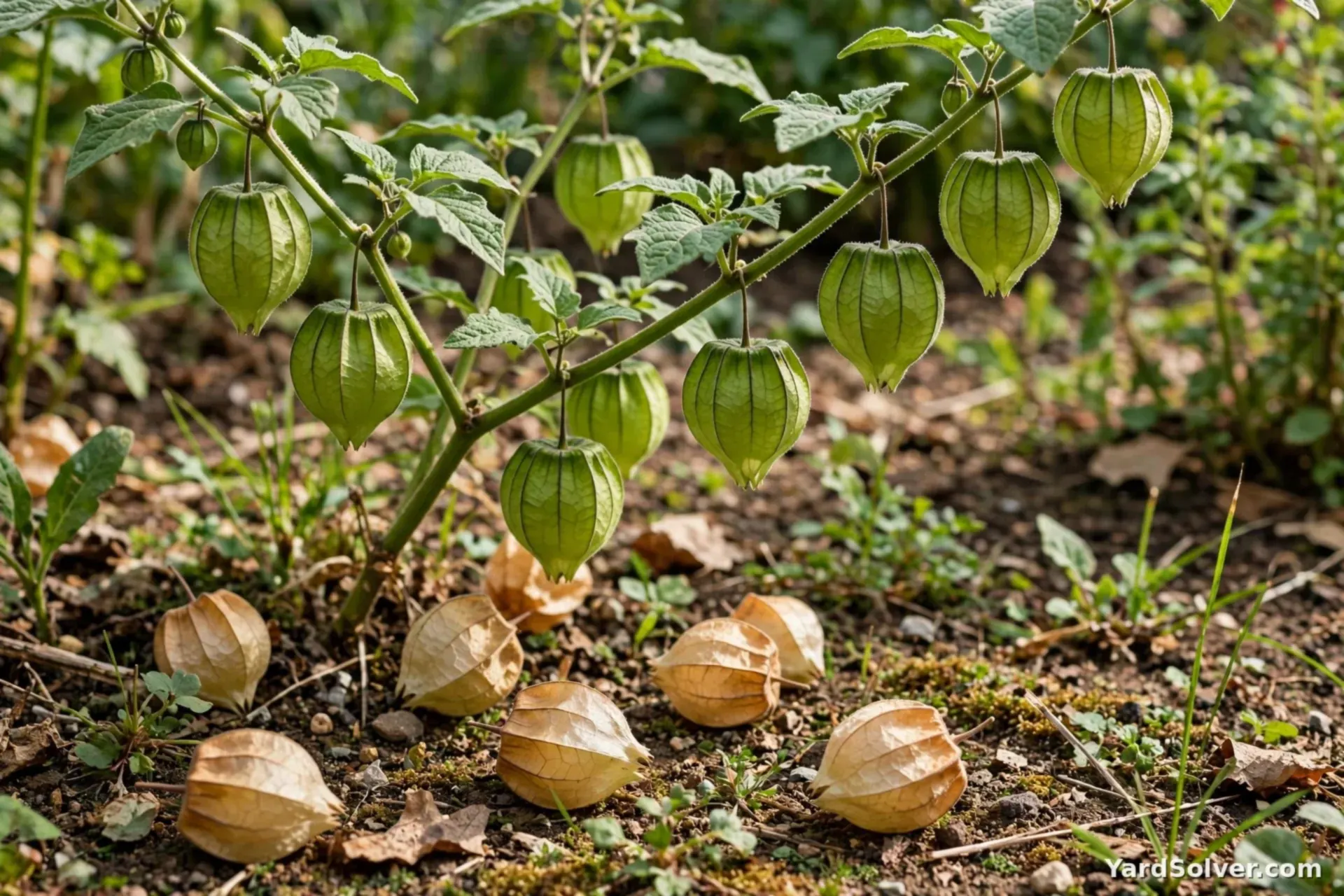
- No fruit on the ground — it is simply not ripe yet; ground cherries only drop when fully ripe, and husks on the plant hold green, sour fruit.
- Self-sown seedlings everywhere next spring — fallen fruit you missed becomes next year's plants; gather thoroughly, or enjoy the free crop.
- Sour, green-tasting fruit — picked from the plant instead of the ground; only ground-fallen fruit in a tan husk is ripe.
Take care: Never eat ground cherries that are green or still on the plant — like other tomato-family fruit, they are only safe and sweet when fully ripe and fallen.
Step 6 — Harvest
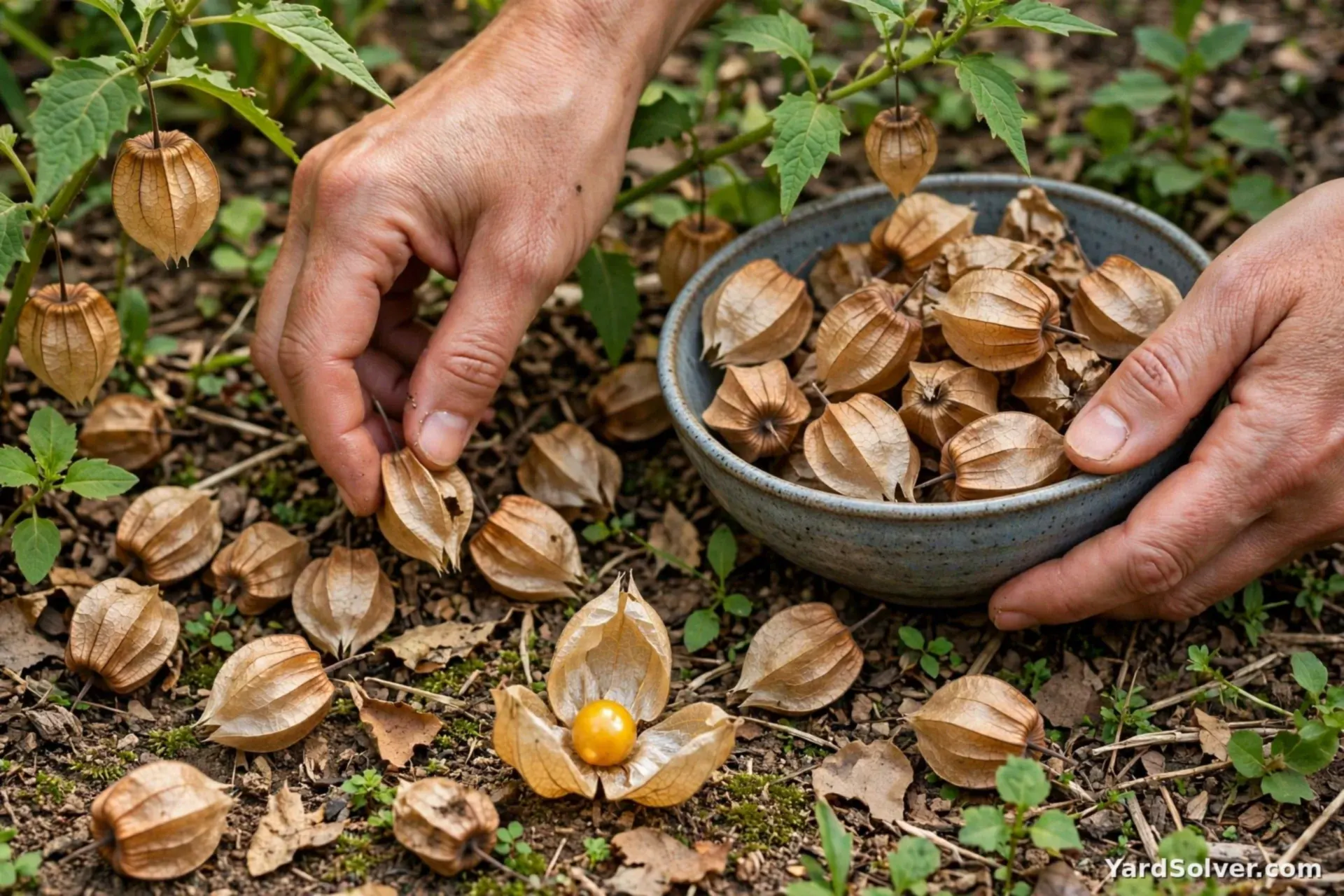
Ready in: 70–90 days after transplant. Gather fallen fruit from about day 70 onward, every few days; in their husks, ripe berries keep for weeks in a cool, dry place.
📅 Your personal Ground Cherry schedule
Counted from your planting day — not a generic calendar. Day 0 is the day the seed went in the ground or the young plant went out.
Varieties worth growing
| Variety | Colour | Why gardeners like it |
|---|---|---|
| Aunt Molly's | Golden | The beloved Polish heirloom — sweet, jammy fruit that drops reliably when ripe |
| Goldie | Golden | A dependable ground cherry with good flavour and tidy plants |
| Cossack Pineapple | Golden | Named for its flavour — ripe berries taste remarkably like pineapple |
| New Hanover | Golden | An improved selection in the Aunt Molly's line with larger fruit |
| Poha (Cape Gooseberry) | Orange-gold | The bigger, tangier perennial cousin — needs the longest, warmest season of all |
Good for you — and take care
Benefits
- Provides vitamin C, which supports the immune system
- A source of vitamin A
- Sweet enough for dessert with no added sugar
- Small servings go far — the flavour is intense
- In their husks, the berries keep for weeks without refrigeration
Take care
- Only eat fruit that has fallen and turned golden in a tan husk — unripe green fruit is not safe to eat
- Keep the berries away from toddlers until ripe, as with all tomato-family plants
- Wash gathered fruit after husking, since it ripens on the ground
A little history — and one good fact
Ground cherries are native to the Americas and were gathered and grown long before European settlement — the seed of Aunt Molly's was carried from Poland and preserved by Amish and Mennonite gardeners in Pennsylvania, where ground cherry pies became a regional tradition.
Fun fact: A ripe ground cherry in its husk can keep for a month or more at room temperature — one of the few fresh fruits that stores itself.
Keep going
Guides: How to Start Tomato Seeds Indoors · How to Harden Off Seedlings · Best Vegetables for a Small Garden
Calculators: Plant Spacing Calculator · Seed Calculator · Fertilizer Calculator · Garden Mix Calculator
More vegetables: Tomatillo · Tomato · Strawberry
← Back to the Plant Library · Get your personal planting dates
Questions people ask
When do I plant ground cherry?
Count from your average last spring frost: sow indoors 7 weeks before last frost; move outside 2 weeks after last frost. Ground cherries are small, golden berries with a sweet pineapple-and-vanilla flavour, each wrapped in its own papery husk. The plant sprawls like a small tomato, and ripe fruit drops to the ground — still clean inside its husk — which is exactly how you know it is ready.
How far apart do I space ground cherry?
Space plants 24–36 in apart, with seed sown 1/4 in deep. Sun: full sun.
When is ground cherry ready to harvest?
70–90 days after transplant. A tomato cousin whose sweet, pineapple-flavoured berries ripen inside papery husks and drop to the ground when ready: seed is slow to sprout, and the plants seed themselves happily for next year.
A tomato relative that tells you itself when it is ripe: the husk dries, the berry falls, you gather
Ground cherry (Physalis pruinosa, sold also as Aunt Molly's) is a sprawling relative of the tomato and tomatillo whose small golden berries ripen inside a papery husk. Its harvesting rule is the opposite of most fruit: you do not pick it. A ripe ground cherry drops to the ground in its husk, which is both the plant's signal and the origin of its name — the crop is gathered from the soil surface every few days.
Growing it well is mostly about giving the sprawl room and the warmth it wants. Start seed indoors like tomatoes, plant out only after all frost danger, and space plants generously or let them run along a bed edge; in rich soil they grow lush and late, so leaner ground and full sun bring earlier fruit. Because fallen berries seed freely, one year's patch often volunteers the next — a bonus or a weed, depending on the gardener.
The worked example: plants set out into warm soil in full sun, gathered from the ground twice a week, commonly yield pints of sweet, pineapple-tomato fruit from midsummer to frost. Berries picked green off the plant, by contrast, stay tart and never ripen properly indoors — patience is literally the harvesting tool here.
Sources
Key facts on this page — timing, spacing and care — cross-checked against Physalis pruinosa — Wikipedia — background on ground cherry and its cultivation.
Related page
Read next: Companion Planting Basics: Good & Bad Neighbours.
Comments & ratings
No comments yet.
Be the first to share your experience.