
Guides · Persian Cress · Published November 11, 2026 · By Faizan Ahmad
How to Grow Persian Cress: The Complete Beginner's Guide
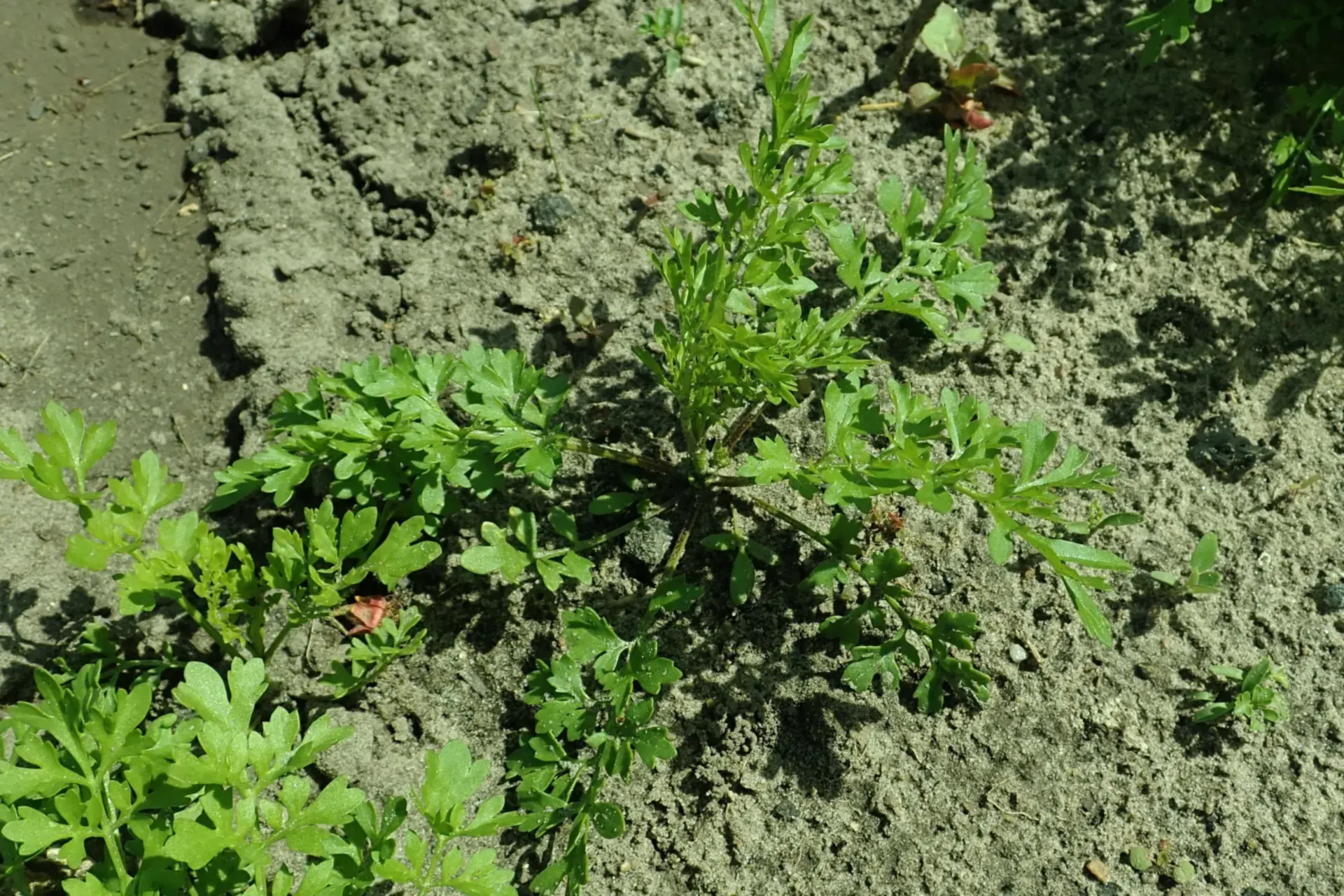
Persian cress is garden cress — Lepidium sativum — grown for its peppery baby leaves, one of the fastest crops there is: sow it and you can be eating it in 20–30 days. It is a cool-season annual, best in spring and again in late summer, and it bolts fast in heat, so sow little and often rather than all at once. This guide is the whole routine on one page, in order. For the one-screen version — light, water and care at a glance — see the Persian Cress plant page; this is the deep guide it points to. Your personal dates for every step are in the Planting Calendar.
The persian cress season at a glance
- When: Direct sow from 2 weeks before last frost, in succession every 2 weeks. It germinates in 2–7 days in cool soil and bolts fast in heat.
- Soil: Any moist, fertile soil in sun or light shade. A small patch — a square foot or two — gives plenty of cress.
- Sowing: Broadcast seed thinly and cover very lightly, 1/4 in deep. Thin seedlings to 2–4 in apart once they are an inch or two tall.
- Water & feed: Regular — keep moist; bolts in heat — Feed nothing — a fast leafy crop in good soil needs no fertilizer.
- Harvest: 20–30 days (baby leaf)
Step 1 — Sow in cool weather
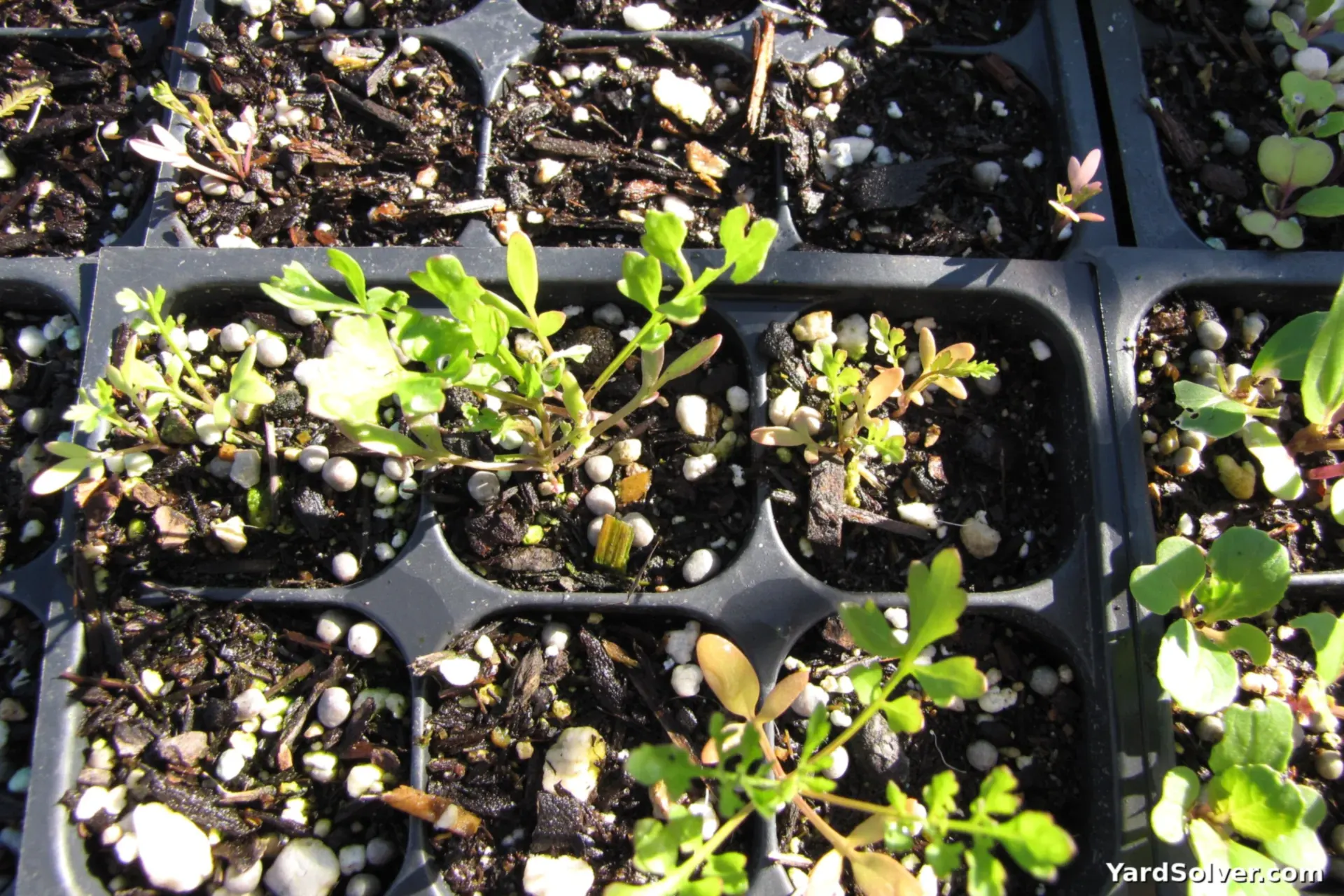
Cress is a cool-season crop. Sow from 2 weeks before your last frost, and again in late summer — it bolts fast in heat. Direct sow from 2 weeks before last frost, in succession every 2 weeks. It germinates in 2–7 days in cool soil and bolts fast in heat.
Step 2 — A small patch is plenty
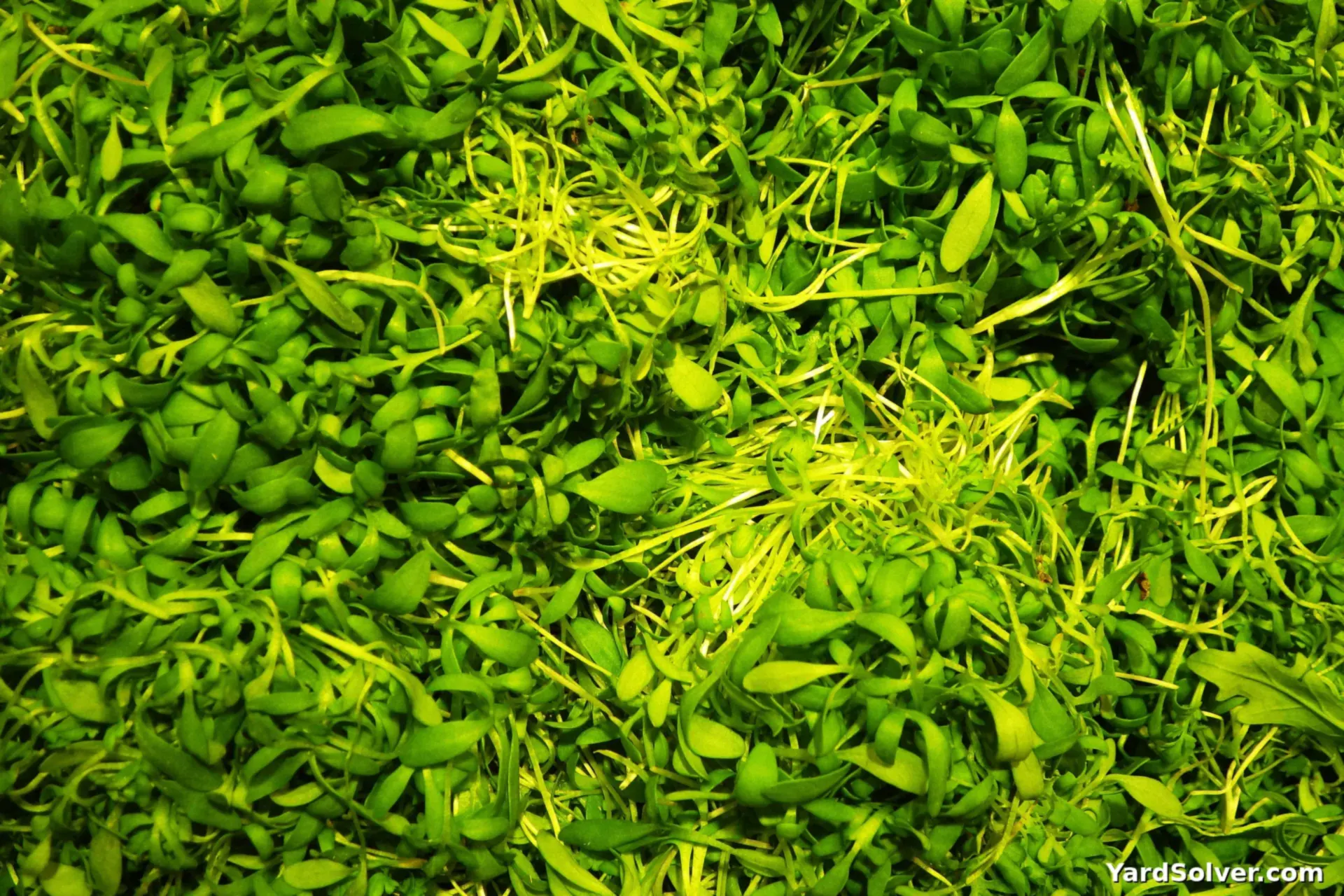
A square foot or two of moist, fertile soil in sun or light shade gives plenty of cress. Any moist, fertile soil in sun or light shade. A small patch — a square foot or two — gives plenty of cress.
Step 3 — Broadcast thin and cover lightly
Scatter seed thinly, cover with just 1/4 in of soil, and thin seedlings to 2–4 in apart. Broadcast seed thinly and cover very lightly, 1/4 in deep. Thin seedlings to 2–4 in apart once they are an inch or two tall.
Step 4 — Keep it moist
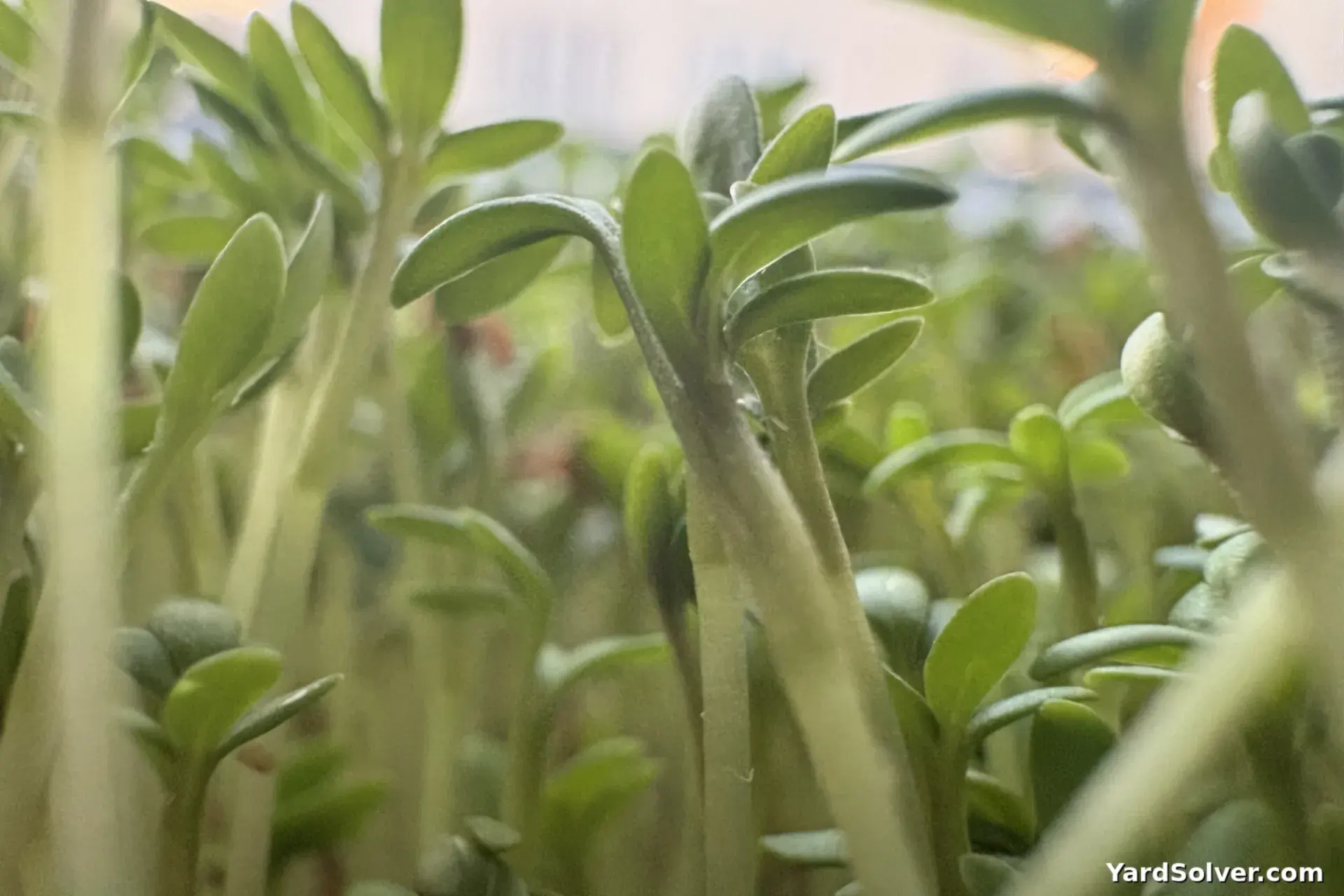
Cress needs steady moisture — a dry bed goes bitter fast. Water little and often. Feed nothing — a fast leafy crop in good soil needs no fertilizer.
Step 5 — Cut and come again
Cut leaves at 2–3 in tall for the best flavour, leaving a few leaves behind — it regrows in about a week. Bolting — heat makes it flower and turn bitter; sow in cool seasons and give afternoon shade.
Keep going
The at-a-glance version, with light and water needs: Persian Cress — Plant Library.
Plan the bed: Garden Planner · Planting Calendar · Companion Planting Chart · Plant Spacing Calculator
Questions people ask
When do I plant Persian cress?
Direct sow from 2 weeks before last frost, in succession every 2 weeks. It germinates in 2–7 days in cool soil.
How far apart do I space Persian cress?
Thin seedlings to 2–4 in apart, with seed sown 1/4 in deep. Sun: full sun to part shade.
When is Persian cress ready to harvest?
20–30 days after sowing, when leaves are 2–3 in tall. Cut-and-come-again: it regrows in about a week.
Persian cress is the fastest salad in the garden — cut-and-come-again in as little as three weeks
Persian cress (also sold as Belle Isle cress) is a mustard-family salad leaf with a mild, peppery bite, grown for speed: in warm soil it can be cutting within three weeks of sowing, well before lettuce has made a heart. It is managed like a lawn rather than a plant — sown thickly in a short drill or patch, cut with scissors a few centimetres above the base, and left to regrow for a second and third cut. Each cut is milder and leafier than a bolted, flowering plant, so the discipline is cutting early and often.
Like all the cresses it bolts at the first hint of heat and drought, which sets its seasons: spring and autumn are its home, and a summer sowing belongs in light shade with faithful watering. Sow a pinch every fortnight rather than a row every season — a glut of cress is a glut for exactly four days. It also earns a place indoors, where a saucer of it on a windowsill gives winter salads a freshness no bought bag matches, at the cost of a teaspoon of seed.
Sources
Key facts on this page cross-checked against Lepidium sativum — Wikipedia — background on garden cress — Persian cress's close relative — and cress cultivation.
Related page
Read next: How to Grow Microgreens Indoors (Harvest in 7–14 Days).
Comments & ratings
No comments yet.
Be the first to share your experience.