
Plant Library · Vegetables · By Faizan Ahmad
Updated November 17, 2026
🌱 How to Grow Persian Cress
Persian cress is garden cress — Lepidium sativum — grown for its peppery baby leaves, one of the fastest crops there is: sow it and you can be eating it in 20–30 days. It is a cool-season annual, best in spring and again in late summer, and it bolts fast in heat, so sow little and often rather than all at once.
Grow Persian Cress with us — step by step
Persian cress is the fastest salad you can sow — leaves in as little as two weeks — and the peppery bite fades just as fast in heat, so little-and-often sowing is the whole game. This guide covers broadcasting the seed, cutting without killing the plant, and growing it on a windowsill when the garden is frozen. Enter your sowing day here and we will count out a personal cress schedule from it.
Step 1 — today: Sow Persian Cress today, broadcast thinly and covered very lightly, 1/4 in deep, and keep the bed moist. Thin to 2–4 in apart once seedlings are an inch or two tall.
Persian Cress at a glance
Sow outside: 2 weeks before last frost
Spacing: 2–4 in · Seed depth: 1/4 in
Sun: Full sun to part shade
Water: Regular — keep moist; bolts in heat
Harvest: 20–30 days (baby leaf)
Timing counts from your average last spring frost — get your own dates in the Planting Calendar. Guidance follows standard extension-service practice for Canada and the US.
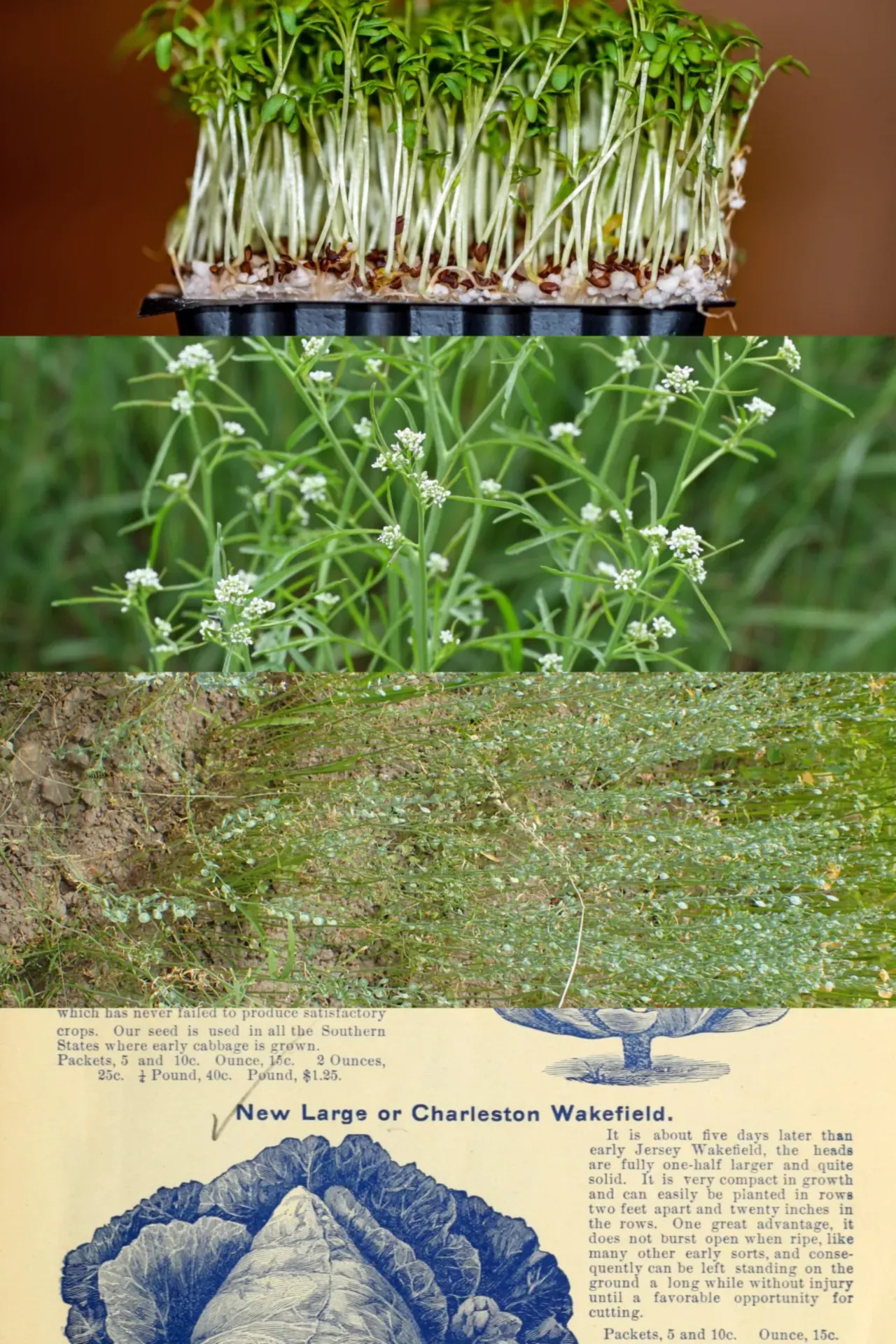
How to plant and grow persian cress, step by step
Step 1 — Time it right
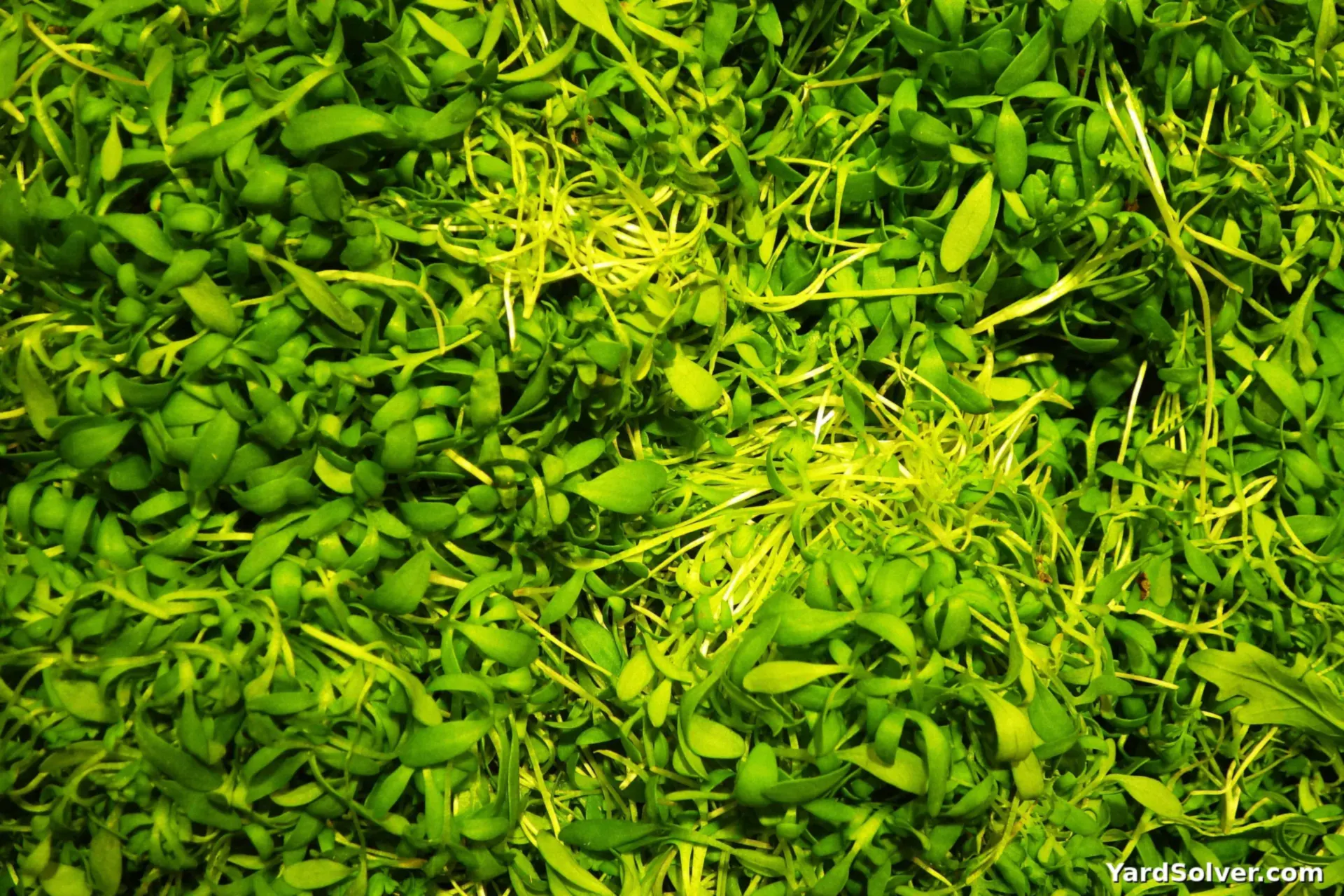
Direct sow from 2 weeks before last frost, in succession every 2 weeks. It germinates in 2–7 days in cool soil and bolts fast in heat. All dates count from your average last spring frost — the Planting Calendar turns them into real dates for your garden. Cress germinates in 2 to 7 days in soil around 50 to 65 F, and the same seed sulks in hot summer ground. Sow the main crops from early spring and again from late summer; in mild winters it ticks over under a light cover.
Step 2 — Prepare the spot

Sun: Full sun to part shade. Any moist, fertile soil in sun or light shade. A small patch — a square foot or two — gives plenty of cress. Work out how much you need with the Garden Mix Calculator or the Raised Bed Soil Calculator. The whole crop is a square foot or two, so rake the surface fine and level for an even landing. Cress also grows in a shallow tray of compost, or even on damp paper indoors — the winter route to the same leaves.
Step 3 — Sow and plant out
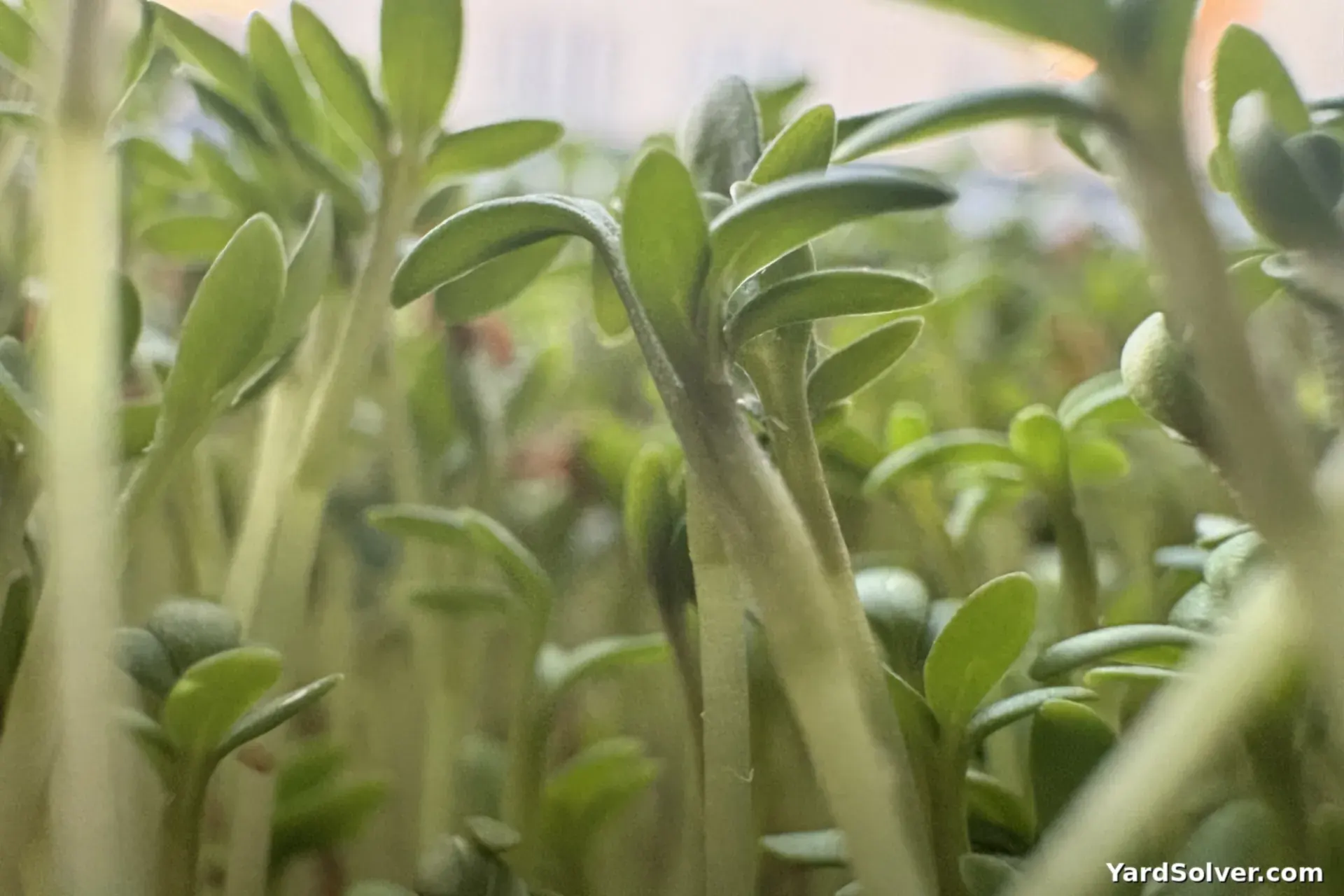
Broadcast seed thinly and cover very lightly, 1/4 in deep. Thin seedlings to 2–4 in apart once they are an inch or two tall. The Plant Spacing Calculator turns that spacing into plants-per-bed. Broadcast about a pinch of seed per square foot — a packet holds thousands — and press it in rather than burying it. Thin only if seedlings mat together; a dense patch is normal, and the weakest seedlings become the first cut.
Step 4 — Water and feed
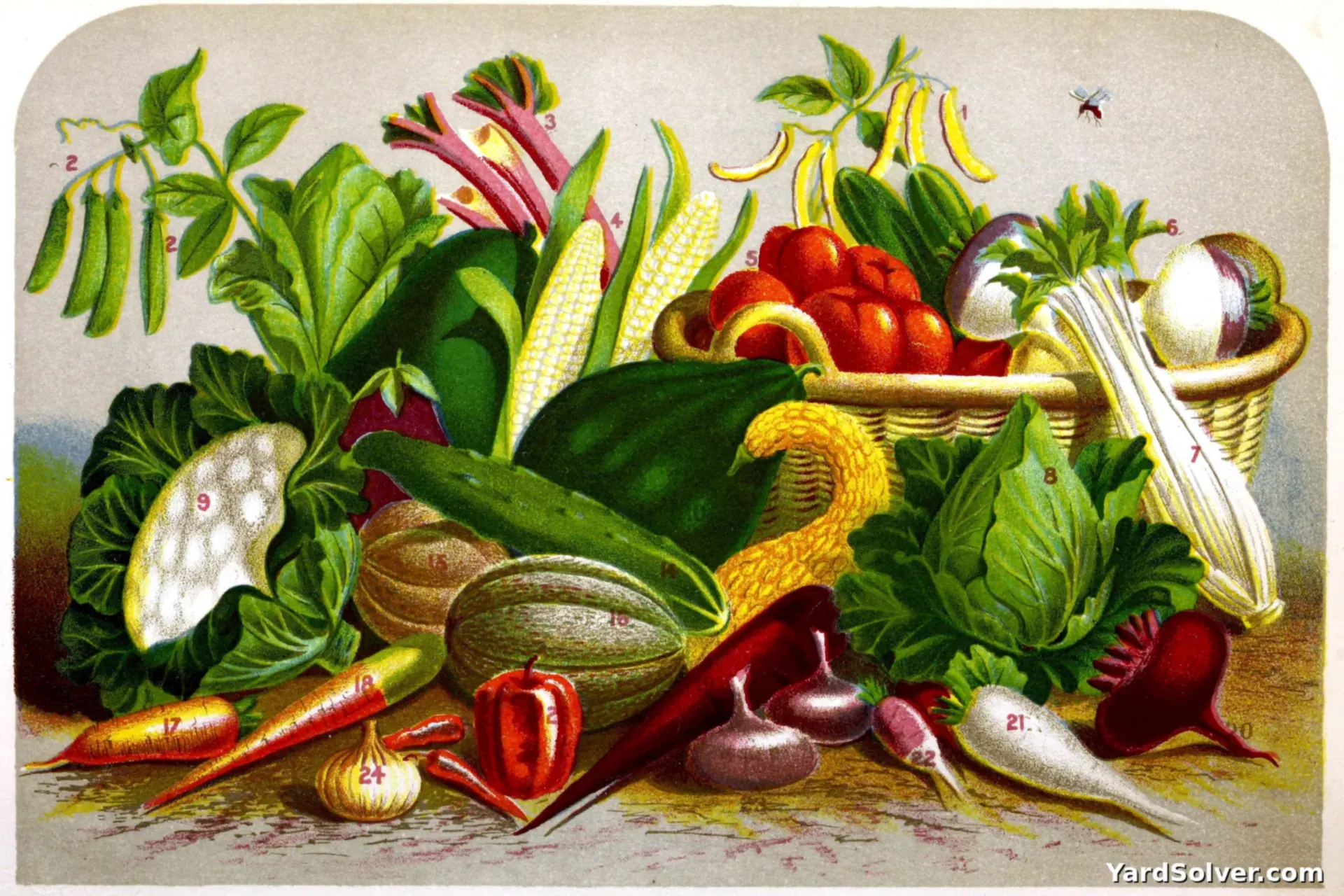
Water: Regular — keep moist; bolts in heat. Feed nothing — a fast leafy crop in good soil needs no fertilizer. The Fertilizer Calculator turns a bed size into the right amount. Roots are threads in the top inch, so water lightly every day or two rather than soaking weekly. Mild, watery leaves mean overwatering or overfeeding; a leaner, slightly thirstier crop has the proper peppery kick.
Step 5 — Care and the problems to watch for
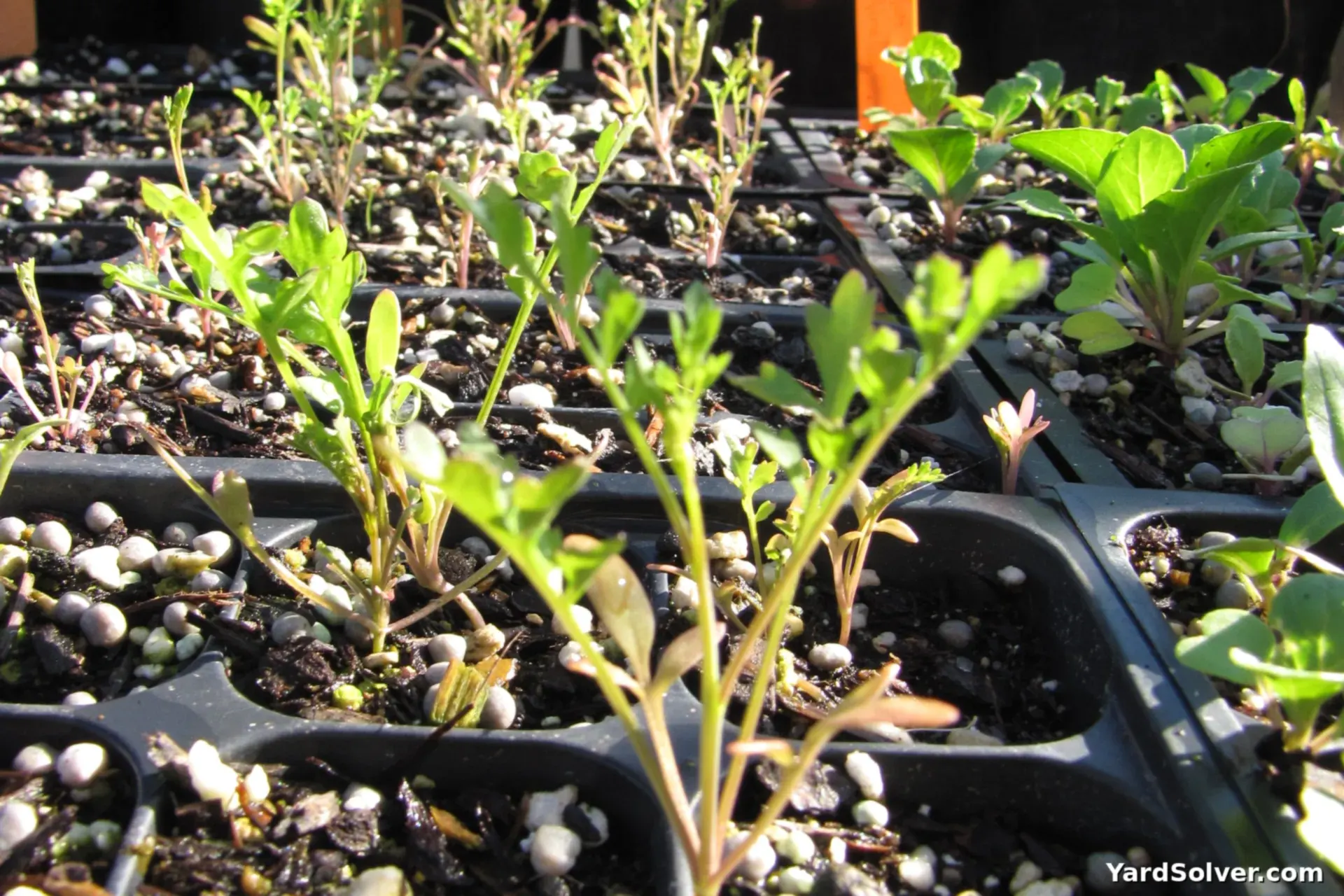
Bolting — heat makes it flower and turn bitter; sow in cool seasons and give afternoon shade. Flea beetles — tiny holes in leaves; cover with fine mesh if they appear. Drying out — cress needs steady moisture; a dry bed goes bitter fast. Harvest is the main pest control: cutting every few days removes the oldest leaves before flea beetles and aphids settle. Once white flowers appear the plant is finished for eating — leave one patch to flower for seed.
Step 6 — Harvest
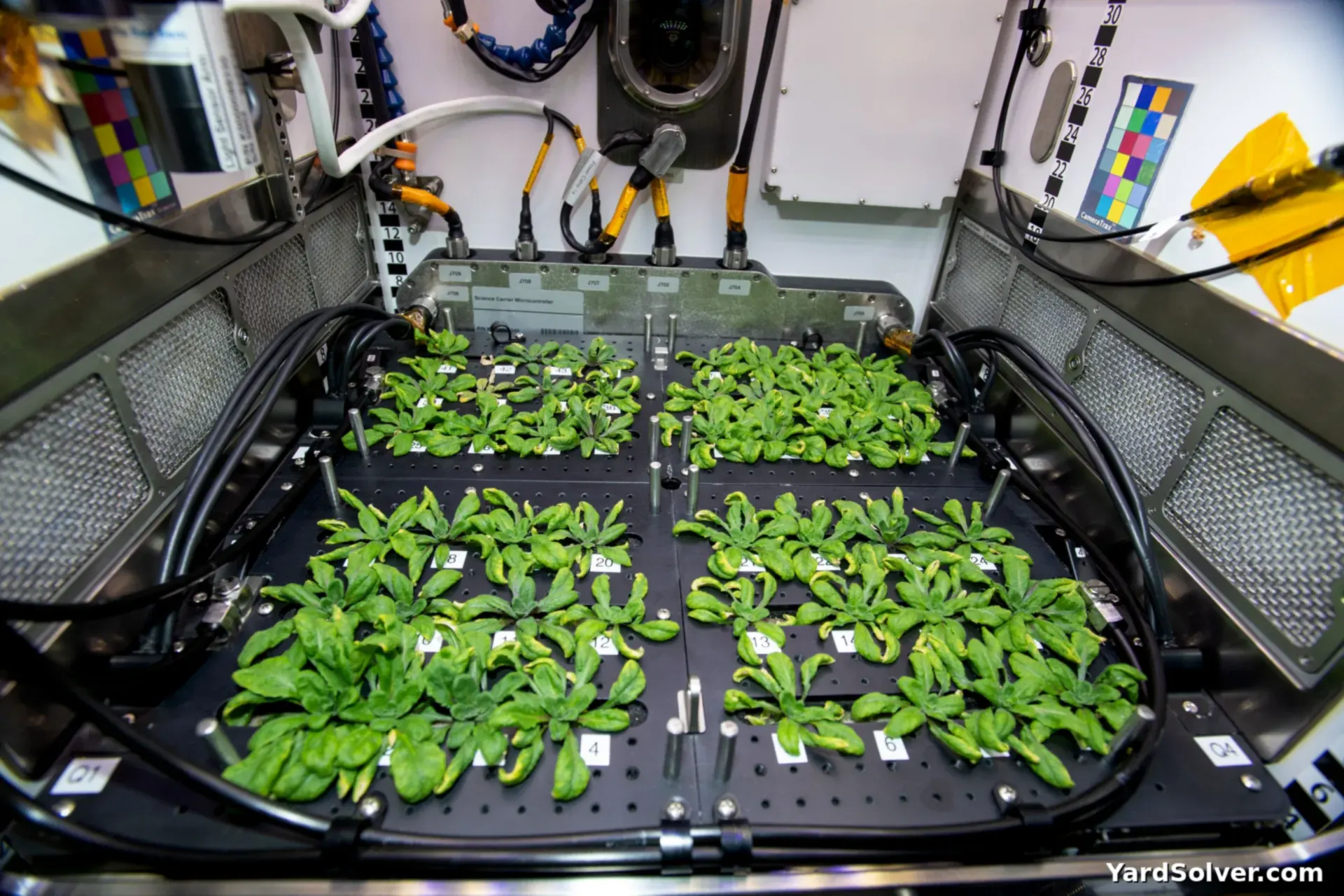
Ready in: 20–30 days (baby leaf). Cut leaves at 2–3 in tall for the best peppery flavour — leave a few leaves and it regrows in about a week. Cut with scissors about an inch above the base, tallest leaves first, for two or three cuts over about two weeks. Use leaves the day you cut them — cress wilts within hours, the best argument for growing it near the kitchen.
📅 Your personal Persian Cress schedule
Cress lives its whole life in about a month, so this schedule counts from your sowing day to the first cut and the follow-up sowing. Day 0 is the day the seed went in the ground.
Varieties worth growing
| Variety | Colour | Why gardeners like it |
|---|---|---|
| Persian | Green | The classic type — fine, peppery leaves, grown for salads and garnish |
| Curly Cress | Green | Frilly leaves with a sharper bite |
| Broad-Leaved | Green | Wider, oval leaves, good for soups |
| Garden Cress | Green | The standard type — quick, peppery, and nearly foolproof |
Good for you — and take care
Benefits
- One of the fastest crops — ready in 20–30 days
- Rich in vitamin C, vitamin K and iron
- A peppery flavour that lifts salads and sandwiches
- Grows in a tiny space — a windowsill tray works too
Take care
- Pick leaves when they are 2–3 in tall for the best peppery flavour.
- Cut-and-come-again: leave a few leaves and it regrows in about a week.
- Do not let it dry out — dry cress turns bitter.
Problems to watch for
- Bolting — heat makes it flower and turn bitter; sow in cool seasons and give afternoon shade.
- Flea beetles — tiny holes in leaves; cover with fine mesh if they appear.
- Drying out — cress needs steady moisture; a dry bed goes bitter fast.
A little history — and one good fact
Garden cress comes from Egypt and the Middle East, and was cultivated in Persia around 400 BC — hence the name Persian cress. It spread to the gardens of India, Syria, Greece and Egypt, and has been a salad green for thousands of years.
Fun fact: Garden cress can be harvested in as little as two weeks after sowing — it is one of the fastest vegetables in the world.
Keep going
Guides: How to Harden Off Seedlings · How to Read a Seed Packet · How to Grow Persian Cress — the full guide
Calculators: Plant Spacing Calculator · Seed Calculator · Fertilizer Calculator · Garden Mix Calculator
Plan it: Garden Planner · Planting Calendar · Companion Planting Chart · Seed Box
Good companions: Radish · Lettuce · Carrot
← Back to the Plant Library · Get your personal planting dates
Persian cress on a windowsill: the 14-day tray method
No garden needed: a shallow tray on a bright sill gives cuttable cress in about two weeks.
| Part | Spec |
|---|---|
| Tray | Any shallow tray 1 to 2 in deep that fits the sill |
| Medium | About 1 in of compost, or a pad of damp paper |
| Seed | Scatter thickly — roughly 1 teaspoon per small tray |
| Light and water | Brightest sill you have; keep the medium damp, never wet |
| First cut | Day 10 to 14 at 2 to 3 in, with a lighter second cut a week later |
Sow a fresh tray every week or two and the supply never quite stops.
Questions people ask
When do I plant Persian cress?
Direct sow from 2 weeks before last frost, in succession every 2 weeks. It germinates in 2–7 days in cool soil.
How far apart do I space Persian cress?
Thin seedlings to 2–4 in apart, with seed sown 1/4 in deep. Sun: full sun to part shade.
When is Persian cress ready to harvest?
20–30 days after sowing, when leaves are 2–3 in tall. Cut-and-come-again: it regrows in about a week.
Why does my cress taste bitter instead of peppery?
Bitterness arrives with heat, drought and age: leaves from a thirsty or bolting plant taste harsh rather than cleanly hot. Keep the patch moist, cut leaves young at 2 to 3 in, and sow in spring and fall rather than high summer.
Can I grow Persian cress indoors all winter?
Yes — it is one of the easiest windowsill crops. Sow thickly in a shallow tray of compost on a bright sill, keep it moist, and cut from about day 10 to 14. Sow a fresh tray every week or two, as each tray cuts best once.
Persian cress is the florist's filler that gardeners can eat: sow little and often, cut it young
Persian cress (Lepidium sativum, the garden cress group) leads a double life: grown fast and cut at a few centimetres tall it is the peppery cress of egg sandwiches; left to grow tall, it becomes a wiry stem of fine seed pods that florists prize as filler in bouquets. Few plants pay rent in both the kitchen and the vase from the same sowing.
speed is the whole character: cress germinates in days, is ready to snip in two to three weeks, and runs to seed almost as fast in warm weather. Succession is therefore the method — a small sowing every week or two, in any spare corner or pot, kept evenly moist. It asks for almost nothing else: ordinary soil, sun or light shade, and no feeding worth the name.
The worked example: weekly pinch-sized sowings kept moist typically give a continuous supply of cut-and-come-again leaves, with the last sowing left to pod for arrangements. One large spring sowing typically gives a week of cress and then a forest of seed stalks — with Persian cress, little and often is the whole technique.
Sources
Key facts on this page — timing, spacing and care — cross-checked against Garden cress — Wikipedia — background on garden cress and its cultivation.
Related page
Read next: How to Grow Persian Cress: A Beginner's Step-by-Step Guide.
Comments & ratings
No comments yet.
Be the first to share your experience.