
Guides · Seed starting · Published November 18, 2026 · By Faizan Ahmad
What Seeds to Start Indoors in January: 8 Slow Crops That Can't Wait (By Zone)
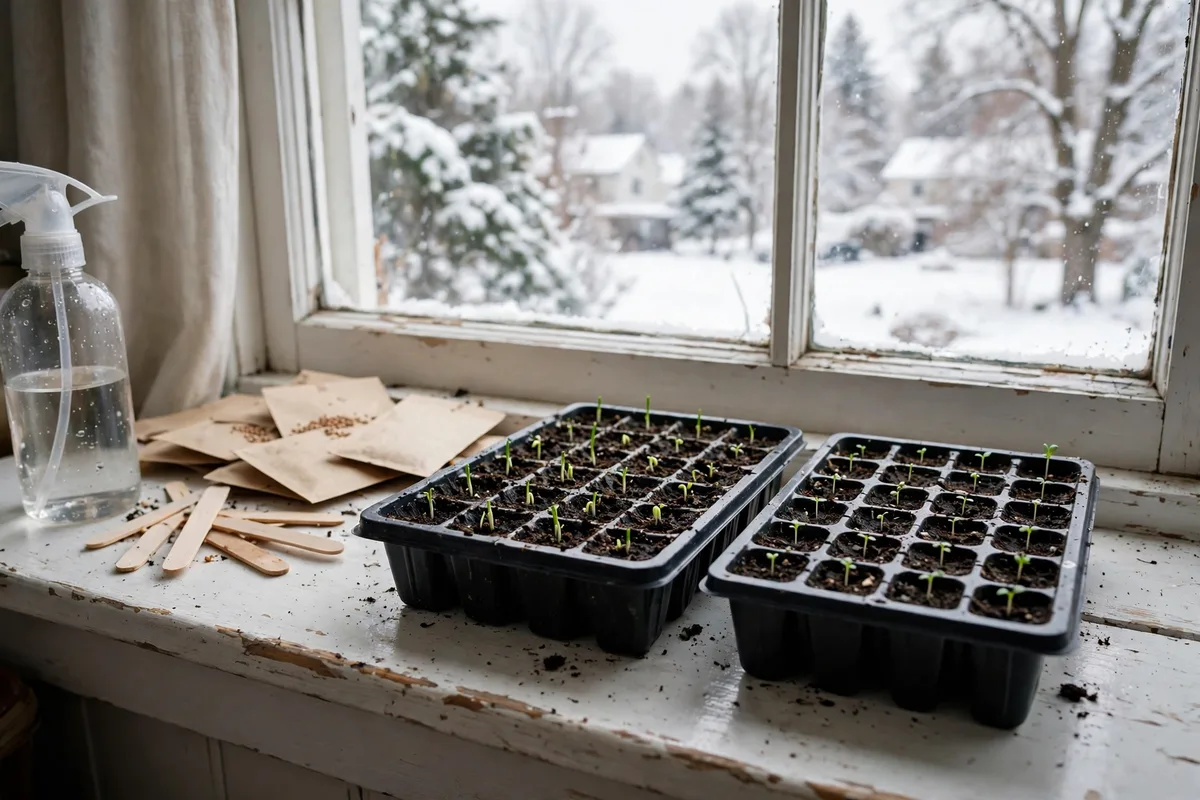
Eight crops cannot wait for February: onions, leeks, celery, celeriac, peppers, eggplant, artichoke and parsley all need 8–14 weeks indoors, so a gardener who wants them ready at last frost starts them in January. Everything else — tomatoes most of all — is started by counting weeks back from your own last frost date, and for most gardens that date says wait. This guide gives you the eight, the weeks each one needs, a zone table that converts weeks into real January dates, and the honest warning list of crops that January ruins. Count back from your frost date, not from the seed packet's optimism.
The short answer, on one card
Start in January: onions and leeks (10–14 weeks before last frost), celery and celeriac (10–12), peppers and eggplant (8–10, late January for most zones), artichoke and parsley (8–12). Do not start: tomatoes, cucumbers, squash, beans or sweet corn — all fast, all ruined by a long indoor wait. Your zone decides whether "January" means the 1st or the 31st: the table below converts.
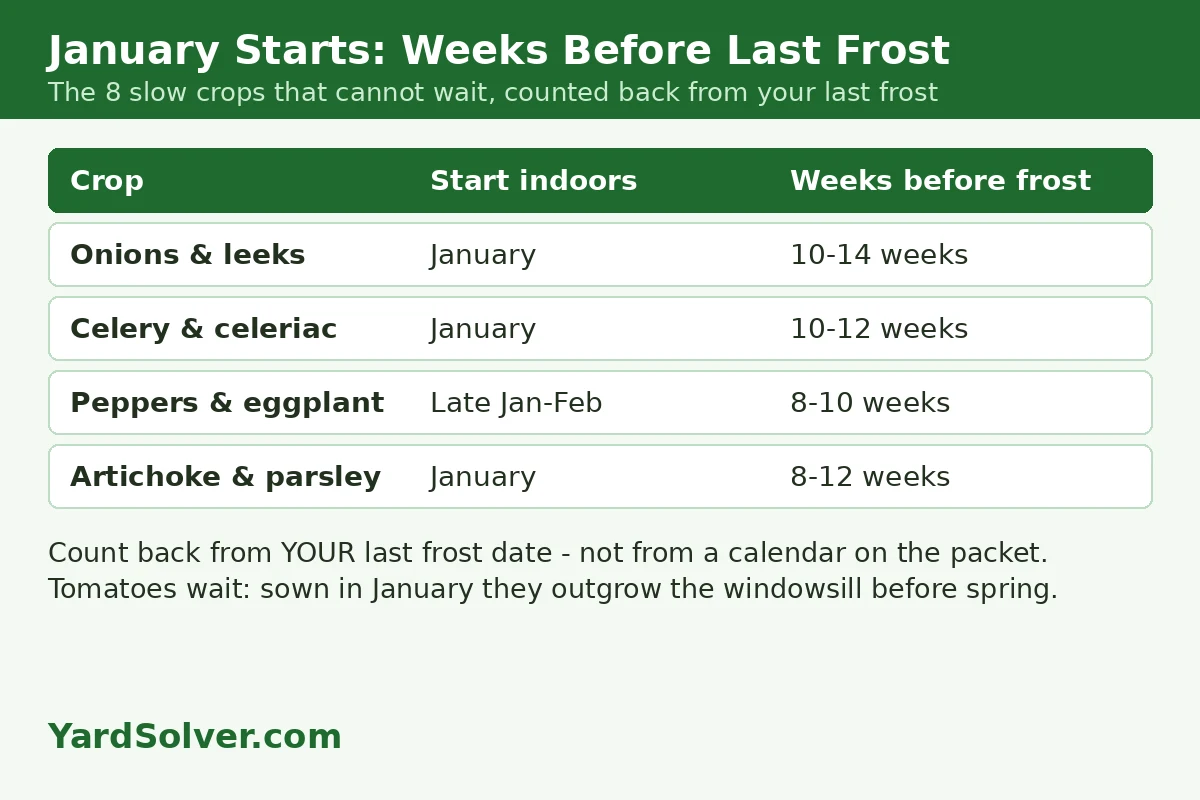
The eight January crops, slowest first
1–2. Onions and leeks (10–14 weeks). The slowest starters in the vegetable garden. Sow thinly in trays, keep the tops trimmed to about 4 inches so energy goes into thickness, and transplant when seedlings are pencil-thick. A January sowing is the difference between onions that bulb and onions that sulk.
3–4. Celery and celeriac (10–12 weeks). Celery seed is tiny, slow and light-hungry: surface-sow, do not bury it, keep it moist and warm, and expect germination to take 2–3 weeks. Our Celery plant page covers the blanching and watering these thirsty plants demand later — the January start is what makes that later care worth giving.
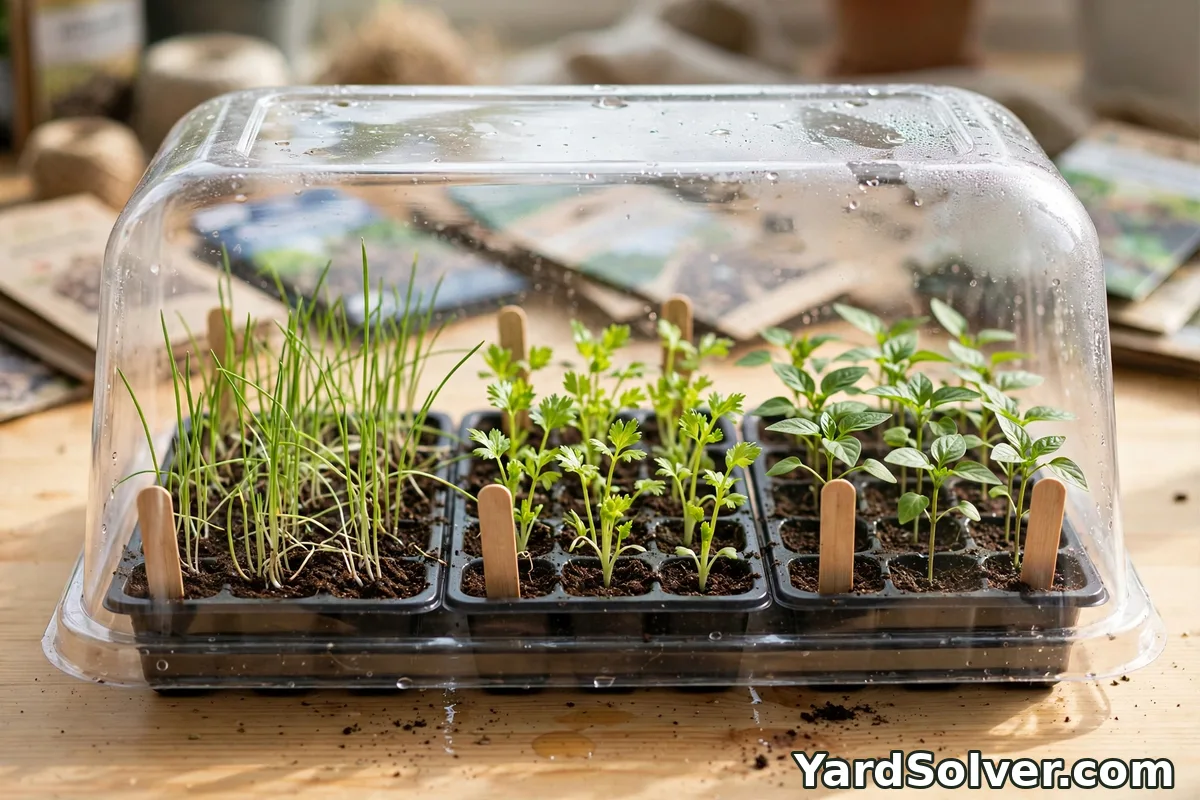
5–6. Peppers and eggplant (8–10 weeks). Warm, slow and unforgiving of a late start: peppers sown in March in a cold zone rarely ripen their full crop. Sow from late January in zones 7–10 and mid-to-late February in zones 3–6, on warmth — peppers germinate best at 80–90°F soil, which is why the next guide in this series covers heat mats in full. The Pepper plant page takes them from transplant to harvest.
7. Artichoke (8–12 weeks). Grown as an annual for buds in northern gardens, artichoke needs both a long indoor start and a cold spell (vernalisation) before transplanting — January sowing plus a few cool weeks in spring is the recipe that produces buds in year one.
8. Parsley (8–12 weeks). Famously slow to germinate — up to 3–4 weeks — and slow after. Soak seed overnight, sow in January, and be patient: the tray that looks empty in week two is usually just parsley being parsley.
By zone: when "January" actually is for you
Weeks-before-frost is the rule; the calendar is just its translation. Find your band, then confirm your exact last frost date in the Planting Calendar before you sow.
| Zone band | Typical last frost | Sow in January | Wait until Feb–Mar |
|---|---|---|---|
| Zones 3–5 | Late April – late May | Onions, leeks (late Jan) | Celery, peppers, eggplant, artichoke |
| Zones 6–7 | Late March – late April | Onions, leeks, celery, celeriac, parsley | Peppers, eggplant (late Feb) |
| Zones 8–10 | February – mid-March | All eight crops | Tomatoes from late Jan (zone 9–10 only) |
The pattern to notice: the colder your zone, the later your January. A zone 4 gardener sowing peppers on January 1st is not ahead — they are growing windowsill problems for ten weeks. Count back, always.
How many seeds? A worked example
Say you want 24 pepper plants in the ground. Germination on fresh seed runs about 85%, and you will discard the weakest seedlings, so sow roughly a third extra: 32 seeds. In a 32-cell tray that is one seed per cell — tidy, and each seedling gets its own root run until potting on. The Seed Calculator does this arithmetic for any crop and spacing — seeds per tray, per row and per bed — so the seed order you place this month is the amount you will actually sow. Sow extras of the cheap, slow crops (onions, parsley) more generously; they forgive thinning and punish gaps.
The January setup: light, warmth, labels
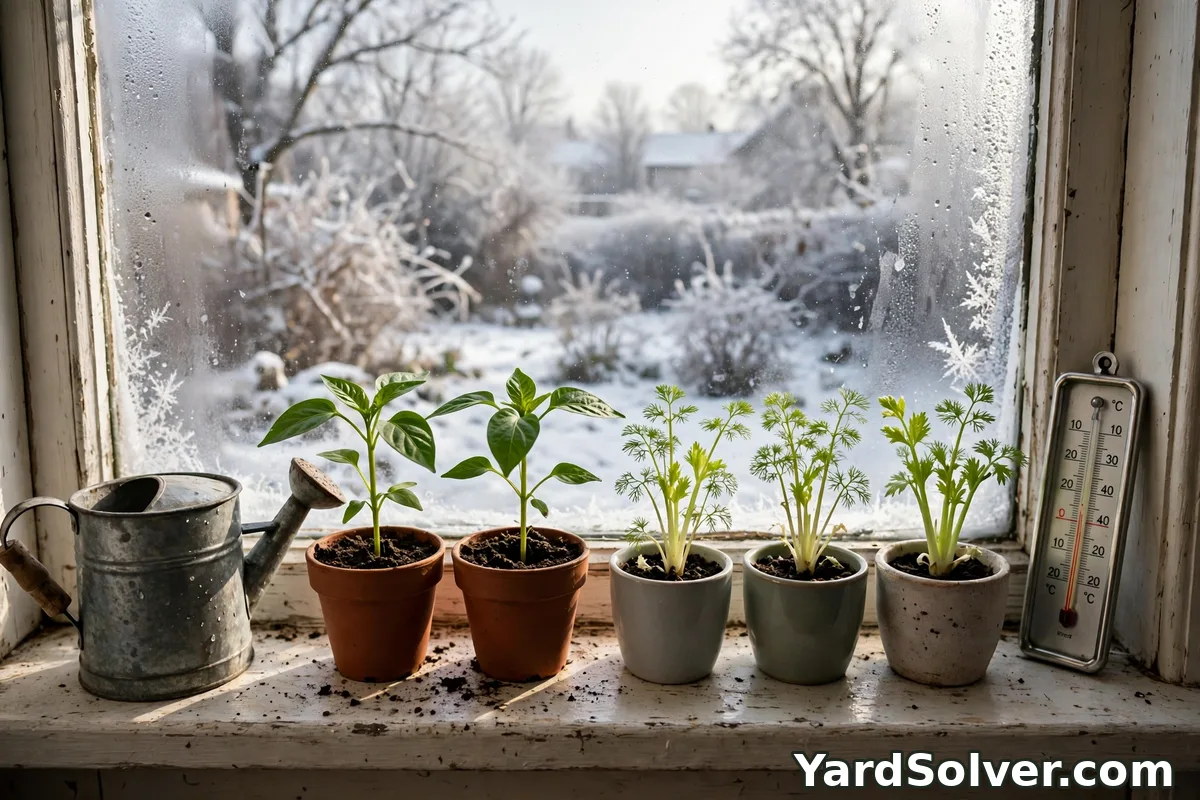
Three things decide whether January seedlings thrive. Light: a simple LED bar 2–4 inches above the leaves, 14–16 hours a day — our grow lights guide covers heights and hours in full. Warmth: most of the eight want 70–85°F soil to germinate; a heat mat is the reliable way to give peppers and eggplant their 80–90°F, and the heat-mat guide linked below separates the crops that need it from the ones it harms. Labels: every tray labelled with crop, variety and sowing date, because in three weeks all seedlings look alike and in six weeks you will not remember. Add a small fan on low once seedlings are up — moving air grows sturdy stems and discourages damping off.
Too early: the wait list (read before you sow)
January's most expensive mistake is enthusiasm. Tomatoes (6–8 weeks) sown now outgrow their pots and their light long before transplant weather. Cucumbers, squash and melons (3–4 weeks) hate root disturbance and a long indoor life; sow them weeks before planting out, not months. Beans and sweet corn are direct-sown crops — indoors gains nothing. Lettuce and brassicas started in January bolt or stall in the cold-warm shuffle; their month is February onward. If a crop is not on the eight, the default answer is: count its weeks back from your frost date and wait for that date.
Sowing the eight, step by step
The routine is the same for all eight; only the depth and the patience change. Fill trays or small pots with fine seed compost, level it and firm it gently — a wobbly surface makes uneven watering for two months. Water first: soak the mix before sowing, so seeds are never washed around by watering after. Sow at the right depth: the working rule is twice the seed's thickness — onion and leek seed about a quarter inch deep, pepper and eggplant the same, celery on the surface under a dusting of vermiculite because it needs light to germinate, parsley a quarter inch and kept dark and damp. Cover and warm: a clear dome or a sheet of glass holds moisture while the tray sits somewhere warm — 70–75°F for most, warmer for peppers (the heat-mat guide in this series covers the warm camp properly). Uncover at emergence and move the tray into your strongest light the same day; a seedling's first 48 hours decide whether it grows stocky or stretched. Pot on promptly: peppers, eggplant and artichoke move to individual pots at the first true leaves; onions, leeks and celery grow on in their trays, tops trimmed, until transplant size. Feed weakly, weekly, once the first true leaves are out — seed compost carries almost no food, and January seedlings live on it for weeks. Follow that rhythm and the eight arrive at last frost as plants, not promises.
Keep going
Put these eight crops' dates straight into your season plan in the Garden Planner, and check every sowing date for your area in the Planting Calendar.
Work out exact seed quantities with the Seed Calculator, then read the two plant pages behind this guide's headline crops: Pepper and Celery. The general method behind this month's list is in When to Start Seeds Indoors.
Sources
Weeks-before-last-frost figures follow the extension consensus published by Cornell, Illinois and Minnesota Extensions for slow crops (onions and leeks 10–14 weeks, celery 10–12, peppers 8–10), cross-checked against current January seed-starting calendars at The Skilled Gardener — What Seeds to Start Indoors in January and Garden Calculator Pro — When to Start Seeds Indoors. Germination temperature ranges are from YardSolver's own germination chart, linked in this series.
Questions people ask
What seeds should I start indoors in January?
The eight slow crops that need a long indoor run: onions (10–14 weeks before last frost), leeks (10–14), celery (10–12), celeriac (10–12), peppers (8–10), eggplant (8–10), artichoke (8–12) and parsley (8–12). Everything faster — tomatoes included — waits until February or March, counted back from your own last frost date.
Is January too early to start tomato seeds?
Yes, for almost everyone. Tomatoes need only 6–8 weeks indoors; sown in January they become tall, weak, root-bound plants weeks before the soil is warm enough for them. Start tomatoes by counting 6–8 weeks back from your last frost date — for most gardeners that lands in March.
How do I know when to start seeds for my zone?
Count back from your average last frost date, not from the calendar. A zone 5 gardener with a mid-May last frost starts peppers in early March; a zone 8 gardener with a mid-March last frost starts them in January. The Planting Calendar gives the dates for your area, and each crop's weeks-before-frost figure in this guide does the rest.
Why do celery and onions take so long to start?
Both are slow at every stage: celery seed can take 2–3 weeks just to germinate and grows slowly for its first month, while onions need to reach pencil thickness before transplanting to bulb up well. Starting them in January is not eagerness — it is the only way they are ready when spring comes.
Do January seedlings need a grow light?
Yes. January daylight is too short and too weak almost everywhere in the northern hemisphere; seedlings on a windowsill stretch thin and pale reaching for it. A simple LED light 2–4 inches above the leaves, on 14–16 hours a day, grows the short, stocky plants that transplant well.
How many seeds should I sow?
Sow more than you need and thin or pot on the strongest: a working rule is 25–50% extra for germination losses and weak seedlings. The Seed Calculator works out seeds per tray, row or bed from your spacing, so the January order list is exact instead of hopeful.
Comments & ratings
No comments yet.
Be the first to share your experience.