
Guides · Plant problems · Published November 1, 2026 · By Faizan Ahmad
Why Is My Lettuce Bolting (and Turning Bitter)?
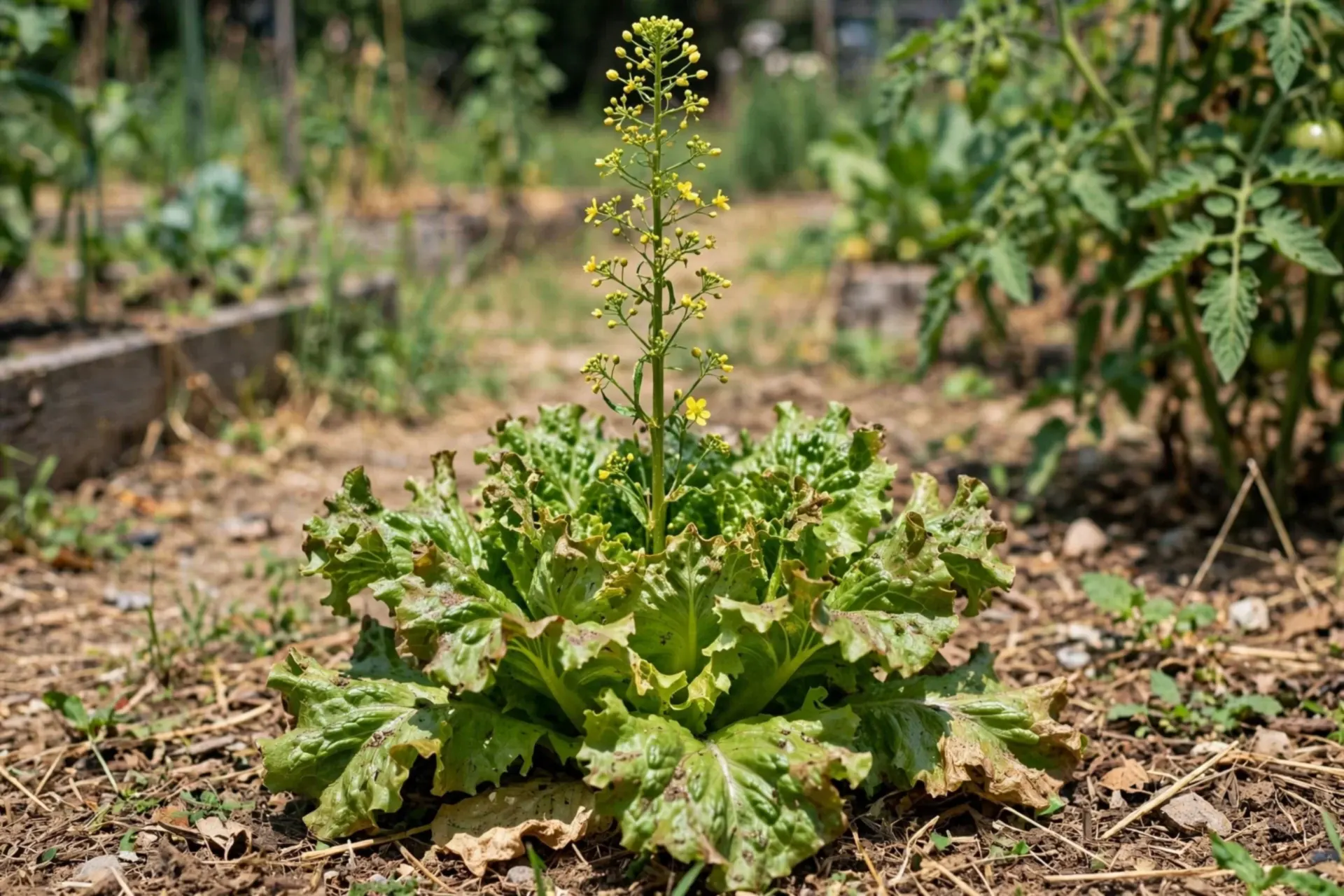
One week the lettuce is a perfect rosette; the next it has shot up a tall central stalk, the leaves turning narrow, tough and bitter. That is bolting — the plant switching from making leaves to making seed — and heat is usually the trigger finger. The hard truth first: a bolted lettuce cannot be switched back. The useful news: everything about the next sowings is in your control, and even the bolted plant has two jobs left in it.
What flips the switch (and what does not)
- Heat is the main trigger — sustained warm weather, roughly above 24 °C (75 °F), tells lettuce its season is ending
- Long days add pressure — lettuce is bred from a long-day plant, and midsummer day length pushes the same switch
- Stress speeds it up — drought checks, root disturbance at transplanting, and crowded, hungry plants all bolt earlier
- Age alone will do it — a spring lettuce left standing into July bolts simply because its time came
- It is not a disease and not your fertilizer — nothing is wrong with the plant; it is doing exactly what lettuce evolved to do
Step 1 — Deal with the bolted plant honestly
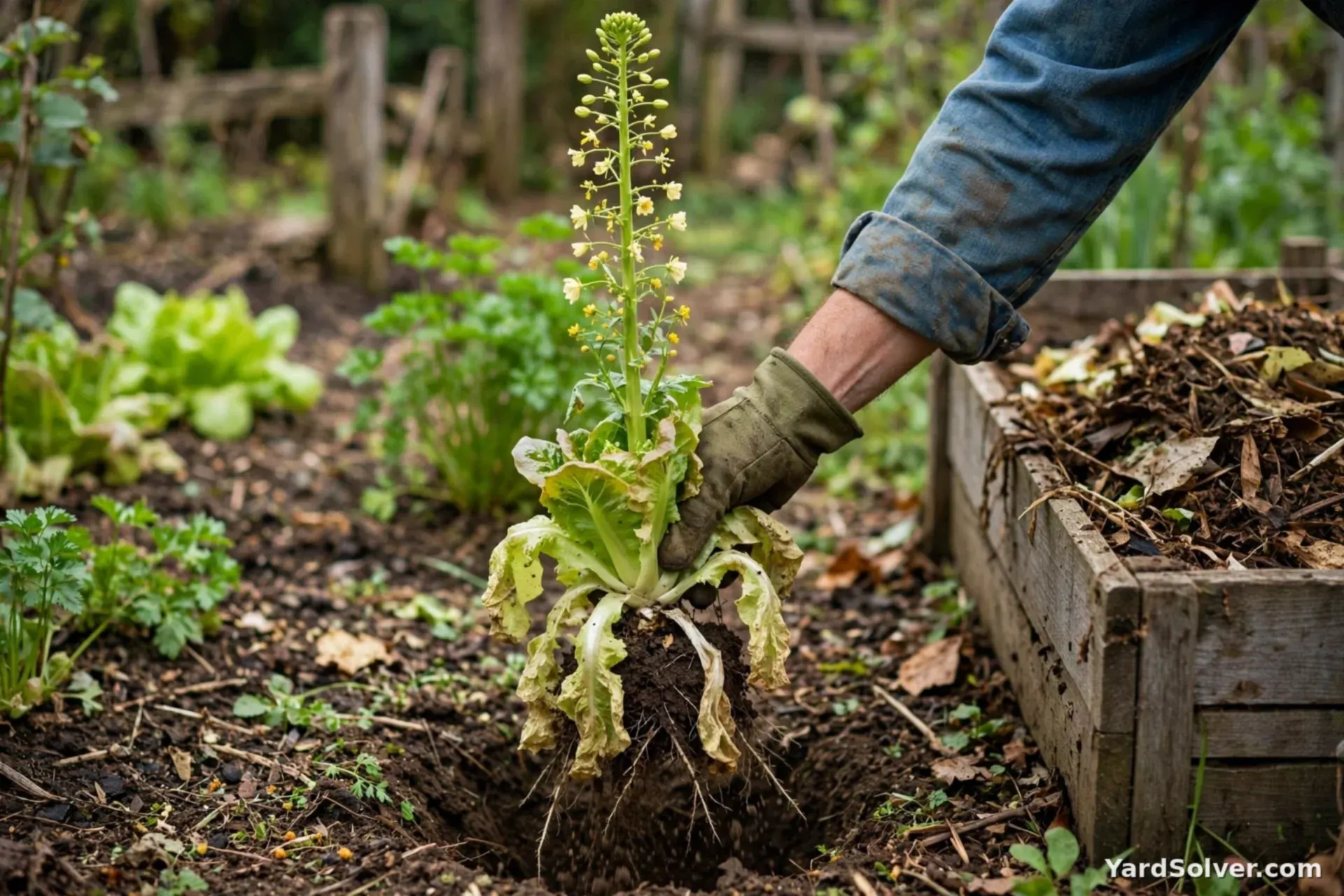
Once the stalk is rising, the leaves' fate is set: the plant pumps its sugars upward and loads the leaves with bitter milky sap. Pick whatever young outer leaves are still palatable today (a slight bitterness disappears in cooked dishes and strong dressings), then pull the plant for the compost — or, smarter, leave one plant standing: a bolted lettuce that flowers and sets seed gives you free seed genuinely adapted to your garden, and self-sows surprises next spring if you let it drop.
Step 2 — Succession sowing: never let one batch be the whole story
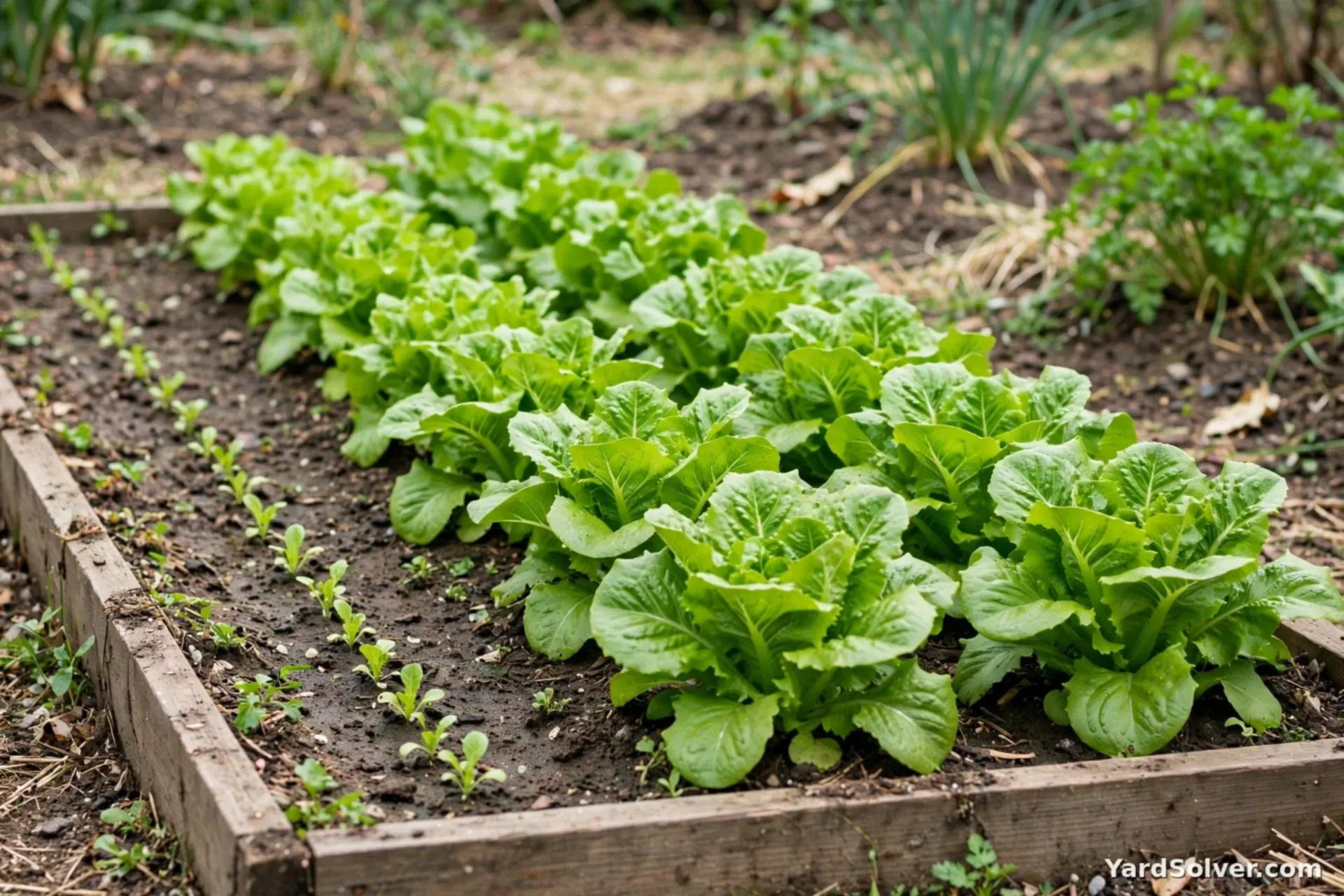
The professional answer to bolting is rhythm: sow a short row or a few cells every two weeks from spring onward, so when one batch bolts, the next is two weeks from picking and the one behind it is germinating. Small, frequent sowings beat one big heroic row every time — the Seed Calculator keeps quantities sane, and the Planting Calendar anchors the first and last sowings to your frost dates.
Step 3 — Choose varieties that resist the switch
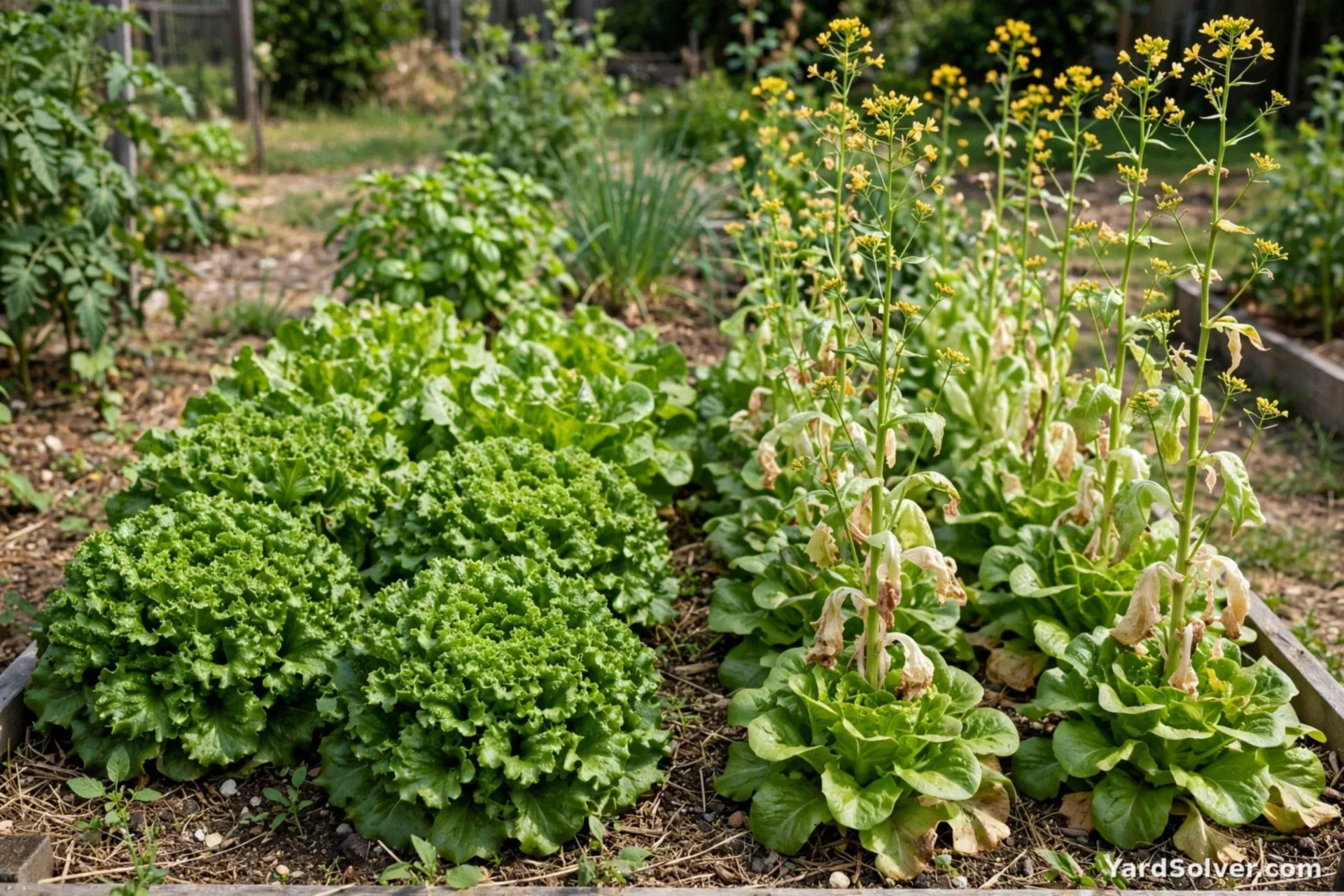
Varieties are honestly different here: those labelled slow-bolting or heat-tolerant hold their rosettes weeks longer, and loose-leaf and oakleaf types, picked by the outer leaf (cut-and-come-again), out-produce a heading lettuce in a hot garden because you harvest them continuously before the switch matters. Save heading lettuces for the cool shoulders of the season, where they are happiest anyway.
Step 4 — Shade and water through heat waves
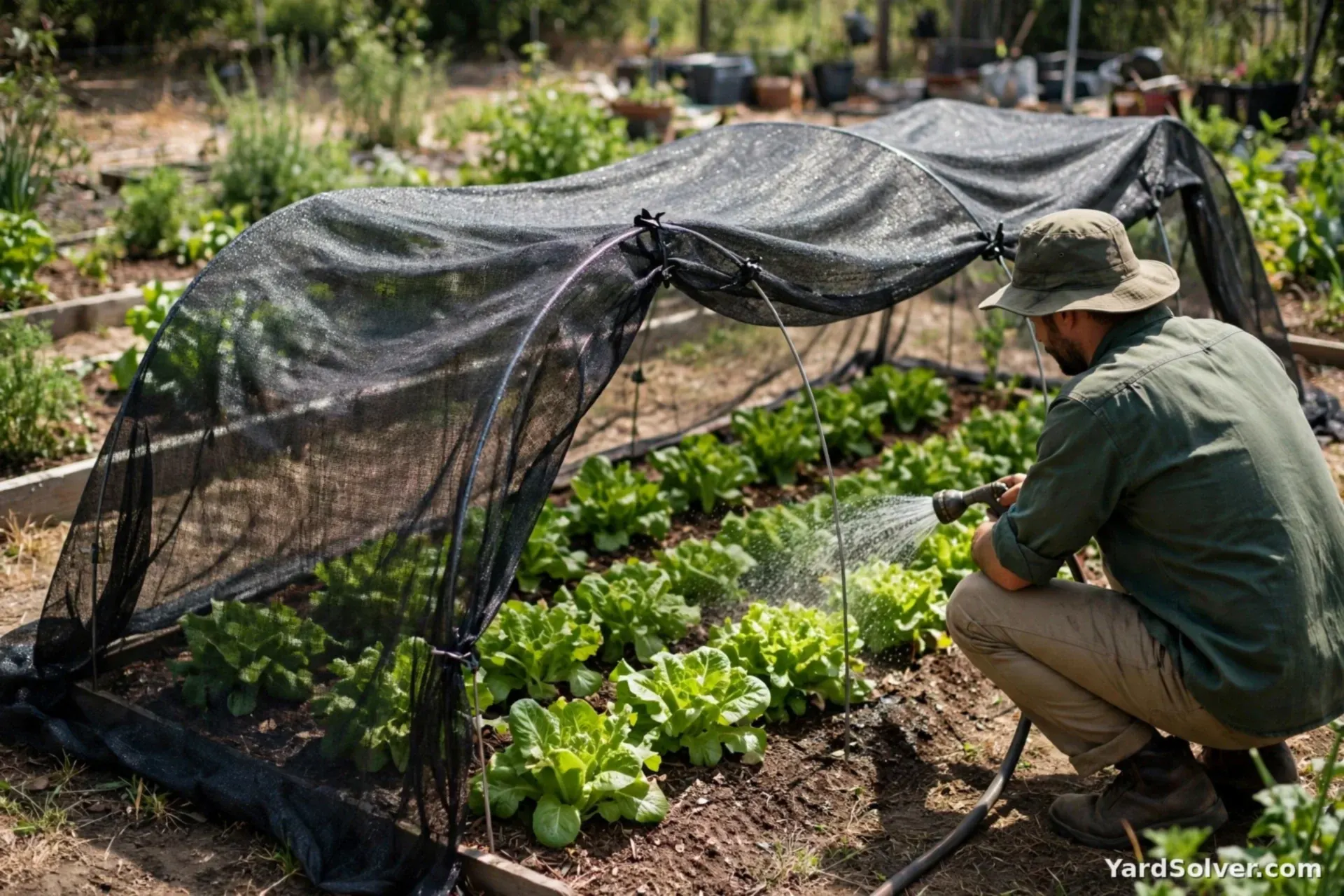
A piece of shade cloth (or a taller crop's shadow) over the lettuce bed during a heat wave lowers leaf temperature enough to delay bolting by precious days, and even moisture matters just as much — a drought check in hot weather is practically a bolting appointment. Mulch the bed to hold moisture steady; in truly hot climates, lettuce is frankly a spring-and-autumn crop, and planning it that way is wisdom, not defeat.
Step 5 — Learn your garden's lettuce seasons

After one full year you will know your local pattern: the week spring sowings bolt, the earliest autumn sowing that escapes the heat. Write it on the calendar. Lettuce success is mostly this local timing — right variety, little and often, cool shoulders — rather than any product, and gardeners in hot regions who accept a summer lettuce holiday often grow the finest spring and autumn salads of all. Lettuce's full preferences are in the Plant Library.
Keep going
Keep the salads coming: How to Grow Microgreens Indoors for the winter gap · How to Stop Slugs Eating Your Plants for lettuce's other enemy. Succession dates live in the Planting Calendar.
Questions people ask
Can I stop lettuce bolting once it has started?
No — bolting is a one-way hormonal switch, and no watering, shading or trimming reverses it. What you can do is harvest the remaining usable leaves immediately, and leave one plant to flower if you want free, locally adapted seed for next year.
Is bolted lettuce safe to eat?
Yes, it is safe — just bitter, from the milky sap the plant produces as it switches to seed-making. Young leaves picked promptly are fine in cooked dishes or under strong dressings; thoroughly stalky, very bitter leaves are better composted.
Which lettuce bolts the slowest?
Varieties bred and labelled slow-bolting or heat-tolerant genuinely hold longest, and loose-leaf types beat heading types in summer because you pick them leaf by leaf before the switch matters. In very hot climates the honest answer is seasonal: lettuce is a spring and autumn crop there.
Bolting is the plant reading the season, not failing you — heat and long days pull the trigger
Lettuce bolts because it is a cool-season annual programmed to flower and set seed as days lengthen and temperatures climb: the stem elongates, the leaves turn bitter as latex compounds build, and no amount of watering reverses it once the flower stalk rises. The honest fix is timing, not rescue. Sow little and often from early spring, choose bolt-resistant varieties for the late-spring and summer slots, and give summer sowings afternoon shade — even the shadow of taller crops on the sunny side buys weeks of sweet leaves.
Heat at the root zone matters as much as heat in the air: mulch the bed, keep the soil evenly moist, and harvest whole heads a touch early rather than waiting for size that the weather will not allow. A bolted plant is not wasted — left to flower it feeds pollinators and, if you let it finish, gives you free seed that is already adapted to your garden's timing, which is why saved seed from your own earliest-bolting plants should be avoided and seed from the last to bolt is gold.
Sources
Key facts on this page cross-checked against Bolting (horticulture) — Wikipedia — background on bolting and what triggers it and Lettuce — Wikipedia — background on lettuce types and growing habit.
Related page
Read next: How to Grow Lettuce: Sowing, Care & Harvest.
Comments & ratings
No comments yet.
Be the first to share your experience.