
Plant Library · Herbs · By Faizan Ahmad
🌿 How to Grow Bay Laurel
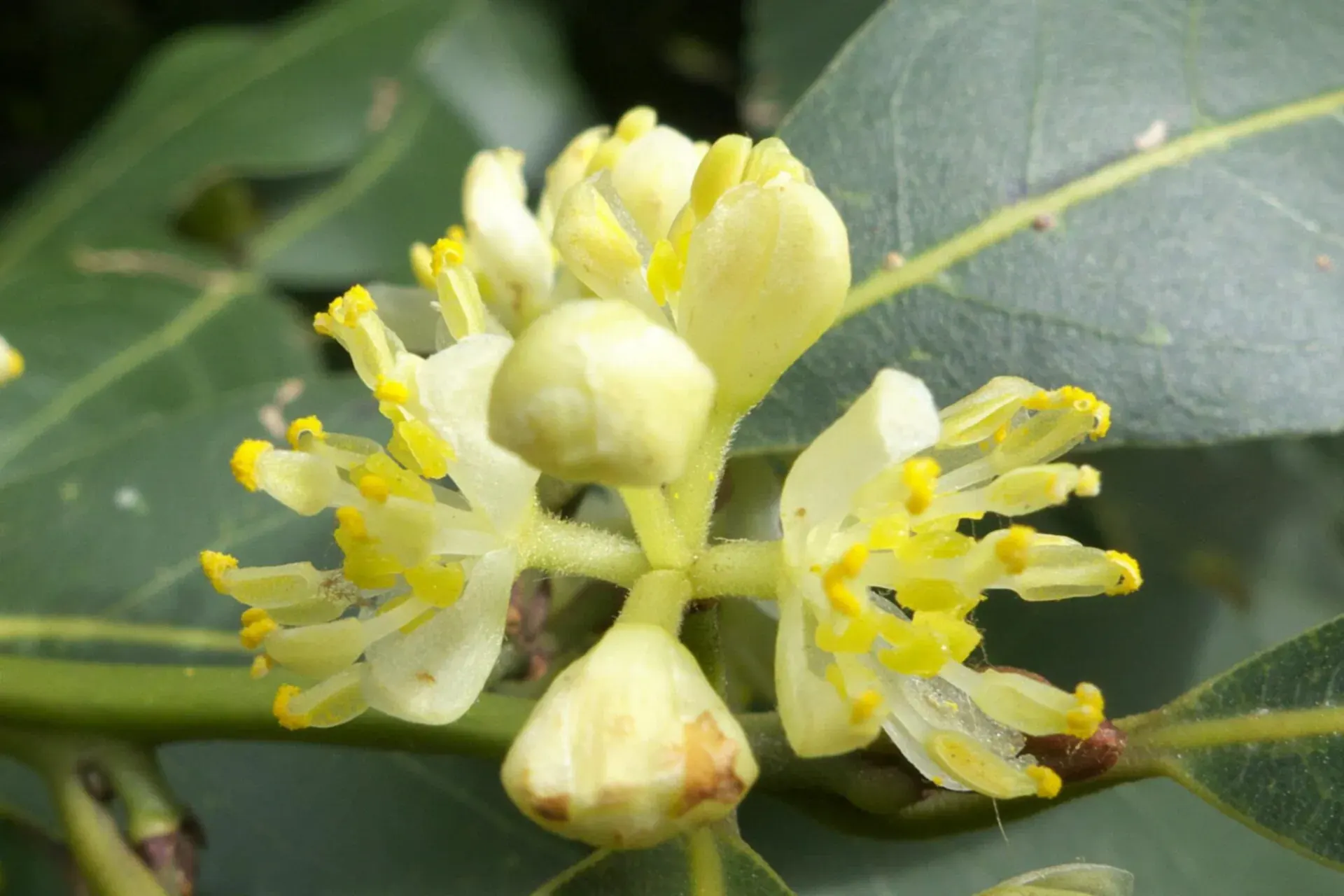
The original bay leaf — buy a young plant, grow it in a pot, and pick fresh leaves that beat the dried packet all year round. Bay laurel (Laurus nobilis) is a slow, handsome evergreen from the Mediterranean. Seed takes months and often fails, so almost everyone starts with a young plant. In warm climates it becomes a tree; everywhere else it lives happily in a big pot that summers outside and winters by a bright window.
Grow Bay Laurel with us — step by step
Everything for this plant is written step by step below — what to do, and exactly when. Read it through first if you like: you can grow it entirely on your own with that guide. Or start with us here — tell us your planting day and we lay out your personal schedule on this page, every next step on its own day, counted from your planting date. No guessing, no forgetting.
Step 1 — today: Buy a healthy young bay plant in spring — the route every sensible gardener takes — and pot it up into a container one size larger.
Bay Laurel at a glance
Plant out: Spring, after last frost — from a bought young plant
Move indoors: Before first frost, if you garden below zone 8
Sow outdoors: Not practical — seed takes 6+ months and germinates poorly
Spacing: One plant per large pot (14 in+), or 36 in in frost-free ground
Sun: Full sun to part shade
Water: Moderate — let the top of the soil dry between waterings
Harvest: Pick mature leaves any time, from year 2
Timing counts from your average last spring frost — get your own dates in the Planting Calendar. Guidance follows standard extension-service practice for Canada and the US.
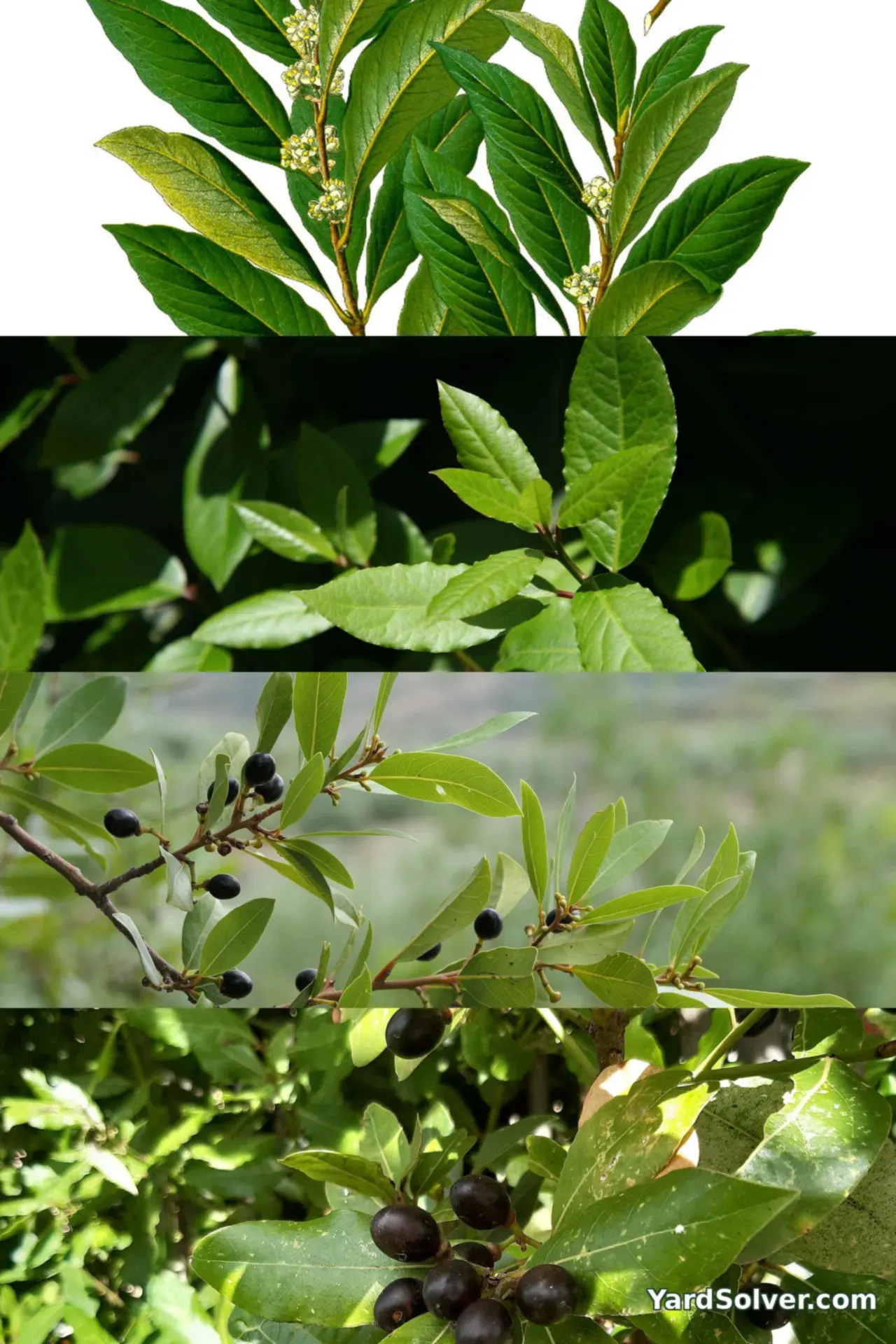
How to plant and grow bay laurel, step by step
Step 1 — Time it right
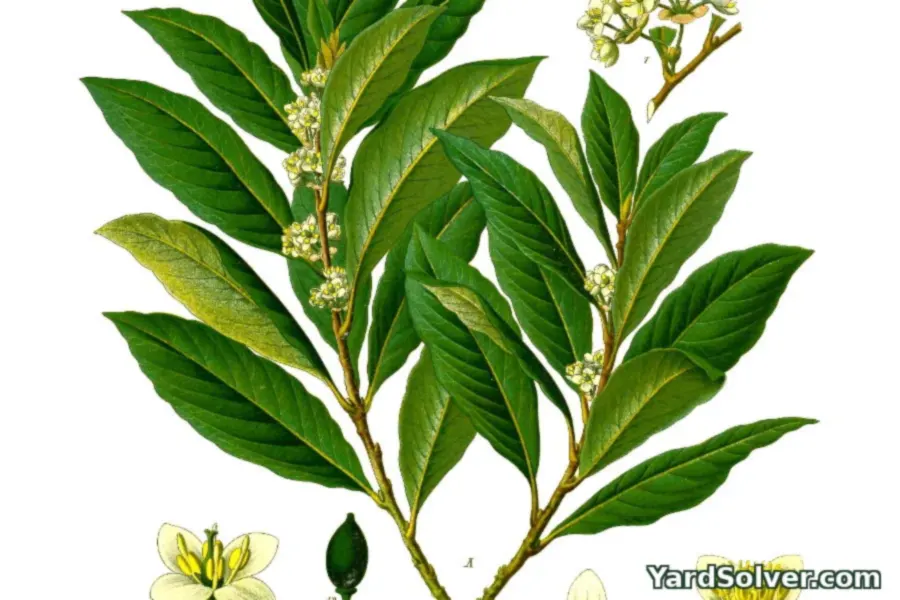
Plant out: in spring after last frost, from a bought young plant; Sow: not recommended — seed is slow and unreliable. All dates count from your average last spring frost — the Planting Calendar turns them into real dates for your garden. Be honest about bay: from seed it is one of the slowest herbs in the book, with germination taking up to 6 months and often failing entirely. Buy a named young plant in spring instead and you are picking leaves within the year. Bay is hardy outdoors only in zones 8–11; in colder zones it is a pot plant for life — which suits it well, because it grows slowly and shapes beautifully.
Step 2 — Prepare the spot
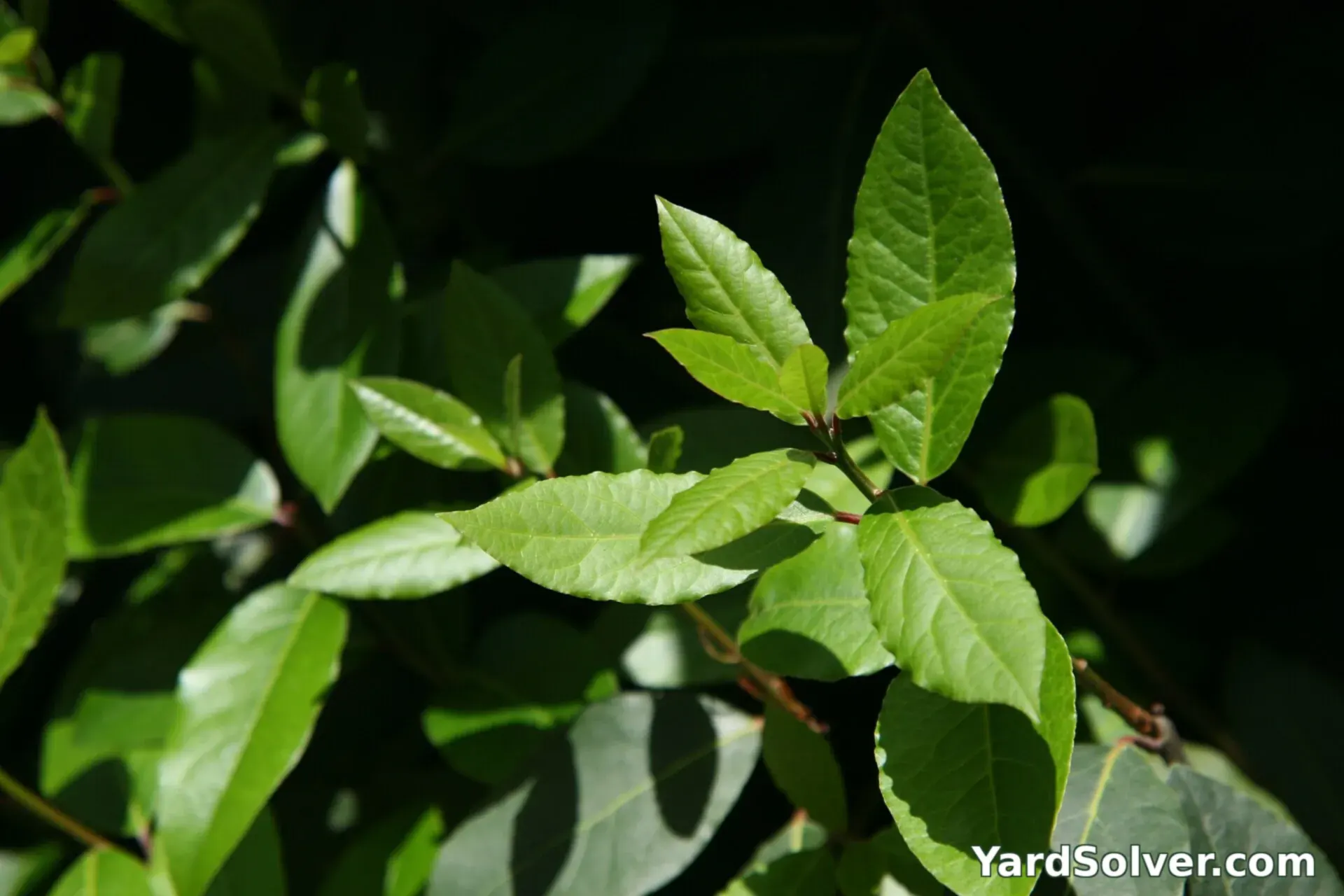
Choose a pot at least 12–14 in across with real drainage holes; bay hates sitting in water. Fill it with a loam-based mix lightened with grit or perlite. In frost-free ground, give it a sheltered, sunny wall and soil that drains freely, spacing it 36 in from neighbours — a happy bay becomes a small tree. For a raised bed, the Raised Bed Soil Calculator counts the bags for you; mixing your own? The Garden Soil Calculator gives the compost-rich split to aim for.
Step 3 — Sow and plant out
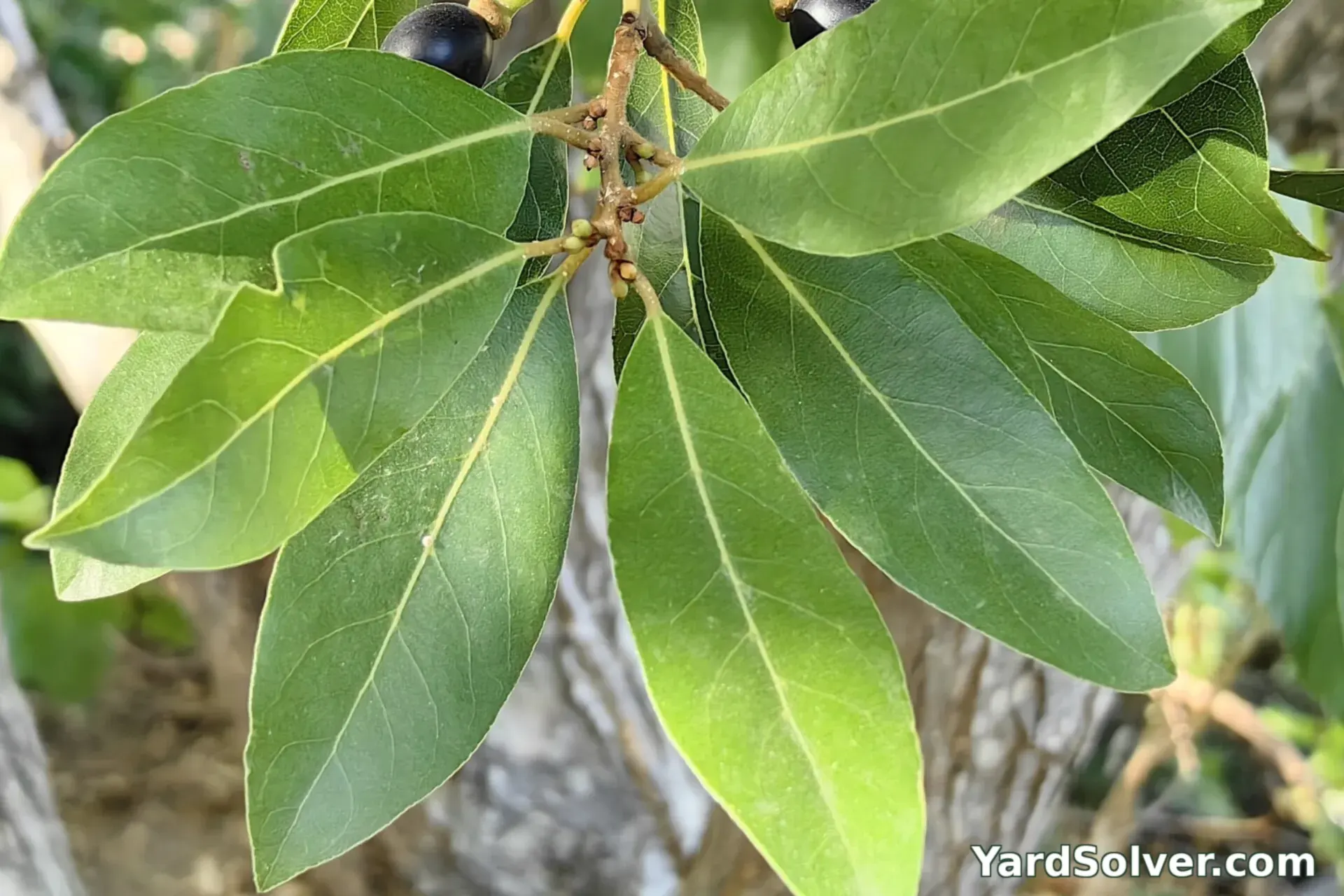
Set the plant at exactly the depth it grew in its nursery pot, backfill, firm with your fingers and water thoroughly once. The Plant Spacing Calculator turns your bed size into an exact plant count. Keep the pot in light shade for a week while roots settle, then move it into full sun. Good neighbours: a potted bay flanking a door or the herb garden is a classic pairing with rosemary and thyme — the whole Mediterranean guild shares its watering rhythm.
Step 4 — Water and feed
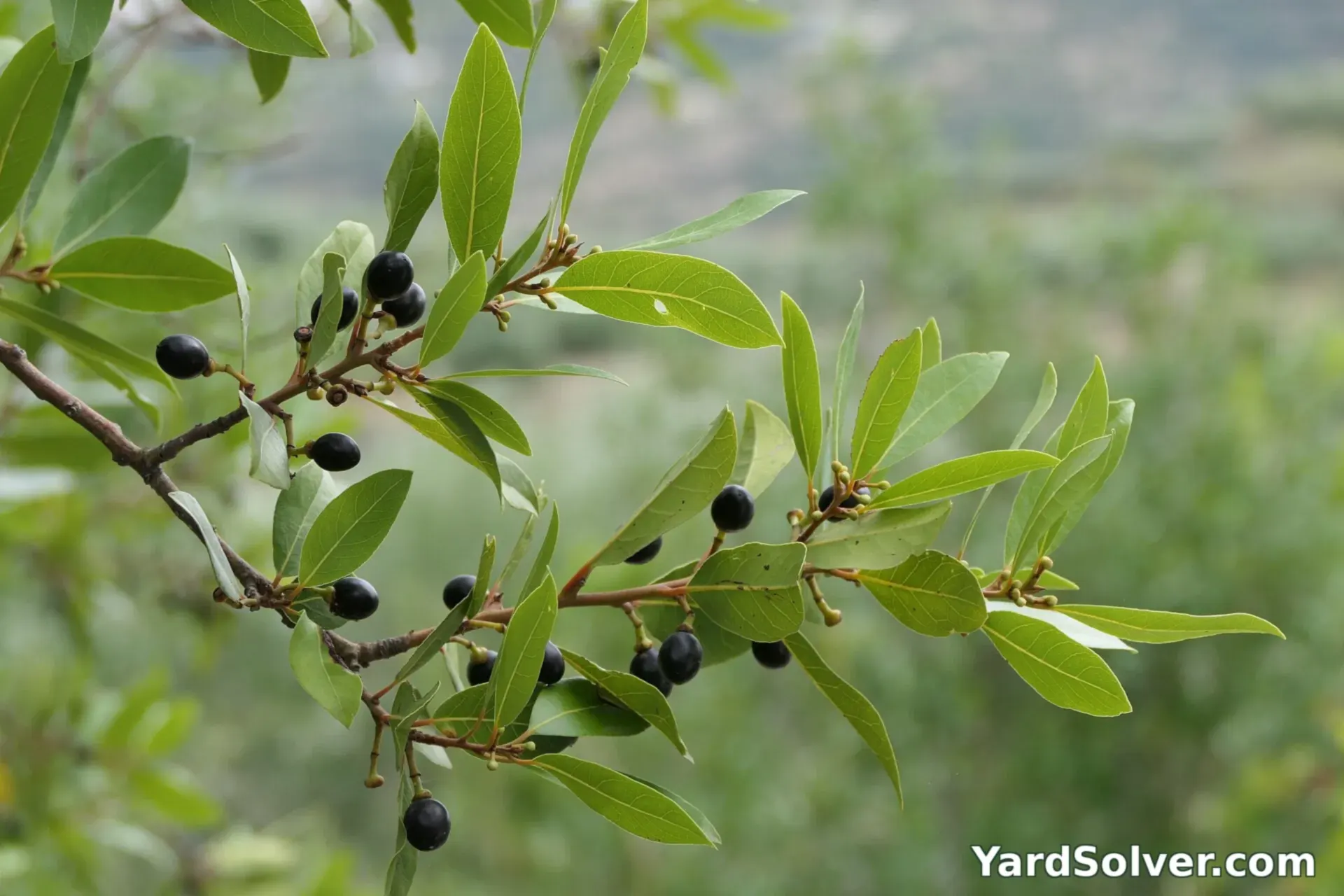
Water deeply when the top inch of compost is dry, then leave it until it dries again; winter watering indoors is a fraction of summer's. Feed monthly in spring and summer with a half-strength balanced feed, or top-dress with compost each spring — the Fertilizer Calculator turns your bed size into exact amounts. Yellow leaves on an indoor bay usually mean too much water and too little light, not hunger.
Step 5 — Care and the problems to watch for
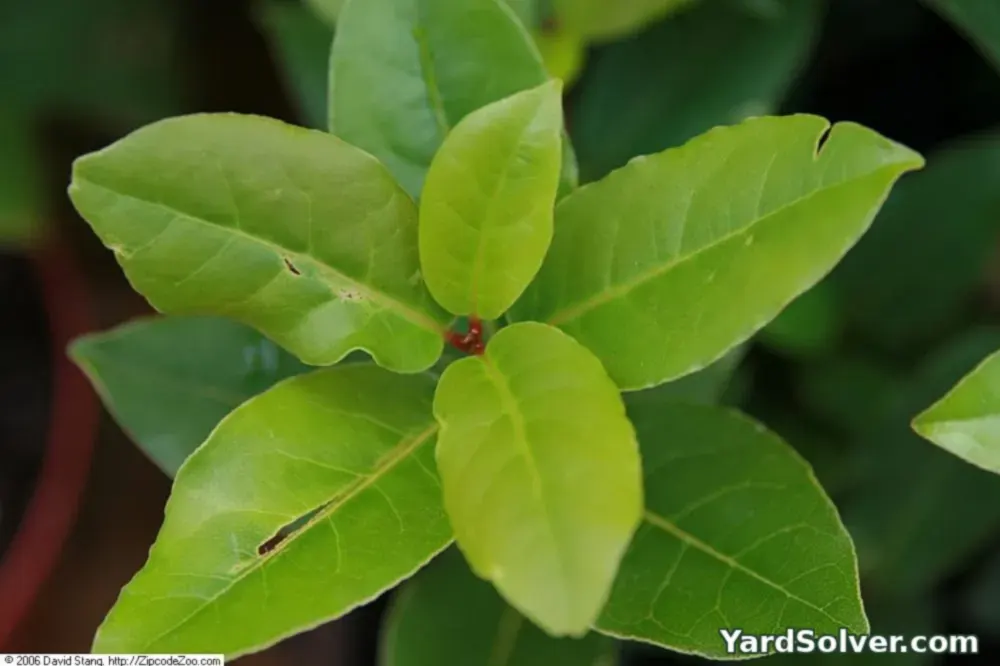
Clip lightly twice a year — late spring and mid-summer — to keep the plant dense; use the clippings in the kitchen. Repot every 2 years into a slightly bigger pot, or root-prune and refresh the compost.
- Scale insects on stems — the classic bay pest; wipe them off with a cloth dipped in soapy water, and check leaf undersides.
- Sooty black coating on leaves — mould growing on scale-insect honeydew; clear the scale and the mould weathers away.
- Brown leaf edges in winter — cold draughts or a radiator-dry room indoors; move it somewhere bright, cool and still.
Step 6 — Harvest
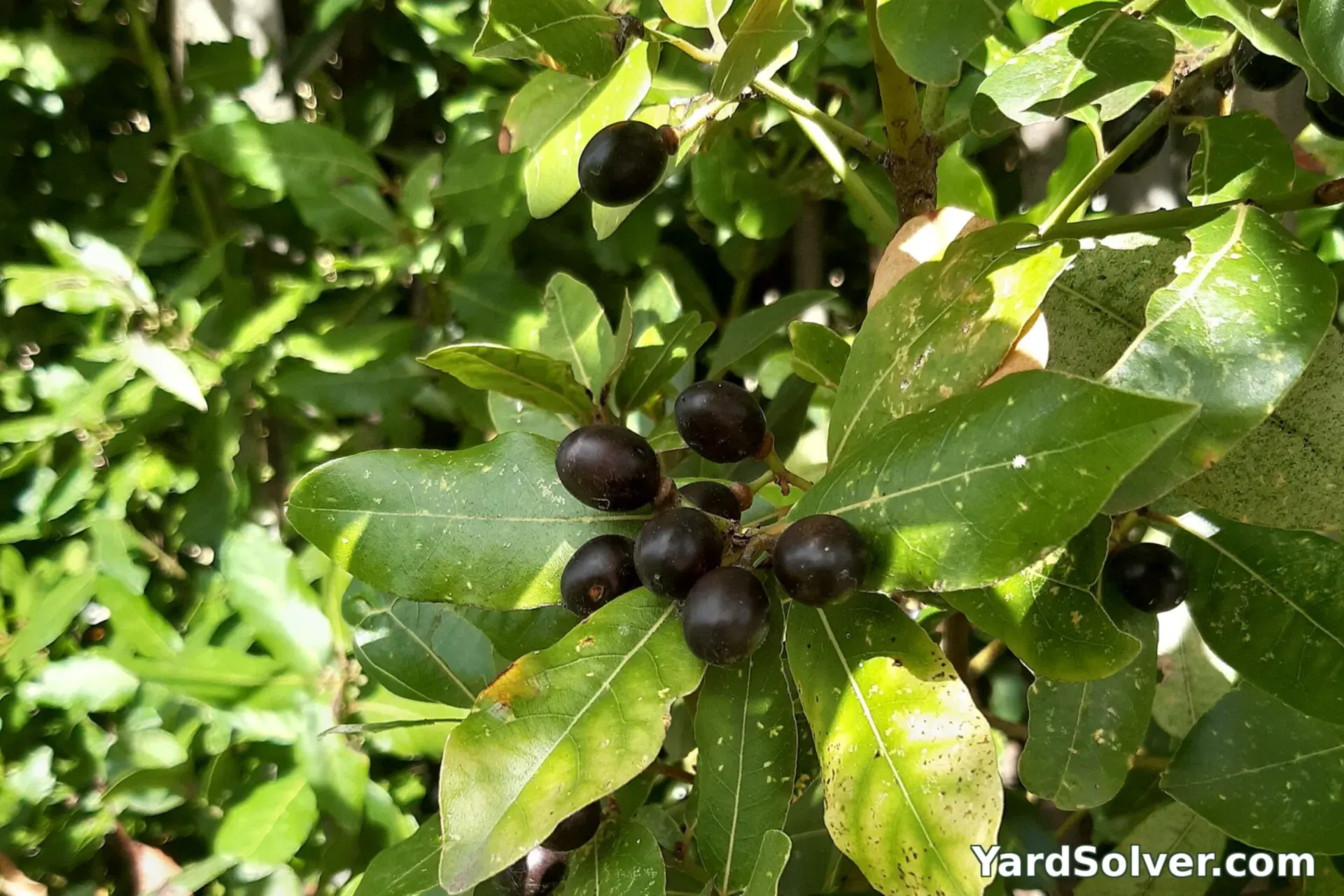
Pick individual mature leaves whenever a recipe calls — fresh bay is more fragrant and complex than the dried packet version, so use one leaf where you'd use two dried, and add it early so its flavour has time to unfold. Leaves dry beautifully too: lay them flat, press them, and store airtight. Never strip more than a third of the plant at once, and remember the chef's rule — the leaf flavours the dish but is fished out before serving.
📅 Your personal Bay Laurel schedule
Counted from your planting day — not a generic calendar. Day 0 is the day the seed went in the ground or the young plant went out.
Varieties worth growing
| Variety | Colour | Why gardeners like it |
|---|---|---|
| Sweet bay | Classic glossy green | Laurus nobilis, the true culinary bay — the one to grow for the kitchen. |
| Aurea | Golden-yellow new leaves | A golden form that lights up a pot; flavour is the same, looks are the point. |
| Angustifolia | Narrow willow-like leaves | Willow-leaf bay — elegant, slightly hardier, and a little milder in the pot. |
Good for you — and take care
Benefits
- Fresh bay leaves out-flavour dried ones in soups, stews, rice and poaching liquids.
- A handsome, slow evergreen that clips into cones, balls and standards for pots.
- One plant supplies a household for years — no more packets of stale leaves.
Take care
- Never confuse it with cherry laurel or other ornamental 'laurels' — those are poisonous.
- Frost-tender below zone 8 — bring pots indoors before frost.
- Remove bay leaves from dishes before serving; they stay stiff and sharp.
A little history — and one good fact
Bay was sacred to Apollo, and victors in ancient Greece and Rome were crowned with its leaves — the origin of 'laureate'. Roman cooks and medieval stewpots spread it across Europe, and it has seasoned slow cooking ever since.
Fun fact: The phrase 'resting on your laurels' comes straight from this plant — the laurel crowns of Greek victors were made of bay, so resting on them meant living off old glory.
Keep going
Guides: How to dry herbs · Companion planting basics · Crop rotation basics
Calculators: Plant Spacing Calculator · Garden Mix Calculator · Fertilizer Calculator
More herbs: Rosemary · Thyme · Sage · Marjoram
← Back to the Plant Library · Get your personal planting dates
Questions people ask
Can I grow bay laurel from seed?
Technically yes, practically no — the seed needs the papery coat removed, takes up to six months to germinate, and often fails. Every nursery and most gardeners start with a young plant, and so should you.
Will bay survive winter in a pot outside?
Only in zones 8 and warmer. Below that, bring the pot into a bright, cool room before the first frost, water sparingly through winter, and put it back out after the last frost.
Are all laurel leaves safe to cook with?
No — only true bay, Laurus nobilis, is the culinary leaf. Cherry laurel and other shrubs sold as 'laurel' are poisonous and must never be used as a substitute.
One tree, a decade of leaves: growing bay laurel where winters bite
Bay laurel is two plants in one: a Mediterranean evergreen that shrugs off summer drought, and a surprisingly tender shrub that hard frosts can cut to the ground. In mild districts it becomes a small tree in open ground; where winters are properly cold, the reliable way to grow it is in a large pot that spends summer on the sunniest step you have and winter in a frost-free porch, garage or cold greenhouse. That single decision — ground or pot — should be made from your coldest winter night, not your average one, because one exceptional freeze is all it takes.
Pruning is the second skill, and it is gentle: bay responds well to clipping into cones, balls and standards, best done in late spring and again lightly in late summer, always with secateurs on larger stems rather than shears, which shred the big leathery leaves and leave brown-edged wounds. Pick leaves for the kitchen from the prunings — a leaf picked fresh and used the same day is noticeably sweeter than the dried packet, and a mature plant produces far more than one kitchen can use, which is why bay is the herb neighbours ask for.
The worked example: a potted bay brought under cover for its first three winters commonly establishes into a sturdy, metre-plus shrub that yields handfuls of leaves at every trim and shrugs off later winters in a sheltered spot. The same plant left out unprotected through one hard freeze in its first year is usually cut to the base and spends two seasons regrowing what it already had. Three winters of carrying a pot is the whole price of the difference.
Sources
Key facts on this page — timing, spacing and care — cross-checked against NC State Extension Plant Toolbox — Laurus nobilis (bay laurel) — culture, hardiness and care requirements.
Related page
Read next: Grow Herbs Indoors in Winter (Light, Water, Best Herbs).
Comments & ratings
No comments yet.
Be the first to share your experience.