
Plant Library · Herbs · By Faizan Ahmad
🌿 How to Grow Marjoram
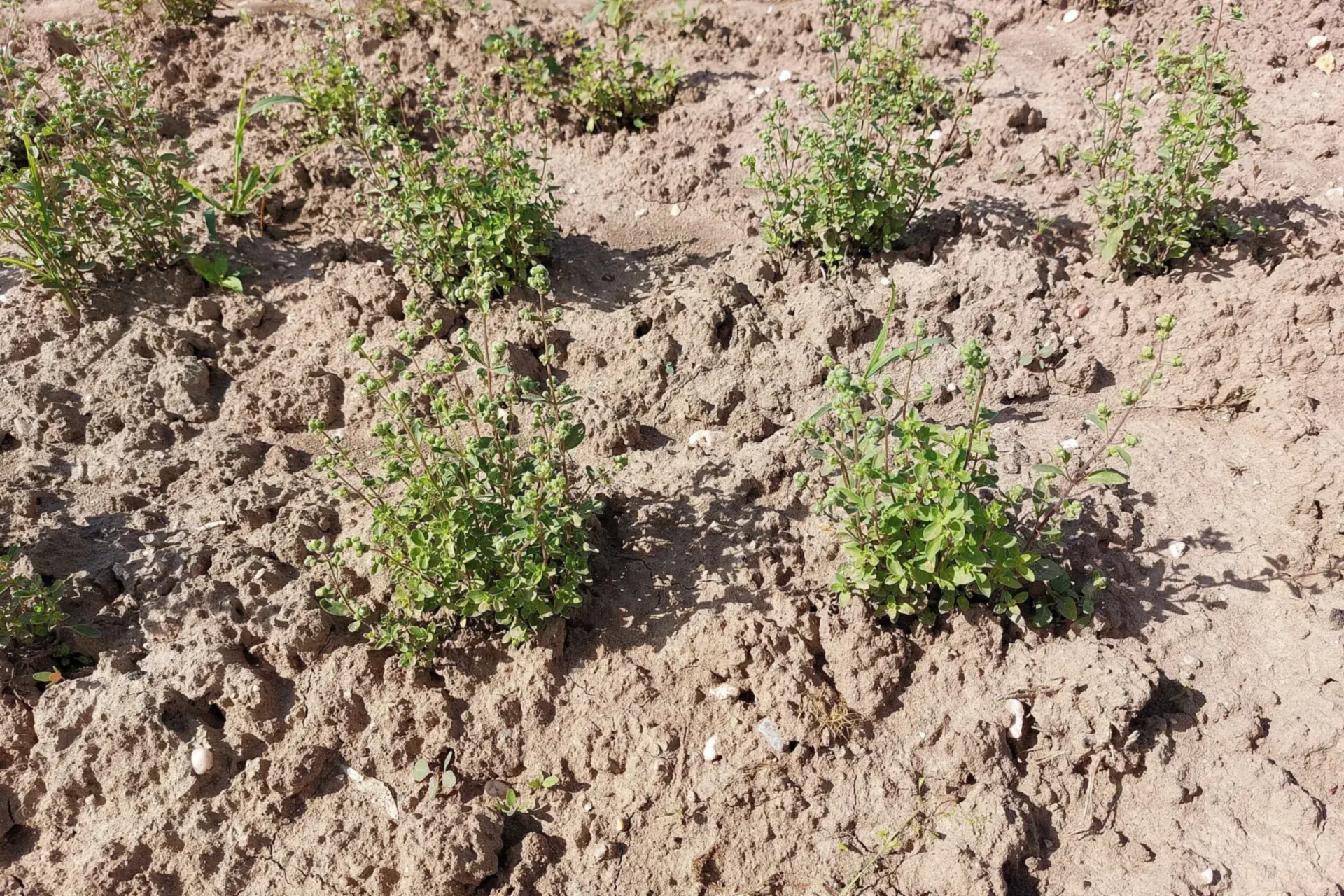
Oregano's sweeter, gentler cousin — a tender perennial best grown as an annual, or potted up and brought indoors for winter. Sweet marjoram (Origanum majorana) has softer leaves and a warmer, more delicate flavour than oregano, and Greek and Middle Eastern kitchens treat it as the finer herb. It is a heat-lover: wait for properly warm soil before it goes outside, and it will reward you with armfuls of fragrant sprigs.
Grow Marjoram with us — step by step
Everything for this plant is written step by step below — what to do, and exactly when. Read it through first if you like: you can grow it entirely on your own with that guide. Or start with us here — tell us your planting day and we lay out your personal schedule on this page, every next step on its own day, counted from your planting date. No guessing, no forgetting.
Step 1 — today: Sow marjoram seed on the surface of seed mix under light — it is tiny and slow, so an early indoor start is the whole secret.
Marjoram at a glance
Sow indoors: 8 weeks before last frost
Move outside: 2 weeks after last frost, into warm soil
Sow outdoors: Not recommended — start indoors
Spacing · Seed depth: 9 in apart · surface — seed needs light
Sun: Full sun
Water: Moderate — let the soil dry slightly between waterings
Harvest: Snip sprigs from about 70 days; best just before flowering
Timing counts from your average last spring frost — get your own dates in the Planting Calendar. Guidance follows standard extension-service practice for Canada and the US.
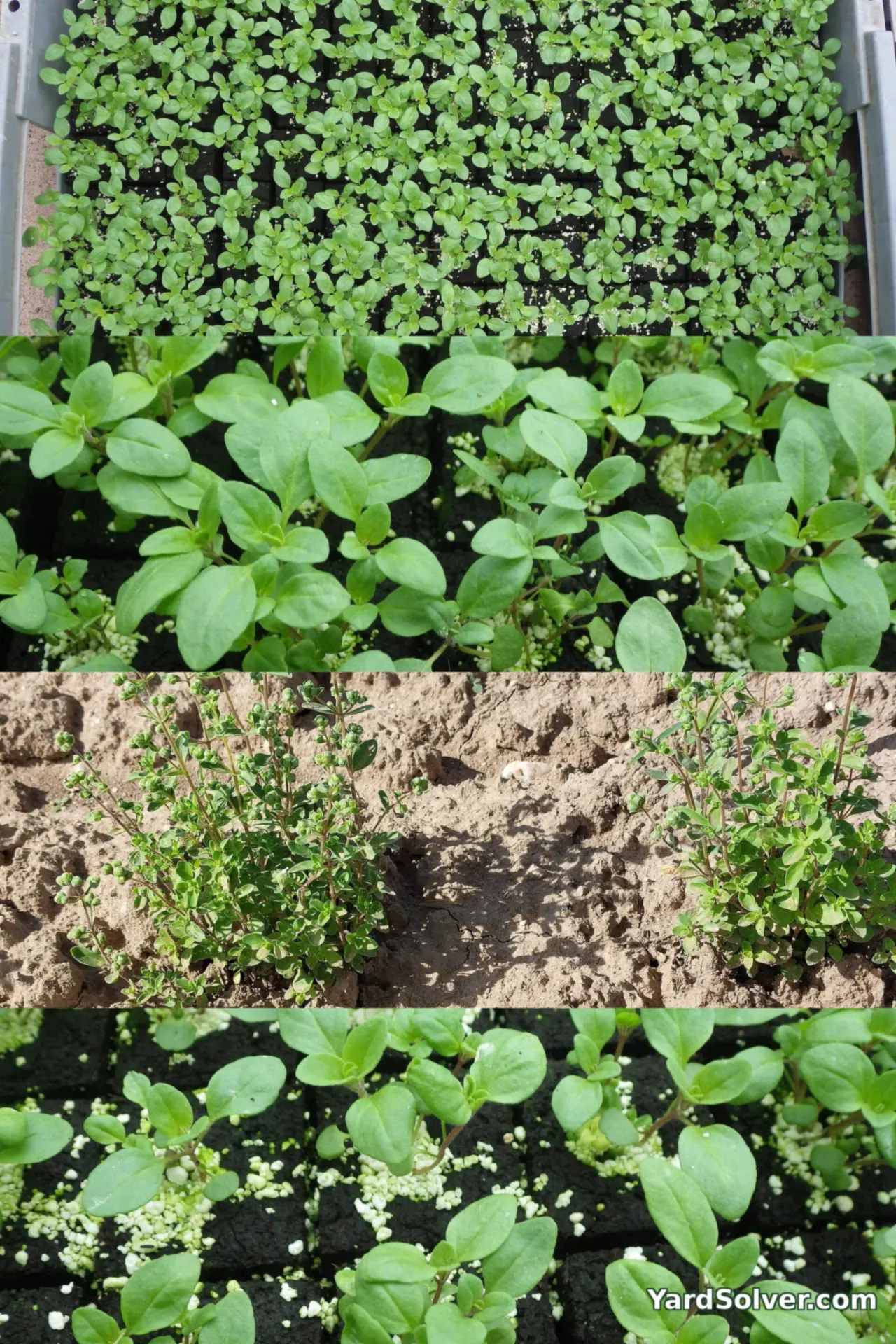
How to plant and grow marjoram, step by step
Step 1 — Time it right
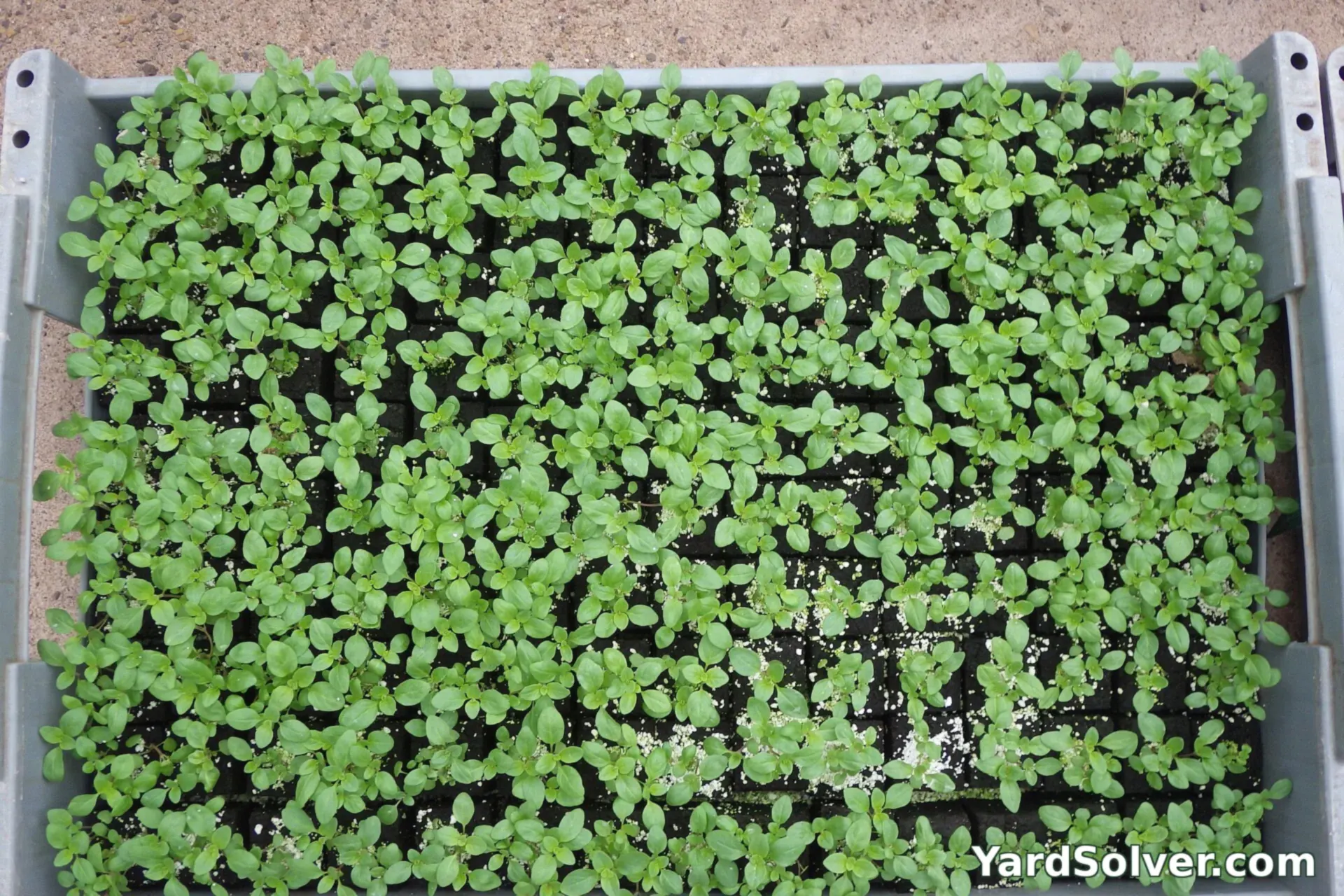
Sow indoors: 8 weeks before last frost; Move outside: 2 weeks after last frost, into warm soil; Sow outdoors: not recommended — start indoors. All dates count from your average last spring frost — the Planting Calendar turns them into real dates for your garden. Marjoram seed is dust-fine and takes 1–3 weeks to sprout, so the indoor start matters. Scatter it on the surface of moist seed mix, press it in gently, and keep the tray warm (around 20 °C / 70 °F) and bright. Seedlings are wispy at first — grow them on in their own small pots until they are sturdy little tufts. In zones 9–10 it overwinters outdoors; everywhere else, treat it as an annual or bring a pot indoors.
Step 2 — Prepare the spot
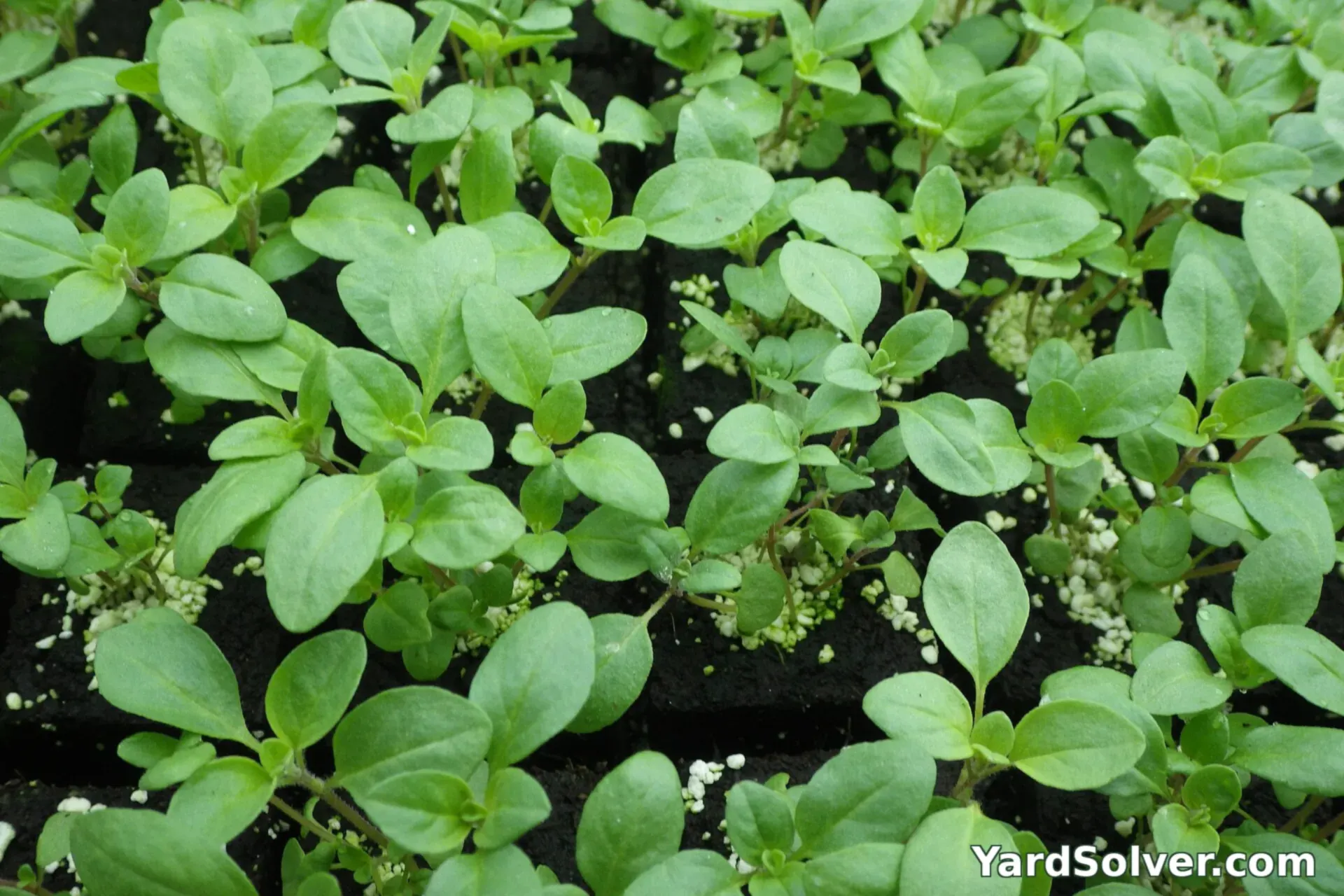
Marjoram wants Mediterranean conditions: full sun, lean soil and drainage that never sits wet. A raised bed, a gravelly border edge or a terracotta pot are all ideal. If your soil is heavy, fork in grit or coarse sand with a little compost — not rich manure, which makes soft, bland growth. For a raised bed, the Raised Bed Soil Calculator counts the bags for you; mixing your own? The Garden Soil Calculator gives the compost-rich split to aim for.
Step 3 — Sow and plant out
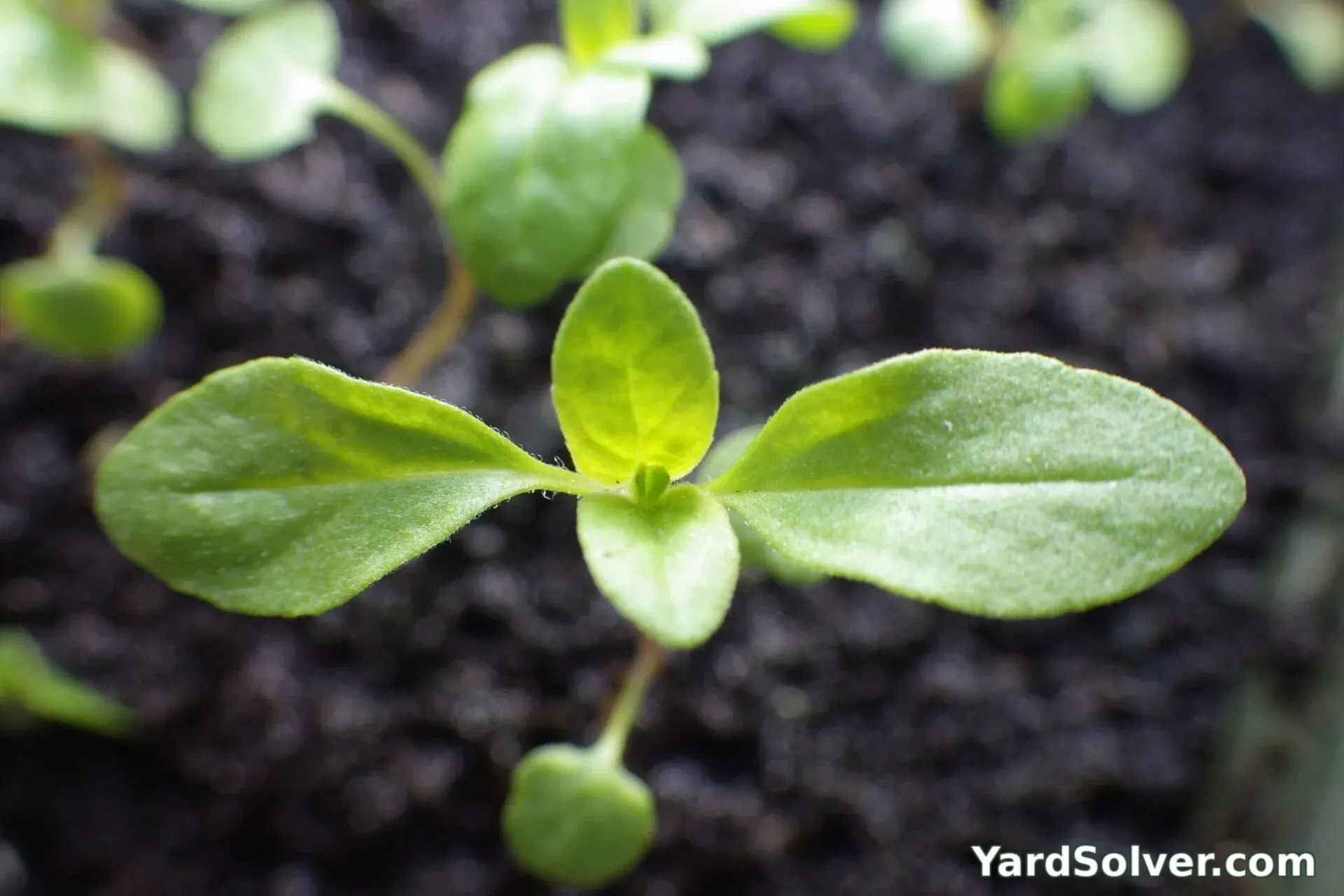
Wait until nights are reliably mild — cold soil checks marjoram hard. Set plants 9 in apart at the depth they grew in the pot and water in once. The Plant Spacing Calculator turns your bed size into an exact plant count. In pots, one plant per 10 in pot in a gritty mix does beautifully on a sunny step. Good neighbours: marjoram is a friendly companion for almost everything in the vegetable garden, and its flowers pull in small beneficial wasps.
Step 4 — Water and feed
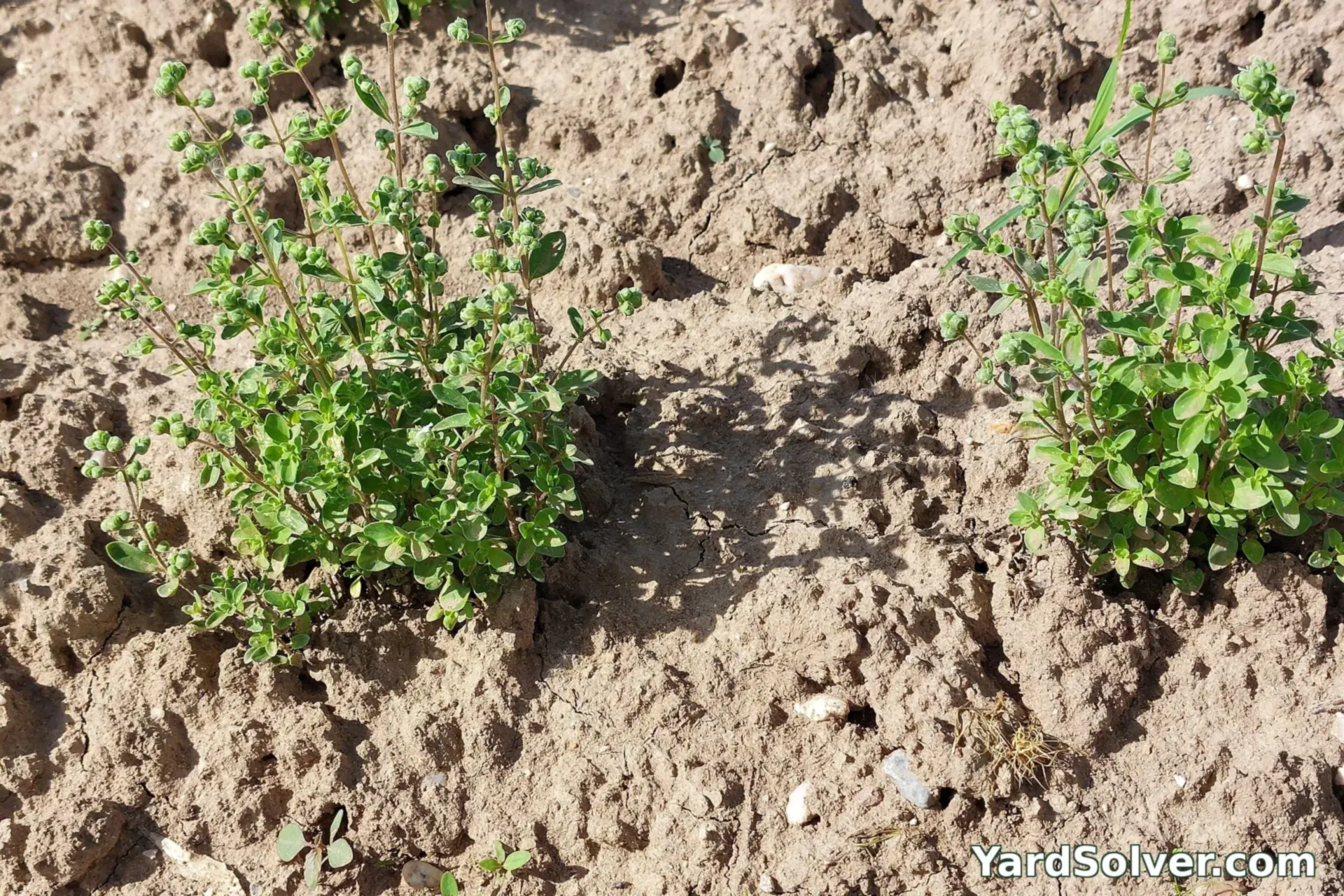
Water new plants until established, then let the top inch dry between waterings; soggy roots are the quickest way to lose marjoram. Feeding is barely needed — a light spring dressing of compost is enough, and too much feed makes lush, weakly flavoured leaves. If you must feed a pot plant, a half-strength dose works — the Fertilizer Calculator turns your bed size into exact amounts.
Step 5 — Care and the problems to watch for
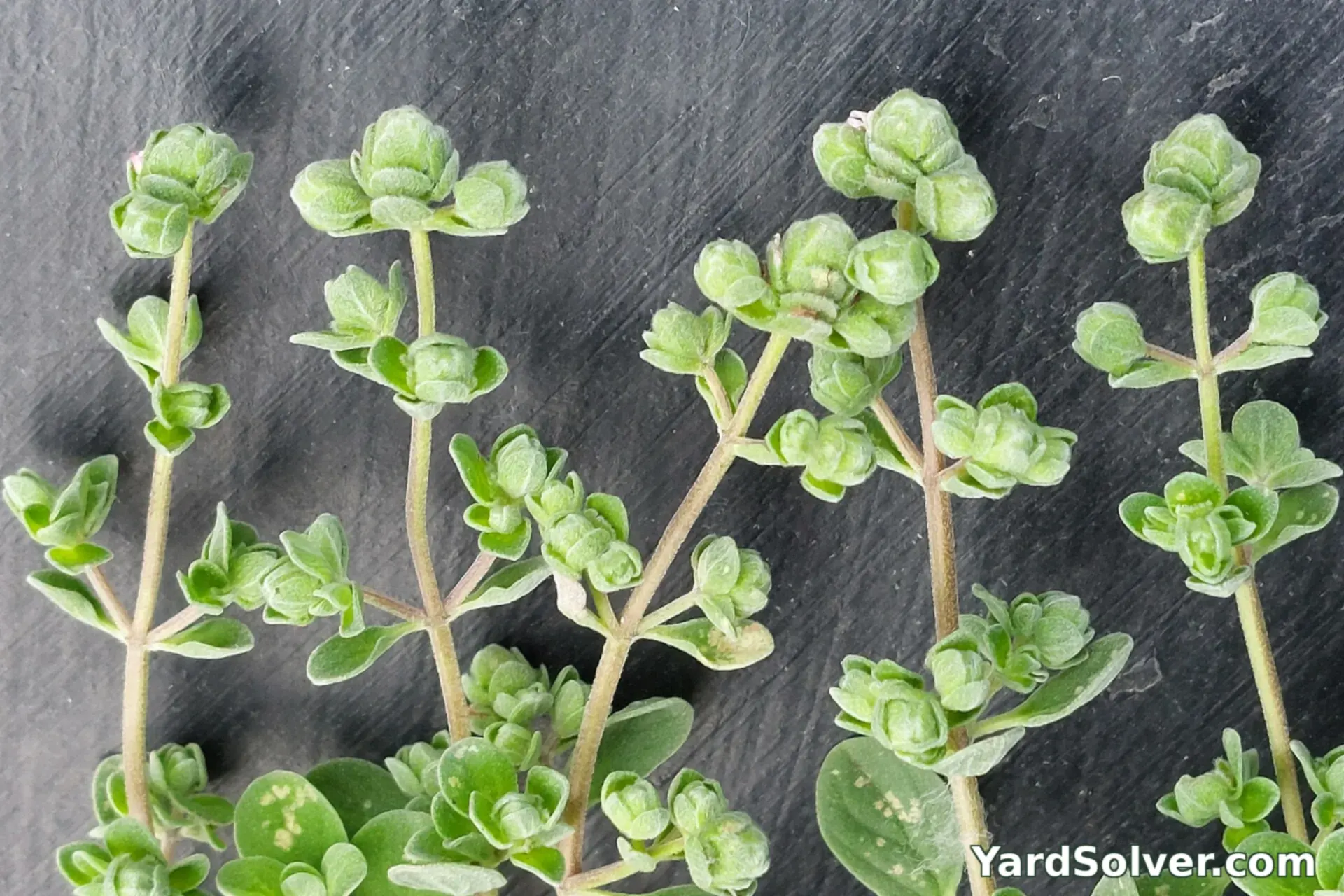
Pinch the growing tips regularly to keep plants bushy, and snip off flower buds as they form if you want leaves, not bloom. In autumn, pot up your best plant before the first frost and overwinter it on a bright windowsill — fresh marjoram all winter, and cuttings for spring.
- Seedlings damping off — sow thinly on the surface and keep air moving around the tray.
- Yellow, wilting plants — almost always overwatering or cold, wet soil; improve drainage and water less.
- Leggy growth indoors — it needs your brightest sill, or a grow light close above.
Step 6 — Harvest
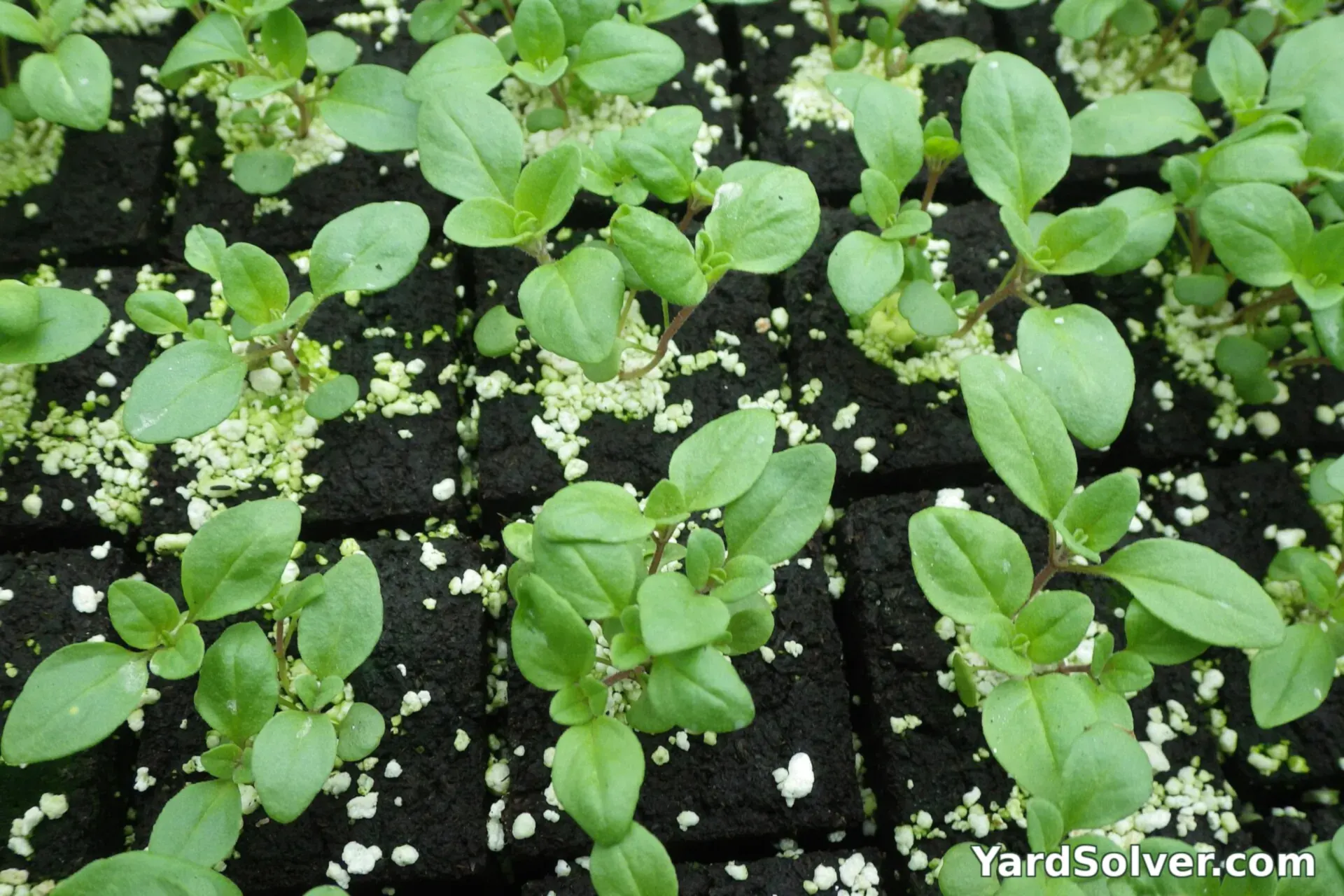
Snip sprigs as soon as plants are bushy — regular cutting is the pruning. The finest flavour comes just before flowering, so take your big harvest for drying then: bunch the stems, hang them in a shady airy place, and strip the leaves when crisp. Dried marjoram keeps its sweetness better than most herbs and is the form most recipes assume. Fresh leaves go in near the end of cooking — long heat dulls them.
📅 Your personal Marjoram schedule
Counted from your planting day — not a generic calendar. Day 0 is the day the seed went in the ground or the young plant went out.
Varieties worth growing
| Variety | Colour | Why gardeners like it |
|---|---|---|
| Sweet marjoram | Soft grey-green | The classic culinary type (Origanum majorana) — sweetest, warmest flavour. |
| Greek marjoram | Green, compact | Strong, spicy strain bred for punchy dried herb. |
| Variegated marjoram | Green with cream edges | Pretty in pots and edges; slightly milder flavour — grow for looks and light use. |
Good for you — and take care
Benefits
- Sweeter and more delicate than oregano — the cook's choice for eggs, beans, soups and dressings.
- Tiny flowers feed small beneficial insects that patrol the vegetable garden.
- Dries exceptionally well, holding its flavour for winter cooking.
Take care
- Tender — a hard frost kills it; pot one up for the windowsill before autumn.
- Hates wet, cold soil; drainage matters more than feeding.
- Avoid the concentrated essential oil in pregnancy.
A little history — and one good fact
Marjoram was the herb of happiness in the ancient world — Greeks wove it into wedding garlands, and Aphrodite was said to have grown it first, which is why its scent was believed to carry love. It travelled north with Roman kitchens and has flavoured European cooking ever since.
Fun fact: In German sausage-making, marjoram is so essential it earned the nickname Wurstkraut — 'sausage herb'.
Keep going
Guides: Companion planting basics · How to dry herbs · Succession planting
Calculators: Plant Spacing Calculator · Garden Mix Calculator · Fertilizer Calculator
More herbs: Oregano · Thyme · Savory · Basil
← Back to the Plant Library · Get your personal planting dates
Questions people ask
Is marjoram the same as oregano?
They are close cousins in the same genus, but not the same plant. Marjoram (Origanum majorana) is sweeter, softer and milder; oregano is bolder and hardier. Recipes that name marjoram want its gentler flavour.
Can marjoram survive winter?
Only in mild climates (zones 9–10). Elsewhere grow it as an annual, or pot a plant up in autumn and overwinter it on a bright windowsill.
Why did my marjoram seed not germinate?
The seed needs light and warmth — if it was buried, or the tray was cold, it sulks. Sow on the surface, keep around 20 °C / 70 °F, and allow up to 3 weeks.
Sweet marjoram is a tender perennial wearing an annual's clothes: pot it and bring it in, or sow fresh each spring
Sweet marjoram (Origanum majorana) is oregano's gentler relative — same family, softer and sweeter flavour — but it is markedly less hardy, and in cold-winter gardens it dies with the first hard frosts while true oregano sleeps through. The honest choices are to grow it as an annual from a spring sowing, or to keep a plant in a pot that winters on a bright windowsill and gives leaves all year.
Flavour peaks just before flowering, so the harvest rule is to cut steadily through summer and pinch out flower buds as they form; a plant allowed to bloom turns coarser and stops making the tender growth you actually cook with. It wants the Mediterranean basics: full sun, sharp drainage, lean soil — wet feet in winter kill even sheltered plants faster than cold does.
The worked example: a potted plant cut little and often and wintered indoors typically flavours a kitchen for years. The same plant left in open ground through a cold winter is typically a memory by spring — marjoram's hardiness, not its flavour, is the limiting factor.
Sources
Key facts on this page — timing, spacing and care — cross-checked against NC State Extension Plant Toolbox — Origanum majorana — culture and care requirements and Marjoram — Wikipedia — background on marjoram and its cultivation.
Related page
Read next: Companion Planting Basics: Good & Bad Neighbours.
Comments & ratings
No comments yet.
Be the first to share your experience.