
Plant Library · Herbs · By Faizan Ahmad
🌿 How to Grow Savory
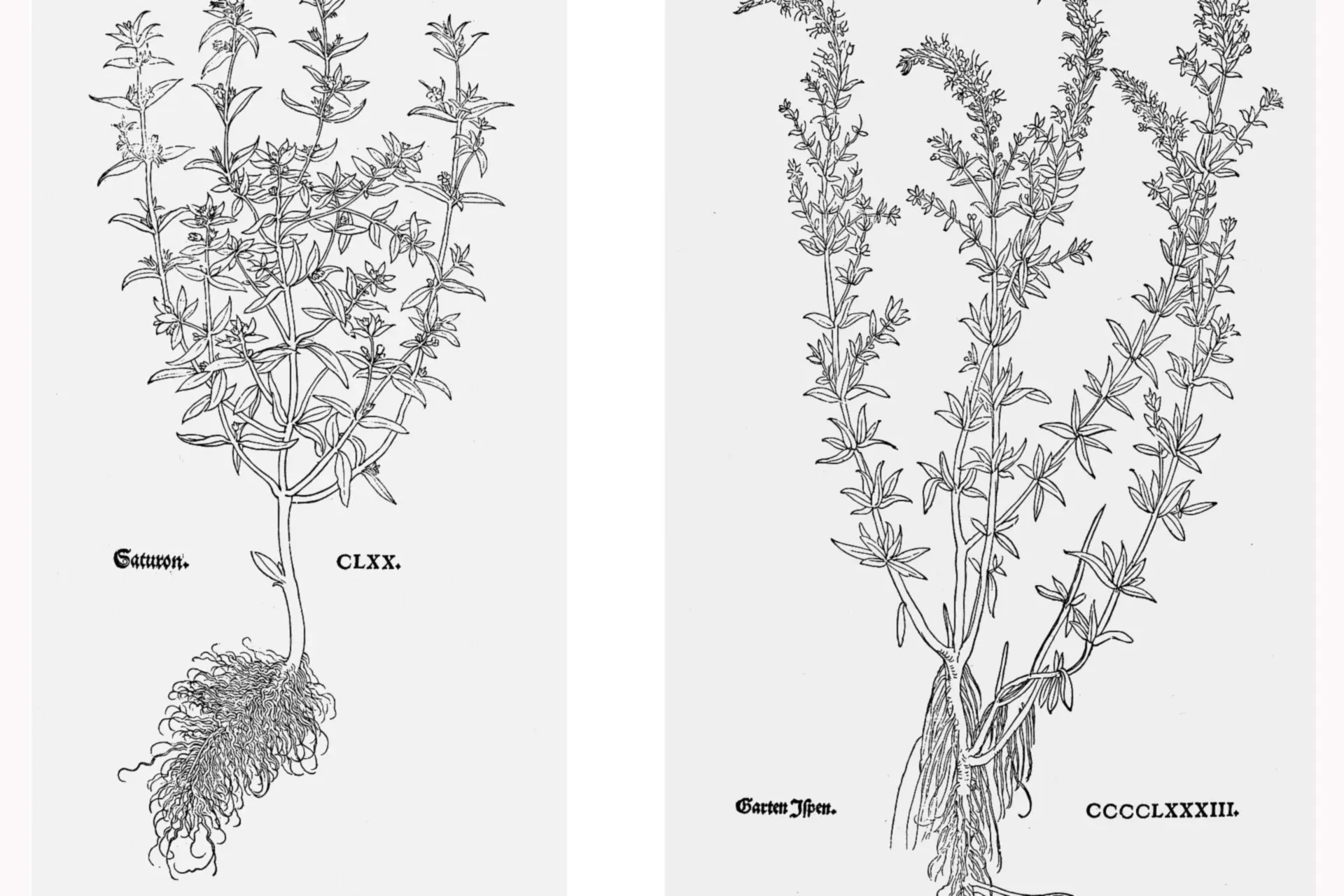
The bean herb — peppery, thyme-like leaves that belong with beans, lentils and grilled everything. There are two savories: summer savory (Satureja hortensis), a fast annual you sow fresh each year, and winter savory (Satureja montana), a tough little perennial shrub. This page covers both: sow the summer kind for the softest flavour, plant the winter kind once for a decade of harvests.
Grow Savory with us — step by step
Everything for this plant is written step by step below — what to do, and exactly when. Read it through first if you like: you can grow it entirely on your own with that guide. Or start with us here — tell us your planting day and we lay out your personal schedule on this page, every next step on its own day, counted from your planting date. No guessing, no forgetting.
Step 1 — today: Surface-sow summer savory seed indoors under light, and buy one winter savory plant for the permanent corner.
Savory at a glance
Sow indoors: 6 weeks before last frost (summer savory)
Move outside: 1 week after last frost
Sow outdoors: At last frost
Spacing · Seed depth: 10 in apart · surface — seed needs light
Sun: Full sun
Water: Low to moderate — let soil dry between waterings
Harvest: Cut sprigs from about 60 days; main cut before flowering
Timing counts from your average last spring frost — get your own dates in the Planting Calendar. Guidance follows standard extension-service practice for Canada and the US.
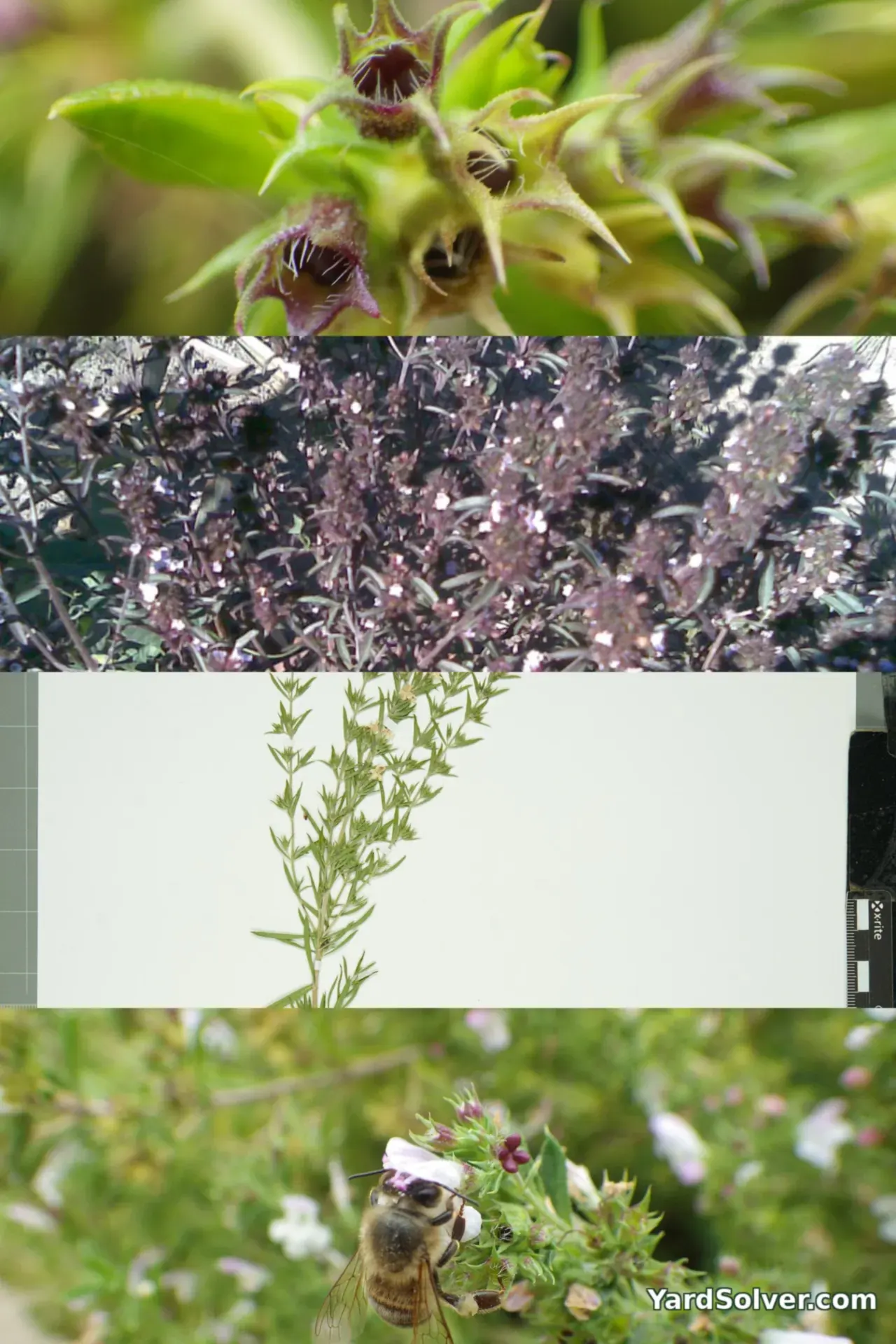
How to plant and grow savory, step by step
Step 1 — Time it right
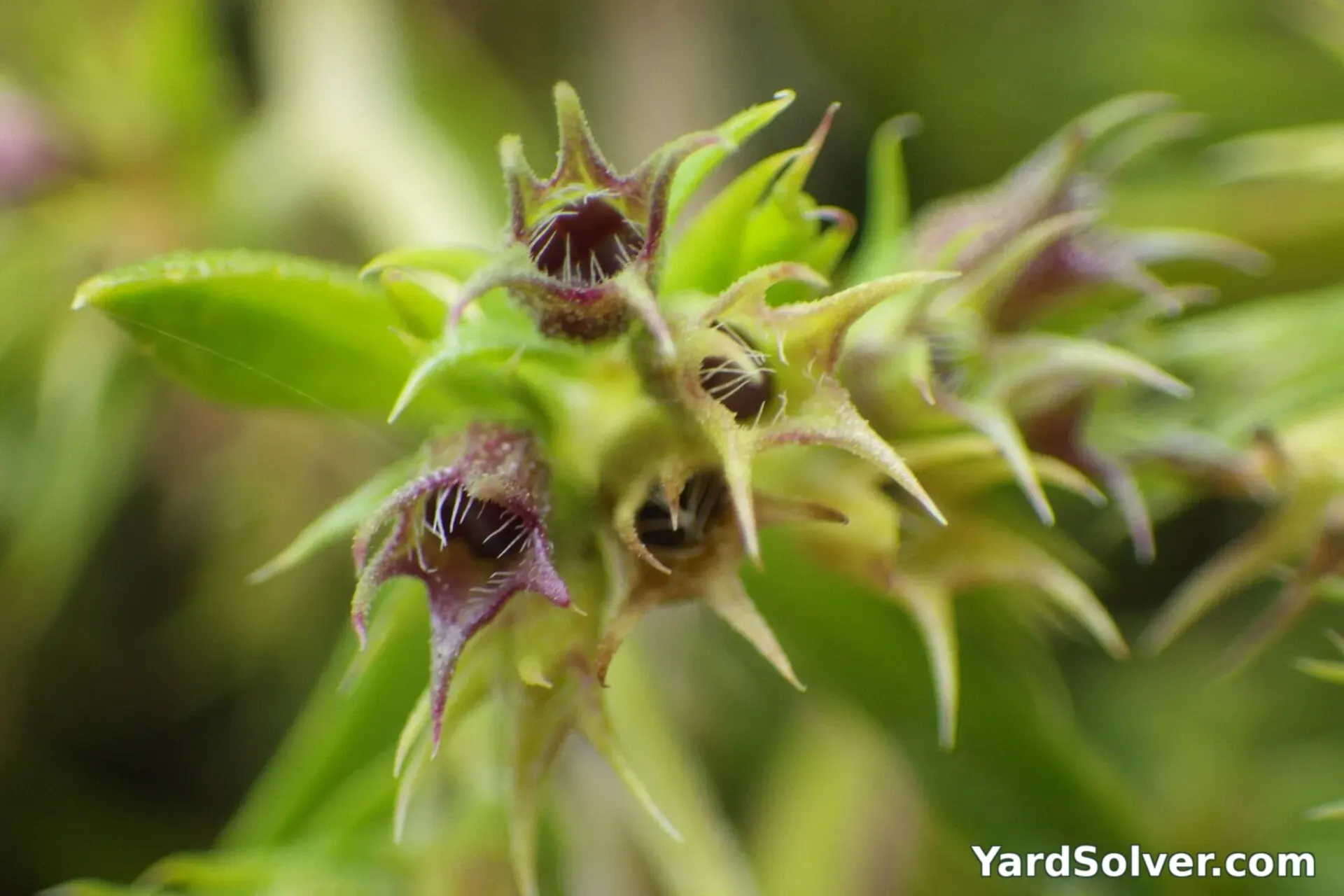
Sow indoors: 6 weeks before last frost; Move outside: 1 week after last frost; Sow outdoors: at last frost. All dates count from your average last spring frost — the Planting Calendar turns them into real dates for your garden. Summer savory is an annual that races from seed to harvest in a single season; winter savory is a perennial (zones 6–9) bought as a plant and cut for years. Both want the same start in life: warmth, light and lean soil. Summer savory seed is fine and light-hungry — sow on the surface and keep the tray around 18–21 °C / 65–70 °F. Succession-sow a pinch every month if beans feature heavily in your summer.
Step 2 — Prepare the spot
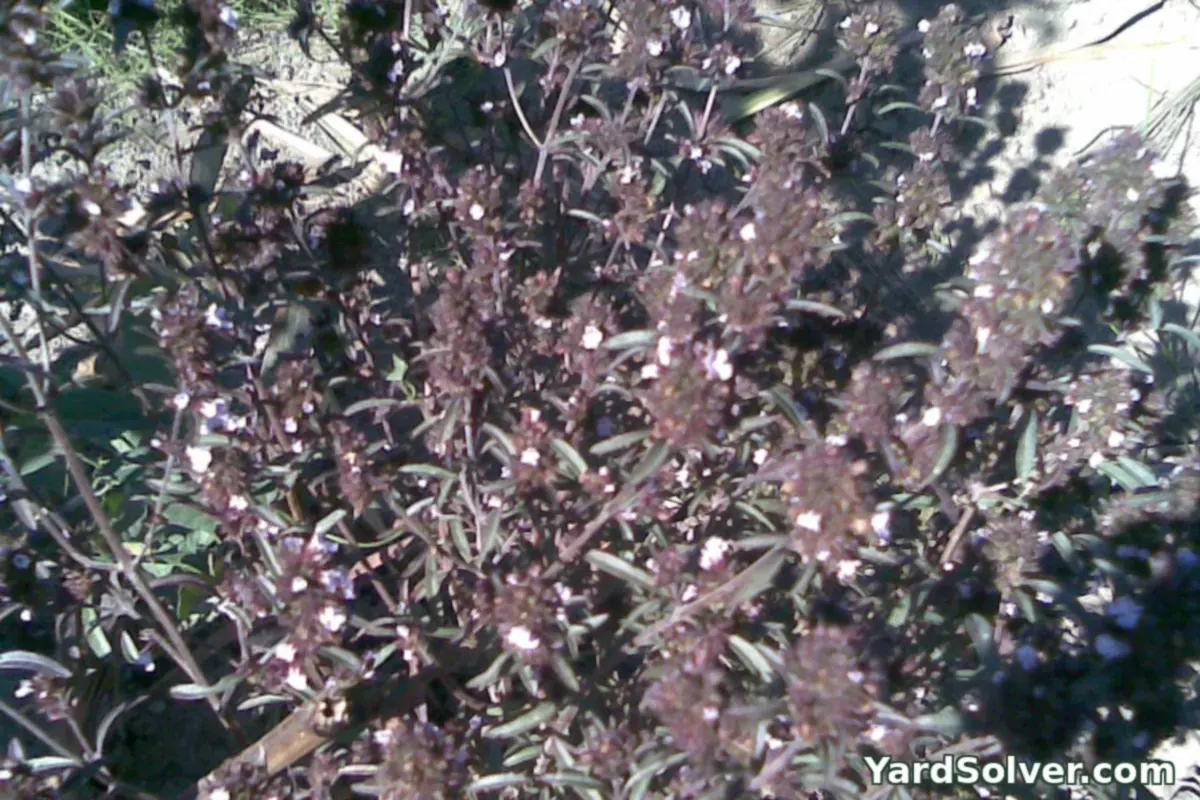
Both savories are Mediterranean to the bone — poor, dry, sun-baked ground gives the strongest flavour, and rich wet soil gives floppy, bland plants that rot in winter. A raised bed edge, a gravel garden, or the front of a sunny border suits them perfectly. Fork in grit on heavy soil. For a raised bed, the Raised Bed Soil Calculator counts the bags for you; mixing your own? The Garden Soil Calculator gives the compost-rich split to aim for.
Step 3 — Sow and plant out
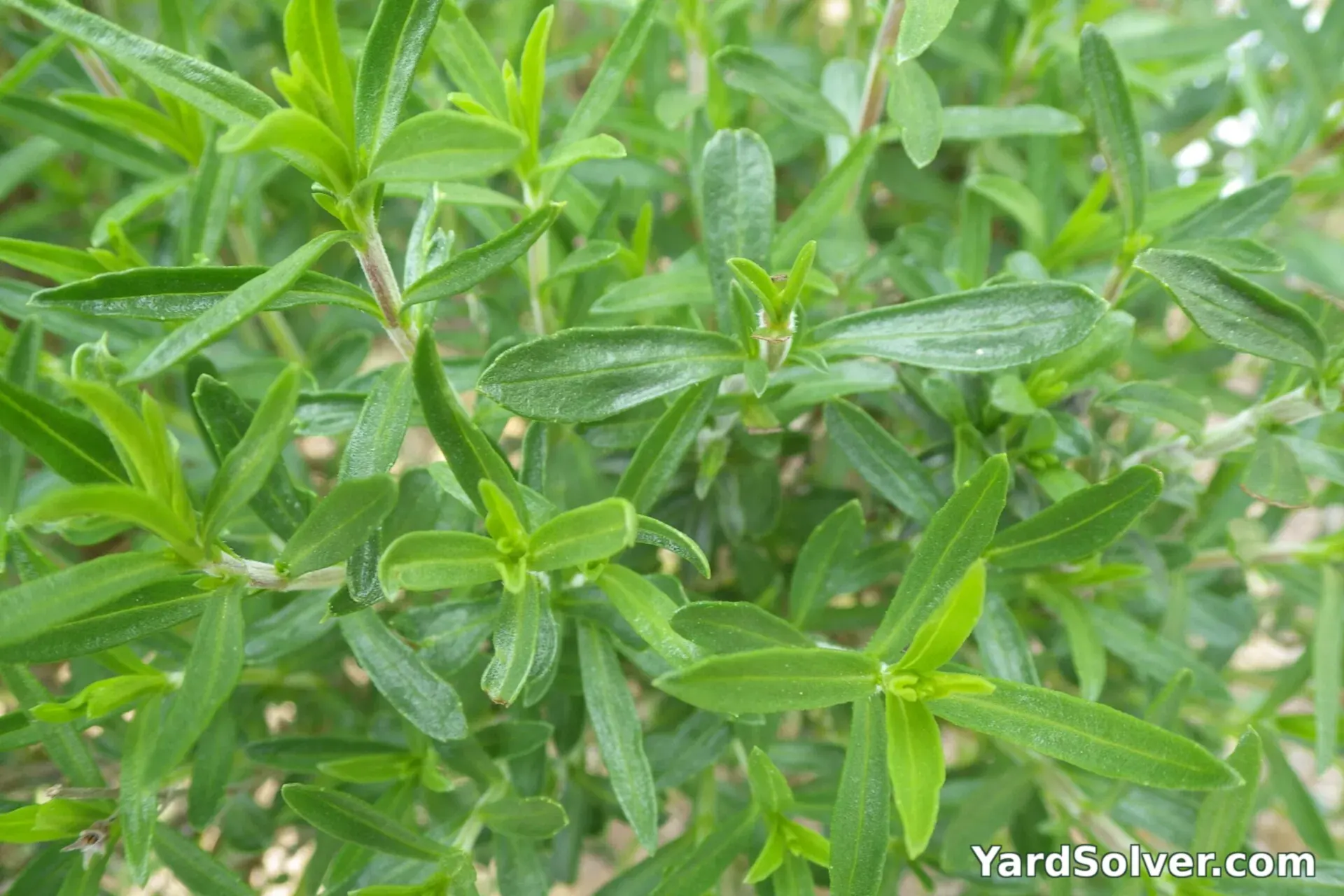
Set plants 10 in apart after frost. The Plant Spacing Calculator turns your bed size into an exact plant count. Good neighbours: savory with green beans is the classic European pairing — garden lore says it eases the beans' reputation and the flavour match is real — and it sits happily beside onions and other alliums.
Step 4 — Water and feed
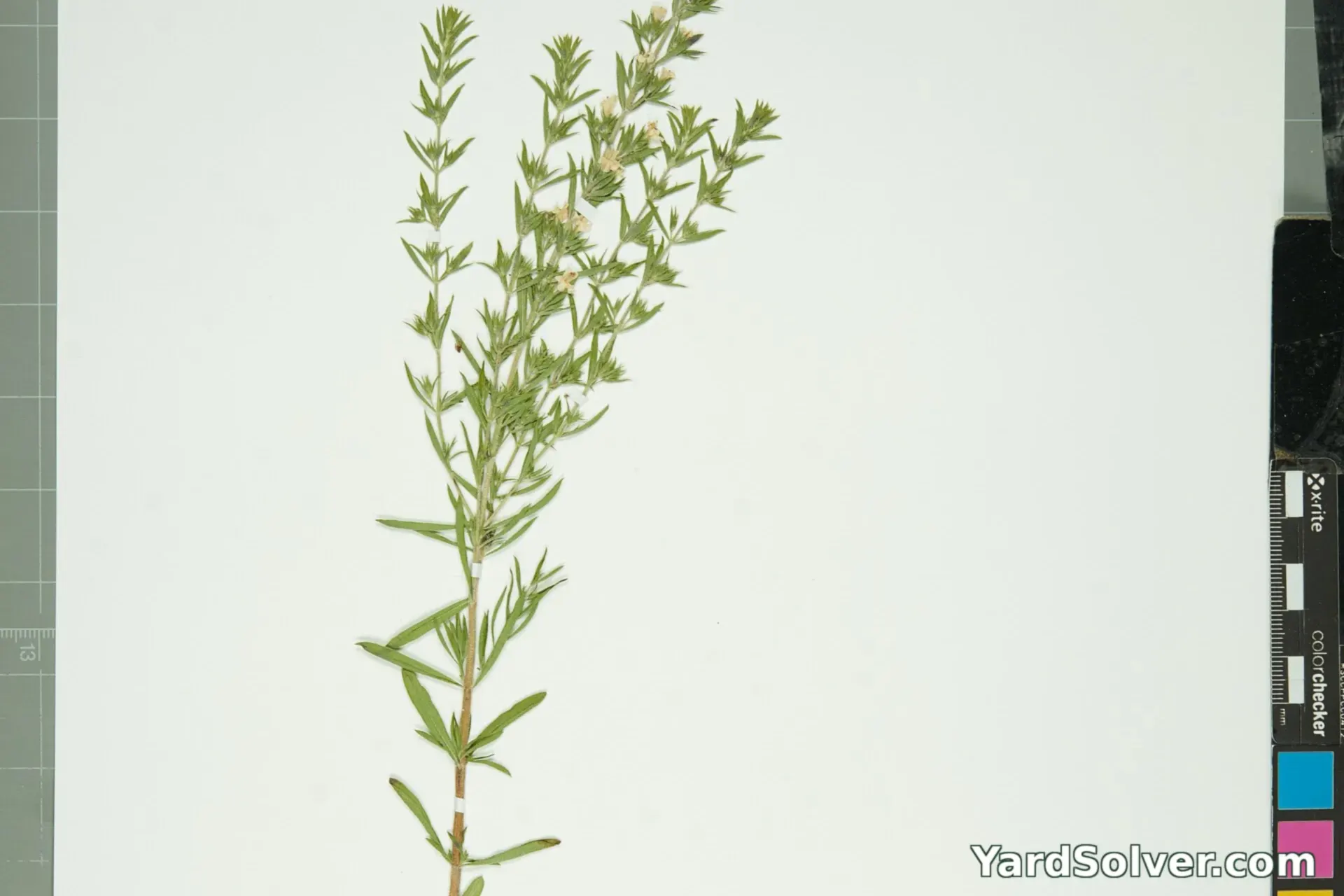
Water young plants until they settle, then leave savory mostly alone — it's a drought-plant by birth. No feeding is needed in ordinary soil; on starved sand, one light spring feed for winter savory is the maximum — the Fertilizer Calculator turns your bed size into exact amounts. Overfed, overwatered savory is savourless savory.
Step 5 — Care and the problems to watch for
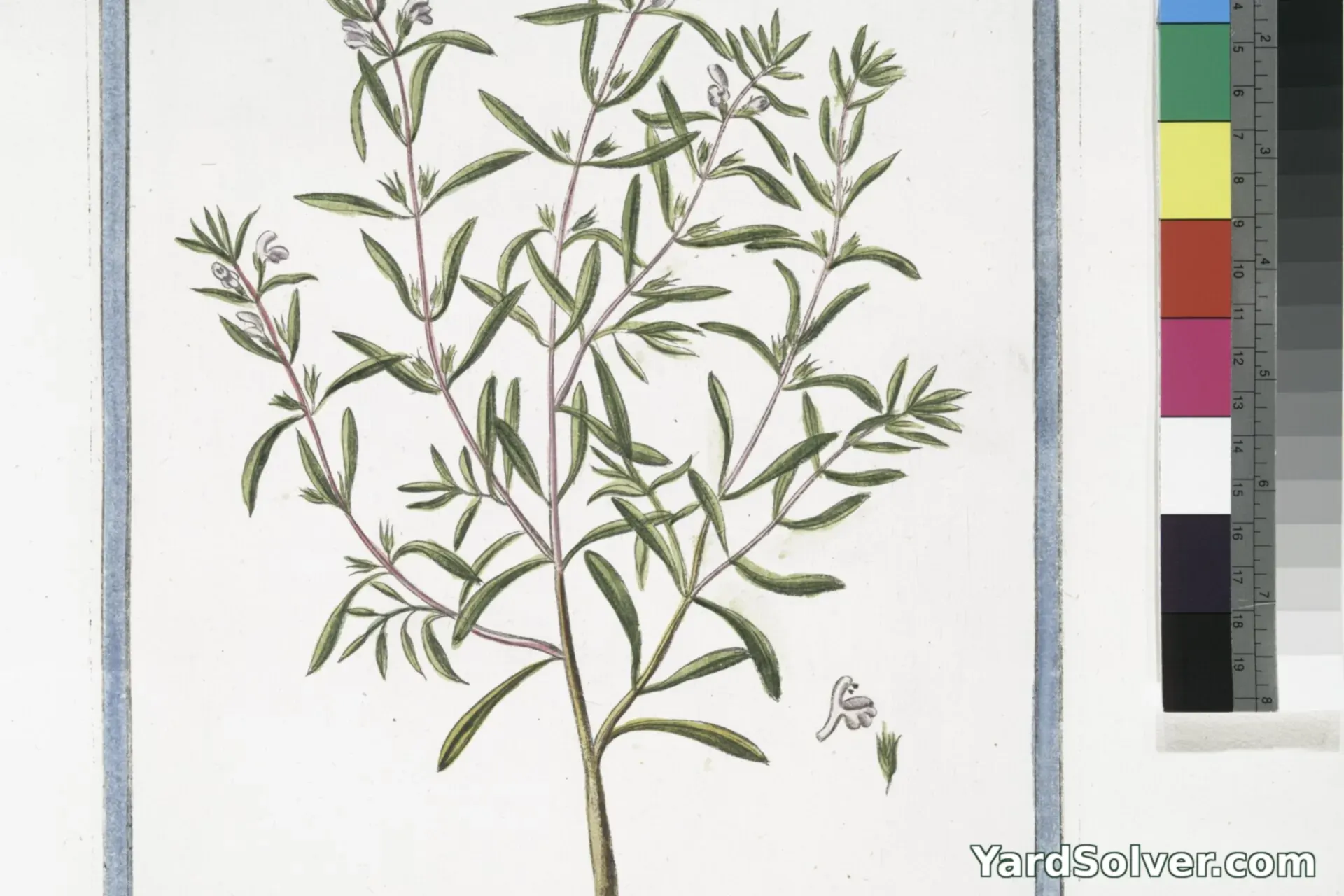
Summer savory needs nothing but harvesting until frost takes it. Winter savory wants a light clip after flowering and a spring tidy — cut out any dead wood to the base.
- Plants rotting over winter — wet feet, every time; move winter savory to sharper drainage.
- Leggy summer savory — pinch the tips early and often to keep it bushy.
- Weak flavour — too much water and feed; grow it harder next year.
Step 6 — Harvest
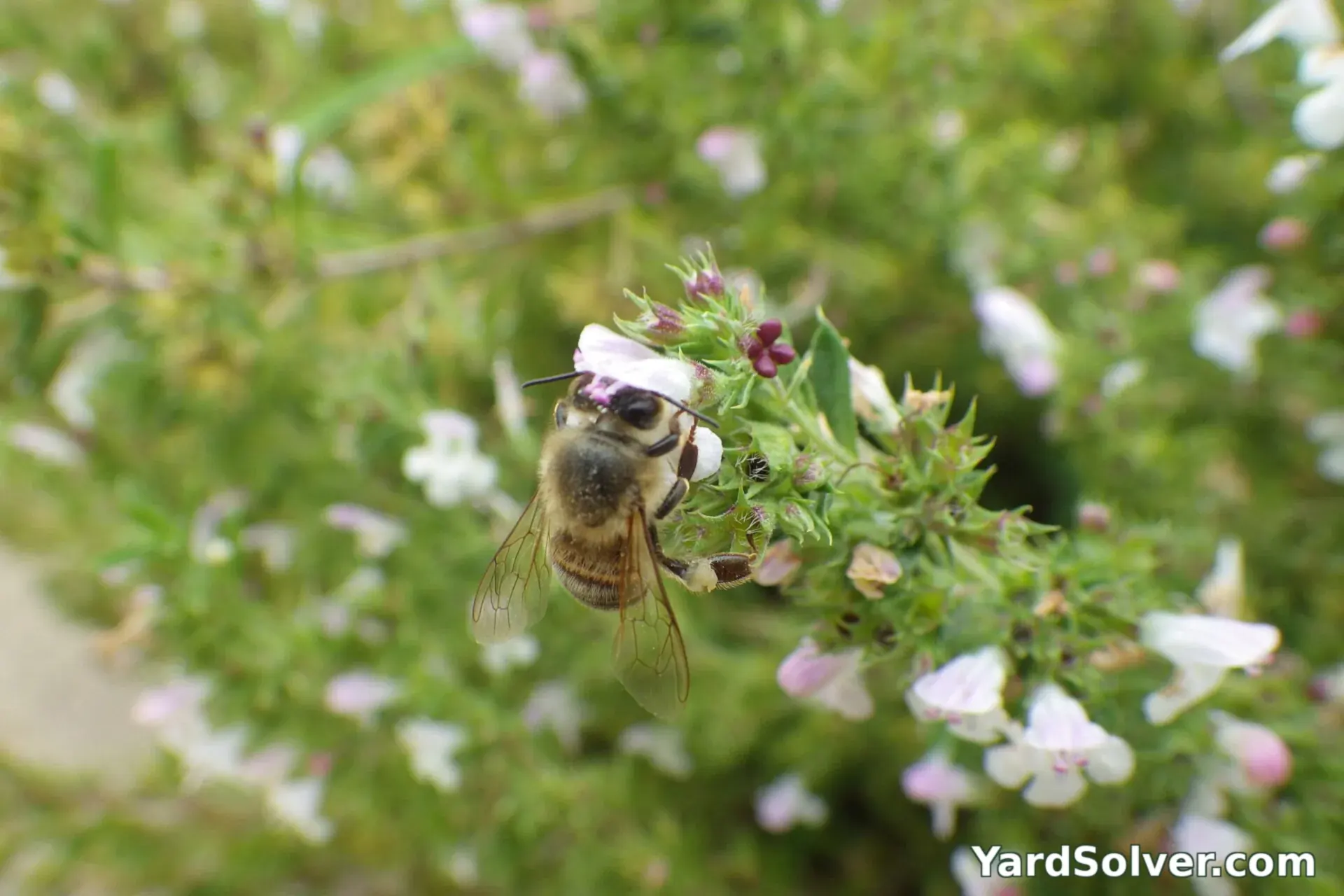
Snip sprigs of summer savory from about 60 days; the main drying cut comes just before the flowers open, when the leaves are most pungent. Hang bunches in shade and strip when crisp — dried savory keeps its bite well. Winter savory is picked a few sprigs at a time all year, even in winter, though its flavour is fiercer — use half as much as summer savory in a dish.
📅 Your personal Savory schedule
Counted from your planting day — not a generic calendar. Day 0 is the day the seed went in the ground or the young plant went out.
Varieties worth growing
| Variety | Colour | Why gardeners like it |
|---|---|---|
| Summer savory | Soft green, annual | Satureja hortensis — the sweeter, gentler flavour; sow fresh each spring. |
| Winter savory | Dark green, perennial mound | Satureja montana — stronger, peppery and evergreen; one planting lasts years. |
| Creeping winter savory | Low, spreading, white flowers | Satureja montana 'Nana' — a dwarf form for edges and rock gardens. |
Good for you — and take care
Benefits
- The bean herb — its peppery thyme flavour is made for beans, lentils and peas.
- Winter savory gives fresh herb pickings twelve months a year.
- Tiny flowers feed small beneficial insects all summer.
Take care
- Wet winter soil kills winter savory — drainage is everything.
- Summer savory is an annual; save the seed if you want it free next year.
- Winter savory is strong — season with half the hand you'd use for summer.
A little history — and one good fact
The Romans seasoned with savory and carried it across Europe — its Latin name, Satureja, was linked in folklore to satyrs, and the herb had a spicy reputation long before it reached the bean pot. German cooks made the pairing official: they call it Bohnenkraut, 'bean herb', to this day.
Fun fact: Savory was once on the list of herbs banned in some medieval monasteries for its supposed aphrodisiac powers — the beans, presumably, were innocent.
Keep going
Guides: Companion planting basics · How to dry herbs · Crop rotation basics
Calculators: Plant Spacing Calculator · Garden Mix Calculator · Fertilizer Calculator
More herbs: Marjoram · Thyme · Oregano · Fenugreek · White Horehound
← Back to the Plant Library · Get your personal planting dates
Questions people ask
What is the difference between summer and winter savory?
Summer savory is a tender annual with a softer, sweeter flavour — the one for fresh bean dishes. Winter savory is a hardy little perennial shrub with a stronger, pepperier bite, picked all year. Most gardeners grow summer for flavour and winter for convenience.
Why grow savory with beans?
The pairing is centuries old in European kitchens: savory's peppery warmth suits bean dishes perfectly, and garden tradition says it makes beans gentler on the digestion. Planted together, its flowers also draw pollinators to the bean rows.
Does winter savory really survive winter?
In zones 6–9, yes — it is a semi-evergreen perennial, provided the soil drains freely. Winter wet, not cold, is what kills it, so a raised or gravelly spot is the secret.
Summer savory is the bean herb that must be sown fresh every year — and winter savory is its tougher, perennial stand-in
The savories are two herbs sharing a peppery, bean-loving flavour: summer savory (Satureja hortensis), a fast annual sown each spring, and winter savory (Satureja montana), a low, woody perennial for the dry edge of the herb bed. Summer savory is the finer-flavoured of the two and the traditional partner for beans, said to season them and settle them at once.
Summer savory seed needs light and warmth and is sown shallow where it is to grow, in the sunniest, driest soil available; it is a small, slight plant that drowns in rich wet ground and is swamped by neighbours if not given its own patch. Cut it as it flowers for the best leaf, and let one plant seed — it often sows itself for next year. Winter savory is pruned like a tiny lavender and replaced when it turns bare and woody.
The worked example: a shallow spring sowing on dry, poor ground typically gives cutting herb all summer from almost no care. The same seed in a rich, shaded bed typically rots or is overrun — with savory, hardship is flavour.
Sources
Key facts on this page — timing, spacing and care — cross-checked against NC State Extension Plant Toolbox — Satureja hortensis — culture and care requirements and Summer savory — Wikipedia — background on summer savory and its cultivation.
Related page
Read next: Companion Planting Basics: Good & Bad Neighbours.
Comments & ratings
No comments yet.
Be the first to share your experience.