
Plant Library · Herbs · By Faizan Ahmad
🌿 How to Grow White Horehound
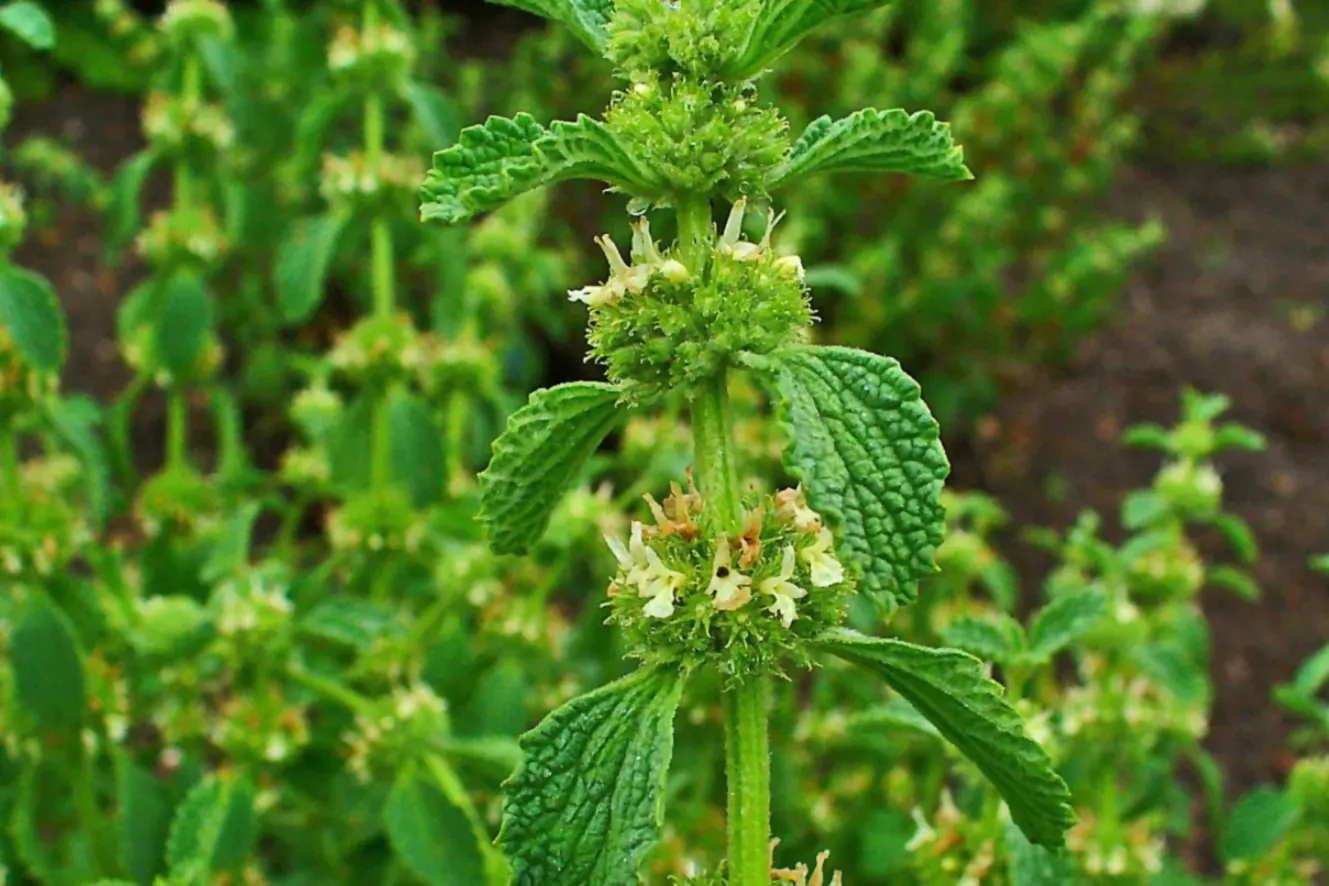
The cough-drop herb — a woolly, silver-leaved perennial that loves the dry sunny corner everything else refuses. White horehound (Marrubium vulgare) flavoured generations of cough candy with its bitter bite. It is a short, tough mint cousin (about 2 ft), grown from seed, cuttings or division, and harvested for its leaves and flowering tops from the first summer.
Grow White Horehound with us — step by step
Everything for this plant is written step by step below — what to do, and exactly when. Read it through first if you like: you can grow it entirely on your own with that guide. Or start with us here — tell us your planting day and we lay out your personal schedule on this page, every next step on its own day, counted from your planting date. No guessing, no forgetting.
Step 1 — today: Surface-sow white horehound seed indoors under light, or take cuttings from an established plant in spring.
White Horehound at a glance
Sow indoors: 6 weeks before last frost — surface-sow; seed needs light
Move outside: 1 week after last frost
Sow outdoors: At last frost
Spacing · Seed depth: 15 in apart · surface — barely cover
Sun: Full sun
Water: Low — drought-tolerant; hates wet soil
Harvest: Leaves and flowering tops, late spring through summer
Timing counts from your average last spring frost — get your own dates in the Planting Calendar. Guidance follows standard extension-service practice for Canada and the US.
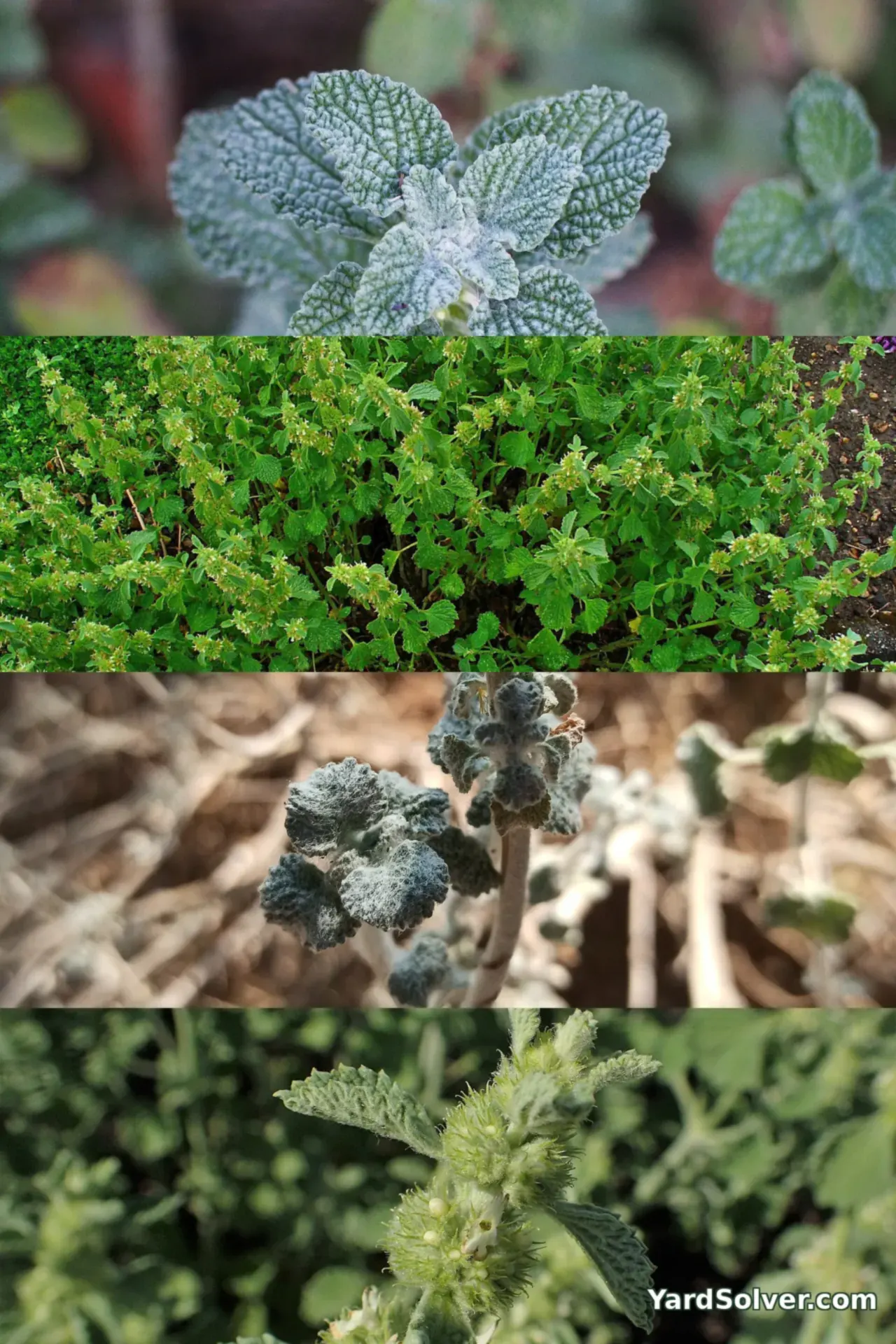
How to plant and grow white horehound, step by step
Step 1 — Time it right
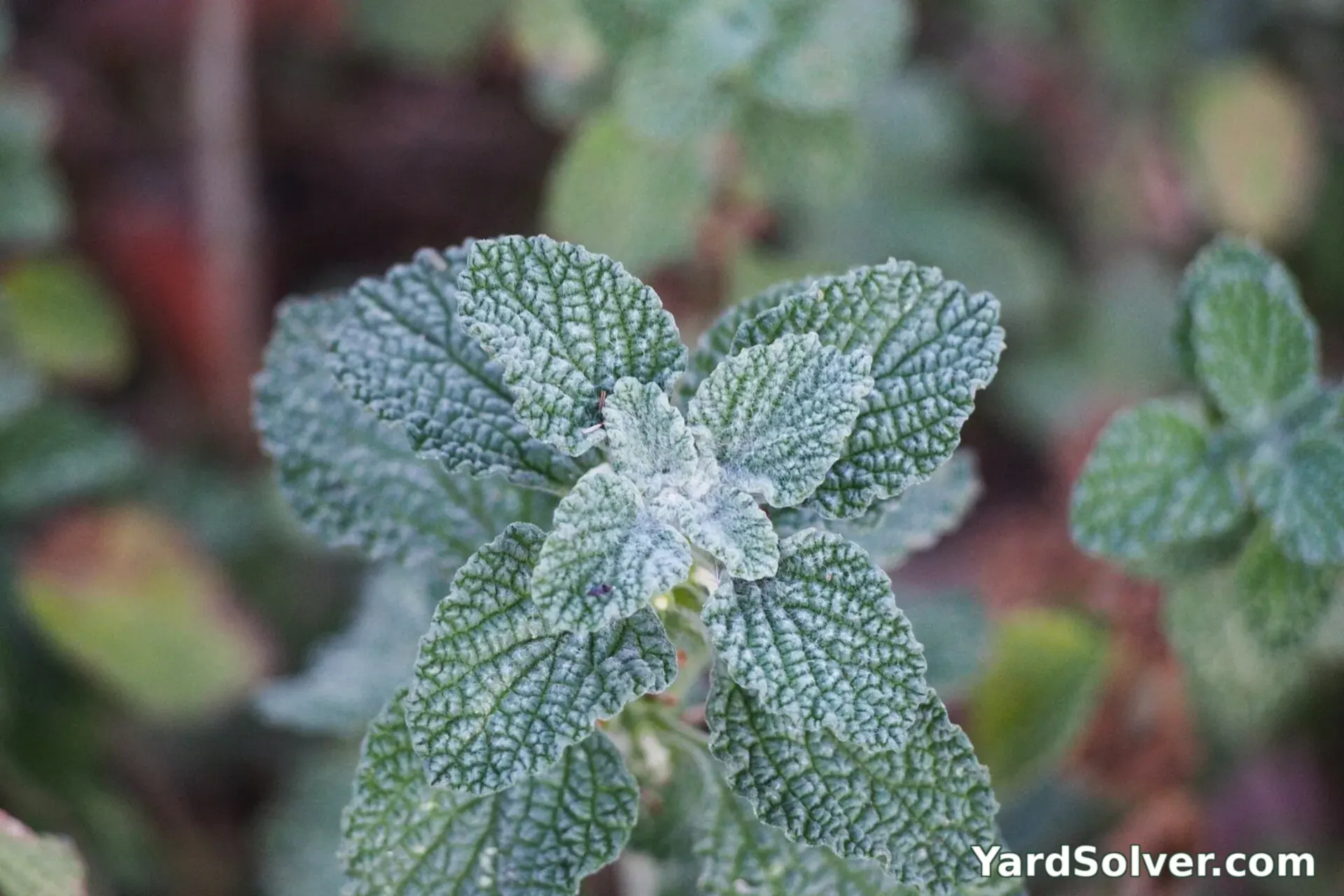
Sow indoors: 6 weeks before last frost, surface-sown; Move outside: 1 week after last frost; Sow outdoors: at last frost. All dates count from your average last spring frost — the Planting Calendar turns them into real dates for your garden. White horehound is a perennial (zones 3–8) that germinates readily from surface-sown seed — 10–15 days at room temperature — and also strikes easily from cuttings and divides like its mint kin. Seed-raised plants give a small harvest the first year and full cuts from the second. It self-sows gently, so a patch tends to persist.
Step 2 — Prepare the spot
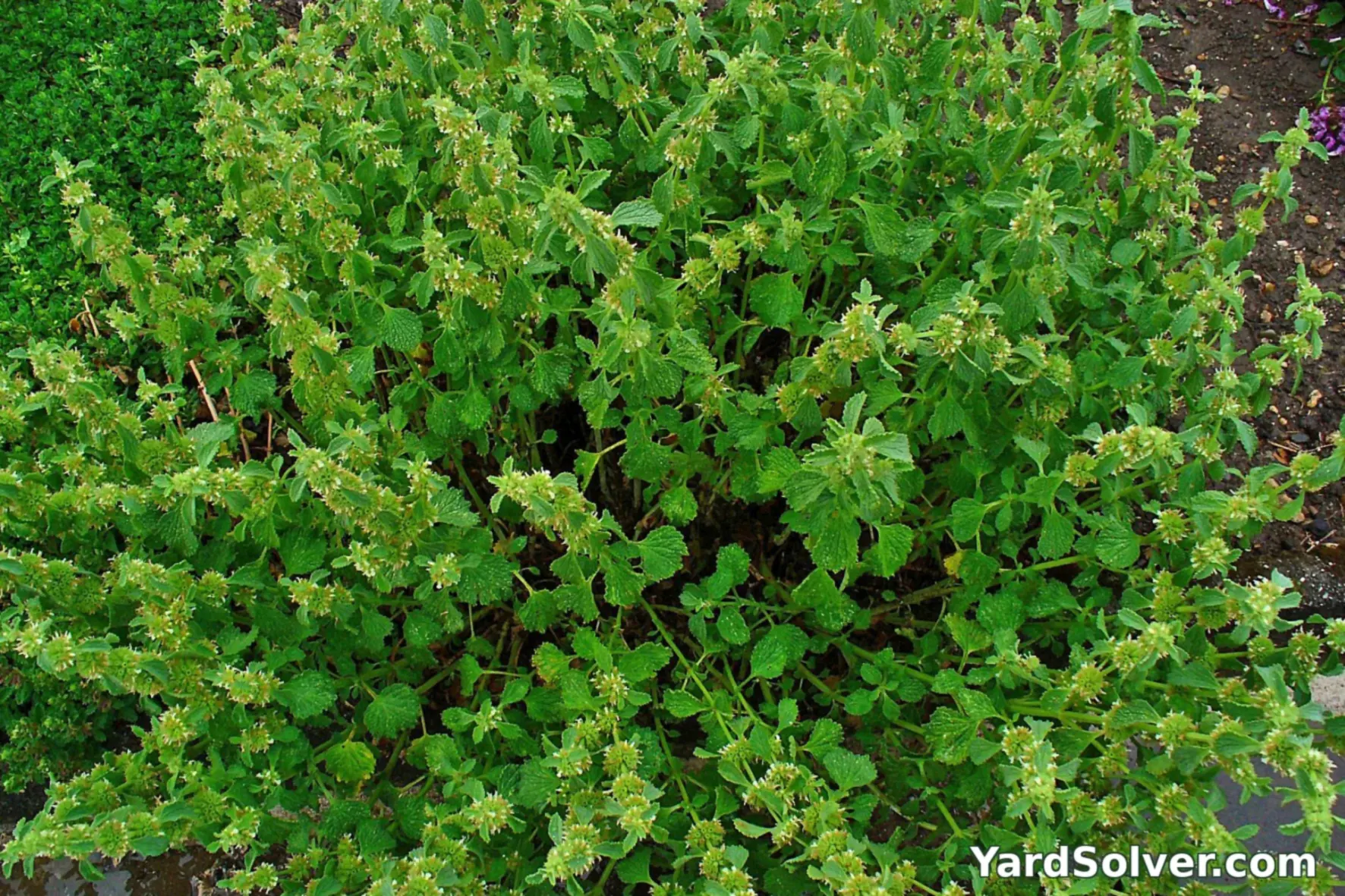
Horehound evolved on dry Mediterranean waste ground and it still wants that life: full sun, poor-to-average soil around neutral pH, and drainage that never leaves it wet. Rich, soggy beds produce soft growth and winter rot. A gravel patch, a hot border edge or a raised bed are all ideal. For a raised bed, the Raised Bed Soil Calculator counts the bags for you; mixing your own? The Garden Soil Calculator gives the compost-rich split to aim for.
Step 3 — Sow and plant out
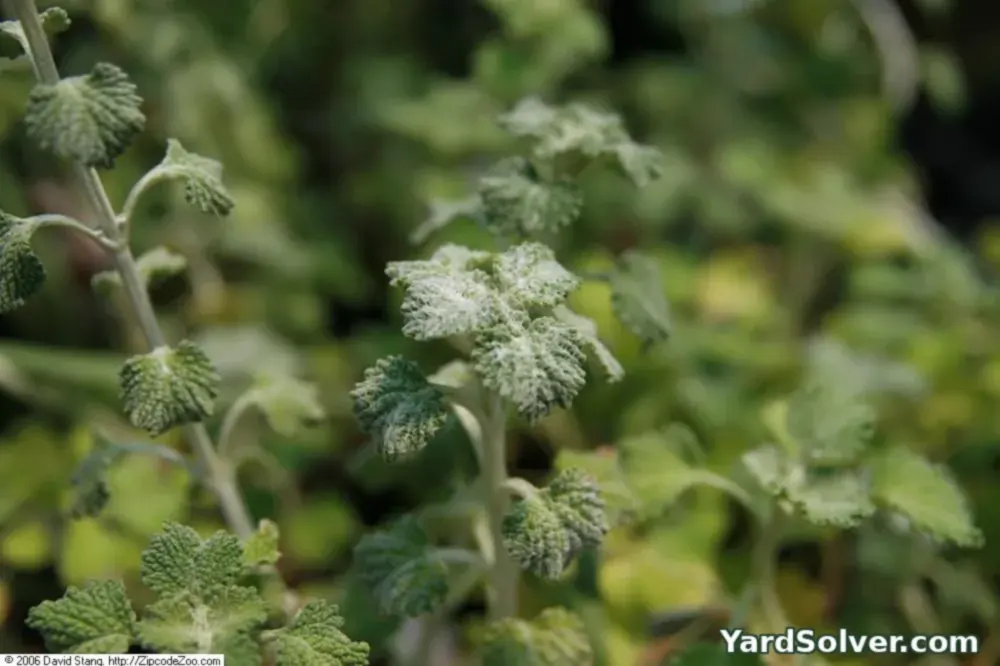
Set plants 15 in apart, at their pot depth, and water in once. The Plant Spacing Calculator turns your bed size into an exact plant count. Good neighbours: horehound sits happily in the dry-herb guild with savory and thyme, and old garden lore plants it near tomatoes — its flowers certainly keep small pollinators busy in that corner.
Step 4 — Water and feed
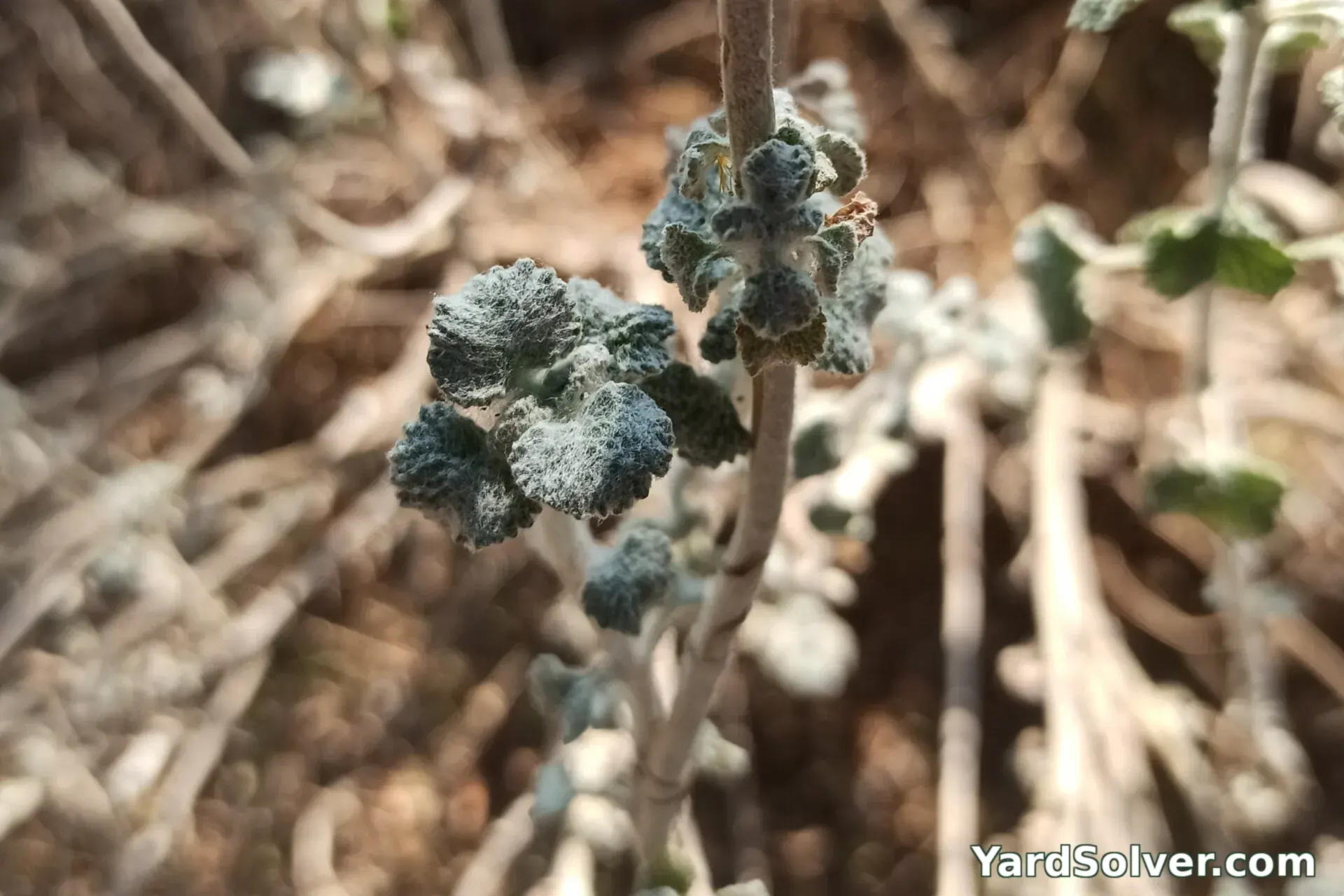
Water until plants settle, then stop unless drought is extreme; horehound's woolly leaves are built to conserve moisture. Feeding is unnecessary and counterproductive — lean soil gives the most bitter (that is, most potent) leaf. If a container plant stalls, a single whisper of feed is the limit — the Fertilizer Calculator turns your bed size into exact amounts.
Step 5 — Care and the problems to watch for
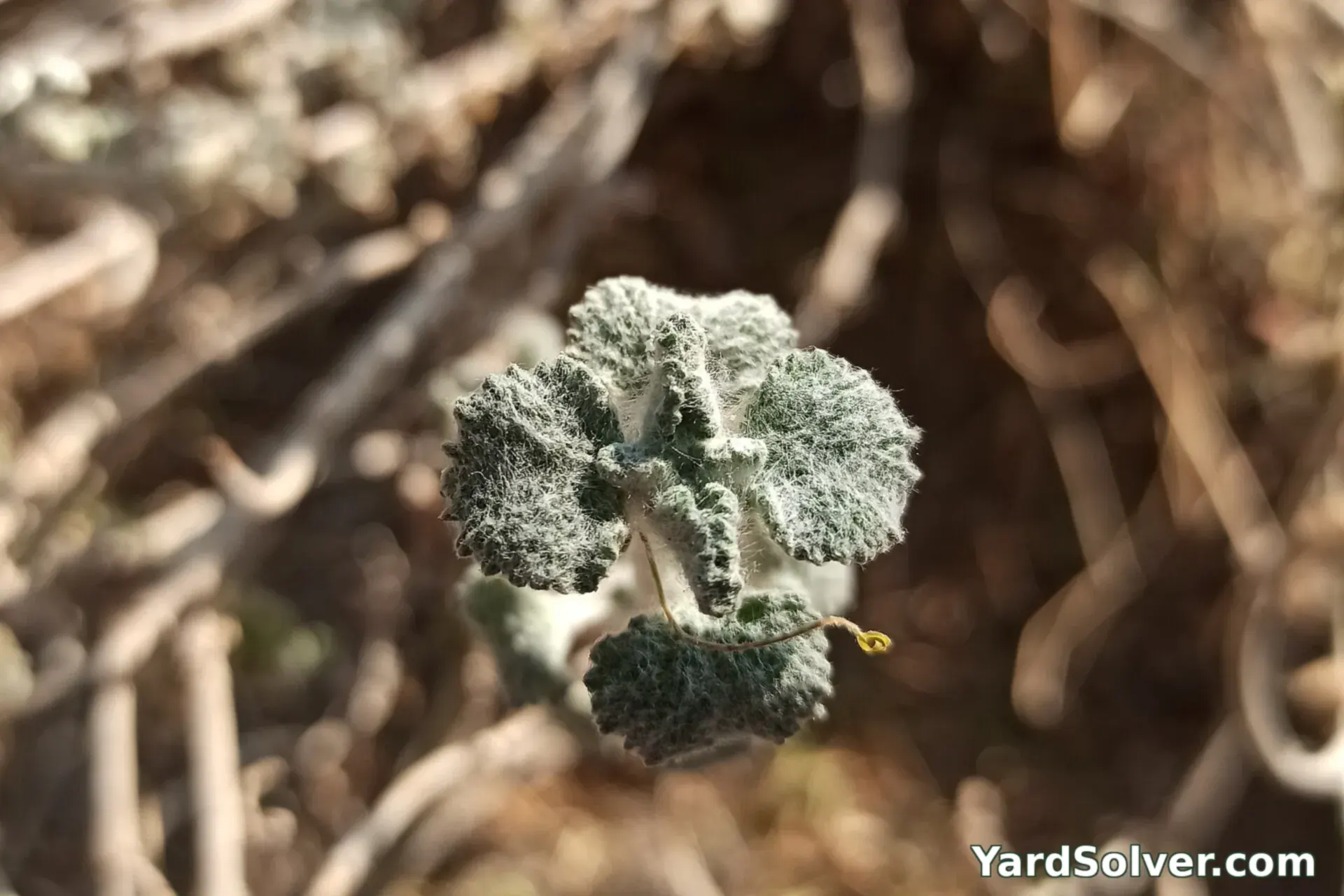
Shear plants lightly after flowering to keep the mound dense, and cut out winter-killed tips in spring. Divide tired clumps every few years.
- Winter rot — wet soil, always; move it somewhere drier and sharper.
- Self-sown seedlings — welcome in the gravel, hoed out elsewhere; deadhead to limit them.
- Floppy, pale growth — too much shade, water or kindness; grow it harder.
Step 6 — Harvest
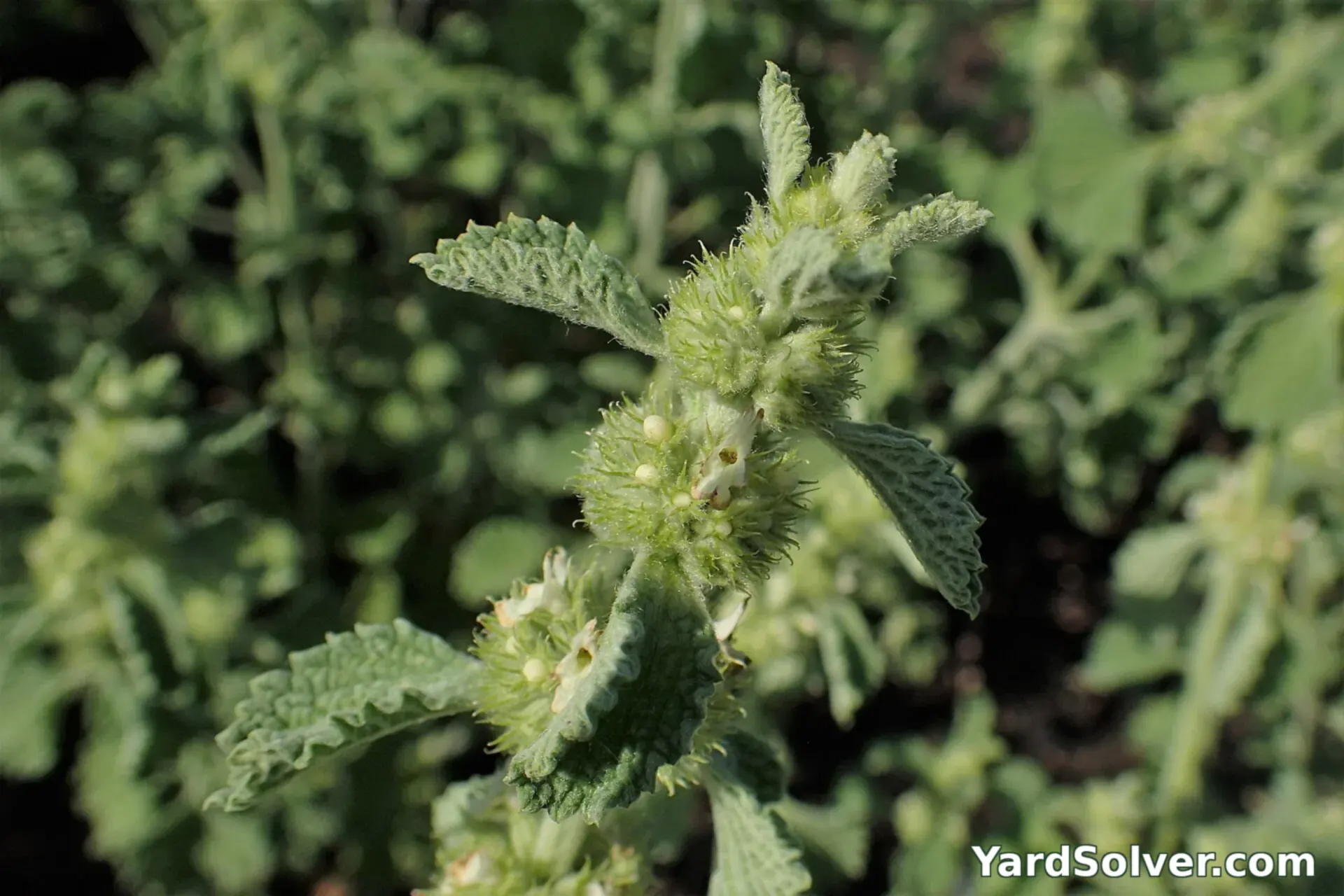
Harvest leaves any time, and make the main cut of flowering tops while the plant is in blossom (roughly June to September), when the bitter principles peak. Cut stems in the morning, bunch them loosely, and dry in shade with airflow. The dried herb keeps a year airtight — ready for homemade cough syrups and lozenges, where honey does diplomatic work against the bitterness.
📅 Your personal White Horehound schedule
Counted from your planting day — not a generic calendar. Day 0 is the day the seed went in the ground or the young plant went out.
Varieties worth growing
| Variety | Colour | Why gardeners like it |
|---|---|---|
| Marrubium vulgare | Woolly white-green, 2 ft | The species itself — the only white horehound for the herb garden. |
| Variegated horehound | Cream-splashed leaves | A variegated form grown for foliage interest in dry borders. |
| Black horehound (different plant) | Dark, rank-smelling | Ballota nigra shares only the name — an unrelated lookalike to keep out of the herb patch. |
Good for you — and take care
Benefits
- The original cough-candy herb — bitter, traditional, and still used in lozenges.
- Silver woolly foliage that glows in dry, sunny plantings.
- Almost unkillable where soil is poor, dry and sunny.
Take care
- Potent and very bitter — not for pregnancy, and large doses affect heart rhythm and blood sugar.
- Winter wet kills it; sharp drainage is non-negotiable.
- Don't confuse it with black horehound, a different plant entirely.
A little history — and one good fact
Horehound may be one of humanity's oldest cough remedies — Egyptian priests called it the 'seed of Horus', Greek and Roman physicians prescribed it, and it sailed to America in colonial medicine chests. Horehound candy sticks were the standard sore-throat sweet of the 1800s.
Fun fact: The name comes from the Old English har hune — 'hoary (white-frosted) plant' — a perfect description of its woolly leaves.
Keep going
Guides: Companion planting basics · How to dry herbs · Crop rotation basics
Calculators: Plant Spacing Calculator · Garden Mix Calculator · Fertilizer Calculator
More herbs: Valerian · Savory · Yarrow
← Back to the Plant Library · Get your personal planting dates
Questions people ask
What is white horehound used for?
Traditionally, coughs — its bitter compounds flavoured generations of cough drops, syrups and horehound candy. It is a potent herb with real effects on heart rhythm and blood sugar at medicinal doses, so today it is best grown with respect and used in traditional small amounts.
Why did my horehound die over winter?
Almost certainly wet feet. Horehound survives serious cold on dry ground but rots in soggy soil — plant it in your sharpest-draining, poorest patch, or in gravel.
Does horehound spread like mint?
It is a mint cousin but a well-behaved one — it forms a mound, spreads gently by self-sown seed, and never runs by underground stems the way mint does.
White horehound is a drought-proof herb of poor soils, grown for traditional cough remedies
White horehound (Marrubium vulgare) is a hardy, woolly-leaved member of the mint family grown for centuries as a cough herb, and it is one of the least demanding plants in the garden: full sun, poor dry soil, and no feeding at all. Rich, wet ground makes it lush and weak-flavoured and can kill it in winter; a gravel bed, a wall foot or a dry bank suits it perfectly.
It self-sows and can wander, and in some regions it is a declared weed of pasture, so grow it contained — a pot or a bounded bed — and deadhead before the burr-like seed heads scatter. Harvest the leafy tops as flowering begins, dry them quickly, and use them as the traditional bitter tea or syrup base; the flavour is an acquired taste that the remedies never pretended otherwise.
The worked example: a plant in a dry, sunny, contained bed typically lives for years and gives annual harvests with no attention. The same plant in a watered herb border typically outgrows its welcome and seeds everywhere — with horehound, containment is the whole of the care.
Sources
Key facts on this page — timing, spacing and care — cross-checked against NC State Extension Plant Toolbox — Marrubium vulgare — culture and care requirements and Marrubium vulgare — Wikipedia — background on white horehound and its traditional use.
Related page
Read next: Drought-Tolerant Plants: Low-Water Picks That Thrive.
Comments & ratings
No comments yet.
Be the first to share your experience.