
Plant Library · Herbs · By Faizan Ahmad
🌿 How to Grow Valerian
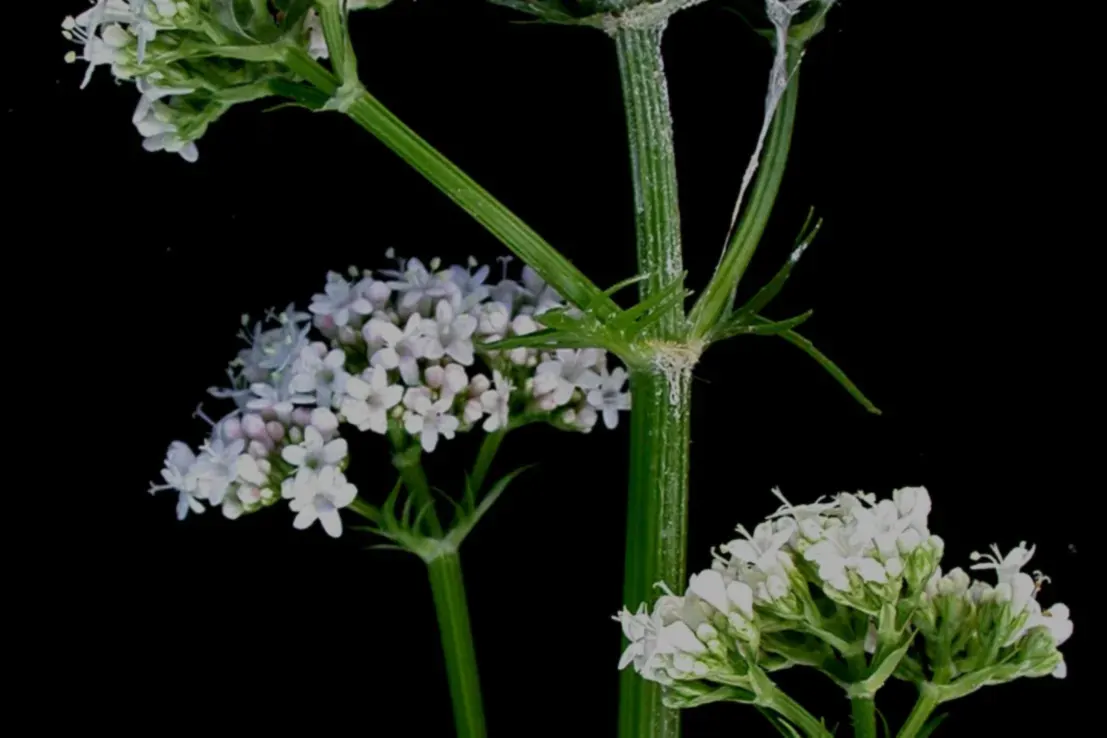
Sweet-scented summer flower heads, sleep-famous roots, and a plant your cat will find before you do. Valerian (Valeriana officinalis) is a tall, hardy perennial of damp meadows, grown since Hippocrates for its calming root. It self-sows cheerfully, perfumes June evenings, and asks for moist soil and a little patience — the roots are dug in the autumn of the second year.
Grow Valerian with us — step by step
Everything for this plant is written step by step below — what to do, and exactly when. Read it through first if you like: you can grow it entirely on your own with that guide. Or start with us here — tell us your planting day and we lay out your personal schedule on this page, every next step on its own day, counted from your planting date. No guessing, no forgetting.
Step 1 — today: Surface-sow fresh valerian seed indoors on moist mix — it needs light, and old seed is usually dead seed.
Valerian at a glance
Sow indoors: 6–8 weeks before last frost — surface-sow; seed needs light
Move outside: 1 week after last frost
Sow outdoors: In spring, surface-sown on moist soil
Spacing · Seed depth: 18 in apart · surface — barely cover
Sun: Full sun to part shade
Water: Generous — a plant of damp meadows
Harvest: Roots in autumn of year 2
Timing counts from your average last spring frost — get your own dates in the Planting Calendar. Guidance follows standard extension-service practice for Canada and the US.
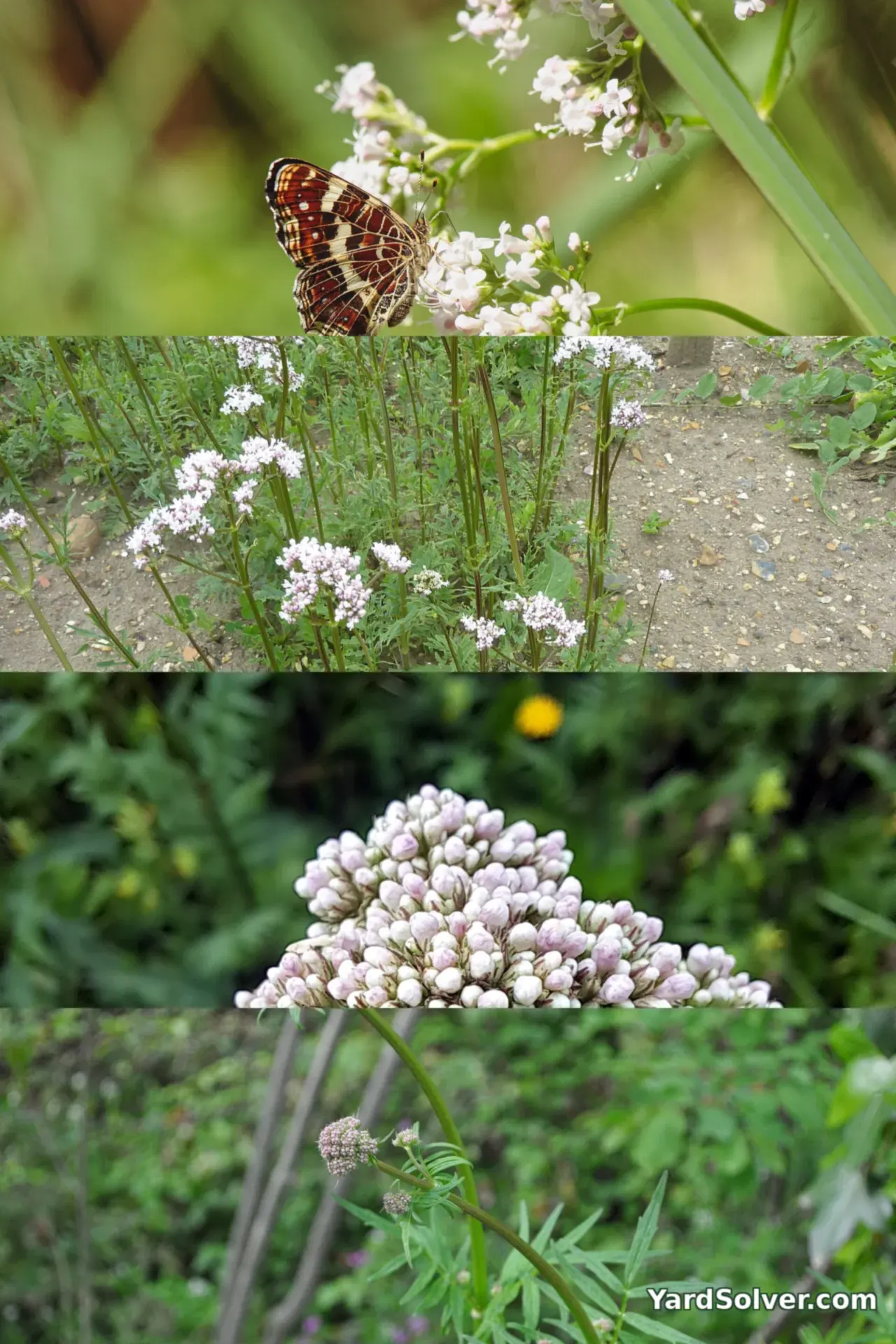
How to plant and grow valerian, step by step
Step 1 — Time it right
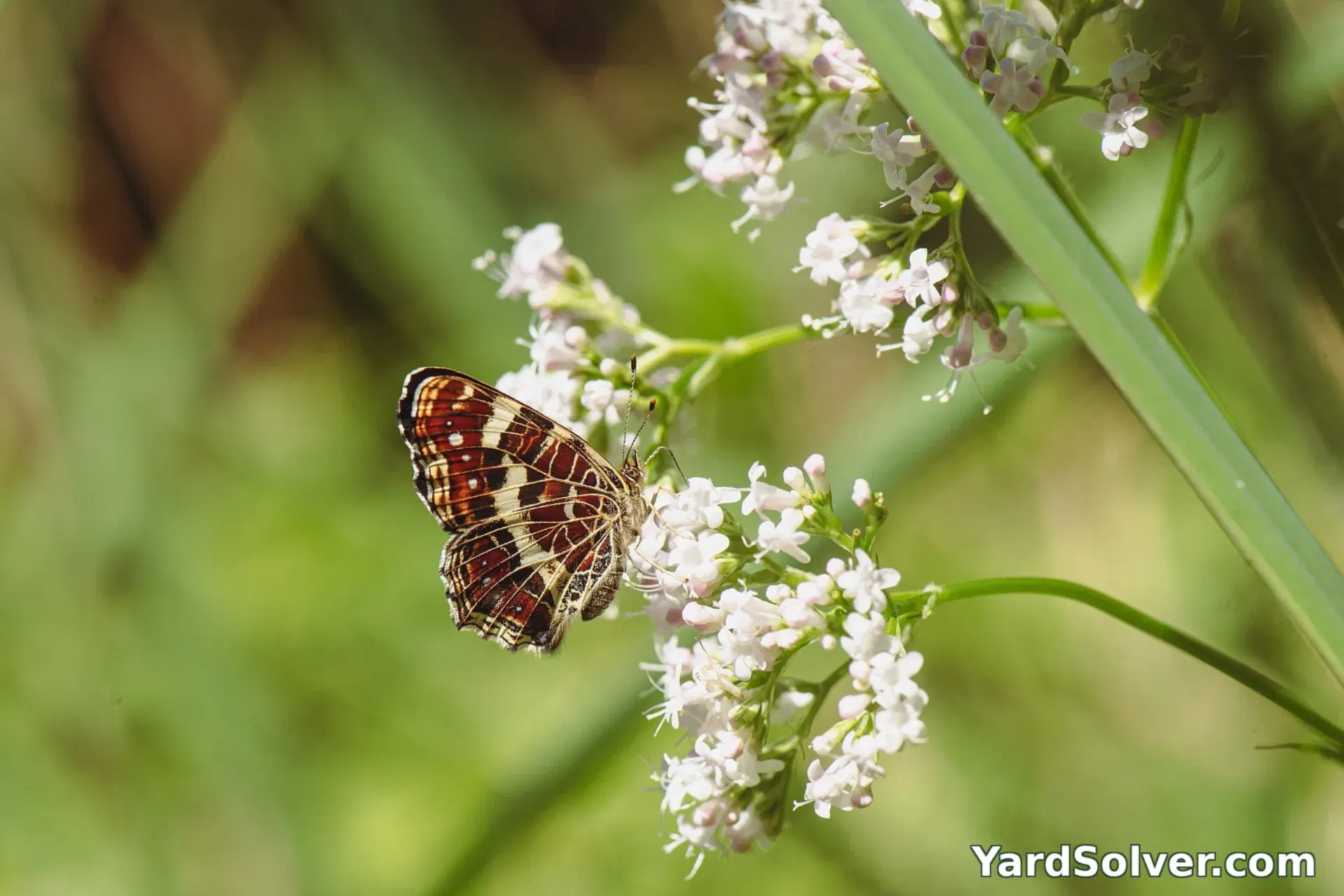
Sow indoors: 6–8 weeks before last frost, surface-sown; Move outside: 1 week after last frost; Sow outdoors: in spring, on the surface of moist soil. All dates count from your average last spring frost — the Planting Calendar turns them into real dates for your garden. Valerian (zones 4–8) germinates best from fresh seed — viability collapses within a year — so sow the newest packet you can find, or beg seed from a friend's plant in late summer. The seed needs light: press it onto the surface of moist mix and hold at 15–20 °C / 60–68 °F for 2–3 weeks. Many growers start with a division or bought plant instead — spring divisions establish instantly.
Step 2 — Prepare the spot
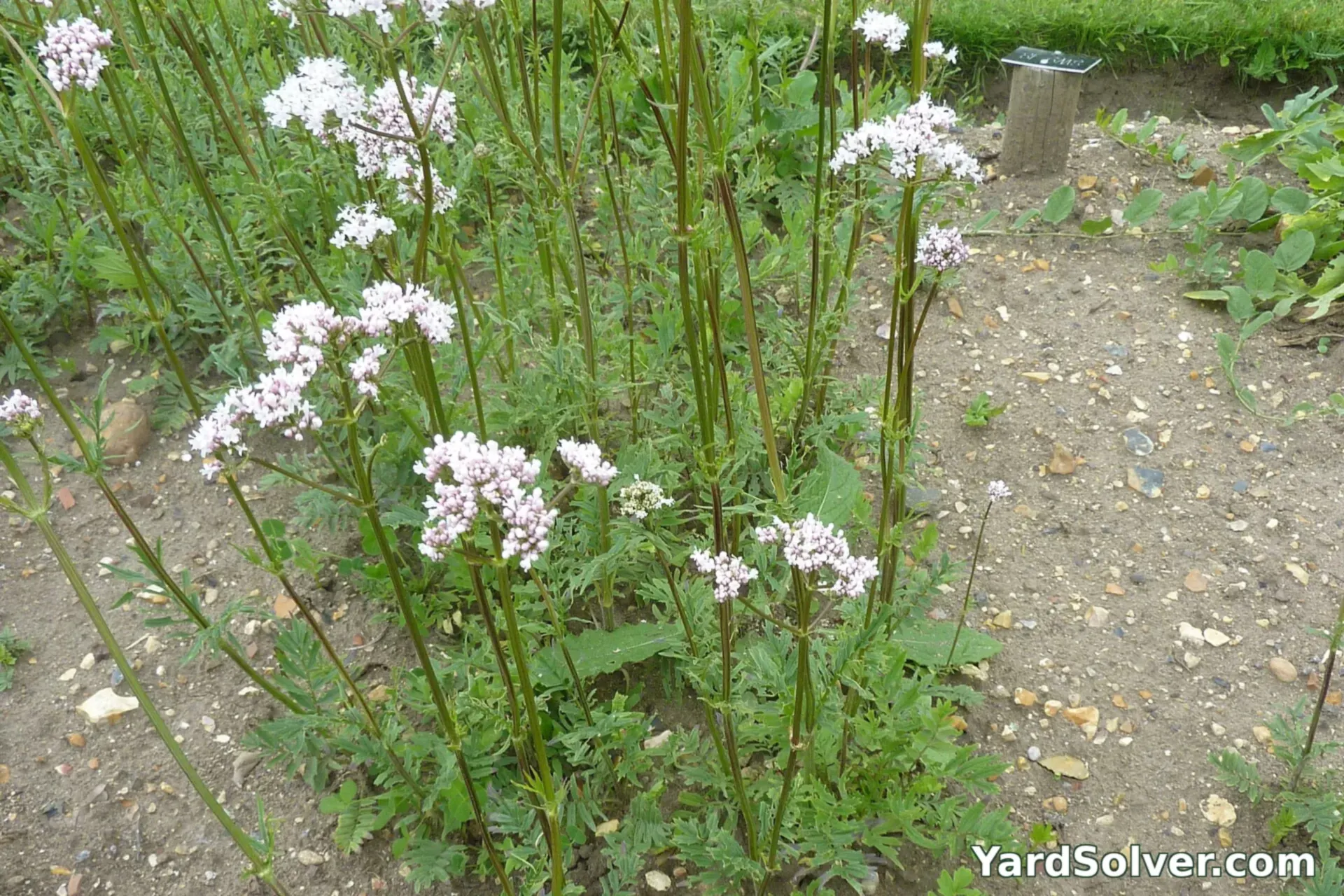
Valerian grows wild in damp meadows and stream banks, so give it rich, moisture-retentive soil in sun or light shade: a low corner, a bed you water anyway, or ground near (not in) the pond. Dig in plenty of compost or manure first — it's a tall, hungry plant, reaching 3–5 ft in flower. For a raised bed, the Raised Bed Soil Calculator counts the bags for you; mixing your own? The Garden Soil Calculator gives the compost-rich split to aim for.
Step 3 — Sow and plant out
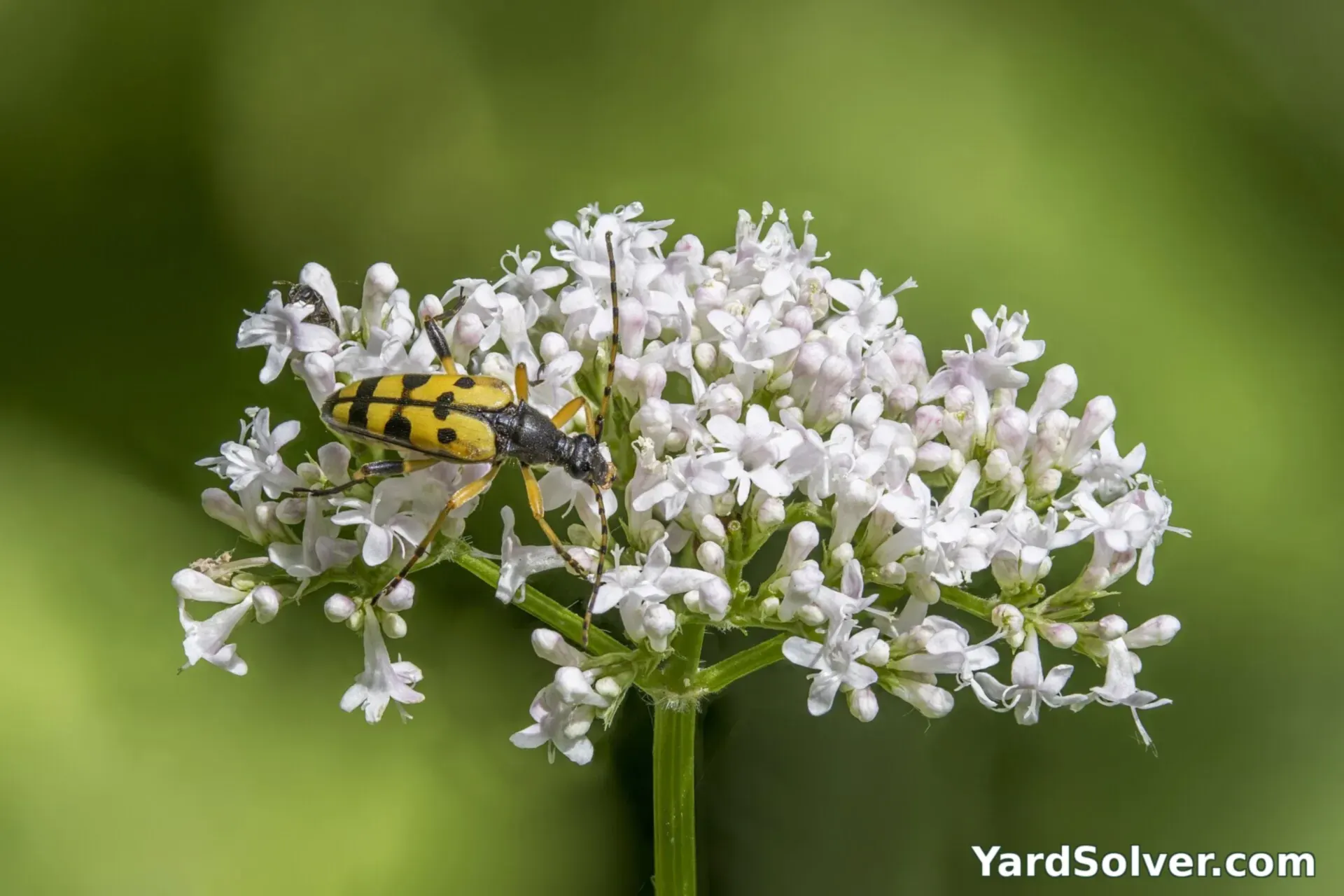
Set plants 18 in apart (extension tables allow 12–24 in; 18 suits most gardens) and water them in generously. The Plant Spacing Calculator turns your bed size into an exact plant count. Mulch to lock moisture in. Good neighbours: valerian shares its damp tastes with marshmallow, and the two make a handsome medicinal pair at the back of a moist border.
Step 4 — Water and feed
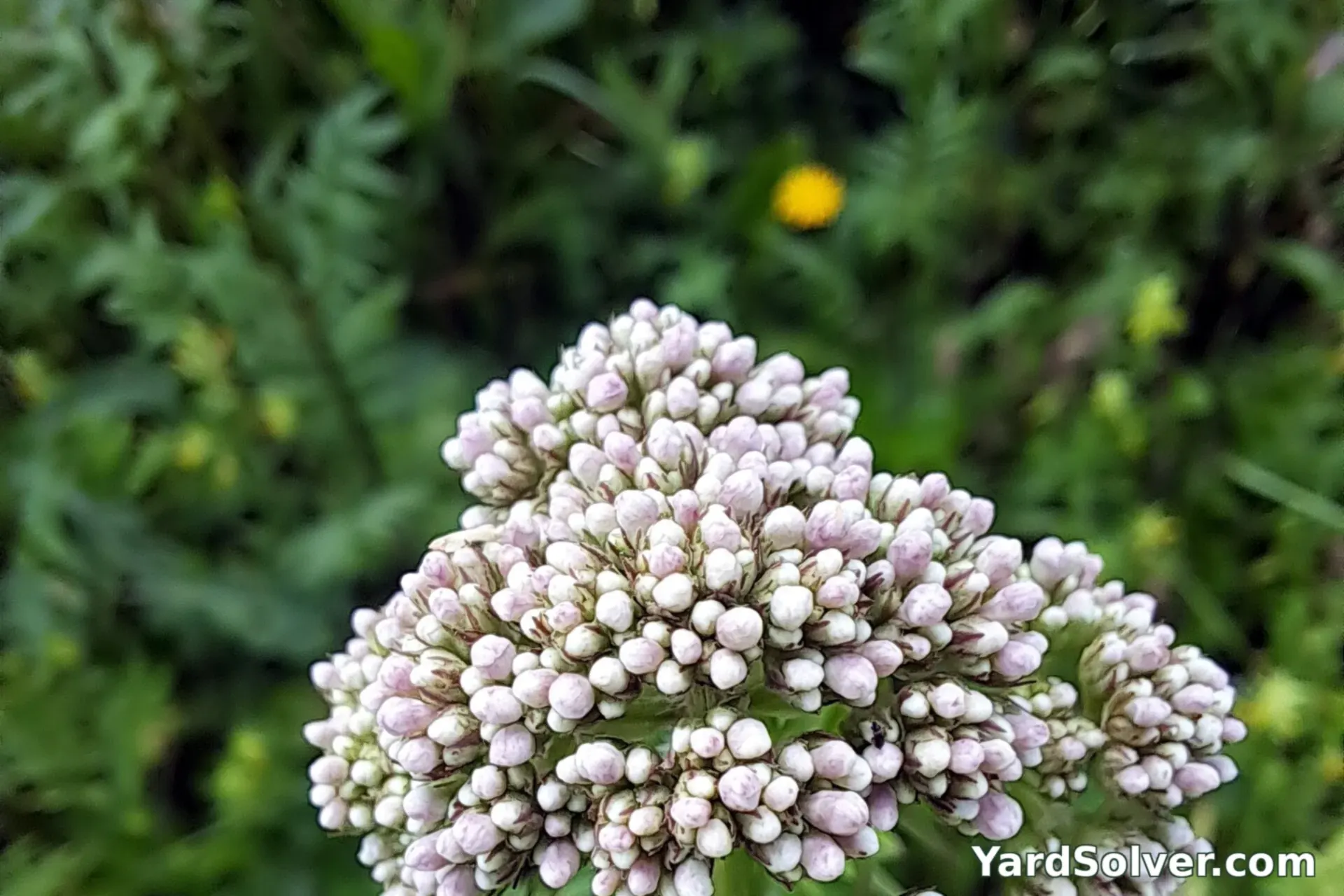
Valerian wants consistent moisture through the growing season; in a dry summer, water deeply each week. It feeds hungrily too: the compost you dug in, plus one balanced feed in spring, keeps the tall stems coming — the Fertilizer Calculator turns your bed size into exact amounts. In reliably damp ground both water and feed can relax.
Step 5 — Care and the problems to watch for
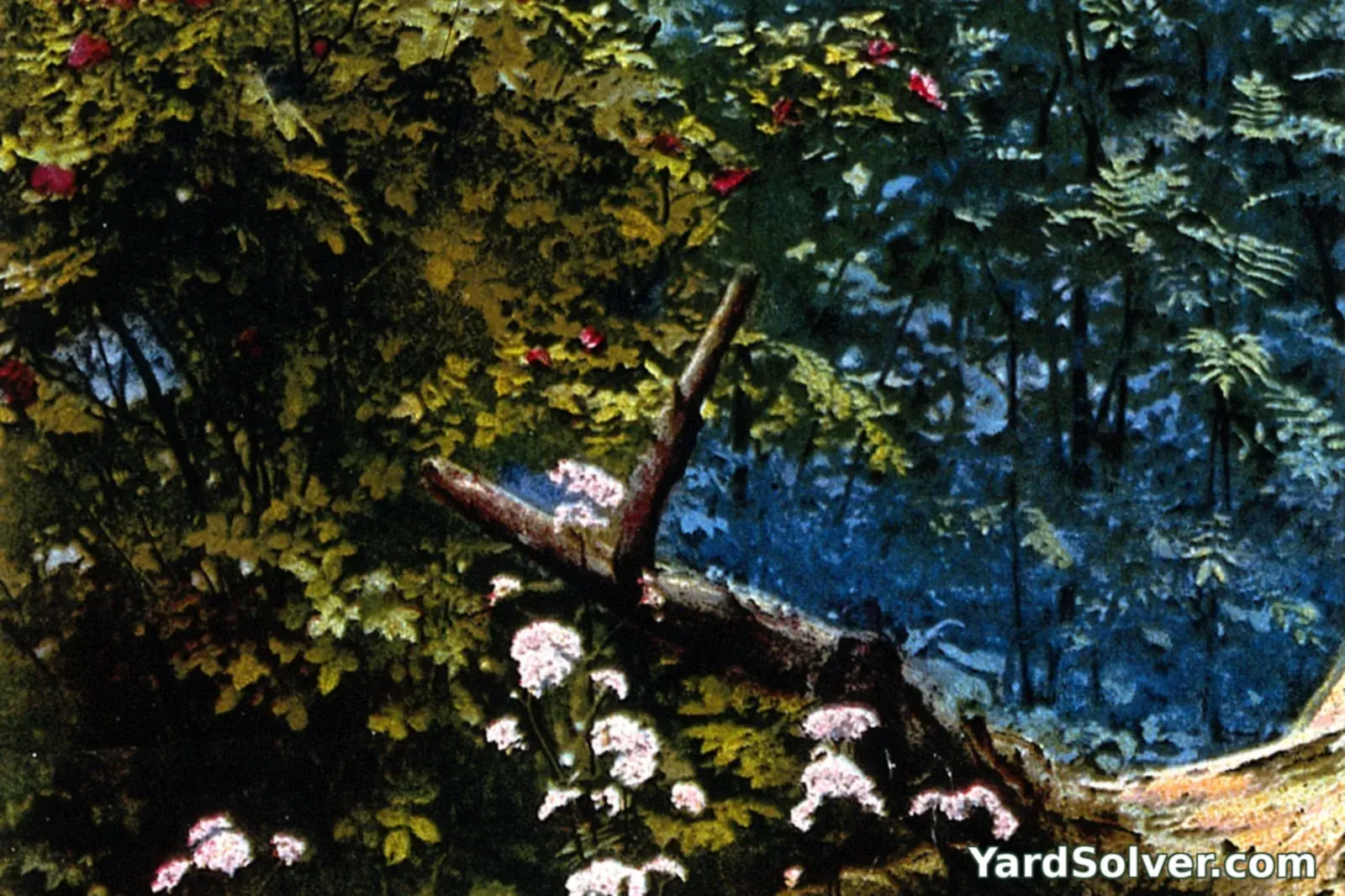
Valerian's maintenance is about seed control: it self-sows freely, so deadhead most flower heads unless you want a colony (leave one plant for seed and the bees). Cut tops down in autumn — or leave them for winter structure and cut in spring.
- Seedlings everywhere — deadhead before the seed fluff flies.
- Short plants, thin roots — drought or poor soil; water and feed next season.
- Cats digging at the base — the root scent draws them, especially at harvest; a few sticks around the crown help.
Step 6 — Harvest
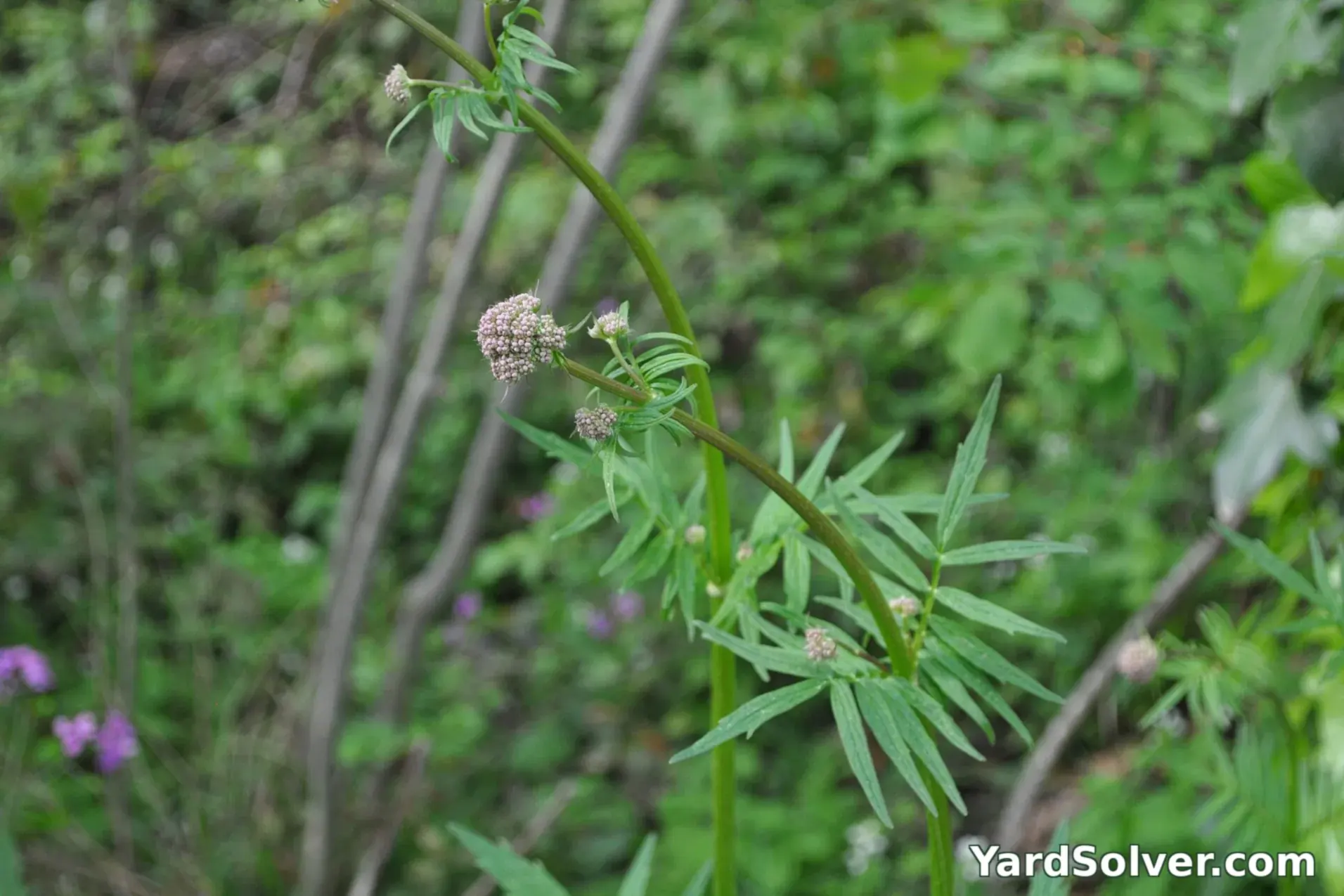
Dig the roots in autumn of the second year, after flowering energy has returned underground. Lift the whole crown with a fork, wash the roots thoroughly (their earthy, unmistakable smell intensifies as they dry), chop, and dry them fast with moving air before storing airtight. Leave some plants standing each year so the colony — and the June perfume — never lapses.
📅 Your personal Valerian schedule
Counted from your planting day — not a generic calendar. Day 0 is the day the seed went in the ground or the young plant went out.
Varieties worth growing
| Variety | Colour | Why gardeners like it |
|---|---|---|
| Valeriana officinalis | Pale pink-white, 3–5 ft | The species itself — the only valerian for the root harvest. |
| Anthose | White, uniform | A selection bred for even growth and root yield in herb production. |
| Red valerian (not this plant) | Crimson, wall-loving | Centranthus ruber shares the name only — a fine garden flower, but not the medicinal root. |
Good for you — and take care
Benefits
- The classic calming root of Western herbalism, grown at home.
- Sweetly scented flower heads that perfume June evenings and feed bees.
- A tall, graceful back-of-border plant for damp ground.
Take care
- A genuine sedative — don't mix with sleep medicines or use before surgery.
- Self-sows freely; deadhead to keep it in its corner.
- Cats are drawn to the root — expect attention at harvest time.
A little history — and one good fact
Valerian has been prescribed since Hippocrates and Galen; its name may trace to the Latin valere — 'to be well'. In the Second World War it was officially recommended in Britain for the nerves of air-raid nights, and it remains one of Europe's most-used herbal sedatives.
Fun fact: The Pied Piper of Hamelin, in some tellings, carried valerian root in his pocket — the rats, like cats, are drawn to its scent.
Keep going
Guides: Companion planting basics · How to dry herbs · Crop rotation basics
Calculators: Plant Spacing Calculator · Garden Mix Calculator · Fertilizer Calculator
More herbs: Marshmallow · Licorice · White Horehound · Catnip · Ashwagandha
← Back to the Plant Library · Get your personal planting dates
Questions people ask
When do I harvest valerian roots?
In autumn of the second year, after the tops die back. Lift the crown with a fork, wash and chop the roots, and dry them quickly with good airflow — the characteristic smell strengthens as they dry.
Why didn't my valerian seed germinate?
Usually age or burial. Valerian seed loses viability within a year and needs light to sprout — sow fresh seed on the surface of moist mix and keep it damp for two to three weeks.
Does valerian really attract cats?
Yes — the root contains compounds that affect cats much like catnip does, and rats and other animals are drawn to it too. Expect feline supervision when you dig the roots.
Valerian is a tall, self-sowing perennial grown for its root — and loved by cats
Valerian (Valeriana officinalis) is a hardy perennial that sends up tall stems of sweet-scented white-pink flowers in early summer and is grown medicinally for its root, dug in its second autumn. It likes moist, rich soil and sun or light shade, grows to head height in a good spot, and seeds itself freely — deadhead unless you want a colony, because a valerian patch spreads by generosity, not aggression.
Cats react to the root as strongly as to catnip, and will roll on dug roots and young plants, so protect a new planting if cats visit. Harvest by lifting second-year roots in autumn, washing and drying them quickly with warmth and airflow; the fresh root is mild, the characteristic pungent smell developing as it dries.
The worked example: plants given a moist corner and left to establish typically flower from their second summer and give strong roots that autumn. The same plants in dry, thin soil typically stay short, flower sparsely and yield little root — with valerian, moisture is the difference between a herb and an ornament.
Sources
Key facts on this page — timing, spacing and care — cross-checked against NC State Extension Plant Toolbox — Valeriana officinalis — culture and care requirements and Valerian (herb) — Wikipedia — background on valerian and its traditional use.
Related page
Read next: Companion Planting Basics: Good & Bad Neighbours.
Comments & ratings
No comments yet.
Be the first to share your experience.