
Plant Library · Herbs · By Faizan Ahmad
🌿 How to Grow Licorice
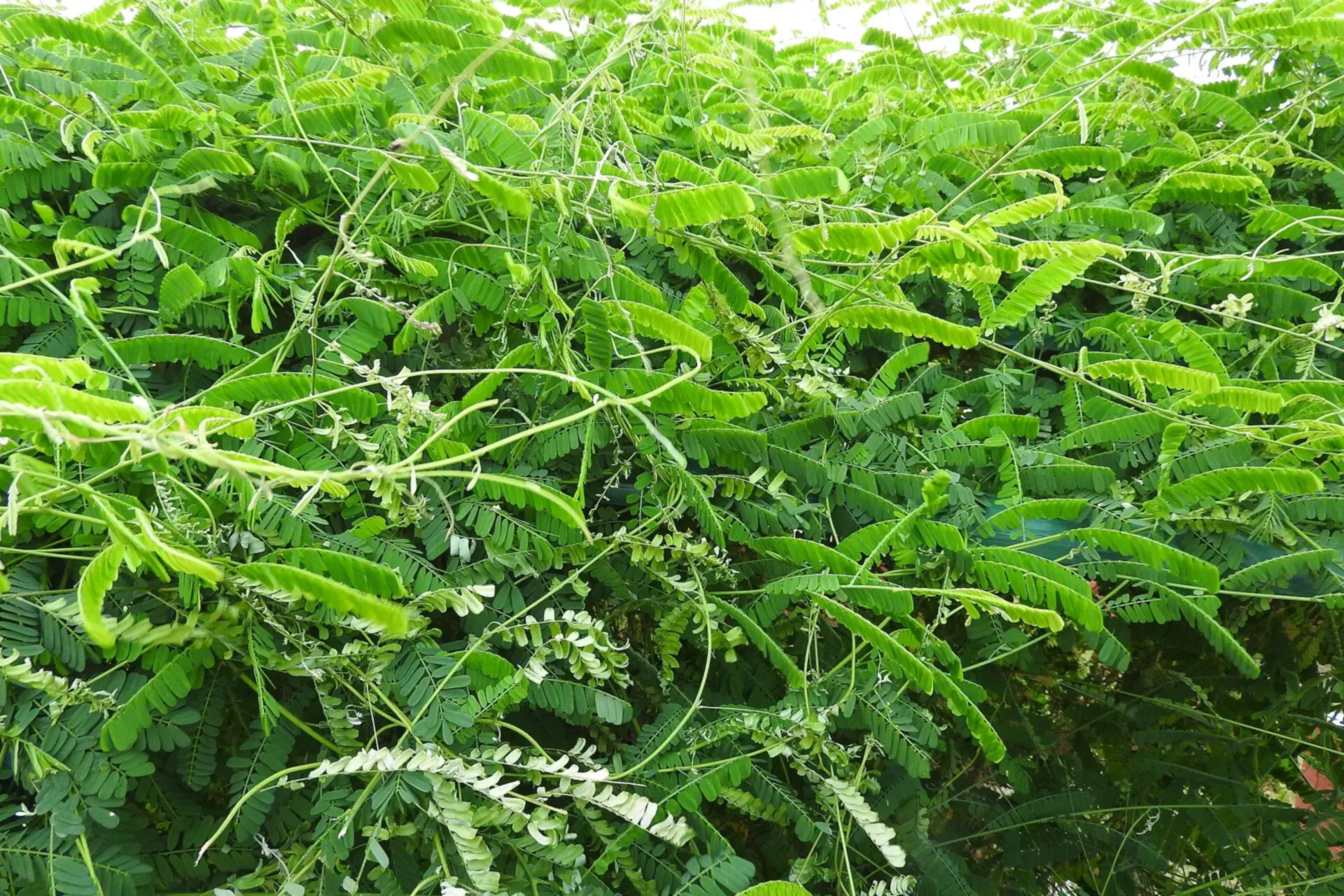
The real root behind the candy — a deep-rooted legume you plant once and start harvesting in year three. Licorice (Glycyrrhiza glabra) is a handsome perennial of about 3 ft, grown across the Mediterranean and Central Asia for its intensely sweet roots. It demands two things: a mild-ish climate (hardy around zone 7, colder with protection) and patience — the roots need two to three years to reach harvest size.
Grow Licorice with us — step by step
Everything for this plant is written step by step below — what to do, and exactly when. Read it through first if you like: you can grow it entirely on your own with that guide. Or start with us here — tell us your planting day and we lay out your personal schedule on this page, every next step on its own day, counted from your planting date. No guessing, no forgetting.
Step 1 — today: Buy a potted licorice plant or fresh root cuttings in spring — skip seed unless you enjoy a challenge.
Licorice at a glance
Plant out: Spring, from root cuttings or potted plants — seed is unreliable
Sow outdoors: Possible with scarified, soaked seed; cuttings are far surer
Spacing: 24 in apart or more — the rhizomes travel
Sun: Full sun
Water: Regular while young; deep roots forage later
Harvest: Roots in autumn of year 2–3; best flavour after year 3
Timing counts from your average last spring frost — get your own dates in the Planting Calendar. Guidance follows standard extension-service practice for Canada and the US.
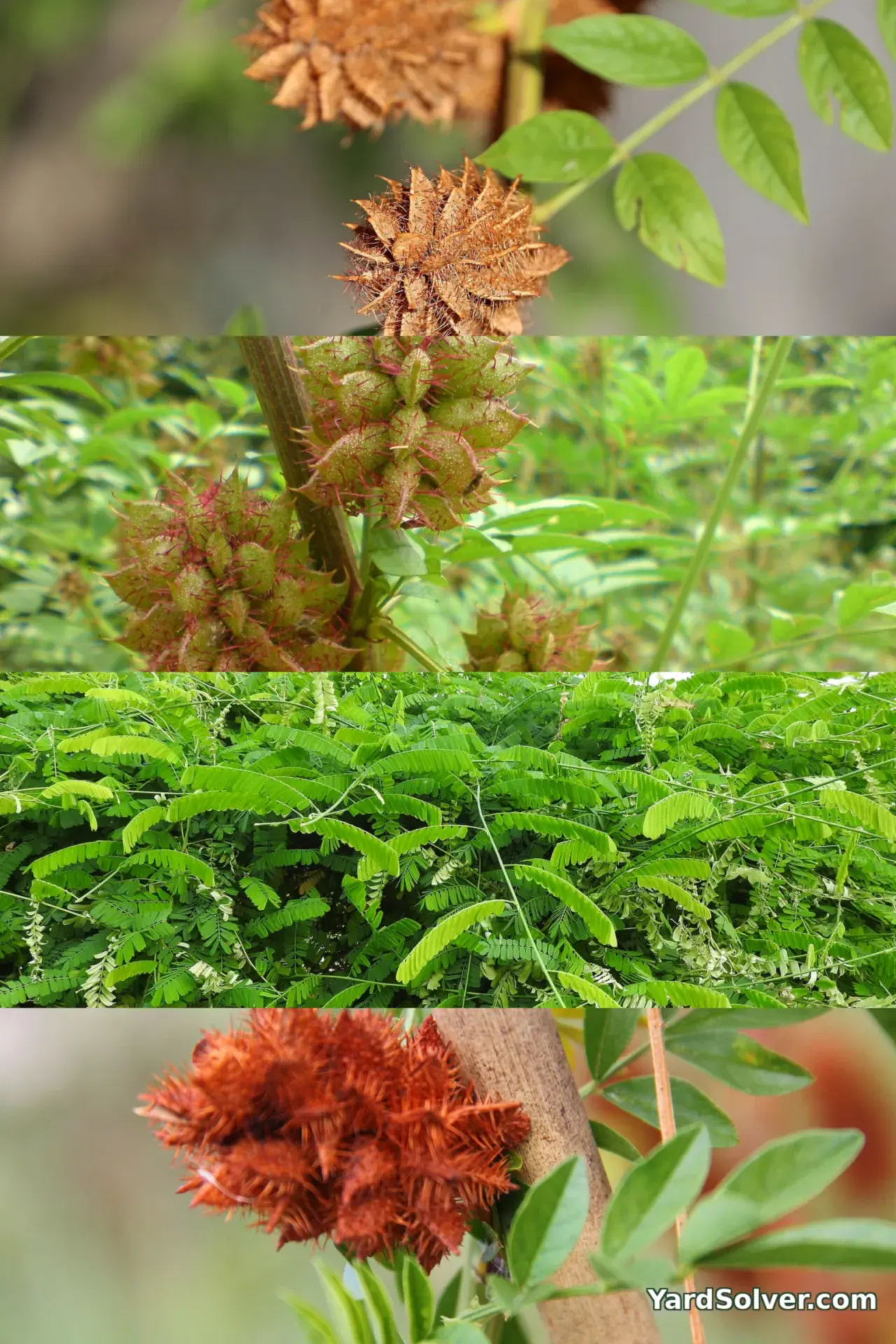
How to plant and grow licorice, step by step
Step 1 — Time it right
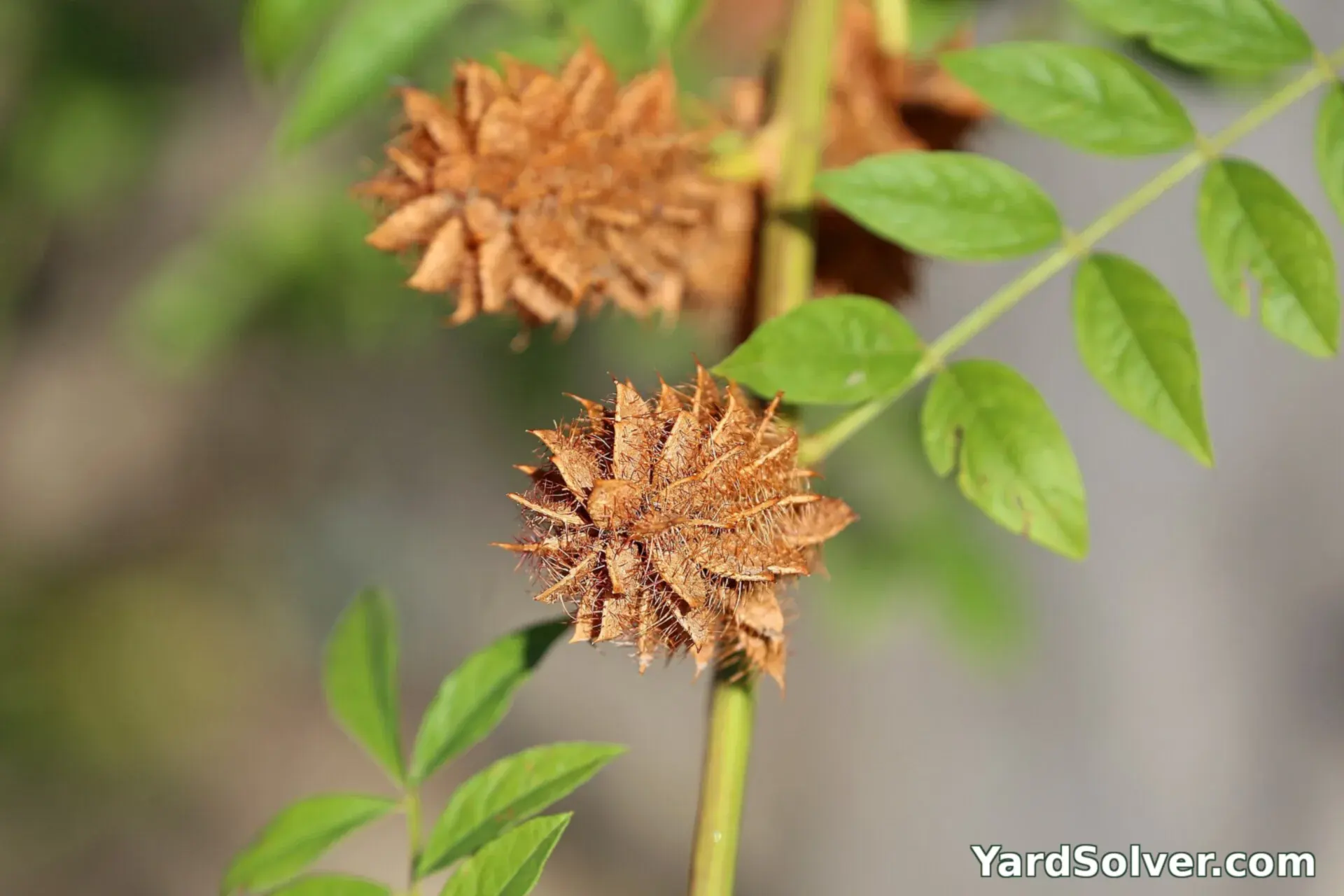
Plant out: in spring, from root cuttings or potted plants; Sow: seed needs scarifying and soaking, and germinates poorly — cuttings are the sensible start. All dates count from your average last spring frost — the Planting Calendar turns them into real dates for your garden. Licorice is usually started from rhizome cuttings (4–6 in pieces with buds) or bought potted plants, planted in spring. If you do try seed, nick the hard coat, soak overnight, and accept slow, patchy germination. The plant is hardy to about zone 7 (some growers succeed in zone 6 with deep mulch), and it dies back to the crown each winter, returning late in spring.
Step 2 — Prepare the spot
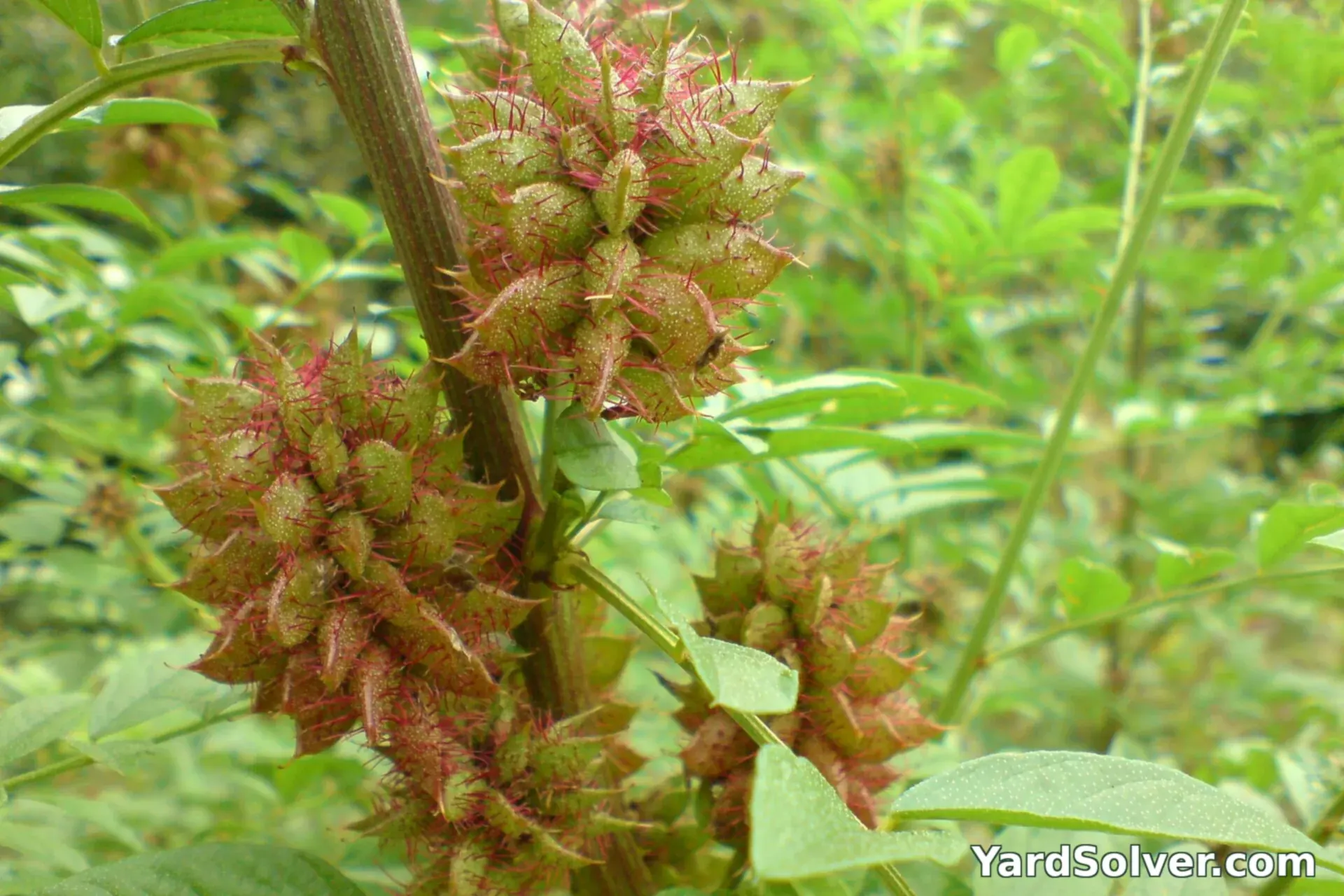
Licorice roots dive deep and thicken best in light, sandy, stone-free soil — fork it over deeply and remove stones, or harvest day becomes an excavation. Drainage must be good, but the soil should hold some moisture. Give the patch a contained home (a bed edge, a big sunken container) because the rhizomes travel sideways with intent. For a raised bed, the Raised Bed Soil Calculator counts the bags for you; mixing your own? The Garden Soil Calculator gives the compost-rich split to aim for.
Step 3 — Sow and plant out
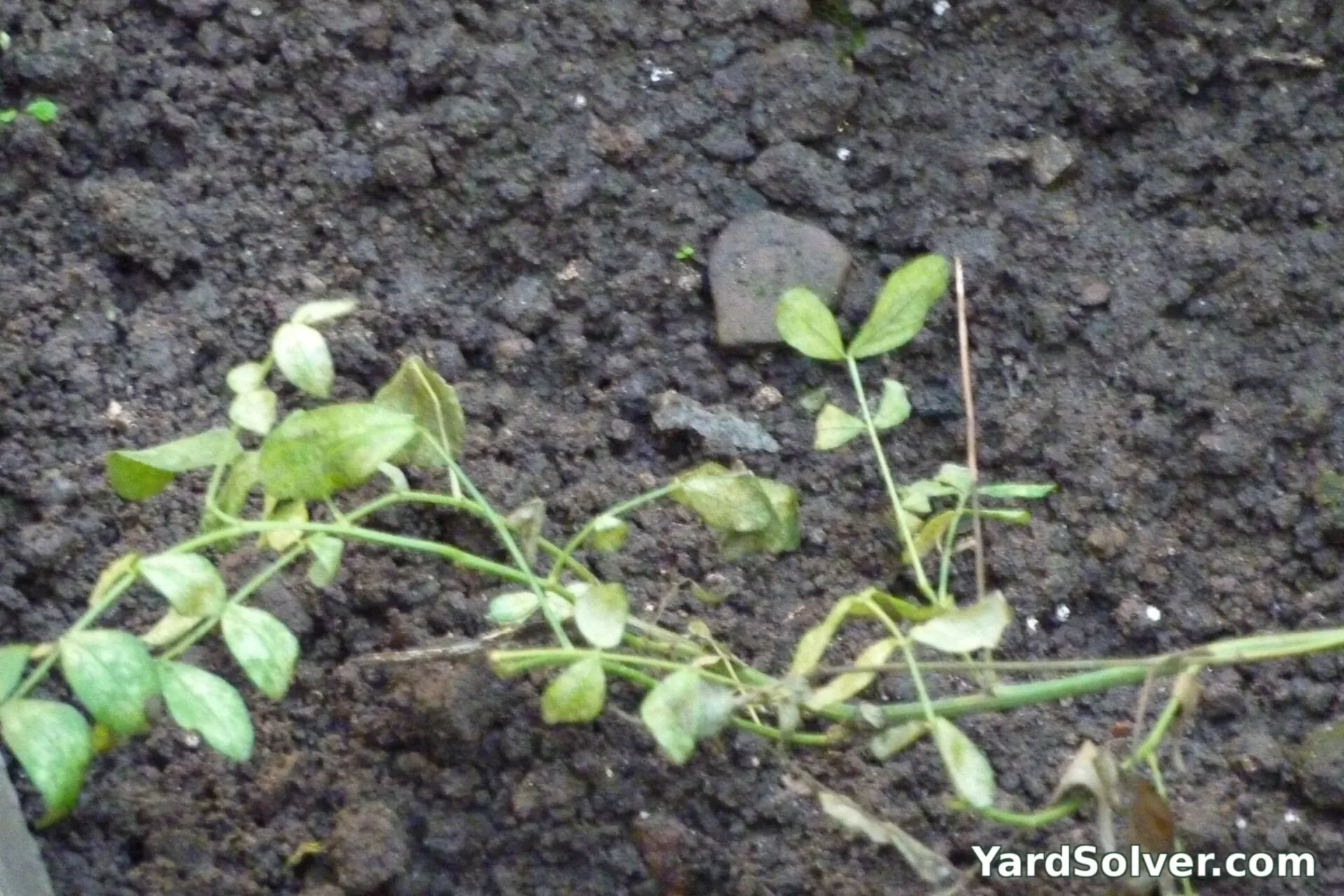
Set cuttings horizontally about 2 in deep, or plant potted plants at their nursery depth, spacing at least 24 in apart (a full metre is not wasted — wide-spaced plants make the thickest roots). The Plant Spacing Calculator turns your bed size into an exact plant count. Water in and mulch. Good neighbours: as a legume, licorice fixes nitrogen and shares a bed happily with hungry feeders, but give the patch borders — it will colonise any bed it can reach.
Step 4 — Water and feed
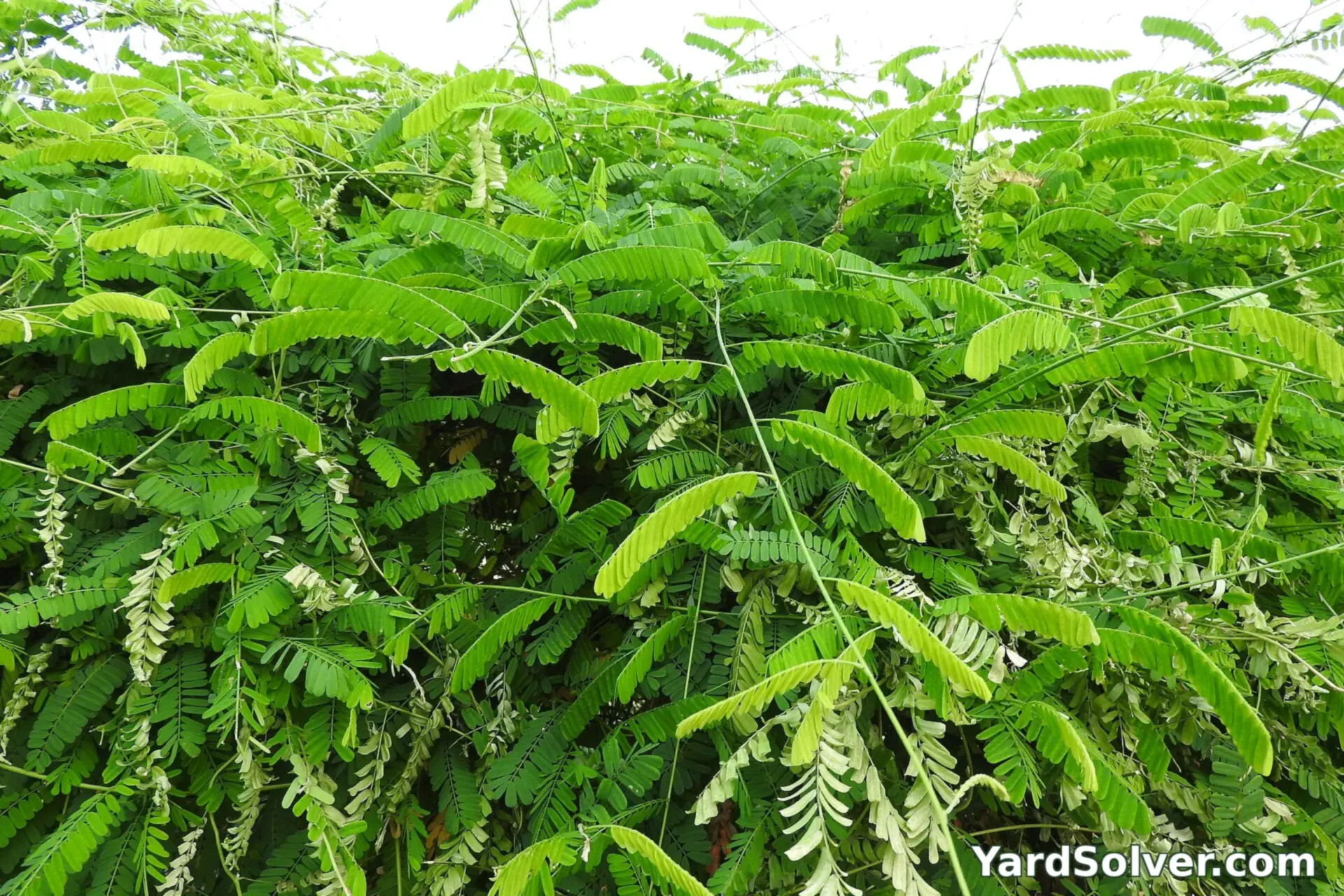
Keep young plants evenly watered through their first two growing seasons — root growth is the whole crop. Once established, the deep root system finds its own moisture in all but serious drought. Feeding is light: the plant fixes its own nitrogen, so a spring compost mulch is ample; avoid heavy nitrogen feeds that grow leaf at the root's expense — the Fertilizer Calculator turns your bed size into exact amounts.
Step 5 — Care and the problems to watch for
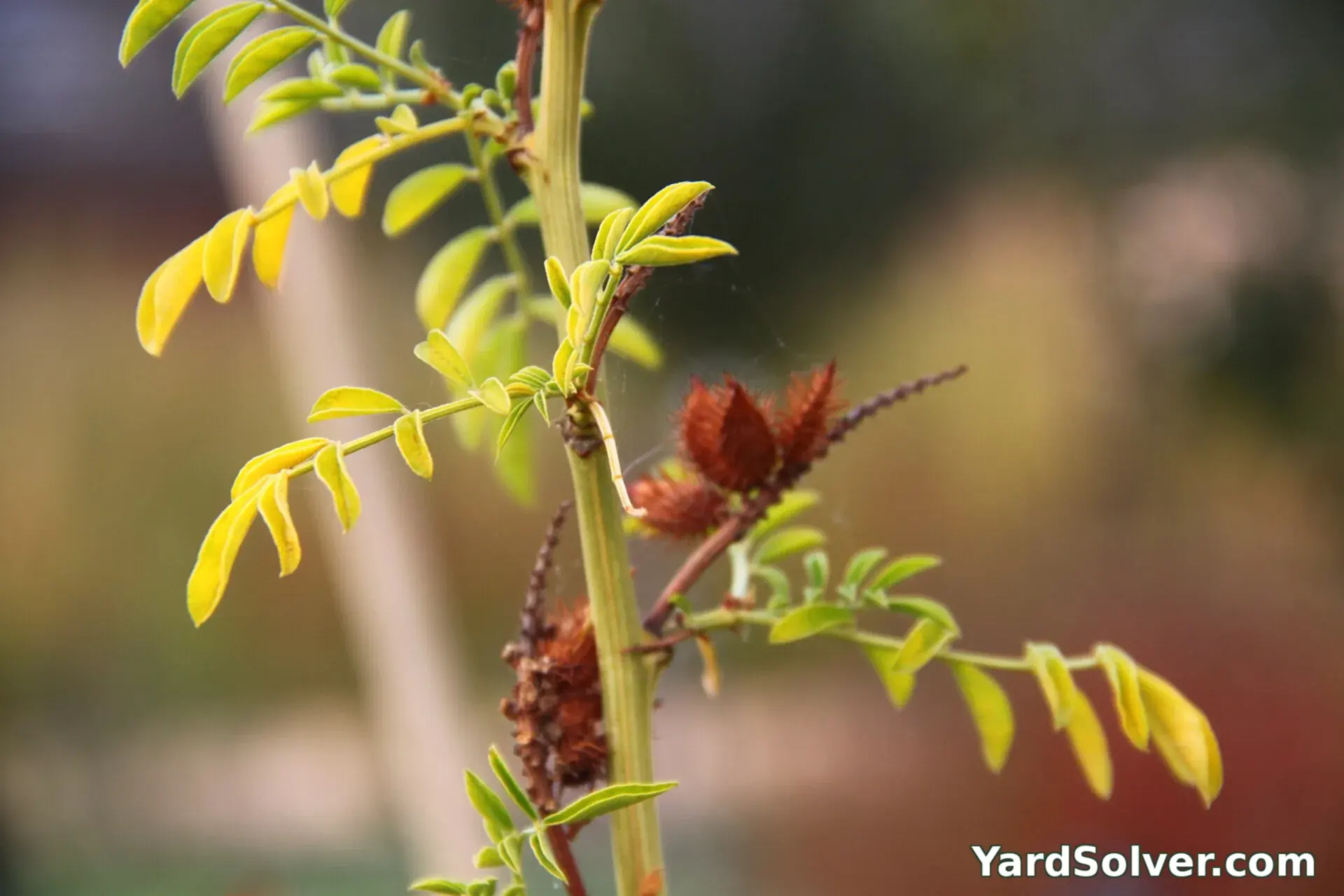
Licorice is a low-trouble plant whose main vice is enthusiasm. Cut the top growth down after it yellows in autumn, mulch the crown in cold districts, and patrol the patch edges each spring, digging out escaping rhizomes while they're small.
- Spreading beyond its bed — spade around the patch once a year to sever runners.
- Weak growth in year one — normal; the plant is building root, not show.
- Winter losses in cold gardens — a deep straw mulch after die-back carries zone 6 plants through.
Step 6 — Harvest
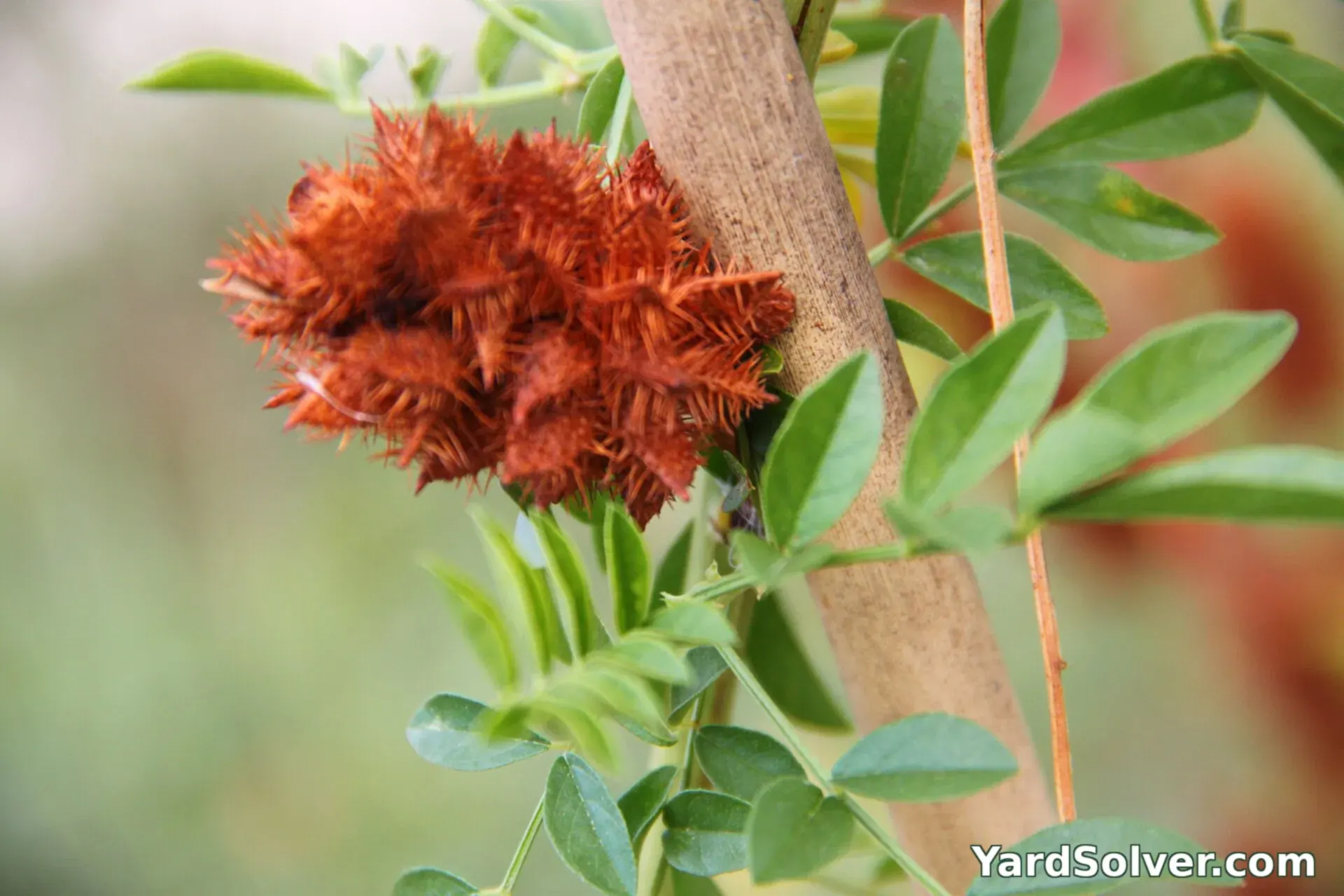
From autumn of the second year — and better in the third — fork up a section of the root system on a dry day, leaving plenty behind to regrow. Wash the roots, cut them into sticks, and dry them thoroughly. Chewed fresh, a sliver is startlingly sweet (the root's glycyrrhizin is many times sweeter than sugar); dried sticks flavour teas, syrups and home brews. Replant a few cuttings from the harvest to keep the patch young.
📅 Your personal Licorice schedule
Counted from your planting day — not a generic calendar. Day 0 is the day the seed went in the ground or the young plant went out.
Varieties worth growing
| Variety | Colour | Why gardeners like it |
|---|---|---|
| Spanish licorice | Thick, sweet roots | Glycyrrhiza glabra var. typica — the classic European root of commerce. |
| Turkish licorice | Very sweet, fibrous roots | Var. glandulifera — the Anatolian type, grown across the eastern Mediterranean. |
| Russian licorice | Extra-hardy plants | Types selected in colder continental climates — the ones to seek in zone 6–7 gardens. |
Good for you — and take care
Benefits
- The genuine article — real licorice root for teas, syrups and flavouring.
- A nitrogen-fixing legume that improves its patch as it grows.
- Handsome feathery foliage and lilac pea-flowers all summer.
Take care
- Powerful root — raises blood pressure in quantity; never a daily habit, never in pregnancy.
- Rhizomes spread with intent — give it a contained bed.
- Roots need 2–3 years; harvesting early gives sticks, not a crop.
A little history — and one good fact
Licorice root was chewed in ancient Egypt (a stash was buried with Tutankhamun), prescribed in China for over 4,000 years, and carried by Alexander's soldiers as a thirst-quencher on campaign. Northern England's Pontefract became so famous for licorice cakes that the root defines the town to this day.
Fun fact: Most 'licorice' candy today is flavoured with anise, not licorice — real licorice root is so potent (roughly 50 times sweeter than sugar) that manufacturers use it sparingly.
Keep going
Guides: Crop rotation basics · Companion planting basics · How to dry herbs
Calculators: Plant Spacing Calculator · Garden Mix Calculator · Fertilizer Calculator
More herbs: Fenugreek · Marshmallow · Valerian · Ashwagandha
← Back to the Plant Library · Get your personal planting dates
Questions people ask
How long before I can harvest licorice root?
Roots are worth digging in the autumn of the second year, and better — thicker and sweeter — in the third. Fork up only part of the patch and replant a few cuttings, so the colony keeps renewing itself.
Is garden licorice the same as licorice candy?
The root is the original flavouring, but most modern candy is flavoured with anise instead. Real licorice root is intensely sweet and genuinely powerful — a little flavours a pot of tea; it is not a snack to eat by the handful.
Will licorice spread through my garden?
It spreads steadily by rhizome, like a polite mint. A bed with solid edges, or an annual spade-cut around the patch, keeps it exactly where you planted it.
Licorice is harvested for roots, not tops: give it three patient years, deep loose soil, and a dry autumn dig
True licorice (Glycyrrhiza glabra) is grown for its sweet roots, and that changes every decision. The plant itself is an unremarkable leguminous perennial — pinnate leaves, pale lilac pea flowers, a tendency to run — but below ground it is building the long, sweet taproots that carry glycyrrhizin, many times sweeter than sugar. Roots lifted too young are thin and weakly flavoured, so the crop is planned in years, not weeks: plant once, leave the patch undisturbed, and dig in the third or fourth autumn.
Site decides more than feeding. Licorice wants full sun, deep, loose, well-drained soil it can drive its roots straight down through, and patience through a slow first season while the roots establish. It spreads by runners, so give it a dedicated bed or a sunken barrier, and expect it to resent heavy clay and winter waterlogging — both rot the very roots you are waiting for.
The worked example: plants set into a deep, sandy, undisturbed bed and left for three full seasons typically give thick, sweet roots worth drying and storing. The same plants dug hopefully after one summer typically give pencil-thin roots and a patch that never recovers its vigour — with licorice, the harvest date is set on planting day.
Sources
Key facts on this page — timing, spacing and care — cross-checked against NC State Extension Plant Toolbox — Glycyrrhiza glabra — culture and care requirements and Liquorice — Wikipedia — background on licorice, glycyrrhizin and its cultivation.
Related page
Read next: Crop Rotation Basics: A Simple Four-Year Plan.
Comments & ratings
No comments yet.
Be the first to share your experience.