
Plant Library · Herbs · By Faizan Ahmad
🌿 How to Grow Fenugreek
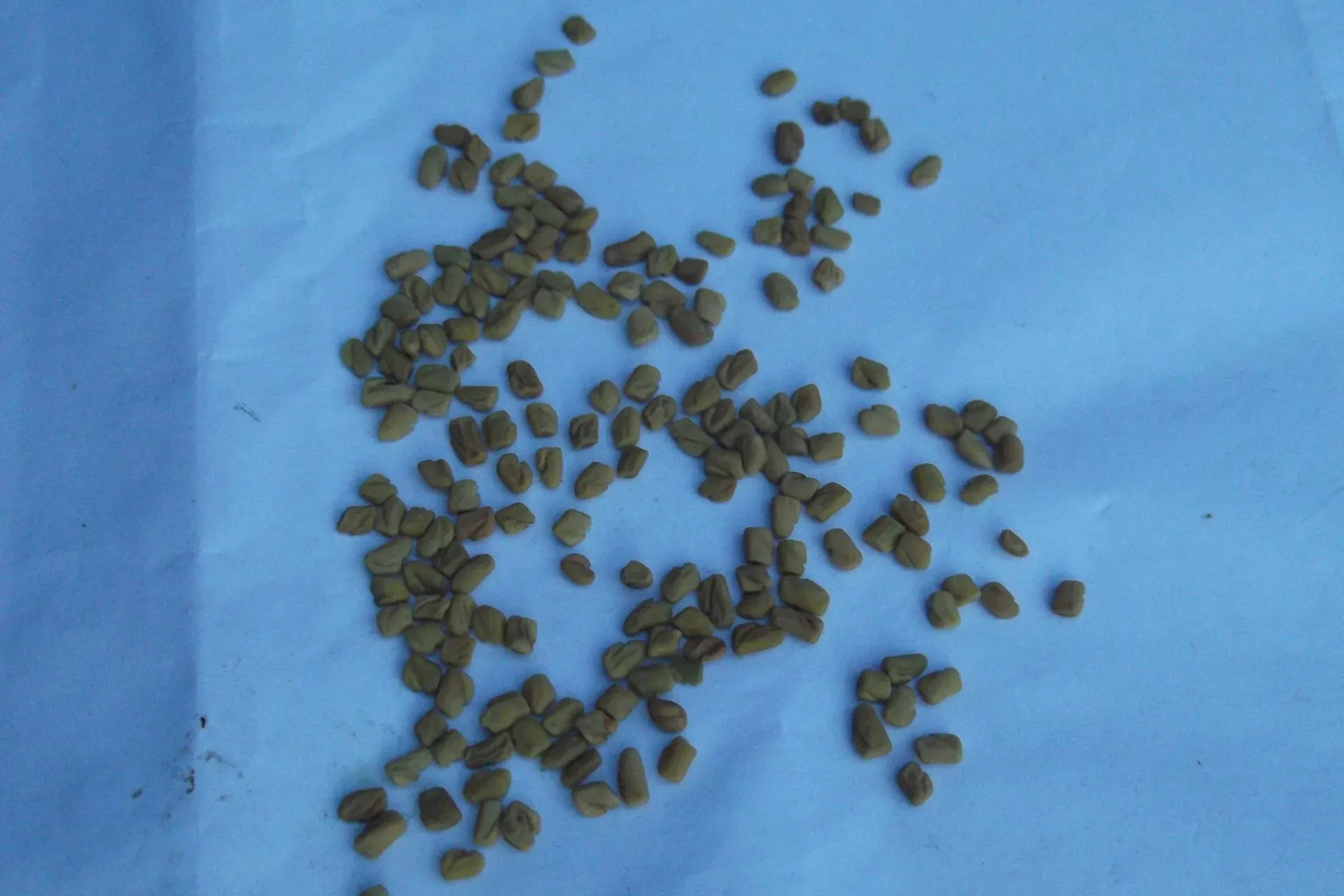
One sowing, two harvests — fresh methi leaves in a month, curry seeds in three, and richer soil left behind. Fenugreek (Trigonella foenum-graecum) is a fast legume grown across South Asia and the Mediterranean. Sow it thickly for leafy methi, or space it out for seed pods. Either way it fixes nitrogen as it grows, quietly improving the bed for whatever follows.
Grow Fenugreek with us — step by step
Everything for this plant is written step by step below — what to do, and exactly when. Read it through first if you like: you can grow it entirely on your own with that guide. Or start with us here — tell us your planting day and we lay out your personal schedule on this page, every next step on its own day, counted from your planting date. No guessing, no forgetting.
Step 1 — today: Soak fenugreek seed overnight and sow it directly in the bed — it sprouts fast and hates being transplanted.
Fenugreek at a glance
Sow indoors: Not recommended — sow where it will grow
Sow outdoors: At last frost; repeat every 3–4 weeks for leaves
Spacing · Seed depth: 5 in apart for seed; broadcast thickly for leaves · 1/2 in deep
Sun: Full sun
Water: Moderate — steady while young
Harvest: Leaves from 30–40 days; seed pods at 90–110 days
Timing counts from your average last spring frost — get your own dates in the Planting Calendar. Guidance follows standard extension-service practice for Canada and the US.
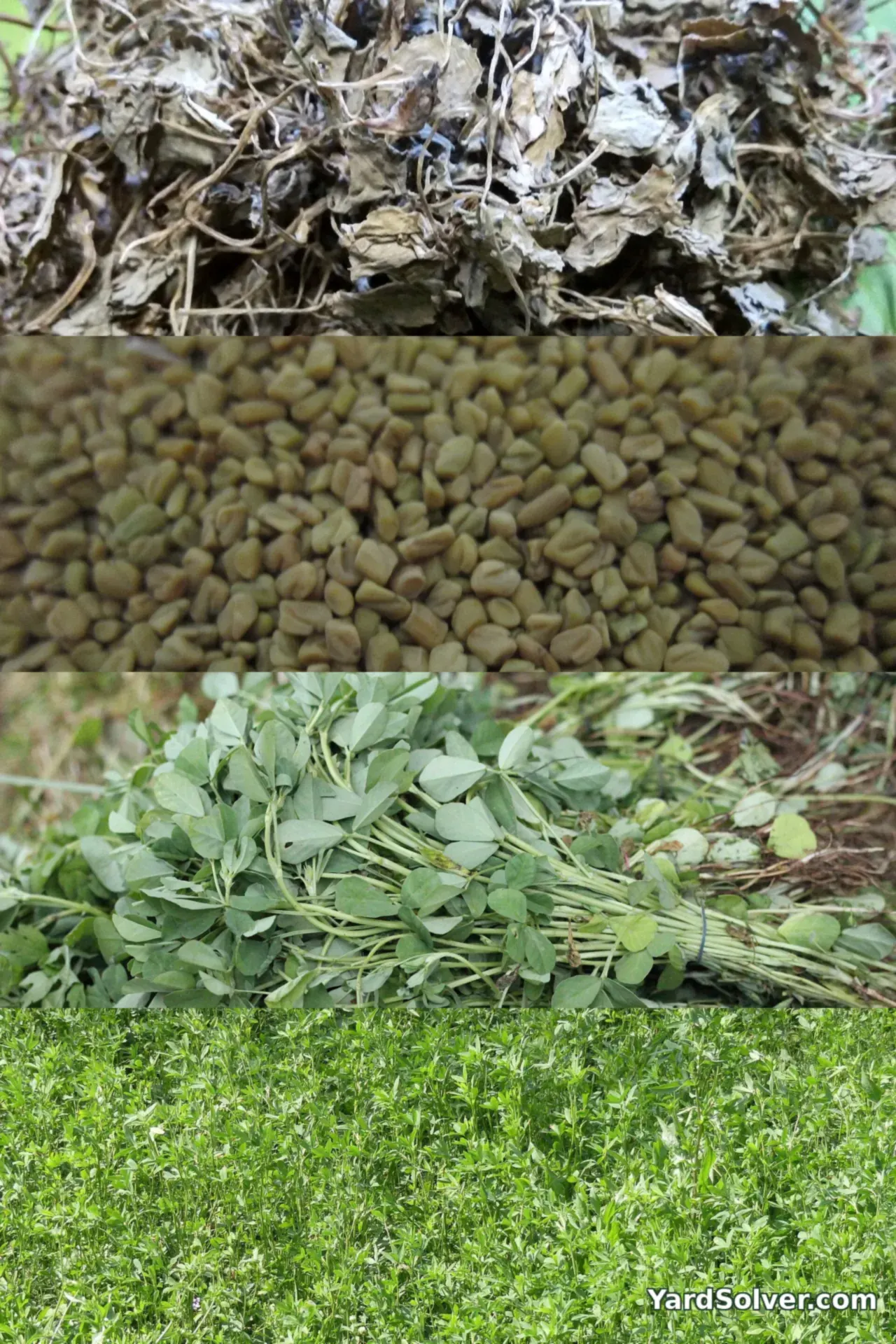
How to plant and grow fenugreek, step by step
Step 1 — Time it right
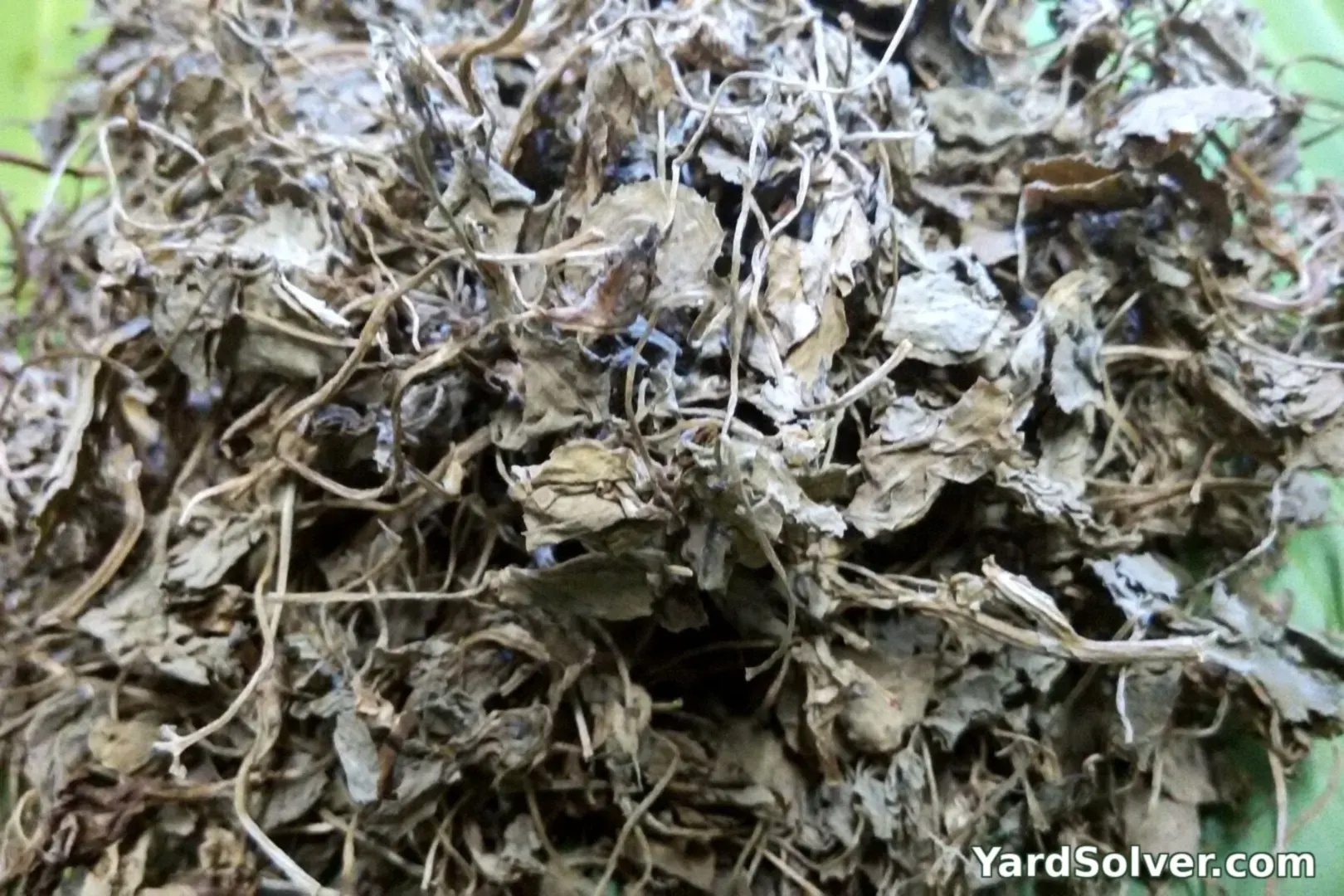
Sow outdoors: at last frost, and every 3–4 weeks for a leaf supply; Sow indoors: not recommended — fenugreek's taproot dislikes moving. All dates count from your average last spring frost — the Planting Calendar turns them into real dates for your garden. Fenugreek is a warm-season annual, but a fast one: leaves in a month, seed in just over three. Sow after frost into warming soil; an overnight soak speeds the already-quick germination (3–7 days). For leaves, sow little and often through spring and again in late summer — summer heat makes leaf crops bolt and turn bitter faster. For seed, one spring sowing, spaced properly, is the way.
Step 2 — Prepare the spot
Fenugreek asks little: sun, decent drainage, and soil that isn't already rich (overfed legumes make leaf at the expense of seed). Because it fixes its own nitrogen, skip the manure — a light raking is preparation enough. A bed that grew hungry crops last year is ideal, and whatever follows fenugreek inherits the nitrogen it leaves. For a raised bed, the Raised Bed Soil Calculator counts the bags for you; mixing your own? The Garden Soil Calculator gives the compost-rich split to aim for.
Step 3 — Sow and plant out

For a leaf crop, broadcast seed over the patch and rake in 1/2 in deep — a dense little meadow you cut like cress. For seed, sow in rows and thin to 5 in apart. The Plant Spacing Calculator turns your bed size into an exact plant count. Good neighbours: as a legume, fenugreek sits happily before hungry brassicas in a rotation, and its flowers are worked by bees between the vegetable rows.
Step 4 — Water and feed
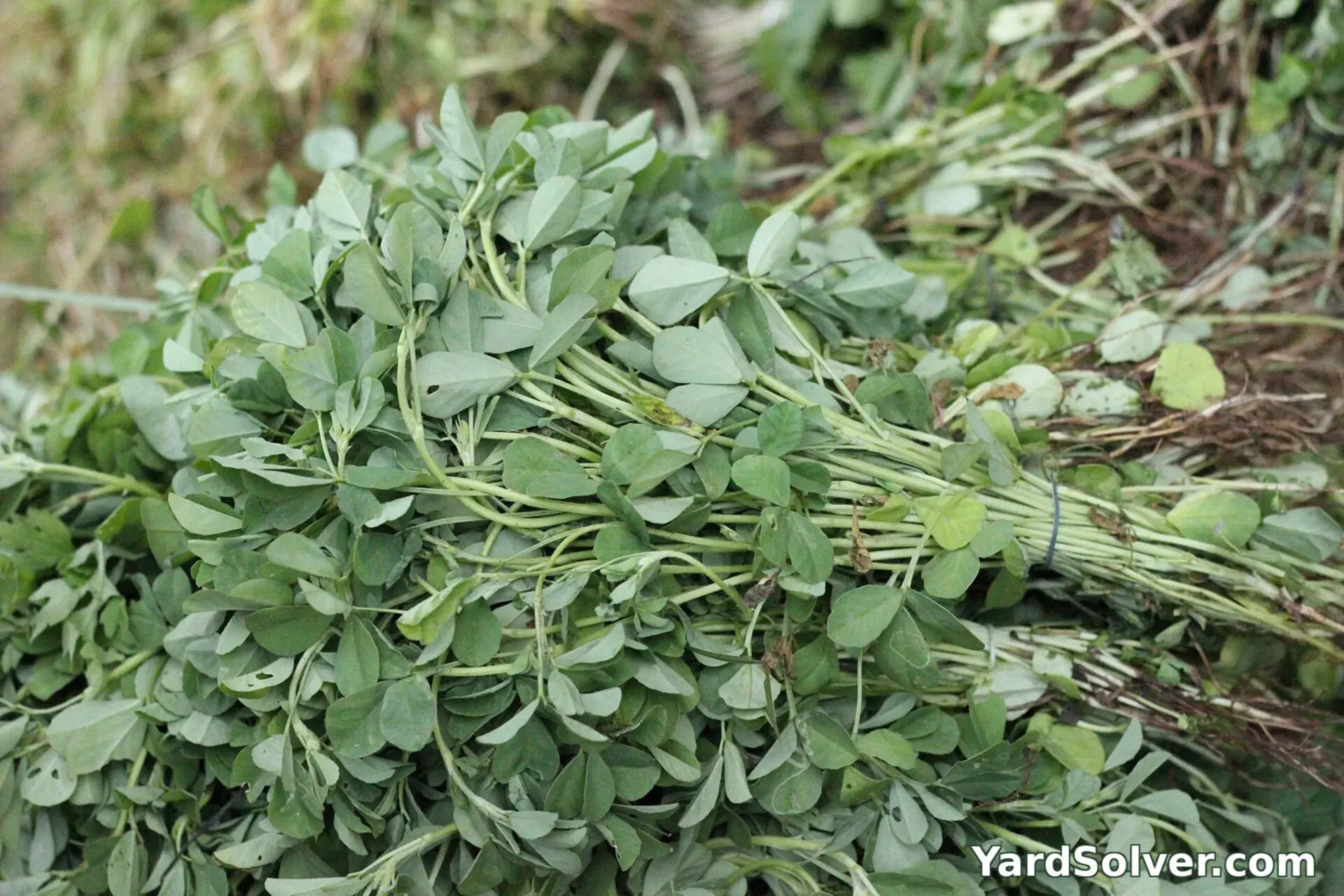
Water to keep the seedbed moist until plants stand strongly, then water in dry spells — fenugreek is reasonably drought-tough once rooted. No feeding needed: it makes its own nitrogen, and extra feed just delays pods. On very poor soil, a sprinkle of wood ash or a potassium-leaning feed supports seed set — the Fertilizer Calculator turns your bed size into exact amounts.
Step 5 — Care and the problems to watch for
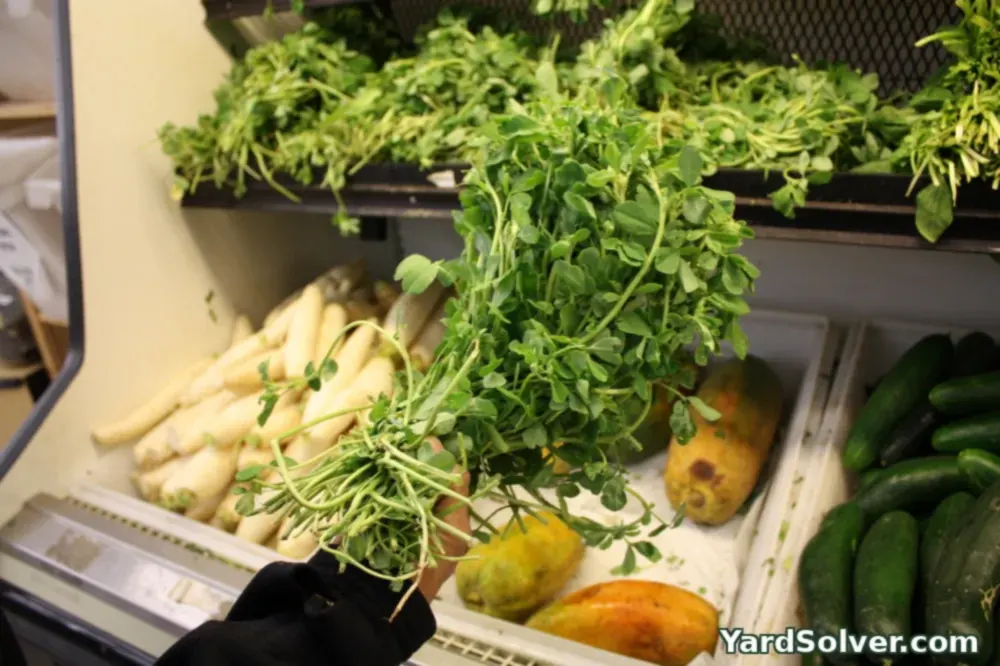
Fenugreek is refreshingly trouble-free. The fork in the road: if you keep cutting tops for leaves, pods come late and light; if you want seed, leave the plants alone after one early cut.
- Bitterness in leaves — heat and age; cut younger and sow in cooler windows.
- Root rot in wet soil — drainage again; raise the bed or lighten the soil.
- Aphids on tips — rare and brief; water jet or ignore, ladybirds arrive fast.
Step 6 — Harvest

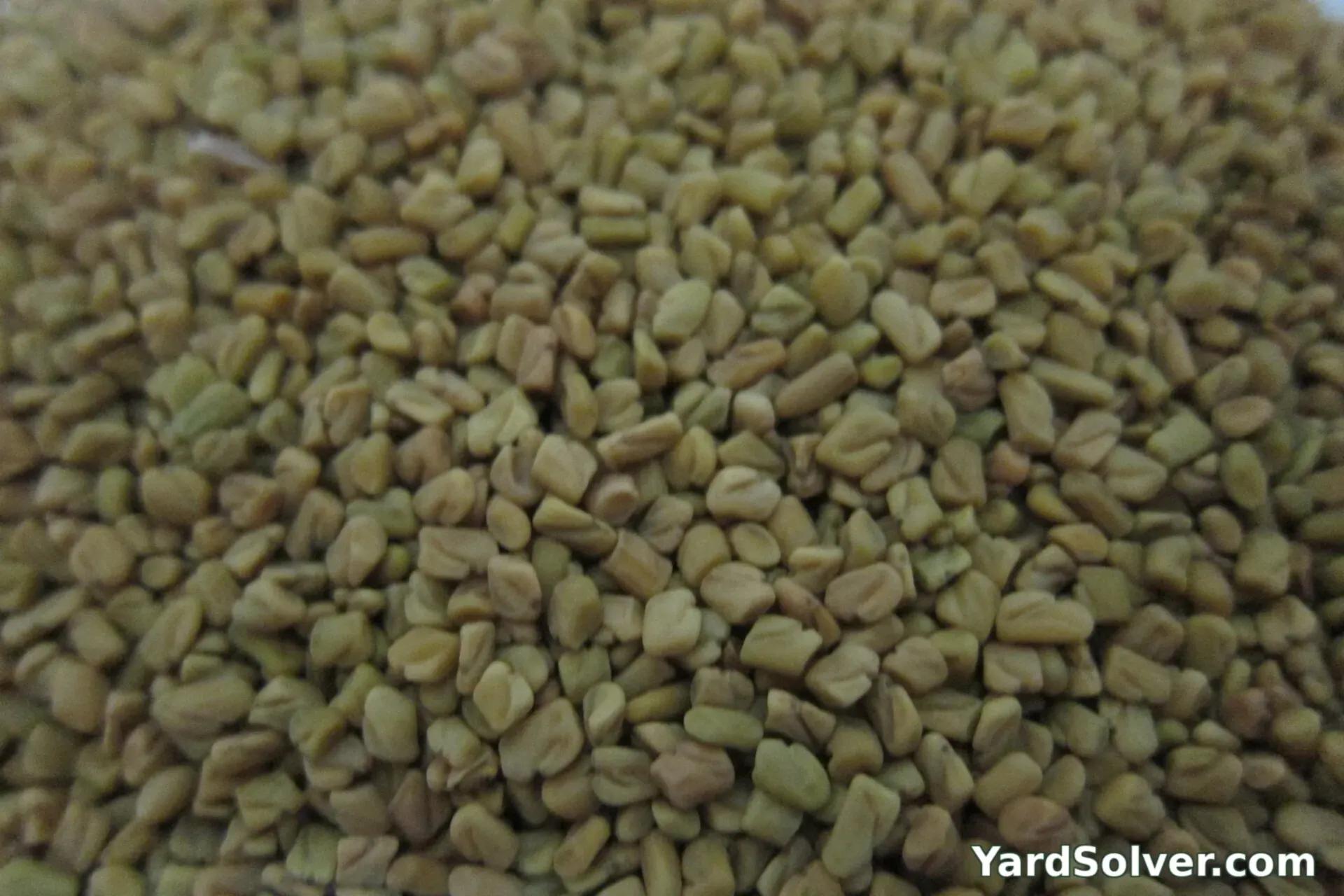
For leaves: cut the top third of the plants at 30–40 days and they regrow for a second cut; use methi fresh, or dry the leaves (kasuri methi) for their deep aroma. For seed: wait until pods yellow and dry on the plant at 90–110 days, pull whole plants on a dry day, dry them fully on a sheet, then thresh and winnow. The seed's warm, maple-like scent is unmistakable — store airtight and grind as needed.
📅 Your personal Fenugreek schedule
Counted from your planting day — not a generic calendar. Day 0 is the day the seed went in the ground or the young plant went out.
Varieties worth growing
| Variety | Colour | Why gardeners like it |
|---|---|---|
| Standard methi | Green leaves, golden seed | The all-purpose type — good leaves, good seed, sold everywhere. |
| Kasuri methi type | Small, intensely aromatic leaves | Grown for drying — named for Kasur, the town famous for the finest dried leaves. |
| Early leaf strains | Fast, tender leaves | Bred for quick leaf crops; sow thick and cut young before they think about seed. |
Good for you — and take care
Benefits
- Two crops in one: fresh methi leaves, then golden curry seed.
- Fixes nitrogen as it grows, leaving the bed richer for the next crop.
- Seed is a cornerstone spice of curries, pickles and spice blends.
Take care
- Legume family — caution for anyone with peanut or chickpea allergy.
- Sow direct — the taproot makes transplanting a poor idea.
- Avoid large medicinal doses in pregnancy; culinary amounts are traditional.
A little history — and one good fact
Fenugreek is ancient — charred seeds were found in a 6,000-year-old Iraqi site, and Egyptian papyri list it among remedies. Its name means 'Greek hay', from its Roman-era use as fodder, but India made it a kitchen star: methi leaves and seeds now define dishes from Punjab to Persia.
Fun fact: Fenugreek seed contains sotolone, the same aroma compound that scents maple syrup — which is why the seed smells of maple and curry at once, and why it was once used to flavour imitation maple syrup.
Keep going
Guides: Crop rotation basics · Succession planting · Companion planting basics
Calculators: Plant Spacing Calculator · Garden Mix Calculator · Fertilizer Calculator
More herbs: Cumin · Cilantro · Licorice · Chervil
← Back to the Plant Library · Get your personal planting dates
Questions people ask
How do I grow fenugreek for leaves versus seed?
For leaves, sow thickly in a patch and cut the top growth at 30–40 days — plants regrow for a second cut. For seed, thin plants to about 5 in apart and leave them uncut; pods ripen at 90–110 days.
Why do my fenugreek leaves taste bitter?
Heat, age and flowering all sharpen the bitterness. Cut leaves young, sow leaf crops in spring and late summer rather than mid-summer heat, and use the strongest leaves cooked rather than raw.
Does fenugreek improve the soil?
Yes — like other legumes it partners with root bacteria that fix nitrogen from the air. A fenugreek crop leaves nitrogen behind, which is why it earns a place in rotations before hungry feeders like brassicas.
Methi in three weeks: a warm-season legume grown as a cut-and-come-again leaf and a curry seed
Fenugreek is two crops with one sowing. Picked young and often, it is methi — the slightly bitter, deeply aromatic leaf that seasons curries, flatbreads and potato dishes across South Asia. Left to mature, the same plants set slender pods of hard, golden seeds, the essential spice of curry powders and pickling blends, with a smell of maple and celery that carries across a kitchen. Few plants give a leaf crop and a seed crop from the same square foot.
It is a warm-season annual and a fast one: seed soaked overnight germinates within days in warm soil, and the first leaves can be cut in about three weeks. Because it is a legume it fixes nitrogen as it grows, and because it is cut young for leaf, succession sowings every few weeks keep the supply tender — old plants grow coarse and turn their energy to seed. Thin, even watering suits it; it is a plant of dry homelands and resents sitting wet.
The worked example: soaked seed sown thickly in warm soil, cut at 15 centimetres and allowed to regrow, commonly gives several cuts of methi before a final row is left to pod for seed. The identical seed sown once and left untouched typically gives one coarse cutting and a tangle. Fenugreek rewards the little-and-often approach in everything — sowing, cutting and watering alike.
Sources
Key facts on this page — timing, spacing and care — cross-checked against NC State Extension Plant Toolbox — Trigonella foenum-graecum (fenugreek) — culture, sowing and care requirements and Fenugreek — Wikipedia — background on fenugreek, methi leaf and seed uses.
Related page
Read next: Crop Rotation Basics: A Simple Four-Year Plan.
Comments & ratings
No comments yet.
Be the first to share your experience.