
Plant Library · Herbs · By Faizan Ahmad
🌱 How to Grow Cumin
A long, hot-season annual for gardeners with patience — your own dried seed for curries, breads and spice blends. Cumin (Cuminum cyminum) is a slight, feathery plant that needs 110–130 frost-free, warm days between sowing and harvest. In short-season gardens that means an early indoor start and the sunniest spot you own; in warm ones it practically grows itself.
Grow Cumin with us — step by step
Everything for this plant is written step by step below — what to do, and exactly when. Read it through first if you like: you can grow it entirely on your own with that guide. Or start with us here — tell us your planting day and we lay out your personal schedule on this page, every next step on its own day, counted from your planting date. No guessing, no forgetting.
Step 1 — today: Start cumin seed in individual pots indoors — it dislikes root disturbance — and keep the tray warm; germination can take 2 slow weeks.
Cumin at a glance
Sow indoors: 4 weeks before last frost
Move outside: 2 weeks after last frost, into warm soil
Sow outdoors: 1 week after last frost, in warm soil
Spacing · Seed depth: 8 in apart · 1/4 in deep
Sun: Full sun
Water: Moderate — steady while young, drier as seed ripens
Harvest: Seed heads at 110–130 days, when they turn brown
Timing counts from your average last spring frost — get your own dates in the Planting Calendar. Guidance follows standard extension-service practice for Canada and the US.
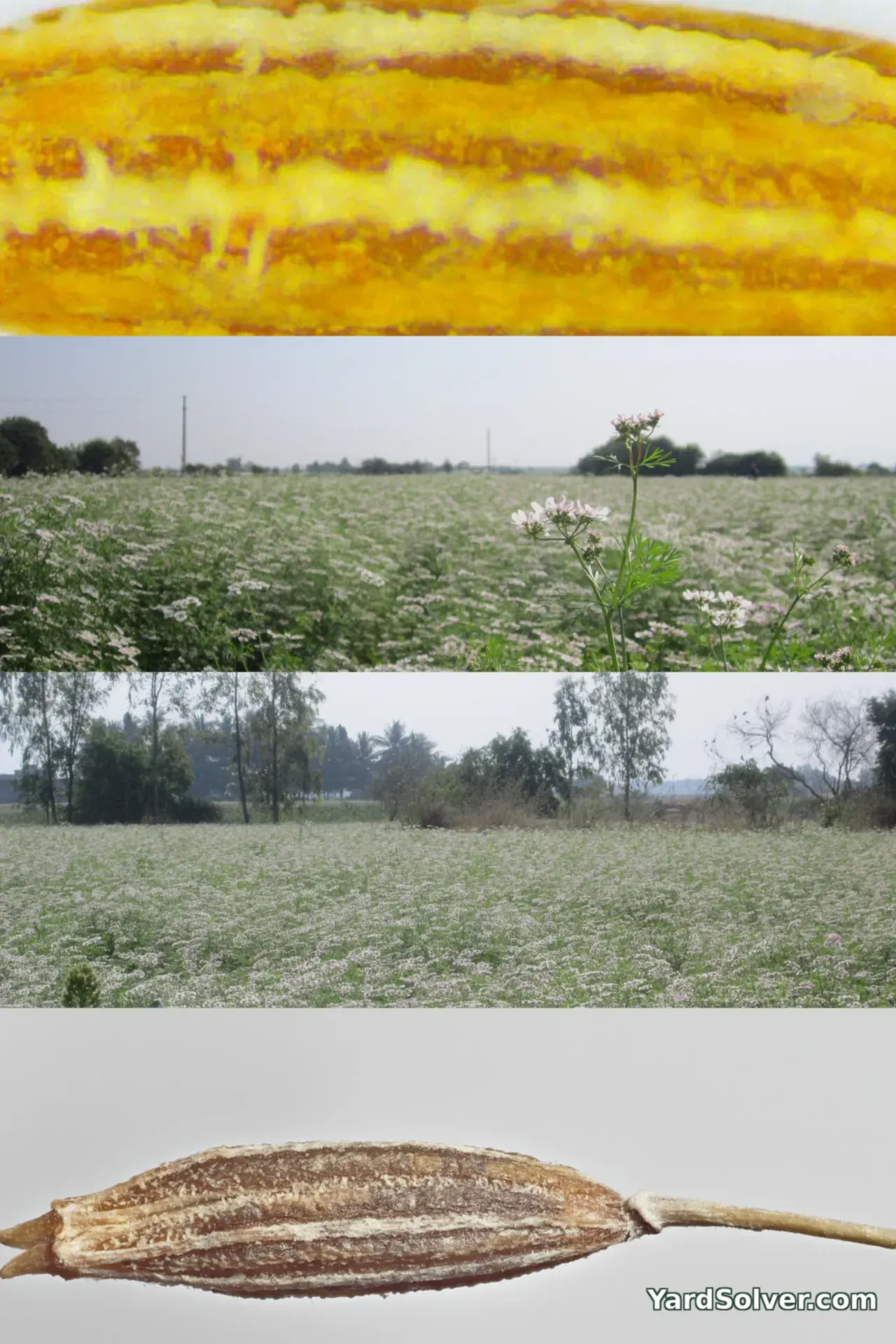
How to plant and grow cumin, step by step
Step 1 — Time it right
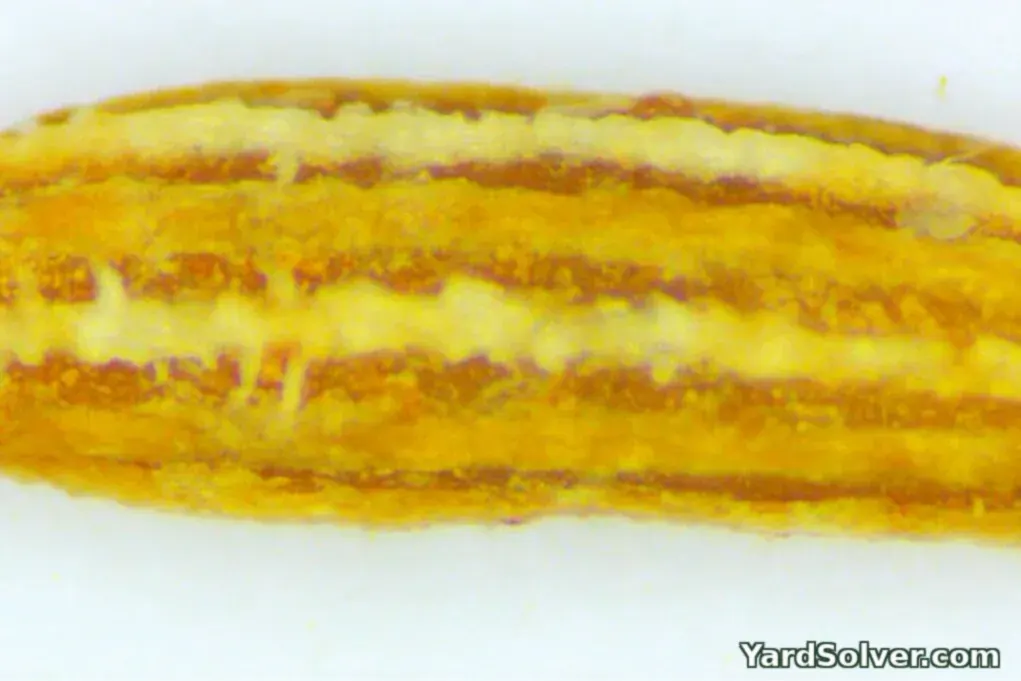
Sow indoors: 4 weeks before last frost; Move outside: 2 weeks after last frost, into warm soil; Sow outdoors: 1 week after last frost. All dates count from your average last spring frost — the Planting Calendar turns them into real dates for your garden. Cumin needs a long, warm runway: count back 4 months from your first autumn frost to see if your season fits. Indoor sowing in individual pots (or soil blocks) avoids the transplant sulk. Seeds germinate slowly and unevenly over 7–14 days at warm room temperature — soak them overnight before sowing to help. Where summers are long, direct sowing into warm soil works just as well.
Step 2 — Prepare the spot
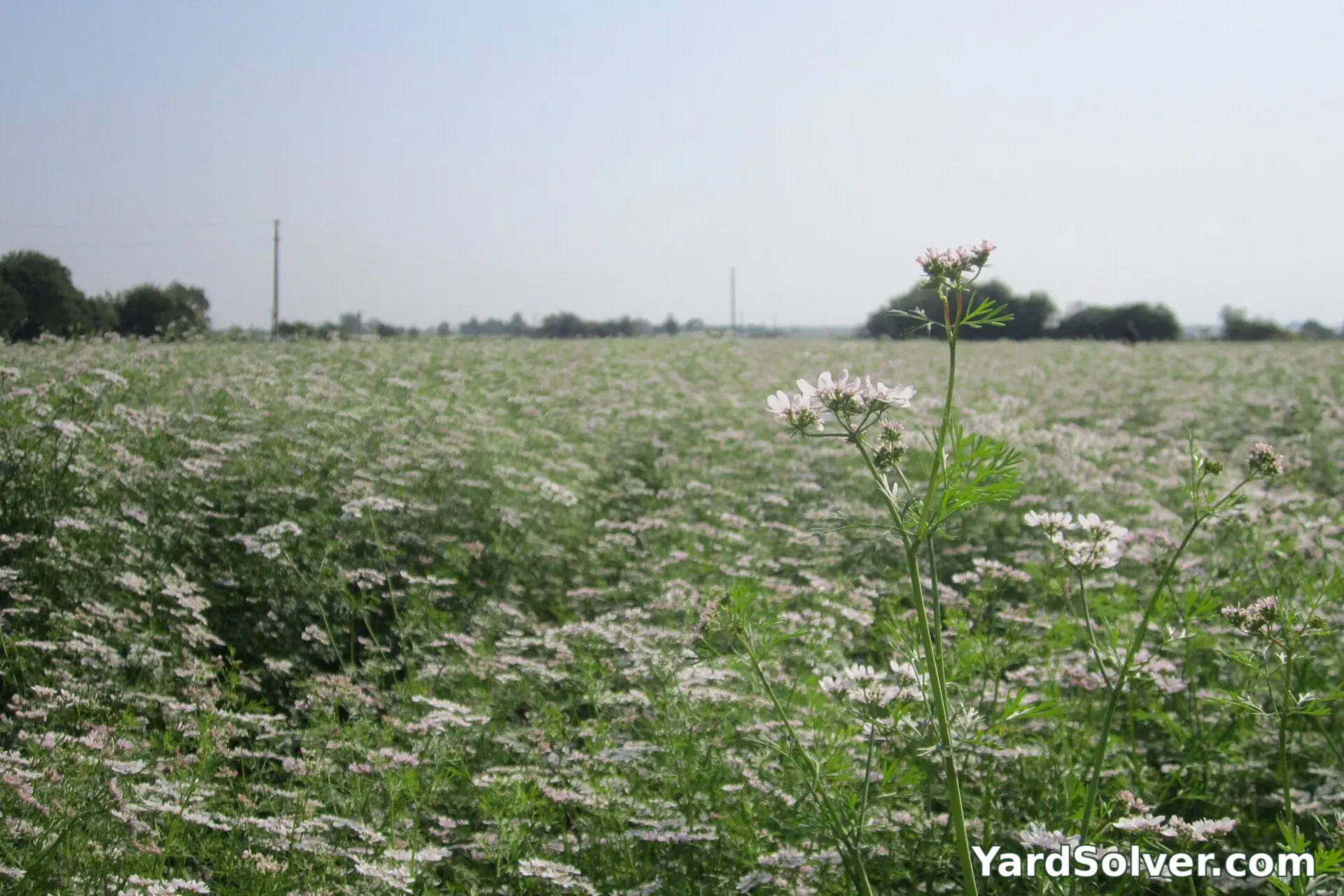
Cumin comes from the dry hills of the eastern Mediterranean and Iran: it wants full sun, lean-to-average soil and drainage that never sits wet. Heavy soil grows mouldy plants; fork in grit or grow it in a raised bed. Rake the surface fine for sowing. For a raised bed, the Raised Bed Soil Calculator counts the bags for you; mixing your own? The Garden Soil Calculator gives the compost-rich split to aim for.
Step 3 — Sow and plant out
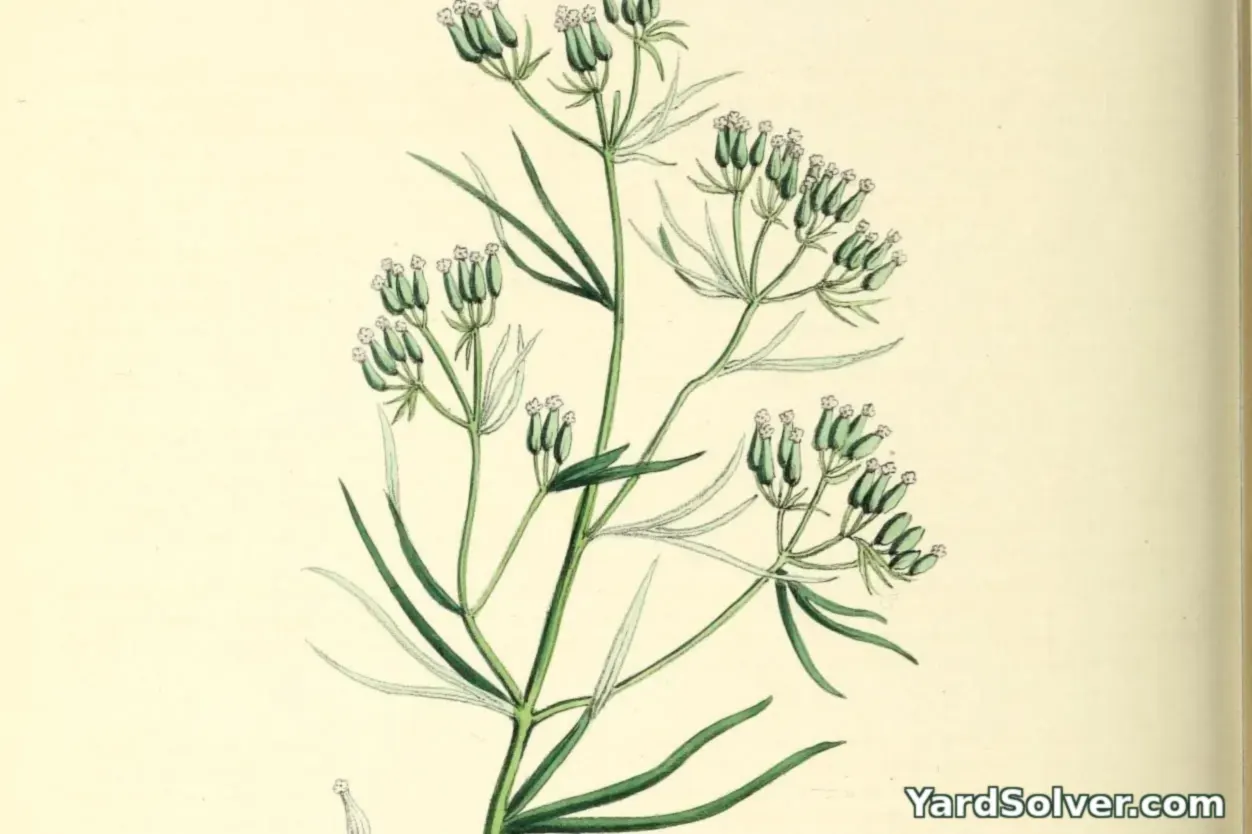
Slide pot-grown seedlings out with their whole root ball and set them 8 in apart; thin direct sowings to the same. The Plant Spacing Calculator turns your bed size into an exact plant count. Plant in a block rather than a single line — the feathery plants support each other and pollination improves. Good neighbours: cumin's small white umbels draw the tiny parasitic wasps that patrol aphids on nearby crops.
Step 4 — Water and feed
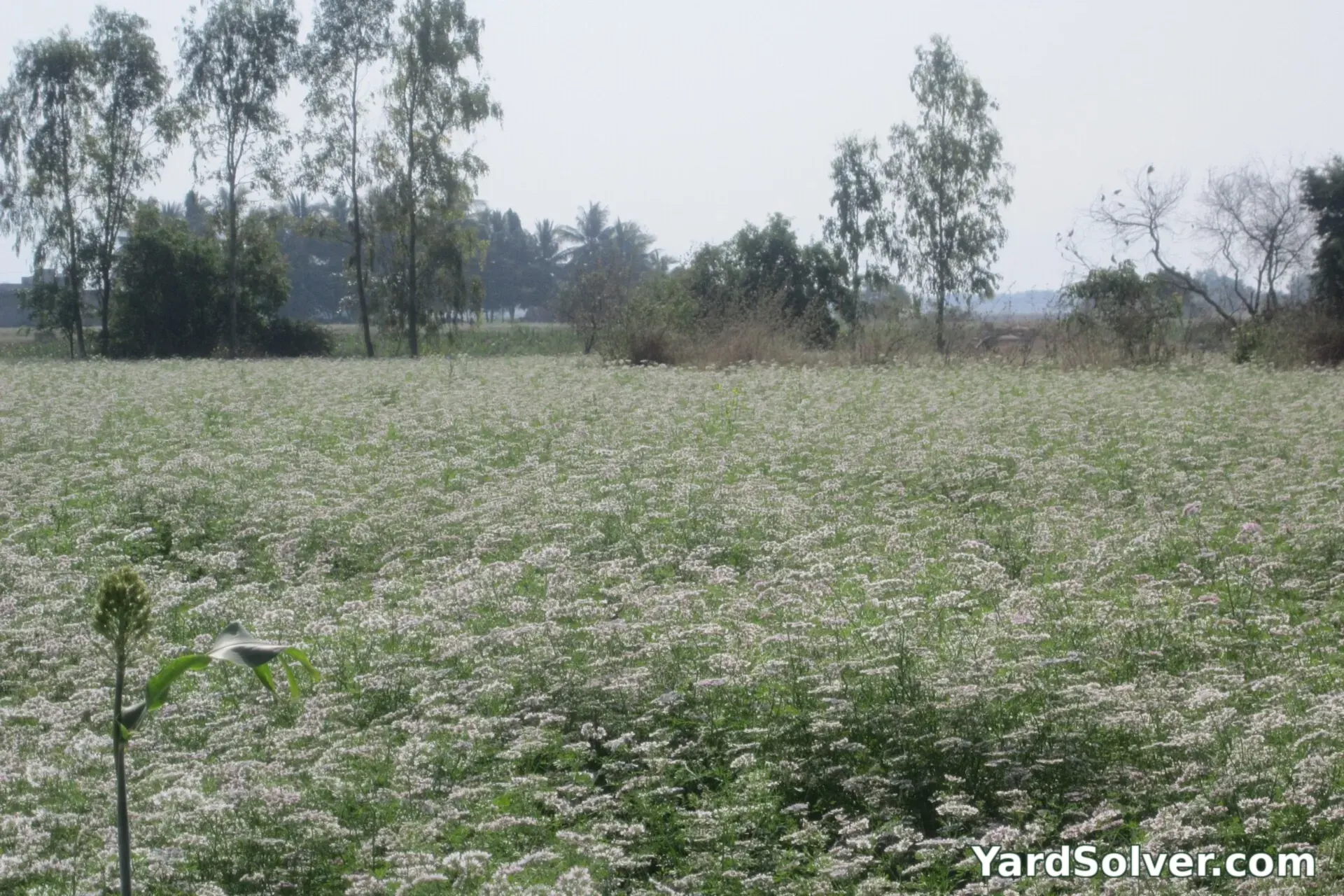
Water seedlings regularly until they are growing strongly, then let the soil dry a little between waterings — cumin dislikes wet feet at every age. Stop watering as the seed ripens: dry weather at harvest is what you want. Feeding is light — one modest balanced feed at planting on poor soil is plenty — the Fertilizer Calculator turns your bed size into exact amounts.
Step 5 — Care and the problems to watch for
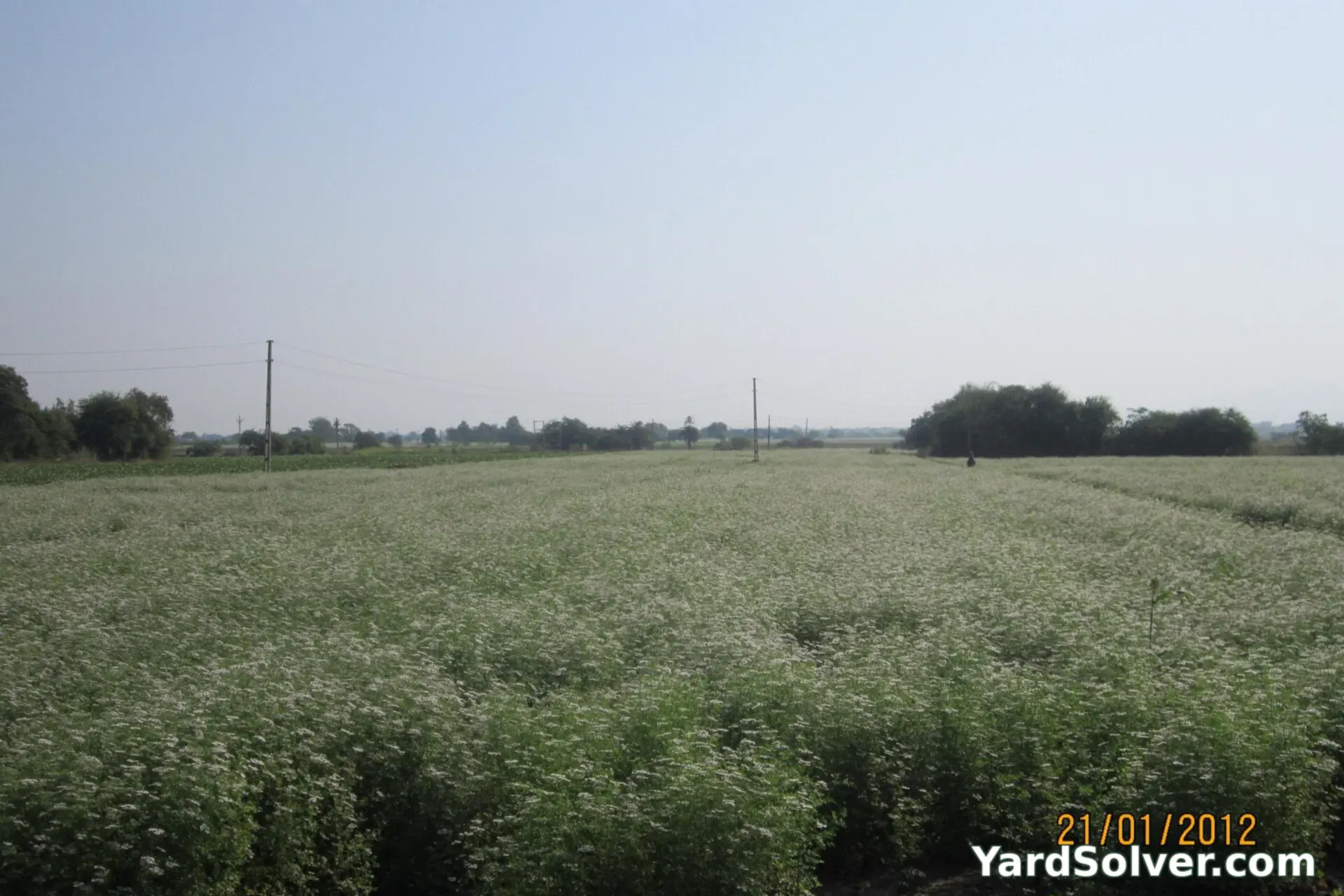
Cumin is a delicate-looking plant that leans; push in a few twiggy sticks around the block and let it grow through them. Keep the row hand-weeded — the fine foliage can't compete with weeds.
- Wilting patches in wet weather — fungal wilt is cumin's main disease; improve drainage and never replant cumin in a failed spot the next year.
- Aphids on the umbels — blast with water; the crop is close to harvest by then anyway.
- Slow, weak growth — cold is the usual cause; cumin simply waits for heat.
Step 6 — Harvest
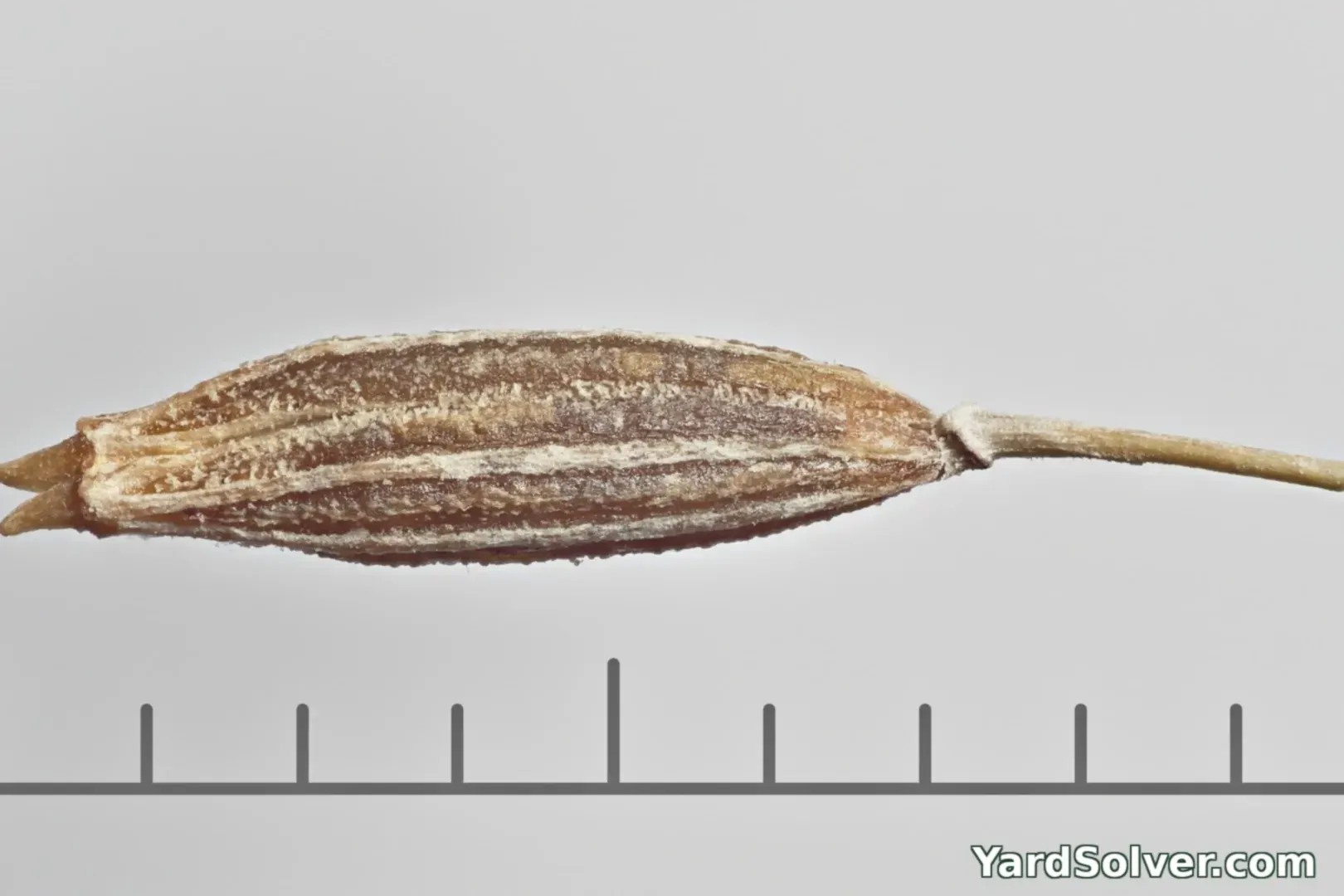
Watch the heads from day 100: when they turn from green to tan-brown and the seeds harden, cut whole stems on a dry morning — leave them too long and the seed shatters to the ground. Hang the stems head-down in a paper bag indoors for a week, then rub and winnow. Dry seed stores a year in an airtight jar. A modest patch yields a few tablespoons — a spice harvest, not a bulk crop, and all the more satisfying for it.
📅 Your personal Cumin schedule
Counted from your planting day — not a generic calendar. Day 0 is the day the seed went in the ground or the young plant went out.
Varieties worth growing
| Variety | Colour | Why gardeners like it |
|---|---|---|
| Common cumin | Tan seed | The standard seed strain — the warm, earthy flavour of curries and jeera rice. |
| Persian type | Slender, aromatic seed | Slower, more perfumed strains from Iran — worth trying where seasons are long. |
| Black cumin (different plant) | Black, crescent seed | Bunium persicum — a distinct, rarer spice; don't confuse it with nigella, also nicknamed black cumin. |
Good for you — and take care
Benefits
- Your own fresh-ground cumin out-perfumes any shop jar within weeks of harvest.
- Umbel flowers feed tiny beneficial wasps and hoverflies.
- A genuinely ornamental, feathery plant for the sunny herb bed.
Take care
- Needs 110–130 warm days — short-season gardeners must start indoors early.
- Hates wet soil and root disturbance; sow in pots and plant out whole.
- Harvest promptly — ripe heads shatter and drop their seed.
A little history — and one good fact
Cumin is among the oldest cultivated spices on earth — seeds were found in Syrian sites over 4,000 years old, and Egyptian tombs held it as an offering. It flavoured Roman cooking, travelled the Silk Road into Indian kitchens, and crossed the Atlantic with Spanish colonists into Mexican food.
Fun fact: In medieval Europe, cumin was a symbol of fidelity — guests pocketed it at weddings, and soldiers' wives baked it into the bread sent to war so their husbands would stay true.
Keep going
Guides: Succession planting · Crop rotation basics · How to dry herbs
Calculators: Plant Spacing Calculator · Garden Mix Calculator · Fertilizer Calculator
More herbs: Fenugreek · Cilantro · Dill
← Back to the Plant Library · Get your personal planting dates
Questions people ask
How long does cumin take to grow?
About 110–130 days from sowing to ripe seed, in warm weather. In short-season gardens, start it indoors four weeks before last frost so the plants are already growing when the heat arrives.
Why did my cumin plants wilt and die in patches?
Fungal wilt in wet or heavy soil is the usual cause. Cumin needs sharp drainage — raise the bed, lighten the soil with grit, and rotate the patch so cumin doesn't follow cumin.
Is black cumin the same as cumin?
No. True black cumin is Bunium persicum, a different and rarer spice, and nigella seed is also nicknamed 'black cumin' — three different plants share confusing names. This page is about classic tan cumin, Cuminum cyminum.
A long, hot season and a gentle hand: cumin is a small harvest, and honesty about yield is part of growing it
Cumin is a spice crop from hot, dry climates, and its requirements follow from that origin: it needs a long, warm growing season, full sun and soil that drains freely, and it sulks in cool, wet summers. Seed germinates slowly and seedlings are small and fragile, so in short-season climates it is started indoors and planted out with real care — or grown in a large pot in the hottest, most sheltered position available, where the whole season can be extended under cover at both ends.
The harvest is judged by colour: the seed heads are cut when they turn from green to tan-brown and the seeds rattle dry, then finished in a paper bag in a warm, airy place before threshing. Left too long, heads shatter and the seed is lost to the soil; cut too green, it never develops full aroma. Home-grown cumin, toasted fresh, is markedly more fragrant than old shop-bought seed — but the yield per plant is a spoonful, not a jar, and it is grown for freshness and satisfaction rather than economy.
The worked example: plants started early, grown hot and dry in a pot or the sunniest bed, and cut at the tan stage commonly give a small harvest of intensely aromatic seed. The identical plants in cool, rich, wet ground typically grow slowly, mildew and set little worth harvesting. Cumin asks for a climate, not a technique — give it the hottest corner you have and set expectations to a cook's treasure, not a store cupboard.
Sources
Key facts on this page — timing, spacing and care — cross-checked against NC State Extension Plant Toolbox — Cuminum cyminum (cumin) — culture, temperature, soil and care requirements.
Related page
Read next: How to Plan a Vegetable Garden: Layout for Beginners.
Comments & ratings
No comments yet.
Be the first to share your experience.